Top 10 Classic Yellow Flowers To Grow In Your Pennsylvania Garden
Yellow flowers have a way of lighting up a garden like nothing else. Their bright tones catch the eye from a distance and bring a cheerful, sunny feel to any outdoor space.
In Pennsylvania, many gardeners rely on these classic blooms to add warmth and color after the long, gray stretch of winter.
These timeless favorites do more than brighten garden beds. Many are dependable, easy to grow, and well suited to Pennsylvania’s changing seasons.
Some bloom early and signal the start of spring, while others carry vibrant color into summer and beyond. Their golden shades pair beautifully with greens, purples, and whites, helping create a balanced and lively landscape.
Planting classic yellow flowers adds energy and charm that never feels outdated. With the right choices, your garden can stay bright, welcoming, and full of life from the first warm days of spring through the peak of the growing season.
1. Daffodils
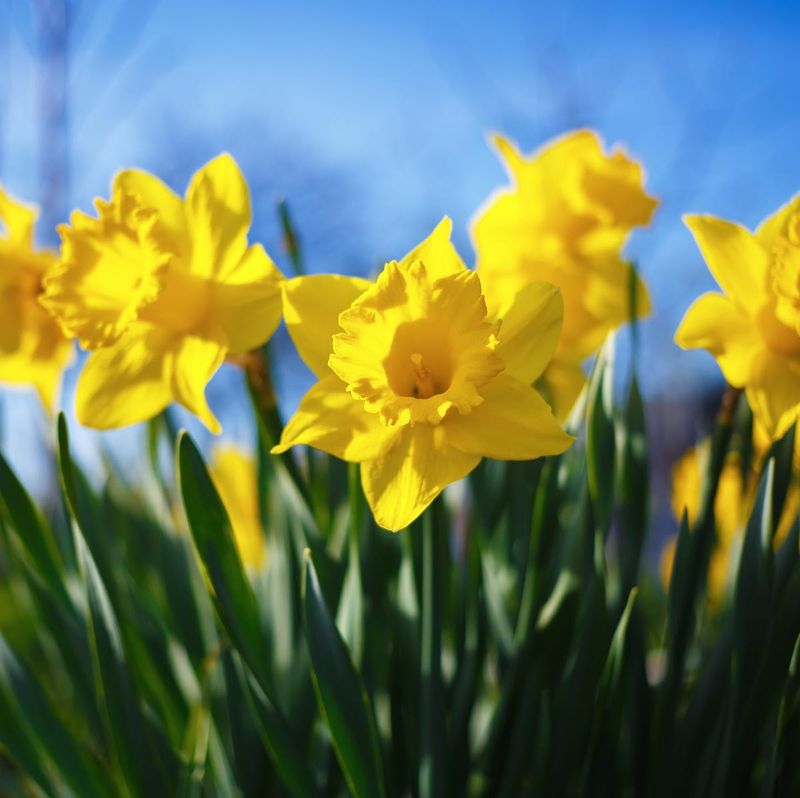
Nothing says spring has arrived in Pennsylvania quite like daffodils popping up through the last bits of snow. These cheerful bulbs are among the first flowers to bloom each year, often appearing in March or early April depending on where you live in the state.
Plant them once in fall, and they’ll return year after year without needing much attention from you.
Daffodils handle Pennsylvania winters like champions. The cold temperatures don’t bother them one bit.
Deer and rabbits usually leave them alone too, which makes them perfect if wildlife visits your yard regularly. You can plant them under trees, along walkways, or scattered across your lawn for a natural look.
These bulbs prefer well-drained soil and sunny spots, though they’ll tolerate some shade. Water them after planting in fall, then let nature take over.
The flowers last several weeks each spring, and the foliage feeds the bulb for next year’s show. You can find daffodils in many shades of yellow, from pale lemon to deep gold. Some varieties have ruffled centers or sweet fragrances.
Group them in clusters of at least ten bulbs for the best visual impact in your Pennsylvania garden beds.
2. Black-Eyed Susan
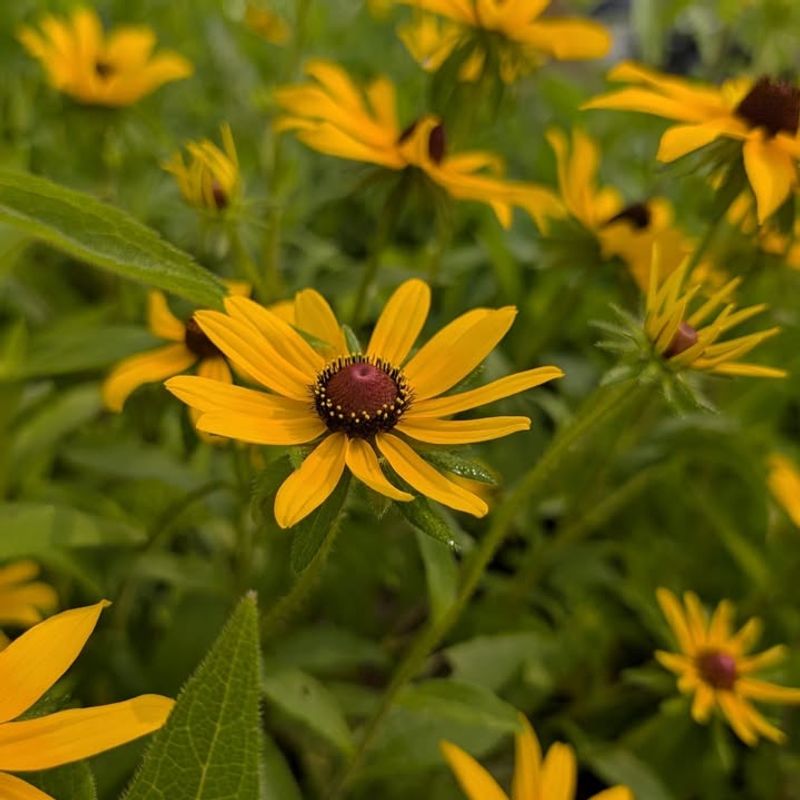
Black-eyed Susans are Pennsylvania natives that feel right at home in our gardens. These tough wildflowers bloom from June straight through September, giving you months of golden yellow color.
The dark brown centers create a striking contrast against the sunny petals, making them easy to spot from across the yard.
Once established, these flowers handle hot Pennsylvania summers without constant watering. They grow well in average soil and don’t need fertilizer or special treatment.
Butterflies and bees visit them constantly, which helps your whole garden thrive. The flowers also make excellent cut arrangements that last over a week in a vase.
Black-eyed Susans grow about two to three feet tall and spread slowly to form nice clumps. They work perfectly in cottage gardens, meadow plantings, or mixed borders throughout Pennsylvania.
Plant them in full sun for the most blooms, though they’ll tolerate light shade. These flowers reseed themselves gently, so you’ll see new plants appear without becoming a nuisance.
Beginners love them because they’re nearly impossible to mess up, and experienced gardeners appreciate their reliable performance year after year.
3. Daylilies
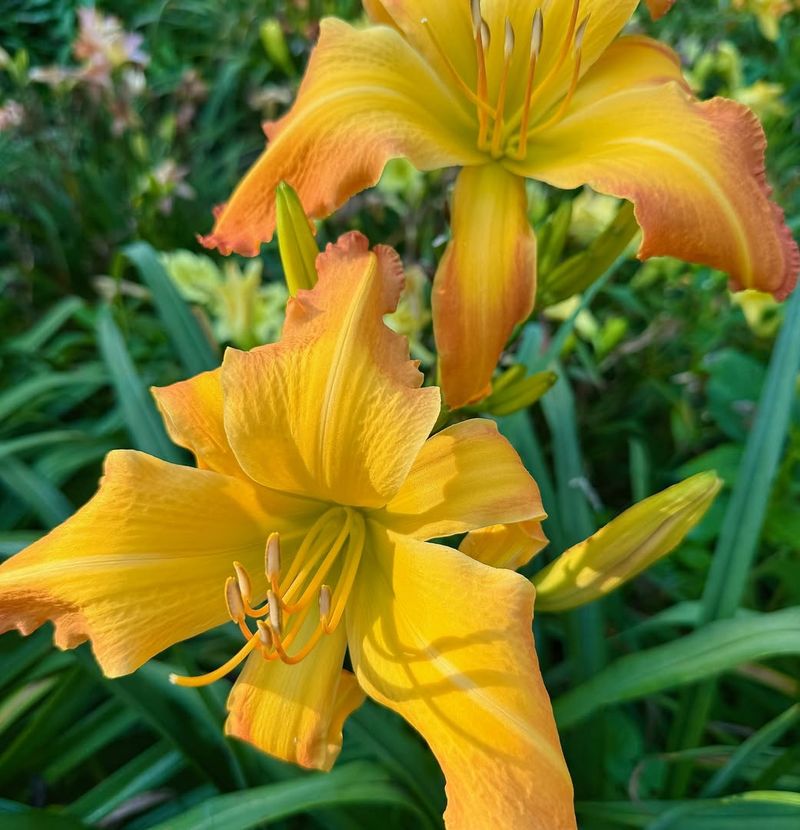
Daylilies might be the most forgiving perennials you can grow in Pennsylvania. Each flower lasts just one day, but each plant produces so many buds that you’ll have blooms for weeks during summer.
Yellow varieties range from soft butter shades to vibrant gold, and some even have ruffled edges or darker throats.
Pennsylvania’s climate suits daylilies perfectly. They survive cold winters, hot summers, and everything in between.
Plant them in spring or fall, water them regularly the first season, then watch them thrive with minimal care. They grow in full sun or partial shade and adapt to different soil types across the state.
These plants form thick clumps of grass-like foliage that looks good even when flowers aren’t blooming. The roots hold soil in place on slopes, and the plants rarely have pest problems.
Daylilies multiply over time, so you can divide them every few years to create more plants for other spots in your Pennsylvania garden. They work beautifully along driveways, in foundation plantings, or massed together in large beds.
Many Pennsylvania gardeners collect different varieties to extend the bloom season from early June through August.
4. Coreopsis
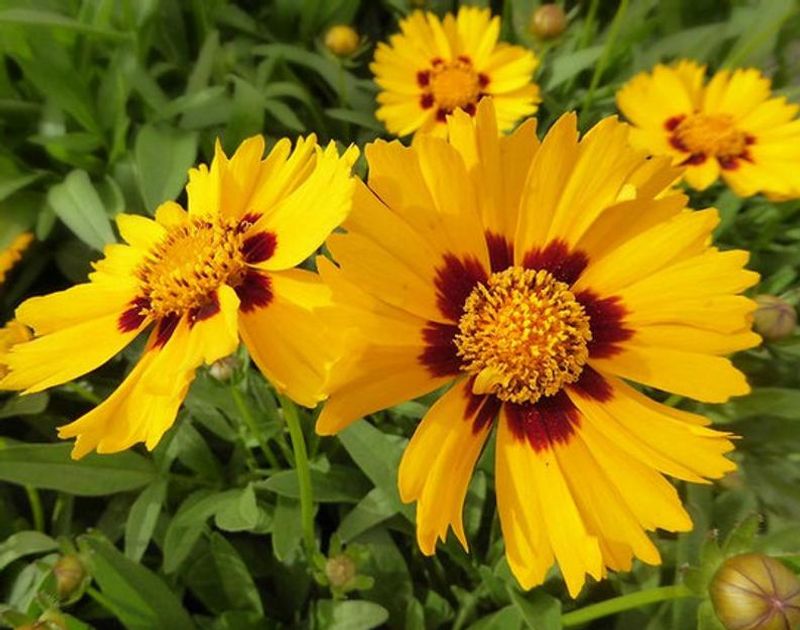
Coreopsis earns its place in Pennsylvania gardens by blooming longer than almost any other perennial. These bright golden flowers start opening in early summer and keep going until frost if you remove the spent blooms.
The cheerful daisy-like flowers sit on thin stems that sway gently in the breeze, creating movement in your garden beds.
Pennsylvania summers can be tough on plants, but coreopsis handles heat and occasional drought without complaint. It grows well in average soil and doesn’t need rich conditions or constant feeding.
Full sun brings out the most flowers, though the plants tolerate some afternoon shade. The compact varieties stay under two feet tall, while taller types reach three feet.
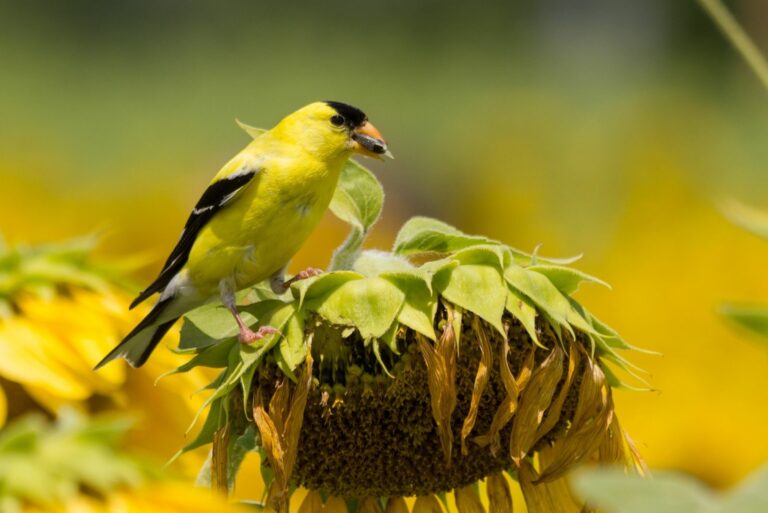
Butterflies visit coreopsis flowers throughout the day, and goldfinches enjoy the seeds in fall. The plants spread slowly to form nice clumps but never become aggressive.
Yellow varieties offer shades from pale lemon to deep gold, and some have dark red centers. Plant them in groups of three or five for the best show.
Pennsylvania gardeners appreciate how coreopsis keeps blooming even during hot, dry spells when other flowers take a break.
5. Yellow Tulips
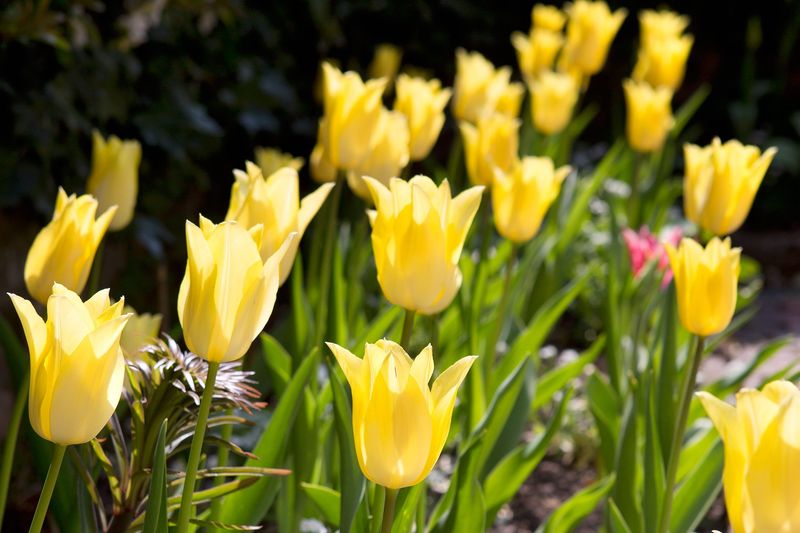
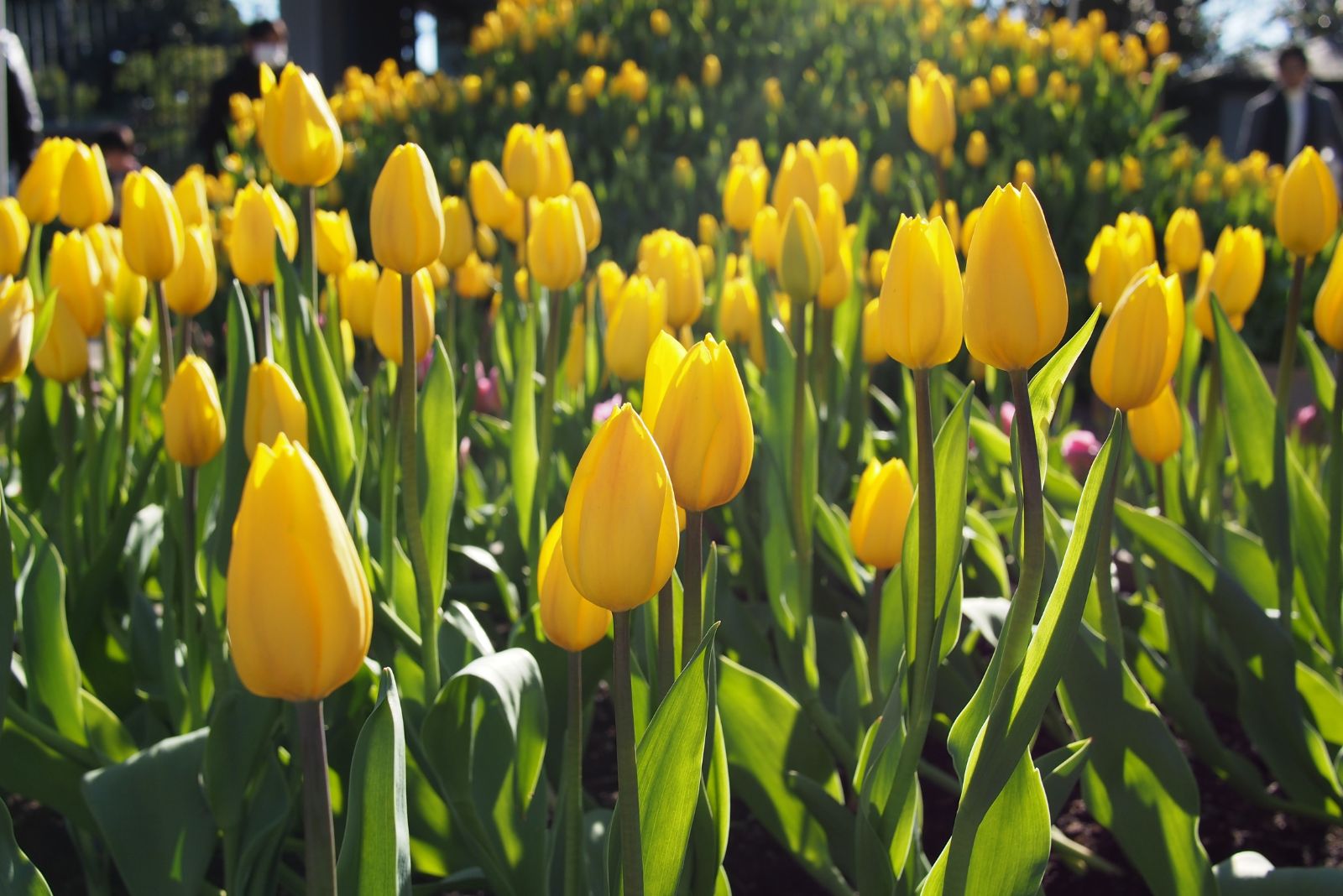
Yellow tulips bring elegance to Pennsylvania spring gardens with their classic cup-shaped blooms. These bulbs create formal-looking displays along walkways, in foundation beds, or grouped in container gardens.
Shades range from creamy ivory-yellow to bright sunshine gold, and some varieties feature striped or fringed petals for extra interest.
Plant tulip bulbs in October or November across Pennsylvania, giving them time to establish roots before winter. They need cold temperatures to bloom properly, which our state provides naturally.
Choose a spot with good drainage and full spring sun. The flowers appear in April or May depending on the variety and your location in Pennsylvania.
Tulips look best planted in groups rather than single bulbs scattered around. Try planting them in layers with other spring bulbs for a longer show of color.
While some tulips return for several years, many Pennsylvania gardeners treat them as annuals and plant fresh bulbs each fall for guaranteed blooms. Combine yellow tulips with purple pansies or blue forget-me-nots for stunning spring color combinations.
After blooming, let the foliage turn yellow naturally before removing it, which helps the bulb store energy for potential future blooms in your Pennsylvania garden.
6. Marigolds
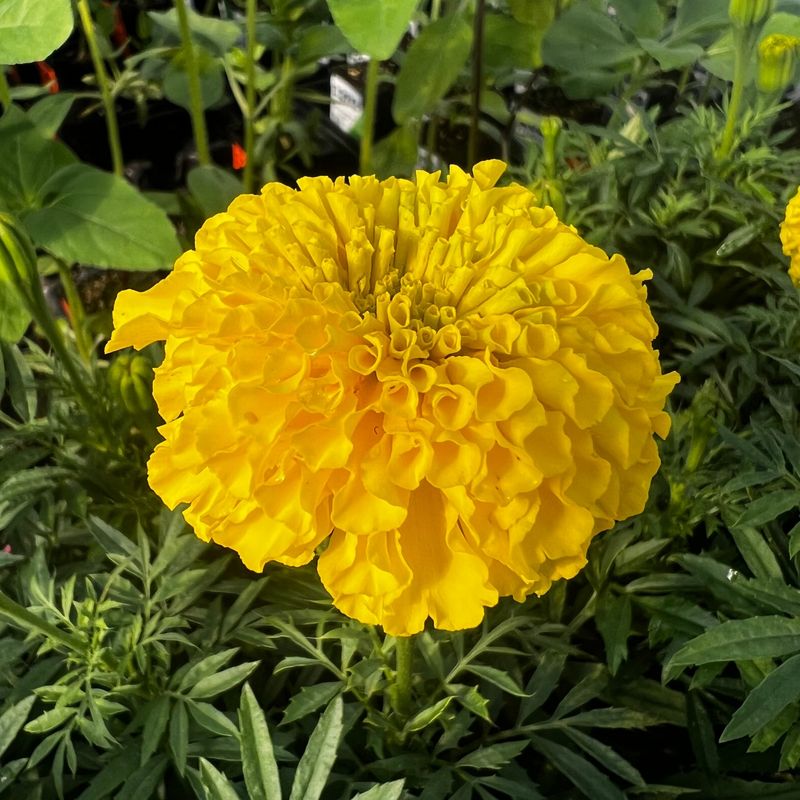
Marigolds are the workhorses of Pennsylvania summer gardens. These reliable annuals bloom from late spring until the first hard frost, providing constant color for months.
Yellow varieties range from pale primrose to deep orange-gold, with flowers that can be single, double, or pompom-shaped depending on the type you choose.
Plant marigolds after the last frost date in your Pennsylvania area, usually mid-May. They grow quickly from seeds or transplants and start blooming within weeks.
Full sun and average soil keep them happy all summer long. Many gardeners plant marigolds near vegetable gardens because their strong scent may help discourage some common pests.
These flowers handle Pennsylvania’s summer heat without wilting, though they appreciate water during long dry spells. Removing faded blooms encourages more flowers to form.
Marigolds work well in borders, containers, or mixed with other annuals and perennials. The compact French marigolds stay under a foot tall, while African marigolds can reach three feet.
Their bright yellow blooms attract beneficial insects while adding cheerful color throughout your Pennsylvania growing season.
Kids enjoy growing marigolds because they’re easy and bloom quickly, making them perfect for beginning gardeners of any age.
7. Yellow Coneflower
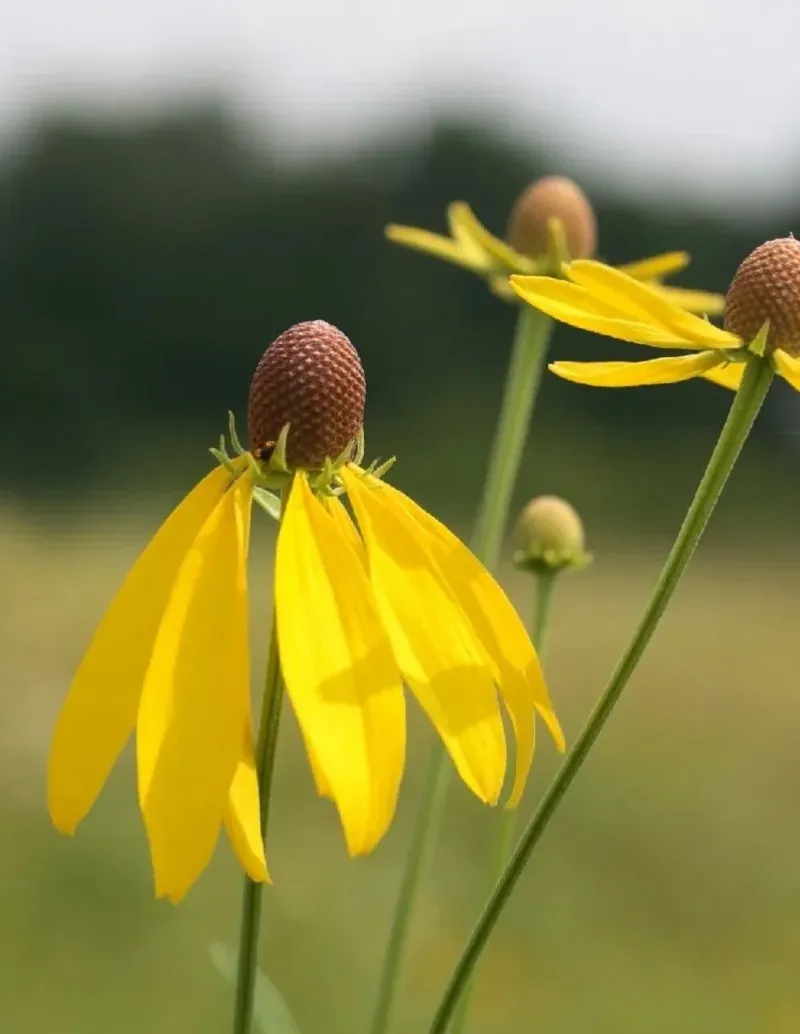
Yellow coneflower stands tall in Pennsylvania gardens, reaching four to five feet by midsummer. This native prairie plant features distinctive flowers with drooping yellow petals surrounding tall, dark brown cone-shaped centers.
The unique appearance catches attention and adds vertical interest to garden beds across the state.
Pennsylvania pollinators love yellow coneflower. Bees, butterflies, and other beneficial insects visit the flowers constantly from July through September.
Goldfinches perch on the seedheads in fall, eating seeds and providing entertainment. The plants prefer full sun and well-drained soil but adapt to various Pennsylvania garden conditions once established.
Yellow coneflower works beautifully in naturalized areas, prairie gardens, or the back of perennial borders. The tall stems rarely need staking despite their height.
Plants spread slowly by seed, creating larger clumps over time without becoming invasive. The gray-green foliage looks attractive even before flowers appear.
This tough perennial handles summer heat and survives Pennsylvania winters without protection. Combine it with other native plants like black-eyed Susans and purple coneflowers for an authentic meadow look.
The long blooming period and wildlife value make yellow coneflower an excellent choice for Pennsylvania gardeners who want low-maintenance, environmentally friendly landscapes.
8. Yarrow
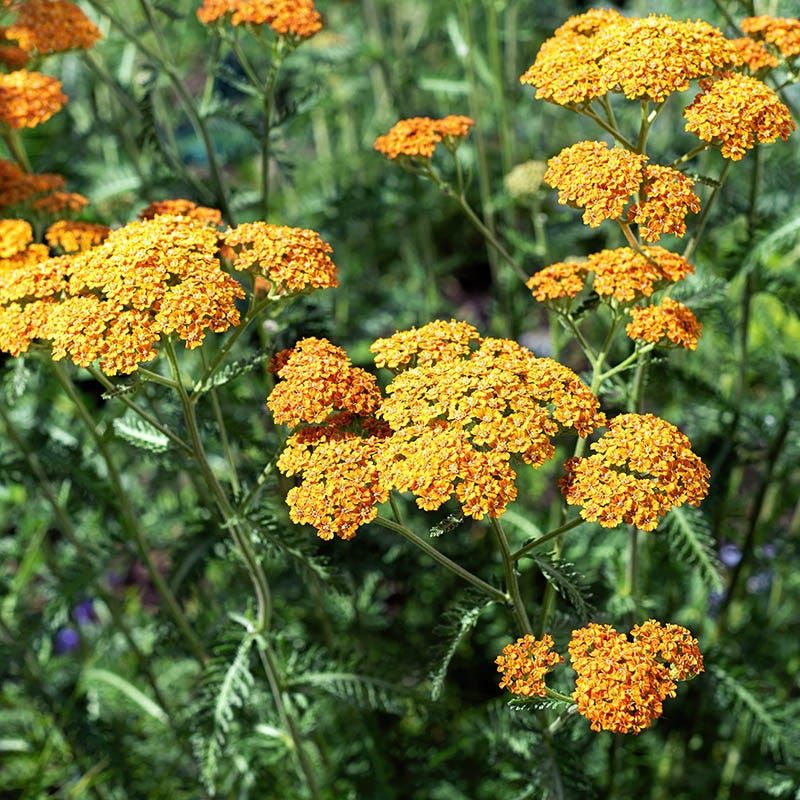
Yarrow produces flat-topped clusters of tiny golden flowers that attract beneficial insects to Pennsylvania gardens. The fern-like foliage stays low and attractive all season, while flower stems rise two to three feet tall from June through August.
This tough perennial survives in conditions where other flowers struggle, making it perfect for challenging spots in your yard.
Once established in Pennsylvania soil, yarrow tolerates drought, heat, and poor soil without complaint. It grows best in full sun and well-drained locations.
The plants spread steadily to form nice clumps but aren’t aggressive. Yarrow works well on sunny slopes, in rock gardens, or mixed with other perennials in traditional borders across Pennsylvania.
The flowers dry beautifully for arrangements and crafts, holding their color for months. Butterflies and native bees visit yarrow blooms throughout the day.
Yellow varieties range from pale butter shades to deep gold, and all bloom for weeks with minimal care. Cut back the flower stems after blooming to encourage fresh foliage growth.
Yarrow rarely has pest or disease problems in Pennsylvania gardens.
The plants handle cold winters naturally and emerge reliably each spring, making them excellent choices for gardeners who want maximum color with minimum maintenance.
9. Yellow Zinnias
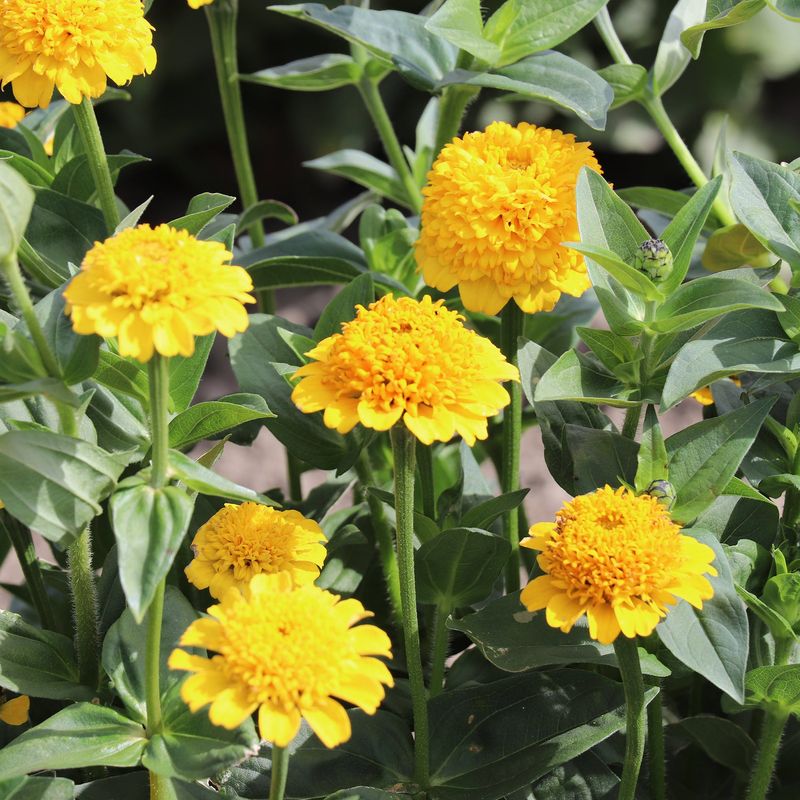
Zinnias deliver bright, cheerful color throughout Pennsylvania summers. Yellow varieties come in many shades and flower forms, from single daisy-like blooms to fully double pompoms.
These fast-growing annuals bloom about eight weeks after planting and continue until frost ends their show in fall.
Starting zinnias from seed is easy and fun for Pennsylvania gardeners of all ages. Plant seeds directly in the garden after the last frost, or start them indoors a few weeks earlier for earlier blooms.
They need full sun and decent soil drainage but aren’t fussy about soil quality. Water at the base of plants rather than overhead to prevent leaf spots.
Zinnias make outstanding cut flowers that last over a week in vases. Plant extras in rows specifically for cutting, and you’ll have fresh bouquets all summer for your Pennsylvania home.
The flowers attract butterflies and hummingbirds while providing constant color in beds and borders. Varieties range from six-inch dwarfs to three-foot giants, so choose sizes that fit your garden spaces.
Deadheading spent blooms keeps plants producing fresh flowers.
Yellow zinnias brighten up any Pennsylvania garden with their bold, sunny presence and reliable performance from June through October.
10. Yellow Chrysanthemums
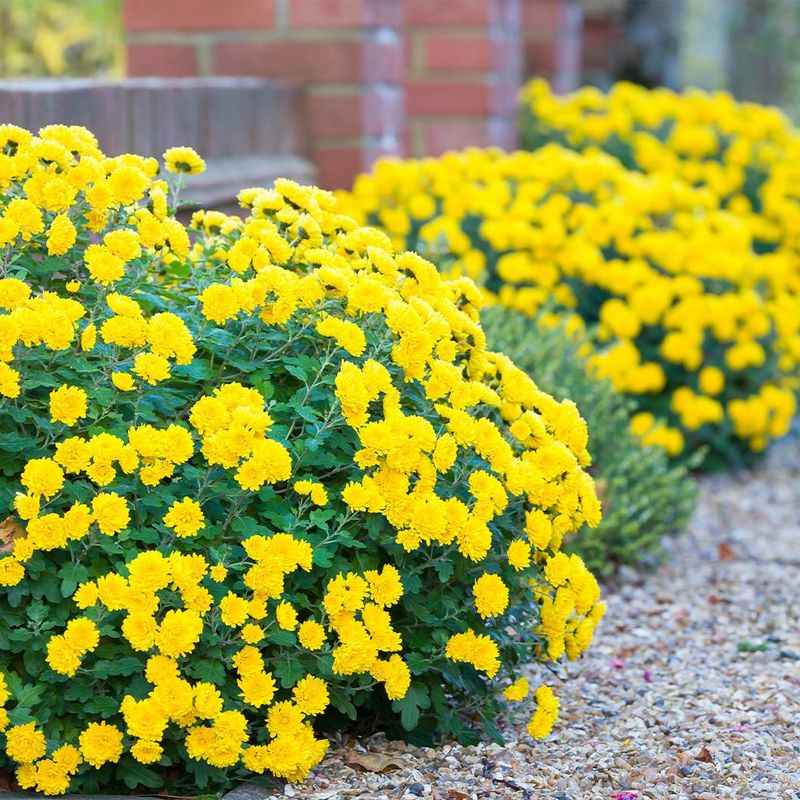
Garden mums signal fall’s arrival in Pennsylvania with their rounded mounds of colorful blooms. Yellow varieties range from soft butter shades to deep gold, brightening up gardens when many other flowers have finished for the season.
These classic fall flowers bloom from September through November, often lasting until hard freezes arrive.
Buy mums in late summer or early fall at Pennsylvania garden centers, choosing plants with plenty of buds rather than fully open flowers. Plant them in sunny spots with good drainage, and water regularly until the ground freezes.
Many Pennsylvania gardeners treat mums as annuals, but with proper care, they can survive winters and return as perennials.
For the best chance of winter survival in Pennsylvania, plant mums in spring rather than fall, giving roots time to establish before cold weather. Mulch around plants after the ground freezes, and don’t cut back foliage until spring.
Yellow mums combine beautifully with ornamental grasses, asters, and colorful fall foliage. They work well in containers on porches and patios or planted in garden beds throughout Pennsylvania.
The flowers last weeks, providing reliable color during football season and harvest time.
Their cheerful yellow blooms extend your Pennsylvania gardening season well into autumn.