Top 7 Easy Vegetables To Grow In Raised Beds In Colorado
Your garden can beat the Colorado weather.
Cold nights, scorching sun, and a fleeting growing season used to scare gardeners, but raised beds give you the upper hand. They warm quickly, drain perfectly, and let your plants feast on the soil they crave.
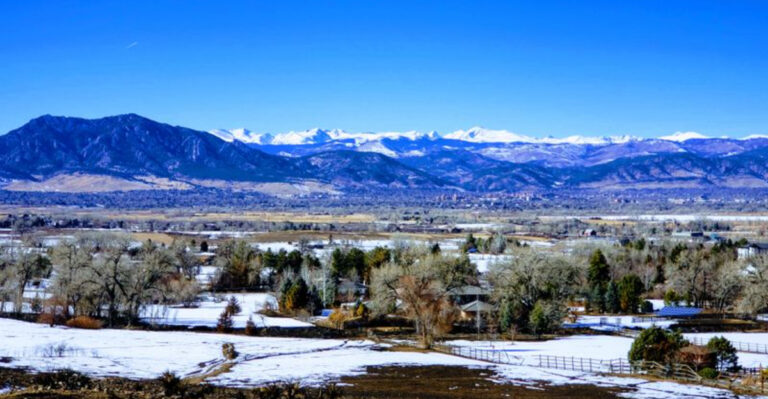
From Denver rooftops to Boulder yards and quiet mountain corners, you can grow crisp lettuce, juicy tomatoes, and sweet carrots that actually taste amazing.
With the right choices, your raised bed can explode with flavor, color, and fresh food all season long.
1. Lettuce Grows Fast And Stays Fresh All Season
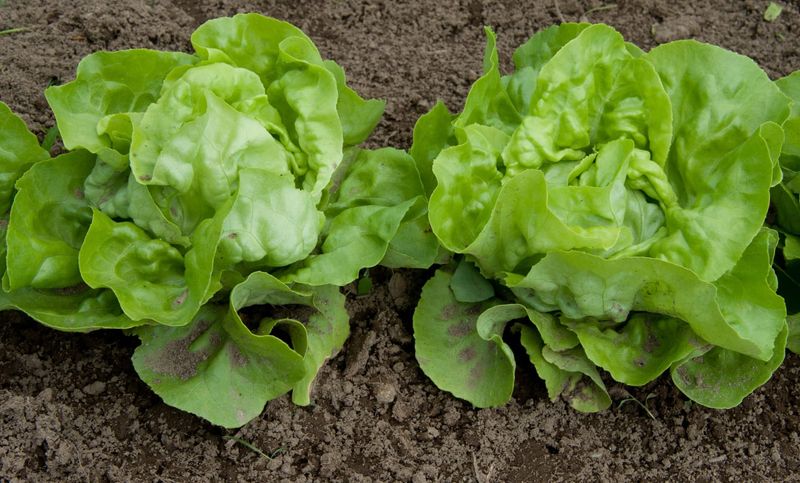
Nothing beats walking outside and snipping fresh lettuce leaves for your salad just minutes before dinner.
Lettuce is one of the fastest and easiest vegetables you can grow in a raised bed in Colorado, and it thrives in the cooler temperatures that Colorado naturally offers in spring and fall.
You can start seeing baby leaves in as little as 30 days after planting, which makes it super satisfying for beginner gardeners.
Colorado’s cool mountain air is actually perfect for lettuce because this vegetable prefers temperatures between 45 and 65 degrees Fahrenheit.
When summer gets too hot in places like Denver or Colorado Springs, lettuce can bolt, meaning it gets bitter and starts to flower.
A simple trick is to plant lettuce in early spring or late summer so it grows during the cooler parts of the year. Raised beds are a huge advantage for growing lettuce in Colorado because they warm up quickly after the last frost.
You can fill your raised bed with loose, rich soil mixed with compost, which lettuce absolutely loves. Watering consistently is key since lettuce has shallow roots and dries out fast in Colorado’s dry climate.
Try planting a mix of varieties like butterhead, romaine, and loose-leaf lettuce to get different flavors and textures all from one raised bed.
Row covers or cold frames can extend your lettuce season even further, letting you harvest well into November in many parts of Colorado.
With almost no special skills required, lettuce is the perfect starting point for anyone new to raised bed gardening in Colorado.
2. Radishes Are The Fastest Reward In Your Garden
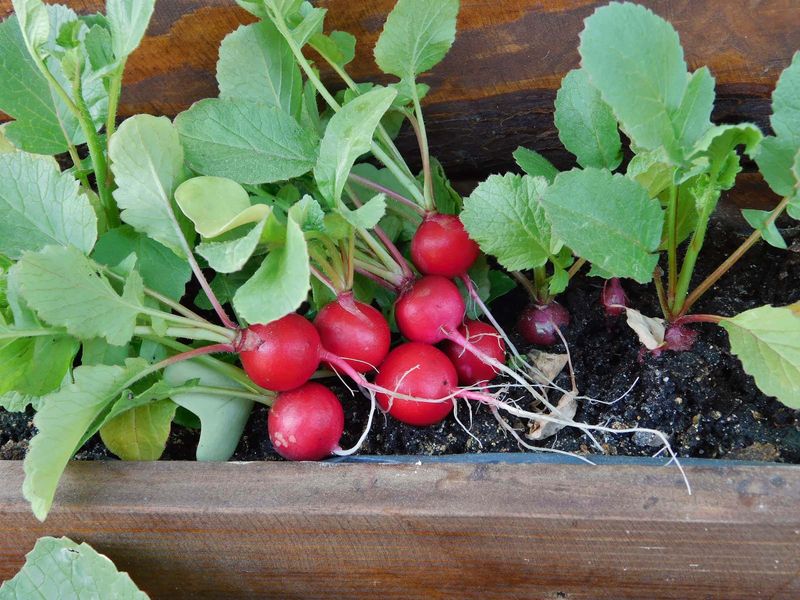
If you want the fastest win in your Colorado garden, radishes are your best friend. These little root vegetables go from seed to harvest in just 20 to 30 days, which means you can enjoy your very first homegrown vegetable before most other plants have even sprouted.
That quick turnaround makes radishes incredibly popular with both kids and adults who are just getting started with raised bed gardening.
Radishes love cool weather, and Colorado’s spring and fall seasons are practically made for them. Planting radish seeds directly into your raised bed in April or early May gives them the cool soil temperatures they need to develop crisp, flavorful roots.
You can also plant a second round in late August or September to take advantage of Colorado’s mild fall weather before the first frost arrives.
One of the best things about growing radishes in a raised bed in Colorado is how little space they need. You can tuck them between other slower-growing vegetables like tomatoes or peppers, making great use of every inch of your raised bed.
Just sow the seeds about half an inch deep and one inch apart, and you will have a full crop ready in no time.
Colorado’s dry climate means you will want to water your radishes consistently so the roots stay tender and do not crack or turn woody. Adding a thin layer of mulch on top of the soil helps hold in moisture, which is especially important during dry spells.
Radishes come in fun varieties like Cherry Belle, French Breakfast, and Watermelon radish, so you can experiment and find your favorites while enjoying the rewards of your Colorado raised bed garden.
3. Spinach Loves Colorado’s Cool Mountain Air
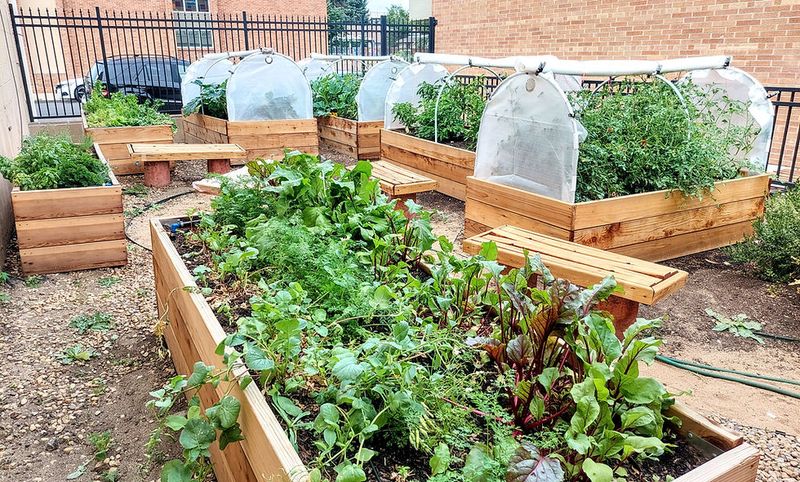
Spinach and Colorado were practically made for each other.
This leafy green vegetable thrives in cool temperatures, and Colorado’s unpredictable spring weather, with its chilly mornings and mild afternoons, creates an ideal growing environment for spinach in raised beds.
Many Colorado gardeners consider spinach one of their most reliable crops because it just keeps producing leaf after leaf throughout the season.
You can plant spinach seeds in your raised bed as early as four to six weeks before the last frost, which in many Colorado locations means getting started in late March or early April.
Spinach can handle light frosts without any trouble, making it a tough and forgiving choice for gardeners who are still learning the timing of Colorado’s seasons.
Planting in a raised bed gives you even more control over soil temperature and drainage, helping spinach roots stay healthy.
Rich, well-draining soil packed with organic compost is the secret to growing big, dark green spinach leaves in Colorado. Spinach needs consistent moisture, so watering two to three times a week during dry stretches is a smart habit to build.
Colorado’s intense sunshine can sometimes stress spinach, so placing your raised bed where it gets morning sun and afternoon shade can make a noticeable difference in leaf quality.
Harvesting spinach is simple: just snip the outer leaves and leave the center to keep growing, giving you a continuous supply all season long.
Varieties like Bloomsdale Long Standing and Tyee are especially well-suited to Colorado’s climate because they resist bolting longer than other types.
With minimal effort and big nutritional rewards, spinach earns its spot as one of the top vegetables to grow in a Colorado raised bed.
4. Green Beans Keep On Giving All Summer Long
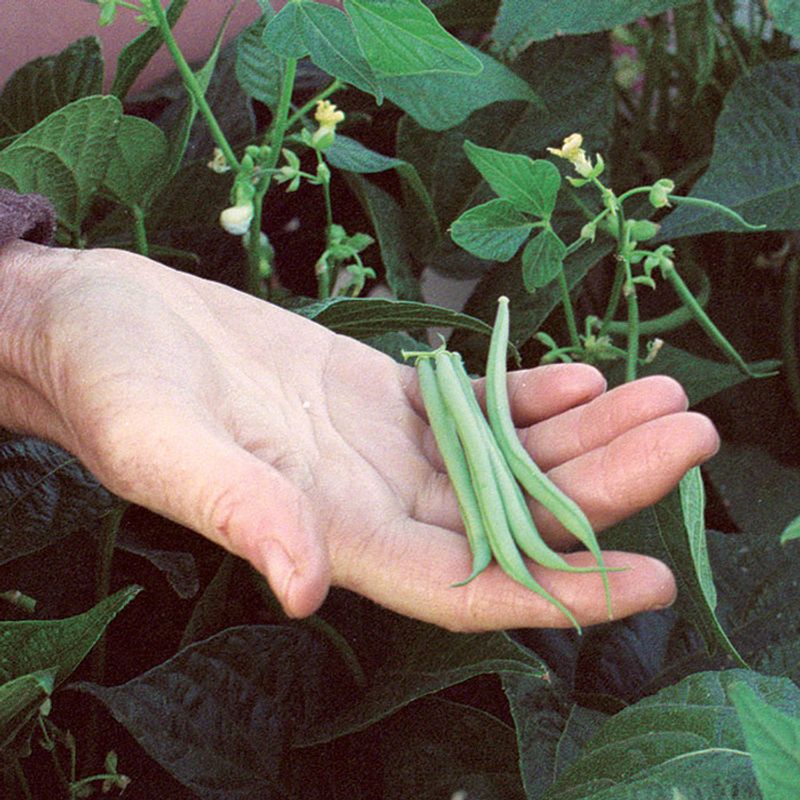
Once green beans get going in your Colorado raised bed, they practically take care of themselves.
These productive plants reward you with armfuls of fresh pods all summer long, making them one of the most satisfying vegetables for Colorado home gardeners.
Bush varieties are especially well-suited to raised beds because they stay compact and do not need any staking or support structures.
Green beans love warm soil, so in Colorado you will want to wait until after the last frost date before planting, which is typically late May in Denver and other Front Range communities.
Planting seeds directly into the raised bed about one inch deep and three to four inches apart gives them the best start. The warm, sun-soaked days that Colorado summers are famous for help green beans grow quickly and produce heavy yields.
One of the biggest advantages of growing green beans in a raised bed in Colorado is the improved drainage that keeps roots from sitting in soggy soil.
Green beans prefer slightly moist but well-drained conditions, and raised beds deliver exactly that, especially during Colorado’s occasional summer thunderstorms.
Adding compost to your soil before planting gives the plants a nutrient boost that carries them through the whole growing season. Harvesting regularly is the key to keeping green bean plants productive because the more you pick, the more pods the plant produces.
Check your plants every two to three days once pods start forming, and harvest them when they are about four to six inches long for the best flavor and texture.
Varieties like Provider, Blue Lake, and Contender all perform exceptionally well in Colorado’s climate, giving you a reliable and generous harvest throughout the warm summer months.
5. Zucchini Grows So Fast You Will Be Amazed
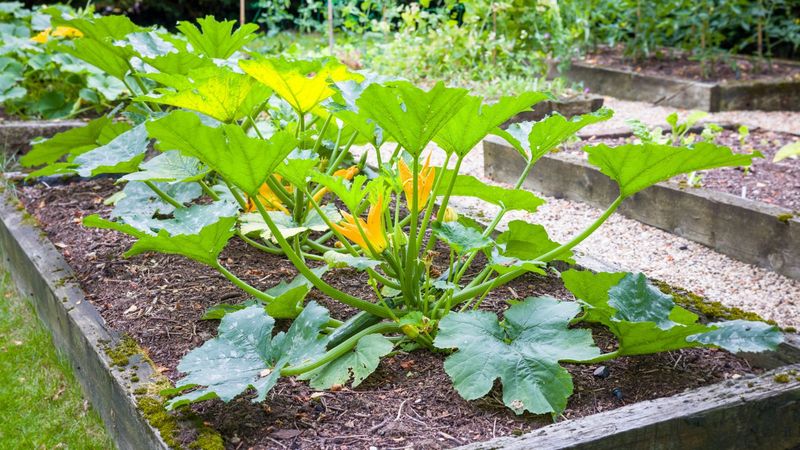
Colorado gardeners have a running joke that you should never leave your zucchini unattended for too long, because you might come back to find a zucchini the size of a baseball bat.
This vegetable is famously productive, and in Colorado’s warm summer months, a single zucchini plant in a raised bed can produce more than enough for your whole family.
If you have never grown a vegetable before, zucchini will make you feel like a gardening pro in no time.
Zucchini needs warm soil to sprout, so plan to plant seeds or seedlings in your Colorado raised bed after the last frost, usually around late May or early June depending on your elevation.
Higher-elevation areas in Colorado like Breckenridge or Estes Park have shorter growing seasons, so starting zucchini seeds indoors two to three weeks before transplanting outdoors is a smart move.
Once the plant gets going, Colorado’s long summer days and warm temperatures push zucchini into high gear.
Raised beds are fantastic for zucchini because the loose, rich soil allows the plant’s roots to spread easily and access nutrients without competition from weeds.
Each raised bed section should have no more than one or two zucchini plants since these are big, bushy growers that need plenty of space.
Watering deeply a few times a week at the base of the plant keeps the leaves dry and helps prevent powdery mildew, a common issue in Colorado’s variable climate.
Harvest zucchini when the fruits are about six to eight inches long for the best taste and texture. Leaving zucchini on the plant too long reduces the plant’s ability to keep producing new fruits.
With its fast growth and huge output, zucchini is easily one of the most rewarding vegetables to grow in a Colorado raised bed.
6. Kale Is Tough Enough For Colorado’s Wild Weather
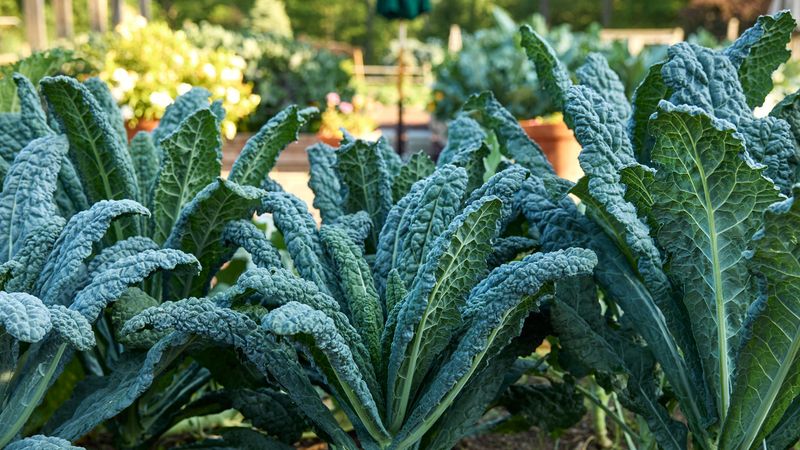
Kale might just be the toughest vegetable you can grow in a Colorado raised bed, and that is saying something in a state known for wild weather swings.
This leafy green can handle frost, snow, intense sunshine, and dry spells better than almost any other vegetable, making it a top choice for Colorado gardeners who want a reliable crop from spring all the way into winter.
Some Colorado gardeners have even harvested kale in December after light snowfall, which is pretty incredible. Planting kale in your raised bed in early spring, around four to six weeks before the last frost, gives it a strong head start.
Kale actually tastes sweeter after a frost because the cold temperatures cause the plant to convert starches into sugars.
So in Colorado, where unexpected late frosts are common even in May, kale turns those weather surprises into a flavor bonus rather than a setback.
Raised beds in Colorado give kale excellent drainage and the ability to warm up quickly after cold nights, which helps the plant establish strong roots early in the season.
Filling your raised bed with compost-rich soil is important because kale is a heavy feeder that needs plenty of nutrients to produce big, healthy leaves all season.
Watering deeply once or twice a week is usually enough, but during Colorado’s hottest and driest summer stretches, check the soil more frequently.
Varieties like Winterbor, Red Russian, and Lacinato are all proven performers in Colorado’s climate. Harvest the outer leaves first and leave the inner leaves to keep growing, just like spinach.
Kale is packed with vitamins and minerals, making it one of the most nutritious vegetables you can grow in your Colorado raised bed garden.
7. Carrots Thrive When Given The Right Soil
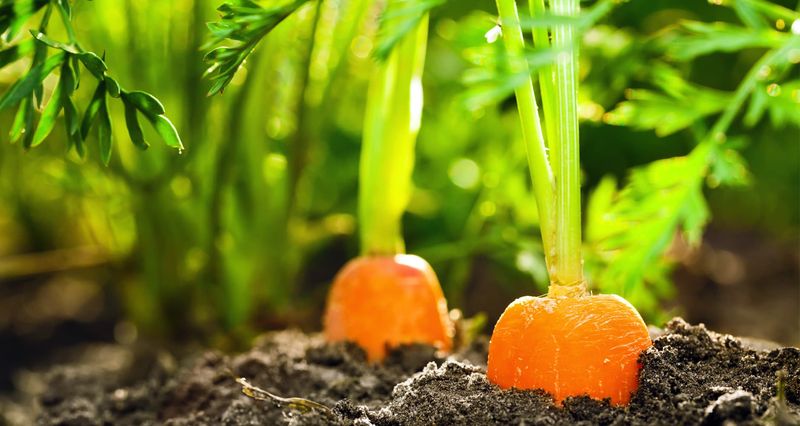
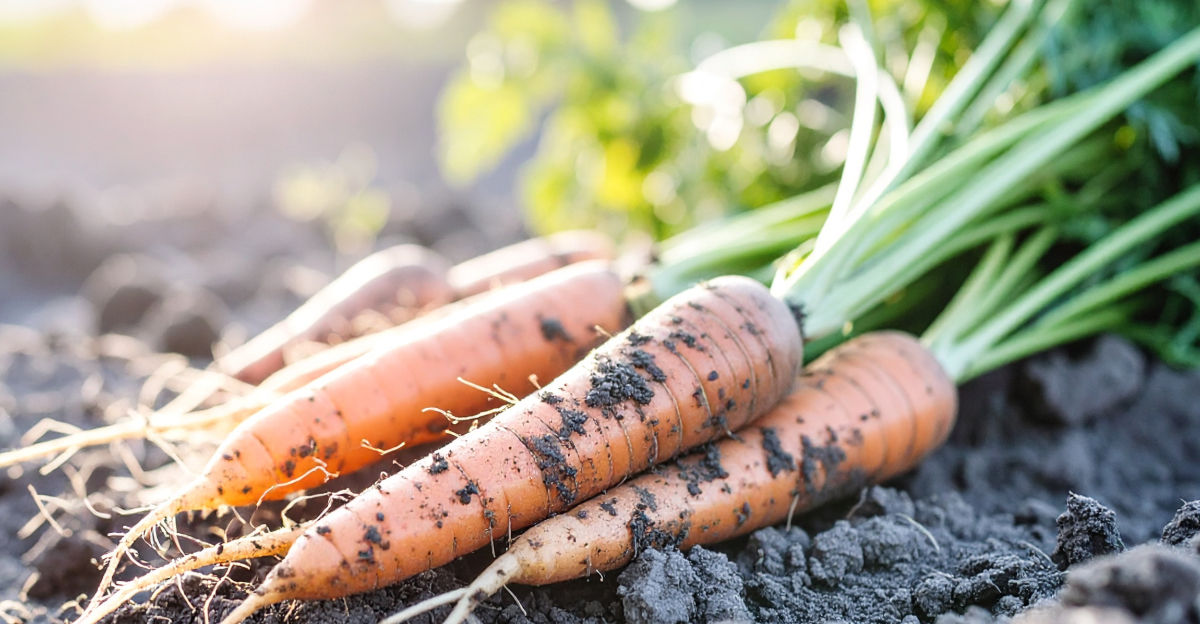
There is something almost magical about pulling a perfectly shaped carrot out of the ground knowing you grew it yourself.
Carrots are one of the most satisfying vegetables to grow in a Colorado raised bed, partly because the deep, loose soil that raised beds provide is exactly what carrot roots need to grow long and straight.
In regular garden soil, especially in Colorado where the ground can be rocky or clay-heavy, carrots often end up short and misshapen, but raised beds solve that problem completely.
The key to growing great carrots in Colorado is starting with deeply loosened, well-draining soil that is free of rocks and clumps.
Mixing in plenty of compost creates the light, airy texture that carrot roots love as they push downward through the bed.
Make sure your raised bed is at least ten to twelve inches deep so the carrots have enough room to develop fully without hitting resistance.
Plant carrot seeds directly into your Colorado raised bed about two to three weeks before the last frost since carrots are cool-weather vegetables that actually prefer to germinate in slightly cool soil.
Sow seeds about a quarter inch deep and thin the seedlings to about two inches apart once they sprout to give each carrot room to develop properly.
Colorado’s dry climate means consistent watering is essential, especially during germination when the soil surface must stay moist for seeds to sprout successfully.
Carrots typically take 70 to 80 days to reach full maturity, so patience is part of the process. Varieties like Danvers, Nantes, and Chantenay are well-suited to Colorado’s growing conditions and produce reliable harvests.
Once you taste a fresh carrot straight from your Colorado raised bed, you will never want to go back to store-bought again.