Top 9 Gardening Trends Taking Oregon Gardens By Storm
Oregon gardens are changing fast. Every year brings new ideas, fresh looks, and smarter ways to grow plants.
Some trends start online, while others come from experienced gardeners trying something a bit different.
Today’s gardens focus not just on what to grow, but on how to grow it. Many gardeners are combining beauty with purpose, creating outdoor spaces that are productive, colorful, and in tune with nature.
Low‑water gardens that still shine in dry seasons and edible landscapes that feed the family are becoming common. Social media and local gardening communities are full of tips, designs, and clever ideas that keep inspiration flowing.
Keeping up with these trends can spark a new project and make an Oregon garden feel modern, lively, and rewarding for every gardener.
1. Native Plants & Wildlife Gardens
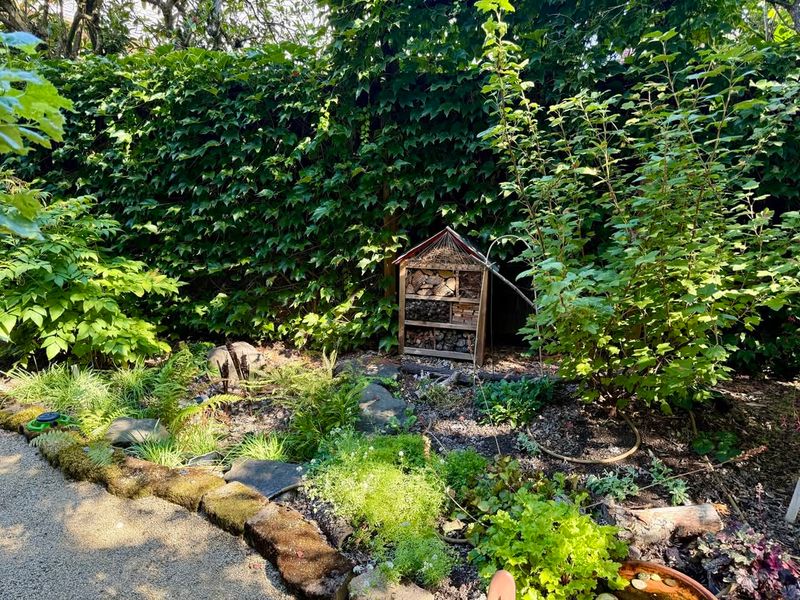
Walking through a neighborhood in Eugene, you might notice yards filled with Oregon grape, red-flowering currant, and sword ferns instead of traditional roses and petunias.
This shift toward native plants reflects a deeper understanding of how our gardens can support local ecosystems.
Native species have evolved alongside Oregon’s wildlife, providing food and shelter that non-native ornamentals simply can’t match.
Birds, butterflies, and beneficial insects thrive when you plant natives because these species recognize and depend on them. A hummingbird knows exactly what to do with a salmonberry blossom, while a swallowtail butterfly seeks out native lupines for laying eggs.
Your garden becomes part of a larger web of life.
Getting started is simpler than many people think. Visit a native plant nursery and ask which species suit your soil and sun exposure.
You don’t need to convert your entire yard overnight, start with a small bed or border.
One common misconception is that native gardens look wild or messy. With thoughtful design and regular maintenance, native plantings can be just as polished as any traditional landscape.
They just happen to support songbirds and pollinators while requiring less water and fertilizer once established.
2. Water-Wise Landscapes
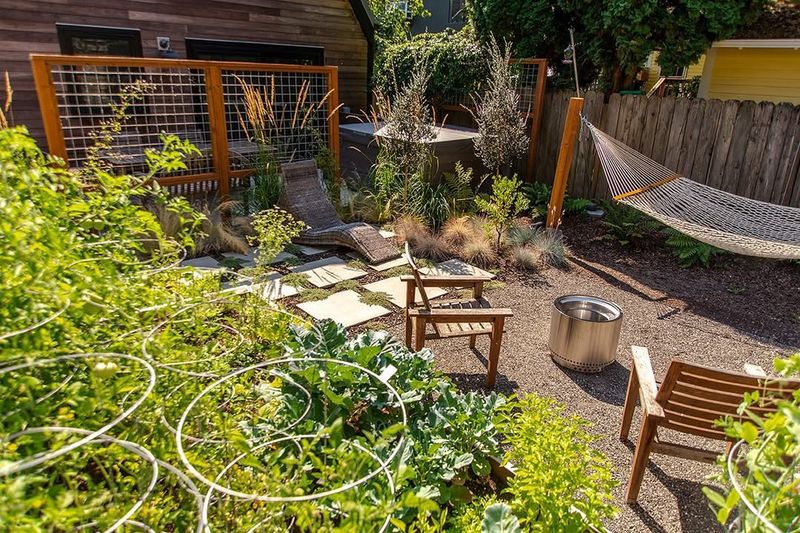
Picture a backyard in Bend that stays green and vibrant through the dry summer months without daily watering.
That’s the magic of water-wise landscaping, a trend gaining serious traction across Oregon as climate patterns shift and water conservation becomes a priority.
Homeowners are discovering that beautiful gardens don’t require endless irrigation.
The key lies in choosing drought-tolerant plants suited to our region. Lavender, sedum, yarrow, and ornamental grasses thrive with minimal water once their roots establish.
Mulching heavily around plants helps retain moisture and keeps weeds at bay.
Many gardeners worry that water-wise means sacrificing color or variety. Actually, the opposite is true.
Drought-tolerant plants offer incredible diversity in texture, bloom time, and foliage color. You can create stunning seasonal displays while cutting water use dramatically.
Another smart strategy involves grouping plants by water needs. Keep thirsty vegetables and annuals in one zone with drip irrigation, while placing drought-lovers in areas that rely on natural rainfall.
This approach, called hydrozoning, makes watering efficient and prevents overwatering sensitive plants. Oregon’s summer dry season makes this trend both practical and environmentally responsible for gardeners throughout the state.
3. Edible & Functional Yard Design
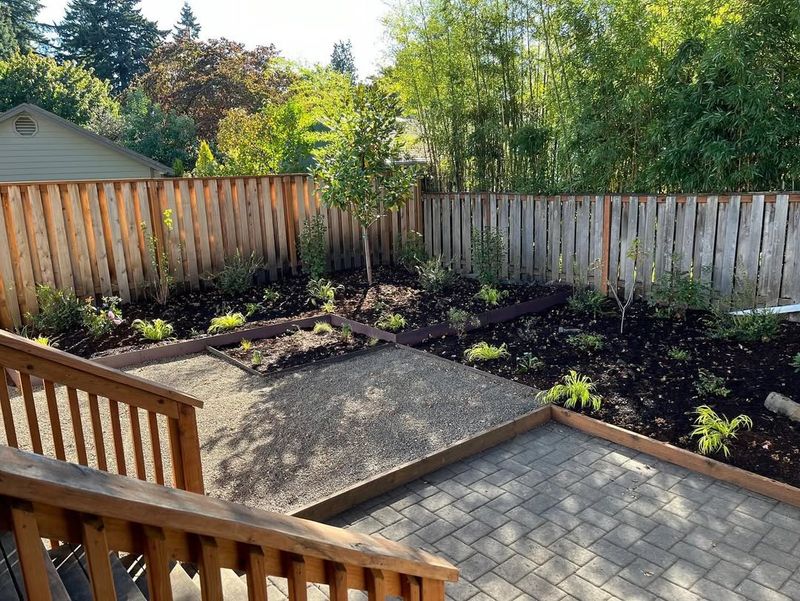
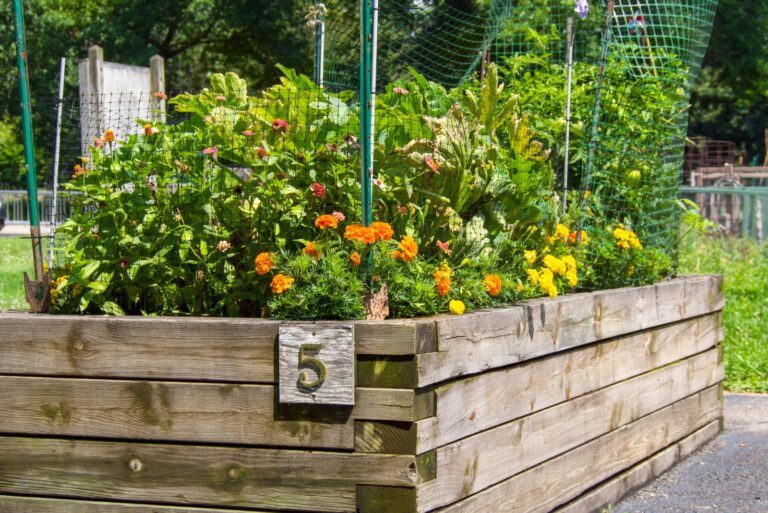
Imagine replacing your front lawn with raised beds of kale, strawberries, and cherry tomatoes, bordered by blueberry bushes that double as ornamental shrubs.
Across Oregon, homeowners are blurring the line between ornamental and edible, creating yards that produce food while looking beautiful.
This functional approach to landscaping makes sense in a state with a strong farm-to-table culture.
Edible gardens offer more than fresh produce, they connect you to the seasons and encourage outdoor time. Harvesting your own lettuce or snipping fresh herbs for dinner brings satisfaction that purely decorative plants can’t provide.
Kids especially love watching vegetables grow and tasting the results.
Starting an edible yard doesn’t mean ripping everything out. Tuck tomato plants among your perennials, train peas up a decorative trellis, or plant fruit trees as focal points.
Many edibles are surprisingly attractive, think of the glossy leaves of a lemon tree or the architectural form of artichoke plants.
Some worry about pests or maintenance, but edible gardens in Oregon benefit from our mild climate and ample spring rain. With proper planning and organic practices, you can grow abundant food without constant spraying or weeding.
The trend celebrates self-sufficiency while enhancing curb appeal.
4. Low-Maintenance Eco Spaces
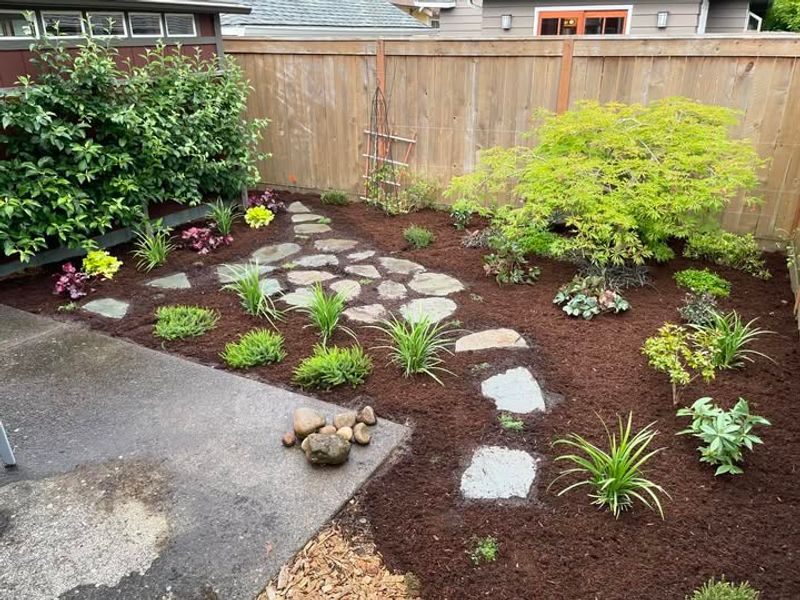
After years of weekend lawn mowing and constant weeding, a Portland homeowner decides to replace high-maintenance turf with clover, creeping thyme, and mulched pathways.
This scenario plays out increasingly often as Oregon gardeners seek landscapes that require less time and fewer resources.
Low-maintenance doesn’t mean boring, it means working smarter with plants suited to our climate.
The secret lies in choosing resilient perennials, groundcovers, and shrubs that thrive without constant attention. Once established, these plants largely take care of themselves.
Native and adapted species naturally resist local pests and diseases, reducing the need for interventions.
Mulching plays a huge role in low-maintenance gardens. A thick layer of wood chips or compost suppresses weeds, retains moisture, and slowly feeds the soil as it breaks down.
You spend less time pulling weeds and watering, freeing up weekends for actually enjoying your yard.
Many people assume low-maintenance gardens lack visual interest, but thoughtful design creates year-round beauty with minimal effort. Combine evergreen shrubs for structure, ornamental grasses for movement, and tough perennials for seasonal color.
The result is an eco-friendly space that looks great and gives you time back. Oregon’s temperate climate makes this approach especially successful.
5. Seasonal Color Schemes
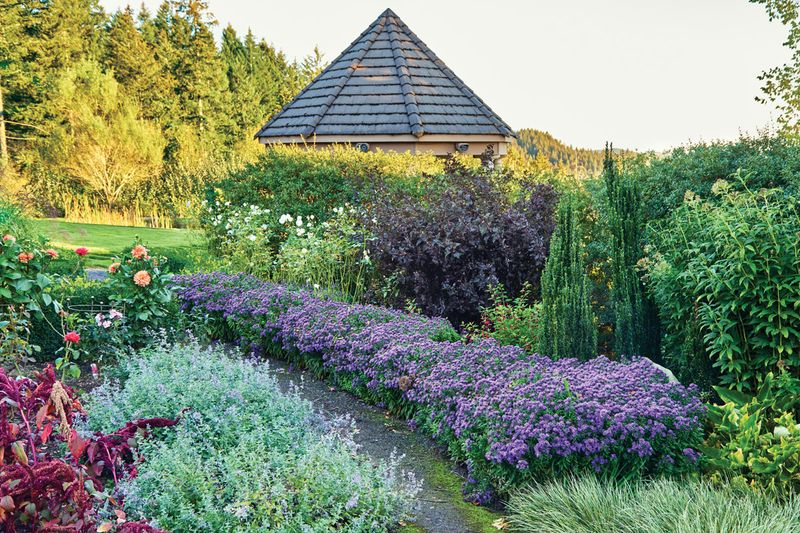
Driving through a Salem neighborhood in spring, you might spot a yard ablaze with pink flowering cherries, purple alliums, and golden daffodils, a carefully orchestrated color story.
Then, returning in fall, the same garden glows with burgundy Japanese maples, orange crocosmia, and rust-colored grasses.
Seasonal color schemes help Oregon gardeners create dynamic landscapes that change dramatically throughout the year.
Planning for seasonal color means thinking beyond summer blooms. Spring bulbs, fall foliage, winter berries, and evergreen structure each play a role.
By layering plants with different peak times, your garden offers something beautiful in every season.
Many gardeners focus too heavily on summer and miss opportunities for spring and fall drama. Oregon’s mild climate allows for extended growing seasons, so you can enjoy outdoor color nearly year-round.
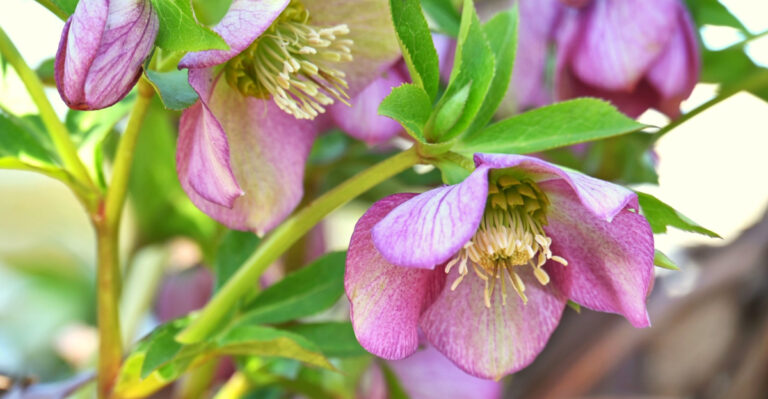
Consider hellebores for winter blooms, Japanese maples for fall fire, and ornamental grasses that catch winter light.
Creating cohesive color schemes doesn’t require advanced design skills. Start by choosing a palette, maybe cool blues and purples for spring, warm oranges and yellows for fall.
Repeat those colors in different plants throughout the season. This approach gives your garden a polished, intentional look while celebrating Oregon’s changing seasons beautifully.
6. Container & Patio Gardens
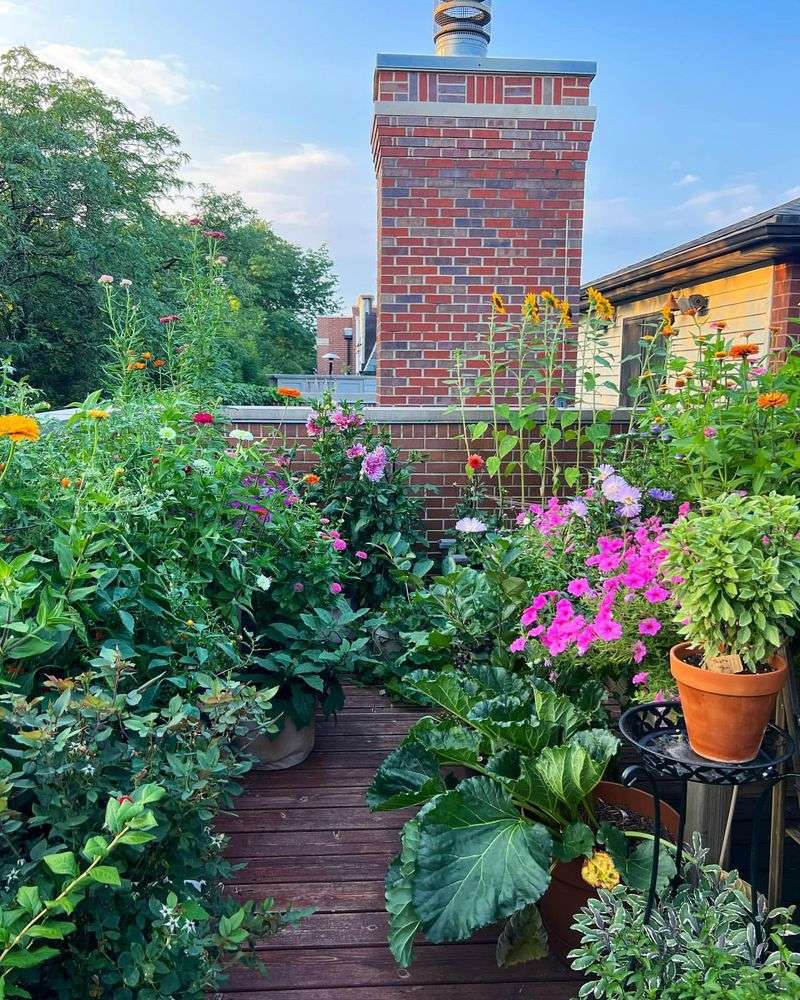
On a small Portland balcony, dozens of pots overflow with tomatoes, herbs, flowers, and even compact fruit trees. Container gardening has exploded in popularity as more Oregonians live in apartments, condos, and homes with limited yard space.
Pots offer flexibility, mobility, and the chance to garden anywhere you have a bit of sun.
Containers let you control soil quality, move plants to follow the sun, and bring tender specimens indoors when frost threatens. You can grow almost anything in a pot if you choose the right size and provide adequate water and nutrients.
Even small patios can become productive garden spaces.
The biggest challenge with container gardening is watering, pots dry out faster than ground soil, especially during Oregon’s dry summers. Choosing larger containers helps, as does adding water-retaining crystals or mixing in compost.
Self-watering pots solve many problems for busy gardeners.
Some believe container gardens look cluttered or temporary, but thoughtful arrangement creates stunning displays. Group pots of varying heights, use matching containers for cohesion, and include trailing plants to soften edges.
Container gardens suit renters and homeowners alike, offering instant gratification and the ability to refresh your space seasonally. In Oregon’s urban areas, this trend makes gardening accessible to everyone.
7. Pollinator-Friendly Plantings
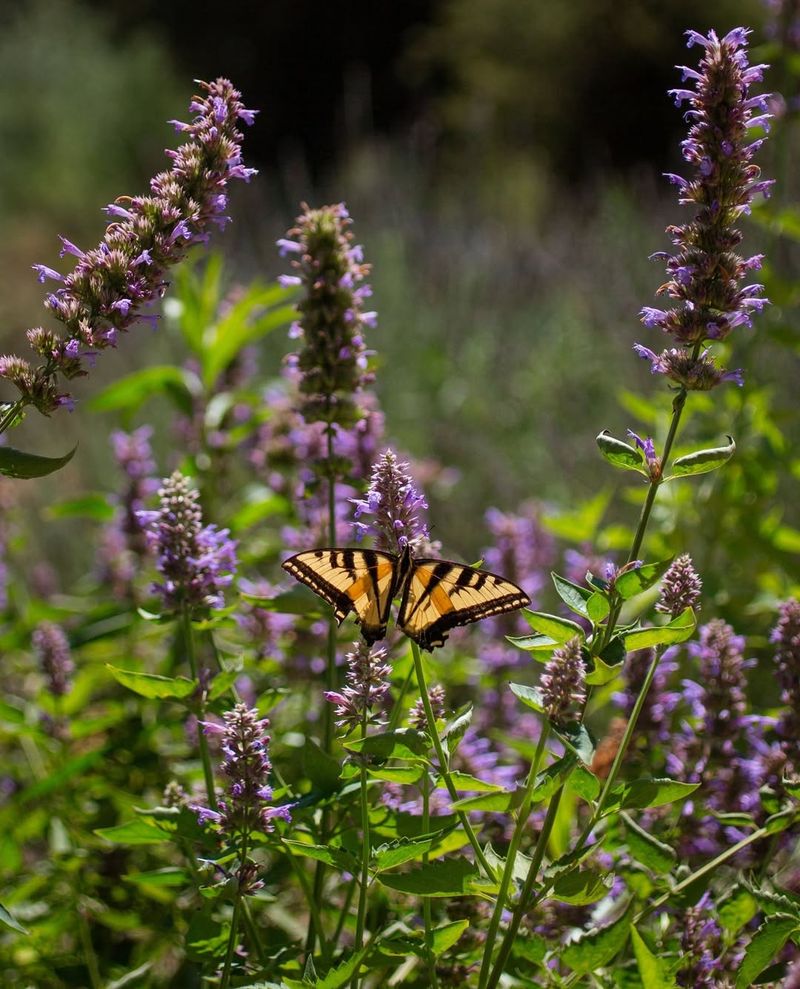
Watching bees dance among blooming catmint while butterflies sip from coneflower nectar, an Oregon gardener realizes their yard has become a pollinator haven.
This trend reflects growing awareness of declining bee and butterfly populations and the role home gardens play in supporting them.
Creating pollinator habitat is easier than you might think and incredibly rewarding.
Pollinators need nectar, pollen, and places to nest and overwinter. By planting a variety of flowering plants that bloom from early spring through fall, you provide continuous food sources.
Native plants work especially well because local pollinators recognize and prefer them.
Great pollinator plants for Oregon include lavender, salvia, asters, goldenrod, and Oregon sunshine. Avoid heavily hybridized flowers with double blooms, they often lack accessible nectar and pollen.
Single-flowered varieties serve pollinators better while still looking beautiful.
Many gardeners worry about attracting bees if family members have allergies, but most native bees are gentle and rarely sting. They’re focused on flowers, not people.
Providing pollinator habitat helps stabilize local ecosystems and ensures your vegetable garden gets pollinated too. Leaving some bare soil patches and dead plant stems over winter gives native bees nesting sites.
Oregon’s diverse pollinator species will thank you with increased garden productivity and natural beauty.
8. Relaxed Naturalistic Style
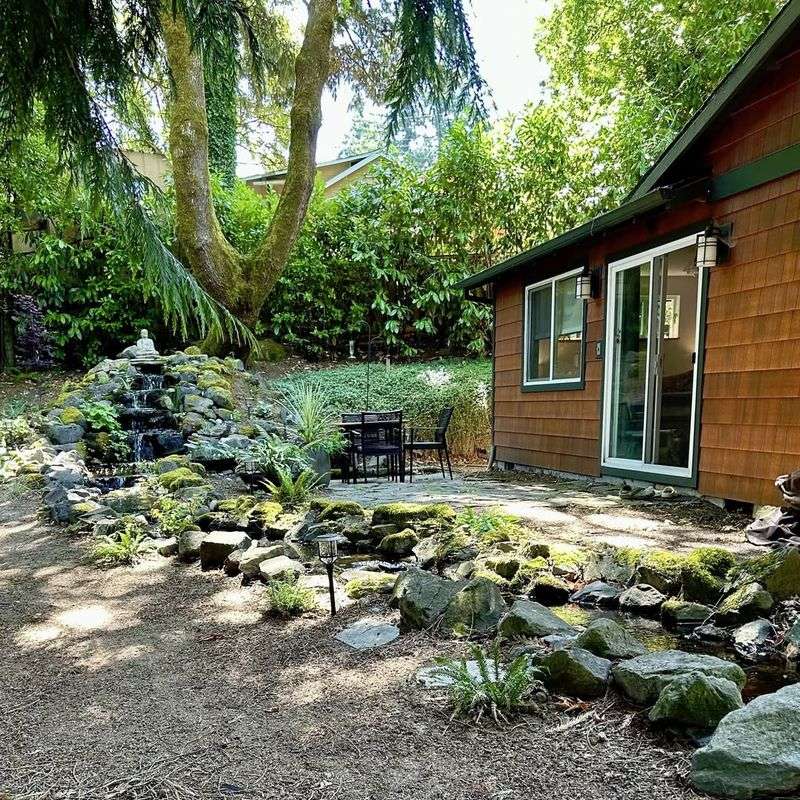
Gone are the days of rigidly clipped hedges and perfectly edged lawns as the only acceptable landscape style.
Oregon gardeners are embracing softer, more naturalistic designs that mimic wild meadows and forest edges.
This relaxed approach feels more at home in the Pacific Northwest and requires less fussy maintenance.
Naturalistic gardens feature flowing curves, layered plantings, and a mix of textures that create depth and movement. Plants are allowed to self-sow and intermingle, creating happy accidents and unexpected combinations.
The effect is lush, abundant, and effortlessly beautiful.
This style works particularly well with Oregon’s native plants and adapted perennials. Ornamental grasses sway in the breeze, perennials weave through each other, and pathways meander rather than march in straight lines.
The garden feels like a place to wander and discover rather than a space to maintain.
Some homeowners worry that naturalistic means messy, but there’s a difference between artful wildness and neglect. Regular editing keeps plants healthy and prevents aggressive species from taking over.
You’re creating a curated natural look, not abandoning your garden. This trend celebrates Oregon’s landscape character, our misty forests, wildflower meadows, and coastal bluffs, bringing that spirit into residential yards with authenticity and charm.
9. Rain Gardens & Stormwater Design
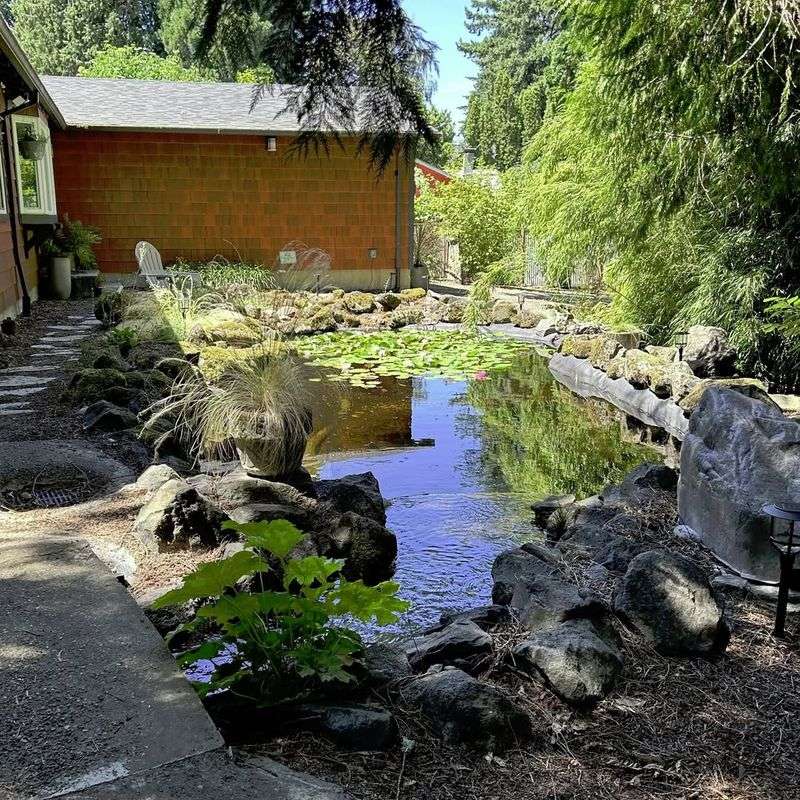
After a winter storm, water once pooled in a low spot of a Corvallis yard. Now, that same area hosts a thriving rain garden filled with native rushes, iris, and ferns that filter runoff and prevent erosion.
Rain gardens represent a smart response to Oregon’s wet winters and growing concerns about stormwater management.
These specialized gardens capture rainwater from roofs, driveways, and other hard surfaces, allowing it to soak slowly into the ground rather than rushing into storm drains. Plants suited to periodic flooding thrive in these conditions while filtering pollutants and reducing erosion.
Creating a rain garden starts with identifying a low spot or digging a shallow depression where water naturally flows. Choose plants that tolerate both wet and dry conditions, Oregon has many native species perfect for this role.
Sword ferns, sedges, Douglas iris, and red twig dogwood all work beautifully.
Many people think rain gardens look swampy or attract mosquitoes, but properly designed versions drain within 24 hours, preventing mosquito breeding. They actually create habitat for beneficial insects and amphibians while solving drainage problems naturally.
With Oregon’s abundant winter rainfall, rain gardens make environmental and practical sense. They turn a problem area into an asset while supporting local ecosystems and reducing strain on municipal stormwater systems.