10 Top Gardens To View Winter Snowdrops And Seasonal Blooms In Michigan
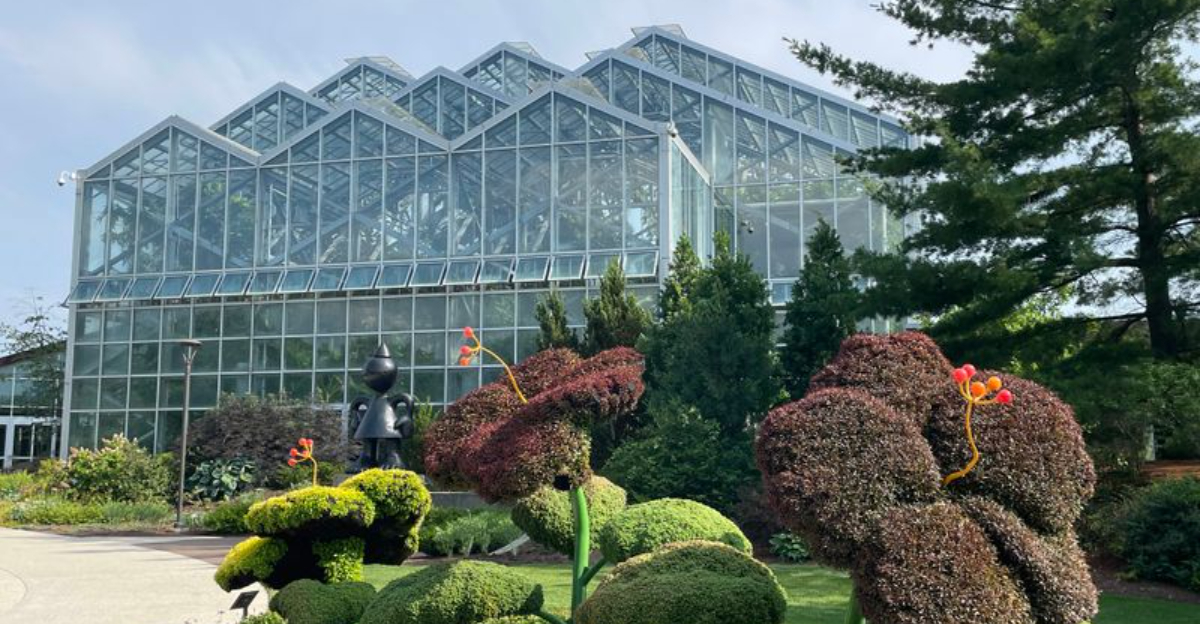
Winter in Michigan might seem like a quiet time for gardens, but something magical happens when snowdrops push through the frozen ground.
These delicate white flowers signal the end of winter and remind us that spring is on its way.
Gardens across the state transform into peaceful havens where nature shows off its resilience and beauty.
Visiting these special places during the colder months offers a unique experience that many people miss out on.
Michigan boasts some incredible botanical gardens and public spaces that celebrate seasonal blooms throughout the year.
From early snowdrops to late-winter crocuses, these gardens provide a colorful escape when everything else seems gray.
Families, photographers, and nature lovers can explore winding paths and discover pockets of color against snowy backdrops.
The gardens also offer educational programs that teach visitors about plant cycles and winter ecology.
Exploring these gardens gives you a chance to connect with nature even during the chilliest months.
Each location has its own personality, from formal landscapes to wild natural areas.
Whether you want a peaceful walk or a family adventure, these gardens welcome everyone with open paths and blooming surprises.
1. Matthaei Botanical Gardens & Nichols Arboretum
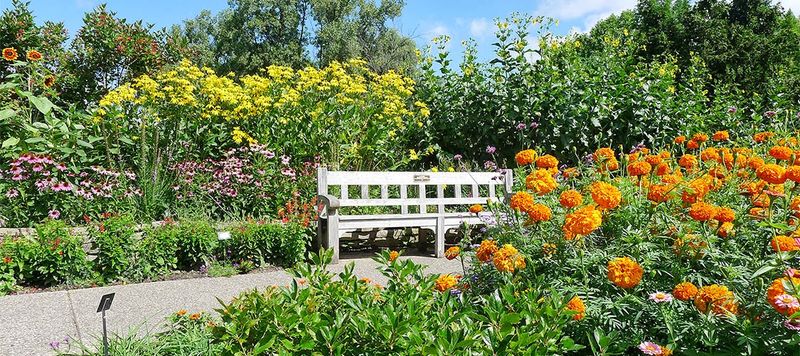
Located at 1800 North Dixboro Road in Ann Arbor, this botanical treasure spans over 700 acres of curated gardens and natural areas.
Visitors can explore both indoor conservatories and outdoor trails that showcase seasonal changes throughout the year.
The conservatory houses tropical plants that provide a warm escape during frigid Michigan winters.
Snowdrops typically emerge here in late February or early March, depending on weather conditions.
These tiny white flowers create carpets of blooms along woodland paths and near the garden entrance.
Staff members carefully tend to bulb collections that include thousands of early-blooming varieties.
Families appreciate the accessible pathways that wind through different garden sections.
Children can participate in nature scavenger hunts while adults enjoy photography opportunities.
The arboretum section offers more rugged trails for those seeking a wilderness experience.
Educational programs run throughout winter, teaching visitors about plant adaptations to cold climates.
The gift shop sells bulbs and gardening supplies for those inspired to create their own winter gardens.
Admission fees support conservation efforts and garden maintenance projects that keep this space thriving year-round.
2. Frederik Meijer Gardens & Sculpture Park
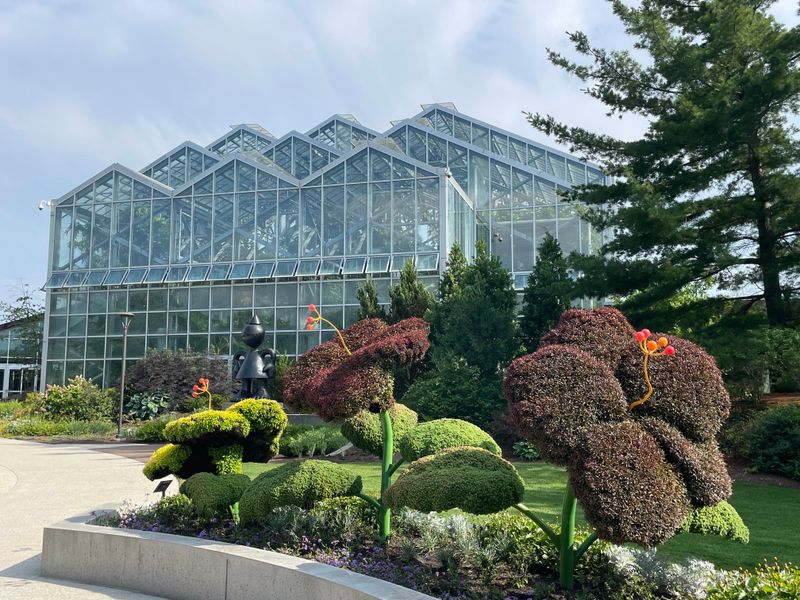
Grand Rapids claims one of the Midwest’s premier horticultural destinations with this expansive garden complex at 1000 East Beltline Avenue Northeast.
The tropical conservatory maintains warm temperatures year-round, allowing exotic plants to flourish while snow blankets the outdoor sculpture park.
Five indoor themed gardens transport visitors to different climates without leaving Michigan.
Winter blooms include early bulbs planted strategically throughout the outdoor gardens for maximum impact.
Garden designers select varieties that tolerate cold snaps and provide color when most plants remain dormant.
Snowdrops appear in protected microclimates where southern exposures create warmer pockets.
Sculpture installations add artistic elements to the natural beauty of seasonal blooms.
Visitors can follow paths that connect art with nature in thoughtful arrangements.
The butterfly conservatory remains a favorite attraction, especially during winter months when butterflies are scarce outdoors.
Special events celebrate winter gardening with workshops on forcing bulbs and container gardening.
Horticulture experts offer advice on selecting plants that thrive in Michigan’s challenging climate.
The restaurant overlooks the gardens, providing a perfect spot to warm up with hot beverages after exploring outdoor areas.
3. Fernwood Botanical Garden & Nature Preserve
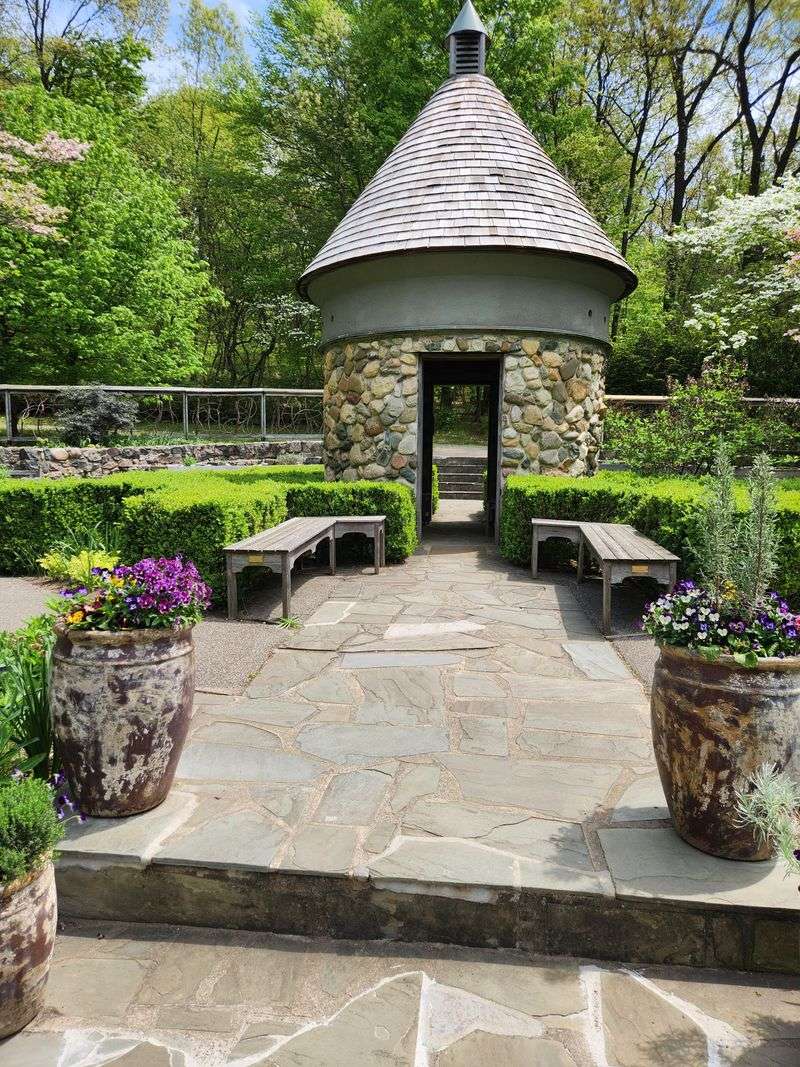
Southwestern Michigan’s hidden gem sits at 13988 Range Line Road in Niles, offering 105 acres of cultivated gardens and natural landscapes.
The property includes prairies, woodlands, and wetlands that support diverse plant communities.
A conservatory provides shelter for tender plants during harsh winter conditions.
Early bloomers emerge in protected areas near the visitor center and along south-facing slopes.
Gardeners here focus on native Michigan plants that naturally bloom early in the season.
Snowdrops mix with native spring beauties and trout lilies for a truly regional display.
Nature trails wind through different ecosystems, each offering unique perspectives on seasonal changes.
Birdwatchers appreciate the feeders and observation areas that attract winter species.
The nature center hosts interactive exhibits about plant life cycles and seasonal adaptations.
Art installations created from natural materials blend seamlessly with garden plantings.
Photography enthusiasts find endless subjects among the blooms and sculptures.
Weekend workshops teach practical skills like pruning, composting, and seed starting for home gardeners eager to improve their own spaces.
4. Cranbrook House & Gardens
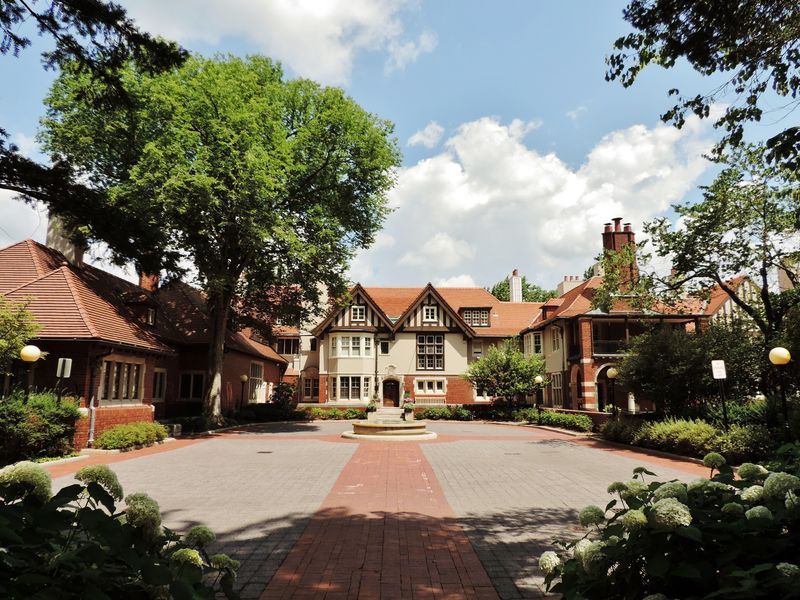
This historic estate at 380 Lone Pine Road in Bloomfield Hills showcases formal garden design from the early 20th century.
The 40-acre property features terraces, fountains, and carefully planned planting beds that follow Arts and Crafts principles.
Winter visits offer a different perspective on the garden’s bones and structure.
Snowdrops and other early bulbs appear in borders and naturalized areas throughout the grounds.
Garden staff maintain historical accuracy while incorporating sustainable practices.
The formal gardens provide shelter from wind, creating microclimates where delicate flowers bloom earlier.
Architecture and landscape design work together to create outdoor rooms with distinct personalities.
Stone walls and hedges frame views and protect tender plants from harsh weather.
Visitors can imagine the garden’s summer glory while appreciating winter’s stark beauty.
Tours highlight the garden’s history and the vision of its original designers.
The mansion occasionally opens for special events that combine art, architecture, and horticulture.
Educational programs connect historical garden practices with modern environmental concerns, making history relevant for contemporary audiences.
5. Dow Gardens
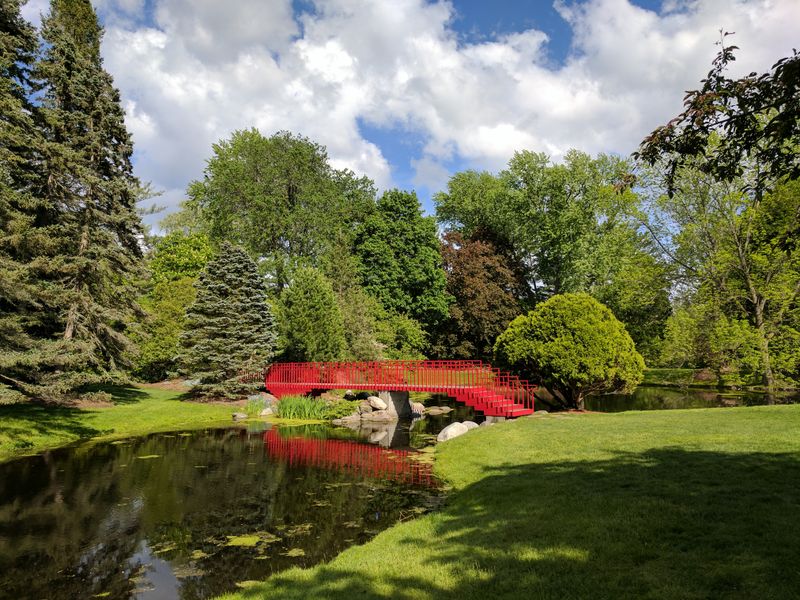
Midland’s botanical showcase at 1809 Eastman Avenue covers 110 acres of meticulously maintained gardens and natural areas.
Herbert Dow founded these gardens in the early 1900s, and they continue evolving with new plantings each year.
The property includes streams, ponds, and bridges that create picture-perfect settings in every season.
Winter interest comes from carefully selected bulbs that naturalize throughout woodland areas.
Thousands of snowdrops create drifts of white beneath bare trees in late winter.
Garden designers layer early bloomers with later varieties for extended color displays.
Paths accommodate strollers and wheelchairs, making these gardens accessible to all visitors.
Benches placed at strategic viewpoints invite contemplation and rest.
The children’s garden includes interactive elements that remain engaging even during colder months.
Seasonal programs teach gardening techniques specific to Michigan’s climate zones.
Volunteers maintain the gardens and share their knowledge with curious visitors.
The conservatory provides a warm retreat with tropical plants and seasonal displays that contrast beautifully with outdoor winter landscapes.
6. Leila Arboretum Society
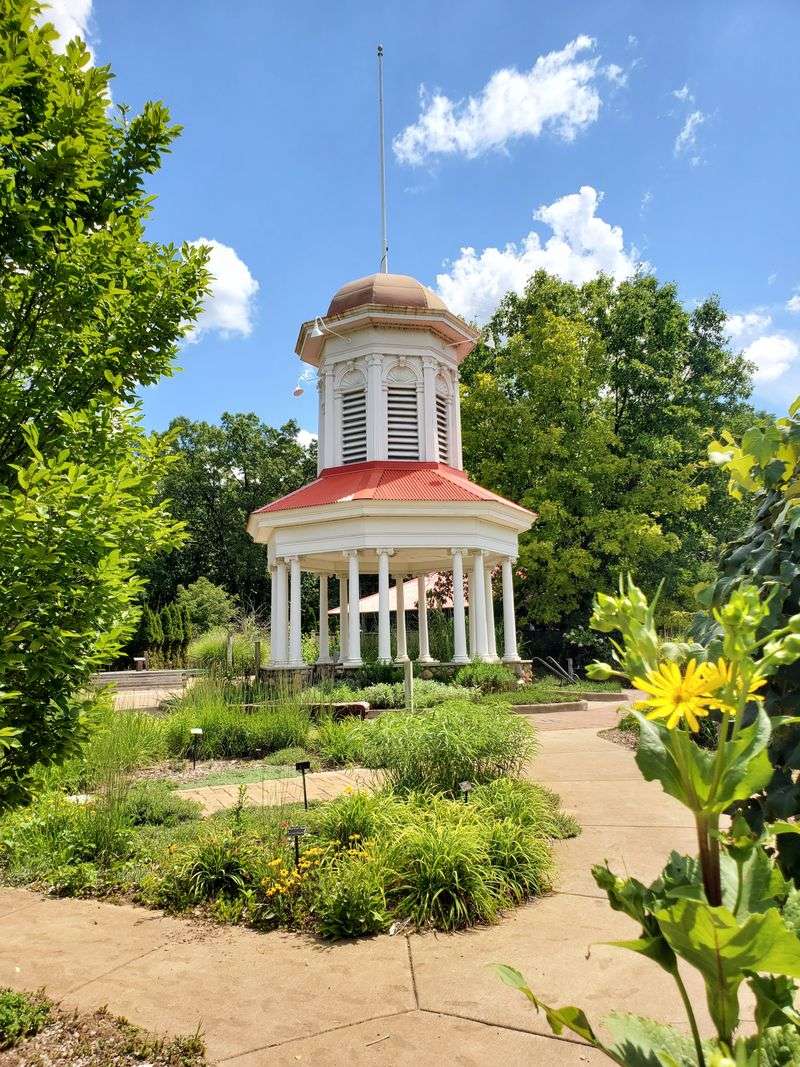
Battle Creek’s community treasure at 928 West Michigan Avenue provides 72 acres of gardens, woodlands, and open spaces for public enjoyment.
The arboretum began in 1922 and has grown to include specialized collections of trees and ornamental plants.
Free admission makes this an accessible destination for families seeking winter outdoor activities.
Early spring bulbs appear in cultivated beds and naturalized areas throughout the property.
Snowdrops often bloom here in late February, weather permitting.
The children’s adventure garden includes winter-hardy plants that provide structure and interest year-round.
Walking trails connect different garden areas, allowing visitors to create their own routes.
The arboretum’s mature trees provide windbreaks that protect delicate flowers from harsh conditions.
Birdhouses and feeders attract wildlife that adds movement and life to winter scenes.
Community events celebrate seasonal changes with guided nature walks and plant identification workshops.
Local garden clubs maintain specific areas and host plant sales that benefit arboretum operations.
The peaceful atmosphere attracts meditation practitioners and artists seeking inspiration from nature’s quiet beauty during colder months.
7. MSU Horticulture Gardens
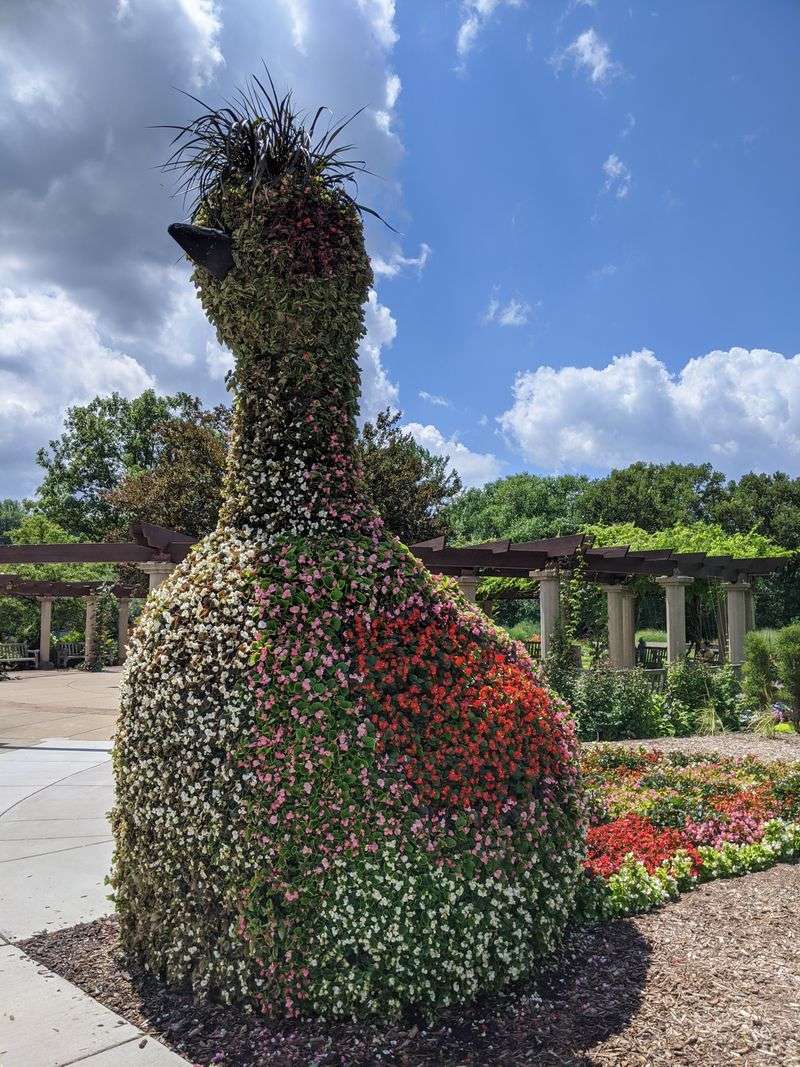
Michigan State University maintains extensive teaching gardens at 1066 Bogue Street in East Lansing that serve students and the public.
These gardens demonstrate horticultural techniques and showcase plant varieties suited to Michigan growing conditions.
Research plots test new cultivars for cold hardiness and disease resistance.
Winter blooms appear in trial gardens where early-flowering bulbs undergo evaluation.
Snowdrops and other early bloomers help researchers understand bloom timing and winter survival rates.
Students learn hands-on skills by maintaining these collections throughout the year.
Different garden sections focus on specific themes like perennials, roses, and native plants.
The annual trial garden displays hundreds of varieties each season, though winter visits reveal the hardier specimens.
Educational signs explain plant names and growing requirements.
Campus visitors can easily incorporate garden walks into their trips to East Lansing.
The gardens connect to other campus green spaces through paths and sidewalks.
Free parking on weekends makes access convenient for families.
Extension programs offer advice on home gardening challenges specific to Michigan’s variable climate and soil conditions.
8. Hidden Lake Gardens
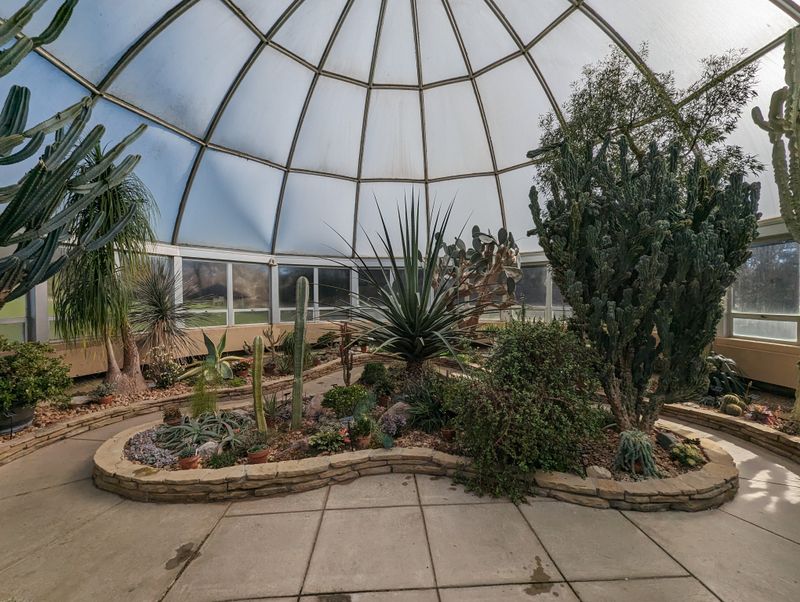
This Michigan State University property at 6214 Monroe Road in Tipton encompasses 755 acres of rolling glacial topography.
The landscape includes forests, meadows, and carefully designed plant collections that showcase woody and herbaceous plants.
A six-mile drive allows visitors to tour the gardens by car during inclement weather.
Early bulbs naturalize in woodland areas and along roadside plantings throughout the property.
Snowdrops emerge in protected valleys where snow melts first.
The dwarf conifer collection provides winter interest with varied textures and colors that complement early flowers.
Hiking trails offer closer views of natural areas and seasonal changes.
The conservatory complex houses tropical and temperate plants in climate-controlled environments.
Visitor amenities include picnic areas and a gift shop with gardening books and supplies.
Educational programs focus on sustainable landscaping and native plant gardening.
The gardens serve as an outdoor laboratory for university research projects.
Special events throughout winter include photography workshops and nature journaling sessions that help visitors appreciate subtle seasonal beauty often overlooked during busy summer months.
9. Anna Scripps Whitcomb Conservatory
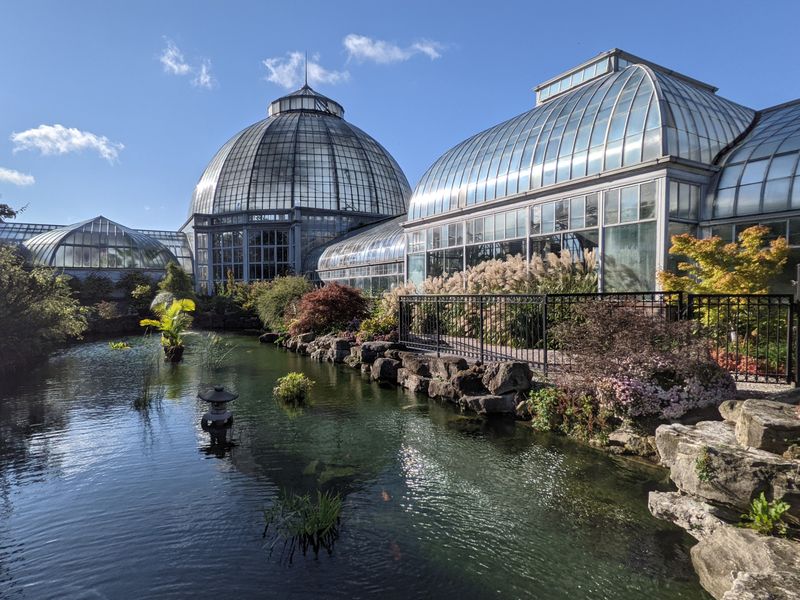
Detroit’s Belle Isle hosts this historic conservatory at 4 Inselruhe Avenue, Detroit, MI 48207, offering tropical warmth during Michigan’s coldest months.
Built in 1904, the glass structure houses one of the oldest conservatory collections in the United States.
Five distinct rooms showcase plants from different climate zones around the world.
While snowdrops grow outdoors in Belle Isle’s gardens, the conservatory provides guaranteed blooms regardless of weather.
Orchids, cacti, and tropical flowers create year-round color displays.
The palm house soars several stories high, accommodating trees that transport visitors to distant jungles.
Seasonal shows feature bulb displays in late winter that include forced tulips, hyacinths, and daffodils.
Garden staff carefully plan these displays to peak during February and March when visitors need color most.
The lily pond room features aquatic plants and creates a serene atmosphere.
Belle Isle’s location on the Detroit River provides beautiful views and easy access from downtown.
The conservatory charges a modest admission fee that supports plant care and building maintenance.
Visitors can combine garden visits with other island attractions like the aquarium and nature center for full-day family outings.
10. Beal Botanical Garden
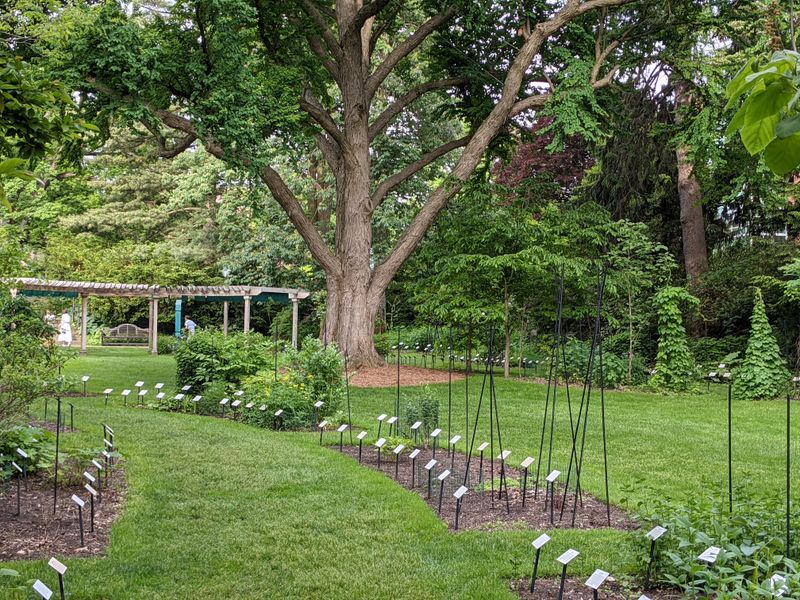
Michigan State University’s campus includes North America’s oldest continuously operated botanical garden at 610 West Circle Drive, East Lansing.
Professor William James Beal established these gardens in 1873 for teaching and research purposes.
The compact five-acre space packs impressive plant diversity into accessible garden beds.
Historic plant collections include bulbs that have naturalized over decades of cultivation.
Snowdrops return reliably each year in beds near the entrance and throughout woodland sections.
The systematic arrangement helps visitors understand plant relationships and families.
Garden beds organize plants by family groups, making this an excellent educational resource.
Labels provide botanical and common names along with native regions.
Students and faculty use the gardens for classes ranging from botany to art.
Urban location makes these gardens convenient for quick visits between campus activities.
The small size allows thorough exploration in under an hour.
Benches scattered throughout provide resting spots and observation points.
Spring brings thousands of bulbs into bloom, but winter visitors enjoy a quieter, more intimate experience with early-blooming treasures that reward those brave enough to venture out in cold weather.