Top 10 Milkweed Plants To Help Monarch Butterflies In Nebraska
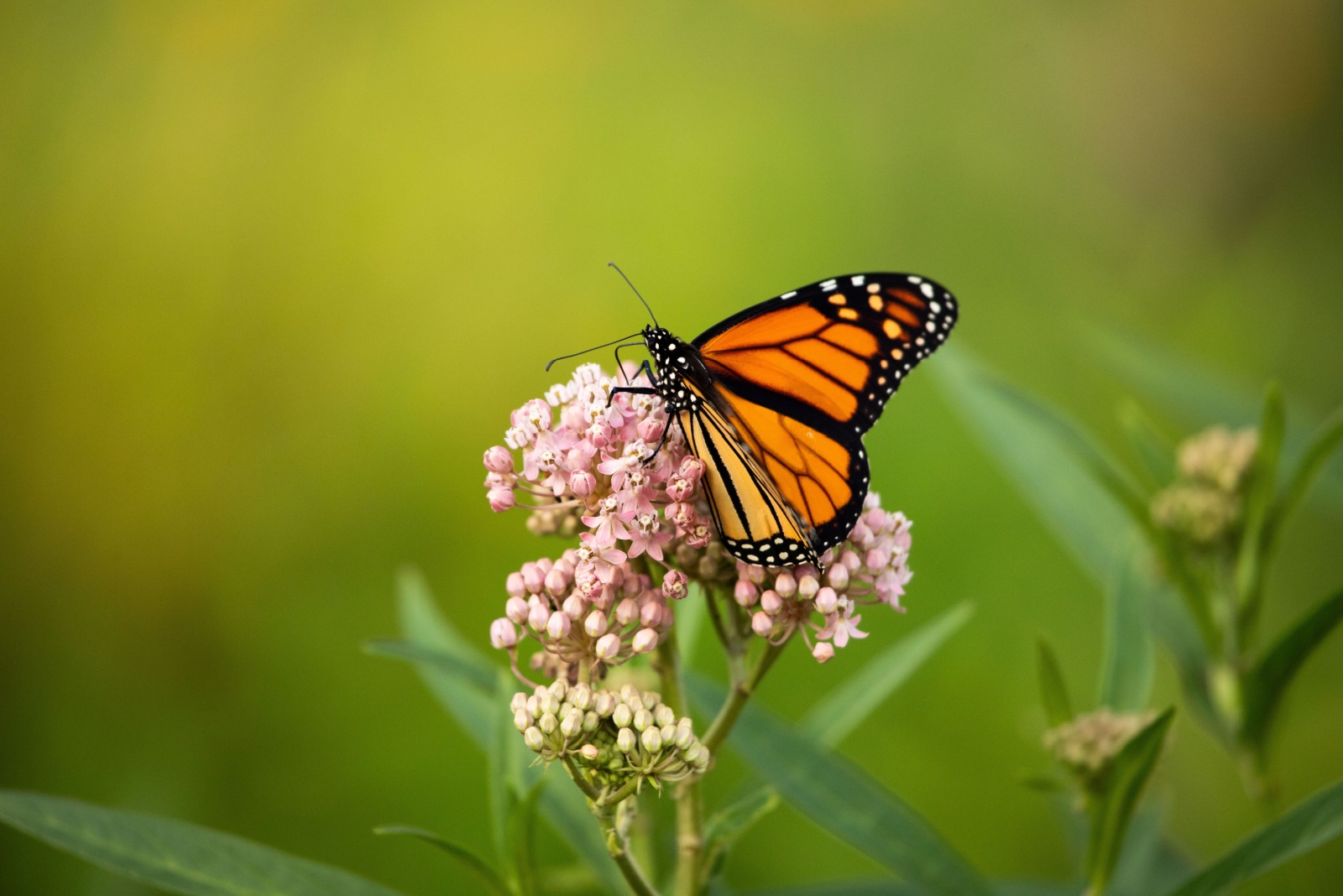
Across Nebraska fields and backyards, monarchs ride the wind on a knife edge.
Their orange sails depend on one plant, and that bond turns yards into lifelines.
Milkweed feeds caterpillars, fuels migration, and offers refuge when storms or heat press hard.
Without it, the journey stalls. Gardeners hold the cards.
Choose the right species, and a modest plot can tip the odds for a generation on the move. Pick poorly, and effort slips through the cracks.
Each earns trust through toughness, bloom, and appeal to pollinators.
Expect plants that handle prairie sun, clay, and cold snaps without complaint.
Add them to borders or meadows, and watch life return with purpose.
From egg to wing, the payoff feels close to magic, a small act with ripple effects far beyond the fence line across plains and towns.
1. Common Milkweed (Asclepias syriaca)
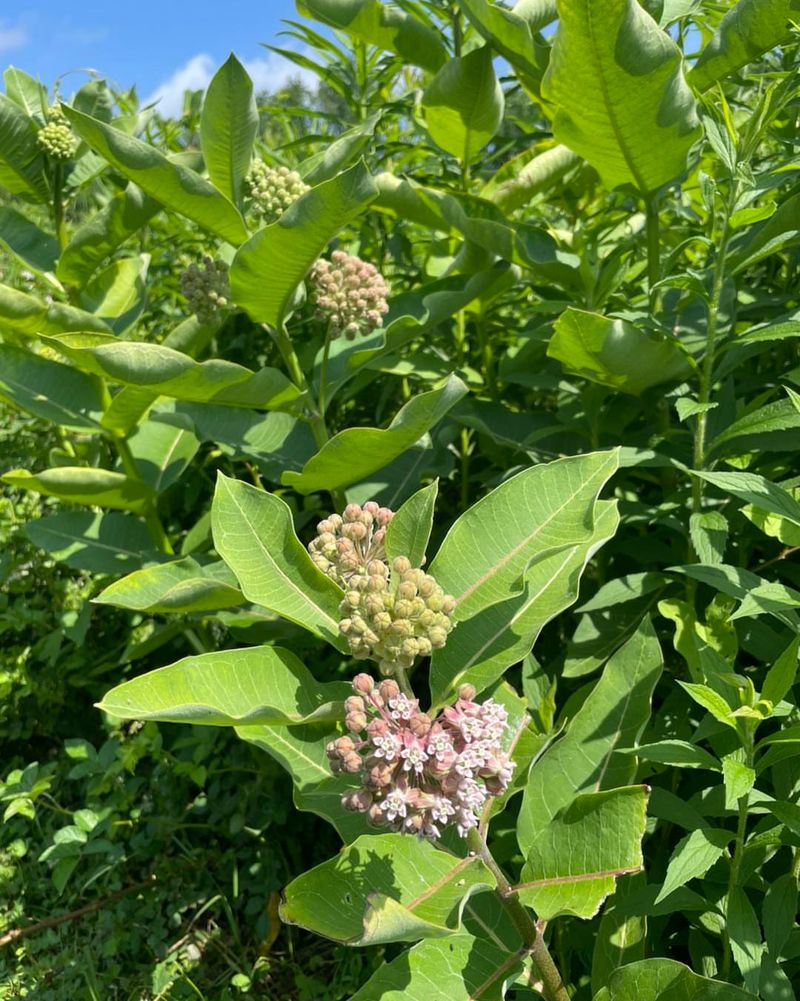
Common milkweed stands as the champion of all milkweed species when it comes to supporting monarch butterflies across Nebraska.
This native plant grows abundantly throughout the state and produces large, fragrant clusters of pink to purplish flowers that bloom from June through August.
Monarchs absolutely love this variety, and research shows they prefer laying eggs on common milkweed more than almost any other type.
The plant can reach heights of three to five feet, creating substantial habitat for caterpillars.
Its broad leaves provide plenty of food for hungry larvae as they munch their way through several growth stages.
Common milkweed spreads through underground rhizomes, which means once you establish it in your garden, it will return year after year and gradually expand.
Some gardeners worry about it taking over, but you can easily manage its growth by removing unwanted shoots.
The flowers also attract numerous other pollinators including bees, beetles, and hummingbirds.
After blooming, the plant produces distinctive warty seed pods that split open in fall, releasing seeds attached to silky white floss that floats on the wind.
This milkweed tolerates various soil types and grows well in full sun.
For Nebraska gardeners wanting to make the biggest impact for monarchs, common milkweed should be your first choice.
2. Butterfly Milkweed (Asclepias tuberosa)

Bright orange flames seem to dance across the garden when butterfly milkweed bursts into bloom during summer months.
Unlike its cousin common milkweed, this species produces stunning orange flowers that create a spectacular visual display from June through September.
Butterfly milkweed earned its name honestly, as it attracts not just monarchs but dozens of other butterfly species to your yard.
This plant grows one to two feet tall with a bushier, more compact form than common milkweed.
It features narrow leaves and a deep taproot that makes it extremely drought-tolerant once established.
Nebraska’s sometimes harsh summer conditions do not faze this tough native plant.
Monarchs readily lay eggs on butterfly milkweed, though some studies suggest they may prefer it slightly less than common milkweed.
Still, the caterpillars thrive on its foliage just as well.
Gardeners appreciate that butterfly milkweed does not spread aggressively like some other milkweed species, making it perfect for formal flower beds and smaller spaces.
The vibrant orange blooms also make excellent cut flowers for arrangements.
Plant it in well-drained soil and full sun for best results.
Once the taproot establishes, this milkweed becomes incredibly low-maintenance and will grace your garden with color for many years while supporting monarch conservation efforts throughout Nebraska.
3. Swamp Milkweed (Asclepias incarnata)
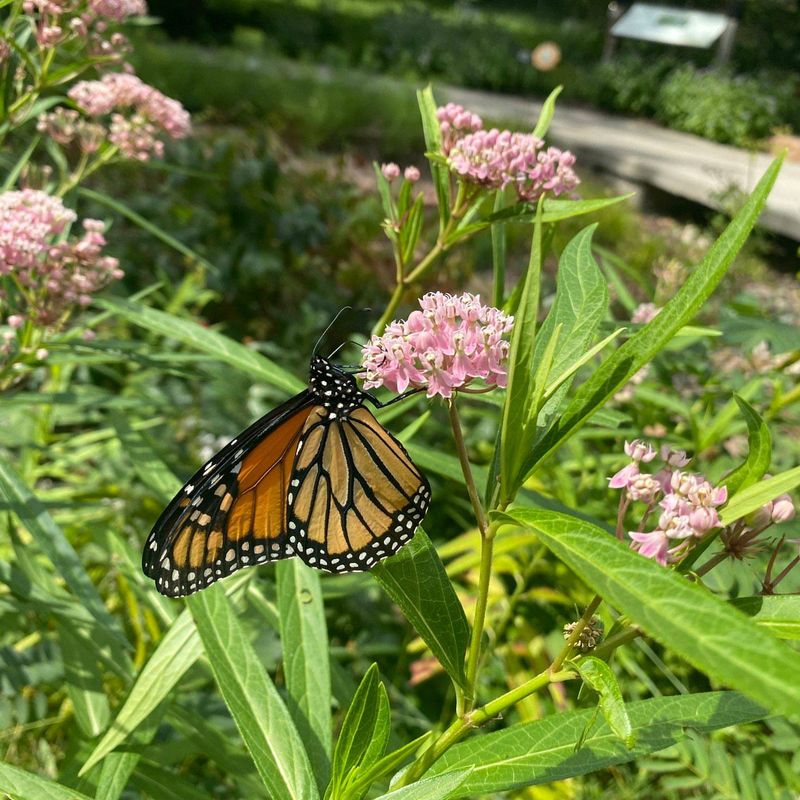
Moisture-loving swamp milkweed thrives in areas where other milkweeds might struggle, making it perfect for low-lying spots in Nebraska yards.
Despite its name, this adaptable plant actually grows well in average garden soil too, not just swampy conditions.
It produces beautiful clusters of pink to mauve flowers from July through September, providing late-season nectar when monarchs need it most during their fall migration.
Swamp milkweed typically reaches three to four feet tall with a more upright, clumping growth habit.
The plant features narrow, lance-shaped leaves that monarchs find perfectly suitable for egg-laying.
Caterpillars feed readily on the foliage, growing plump and healthy before forming their chrysalides.
One advantage of swamp milkweed is that it tends to have fewer problems with aphids compared to common milkweed.
The flowers emit a pleasant vanilla-like fragrance that attracts numerous pollinators beyond monarchs.
Gardeners who have rain gardens, pond edges, or naturally wet areas will find this species invaluable.
It also works beautifully in regular perennial borders with supplemental watering during dry spells.
Swamp milkweed forms attractive clumps rather than spreading aggressively, so you maintain better control over its placement.
For Nebraska residents wanting to support monarchs while adding elegant pink blooms to moist garden spots, swamp milkweed delivers on all fronts.
4. Showy Milkweed (Asclepias speciosa)
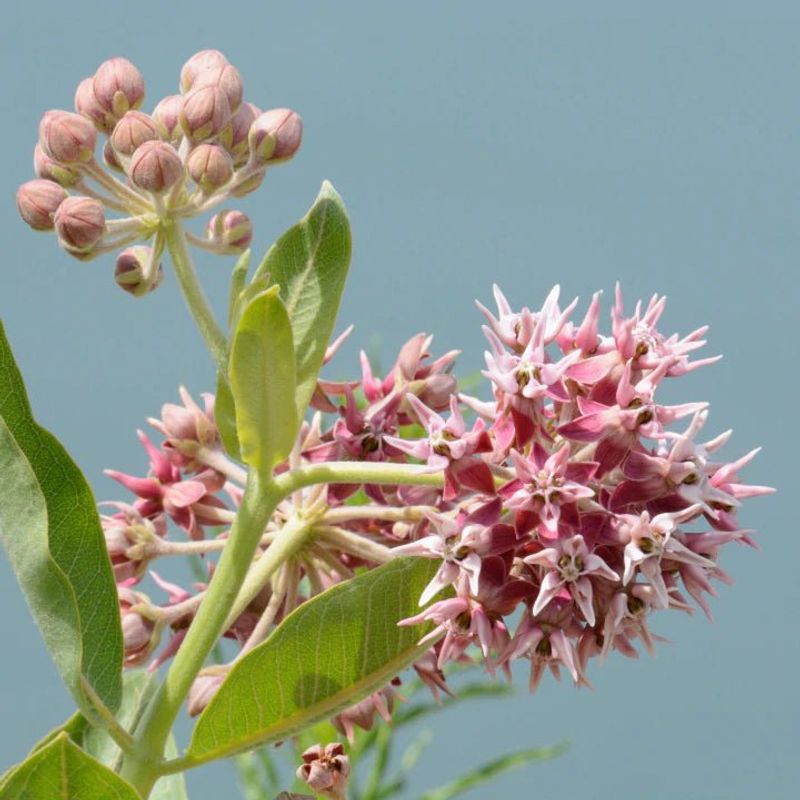
Western Nebraska gardeners will find showy milkweed particularly well-suited to their growing conditions and climate.
This species naturally occurs in the western portions of the state and throughout the Great Plains region.
Large, showy pink flowers with star-shaped petals appear in rounded clusters from May through July, creating an impressive display.
The plant typically grows two to four feet tall with distinctive grayish-green leaves covered in soft, velvety fuzz.
Monarchs readily use showy milkweed for both egg-laying and nectar feeding.
The broad leaves provide ample surface area for caterpillars to feed and grow.
Showy milkweed spreads through rhizomes like common milkweed, so it can form substantial colonies over time.
This spreading habit actually benefits monarchs by creating larger patches of habitat.
The plant tolerates drought conditions extremely well, making it ideal for water-conscious Nebraska landscapes.
Its deep root system helps it survive hot, dry summers without supplemental irrigation once established.
After flowering, showy milkweed produces large, warty seed pods similar to common milkweed.
These pods add interesting texture to the garden and eventually release seeds for natural propagation.
Native plant enthusiasts appreciate that showy milkweed supports not just monarchs but entire prairie ecosystems.
Plant it in full sun and well-drained soil for a low-maintenance addition that benefits butterflies for years to come.
5. Whorled Milkweed (Asclepias verticillata)
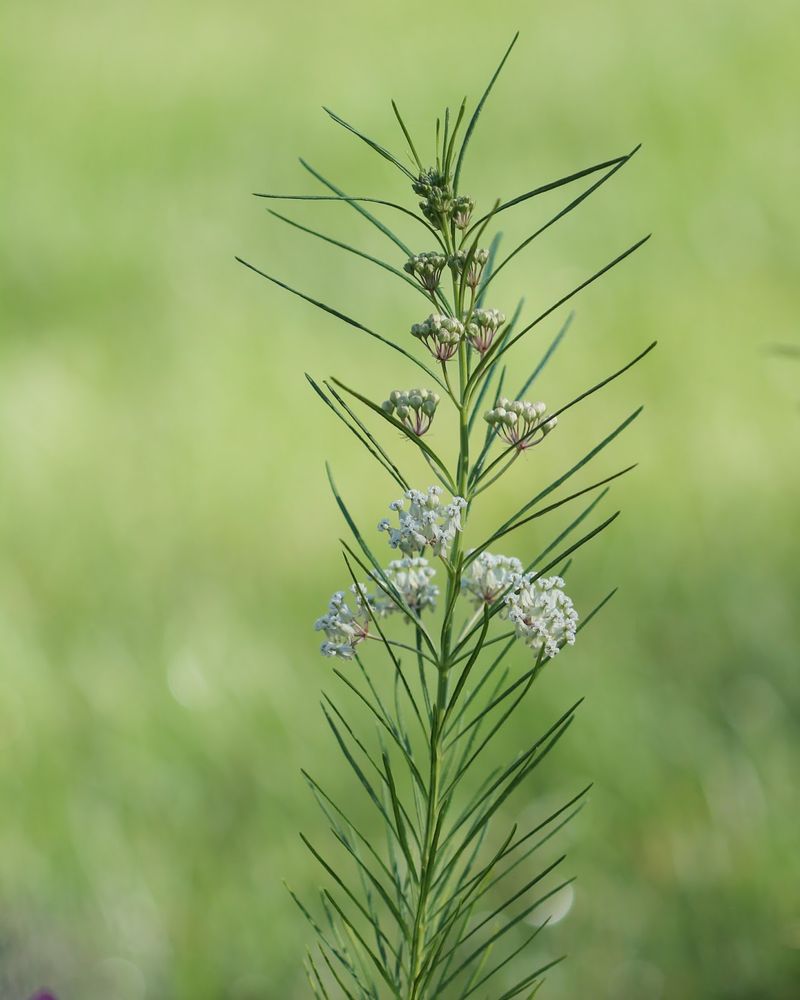
Delicate and graceful, whorled milkweed brings an airy texture to Nebraska gardens with its unique appearance.
Thin, needle-like leaves grow in whorls around the stem, giving this plant a feathery look quite different from other milkweed species.
Small white flowers appear in clusters from June through September, offering a subtle beauty that complements bolder garden plants.
Whorled milkweed typically grows one to two feet tall, making it perfect for front-of-border placements or rock gardens.
Despite its delicate appearance, this native plant proves incredibly tough and drought-tolerant.
Monarchs use whorled milkweed for egg-laying, though the narrow leaves mean each plant supports fewer caterpillars than broad-leaved species.
However, whorled milkweed often grows in large colonies, compensating for its smaller individual size.
This species thrives in dry prairies and rocky soils throughout Nebraska, particularly in areas with excellent drainage.
Gardeners appreciate that it stays relatively compact and does not spread aggressively.
The fine-textured foliage creates interesting contrast when planted alongside bolder perennials.
Whorled milkweed also attracts numerous small native bees and other beneficial insects.
For those wanting to support monarchs while maintaining a more naturalistic prairie aesthetic, this species fits perfectly.
Plant multiple specimens together to create enough habitat for caterpillars and to enhance the visual impact of the delicate white blooms throughout the growing season.
6. Green Milkweed (Asclepias viridiflora)

Subtle and often overlooked, green milkweed deserves recognition for its ecological importance to monarchs in Nebraska.
This species produces unusual greenish-white flowers that blend into the foliage rather than standing out boldly.
Blooming from May through July, the flowers appear in small rounded clusters near the top of the plant.
Green milkweed typically grows six to eighteen inches tall with oval to lance-shaped leaves.
While not showy, this plant plays a crucial role in dry prairie ecosystems throughout Nebraska.
Monarchs lay eggs on green milkweed just as readily as on more colorful species.
The caterpillars find its leaves perfectly nutritious for their development.
Green milkweed excels in hot, dry conditions and rocky or sandy soils where other milkweeds might struggle.
Its deep taproot allows it to access moisture far below the surface during droughts.
Conservation-minded gardeners value this species for restoring native prairie habitats.
The plant attracts numerous native pollinators despite its inconspicuous flowers.
Green milkweed does not spread aggressively, making it easy to incorporate into managed landscapes.
It works particularly well in xeric gardens designed to minimize water use.
For Nebraska residents with challenging dry sites or those focusing on authentic prairie restoration, green milkweed provides essential monarch habitat while requiring virtually no maintenance once established.
Plant it in full sun and well-drained soil for best success.
7. Sullivant’s Milkweed (Asclepias sullivantii)
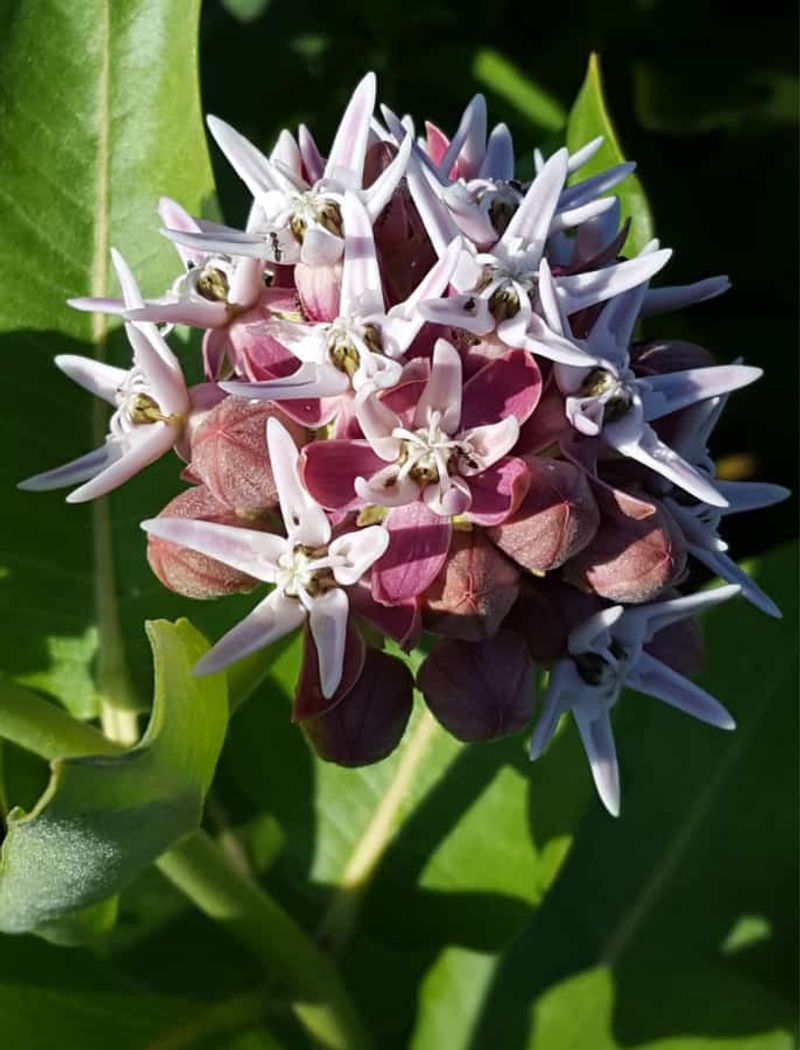
Often confused with common milkweed, Sullivant’s milkweed offers similar benefits for monarchs with some distinct advantages.
This native species produces pink to purple flowers in rounded clusters from June through August.
The blooms closely resemble common milkweed but tend to be slightly more vibrant in color.
Sullivant’s milkweed grows two to four feet tall with smooth, oval leaves that lack the fuzziness of common milkweed foliage.
Monarchs find this species highly attractive for egg-laying, and caterpillars thrive on the nutritious leaves.
One key advantage is that Sullivant’s milkweed tends to spread less aggressively than common milkweed.
It forms clumps rather than running rampantly through garden beds via rhizomes.
This makes it more suitable for formal gardens where you want to maintain tighter control over plant placement.
The species naturally occurs in prairies and moist meadows throughout eastern Nebraska.
It tolerates a range of soil conditions but prefers moderately moist sites with good organic content.
Sullivant’s milkweed also suffers from fewer aphid infestations compared to common milkweed in many gardens.
The fragrant flowers attract diverse pollinators including native bees, butterflies, and beneficial insects.
For Nebraska gardeners wanting the monarch-supporting power of common milkweed with better manners, Sullivant’s milkweed represents an excellent alternative that performs beautifully in both prairie restorations and cultivated landscapes.
8. Prairie Milkweed (Asclepias sullivantii var. sullivantii)
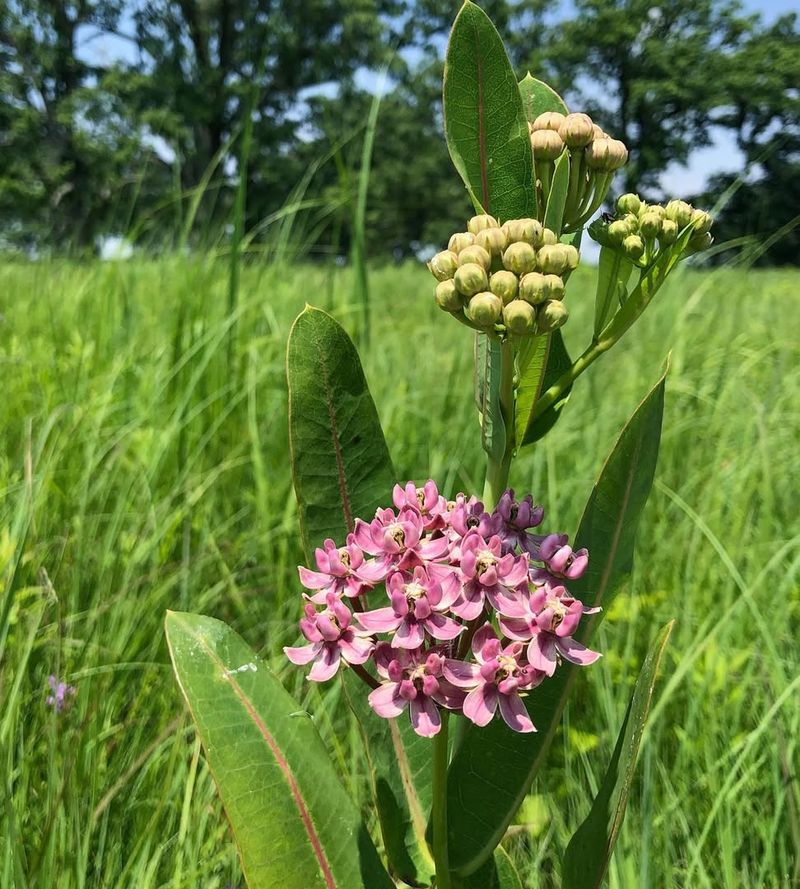
Prairie milkweed embodies the spirit of Nebraska’s native grasslands with its robust growth and excellent monarch support.
This variety features rose-pink flowers arranged in showy rounded clusters that bloom throughout mid-summer.
The blossoms emit a sweet fragrance that draws monarchs and other butterflies from considerable distances.
Growing three to four feet tall, prairie milkweed develops sturdy stems that withstand Nebraska’s sometimes fierce winds.
The lance-shaped leaves provide ideal surfaces for monarch egg-laying and caterpillar feeding.
Female monarchs instinctively recognize this plant as perfect habitat for their offspring.
Prairie milkweed thrives in the deep, rich soils of tallgrass prairies but adapts well to garden conditions too.
It prefers full sun and moderate moisture, though established plants tolerate drought periods.
The plant forms attractive clumps that expand gradually without becoming invasive nuisances.
Gardeners appreciate its reliability and low-maintenance nature once established.
Prairie milkweed also supports numerous other native insects beyond monarchs, contributing to overall ecosystem health.
The seed pods that develop after flowering add architectural interest to fall gardens.
For those recreating authentic prairie habitats or simply wanting dependable native plants that support monarchs, prairie milkweed delivers consistent performance.
Combine it with native grasses and other prairie wildflowers for a beautiful, ecologically valuable landscape that helps monarchs thrive during their long migration through Nebraska each year.
9. Poke Milkweed (Asclepias exaltata)
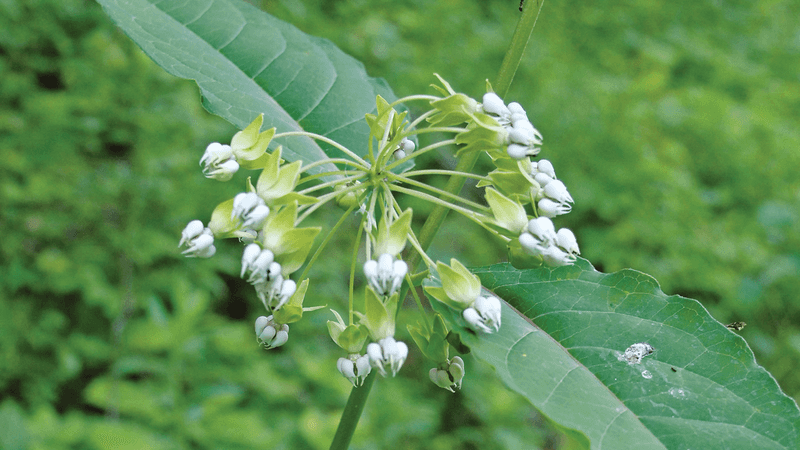
Shade-tolerant poke milkweed fills an important niche for Nebraska gardeners with wooded properties or shady yards.
While most milkweeds demand full sun, this species actually prefers partial shade and woodland edges.
Drooping clusters of white to pale pink flowers appear from June through August, creating an elegant display beneath tree canopies.
Poke milkweed can reach impressive heights of three to six feet, making it one of the taller milkweed species.
Large, oval leaves provide substantial food sources for monarch caterpillars.
The plant naturally occurs in wooded areas of eastern Nebraska, particularly along streams and in moist forests.
Monarchs migrating through Nebraska will seek out poke milkweed in shaded habitats where other milkweed species cannot grow.
This makes it valuable for expanding monarch habitat into areas typically lacking suitable host plants.
Gardeners with mature trees can establish poke milkweed in the dappled shade beneath, creating butterfly habitat in otherwise underutilized spaces.
The plant prefers rich, moist soil with good organic content.
Poke milkweed does not spread aggressively, instead forming well-behaved clumps that return reliably each year.
Its graceful form and shade tolerance make it useful for woodland gardens and naturalized areas.
For Nebraska residents wanting to support monarchs in shady locations where sun-loving milkweeds fail, poke milkweed offers the perfect solution while adding beauty to woodland settings throughout the growing season.
10. Spider Milkweed (Asclepias viridis)
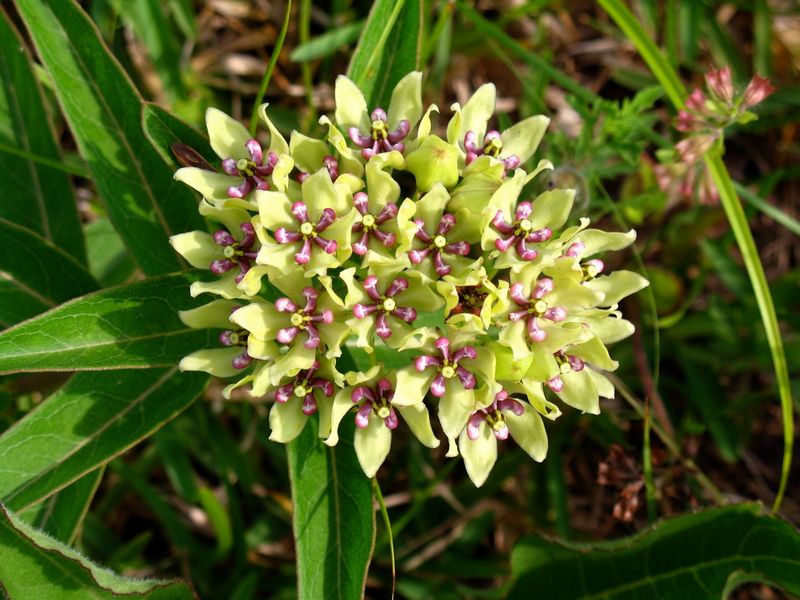
Unusual and captivating, spider milkweed catches attention with its distinctive flower structure that inspired its common name.
The flowers feature greenish-white petals topped with purple hoods, creating a unique two-toned appearance.
These unusual blooms appear from May through July, earlier than many other milkweed species.
Spider milkweed typically grows one to two feet tall with narrow, lance-shaped leaves arranged opposite along the stem.
Despite its smaller stature, monarchs readily use this species for egg-laying.
The caterpillars develop successfully on the foliage, gaining the nutrients they need for metamorphosis.
This species thrives in dry, rocky soils and open prairies throughout southern and central Nebraska.
It demonstrates excellent drought tolerance once established, requiring virtually no supplemental watering.
Spider milkweed works beautifully in rock gardens, prairie restorations, and xeric landscapes.
The unusual flowers attract numerous pollinators curious about their unique structure.
Gardeners interested in native plant diversity appreciate spider milkweed for adding variety to their milkweed collections.
The plant does not spread aggressively, maintaining a compact footprint in the garden.
Its early blooming period provides crucial nectar and habitat for the first waves of monarchs moving north through Nebraska in spring.
For those wanting something a bit different while still supporting monarch conservation, spider milkweed combines ecological value with botanical interest in one distinctive package that thrives in Nebraska’s challenging climate.