Top Native Flowers That Thrive The Best In Pennsylvania’s Climate
Pennsylvania gardeners know the weather does not always like to cooperate. One part of the year brings heavy rain, another brings summer heat, and winter can leave behind conditions that test even the healthiest plants.
That is exactly why native flowers are such a smart choice. They already belong here, which means they are naturally better equipped to handle Pennsylvania’s shifting seasons without demanding constant attention.
These flowers do more than simply survive. Many bring long-lasting color, attract butterflies and bees, and support the local environment in ways that non-native plants often cannot.
Because they are adapted to local soil and weather, they usually need less fuss once established, making them a great fit for gardeners who want beauty without turning every weekend into a maintenance project.
There is also something satisfying about planting flowers that feel right at home in the landscape. A yard filled with native blooms tends to look lively, balanced, and connected to the region around it.
With the right choices, Pennsylvania gardens can be colorful, welcoming, and full of life from season to season.
1. Black-Eyed Susan
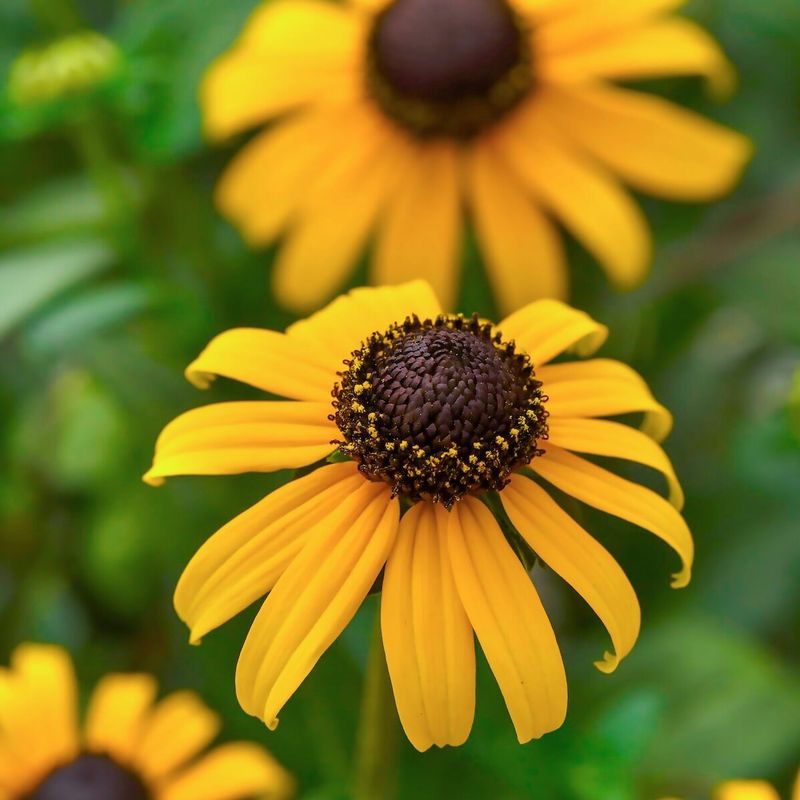
Few flowers say “summer” quite like the Black-Eyed Susan. With its bold yellow petals and deep, dark center, this cheerful wildflower is one of Pennsylvania’s most recognizable native plants.
It blooms from June all the way through October, giving your garden months of steady color.
Black-Eyed Susan grows well in full sun and adapts easily to many soil types found across Pennsylvania, including clay-heavy and sandy soils. It does not need a lot of water once it gets established, making it a low-maintenance choice for busy gardeners.
Plant it along borders, in meadow-style gardens, or even in containers for a pop of warm color.
One of the best things about this flower is how much pollinators love it. Bees, butterflies, and even goldfinches visit Black-Eyed Susans regularly throughout the season. If you leave the seed heads standing in fall, birds will feed on them all winter long.
Did you know Black-Eyed Susan is actually a short-lived perennial that reseeds itself freely? That means once you plant it, it often comes back year after year without much effort.
It pairs beautifully with purple coneflower and native grasses in Pennsylvania landscapes, creating a natural wildflower look that is both easy and stunning.
2. Purple Coneflower
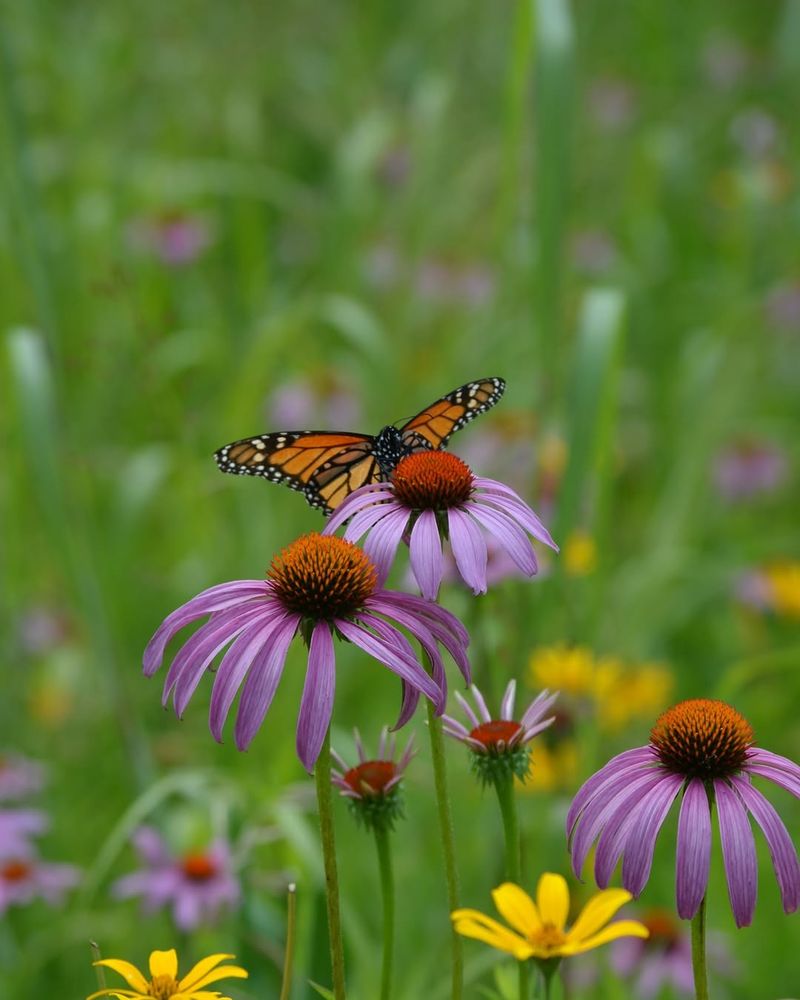
Tough, beautiful, and practically indestructible, the Purple Coneflower is a superstar in Pennsylvania gardens. Its rosy-purple petals droop slightly around a spiky, cone-shaped center, giving it a look that stands out in any landscape.
It blooms from midsummer into fall, providing long-lasting color when many other plants start to fade.
Echinacea purpurea handles Pennsylvania’s weather like a champion. It tolerates summer heat, survives dry spells without much fuss, and bounces back after the state’s cold winters without skipping a beat.
Full sun and well-drained soil are really all it needs to put on a spectacular show year after year.
Bees and butterflies absolutely flock to this plant. It is one of the top nectar sources for pollinators during the summer months across Pennsylvania.
When the blooms fade, the spiky seed heads attract finches and other birds, extending its value well into the colder months.
Fun fact: Echinacea has been used in herbal medicine for centuries by Native American communities. Beyond its medicinal reputation, it is a reliable garden performer that pairs perfectly with Black-Eyed Susan, bee balm, and ornamental grasses.
Plant a cluster of three or more together for maximum visual impact in your Pennsylvania yard.
3. Bee Balm
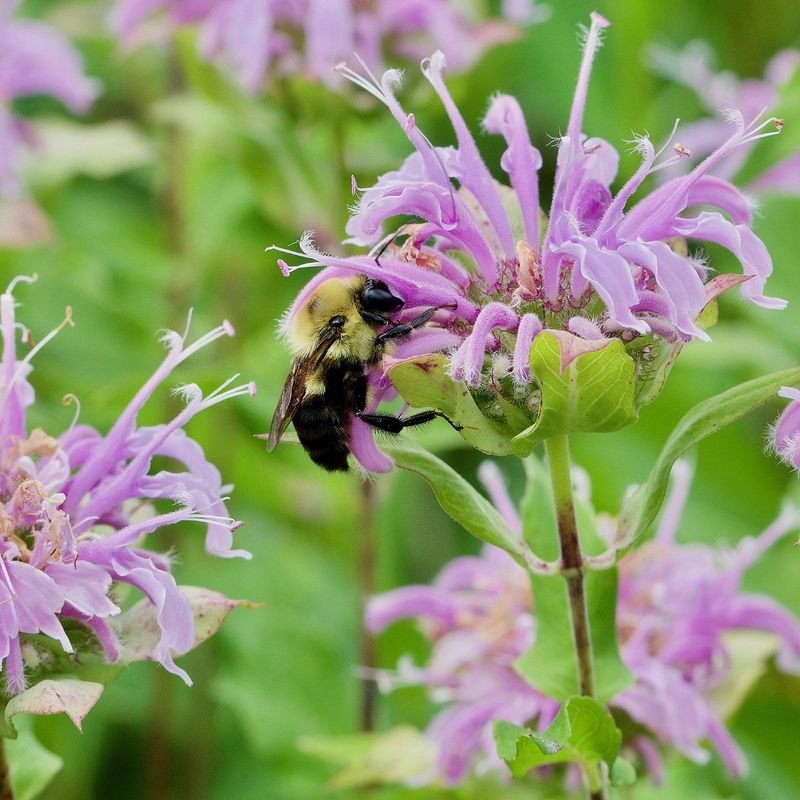
Walk past a blooming bee balm plant on a warm Pennsylvania afternoon and you will instantly understand how it got its name.
The shaggy, firework-like blooms in shades of red, pink, and purple are irresistible to bees, butterflies, and hummingbirds. It is one of the most exciting native flowers you can add to a Pennsylvania garden.
Bee balm loves Pennsylvania’s humid summer climate and grows best in full sun to partial shade. It prefers moist, well-drained soil and can spread into a nice full clump over time.
To keep it looking tidy, divide the clumps every few years and share extras with neighbors or plant them in new spots around your yard. One thing to watch with bee balm is powdery mildew, a common issue in humid conditions.
You can reduce this by giving plants good air circulation and choosing mildew-resistant varieties like ‘Jacob Cline’ or ‘Raspberry Wine,’ both of which perform well in Pennsylvania’s climate.
Beyond its beauty, bee balm has a lovely minty fragrance that fills the air on warm days. The leaves can even be used to make herbal tea.
It blooms from mid to late summer, bridging the gap between early-season flowers and fall bloomers, making it a valuable addition to any Pennsylvania pollinator garden.
4. Butterfly Weed
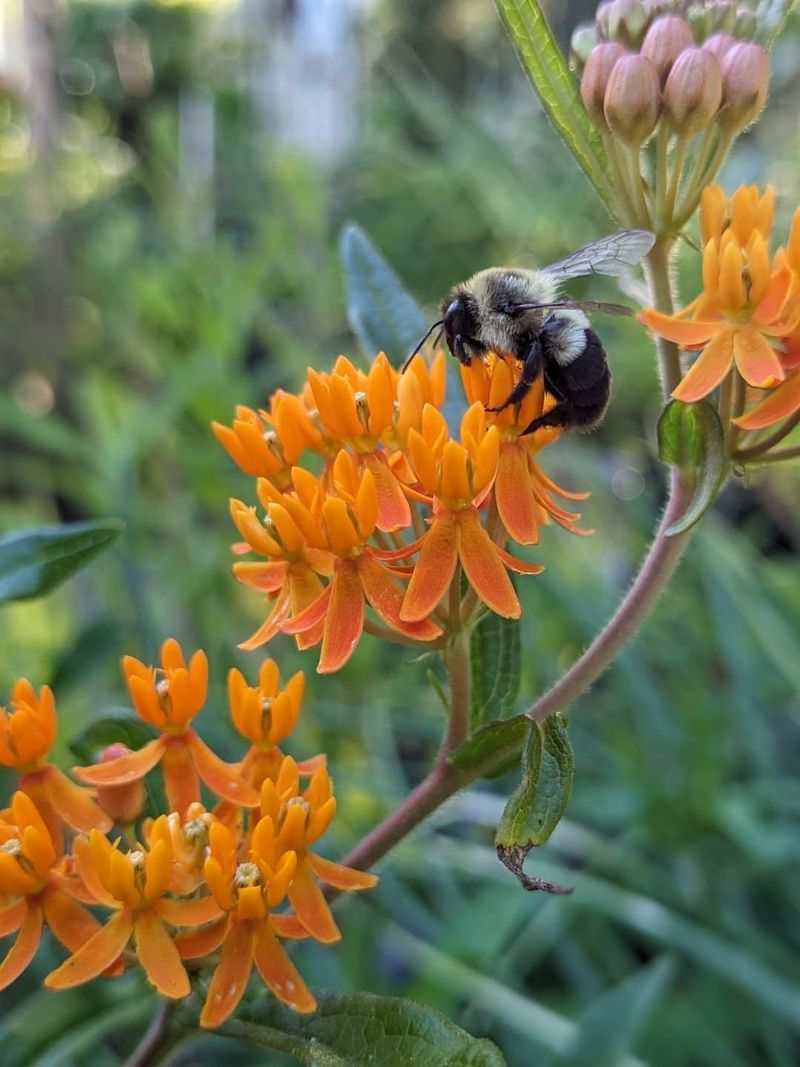
Bright as a sunset and just as stunning, butterfly weed is one of the most eye-catching native plants you can grow in Pennsylvania.
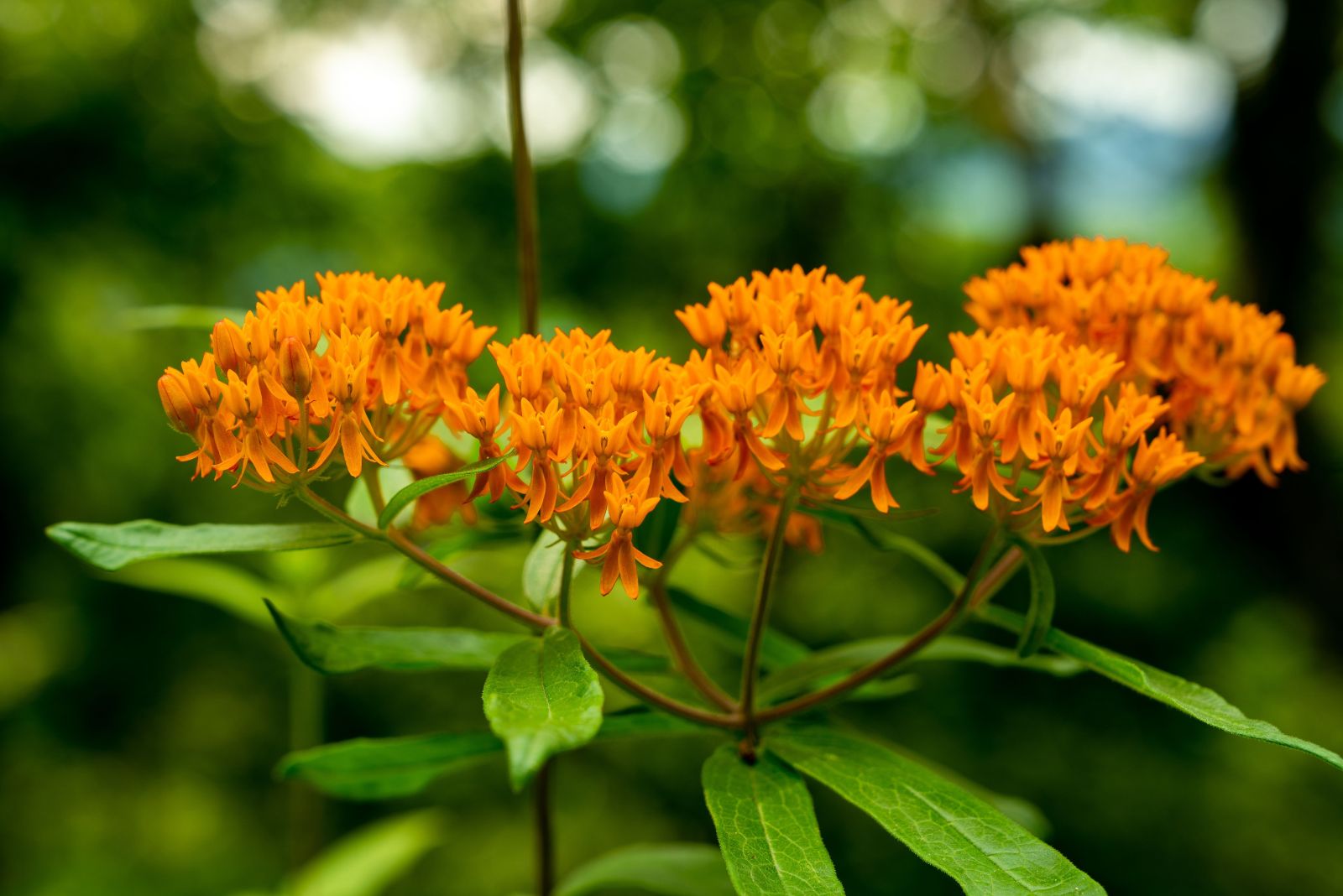
Its clusters of vivid orange flowers bloom from late spring through summer, creating a warm, bold display that draws attention from across the yard. And yes, monarch butterflies absolutely love it.
Unlike other milkweeds, butterfly weed does not produce messy, milky sap. It is a well-behaved, drought-tolerant plant that actually prefers dry, sandy, or rocky soils.
In Pennsylvania, it thrives in sunny spots where other plants might struggle. Once established, it requires almost no extra watering or fertilizing.
Monarch butterflies depend on milkweed plants like butterfly weed to complete their life cycle. Female monarchs lay their eggs on the leaves, and the caterpillars feed on them before transforming.
Planting butterfly weed in your Pennsylvania yard directly supports monarch butterfly populations, which have been declining in recent years.
One thing to keep in mind: butterfly weed is slow to emerge in spring. Do not assume it is gone and accidentally dig it up.
Mark its location in fall so you know where to look. It is a long-lived perennial that rewards patience with decades of brilliant blooms and a steady stream of beautiful butterfly visitors to your Pennsylvania garden.
5. Wild Columbine
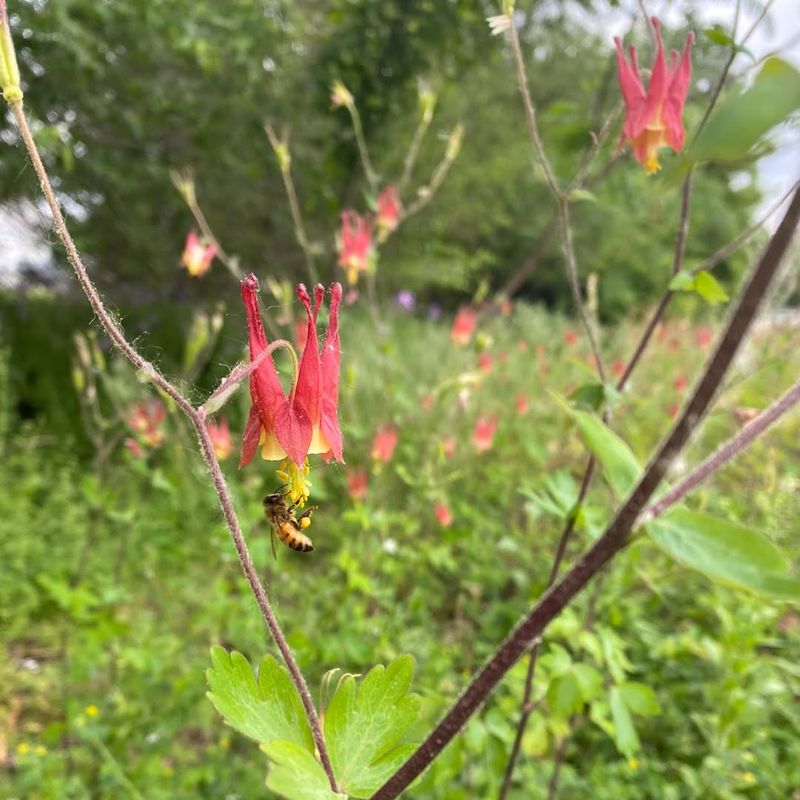
Spring arrives early for wild columbine. While many plants are still waking up, this graceful native flower is already nodding its red and yellow blooms in the breeze.
It is one of the first native flowers to bloom in Pennsylvania each year, typically showing up in April and May when hummingbirds are returning from their winter travels.
Wild columbine is perfectly suited for woodland gardens and shaded spots across Pennsylvania. It grows naturally along rocky slopes, stream banks, and forest edges throughout the state.
Unlike many native flowers that demand full sun, wild columbine actually prefers partial shade, making it a fantastic option for yards with tree cover.
The unique spurred flowers are specially shaped for hummingbirds and long-tongued bees to access the nectar inside.
Watching a ruby-throated hummingbird visit wild columbine in a Pennsylvania garden is one of those moments that reminds you why native plants matter so much to local wildlife.
Caring for wild columbine is simple. It self-seeds freely, so once you have it in your garden, it tends to spread gently and naturally on its own.
It pairs beautifully with ferns, trillium, and Virginia bluebells in shaded Pennsylvania garden beds. Plant it near a path or seating area so you can enjoy the delicate blooms up close during the early spring season.
6. New England Aster
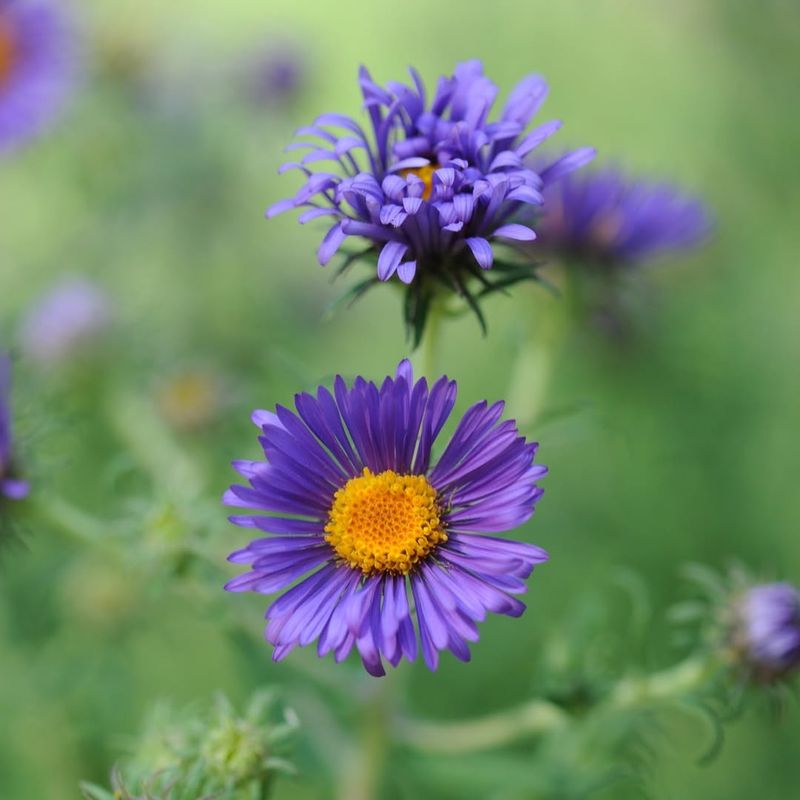
When most of the summer flowers have faded and the leaves are starting to turn, New England aster steps up and steals the show.
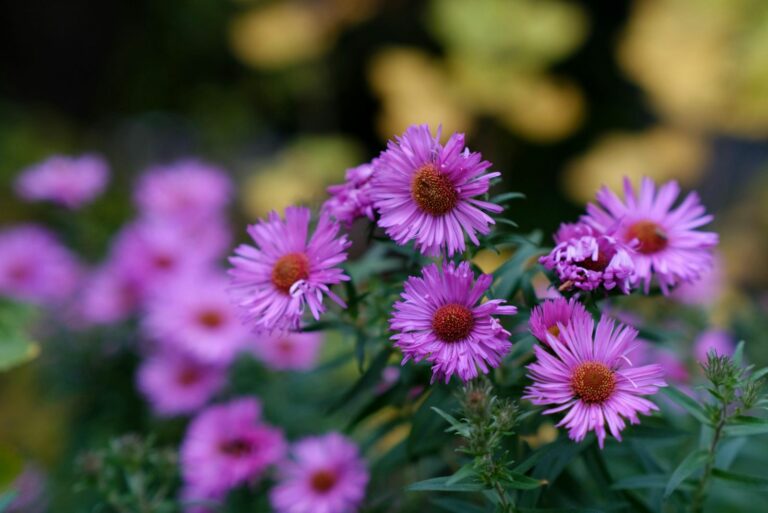
Its rich purple blooms with bright yellow centers light up Pennsylvania gardens from late August all the way through November, making it one of the most valuable native perennials for fall color.
New England aster is a tough, adaptable plant that thrives across Pennsylvania’s varied landscape. It grows well in full sun and tolerates a range of soil types, from moist meadow soils to slightly dry garden beds.
Taller varieties can reach four to six feet, while compact cultivars stay much shorter and work well in smaller garden spaces.
For pollinators, New England aster is like a late-season feast. Monarch butterflies, native bees, and bumblebees all depend heavily on its nectar as they prepare for the colder months ahead.
Planting it in your Pennsylvania yard is one of the best things you can do to support local pollinator populations at the end of the growing season.
To keep New England aster looking its best, pinch the stems back by half in early summer. This encourages bushier growth and more blooms in the fall.
It pairs wonderfully with ornamental grasses and goldenrod for a stunning late-season display that celebrates everything beautiful about autumn in Pennsylvania.
7. Coreopsis (Coreopsis lanceolata)
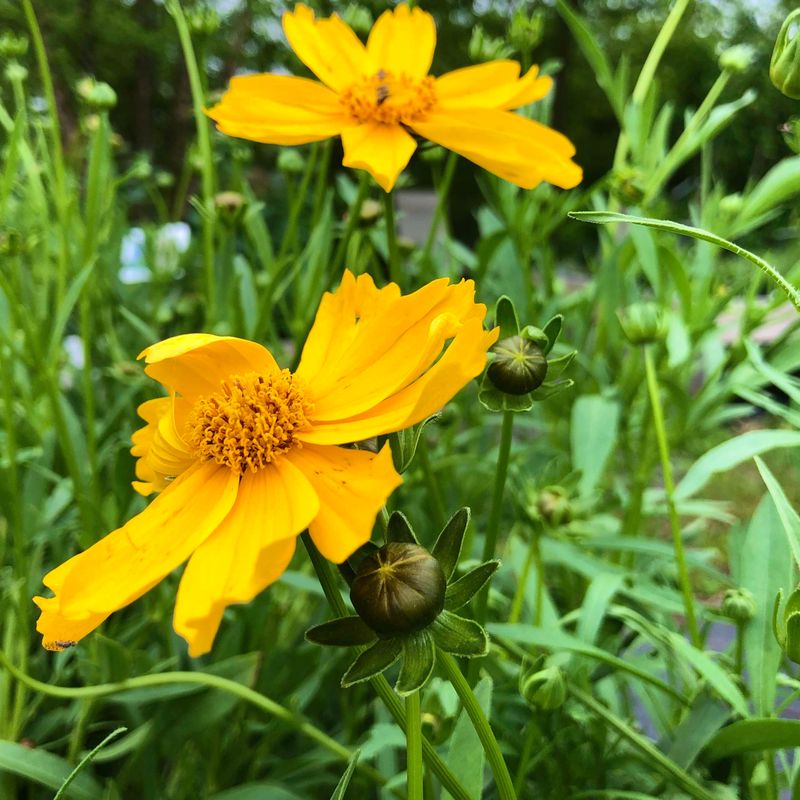
Sunny, cheerful, and nearly impossible to neglect, coreopsis is one of those plants that makes every gardener look like a pro.
Also called lance-leaved tickseed, this bright yellow wildflower blooms generously from late spring through midsummer and often keeps producing flowers into fall if you deadhead the spent blooms regularly.
Pennsylvania’s sunny gardens are perfect for coreopsis. It loves full sun and well-drained soil, and once it gets established, it handles drought conditions with ease.
You can plant it in spots that get hot and dry in summer, areas where other flowers might struggle, and it will keep right on blooming without complaint.
Pollinators are drawn to coreopsis throughout the blooming season. Bees and butterflies visit the bright flowers regularly, making it a great companion plant for other native flowers in a Pennsylvania pollinator garden.
The long blooming period means it provides nectar support across multiple weeks of the growing season.
Coreopsis spreads gradually by reseeding, so over time it can fill in gaps in a garden bed naturally. It looks fantastic planted in drifts along sunny borders or mixed into meadow-style plantings with black-eyed susans and wild bergamot.
For Pennsylvania gardeners looking for a reliable, low-effort flower that delivers maximum color, coreopsis is hard to beat. It is a true workhorse of the native plant world.
8. Cardinal Flower
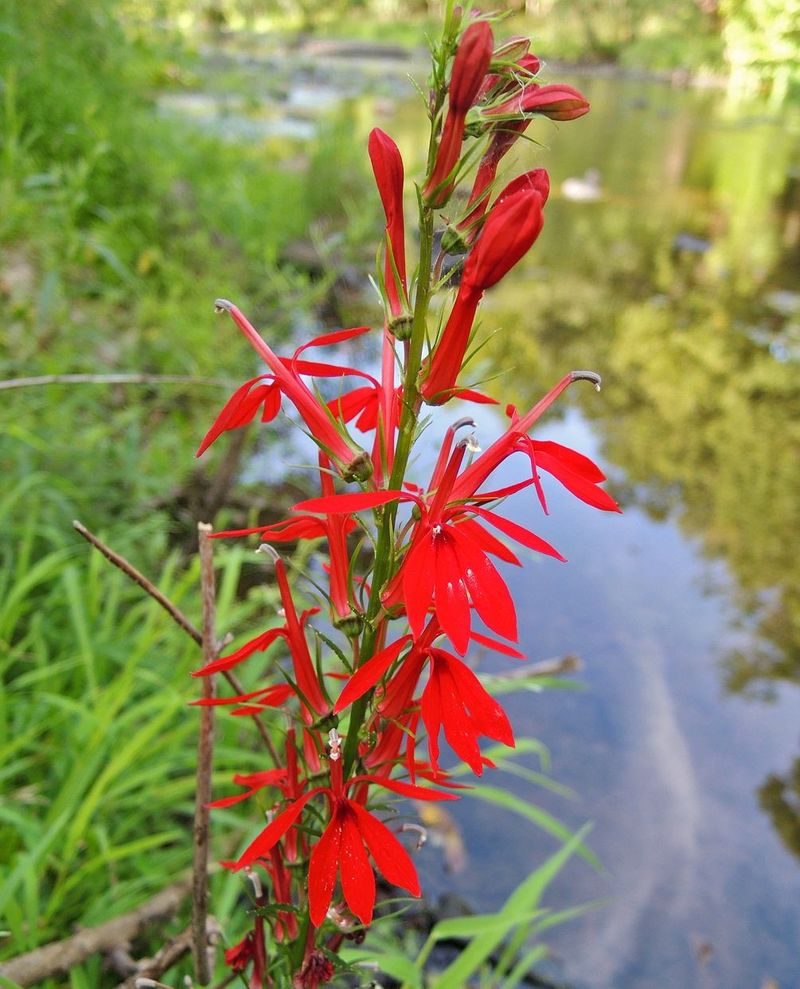
There is nothing subtle about the cardinal flower. Its tall spikes of blazing red blooms are impossible to miss, and that is exactly the point.
Ruby-throated hummingbirds can spot red from a great distance, and they make a beeline for this plant every time. In Pennsylvania, the cardinal flower is one of the best native plants for attracting hummingbirds to your yard.
Cardinal flower thrives in moist soils, which makes it a natural fit for Pennsylvania’s stream banks, pond edges, and rain gardens. It grows well in full sun to partial shade and can reach heights of two to four feet when it is happy.
Moist, rich soil is the key ingredient to getting the most out of this stunning native perennial.
Blooming from July through September, cardinal flower fills the midsummer gap when some early bloomers have finished and fall flowers have not yet started. It is a short-lived perennial, but it self-seeds reliably, so new plants regularly appear to replace older ones.
Leaving spent flower stalks in place helps ensure a steady supply of new seedlings each spring.
Beyond hummingbirds, swallowtail butterflies also visit the blooms for nectar. Cardinal flower looks spectacular planted in groups along water features or in low-lying areas of Pennsylvania yards that tend to stay moist after rain.
Pair it with blue lobelia or native ferns for a lush, naturalistic planting that highlights the best of Pennsylvania’s native flora.