Top 11 Native Ohio Plants That Grow Beautifully In Pots
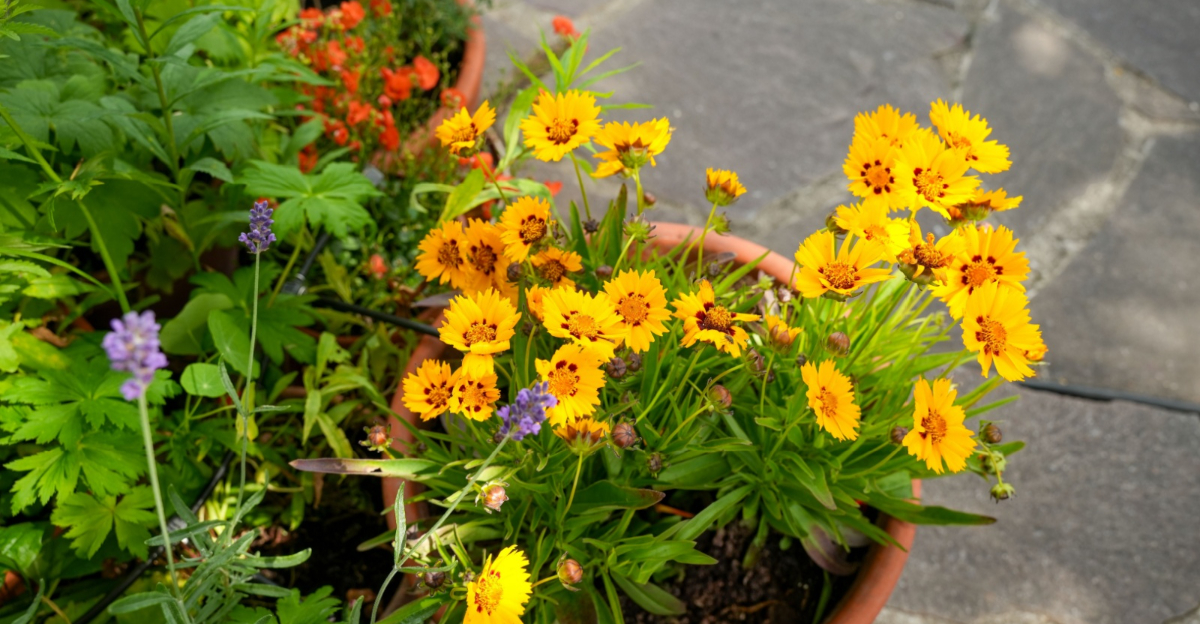
Container gardens hold surprising power, even in a place like Ohio where seasons shift fast and space can feel limited. Native plants bring an extra advantage, built to handle local weather, support pollinators, and thrive with less effort.
In pots, they offer flexibility, color, and life for patios, balconies, doorsteps, and small yards without losing their natural strength.
Many gardeners assume natives need open ground, yet some of Ohio’s most beautiful species adapt perfectly to containers and still deliver vibrant blooms, rich foliage, and seasonal interest.
With the right choices, a few well placed pots can attract butterflies, brighten outdoor spaces, and create a low maintenance display that feels both wild and refined. These native Ohio plants prove you do not need a large garden to grow something truly beautiful and locally rooted.
1. Black Eyed Susans Bring Golden Cheer
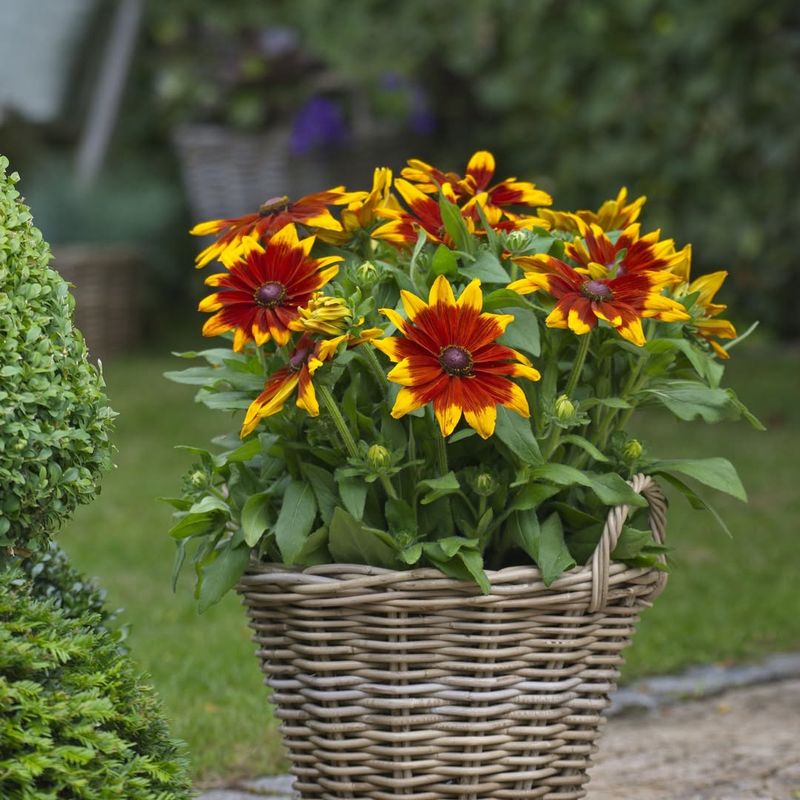
Few sights say summer in Ohio quite like a pot overflowing with golden Black Eyed Susans catching the afternoon light. Rudbeckia hirta is one of the most cheerful native wildflowers you can grow, and it adapts surprisingly well to container life.
Its naturally compact growth habit makes it an ideal choice for pots without needing constant trimming or staking.
Choose a container at least 12 inches wide and deep to give roots enough room to settle in comfortably. Use a well-draining potting mix, since Black Eyed Susans strongly prefer soil that does not stay soggy.
Adding a layer of perlite to your mix helps water move through efficiently, which this plant truly appreciates.
Full sun is non-negotiable here. Place your pot where it receives at least six hours of direct sunlight daily, and your plant will reward you with blooms from midsummer well into fall.
Once established, Black Eyed Susans handle Ohio heat and dry spells with impressive toughness. Goldfinches and native bees absolutely love the seed heads, so leave them standing through autumn for extra wildlife value.
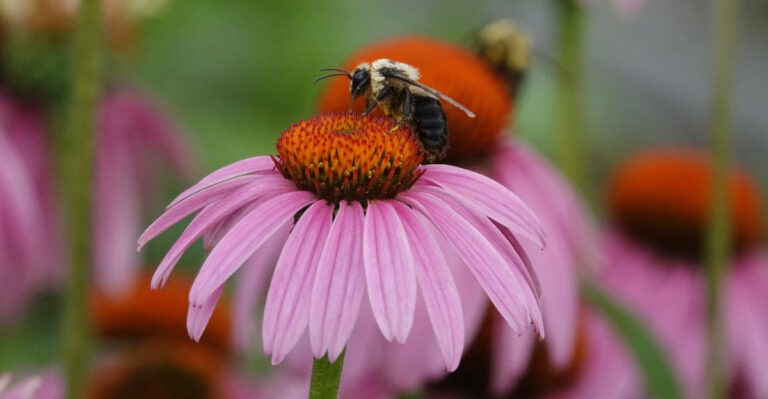
2. Purple Coneflowers Add Bold Native Color
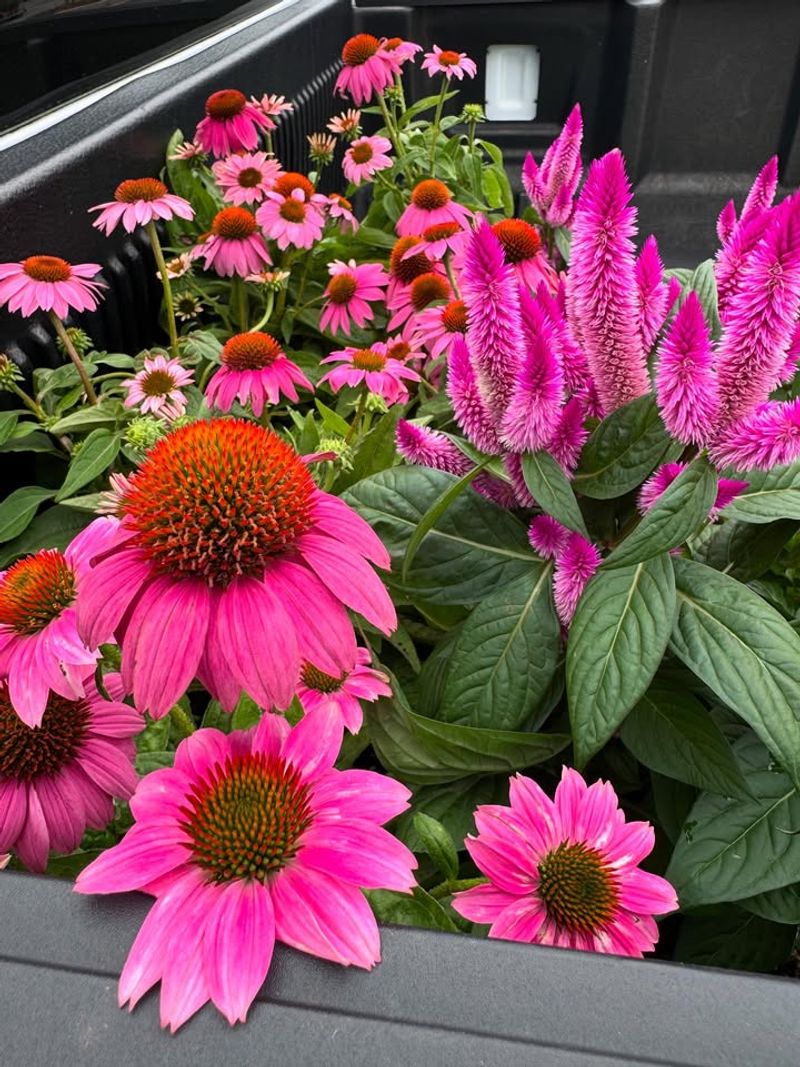
Bold, resilient, and irresistible to pollinators, Purple Coneflower earns its place in any Ohio container garden without hesitation. Echinacea purpurea produces striking pink-purple blooms with raised, spiky centers that butterflies and bees flock to from July through September.
Growing it in pots lets you position it exactly where pollinators and people can enjoy it most.
Because coneflowers develop deep taproots, container size really matters. Go with a pot that is at least 14 to 16 inches deep and wide to give roots the space they need.
Skimping on pot size leads to stressed plants that bloom poorly, so bigger is genuinely better for this native.
Well-draining soil is essential, and adding some coarse sand or perlite to your potting mix mimics the lean, gravelly soils coneflowers prefer in Ohio prairies. Water regularly during the first growing season, then ease off once plants are established.
Ohio winters can be tough on potted coneflowers, so move containers to an unheated garage or sheltered spot once hard freezes arrive. Leaving seed heads intact through winter also feeds hungry birds like goldfinches and chickadees during the coldest months.
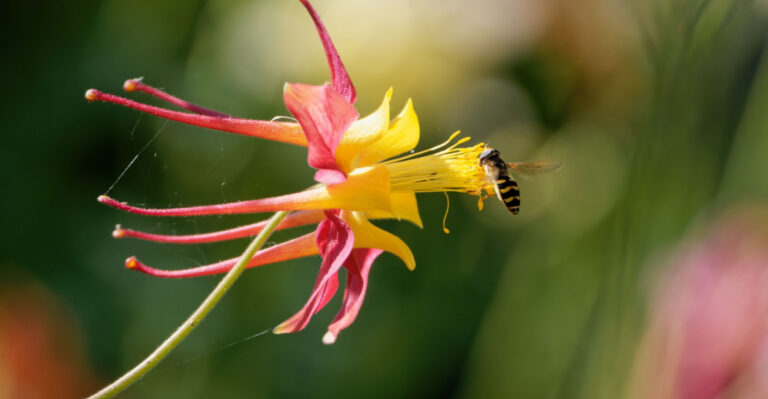
3. Wild Columbine Thrives In Partial Shade
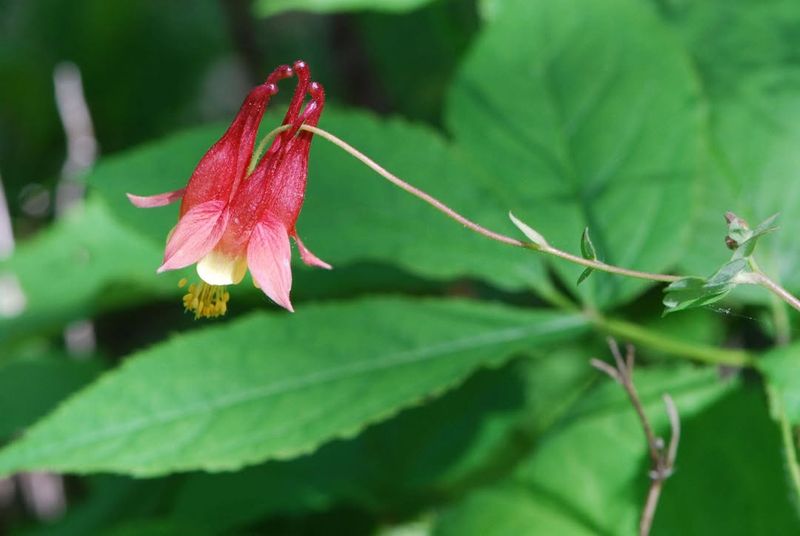
Nodding red and yellow blooms that hummingbirds cannot resist make Wild Columbine one of Ohio’s most enchanting native woodland plants. Aquilegia canadensis naturally grows along rocky ledges and forest edges, which means it is beautifully suited for shaded patios and covered porches where other sun-loving plants struggle to perform.
Light, well-draining soil is key to success with this plant. A mix of quality potting soil combined with extra perlite or fine bark keeps roots healthy and prevents the waterlogged conditions that columbine strongly dislikes.
A 10 to 12 inch pot works well for a single plant, and the ferny, blue-green foliage looks gorgeous even when the plant is not in bloom.
Wild Columbine blooms in April and May, making it one of the earliest native flowers to brighten up Ohio container gardens in spring. After blooming finishes, the foliage stays attractive through summer before naturally declining.
Pairing it with ferns or foamflower in nearby pots creates a lovely layered woodland look on shady porches. Overwintering is straightforward: move the pot to a protected location, and your columbine should return reliably each spring with minimal fuss.
4. Butterfly Weed Powers Pollinator Life
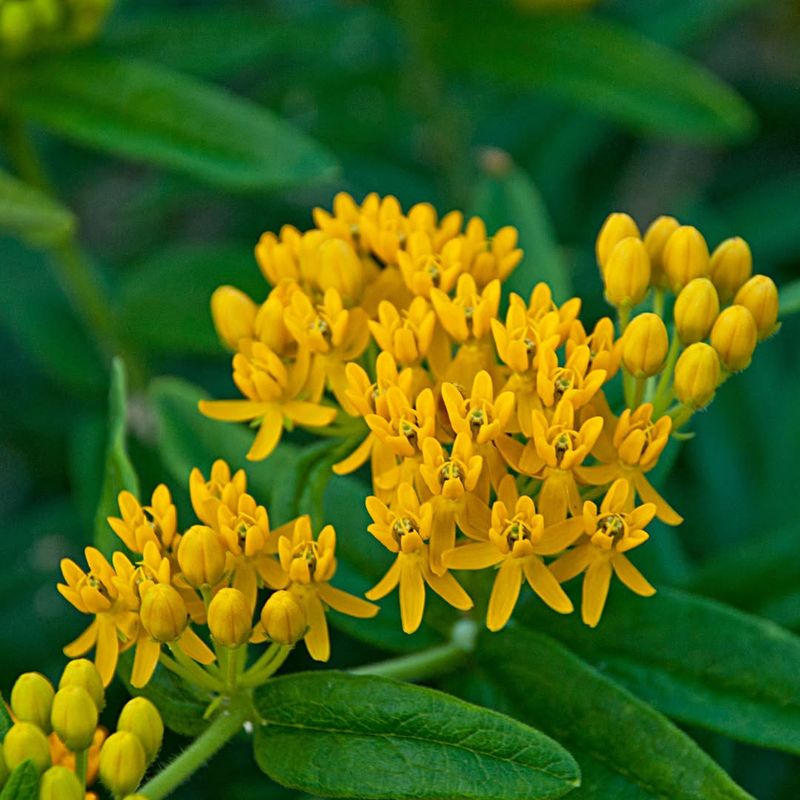
Monarch butterflies have a relationship with Butterfly Weed that is nothing short of remarkable. Asclepias tuberosa is one of several milkweed species monarch caterpillars can feed on, making it a vital host plant for monarchs.
Growing it in a pot puts this vital plant right where people and butterflies can both enjoy it.
Drainage is the single most important factor when growing Butterfly Weed in containers. This plant evolved on dry Ohio prairies and roadsides, and its deep taproot absolutely cannot tolerate sitting in wet soil.
Choose a tall pot at least 12 to 14 inches deep, fill it with a sandy, fast-draining mix, and place it in the sunniest spot you have available.
Water sparingly once established, allowing the soil to dry out between waterings. Butterfly Weed is a slow starter in spring, so be patient and do not assume the plant is gone if it takes a while to emerge.
In Ohio, bringing the pot into a sheltered but cold location over winter helps protect the roots from repeated freeze-thaw cycles that can damage container-grown plants. The brilliant orange blooms appear from June through August.
5. Little Bluestem Adds Graceful Movement
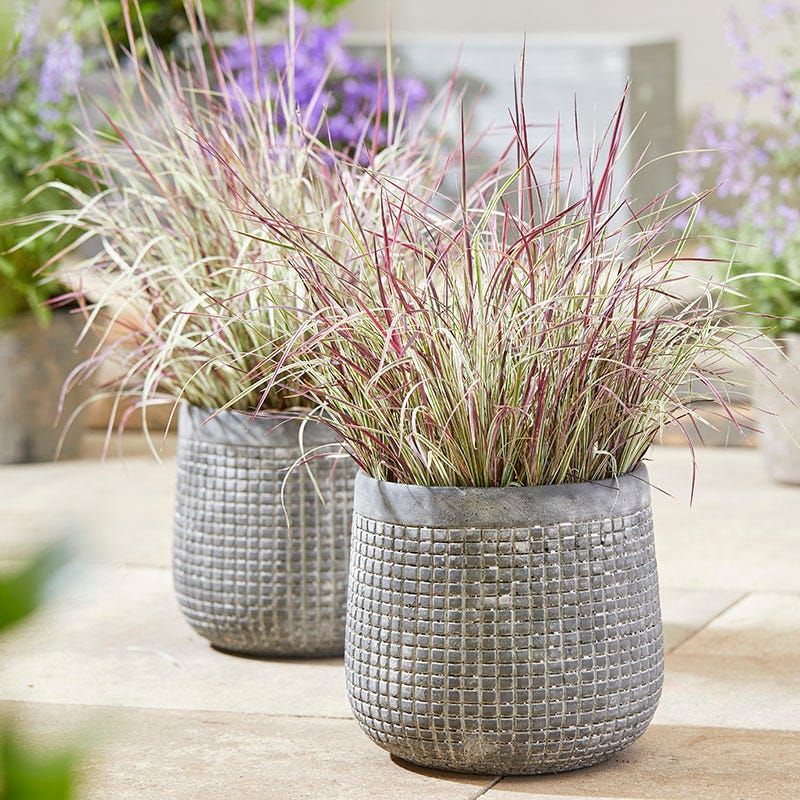
Watching Little Bluestem sway in an autumn breeze is one of those simple Ohio garden pleasures that never gets old. Schizachyrium scoparium is a native prairie grass that transforms through the seasons, starting as silvery-blue in summer and burning into deep copper, red, and rust tones by fall.
That seasonal color shift makes it one of the most visually rewarding grasses you can grow in a container.
A sturdy pot at least 12 inches wide and deep works well for a single plant. Little Bluestem thrives in lean, well-draining soil and actually performs better when you resist the urge to fertilize heavily.
Rich, overly moist soil causes floppy growth, so keep the mix on the drier and sandier side for the best upright, architectural form.
Full sun brings out the best colors in this grass, so choose a south or west-facing spot on your patio or porch. Drought tolerance is exceptional once the plant is established, which makes it a low-maintenance star in Ohio summer heat.
The fluffy white seed heads that appear in fall feed small birds through winter and add beautiful texture to outdoor container arrangements. Cut back the clumps in late winter before new growth begins.
6. Prairie Dropseed Creates Soft Texture
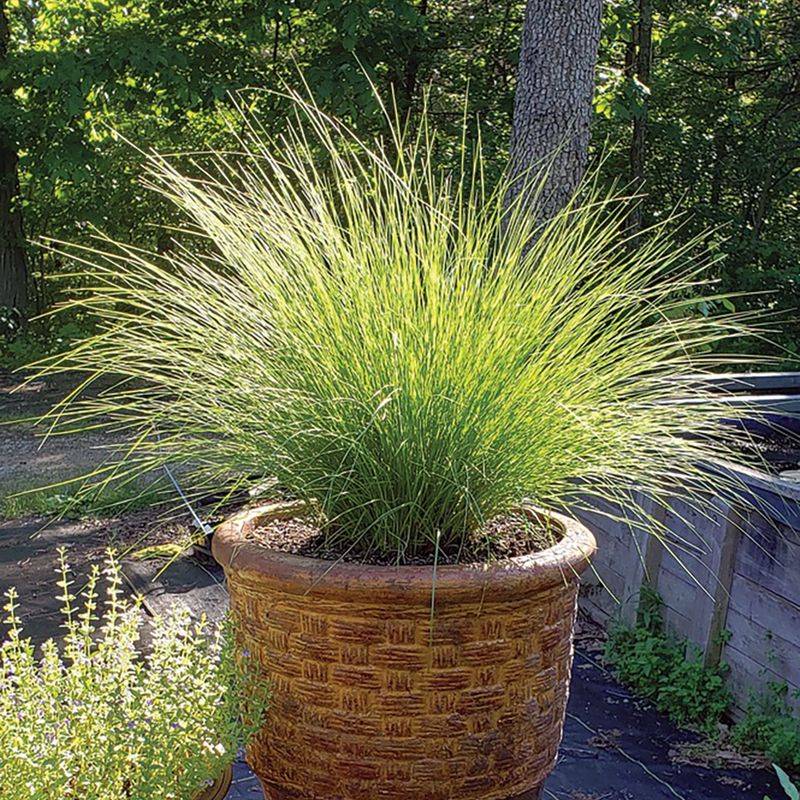
There is something almost meditative about the fine, hair-like texture of Prairie Dropseed spilling softly over the edges of a well-chosen pot. Sporobolus heterolepis is a Midwest native prairie grass that performs beautifully in Ohio containers.
That combination of beauty and scent makes it a standout choice for patio containers.
Prairie Dropseed is slow to establish but extremely long-lived once it settles in. Use a pot at least 12 inches wide with excellent drainage, and fill it with a lean, well-draining mix.
Like many native grasses, it performs best in full sun to light shade and handles Ohio’s summer heat and humidity without complaint.
Watering needs are modest once established, and this grass strongly dislikes overly wet soil. One practical tip for Ohio gardeners is to elevate pots slightly off hard surfaces to encourage water to drain freely from the bottom.
Prairie Dropseed turns golden-bronze in fall, adding warm color to late-season container arrangements alongside coneflowers or goldenrod. Cut the clumps back to just a few inches in early spring, and fresh new growth will emerge reliably as temperatures rise.
7. Wild Geranium Brings Woodland Charm
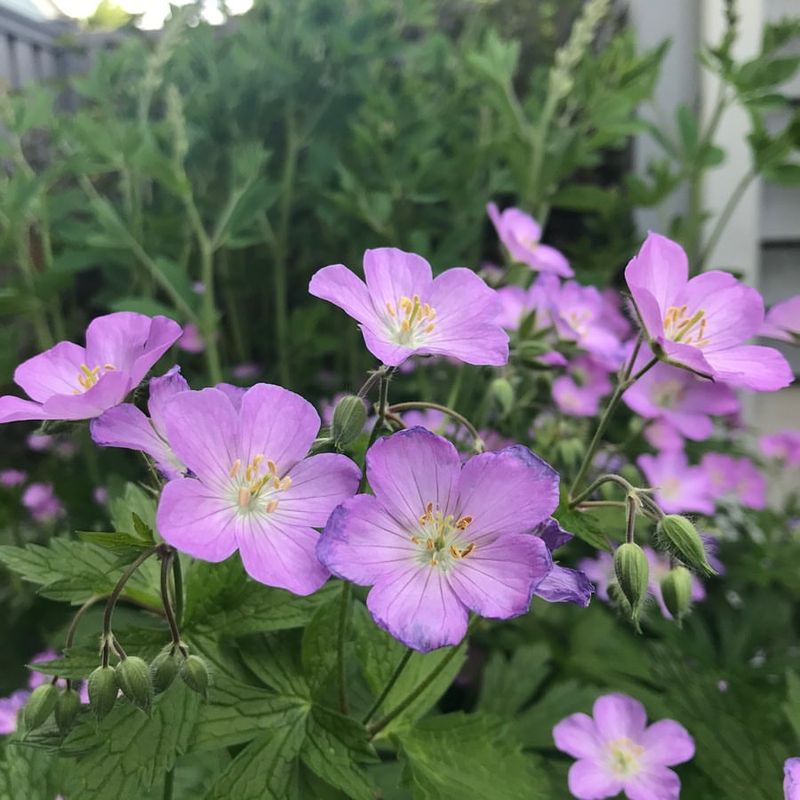
Soft lavender-pink blooms and deeply lobed, attractive foliage make Wild Geranium one of the most charming native plants you can tuck into a shady container arrangement. Geranium maculatum naturally grows in Ohio woodlands and forest edges, which means it is perfectly adapted to the lower light conditions found on covered porches, north-facing patios, and spots under trees.
A medium-sized pot around 10 to 12 inches wide works well for Wild Geranium. Fill it with a rich, moisture-retentive potting mix that includes compost, since this plant appreciates slightly richer soil than many other natives.
Good drainage is still important, though: the goal is consistently moist soil, not waterlogged roots.
Spring blooms arrive in April and May, offering a welcome burst of color right when Ohio gardens are waking up from winter. After flowering, the foliage remains attractive through summer and develops lovely fall color before fading.
Wild Geranium pairs beautifully with Wild Columbine and Foamflower in a shaded porch container collection. For winter care in Ohio, move pots to a sheltered but unheated location to protect roots from extreme cold.
Bumblebees are particularly fond of the spring flowers, making this plant a quiet but meaningful pollinator support.
8. Coreopsis Keeps Bright Color Going
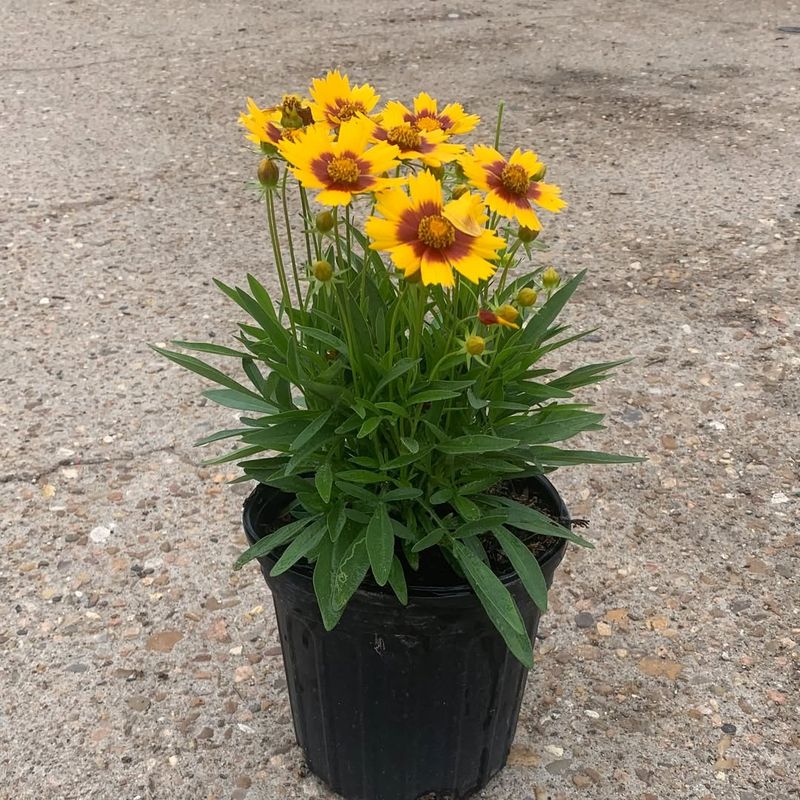
If you want a native plant that blooms practically all summer without demanding much attention, Coreopsis is one of the most reliable choices for Ohio container gardeners. Coreopsis lanceolata performs well in pots, and other coreopsis types can also work in containers when given full sun and drainage.
Sun is the key ingredient here. Place your Coreopsis pot where it receives at least six hours of direct sunlight daily, and the plant will produce flowers in wave after wave throughout the season.
A container that is 10 to 12 inches wide with solid drainage holes works perfectly. Use a well-draining potting mix, and avoid heavy soils that hold too much moisture around the roots.
Deadheading spent blooms regularly encourages the plant to keep producing new flowers rather than setting seed, which extends the display well into fall. Ohio summers can get brutally hot, but Coreopsis handles heat and occasional dry spells with genuine toughness.
Native bees, small butterflies, and goldfinches all benefit from this plant throughout the season. Compact varieties like Coreopsis grandiflora ‘Early Sunrise’ are especially well-suited to container growing and stay tidy without needing staking or heavy maintenance.
9. Foamflower Lights Up Shady Spaces
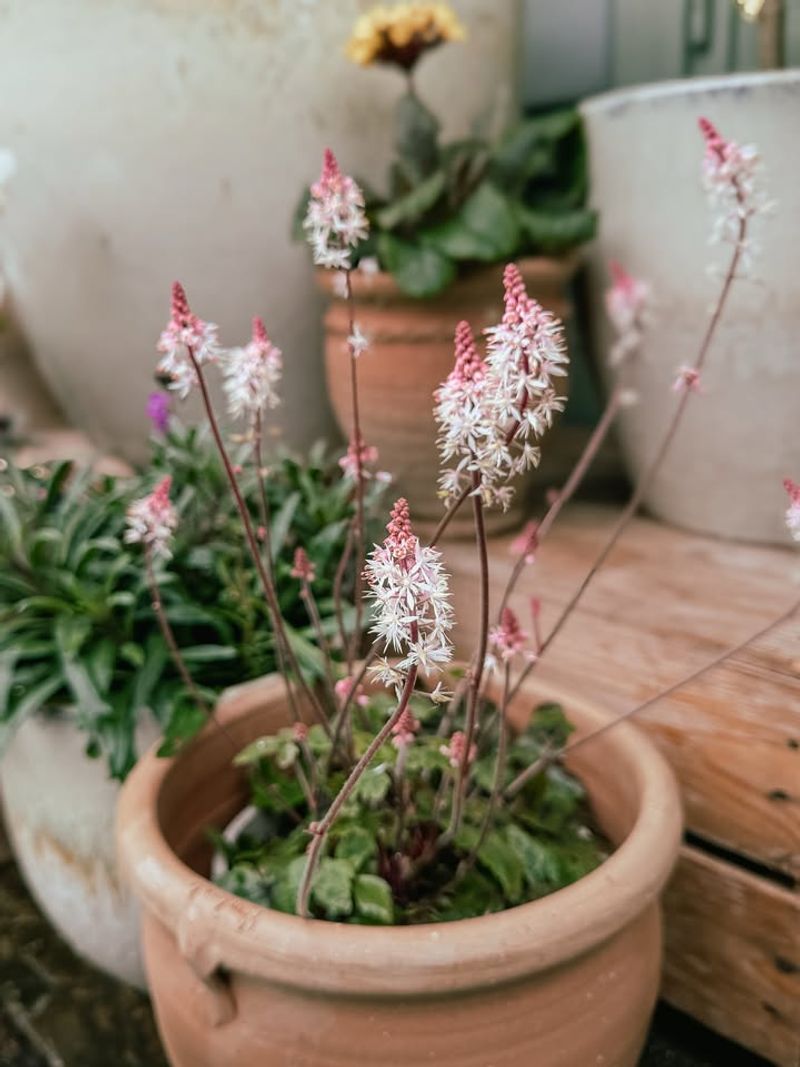
Covered porches and deeply shaded patios can feel like challenging spaces to plant, but Foamflower turns those tricky spots into genuine highlights. Tiarella cordifolia is a native Ohio woodland groundcover that produces airy, foam-like white flower spikes in spring, rising above attractive heart-shaped leaves that often feature beautiful dark marbling or veining patterns.
Moisture-retentive soil is important for Foamflower’s health in containers. A rich potting mix that includes quality compost helps keep the root zone consistently moist, which this woodland native strongly prefers.
A wide, shallow container around 10 to 14 inches across allows the plant to spread comfortably and show off its lush foliage.
Avoid placing Foamflower in direct afternoon sun, especially during Ohio’s hot July and August days, as the leaves can scorch and the plant will struggle. Morning light or bright, indirect light suits it perfectly.
The foliage often takes on warm bronze or reddish tones in fall, extending its visual appeal well beyond the spring bloom period. Foamflower pairs exceptionally well with ferns, Wild Ginger, and Wild Columbine in shaded container groupings.
Keep the soil evenly moist throughout the growing season and water more frequently during dry summer stretches to keep the plant looking its best.
10. Virginia Bluebells Welcome Early Spring
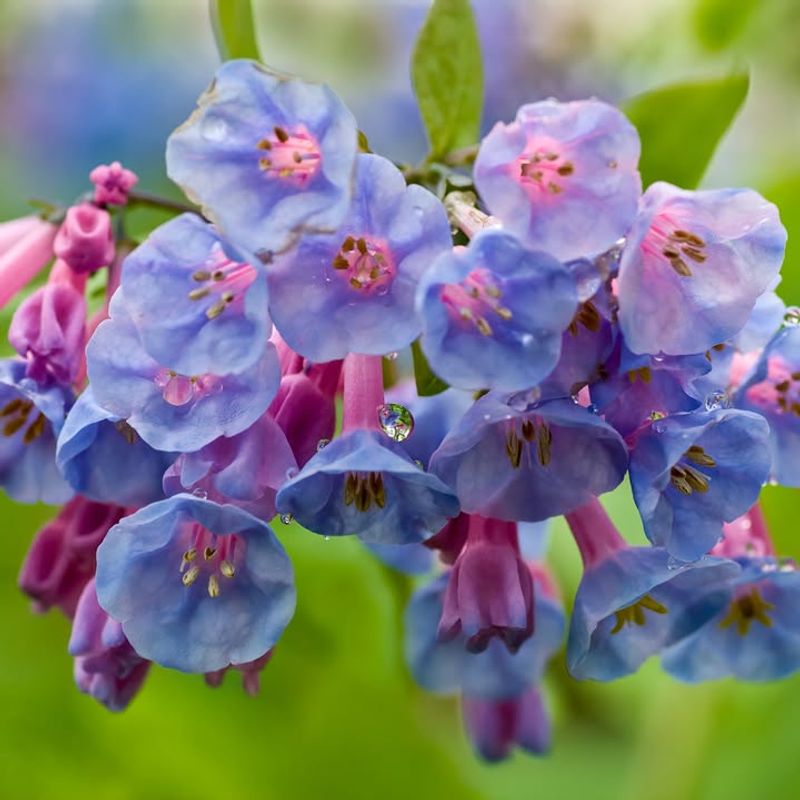
Among the earliest native wildflowers to bloom in Ohio, Virginia Bluebells create a breathtaking display of sky-blue trumpet-shaped flowers that emerge right when gardeners are most hungry for color. Mertensia virginica naturally grows along Ohio riverbanks and floodplain woodlands, and its early spring emergence makes it a genuinely exciting addition to any container collection.
Growing Virginia Bluebells in pots requires understanding their unique life cycle. The plant emerges in early spring, blooms beautifully in April, and then goes completely dormant by early summer.
Plan your container arrangement around this habit by pairing Bluebells with later-emerging plants like ferns or Wild Geranium that will fill in the space once the Bluebell foliage fades.
Use a rich, moisture-retentive potting mix and place the container in partial shade for the best results. Virginia Bluebells prefer consistently moist soil during their active growing period, so check containers frequently during dry spring spells in Ohio.
Avoid disturbing the roots once the foliage fades, as the plant is simply resting underground and will return the following spring. A pot that is at least 12 inches deep gives the roots adequate room to establish.
Native bumblebees that emerge early in the season rely on these blooms as a critical early nectar source.
11. Goldenrod Fuels Late Season Pollinators
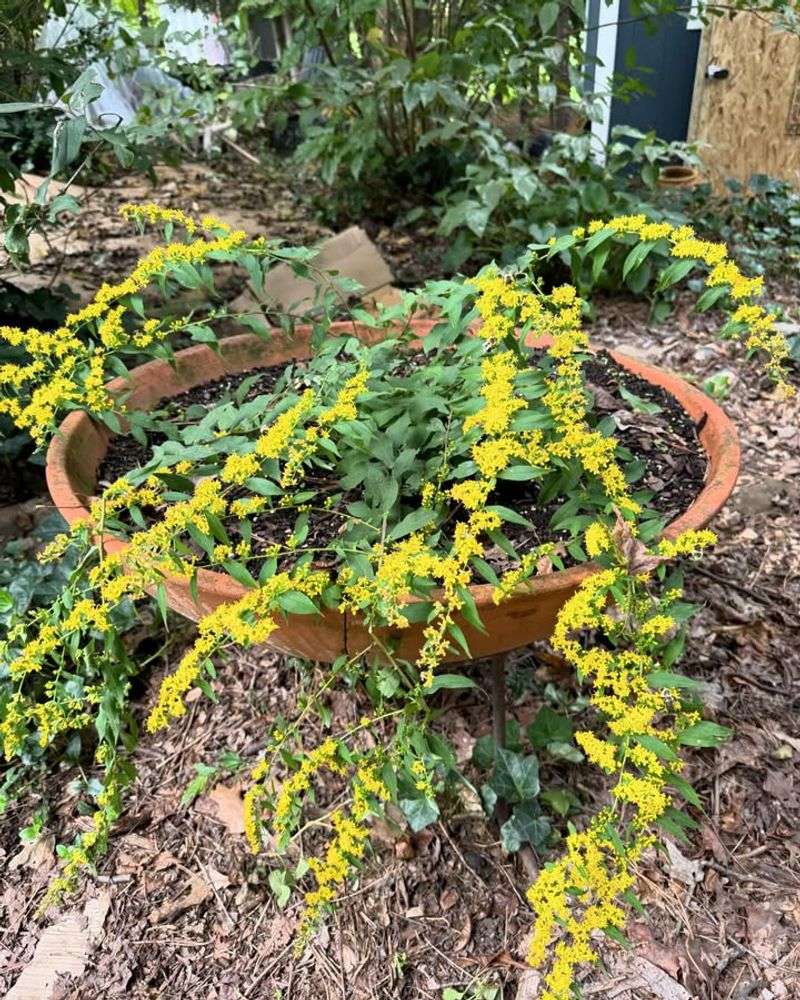
Goldenrod has a reputation problem it absolutely does not deserve. Often blamed for fall allergies that are actually caused by ragweed, native Solidago species are in fact some of the most important late-season plants for Ohio pollinators.
Monarch butterflies fueling up for their migration, native bees storing winter provisions, and dozens of other insects depend heavily on goldenrod’s abundant nectar and pollen from late August through October.
For container growing, choosing a compact variety is essential. Solidago rugosa ‘Fireworks’ and Solidago sphacelata ‘Golden Fleece’ are two excellent options that stay manageable in pots without the aggressive spreading that larger species are known for.
A pot at least 12 to 14 inches wide and deep gives roots comfortable room to grow. These are cultivated selections of native goldenrod species, chosen for tidier growth in gardens and containers.
Full sun brings out the most vibrant flower plumes and the richest golden color. Use well-draining potting mix and water moderately, allowing the soil to dry slightly between waterings.
Goldenrod is genuinely tough once established, handling Ohio heat, humidity, and late-summer dry spells without much fuss. The feathery golden plumes look stunning paired with Little Bluestem grass or Purple Coneflower seed heads in fall container arrangements.
After blooming finishes, leave seed heads standing through winter to support seed-eating birds during the coldest Ohio months.