Top 11 Native Plants For Oregon Gardens That Require Little Watering
Oregon gardens can be lush and colorful, but keeping plants healthy through long dry summers can be a challenge. That’s exactly where native plants shine.
These species evolved with Oregon’s seasonal rainfall patterns, which means once established, many need far less watering than typical ornamental plants.
Choosing native plants doesn’t just save water, it also supports local wildlife, improves soil health, and creates stronger, more resilient landscapes.
From flowering perennials to evergreen shrubs, there are plenty of beautiful options that thrive in Oregon gardens without constant irrigation.
By mixing different heights, textures, and bloom times, you can create a garden that stays interesting throughout the year while reducing maintenance.
Even beginner gardeners can succeed with low-water natives because they’re forgiving, adaptable, and built to handle our climate.
While most still need regular watering during their first year or two, many become drought tolerant once their root systems are established.
Here are some of the best native plants for Oregon gardens that require little watering once settled in, offering beauty, wildlife value, and long-term sustainability.
1. Oregon Grape (Mahonia aquifolium)
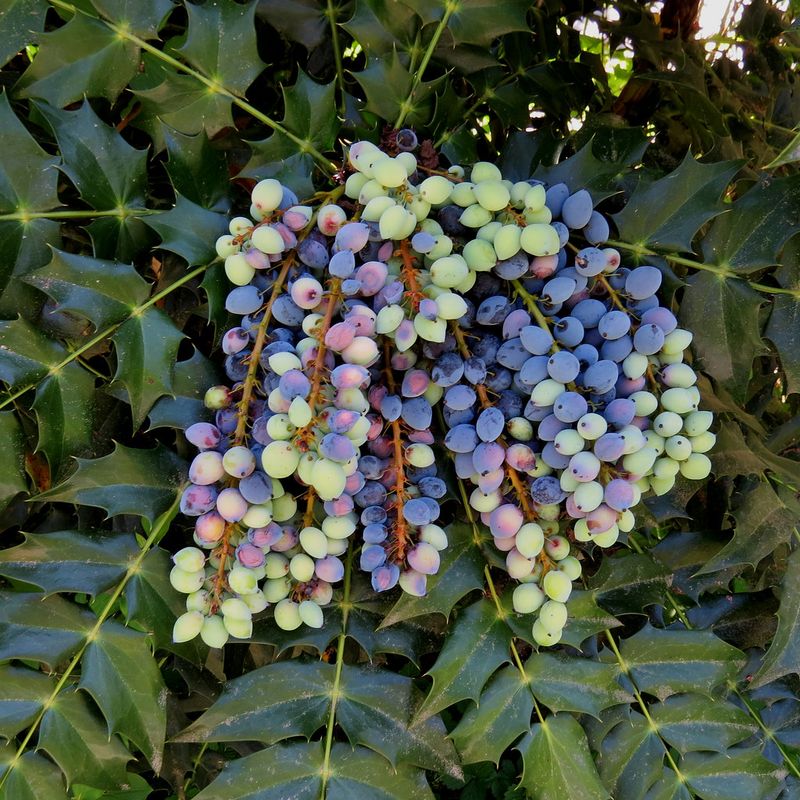
Imagine an evergreen shrub that stays glossy and vibrant even when summer heat dries out surrounding plants. That’s exactly what Oregon grape brings to the garden.
This tough native shrub develops deep roots that help it access moisture below the soil surface, making it far more drought tolerant once established.
It grows well in partial shade and can also tolerate full sun, although inland gardeners often find it appreciates some afternoon shade during hotter months. Oregon grape isn’t picky about soil, adapting well to average garden conditions as long as drainage is reasonable.
In early spring, bright yellow flower clusters appear, followed by blue-purple berries that birds eagerly devour. This makes it a valuable wildlife plant that adds color and movement to the landscape.
After the first year, maintenance is minimal. Mulching around the base helps conserve moisture and suppress weeds.
During winter, the leathery leaves often turn burgundy, adding interest when many plants fade.
Whether planted as a foundation shrub, woodland border, or low hedge, Oregon grape delivers year-round structure and dependable performance with little summer watering.
2. Kinnikinnick (Arctostaphylos uva-ursi)
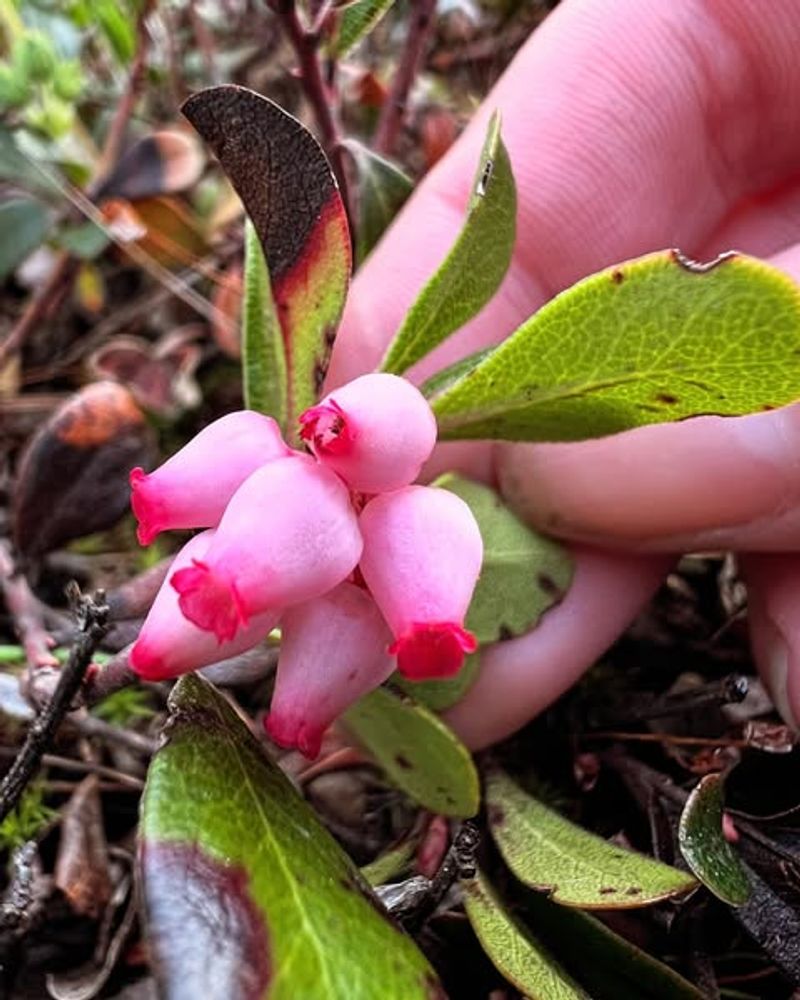
For sunny slopes, rocky areas, or spots where grass refuses to grow, kinnikinnick is a reliable solution. This low-growing evergreen groundcover spreads gradually to form a dense mat of small, leathery leaves that stay green throughout the year.
Once established, it handles drought extremely well thanks to its ability to root along stems and spread its water access across multiple points in the soil.
Kinnikinnick thrives in full sun and absolutely requires well-drained soil. It performs best in sandy or rocky conditions and does not tolerate soggy or compacted clay soils.
In spring, small pink bell-shaped flowers appear, followed by bright red berries that persist into winter and provide food for birds.
Its spreading habit helps stabilize soil and reduce erosion, making it especially useful on hillsides and sloped landscapes.
After the first growing season, watering needs drop dramatically. Growth is slow but steady, rewarding patience with a tough, attractive groundcover that requires almost no maintenance.
Deer usually avoid it, which is another bonus for rural and suburban gardens alike.
3. Yarrow (Achillea millefolium)
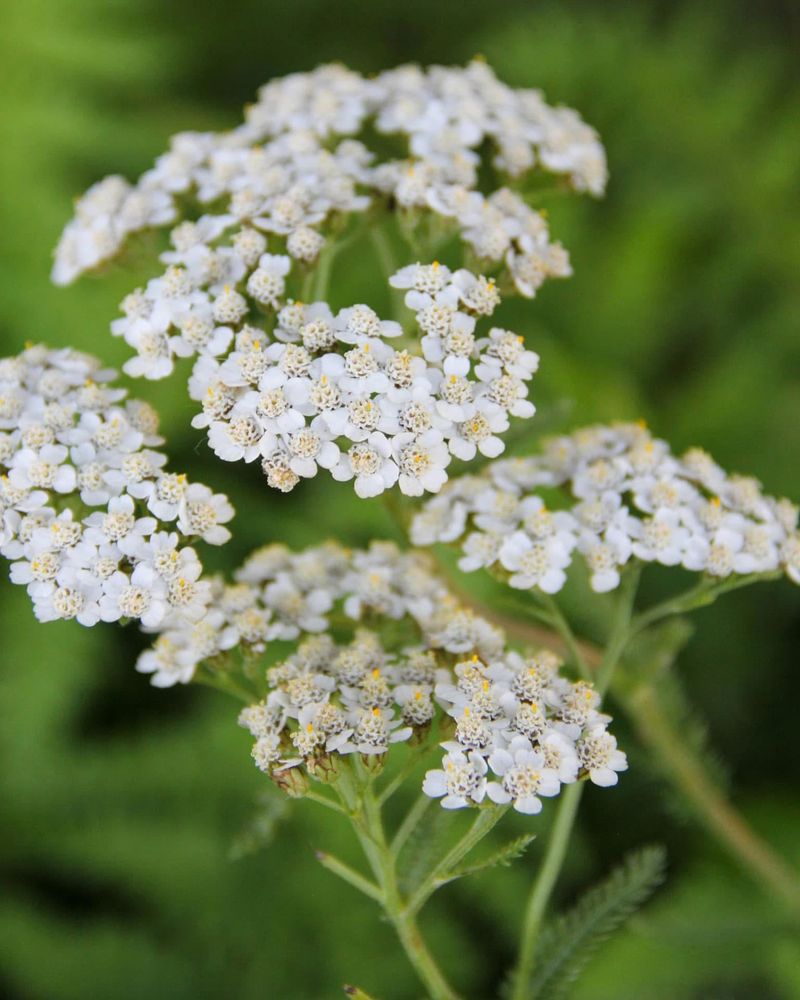
Yarrow is one of those native plants that seems to thrive on minimal attention. Found naturally in Oregon meadows and open fields, it adapts easily to garden settings while maintaining impressive drought tolerance.
Its deep root system allows it to pull moisture from lower soil layers, keeping it productive even during dry summers. Yarrow grows best in full sun and tolerates a wide range of soil types, including sandy and clay soils.
Flat-topped flower clusters bloom in shades of white, yellow, pink, and soft pastels from late spring through summer. Deadheading spent blooms can extend flowering and keep plants looking fresh.
Pollinators flock to yarrow, making it a valuable addition for anyone interested in supporting bees, butterflies, and beneficial insects. The fern-like foliage adds soft texture even when flowers are not present.
Once established, yarrow requires very little supplemental watering. It can spread slowly by rhizomes, but it’s easy to manage and thin if it wanders.
This makes it ideal for borders, meadow gardens, and low-maintenance perennial beds.
4. Blue Wildrye (Elymus glaucus)
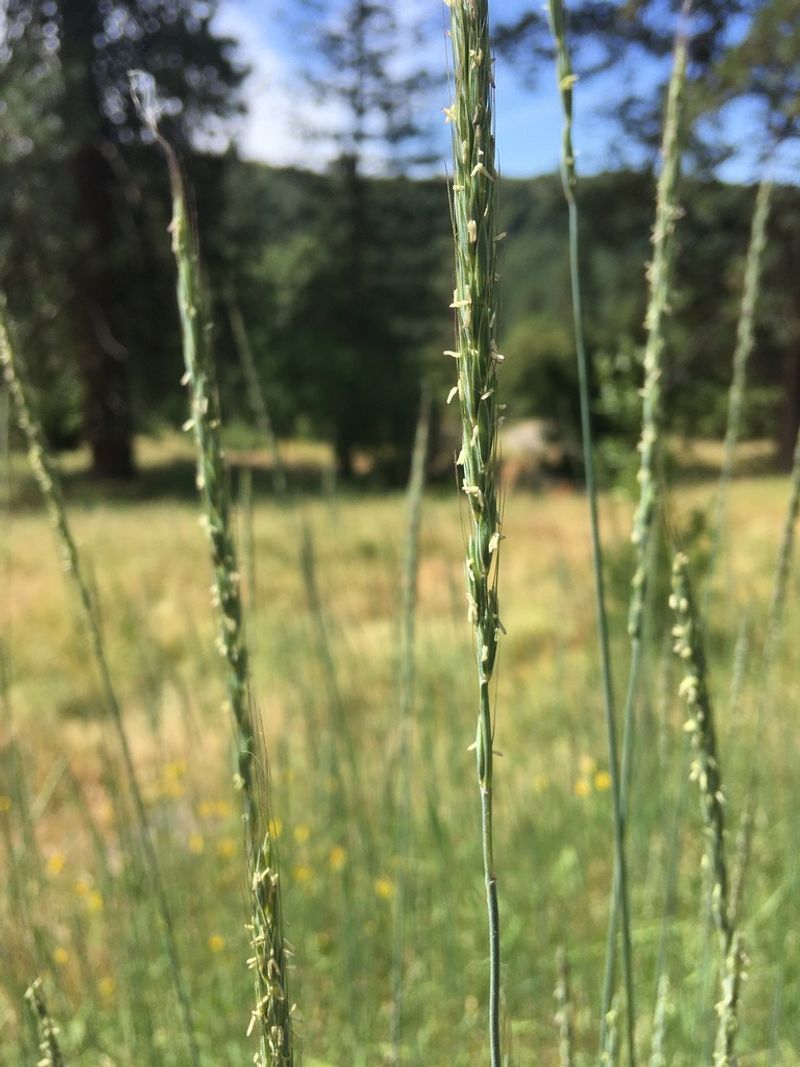
If you love ornamental grasses but want something native and water-wise, blue wildrye deserves attention. This bunch grass forms graceful clumps of blue-green foliage that move beautifully in the breeze while requiring minimal care.
In natural habitats, it survives without summer irrigation, and once established in gardens, it becomes highly drought tolerant. It grows well in full sun to partial shade and adapts to many soil types, including clay.
Plants typically reach two to three feet tall, making them excellent background plants or structural elements in native landscapes. In late spring, slender seed heads appear and provide food for birds through summer and fall.
During prolonged drought, blue wildrye may go semi-dormant and turn more golden in late summer. This is a natural response and not a sign of failure.
Occasional deep watering will keep it greener if desired.
Maintenance is simple, cut back old growth in late winter before new shoots emerge. It also helps control erosion and works beautifully in naturalized plantings.
5. Red Flowering Currant (Ribes sanguineum)
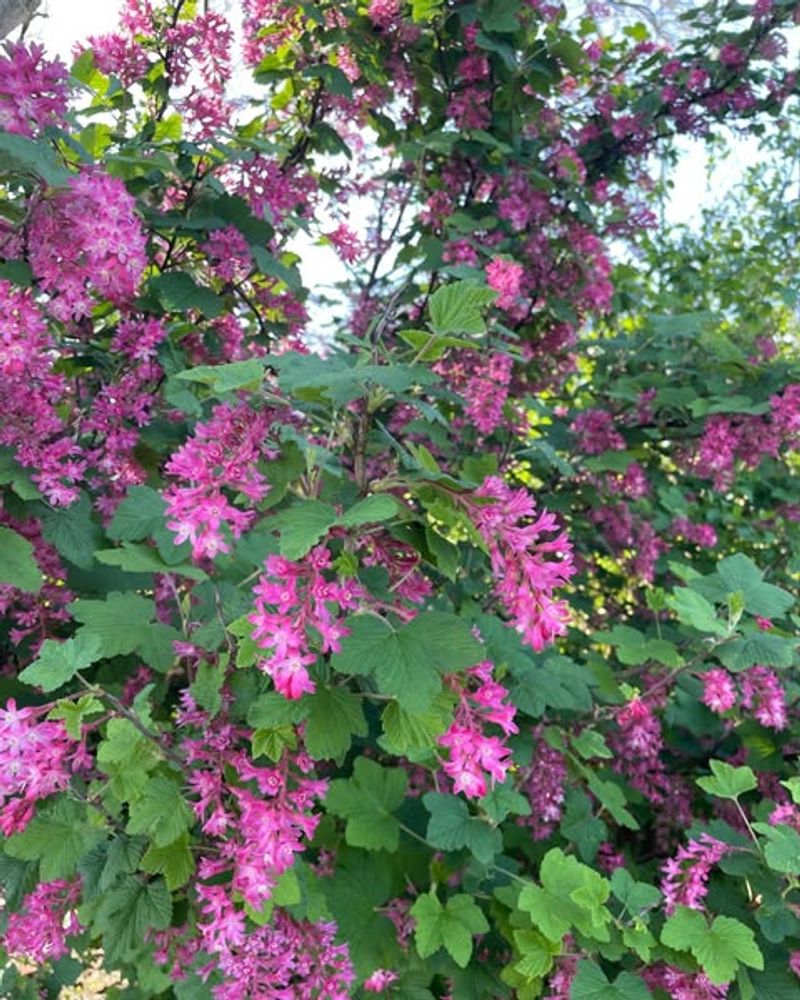
Early spring in Oregon wouldn’t feel complete without red flowering currant. Its dangling pink-to-red flower clusters appear before many other plants bloom, providing critical nectar for returning hummingbirds and early pollinators.
Once established, this deciduous shrub becomes surprisingly drought tolerant, thanks to its deep root system.
It grows best in full sun to partial shade and prefers well-drained soil, although it adapts to many garden conditions.
Mature plants reach four to eight feet tall, making them excellent choices for hedges, screening, or mixed shrub borders. After flowering, small blue-black berries develop and quickly attract birds.
During the first growing year, occasional deep watering helps roots establish. Afterward, it handles dry summers well, especially in western Oregon climates.
The foliage has a pleasant scent, and fall color adds warm tones late in the season. With minimal pruning and low water needs, this shrub provides year-round value with very little effort.
6. Lewis Flax (Linum lewisii)
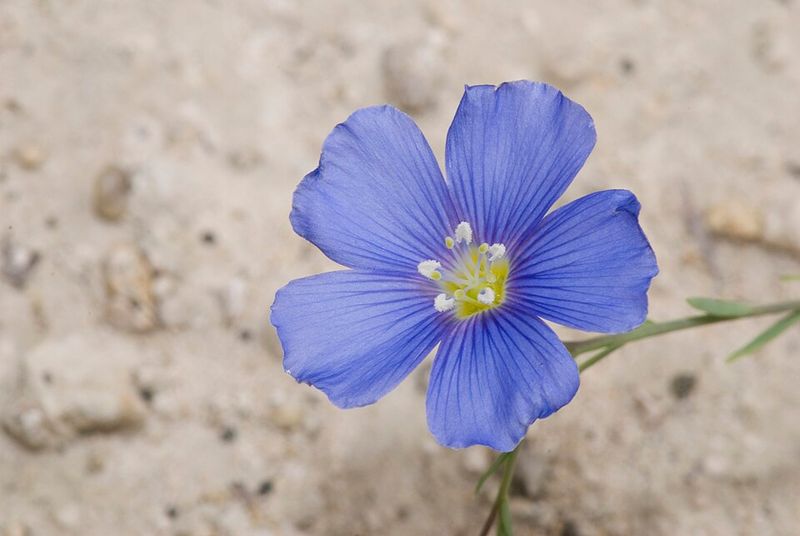
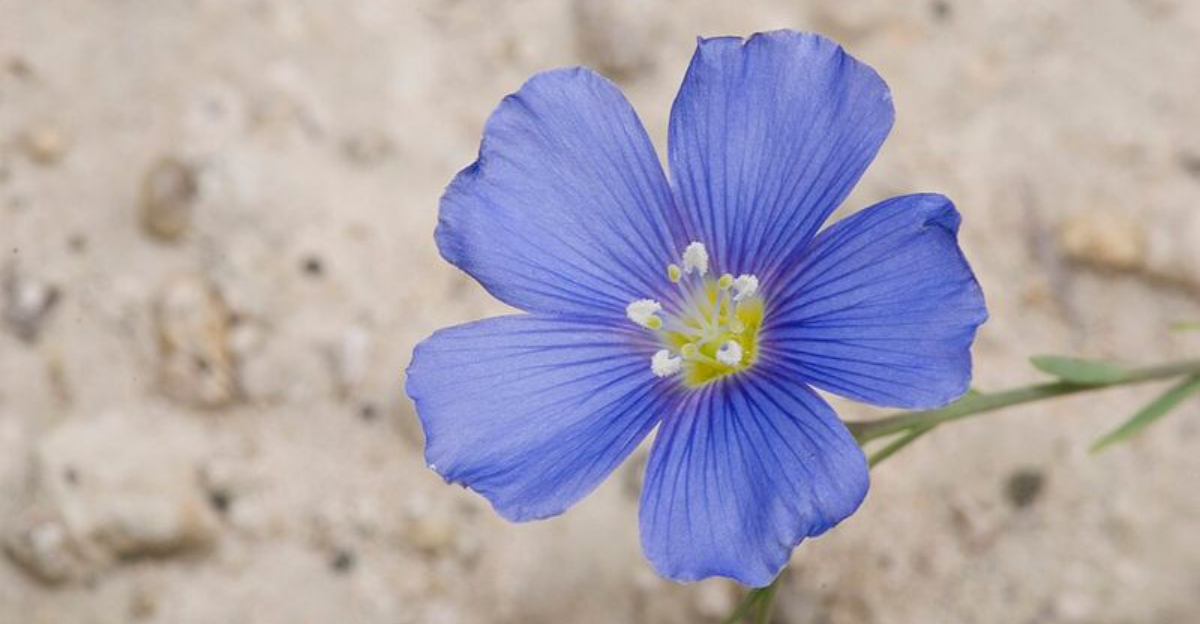
Lewis flax brings airy beauty and soft movement to low-water gardens. Its delicate sky-blue flowers open daily from late spring through summer, creating a continuous bloom display even though each individual flower lasts only a day.
This native perennial thrives in full sun and well-drained soil, making it ideal for rock gardens, dry borders, and native plantings.
Plants grow one to two feet tall and blend beautifully with grasses and other drought-tolerant perennials.
Pollinators frequently visit the flowers, adding activity and motion to the garden.
Once established, Lewis flax needs very little supplemental watering. It self-seeds lightly, filling open spaces without becoming aggressive.
Although individual plants are short-lived, reseeding ensures consistent returns year after year.
Deadheading isn’t necessary, allowing gardeners to enjoy a natural, carefree planting style. It’s an excellent choice for gardeners who want color without high maintenance.
7. Cascade Penstemon (Penstemon serrulatus)
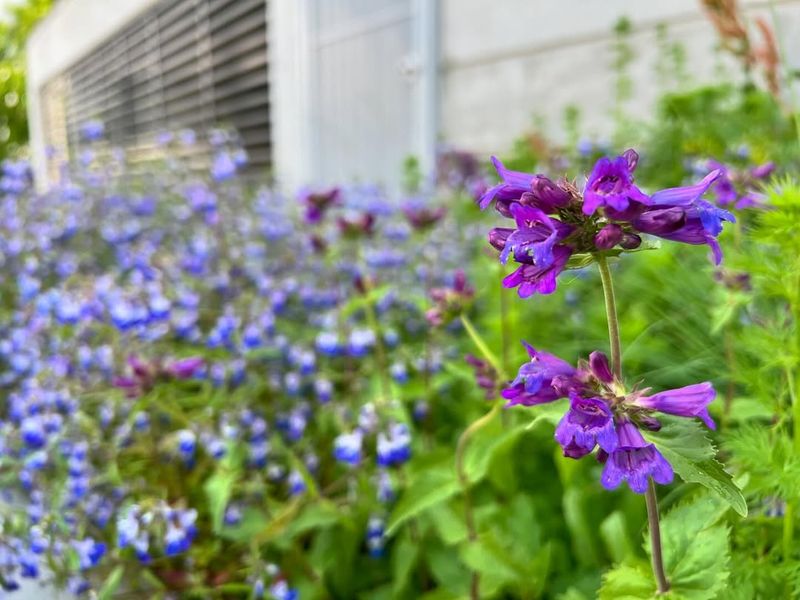
Bold spikes of purple-blue tubular flowers make cascade penstemon a standout native perennial.
Blooming in early summer, it attracts hummingbirds and native bees while adding strong vertical interest to garden beds.
This plant performs best in full sun to light shade with well-drained soil. It grows one to two feet tall and fits nicely into borders and mixed native plantings.
Cascade penstemon is drought tolerant once established, but it typically looks healthiest and blooms more reliably with occasional deep watering during extended dry periods.
While it can survive dry conditions, moderate summer moisture improves plant vigor and flowering.
After blooming, seed heads can be left standing to feed birds or trimmed for a cleaner appearance. The glossy foliage remains attractive through much of the season.
With proper drainage and spacing, cascade penstemon often returns for several years, making it a rewarding choice for low-water pollinator gardens.
8. Idaho Fescue (Festuca idahoensis)
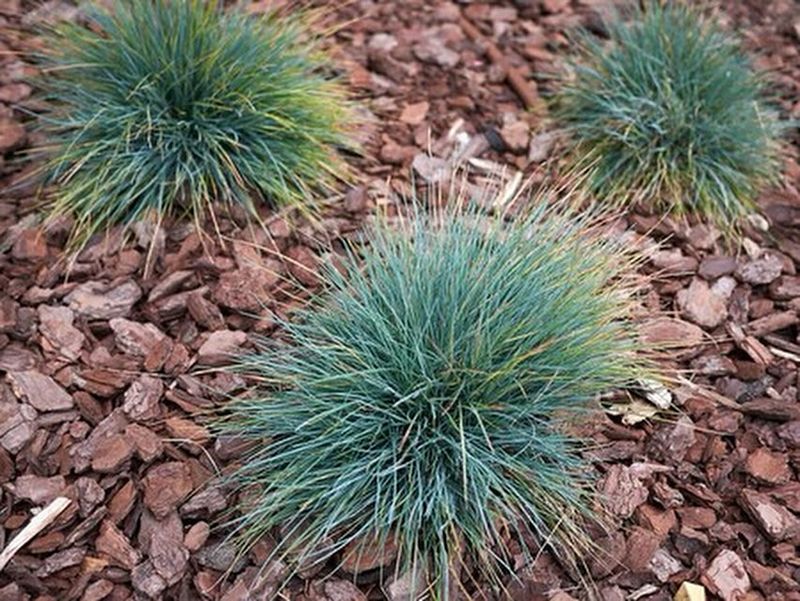
Idaho fescue offers fine-textured foliage and tidy form without heavy water demands, making it a favorite among gardeners who want a clean, natural look with minimal maintenance.
This compact native bunchgrass grows about a foot tall and works well along paths, in meadow plantings, or tucked between perennials where it adds soft contrast and texture.
It thrives in full sun and well-drained soil, especially in rocky or sandy conditions where many other plants struggle. Once established, it tolerates drought well and maintains its shape through dry summers, even when rainfall is scarce.
Its upright habit helps it stay neat and attractive without frequent trimming or shaping.
In late spring, delicate seed stalks rise above the foliage, adding gentle movement and visual interest when breezes pass through the garden.
The grass remains semi-evergreen in mild winters, helping gardens retain structure and color when many plants die back.
Although drought tolerant, occasional deep watering during extreme heat can keep foliage greener and fuller. Maintenance is minimal, simply trim back old growth in late winter if needed.
Idaho fescue is also deer-resistant and non-aggressive, making it ideal for controlled, low-maintenance landscapes that still feel natural and vibrant.
9. California Poppy (Eschscholzia californica)
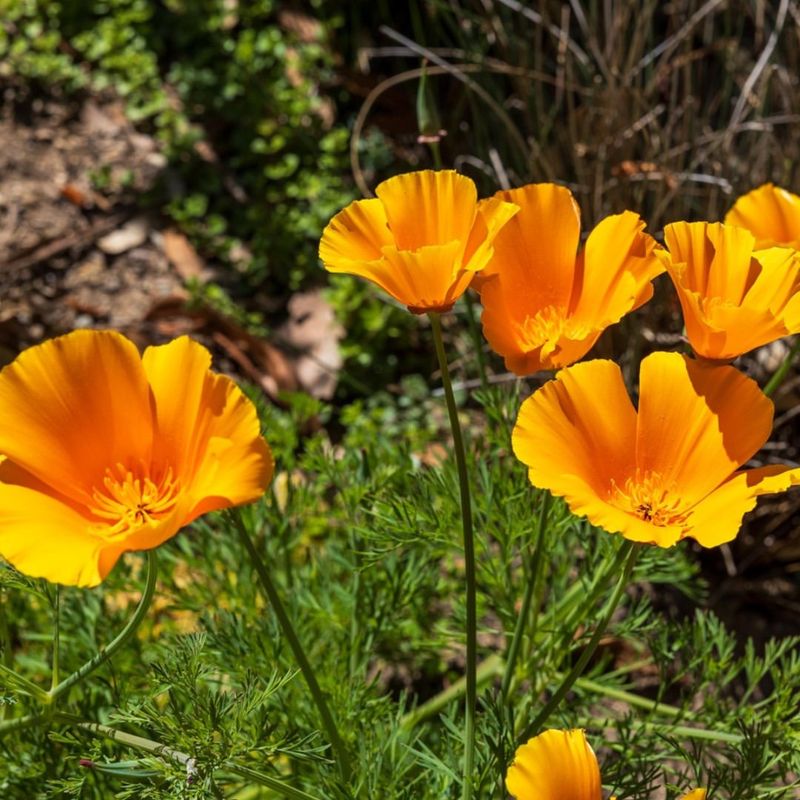
Bright orange and golden blooms make California poppy one of the easiest ways to add bold color to water-wise gardens.
Native to the western United States and commonly grown throughout Oregon, this cheerful plant thrives with very little care and rewards gardeners with months of bright, eye-catching flowers.
It prefers full sun and poor to average soil and actually performs better without rich soil or heavy watering. In overly fertile conditions, plants may grow leafy but produce fewer blooms.
Once established, California poppy needs almost no supplemental water and often self-seeds freely, returning year after year without replanting.
Flowers open during sunny mornings and close in the evening or on cloudy days, creating a dynamic daily display that adds movement and interest to the garden.
Deadheading can extend bloom time, but even without it, plants continue flowering from self-sown seedlings that emerge throughout the season.
Too much water can cause weak growth or root rot, making this one of the best “plant and forget” options for dry, sunny areas. It’s also deer-resistant, attracts pollinators, and works beautifully in wildflower mixes, borders, and naturalized landscapes.
10. Blanketflower (Gaillardia aristata)
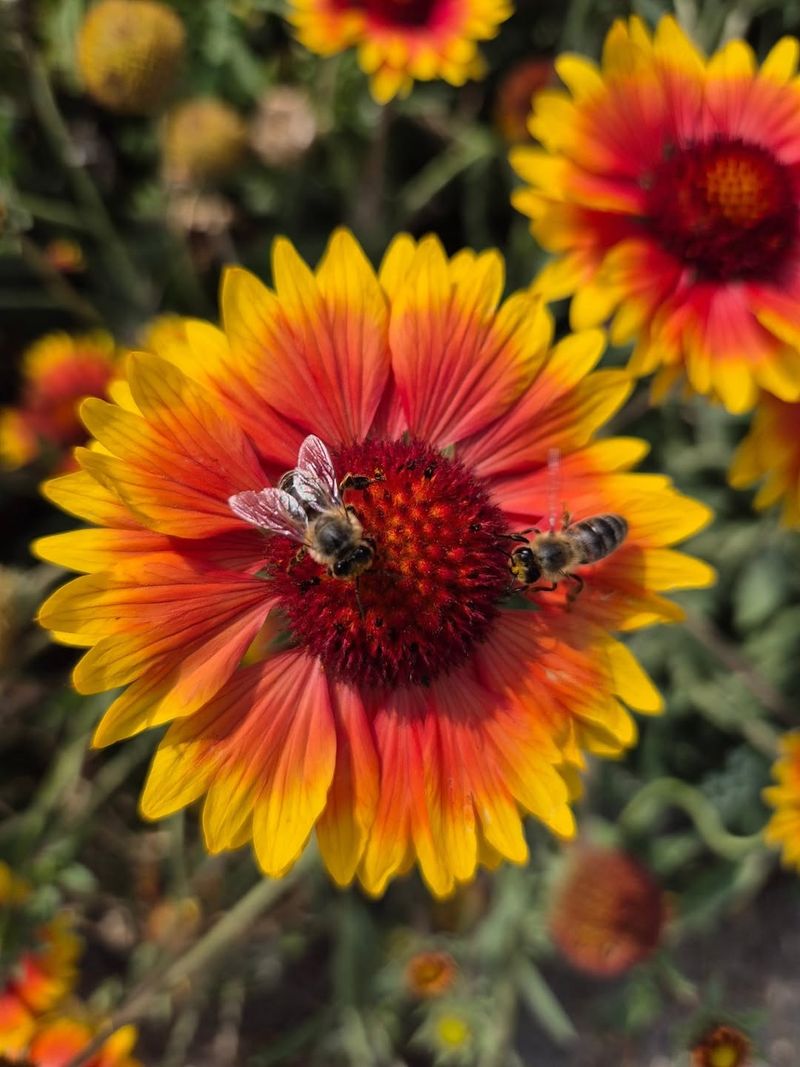
Blanketflower delivers long-lasting color with fiery red, orange, and yellow blooms that persist from early summer well into fall, making it one of the most dependable flowering natives for Oregon gardens.
This cheerful perennial thrives in full sun and well-drained soil and handles heat and drought with impressive resilience.
Plants typically grow one to two feet tall and spread slightly outward, creating a relaxed, natural look that works beautifully in informal borders, cottage gardens, pollinator plantings, and wildflower meadows.
The bold blooms attract butterflies, native bees, and other beneficial insects throughout the growing season and also make excellent long-lasting cut flowers for indoor arrangements.
Once established, blanketflower requires very little supplemental watering. Its deep taproot helps it access moisture stored deeper in the soil, allowing the plant to continue blooming even during extended dry periods.
Occasional deadheading can encourage even more flowers and keep plants looking tidy.
In wetter western Oregon gardens, proper drainage is especially important for long-term success. Avoid heavy clay areas that stay soggy in winter.
With the right placement, blanketflower is tough, reliable, and remarkably easy to maintain year after year.
11. Snowberry (Symphoricarpos albus)
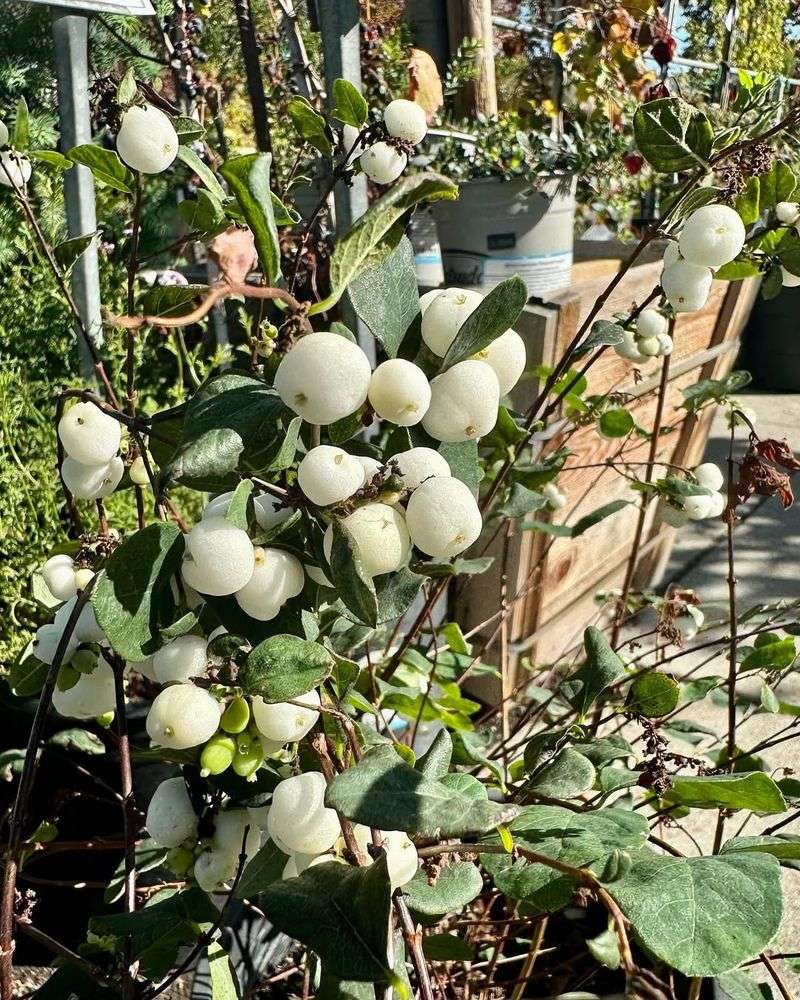
Snowberry brings four-season interest to Oregon landscapes with soft summer flowers followed by clusters of bright white berries that persist well into winter.
This native shrub spreads by underground rhizomes, forming loose natural thickets that work especially well for wildlife habitat, erosion control, and filling in difficult garden spaces.
It tolerates everything from full sun to partial shade and adapts easily to a wide range of soil conditions, including clay, sandy soils, and rocky ground.
Mature plants typically reach three to six feet tall and wide, making them useful as informal hedges, background shrubs, or natural privacy screens along fences and property lines.
Once established, snowberry handles dry summers with very little irrigation, making it ideal for low-water landscapes. During extreme heat, occasional deep watering can help maintain fuller foliage, but it’s not required for survival.
The dense branching structure provides excellent shelter and nesting cover for birds and small wildlife, while the berries offer an important winter food source.
Pruning is optional and usually done in late winter to control size, remove older stems, or encourage fresh growth in spring.
Because it’s so tough and adaptable, snowberry is an excellent choice for slopes, shady corners, and problem areas where many ornamental shrubs struggle to survive.