Top 10 Native Plants For Pollinators In Oregon
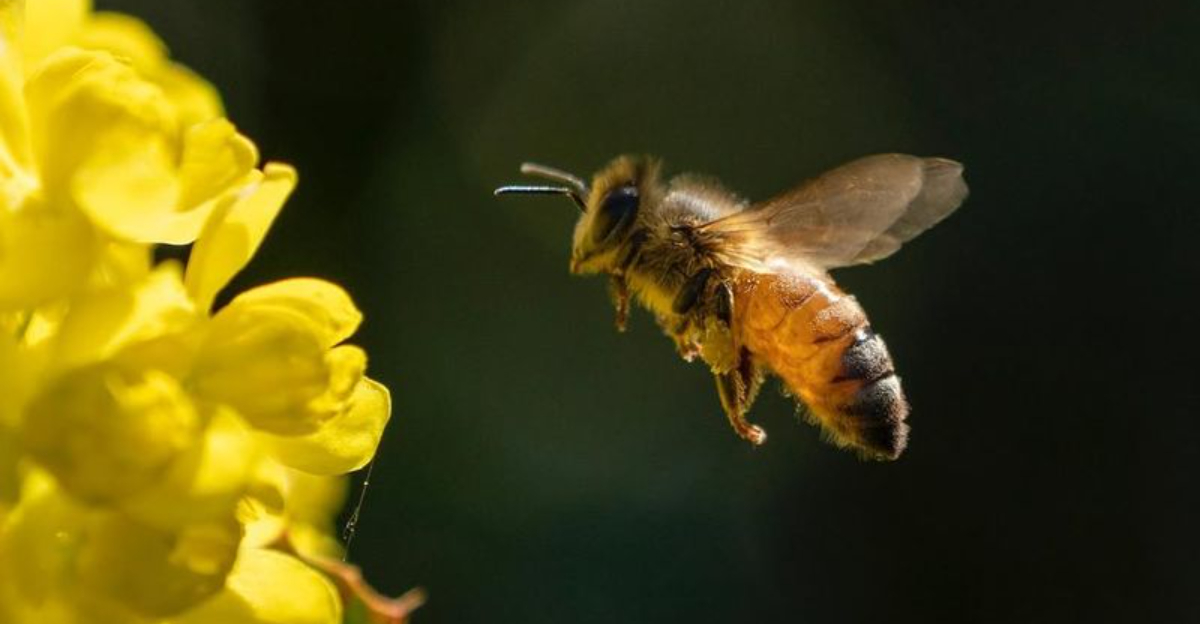
Pollinators are the unsung heroes of Oregon landscapes, quietly keeping gardens, farms, and wild spaces humming along.
Bees, butterflies, and other beneficial insects show up every day ready to work, but they need the right support to keep the wheels turning.
Native plants step up to the plate in a big way, offering familiar food and shelter that pollinators know like the back of their hand.
Oregon’s native plants evolved alongside local pollinators, making them a natural fit.
Their blooms line up with feeding cycles, and their leaves support insect life from start to finish.
Unlike imported plants that may look flashy but fall short, natives pull their weight year after year.
They handle local weather, need less water, and ask for less maintenance once established.
Planting native species is like putting down roots that matter.
Gardens become healthier, pollinators grow stronger, and the whole system works more smoothly.
Even small yards can make a difference when the right plants are in the ground.
With thoughtful choices, Oregon gardeners can turn their spaces into reliable stops for pollinators, proving that working with nature often beats fighting it.
1. Western Columbine
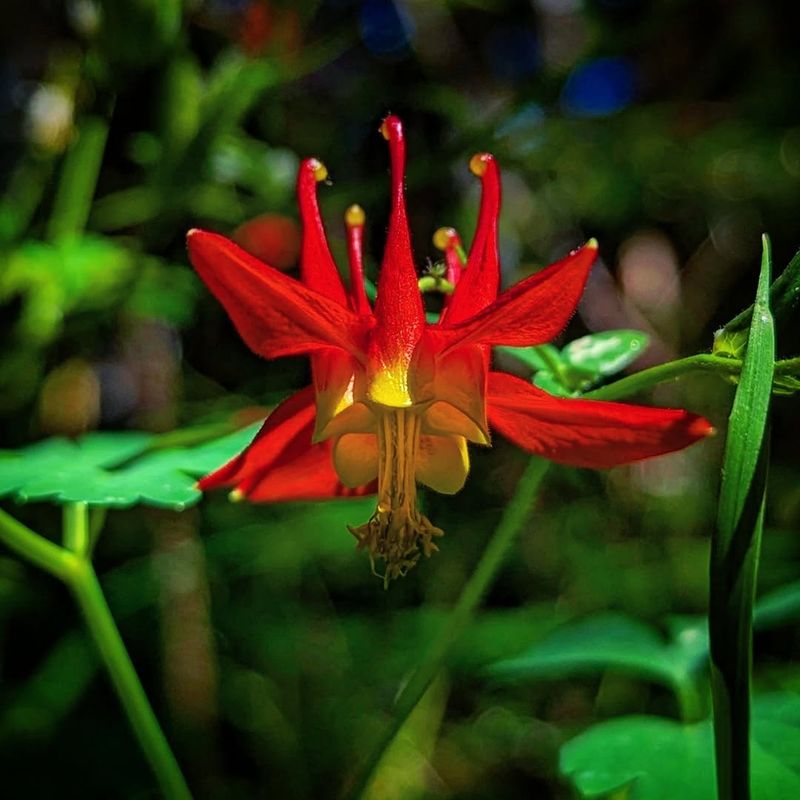
Hummingbirds zoom straight toward the dangling red and yellow flowers of western columbine like tiny helicopters on a mission.
Each blossom features backward-pointing spurs that hold sweet nectar perfectly designed for long hummingbird tongues.
Butterflies and bumblebees also visit these elegant flowers that nod gently in spring breezes throughout Oregon gardens.
Western columbine grows naturally in partially shaded areas along stream banks and forest edges across the Pacific Northwest.
The plant reaches about two to three feet in height with delicate, fern-like foliage that looks beautiful even when flowers fade.
Blooms appear from April through July, providing consistent food for pollinators during critical breeding seasons.
Gardeners love how western columbine self-seeds readily, creating natural drifts of color that expand gradually over years.
The plant prefers moist, well-drained soil but adapts to various conditions once roots establish deeply.
Oregon natives often remember spotting these distinctive flowers during childhood hikes through mountain trails and forest paths.
Adding western columbine to your pollinator garden brings immediate action and movement as hummingbirds defend their favorite feeding spots.
The plant combines beauty, toughness, and exceptional wildlife value in one graceful package that belongs in every Oregon landscape.
2. Red Flowering Currant
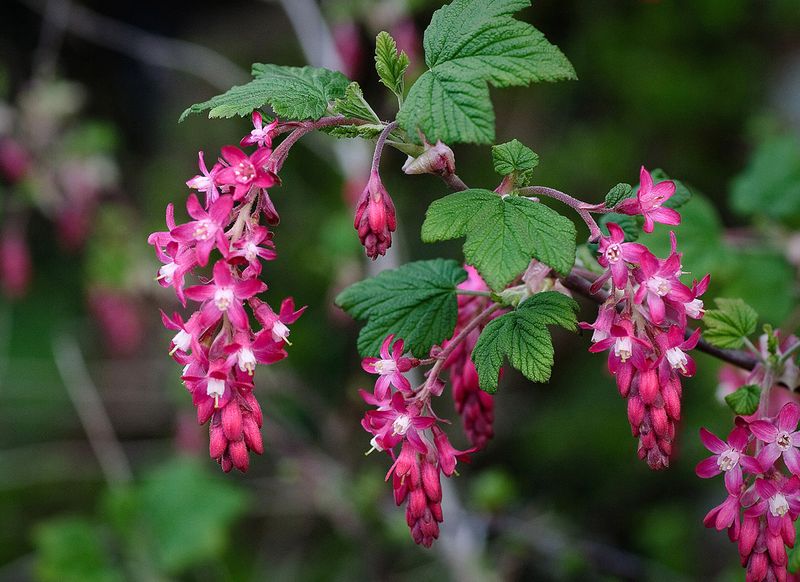
Hanging clusters of hot pink flowers cascade from red flowering currant branches in early spring like natural chandeliers.
This deciduous shrub explodes with color just when Oregon gardeners crave brightness after gray winter months.
Hummingbirds, native bees, and early butterflies swarm these blossoms that smell slightly spicy and sweet at the same time.
Red flowering currant grows quickly into a rounded shrub reaching six to ten feet tall and equally wide.
The plant tolerates full sun or partial shade and adapts to both moist and relatively dry conditions once established.
Oregon’s mild climate suits this native perfectly, and you’ll spot it growing wild along forest edges and roadsides throughout the state.
After flowers fade, small blue-black berries appear that birds gobble up enthusiastically during summer months.
The berries taste rather bland to humans but provide important food for wildlife when other sources become scarce.
Maple-shaped leaves turn lovely shades of yellow and orange before dropping in autumn.
Planting red flowering currant near windows lets you watch hummingbird battles and feeding frenzies from indoor comfort.
This shrub requires minimal care, no fertilizer, and occasional pruning to maintain shape, making it ideal for busy Oregon gardeners who want maximum pollinator impact with minimum effort.
3. Oregon Grape
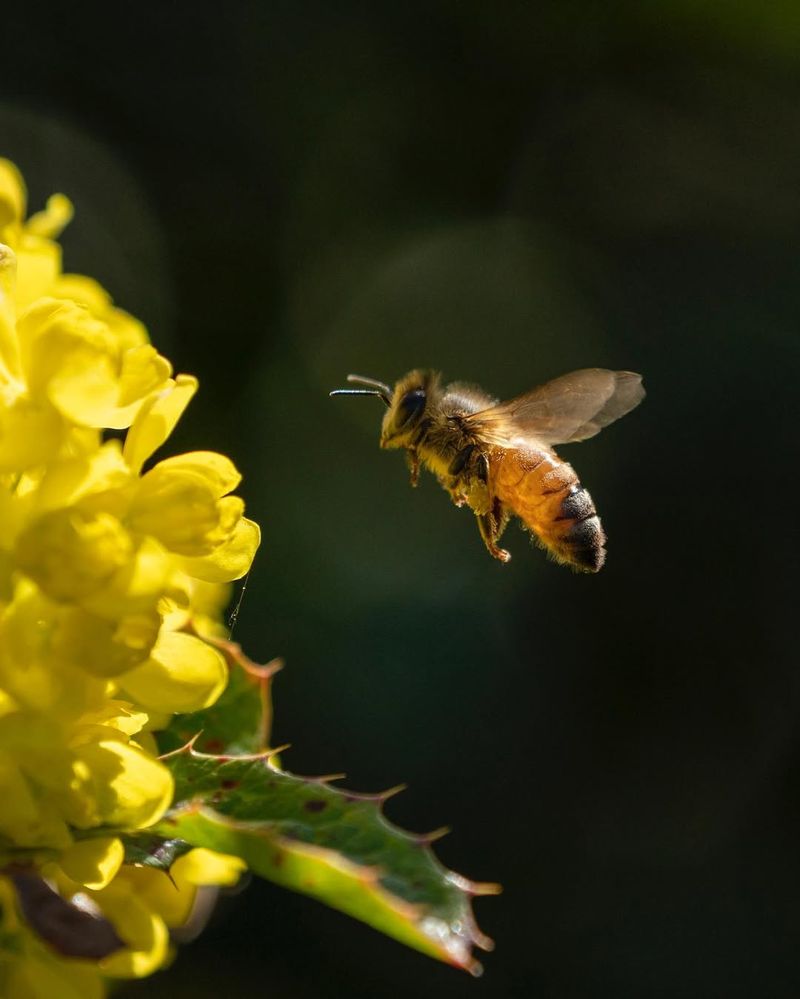
Bright yellow blooms appear on Oregon grape during early spring when pollinators desperately need food after winter.
This evergreen shrub stays attractive throughout all seasons with its glossy, holly-like leaves that turn burgundy during cold months.
Native bees and early butterflies flock to these cheerful flowers that smell faintly of honey on warm March mornings.
Growing between two and six feet tall, Oregon grape thrives in shady spots where many flowering plants struggle to survive.
The plant produces clusters of dark blue berries by summer that birds absolutely love, extending its value beyond just pollinator support.
Oregon gardeners appreciate how tough and reliable this shrub becomes once established in the landscape.
You can find Oregon grape growing wild throughout forests across the state, from coastal areas to mountain slopes.
The plant tolerates dry shade remarkably well, making it perfect for spots under Douglas firs or oak trees.
Some gardeners use it as a low hedge or foundation planting that requires almost no maintenance once settled in.
Pollinators visit Oregon grape flowers constantly during their bloom period, gathering both nectar and pollen.
This native shrub earned its place as Oregon’s official state flower, celebrating its importance to local ecosystems and gardens alike.
4. Camas
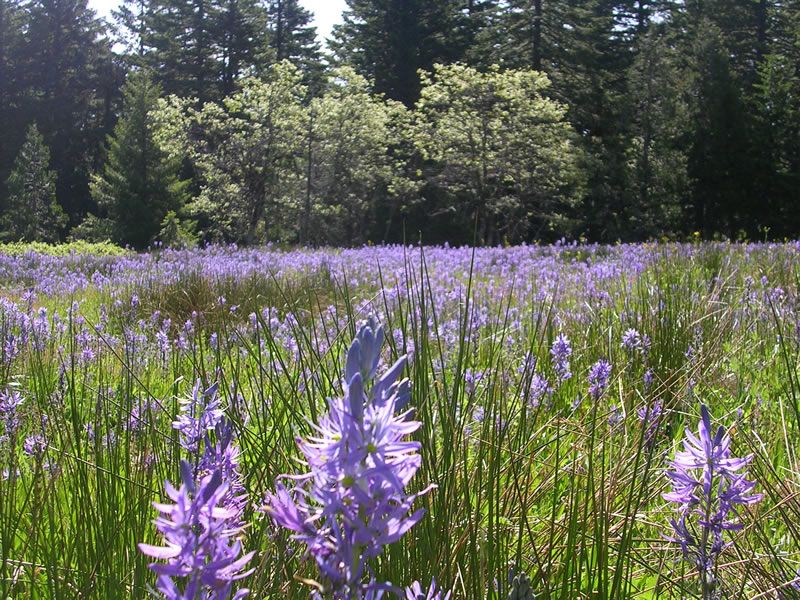
Fields of blue camas flowers once covered Oregon valleys so extensively that early explorers mistook them for lakes from distant hillsides.
These stunning spring blooms emerge from bulbs that indigenous peoples harvested and traded for thousands of years.
Today, camas remains one of the most spectacular native plants for attracting bees and butterflies to Pacific Northwest gardens.
Each camas plant sends up a spike covered with star-shaped flowers in shades ranging from pale blue to deep violet.
The blossoms open gradually from bottom to top, extending the bloom period and providing consistent food for pollinators.
Camas thrives in areas with wet winters and dry summers, perfectly matching Oregon’s natural rainfall patterns.
Growing camas successfully requires patience since plants take several years to reach blooming size from seed.
However, established bulbs multiply steadily and create increasingly impressive displays each spring.
The grass-like foliage disappears completely by summer, so plant camas among other natives that fill in after it goes dormant.
Bumblebees particularly love camas flowers and visit them constantly during April and May bloom times.
Adding camas bulbs to your Oregon garden connects you with regional history while supporting modern pollinator populations that face increasing habitat challenges across the state.
5. Showy Milkweed
Monarch butterflies depend absolutely on milkweed plants for survival since caterpillars eat nothing else during their growth stage.
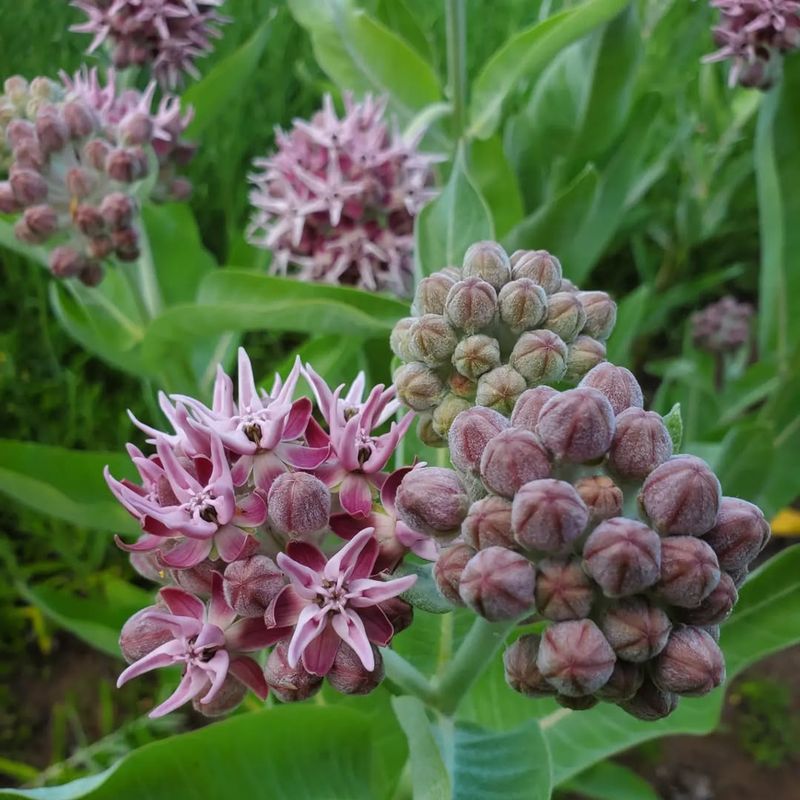
Showy milkweed produces large, rounded clusters of pink flowers that smell wonderfully sweet and attract dozens of different pollinator species.
This Oregon native stands tall and proud in summer gardens, reaching three to four feet in height with thick, sturdy stems.
Each flower cluster contains hundreds of tiny blossoms packed tightly together, creating landing platforms perfect for butterflies, bees, and beetles.
Showy milkweed blooms from June through August, providing crucial nectar during hot months when many spring flowers have finished.
The plant grows naturally in open areas, meadows, and along roadsides throughout eastern Oregon and similar dry regions.
After pollination, distinctive seed pods develop that split open in fall to release seeds attached to silky parachutes.
Children love watching these fluffy seeds float away on autumn breezes, spreading new plants across the landscape.
Showy milkweed prefers full sun and well-drained soil but tolerates poor conditions once roots establish deeply.
Watching a monarch butterfly lay eggs on your milkweed leaves creates unforgettable moments and teaches valuable lessons about nature’s interconnected systems.
Oregon gardeners who plant showy milkweed directly support monarch migration routes and help these amazing insects complete their incredible journeys across North America.
6. Oceanspray
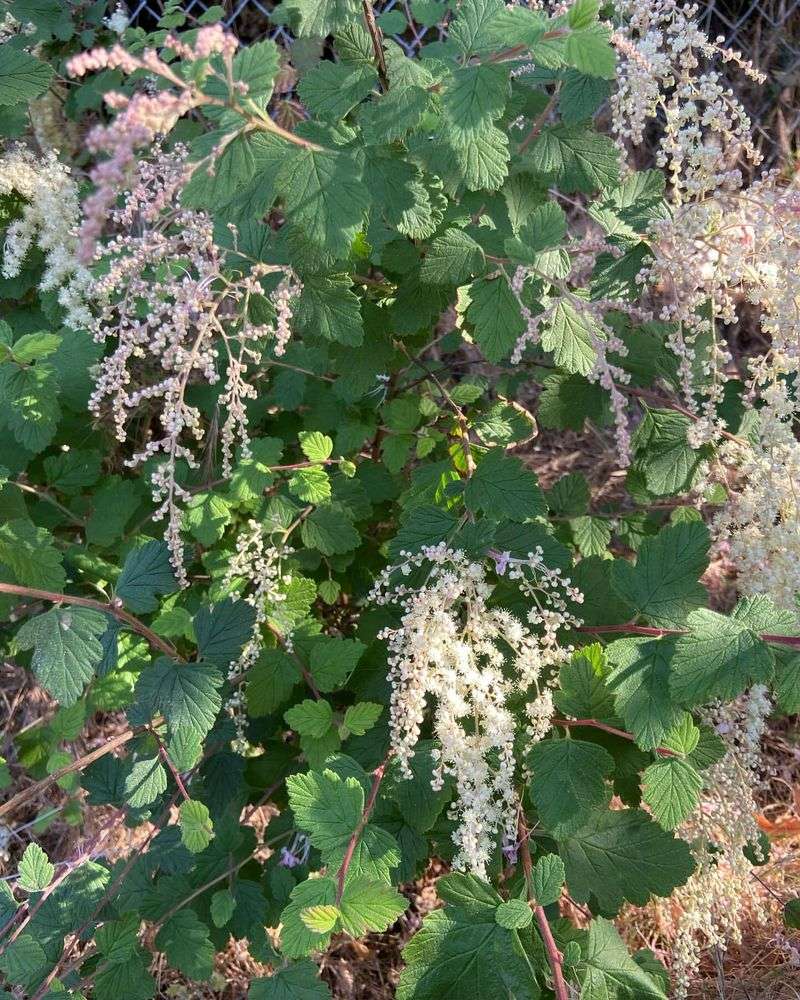
Creamy white flower plumes cascade from oceanspray branches in early summer like frozen waterfalls caught mid-splash.
This deciduous shrub earned its common name from flowers that supposedly resemble ocean foam, though it grows successfully far inland across Oregon.
Native bees, butterflies, and beneficial wasps visit these fragrant blooms constantly from June through July.
Oceanspray grows into an upright, arching shrub reaching six to twelve feet tall with multiple stems rising from the base.
The plant adapts to various conditions including dry shade, making it valuable for difficult garden spots where other flowering shrubs struggle.
Small, toothed leaves create fine texture throughout the growing season before turning yellow and orange in autumn.
After flowers fade, the dried seed heads persist through winter, adding interesting structure to dormant landscapes.
Birds appreciate these seed heads as food sources and perching spots during cold months.
Oceanspray grows naturally throughout Oregon forests, along stream banks, and on rocky slopes from coast to mountains.
Gardeners appreciate how oceanspray requires absolutely no fertilizer, tolerates pruning well, and never suffers from serious pest problems.
The shrub works beautifully in mixed borders, as informal hedges, or planted alone as specimen plants.
Oregon landscapes gain both beauty and ecological value when oceanspray joins the plant community supporting local pollinators year after year.
7. Scarlet Gilia
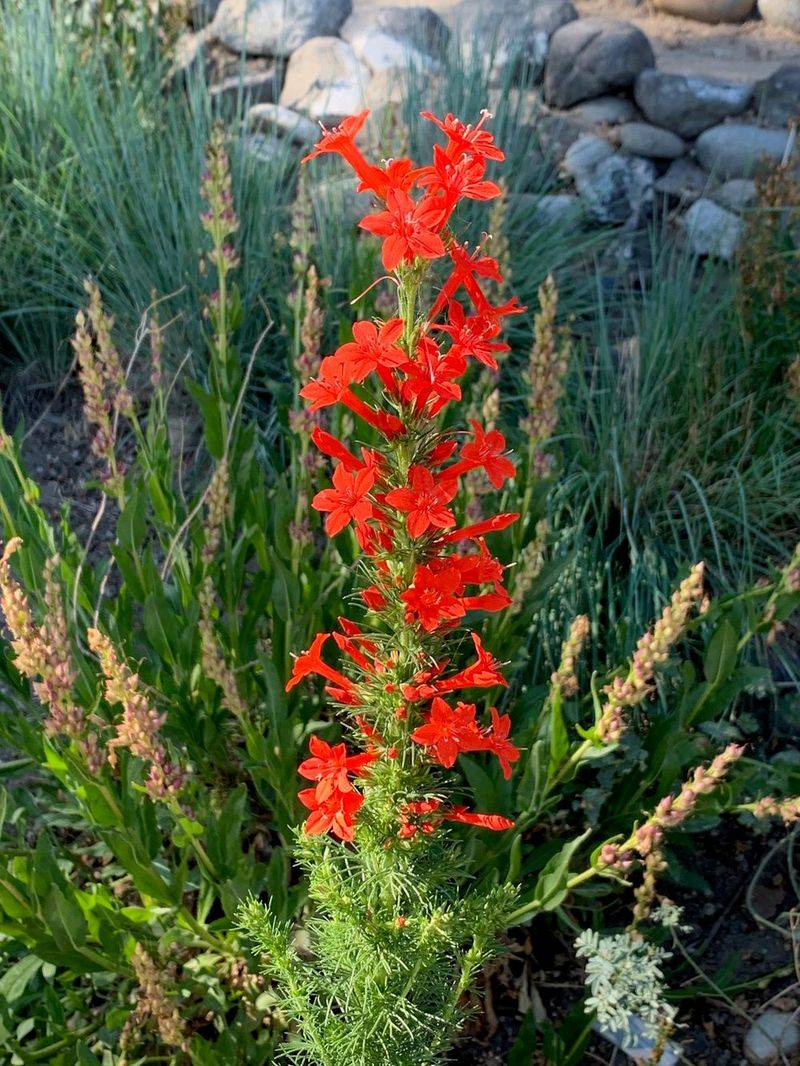
Brilliant red tubular flowers shoot upward from scarlet gilia stems like tiny fireworks frozen in mid-explosion.
Hummingbirds spot these vibrant blossoms from impressive distances and make beeline approaches to feed on abundant nectar.
This Oregon native wildflower brings intense color to summer gardens while providing essential food for pollinators during hot, dry months.
Scarlet gilia typically grows as a biennial, forming a low rosette of feathery leaves during its first year before sending up flowering stalks the second season.
Plants reach two to three feet tall when blooming, with flowers clustered along the upper portions of stems.
The species thrives in well-drained, rocky soil and full sun conditions that match its natural habitat in eastern Oregon.
Each individual flower features five petals fused into a narrow tube with flaring tips and prominent stamens extending outward.
Butterflies occasionally visit scarlet gilia, but hummingbirds remain the primary pollinators attracted to these specifically designed blossoms.
The plant self-seeds readily in suitable conditions, gradually establishing small colonies over time.
Gardeners who want to attract hummingbirds to Oregon landscapes should definitely include scarlet gilia in their planting plans.
The species tolerates heat and drought exceptionally well once established, making it perfect for low-water gardens.
Watching hummingbirds hover and feed among these scarlet blooms provides endless entertainment throughout long summer afternoons.
8. Blue-Eyed Grass
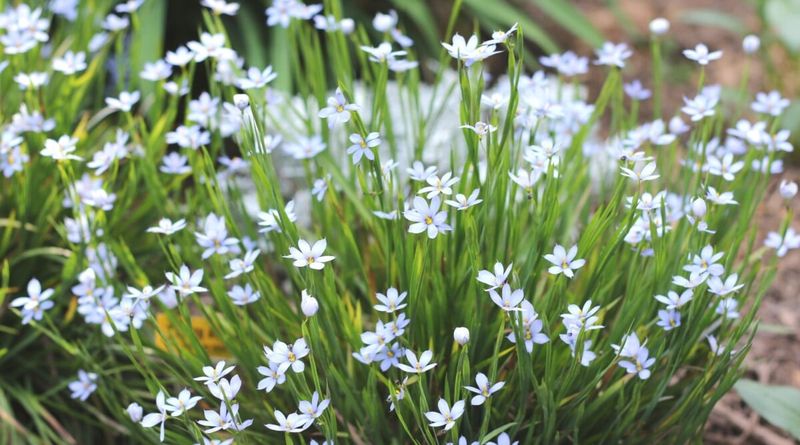
Don’t let the common name fool you because blue-eyed grass belongs to the iris family rather than true grasses.
Tiny star-shaped flowers in shades of blue to purple feature bright yellow centers that resemble cheerful eyes staring upward.
Small native bees and flower flies visit these delicate blooms that open during sunny mornings throughout Oregon springs.
Blue-eyed grass forms small clumps of narrow, grass-like foliage that rarely exceeds twelve inches in height.
The plants prefer moist meadows and open areas but adapt to garden conditions with regular water during growing seasons.
Individual flowers last only one day, but plants produce new blossoms continuously for several weeks during peak bloom periods.
This charming native works beautifully in rock gardens, along pathway edges, or planted in drifts through lawn alternatives.
Blue-eyed grass tolerates light foot traffic and mowing, making it suitable for meadow-style landscapes.
Oregon gardeners appreciate how this little plant naturalizes easily without becoming aggressive or weedy.
Small pollinators often get overlooked in favor of showy butterflies and hummingbirds, but they perform essential pollination services for countless plant species.
Blue-eyed grass specifically supports these tiny but important creatures that struggle to find food in conventional landscapes.
Adding this modest native to your Oregon garden demonstrates that pollinator support doesn’t always require big, bold plants taking up significant space.
9. Lupine
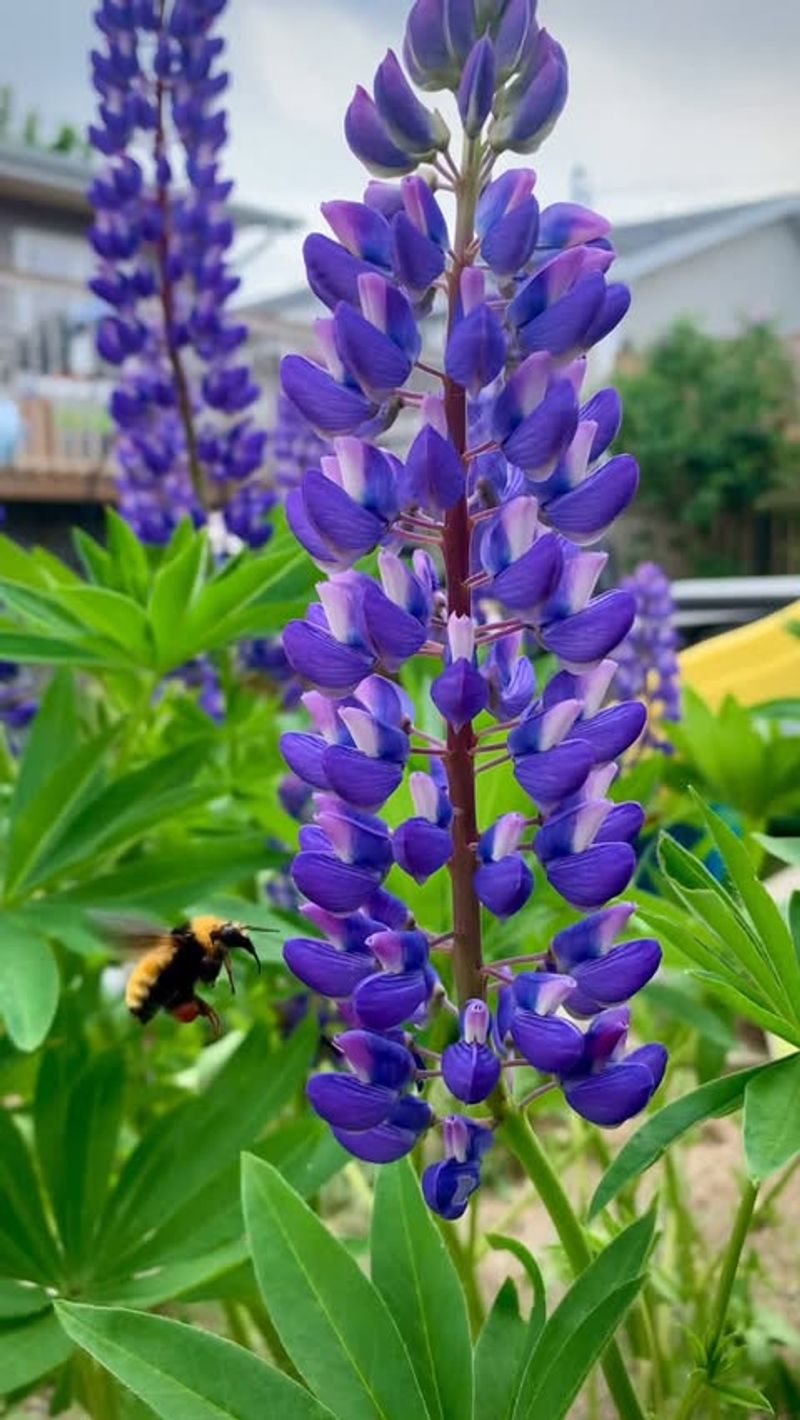
Tall spikes of purple, blue, pink, or white flowers rise above lupine foliage like colorful candles lighting up Oregon meadows and roadsides.
Bumblebees absolutely adore lupine blossoms and work them methodically from bottom to top, often spending minutes on single flower spikes.
These spectacular natives bloom during late spring and early summer, creating unforgettable displays across Pacific Northwest landscapes.
Lupine plants feature distinctive palm-shaped leaves that catch and hold sparkling water droplets after rain or morning dew.
Several native lupine species grow throughout Oregon, ranging from low-growing varieties perfect for rock gardens to tall types reaching four feet or more.
All lupines possess special root nodules that capture nitrogen from air and improve soil quality naturally.
Gardeners sometimes find lupines challenging to transplant since they develop deep taproots early in life.
Starting plants from seed directly where you want them growing produces better results than moving established specimens.
Lupines prefer full sun and well-drained soil but tolerate various conditions once roots establish deeply.
Watching bumblebees work lupine flowers reveals fascinating pollination mechanics as heavy bees land on lower petals, triggering mechanisms that dust them with pollen.
Oregon roadsides explode with lupine color during peak seasons, reminding residents why native plants deserve prominent places in home landscapes.
Adding lupines to your garden supports bumblebee populations while bringing true Pacific Northwest character to your outdoor spaces.
10. Yarrow
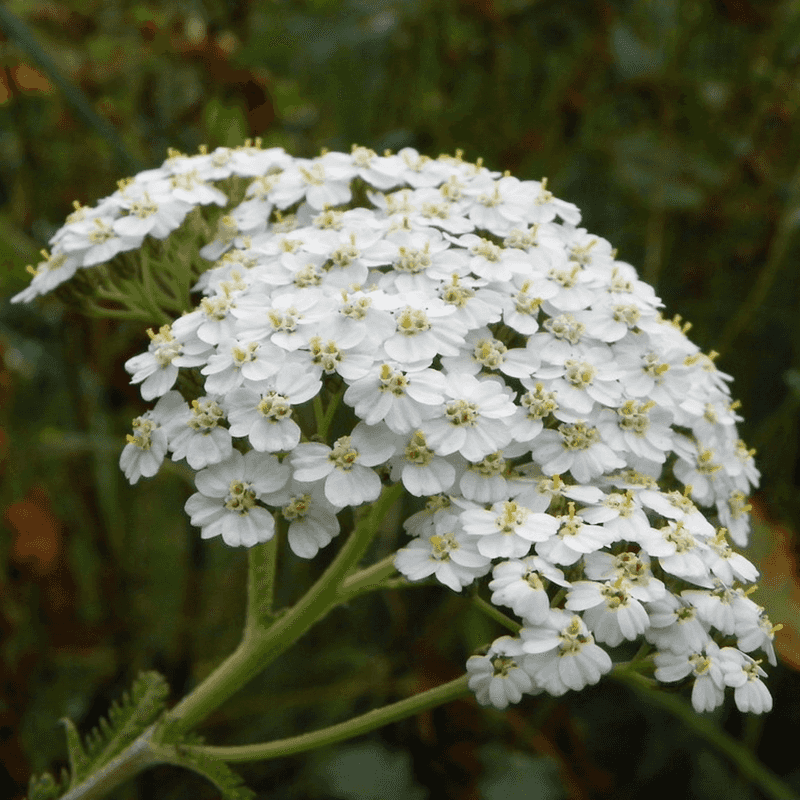
Flat-topped clusters of tiny white flowers create perfect landing platforms where butterflies and small bees gather nectar throughout Oregon summers.
Yarrow produces these flower heads continuously from June through September, providing reliable food when many spring bloomers have finished.
The plant’s feathery, aromatic foliage releases a pleasant herbal scent when brushed or crushed between fingers.
Native yarrow typically grows one to three feet tall with multiple stems rising from spreading roots.
The species tolerates heat, drought, poor soil, and general neglect better than most flowering plants.
Yarrow spreads gradually but not aggressively, filling in around other plants without overwhelming them or requiring constant control.
Countless tiny flowers packed into each cluster attract an amazing diversity of small pollinators including native bees, wasps, flies, and beetles.
Butterflies particularly appreciate yarrow’s flat flower heads that provide stable feeding platforms.
Oregon gardeners value yarrow as a workhorse plant that looks good, supports wildlife, and never demands attention or special care.
You can find wild yarrow growing along roadsides, in meadows, and across open areas throughout the state.
The plant adapts easily to garden conditions and combines beautifully with other natives in mixed borders.
Some yarrow varieties feature pink or yellow flowers, but white-flowered native types support pollinators just as effectively while maintaining authentic regional character in Pacific Northwest landscapes.