Top Native Plants That Thrive In West Virginia Gardens
West Virginia gardens have something special going for native plants. These plants are already adapted to the local soil, weather, and wildlife, which makes them easier to grow and care for.
Less work, better results. That’s a win for any gardener.
Imagine a garden that looks beautiful while needing less water and fewer chemicals. What if your plants grew stronger with almost no extra effort?
Native plants make gardening simpler and more rewarding. Your yard can work with nature instead of against it.
From colorful flowers to hardy shrubs and grasses, West Virginia native plants support pollinators and handle changing seasons with ease. They bring natural beauty and balance to your landscape while staying low maintenance.
Whether you’re planting a small flower bed or redesigning your whole yard, these plants are perfect for long-term success.
1. Eastern Redbud
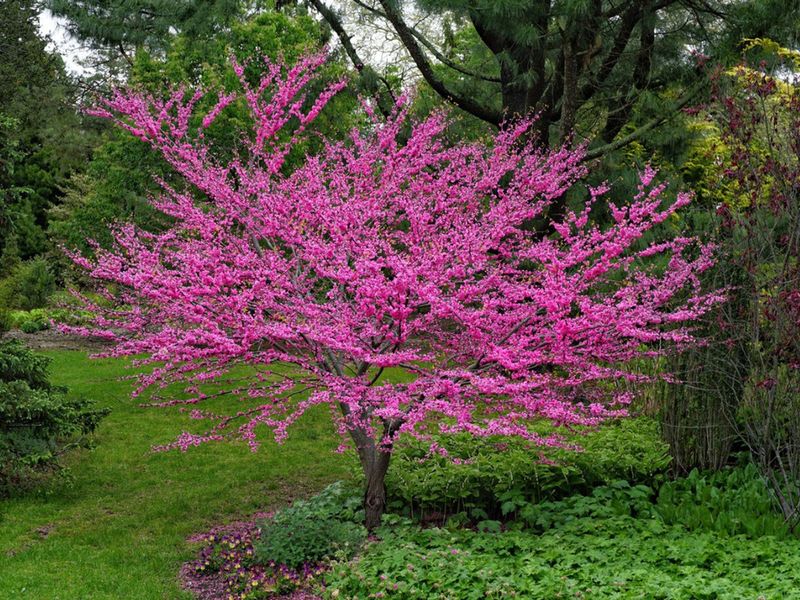
Springtime in West Virginia becomes absolutely magical when Eastern Redbud trees burst into bloom with their stunning pink-purple flowers covering bare branches before leaves appear.
This small ornamental tree typically reaches 20 to 30 feet tall, making it perfect for residential gardens where space might be limited.
Gardeners across the Mountain State appreciate how this native adapts to various soil types, from clay to sandy loam, and tolerates both full sun and partial shade conditions.
The heart-shaped leaves that follow the blooms create dense foliage throughout summer, turning golden yellow in autumn. Hummingbirds and butterflies visit frequently, while the seed pods provide food for birds during winter months.
Eastern Redbud grows naturally in West Virginia’s forests, so it handles the state’s temperature swings and precipitation patterns without complaint.
Planting this tree near patios or along property borders creates beautiful focal points that change dramatically with the seasons. The root system doesn’t typically cause problems with sidewalks or foundations, making it safe for planting near structures.
Young trees establish quickly when planted in spring or fall, and once settled, they need minimal watering except during severe droughts.
Many West Virginia gardeners pair Eastern Redbud with spring bulbs like daffodils, creating layered displays that extend the flowering season and maximize visual impact in home landscapes.
2. Black-Eyed Susan
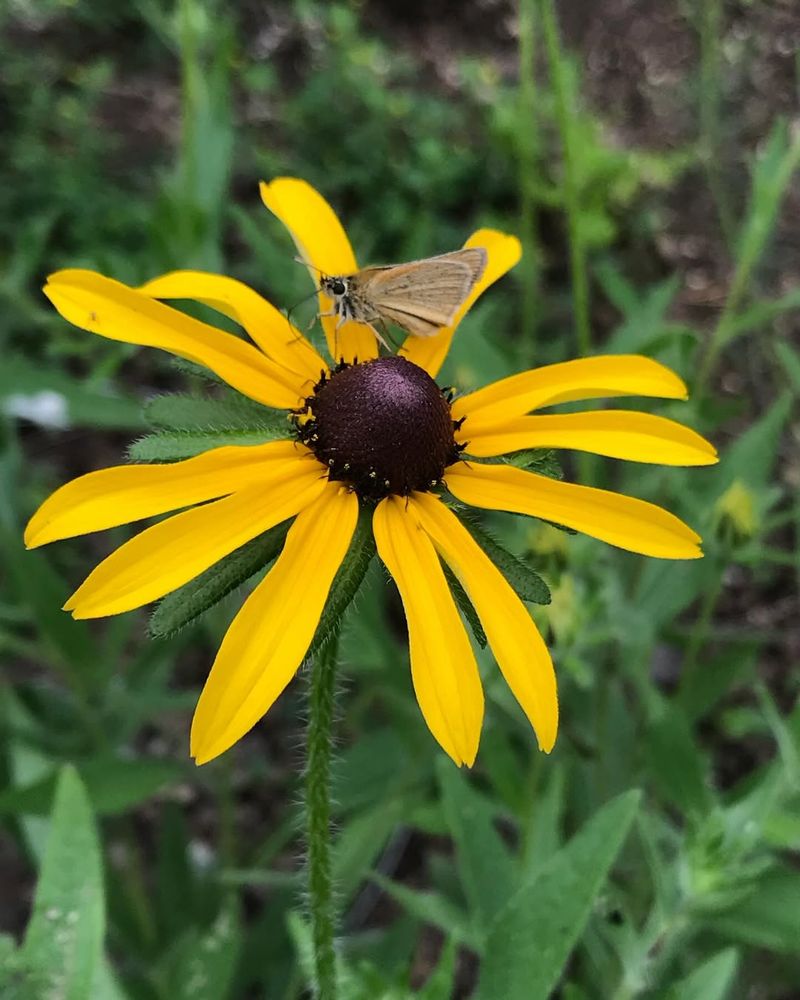
Bright golden petals surrounding dark chocolate centers make Black-Eyed Susans one of the most recognizable wildflowers throughout West Virginia’s meadows and roadsides.
These cheerful perennials bloom from June through September, providing months of continuous color when many other plants start looking tired from summer heat.
Their sturdy stems reach two to three feet tall, creating substantial presence in flower beds without overwhelming smaller companion plants.
Drought tolerance makes Black-Eyed Susans incredibly forgiving for gardeners who might forget to water during busy summer weeks. They actually prefer well-drained soil and full sun, conditions that match much of West Virginia’s natural terrain.
Once established, these natives spread gradually through self-seeding, filling in gaps and creating naturalized drifts that look effortlessly beautiful.
Pollinators absolutely adore Black-Eyed Susans, with bees, butterflies, and beneficial insects visiting constantly throughout the day. Goldfinches particularly enjoy the seed heads in fall and winter, providing entertainment for bird watchers.
Cutting back spent flowers encourages more blooms, though leaving some seed heads benefits wildlife.
These tough plants handle West Virginia’s occasional late spring frosts and early fall cold snaps without damage.
They combine beautifully with ornamental grasses, purple coneflowers, and other prairie-style natives, creating low-maintenance garden designs that celebrate the region’s natural heritage while reducing yard work considerably.
3. Virginia Bluebells
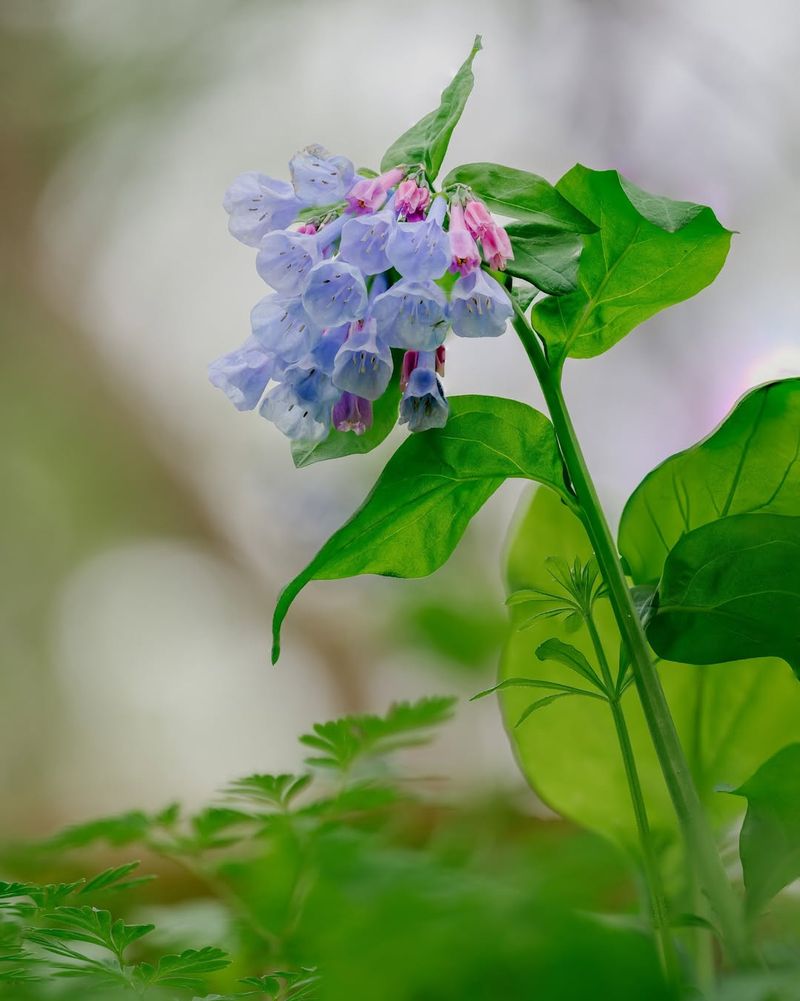
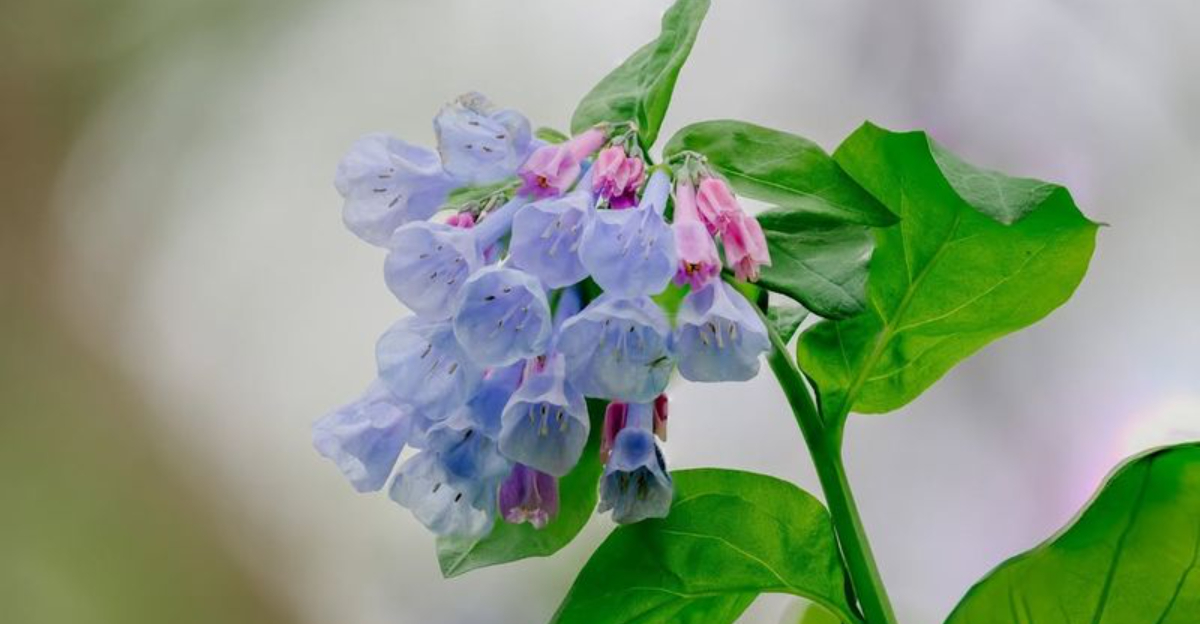
Few sights rival the carpet of blue that Virginia Bluebells create when they blanket shaded woodland areas across West Virginia each spring.
These ephemeral perennials emerge early, often pushing through late-season snow, with pink buds that open into sky-blue trumpet-shaped flowers.
The blooming period lasts about three weeks, typically from late March through April, depending on elevation and weather patterns in different parts of the state.
After flowering finishes and seeds form, the foliage gradually fades away by early summer, leaving space for other shade plants to take center stage.
This disappearing act makes Virginia Bluebells perfect companions for hostas and ferns, which fill in the gaps left behind.
Moist, rich soil in partial to full shade creates ideal growing conditions that mirror their natural forest floor habitat.
Planting bulbs nearby ensures continuous interest, as daffodils and tulips bloom around the same time. West Virginia gardeners often naturalize Virginia Bluebells under deciduous trees where spring sunlight reaches the ground before leaves emerge.
The plants self-seed readily in favorable conditions, gradually expanding colonies year after year without becoming invasive or problematic.
These natives require virtually no maintenance once established, making them perfect for busy homeowners who want beautiful spring displays without constant attention.
Deer typically leave Virginia Bluebells alone, another advantage for rural West Virginia properties where wildlife browsing can challenge gardeners.
4. Cardinal Flower
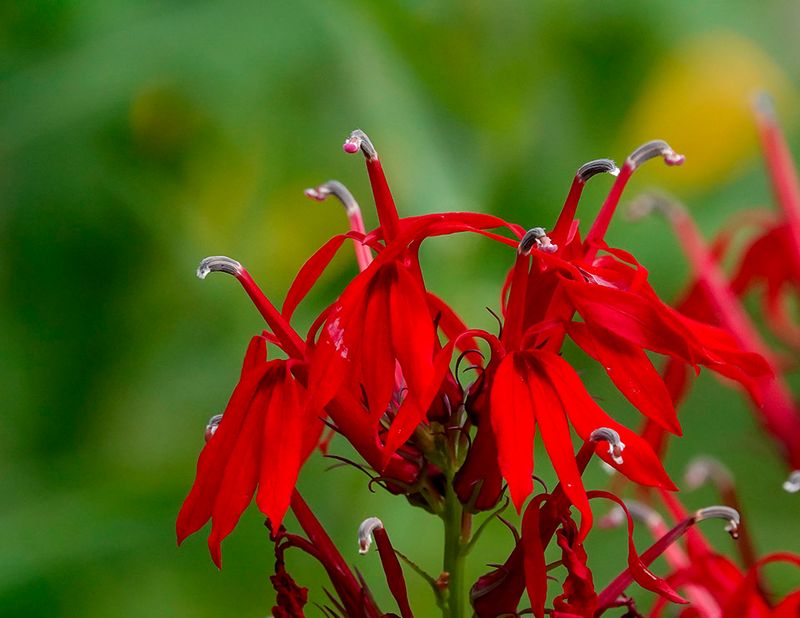
Brilliant scarlet spikes rising above stream banks and wet meadows announce the presence of Cardinal Flower, one of West Virginia’s most spectacular native perennials.
Hummingbirds can spot these vibrant red blooms from remarkable distances, making gardens with Cardinal Flowers regular stops on their migration routes and summer territories.
The tubular flowers cluster along stems that can reach three to four feet tall, creating vertical accents in landscape designs.
Unlike many garden favorites, Cardinal Flower actually prefers consistently moist to wet soil, making it ideal for those challenging boggy spots where other plants struggle.
Rain gardens, pond edges, and naturally damp areas throughout West Virginia become stunning showcases when these natives are established. They tolerate full sun to partial shade, though afternoon shade helps in hotter locations.
Blooming from July through September, Cardinal Flowers provide crucial nectar when many spring bloomers have finished. The deep red color occurs rarely in native plants, making this species particularly valuable for creating bold color schemes.
Clumps expand slowly through offsets, and plants often self-seed in favorable conditions without becoming weedy.
West Virginia gardeners should note that Cardinal Flowers are short-lived perennials, typically lasting three to five years, but replacement plants appear naturally when growing conditions suit them.
Mulching around the base protects roots during winter, though these tough natives handle the state’s cold temperatures remarkably well once established in appropriate locations.
5. Wild Columbine
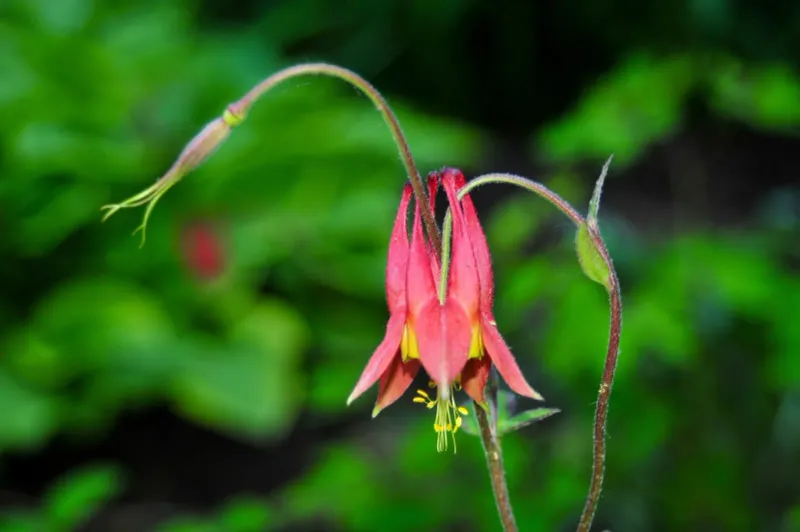
Delicate red and yellow flowers that dangle like tiny lanterns make Wild Columbine a favorite among West Virginia gardeners who appreciate understated elegance.
These graceful perennials bloom in mid to late spring, their nodding flowers featuring distinctive spurred petals that create an almost whimsical appearance.
Plants typically reach 18 to 24 inches tall with attractive blue-green foliage that remains ornamental even after flowering finishes.
Rocky slopes, woodland edges, and areas with excellent drainage suit Wild Columbine perfectly, matching the natural habitats where it grows throughout the Mountain State. Partial shade works best, though plants tolerate more sun in cooler northern regions of West Virginia.
The long-blooming period, often lasting four to six weeks, provides extended interest during the transition from spring to summer.
Hummingbirds are particularly attracted to the nectar-rich flowers, and watching these tiny birds hover and feed becomes a daily entertainment.
Wild Columbine self-seeds readily but never aggressively, with seedlings appearing in cracks between rocks and other unexpected spots.
This habit creates naturalized effects that look intentionally designed while requiring zero effort from gardeners.
Drought tolerance develops once plants establish deep root systems, making them suitable for low-maintenance landscapes.
Wild Columbine combines beautifully with native ferns, woodland phlox, and spring bulbs, creating layered plantings that celebrate West Virginia’s native plant diversity.
The foliage may look ragged by late summer, but cutting it back encourages fresh growth that persists through fall.
6. New England Aster
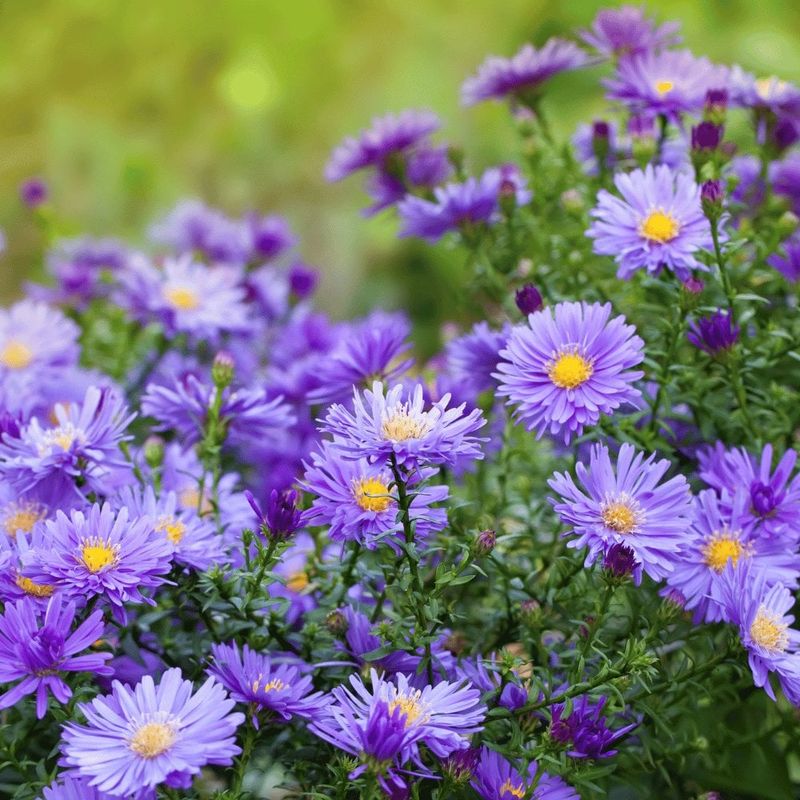
When late summer gardens start looking worn and tired, New England Aster bursts into bloom with masses of purple-pink daisy-like flowers that continue until hard frost arrives.
This tall perennial can reach four to six feet in height, creating substantial presence in back borders and naturalized areas throughout West Virginia landscapes.
The abundant blooms attract an incredible diversity of pollinators, including migrating monarch butterflies that rely on late-season nectar sources.
Full sun and average to moist soil create ideal growing conditions, though New England Aster adapts to various situations once established. Plants native to West Virginia handle the state’s weather extremes, from humid summers to cold winters, without requiring special protection or care.
The species spreads slowly through rhizomes, forming clumps that can be divided every few years to create more plants or control size.
Pinching stems back by half in early June creates bushier plants with more flowers and reduces the tendency to flop, though some gardeners appreciate the informal, meadow-like appearance of unpruned specimens.
Pairing New England Aster with ornamental grasses and goldenrod creates stunning fall combinations that celebrate the season’s natural color palette. These natives provide crucial food for beneficial insects preparing for winter.
Powdery mildew can affect lower leaves by late summer, but this cosmetic issue doesn’t harm plant health or flowering. Planting in locations with good air circulation minimizes problems.
West Virginia gardeners value New England Aster for extending the garden season and supporting wildlife during crucial migration periods.
7. Flowering Dogwood
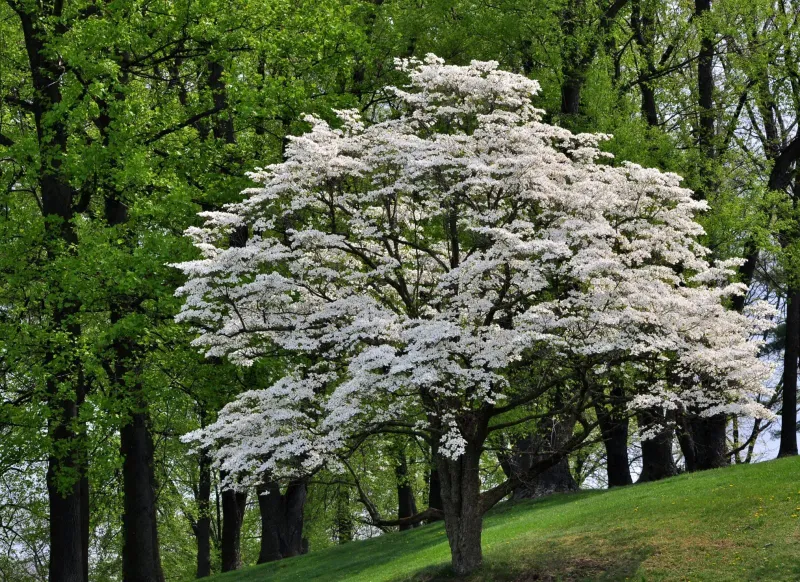
Considered by many to be West Virginia’s most beloved native tree, Flowering Dogwood creates four-season interest with spring blooms, summer foliage, fall color, and attractive winter structure.
The showy white or pink bracts that appear in April and May aren’t actually petals but modified leaves surrounding tiny true flowers.
Trees typically mature at 15 to 30 feet tall, fitting comfortably in residential landscapes without overwhelming smaller properties.
Growing naturally in understory positions throughout West Virginia forests, Flowering Dogwood prefers partial shade and protection from harsh afternoon sun. Well-drained, slightly acidic soil enriched with organic matter creates optimal conditions.
The horizontal branching pattern creates distinctive architectural interest, especially striking when covered with snow during winter months.
Bright red berries develop in late summer, providing important food for songbirds and other wildlife through fall and winter. Foliage turns beautiful shades of red and purple in autumn, rivaling any exotic ornamental tree.
Planting Flowering Dogwood as a specimen tree or in small groupings creates focal points that change dramatically with passing seasons.
While anthracnose disease has affected some wild populations, selecting resistant cultivars and providing proper growing conditions helps prevent problems. Mulching around the base protects shallow roots and maintains soil moisture.
West Virginia gardeners often underplant Flowering Dogwood with shade-loving perennials like ferns and wild ginger, creating layered landscapes that showcase multiple native species working together in harmony.
8. Smooth Penstemon
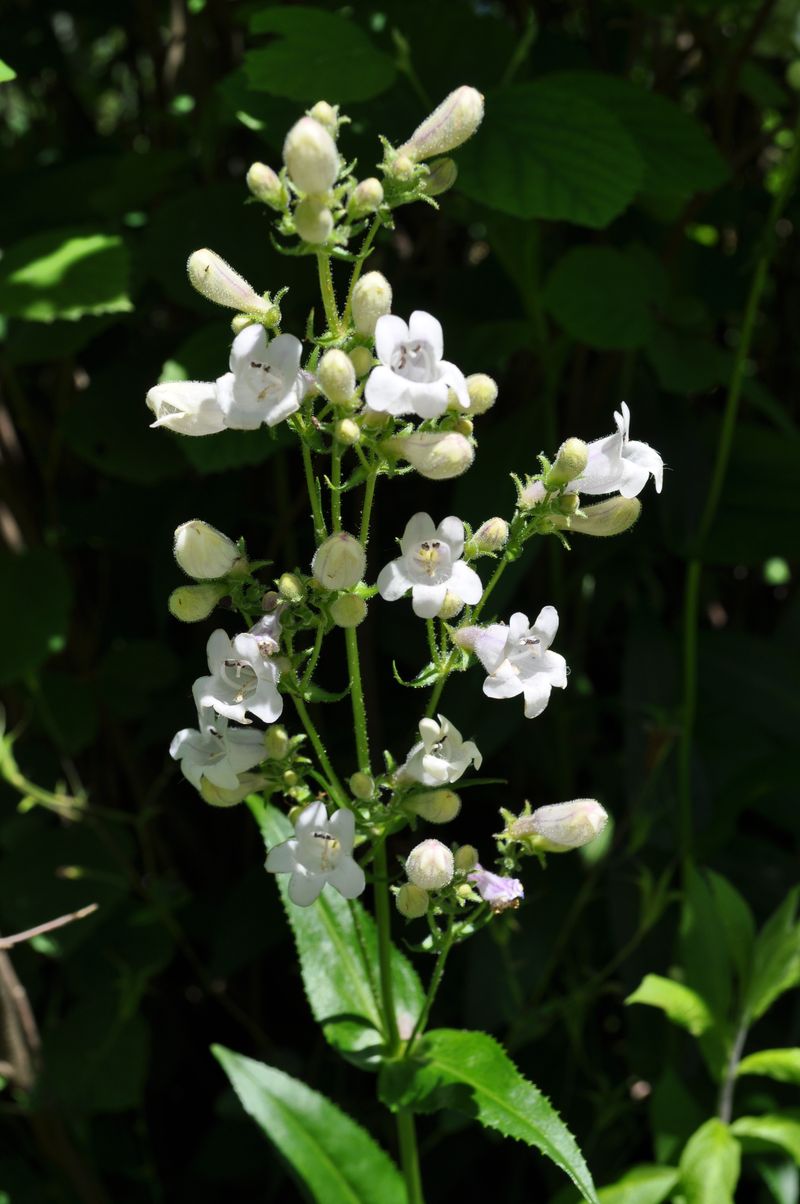
Tubular white flowers with delicate purple lines inside create an elegant display when Smooth Penstemon blooms throughout May and June in West Virginia gardens.
This underutilized native perennial deserves more attention for its reliable performance, attractive foliage, and value to pollinators.
Plants form neat clumps reaching two to three feet tall, with flower stalks rising above glossy green leaves that remain attractive all season.
Adaptability ranks among Smooth Penstemon’s greatest strengths, as it tolerates various soil types and moisture levels once established. Full sun to partial shade works well, though flowering may be reduced in deeper shade.
The species occurs naturally throughout West Virginia in meadows, woodland edges, and disturbed areas, demonstrating its versatility and toughness.
Bees and small butterflies visit the flowers constantly, attracted by nectar and pollen. Unlike some native plants that look best in naturalized settings, Smooth Penstemon fits beautifully in formal perennial borders alongside cultivated varieties.
The clean foliage and upright habit create structured presence without appearing stiff or formal. Deadheading spent flower stalks encourages occasional rebloom and keeps plants looking tidy.
Drought tolerance develops as roots establish, making Smooth Penstemon suitable for xeriscaping and low-water gardens. Plants rarely need dividing and typically live many years without requiring special attention.
West Virginia gardeners seeking reliable, beautiful natives that bridge the gap between wild and cultivated aesthetics will find Smooth Penstemon an excellent choice for multiple garden situations and design styles.