Top Plants That Bring Hummingbird Hawk-Moth To Your Pennsylvania Garden
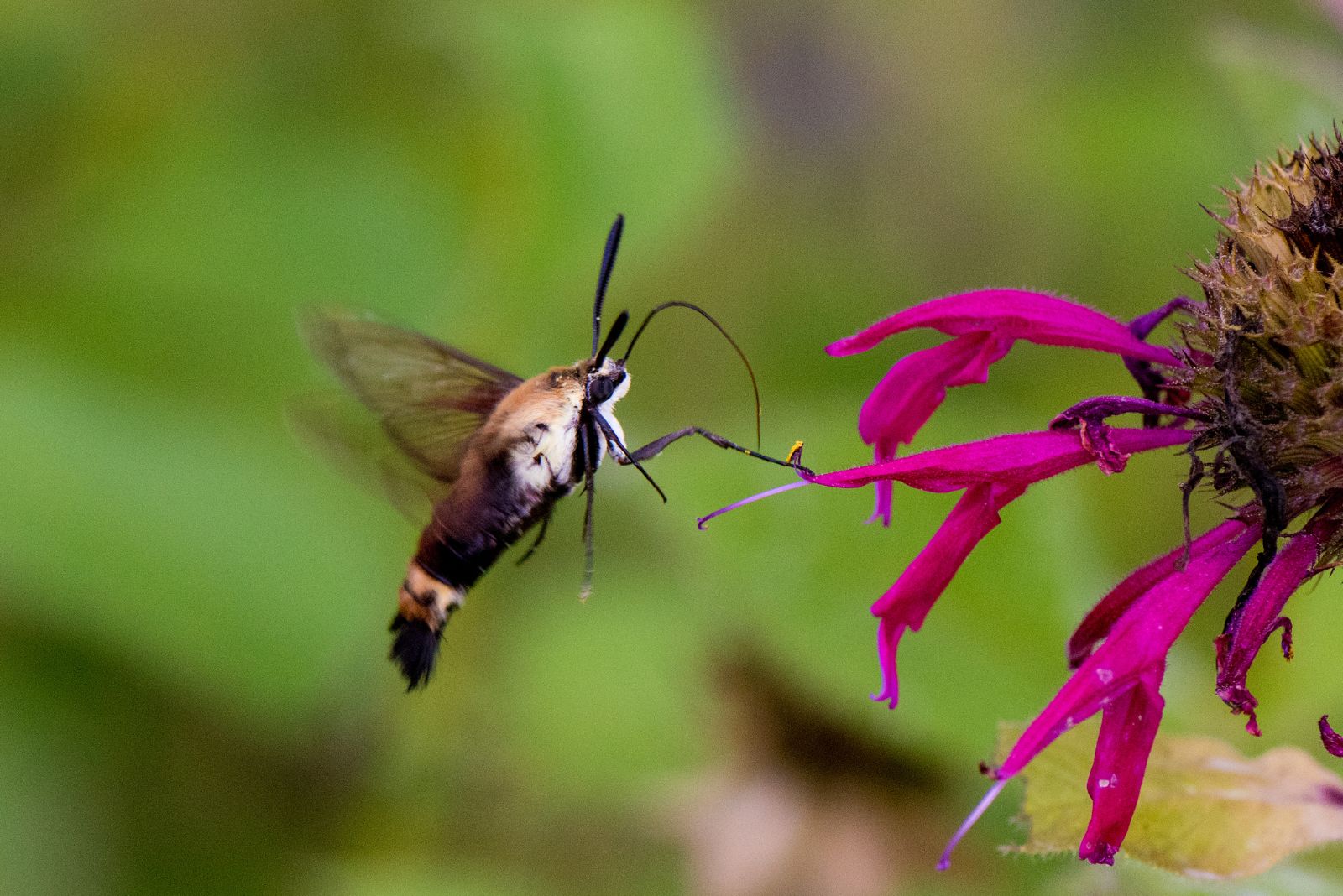
A garden gets a lot more interesting when it starts attracting the kind of visitors people do a double take over. The hummingbird hawk-moth is one of those creatures.
At first glance, it looks like a tiny hummingbird hovering near flowers, but a closer look reveals something even more unusual.
In Pennsylvania, spotting one in the garden can feel like a small surprise, especially when it darts from bloom to bloom with incredible speed and precision.
That is part of what makes planting for it so appealing. The right flowers can turn an ordinary garden into a place that feels more lively, more colorful, and a lot more memorable during the warmer months.
For gardeners who already enjoy butterflies, bees, and hummingbirds, this adds another layer of movement and interest. It is also a great reminder that plant choices shape more than just the look of a yard.
With the right mix, your Pennsylvania garden can become the kind of space that draws in fascinating pollinators and keeps the whole setting feeling active from one bloom to the next.
1. Bee Balm
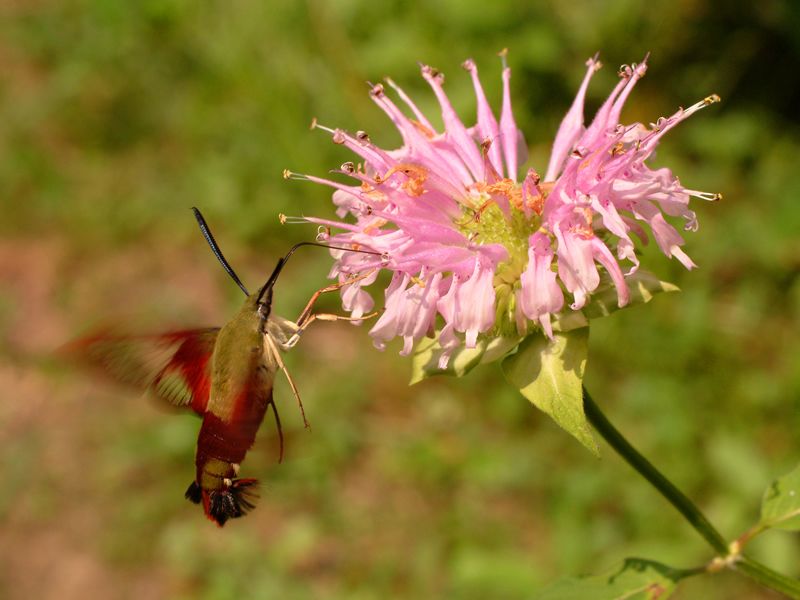
Few plants make a statement in a Pennsylvania garden quite like Bee Balm. Its bright, spiky, tubular flowers burst open in shades of red, pink, and purple during the summer months, and hummingbird hawk-moths absolutely love them.
The flower shape is practically made for these hovering pollinators, giving them easy access to deep pools of nectar.
Bee Balm is a native plant, which means it has evolved alongside local wildlife and is already well-suited to Pennsylvania’s soil and climate. It thrives in full sun to partial shade and prefers moist, well-drained soil.
Once established, it spreads naturally and can fill a garden bed with color year after year without much fuss.
Beyond its beauty, Bee Balm also has a lovely minty fragrance that humans enjoy too. Plant it in groups rather than as a single stem to create a bigger visual target for visiting moths.
Deadheading spent blooms encourages the plant to keep producing fresh flowers throughout the season.
If you want to start small, Bee Balm is easy to find at most Pennsylvania nurseries. It pairs beautifully with other native plants and creates a layered garden that supports many types of wildlife.
Hummingbirds, bees, and butterflies will also stop by, making your garden a true pollinator paradise. Give it enough water during dry spells and divide the clumps every few years to keep the plant healthy and blooming strong all summer long.
2. Petunia (Petunia spp.)
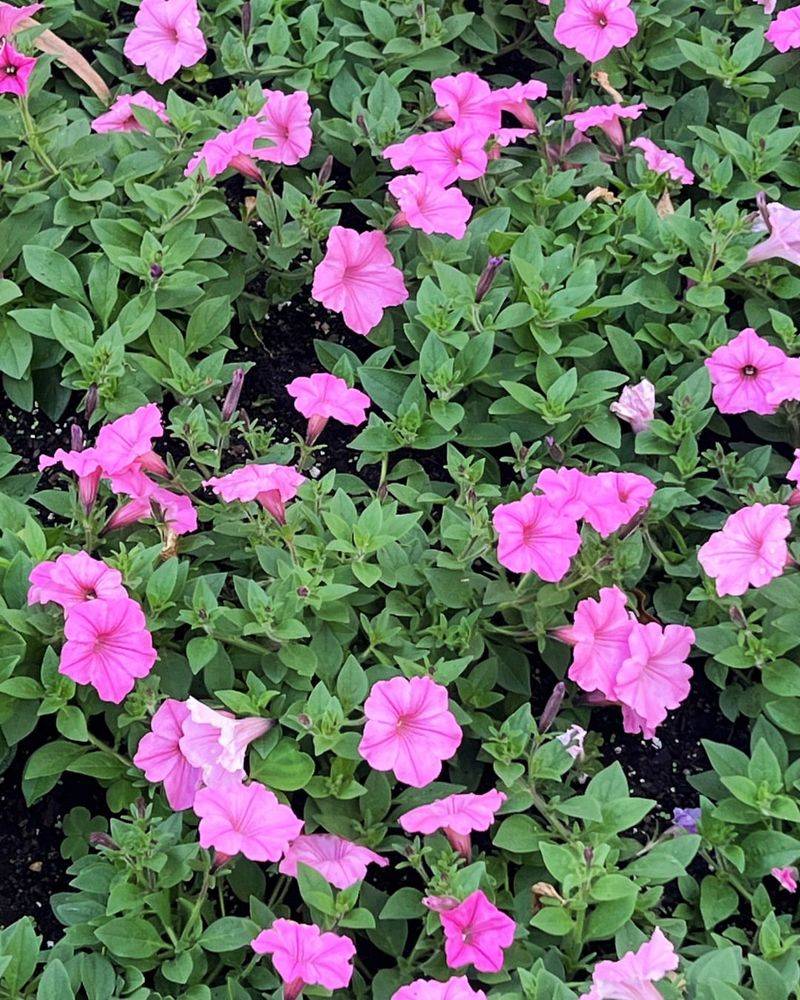
Petunias might seem like a simple, everyday garden flower, but do not let their common appearance fool you. These cheerful annuals are actually one of the best plants you can grow to attract hummingbird hawk-moths in Pennsylvania.
Their trumpet-shaped blooms are perfectly designed for long-tongued pollinators that hover while feeding.
Lighter-colored petunia varieties, such as white, pale pink, and lavender, are especially effective at drawing hawk-moths in the evening. Pale colors reflect moonlight and are easier for moths to spot in low-light conditions.
Planting a mix of these softer shades along borders or in containers near your porch gives moths a reliable feeding spot right outside your door.
Petunias bloom from spring all the way through fall, making them one of the longest-performing plants in any Pennsylvania garden.
They thrive in full sun and need regular watering, but they reward that care with a constant stream of fresh blooms. Pinching back leggy stems every few weeks keeps the plant bushy and full of flowers.
Since petunias are annuals, you will replant them each year, but that also gives you the freedom to try new colors and arrangements every season. They grow beautifully in window boxes, hanging baskets, and raised beds.
Their versatility makes them a go-to choice for gardeners who want both visual impact and real pollinator value. For anyone in Pennsylvania hoping to spot a hummingbird hawk-moth up close, petunias are a must-have addition to the garden.
3. Evening Primrose
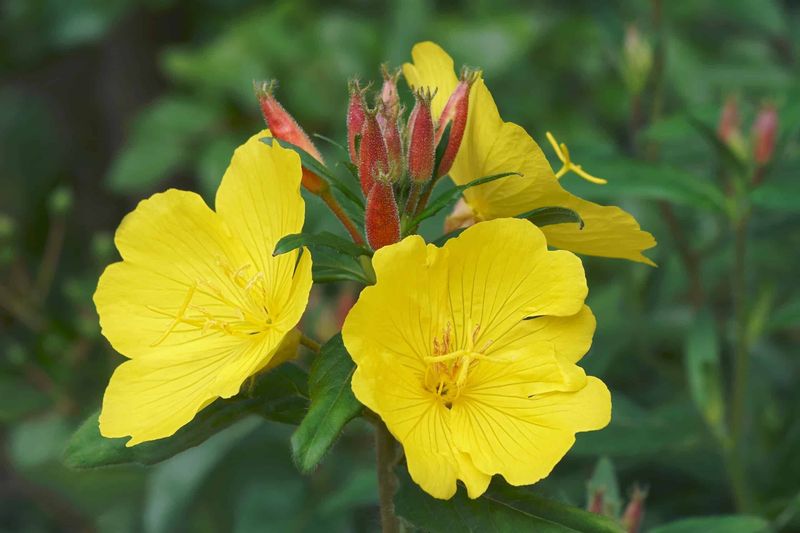
Evening primrose has a superpower that most garden plants do not: it opens its flowers at dusk. Just as the sun sets and the garden grows quiet, this plant springs to life, releasing a sweet fragrance and unfurling soft yellow blooms.
That timing is no accident. It evolved specifically to attract night-active pollinators, and the hummingbird hawk-moth is one of its biggest fans.
As a native plant to Pennsylvania and much of eastern North America, evening primrose is perfectly at home in the state’s varied soils and climates. It grows well in full sun and prefers dry to moderately moist, well-drained soil.
Once established, it is remarkably low-maintenance and often self-seeds, meaning it can come back year after year without replanting.
The plant is technically a biennial, which means it grows leaves in its first year and flowers in its second. Planting it two years in a row ensures you always have blooming plants available.
Letting some plants go to seed at the end of the season keeps the cycle going naturally in your Pennsylvania garden.
Evening primrose also supports other beneficial insects and is considered an important part of native plant ecosystems. Its tall, upright stems and cheerful yellow flowers add a wildflower feel to any garden space.
Place it along the back of a border or near a fence where it can grow freely without crowding shorter plants. Watching a hummingbird hawk-moth feed from it at twilight is a genuinely magical experience.
4. Honeysuckle
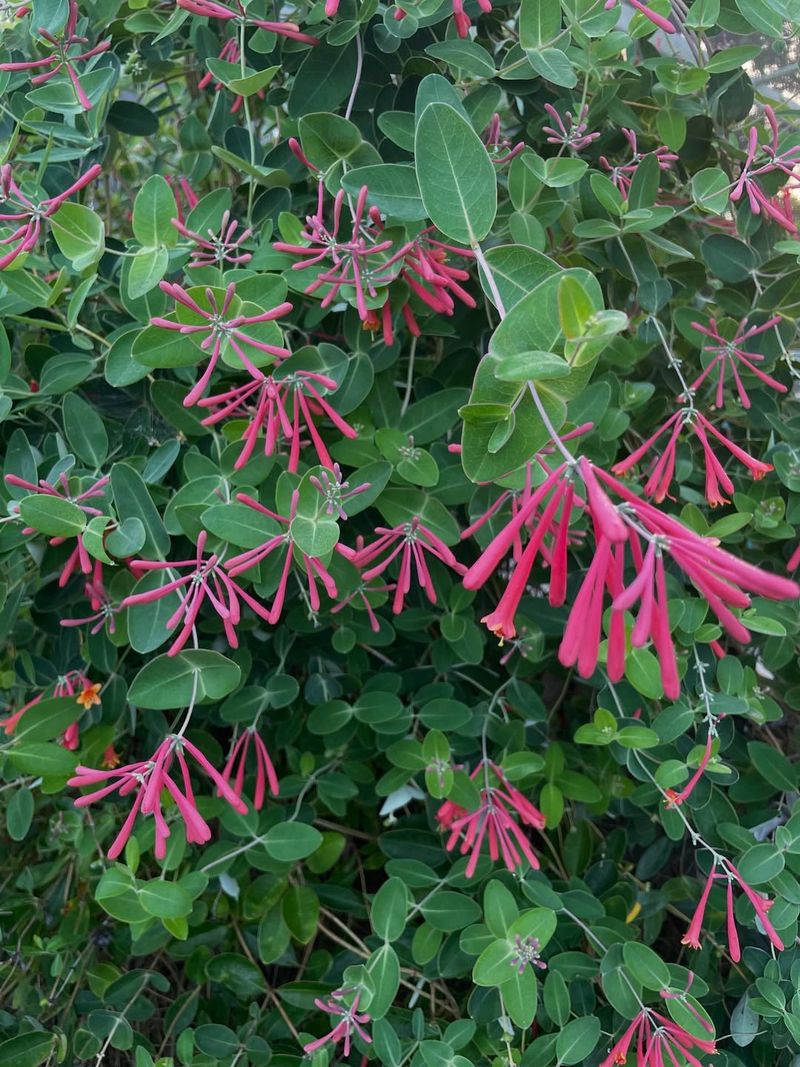
There is something wonderfully nostalgic about honeysuckle. Many people remember pulling the tiny flowers apart as kids to taste a drop of sweetness.
That same nectar that delighted children for generations is exactly what draws hummingbird hawk-moths to this beautiful native vine in Pennsylvania gardens.
Trumpet honeysuckle, or Lonicera sempervirens, is the native species best suited for Pennsylvania. It produces long, slender, tubular flowers in shades of red and orange that bloom from mid-spring all the way through fall.
The extended bloom season makes it one of the most reliable nectar sources you can offer to pollinators throughout the entire growing season.
This vine grows vigorously and looks stunning climbing a trellis, fence, or garden arbor. It prefers full sun to partial shade and does well in a wide range of soil types, which makes it adaptable to different spots around your yard.
Unlike some invasive honeysuckle species, the native trumpet variety is well-behaved and will not take over your garden.
Hummingbird hawk-moths are especially drawn to the long flower tubes of trumpet honeysuckle because their tongues can reach the nectar at the base with ease.
Planting this vine near a seating area gives you a front-row seat to watch these incredible insects hover and feed.
It also attracts real hummingbirds, making it a double win for wildlife lovers in Pennsylvania. Choose a sunny wall or sturdy support structure and let this native beauty climb its way into your garden routine.
5. Phlox
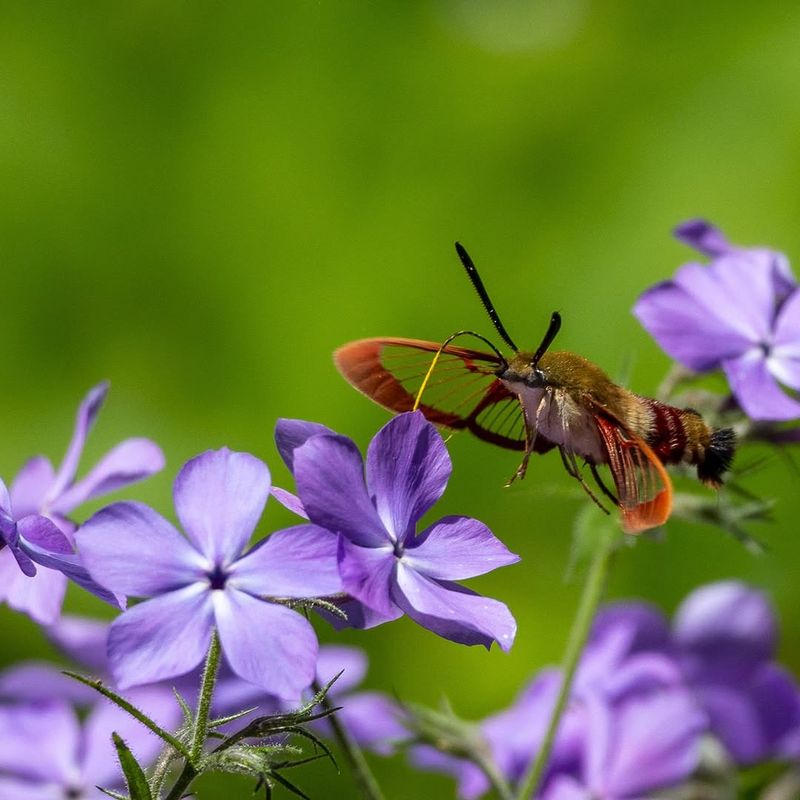
If there is one plant that practically announces itself at dusk, it is garden phlox. The sweet, almost candy-like fragrance it releases in the evening is a direct invitation to night- and dusk-flying pollinators, including the hummingbird hawk-moth.
These moths are highly sensitive to scent and can detect phlox blooms from a surprising distance.
Garden phlox produces large, dome-shaped clusters of tubular flowers in shades of pink, purple, white, and red. It blooms from midsummer into early fall, which is a great window for catching hawk-moth activity in Pennsylvania.
The long bloom period means your garden stays attractive to pollinators well past the peak of summer.
Growing phlox in Pennsylvania is straightforward. It loves full sun and moist, well-drained soil.
Good airflow around the plants helps prevent powdery mildew, which can be a common issue in humid summers. Spacing plants properly and avoiding overhead watering makes a big difference in keeping them healthy.
One fun fact about phlox is that it has been a garden staple in North America for centuries, loved by both gardeners and wildlife alike. Plant it near a patio or walkway so you can enjoy the fragrance on warm summer evenings while watching hawk-moths dart from bloom to bloom.
Pairing phlox with other fragrant plants creates a layered scent garden that is practically irresistible to these remarkable pollinators visiting your Pennsylvania yard.
6. Nicotiana / Flowering Tobacco
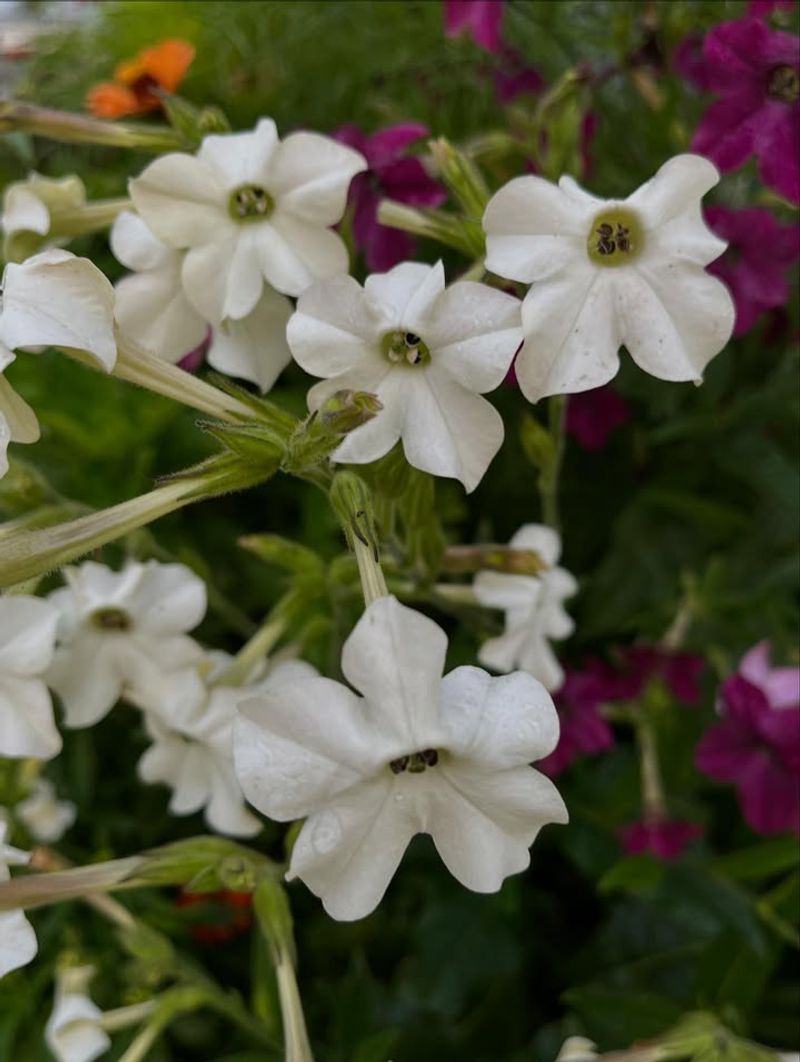
Nicotiana, also called flowering tobacco, is not as widely known as some other garden plants, but it deserves a top spot in any Pennsylvania pollinator garden. What makes it truly special is its evening fragrance.
As temperatures cool after sunset, this plant releases a rich, jasmine-like scent that travels through the air and pulls hawk-moths in from a surprising distance away.
The flowers are long and tubular, which is exactly the shape that hummingbird hawk-moths prefer. They come in shades of white, pale pink, lime green, and red.
White and pale varieties tend to be the most fragrant and the most attractive to moths, since those light colors are easy to spot in dim evening light when hawk-moths are most active.
Nicotiana grows as an annual in Pennsylvania and performs well during the warm growing season. It prefers full sun but can tolerate some afternoon shade, especially during the hottest weeks of summer.
Regular deadheading keeps the plant productive and encourages a steady supply of fresh blooms from early summer through the first frost.
Starting seeds indoors about six to eight weeks before the last frost date in Pennsylvania gives you a head start on the season. Transplant seedlings outdoors once nighttime temperatures stay reliably warm.
Group several plants together for maximum fragrance impact and a more visible target for passing hawk-moths.
Nicotiana also pairs beautifully with evening primrose and phlox, creating a fragrant evening garden that practically glows under a summer moon and invites pollinators from all directions.
7. Butterfly Bush
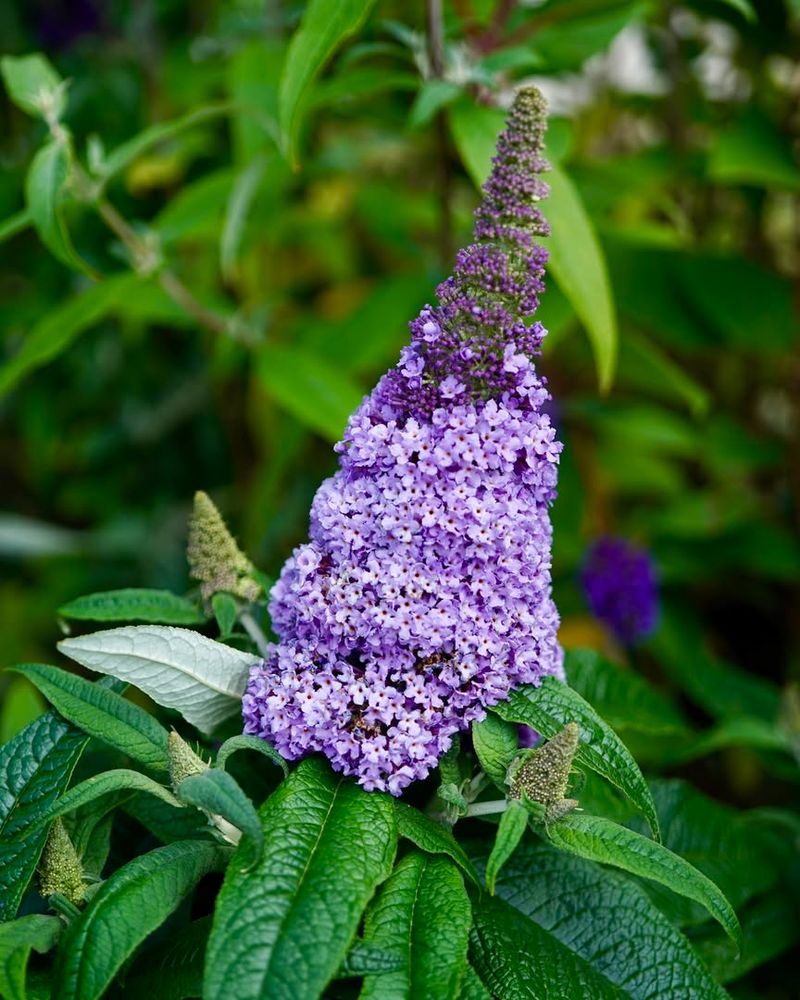
Walk past a butterfly bush on a warm summer afternoon and you will almost certainly see something flying around it.
This fast-growing shrub produces long, cone-shaped flower spikes packed with tiny, nectar-rich blooms that attract a wide range of pollinators, including the hummingbird hawk-moth.
Its bold purple, pink, white, and blue flowers create a striking focal point in any Pennsylvania garden.
Butterfly bush blooms throughout summer and into early fall, giving it one of the longest flowering periods of any shrub you can grow.
That extended season makes it an especially valuable resource for pollinators during late summer, when many other plants have already finished blooming.
Hawk-moths take full advantage of this reliable food source during their active feeding hours.
Growing butterfly bush in Pennsylvania is easy. It thrives in full sun and well-drained soil and is quite tolerant of heat and dry conditions once established.
Pruning it back hard in early spring encourages vigorous new growth and a full flush of blooms each season. Without pruning, the plant can get leggy and produce fewer flowers.
One thing worth knowing is that some varieties of butterfly bush can self-seed aggressively. Choosing a sterile or low-seed cultivar helps prevent unwanted spreading into wild areas.
Many garden centers in Pennsylvania now carry these improved varieties specifically for responsible planting.
Despite the caution, butterfly bush remains a top pick for gardeners who want quick, reliable results and a steady parade of visiting pollinators all season long. It is hard to beat for sheer pollinator traffic and visual impact.