Top Scenic Garden Tours In Hawaii Every Plant Lover Should See

Hawaii’s scenic garden tours feel like stepping into living paintings, and I love how each path shows a different shade of green you don’t see anywhere else.
Every stop has its own gentle rhythm that makes you slow down and notice the little details you’d normally rush past.
One garden always ends up becoming the memory that carries the whole trip long after you’re back home.
1. Na Aina Kai Botanical Gardens & Sculpture Park

Tucked away on Kauai’s North Shore, Na Aina Kai offers over 240 acres of stunning landscapes that blend art and nature in remarkable ways.
Visitors wander through themed gardens featuring everything from bronze sculptures to whimsical children’s play areas designed to spark imagination and curiosity about the natural world.
The property showcases native Hawaiian plants alongside exotic species from tropical regions around the globe, creating a colorful tapestry of blooms and greenery year-round.
Guided tours take guests through hardwood forests, lily-filled lagoons, and even a maze made entirely of hedges that challenges both kids and adults alike.
Located at 4101 Wailapa Road in Kilauea, this garden is a must-see for anyone visiting the Garden Isle of Hawaii.
Reservations are required, so plan ahead to secure your spot on this unforgettable journey through one of Kauai’s most treasured natural attractions.
2. Limahuli Garden and Preserve

Nestled in a dramatic valley on Kauai’s northern coast, Limahuli Garden preserves ancient Hawaiian agricultural traditions while protecting endangered native plant species.
Walking the self-guided trail feels like stepping back in time as you pass terraced taro fields that Hawaiian ancestors cultivated for centuries using sustainable farming methods.
The preserve focuses on conservation, ensuring that rare plants unique to Hawaii continue to thrive in their natural habitat for future generations to appreciate and study.
Stunning mountain views frame every turn of the path, making this garden as much about breathtaking scenery as it is about botanical education and cultural preservation.
You’ll find this gem at 5-8291 Kuhio Highway in Hanalei, where the landscape tells stories of resilience, tradition, and the deep connection between people and land.
Every plant has a purpose here, from medicinal uses to food sources, teaching visitors how Hawaiians lived in harmony with their environment throughout history.
3. Allerton Garden
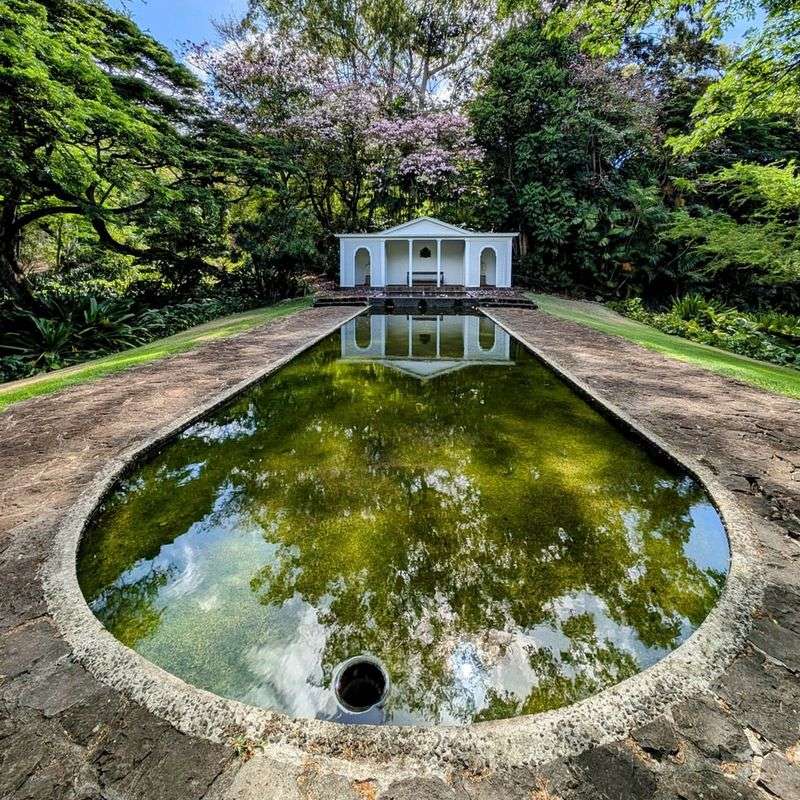
Once the private estate of Queen Emma, Allerton Garden on Kauai’s South Shore combines European design principles with tropical Hawaiian beauty in spectacular fashion.
Robert and John Allerton transformed this property into a masterpiece featuring outdoor rooms created by towering hedges, sculptures, and reflecting pools that mirror the surrounding greenery.
Famous Moreton Bay fig trees with massive root systems create natural archways that have appeared in movies, making this location recognizable to film enthusiasts worldwide.
Guided tours reveal the garden’s fascinating history while showcasing rare palms, colorful heliconias, and flowering trees that bloom in vibrant shades throughout every season.
The address is 4425 Lawai Road in Koloa, where visitors can explore this National Tropical Botanical Garden property on a leisurely walking tour.
Professional guides share stories about the Allertons’ vision and the ongoing conservation work that keeps this garden thriving as a living museum of horticultural excellence.
4. McBryde Garden
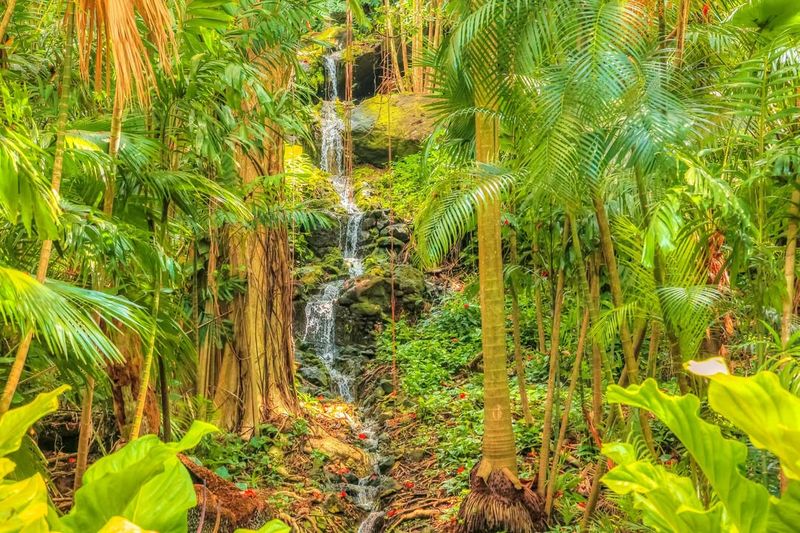
Dedicated to scientific research and conservation, McBryde Garden protects the largest collection of native Hawaiian plants found anywhere in the world today.
Located in Lawai Valley on Kauai, this 252-acre garden serves as a living laboratory where botanists study rare species and develop strategies to save them.
Visitors explore diverse ecosystems ranging from dry coastal plants to wet forest species, learning how Hawaii’s unique geography created such incredible botanical diversity over millions of years.
The garden’s collections include plants from other tropical regions, allowing researchers to compare species and understand how different environments shape plant evolution and adaptation.
You can find McBryde Garden at 4425 Lawai Road in Koloa, sharing the same entrance as Allerton Garden but offering a completely different experience.
Tours focus on conservation stories, highlighting how human actions impact fragile ecosystems and what everyone can do to protect endangered plants in Hawaii and beyond.
5. Ho’omaluhia Botanical Garden
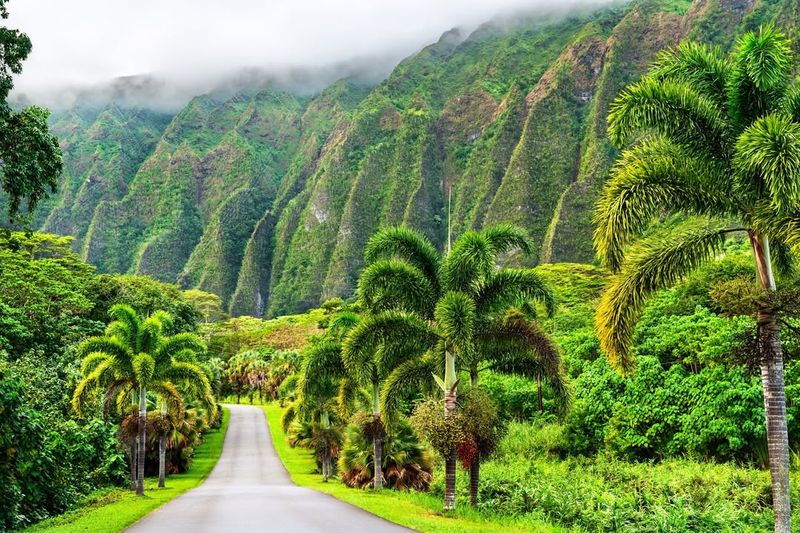
Covering 400 acres on Oahu, Ho’omaluhia Botanical Garden translates to peaceful refuge, and the name perfectly captures the serene atmosphere visitors experience here.
Originally built by the Army Corps of Engineers for flood protection, this garden now showcases plants from tropical regions across Africa, Asia, and the Pacific Islands.
A stunning lake sits at the heart of the property, reflecting the dramatic Ko’olau Mountains that rise behind it, creating picture-perfect views that photographers absolutely love.
Free admission makes this garden accessible to everyone, and the extensive trail system allows visitors to spend hours wandering through different geographical plant collections.
Located at 45-680 Luluku Road in Kaneohe, this Oahu treasure offers camping opportunities for those wanting to immerse themselves in nature for extended periods.
Guided nature walks happen regularly, teaching visitors about plant identification, Hawaiian ethnobotany, and the ecological relationships that make tropical ecosystems so fascinating and complex.
6. Lyon Arboretum

Managed by the University of Hawaii, Lyon Arboretum sits in Manoa Valley on Oahu, where consistent rainfall creates ideal conditions for rainforest plant research.
Nearly 200 inches of rain fall here annually, supporting one of the world’s most diverse collections of tropical plants from wet forest environments around the globe.
Students and scientists conduct important research on plant conservation, ethnobotany, and how climate change affects delicate tropical ecosystems that depend on specific environmental conditions.
Hiking trails wind through the 200-acre property, leading adventurous visitors to hidden waterfalls and lookout points offering sweeping views of Honolulu and the Pacific Ocean.
The arboretum’s address is 3860 Manoa Road in Honolulu, easily accessible from Waikiki yet feeling worlds away from the bustling city and tourist crowds.
Workshops and educational programs teach visitors about sustainable gardening, native Hawaiian plants, and practical ways to create habitat for endangered birds and beneficial insects at home.
7. Koko Crater Botanical Garden
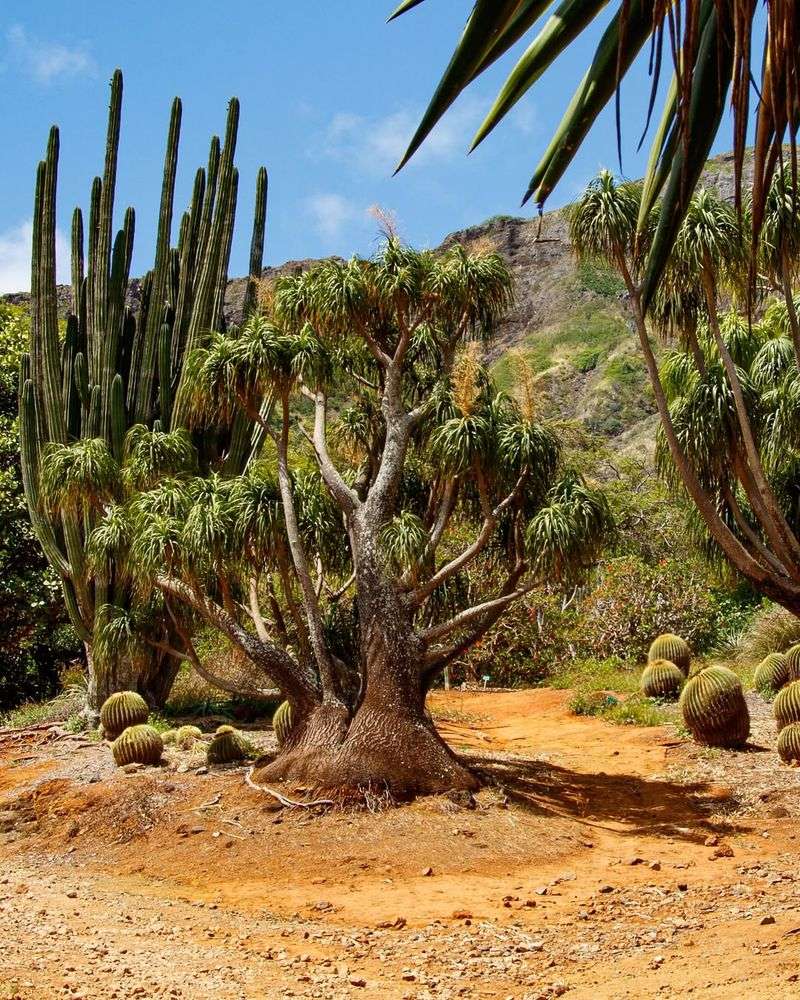
Unlike Hawaii’s typical lush rainforest gardens, Koko Crater Botanical Garden specializes in dryland plants that thrive in hot, dry conditions with minimal water.
Set inside a 60-acre volcanic crater on Oahu’s southeastern coast, this unique garden showcases cacti, succulents, and other plants adapted to arid climates worldwide.
Visitors discover how plants survive extreme conditions by developing special features like thick waxy leaves, water-storing stems, and deep root systems that tap underground moisture.
The garden’s collection includes rare species from Madagascar, Africa, and the Americas, demonstrating how different continents evolved similar plant adaptations to similar environmental challenges.
Located at 7491 Kokonani Street in Honolulu, this garden offers a completely different perspective on tropical islands and their diverse microclimates and growing conditions.
Self-guided tours allow visitors to explore at their own pace, reading interpretive signs that explain each plant’s unique survival strategies and cultural significance to people.
8. Kahanu Garden
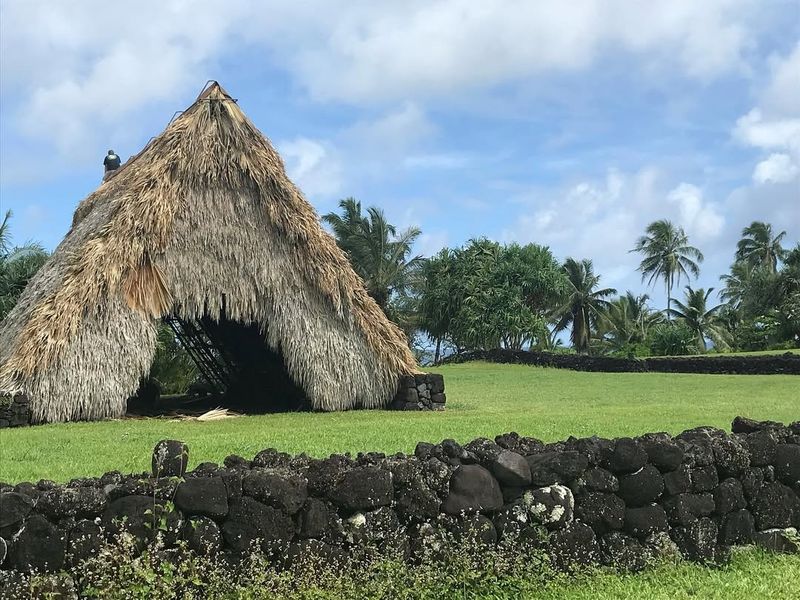
Kahanu Garden on Maui’s remote eastern coast preserves the world’s largest collection of breadfruit varieties, a crop that sustained Pacific Island communities for thousands of years.
Ancient Hawaiians built Pi’ilanihale Heiau here, the largest temple structure in Polynesia, and its massive lava rock walls still stand as testament to their engineering skills.
Walking through this garden connects visitors to Pacific Island cultures and the plants they carried across vast ocean distances in canoes during their incredible voyages.
Coastal plants adapted to salt spray and strong winds thrive here, showing how vegetation changes based on proximity to the ocean and exposure to elements.
The garden sits at 650 Ulaino Road in Hana, making it a perfect stop for travelers exploring Maui’s scenic Road to Hana adventure route.
Tours emphasize ethnobotany, teaching how Pacific Islanders used plants for food, medicine, tools, and building materials, creating sustainable societies that respected natural resource limits.
9. Kula Botanical Garden
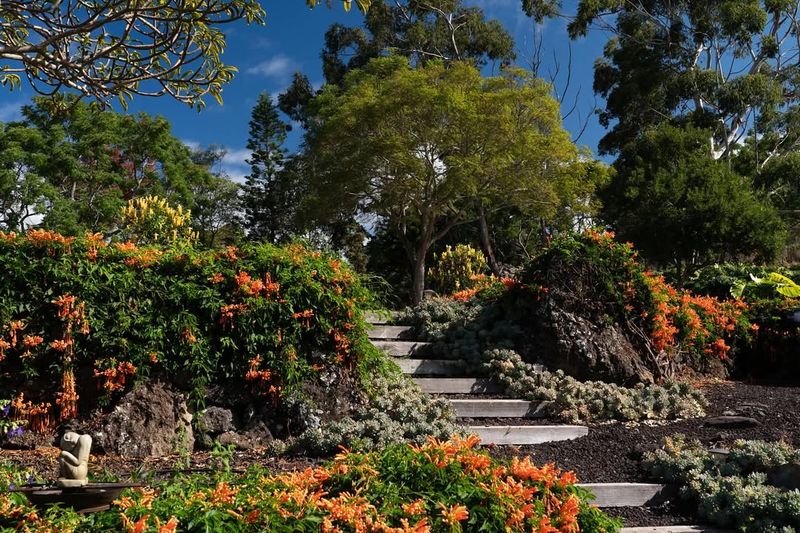
Perched on the slopes of Haleakala volcano, Kula Botanical Garden benefits from Maui’s cooler upcountry climate, allowing plants to grow that wouldn’t survive at sea level.
Colorful proteas from South Africa bloom abundantly here, alongside native Hawaiian plants and exotic species from temperate regions that need cool nights to flourish properly.
Koi ponds add tranquil water features where visitors can relax and watch colorful fish glide beneath lily pads while surrounded by vibrant flowers and greenery.
Native birds often visit the garden, attracted by flowering plants that provide nectar, creating excellent opportunities for birdwatching and photography throughout the year.
You’ll find this peaceful retreat at 638 Kekaulike Avenue in Kula, where the elevation provides stunning views across central Maui to the distant ocean.
The family-owned garden has operated for decades, maintaining a personal touch that larger botanical gardens sometimes lack, making every visit feel warm and welcoming to guests.
10. Amy B.H. Greenwell Ethnobotanical Garden

Focused entirely on plants important to Hawaiian culture, Amy B.H. Greenwell Ethnobotanical Garden on the Big Island recreates traditional agricultural systems used before Western contact.
Visitors learn how ancient Hawaiians organized their land into zones based on elevation, growing different crops in each area to ensure diverse food sources.
Taro, sweet potato, sugarcane, and dozens of other plants fill the gardens, each with labels explaining their traditional uses in food preparation, medicine, and ceremonies.
The garden demonstrates sustainable farming techniques that worked for centuries, offering valuable lessons about living in balance with the land and its natural limitations.
Located at 82-6188 Mamalahoa Highway in Captain Cook, this garden provides an authentic look at Hawaiian agricultural heritage and botanical knowledge passed down through generations.
Educational programs teach traditional crafts like kapa cloth making and lei weaving, connecting visitors to cultural practices that depend on knowing which plants to use.