Top 8 Shade-Loving Plants For Missouri Gardens This Spring

Sun doesn’t reach every corner of a Missouri yard. And that’s not a bad thing.
Shady spots created by towering oaks, backyard fences and wide porches can stay cool and dim for most of the day. That might seem like a challenge, but experienced gardeners know those areas can become some of the most beautiful parts of the landscape.
The secret is choosing plants that actually prefer those calmer, cooler conditions. Many shade-loving plants produce lush foliage, delicate blooms, and rich textures that sun-loving varieties simply can’t match.
Once established, they’re often surprisingly low-maintenance too.
Instead of fighting the shade, these plants help you work with it and create a garden that feels lush and effortless.
1. Hostas Bring Life And Texture To Every Shady Corner

Few plants are as reliable and rewarding in a Missouri shade garden as hostas.
They come in hundreds of varieties, ranging from tiny miniatures to giant plants with leaves the size of dinner plates. No matter the size of your shady spot, there is a hosta variety that will fit perfectly.
Hostas thrive in the cool, shaded areas that Missouri gardens often have plenty of, especially under large trees or along north-facing fences.
They grow best in moist, well-drained soil and do not need a lot of fuss once they are established. Watering them regularly during dry spells in spring and summer keeps them looking their best.
One of the most exciting things about hostas is the variety of leaf colors and textures available.
You can find leaves that are deep forest green, bright chartreuse, soft blue, or beautifully variegated with creamy white edges.
Mixing different hosta varieties together creates a stunning, layered look in any shady bed. Hostas are also known for being tough and long-lived plants. Once planted, they come back every year bigger and more beautiful than before.
Many Missouri gardeners divide their hostas every few years to spread them to new spots in the yard or share with neighbors.
In late summer, hostas send up tall flower stalks topped with delicate lavender or white blooms that attract hummingbirds and bees.
They are truly a powerhouse plant for any Missouri shade garden this spring.
2. Astilbe Lights Up The Shade With Feathery Colorful Blooms
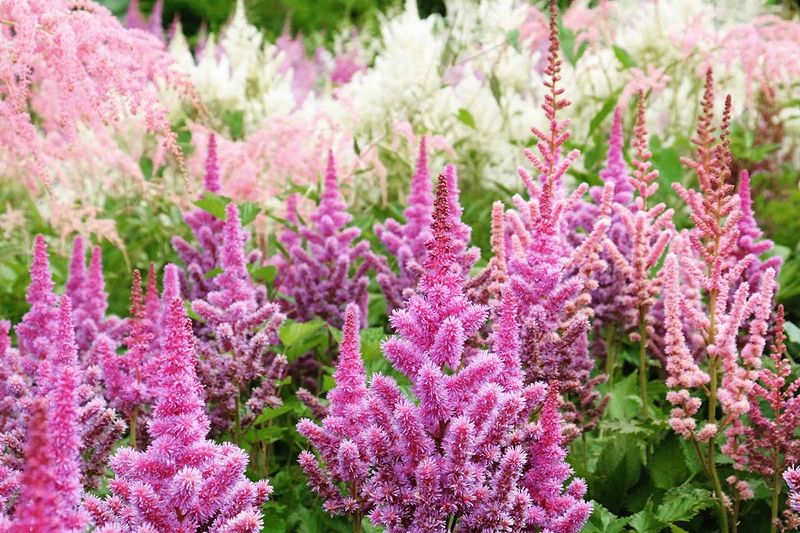
Imagine a plant that looks like it is covered in colorful plumes every spring.
That is exactly what astilbe brings to a Missouri shade garden, adding texture and color to shady spots. Its fluffy, feathery flower spikes appear in shades of pink, red, white, and lavender, brightening corners that otherwise might stay dark and dull.
Astilbe prefers moist, rich, well-drained soil and partial to full shade, making it suited for Missouri gardens with tree cover.
However, unlike some low-maintenance perennials, it requires consistent watering, especially during hot, dry Missouri summers, to prevent stress and ensure reliable blooms.
Planting it near a water feature, along a shaded stream, or in a low-lying area can help it thrive. Mulching helps retain soil moisture and keeps roots cool.
Beyond the flowers, astilbe has attractive fern-like foliage that stays visually appealing through the growing season.
After flowering, the seed heads dry to a rusty bronze, adding texture to the garden into fall.
Many gardeners leave the dried plumes for winter interest, but they can be cut back in late fall or early spring for tidiness.
Astilbe spreads slowly over time, forming neat clumps that improve year by year. Dividing clumps every three to four years keeps the plants vigorous and can provide extra plants for other garden areas.
Pairing astilbe with hostas, ferns, or heucheras creates a lush, layered shade garden with seasonal interest.
With the right soil, shade, and moisture management, astilbe can be a rewarding perennial in Missouri gardens, offering dramatic early-to-mid summer blooms and long-lasting garden structure.
3. Bleeding Heart Adds Romantic Charm To Cool Spring Gardens
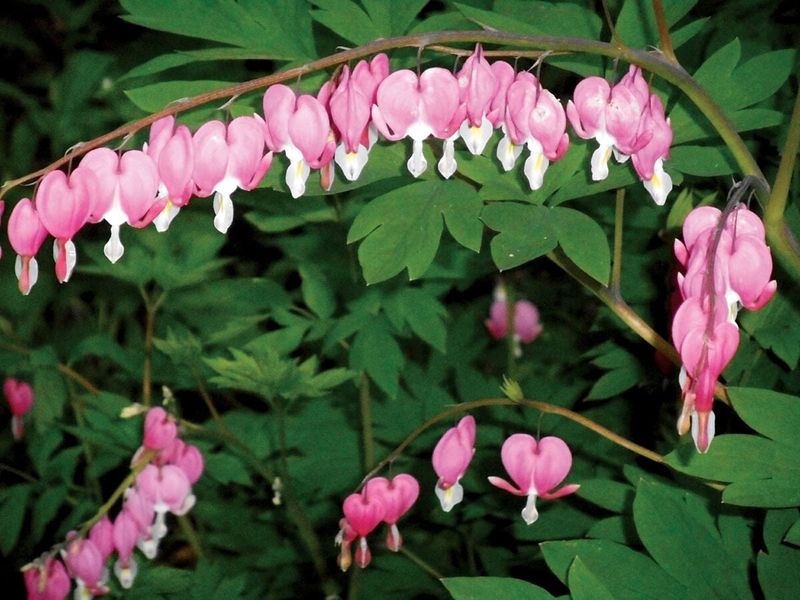
There is something almost magical about the bleeding heart plant. Rows of perfectly heart-shaped flowers dangle from graceful arching stems like tiny pendants on a necklace.
For Missouri gardeners who want a true showstopper in a shady spring bed, bleeding heart is hard to beat.
They prefer cool, moist, shaded spots and are among the first plants to bloom in early spring, often popping up before many other shade plants have even woken up.
That early burst of color is something Missouri gardeners look forward to every year. Bleeding heart comes in classic pink-and-white, pure white, and deep rosy red varieties.
The fern-like foliage is soft and attractive even when the plant is not in bloom.
Some varieties go dormant in summer heat, so planting hostas or ferns nearby helps fill in the gap they leave behind.
Planting bleeding heart in rich, well-drained soil with plenty of organic matter gives it the best start.
A layer of mulch around the base helps keep the roots cool and moist, which is especially helpful during the warmer months in Missouri. Deep watering once or twice a week during dry spring weather keeps it looking lush.
Bleeding heart is also a favorite of hummingbirds and butterflies, adding extra life and movement to your Missouri shade garden this spring.
It is a classic plant that never goes out of style.
4. Coral Bells Offer Stunning Foliage And Subtle Flowers In The Shade
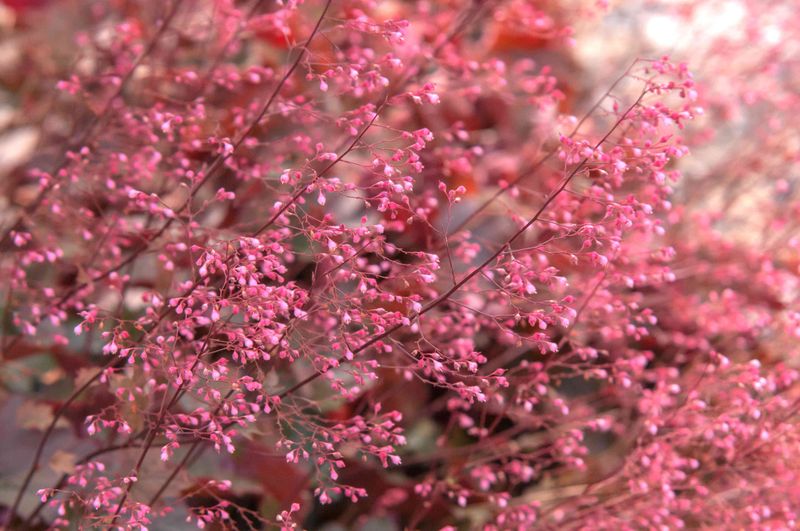
Coral bells might just be the most colorful foliage plant you can grow in a Missouri shade garden.
Unlike most shade plants that lean toward green, heuchera comes in a jaw-dropping range of leaf colors including deep burgundy, bright lime, burnt orange, silver, and even near-black.
Planting a mix of colors together creates a living mosaic that looks incredible from spring through fall.
What makes coral bells especially exciting is that the foliage is the main attraction, not just the flowers.
The tiny bell-shaped blooms that rise on slender stalks in late spring are a bonus, attracting hummingbirds and butterflies to your Missouri yard. But even without the flowers, the colorful leaves make a bold statement in any shaded bed.
Coral bells are tough and adaptable, handling everything from partial shade to nearly full shade in Missouri gardens.
They prefer well-drained soil and do not like to sit in soggy ground, so planting on a slight slope or in raised beds works well. Amending heavy Missouri clay soil with compost before planting makes a big difference in how well they establish.
These plants stay relatively compact, making them perfect for edging along pathways, borders, or the front of a shaded flower bed.
Their year-round presence makes them worth every penny. Coral bells are low-maintenance, long-lasting, and endlessly colorful.
For Missouri shade gardens, they are truly one of spring’s most exciting planting choices.
5. Japanese Forest Grass Creates Graceful Movement In Shaded Beds

Not many grasses can handle shade, but Japanese forest grass is a glorious exception.
With its soft, arching blades that cascade like a waterfall, it brings movement and elegance to Missouri shade gardens that few other plants can match.
The golden-yellow and green variegated varieties practically glow, even in the dimmest corners of the yard. Native to the forest floors of Japan, Japanese forest grass is naturally adapted to life in the shade.
In Missouri, it does best under deciduous trees, along shaded pathways, or tucked into corners where the sun barely reaches.
It prefers moist, humus-rich, well-drained soil, and benefits from a layer of mulch to retain moisture and keep roots cool, especially during hot, dry Missouri summers. With proper care, it develops a full, lush appearance by mid-spring.
One of the best features of Japanese forest grass is how it changes with the seasons. In spring, new growth emerges bright and fresh, almost luminous in soft light.
By fall, the blades take on warm amber and russet tones, complementing the changing leaves beautifully.
This grass pairs wonderfully with hostas, ferns, and coral bells, creating layered, textural shade plantings. The soft, flowing texture of the grass contrasts nicely with the broad, bold leaves of hostas, giving the garden a carefully designed look.
Even a single clump planted in a shaded container or porch pot makes a striking statement.
Growth is slow and steady, but clumps expand over the years.
For Missouri gardeners seeking something unexpected and elegant in their shade gardens, Japanese forest grass is an excellent choice, offering year-round interest with minimal fuss when kept properly watered and mulched.
6. Ferns Provide Timeless Greenery That Softens Any Shady Spot
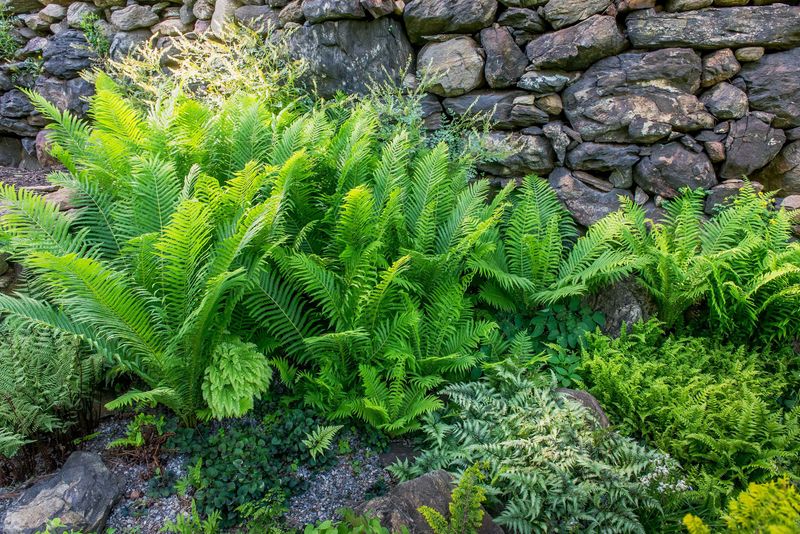
Ferns have been thriving in Missouri’s shaded woodlands long before anyone started planting formal gardens.
They are ancient, resilient, and undeniably beautiful, with their delicate, arching fronds creating a soft, woodland feel that is hard to replicate with any other plant.
For Missouri gardeners who love a natural, lush look, ferns are an absolute must-have this spring.
Several fern varieties do exceptionally well in Missouri gardens, including the native ostrich fern, cinnamon fern, and Christmas fern. The Christmas fern is especially popular because it stays green through Missouri winters, providing color and texture when the rest of the garden is bare.
Ostrich ferns grow tall and dramatic, sometimes reaching five feet, making them perfect for filling large shaded areas quickly.
Ferns prefer moist, rich, slightly acidic soil, which is similar to the forest floor conditions they naturally grow in. Adding leaf mold or compost to the planting area mimics their natural habitat and helps them establish faster.
Once settled in, most ferns are surprisingly low-maintenance and very forgiving in Missouri’s variable spring weather.
Mixing ferns with flowering shade plants like bleeding heart or astilbe creates a beautiful contrast between soft texture and bold blooms. The ferns serve as a living backdrop that makes the flowers pop even more against their feathery green fronds.
That combination is a classic of Missouri woodland garden design.
Ferns also spread gradually over time, slowly filling in bare spots under trees and along shaded slopes.
For a natural, effortless look in your Missouri shade garden, you simply cannot go wrong with ferns this spring.
7. Lungwort Brings Early Spring Color And Striking Leaves To The Garden

Lungwort might have an unusual name, but this early-blooming shade plant earns a special place in Missouri gardens every spring.
It is one of the very first perennials to flower after winter, often blooming in late March through April, depending on the weather. That early burst of pink, blue, and purple tubular flowers is a welcome sight for Missouri gardeners eager for spring color.
What sets lungwort apart from other shade plants is its striking foliage. The leaves are spotted or streaked with silver, giving the plant a unique, almost otherworldly appearance that stands out beautifully in a shaded bed.
Even after the flowers fade, those silvery leaves continue to brighten dark corners of Missouri gardens throughout the growing season.
Lungwort grows best in cool, moist, shaded conditions, making it ideal for spots under trees or along the north side of buildings. It prefers rich, well-drained soil and benefits from a layer of mulch to keep the roots cool and retain moisture.
During hot, dry Missouri summers, occasional deep watering helps prevent the leaves from wilting.
Pollinators, especially early-emerging bumblebees, are attracted to lungwort’s flowers, providing an important food source in early spring. Planting a patch near the front of a shaded border ensures both gardeners and pollinators enjoy it fully.
Although lungwort is a relatively small plant, it has a big personality. It spreads slowly over time, gradually filling in shaded areas with colorful, textured foliage.
For Missouri gardeners seeking early spring color and year-round interest, this quirky little perennial delivers in a big way.
8. Foamflower Spreads Beautiful Groundcover In Deep Shaded Areas
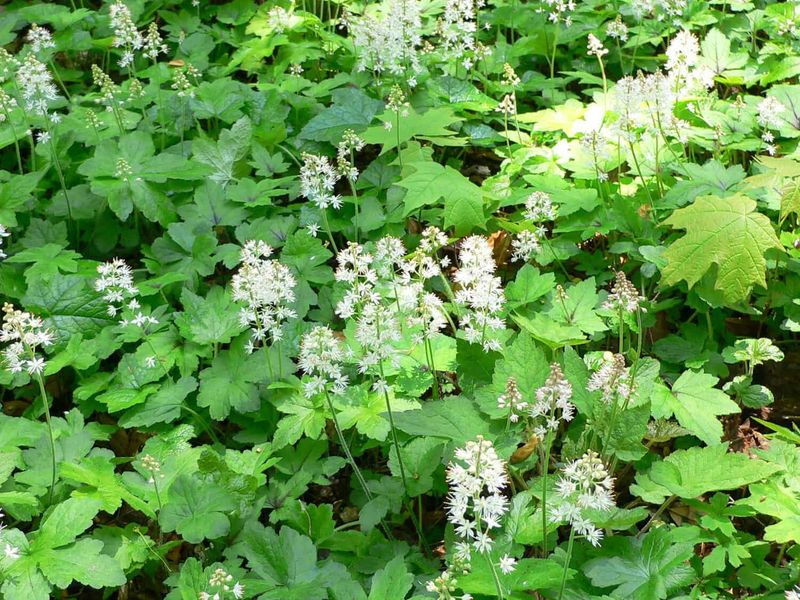
Foamflower is one of Missouri’s best-kept gardening secrets, and spring is the perfect time to discover it.
Native to North American woodlands, tiarella is perfectly adapted to the shaded, humid conditions that Missouri gardens can offer under tree canopies and along wooded borders.
When it blooms in spring, it produces frothy spikes of tiny white or pale pink flowers that look like they are floating above the foliage, which is exactly how it earned its charming name.
Beyond the flowers, foamflower has some of the most attractive ground-level foliage of any shade plant available to Missouri gardeners.
The heart-shaped leaves are often marked with deep burgundy or bronze patterns along the veins, creating a mosaic effect that looks stunning even when the plant is not in bloom.
That decorative foliage keeps the garden looking interesting from early spring all the way through fall.
It is an excellent ground cover for areas in Missouri where grass refuses to grow because of heavy shade. Once established, it forms a dense, weed-suppressing mat that keeps the garden looking tidy with very little effort.
Planting foamflower in moist, humus-rich soil gives it the best start in a Missouri shade garden. It pairs beautifully with ferns, hostas, and bleeding heart for a layered woodland look that feels lush and intentional.
Adding mulch around new plants helps retain moisture during Missouri’s sometimes unpredictable spring weather. Foamflower is also a magnet for early spring pollinators, adding life and movement to shaded Missouri garden spaces.
For anyone looking to create a low-maintenance, native-friendly shade garden in Missouri this spring, foamflower is a perfect starting point.