Top 7 Vegetables North Carolina Homeowners Can Start Indoors Right Now
Seed trays bring hope to the kitchen counter. Fresh starts happen indoors before the soil outside even warms up. Starting vegetables early gives you a head start and saves money at the garden center.
Strong seedlings grow into stronger harvests. Busy homeowners across California already use indoor starts to beat the season and stretch their growing window. The same smart move works in North Carolina where spring weather loves to play games.
Cool mornings slow outdoor planting but indoor setups stay steady and predictable. A sunny window, basic lights, and the right crops can change your entire season. Small seeds turn into steady meals.
Early planning leads to fewer gaps in the garden. Good timing keeps beds full and productive.
Want to know which vegetables are easiest to start indoors right now and which ones deliver the biggest payoff for North Carolina homeowners? Keep reading because your best harvest may start on your windowsill.
1. Tomatoes (Solanum Lycopersicum)
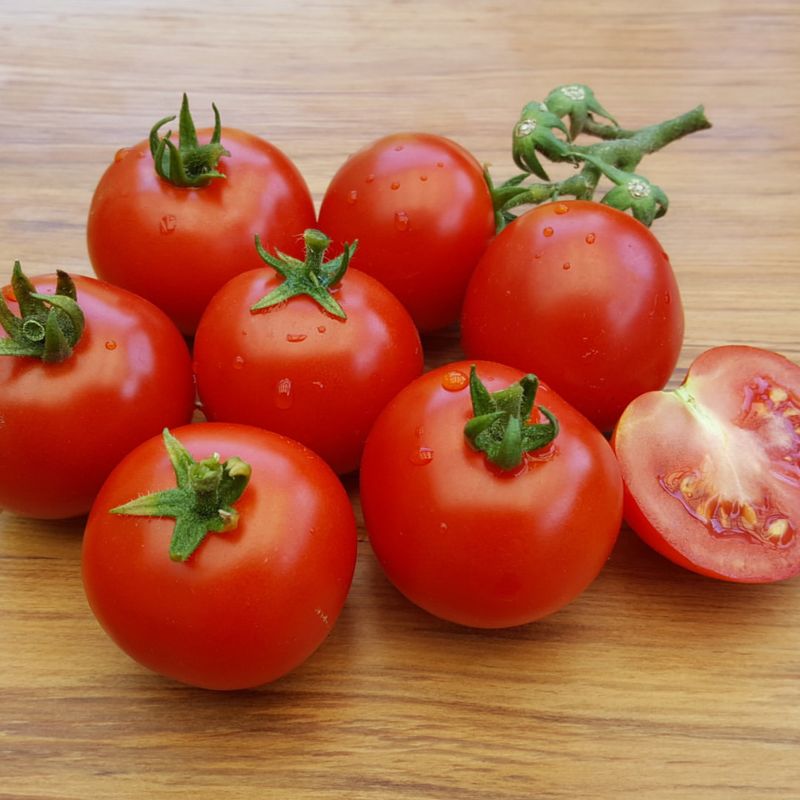
Nothing beats the taste of a homegrown tomato fresh from your garden. Starting seeds indoors around February gives your tomato plants six to eight weeks of protected growth.
This timing aligns perfectly with North Carolina’s last frost dates in late March or early April.
Your seedlings need warmth and plenty of light to thrive. Place them near a south-facing window or use grow lights for best results. Keep the soil consistently moist but never waterlogged, as tomatoes appreciate regular watering schedules.
Temperature matters more than most gardeners realize. Seeds germinate best between 70 and 80 degrees Fahrenheit, so consider using a heating mat. Once sprouts appear, they can handle slightly cooler temperatures around 65 degrees.
Transplanting becomes possible when seedlings develop their second set of true leaves. Harden them off gradually by exposing them to outdoor conditions for increasing periods. This process usually takes about a week before permanent garden placement.
Choose varieties suited to North Carolina’s climate for maximum success. Cherokee Purple, Better Boy, and Celebrity all perform exceptionally well in our region. Your patience now will reward you with juicy, flavorful tomatoes all summer long.
2. Bell Peppers (Capsicum Annuum)
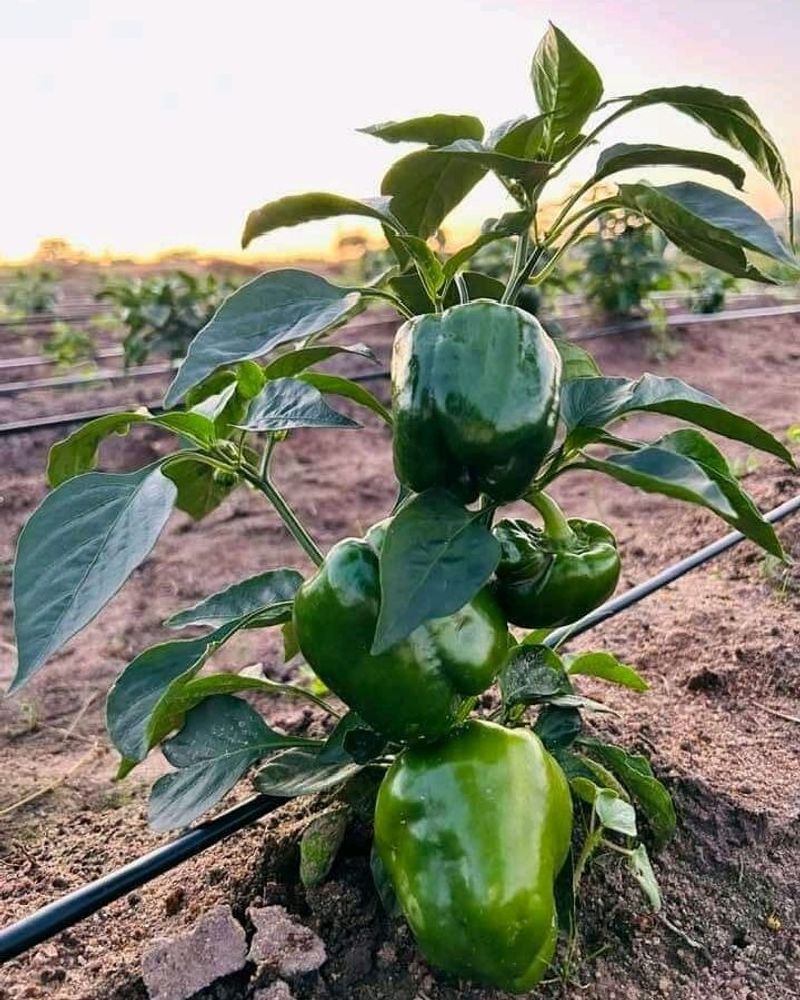
Bell peppers demand patience but deliver incredible rewards for dedicated gardeners. These warm-season vegetables need an early start because they take longer to mature than many crops.
February indoor sowing gives them the extended growing season they absolutely require. Germination can be tricky with peppers since they need consistent warmth.
Soil temperatures between 75 and 85 degrees work best for sprouting seeds. A heating mat underneath your seed trays makes a tremendous difference in success rates.
Light requirements are substantial once those first leaves emerge. Seedlings stretch and become weak without adequate illumination, so position them under grow lights. Keep lights about three inches above the plants and adjust as they grow taller.
Fertilizing begins once true leaves develop, using a diluted liquid fertilizer. Apply nutrients every two weeks to encourage strong, healthy growth before transplanting. Avoid overfeeding, which can cause more harm than good to tender seedlings.
Transplant timing depends on soil temperature reaching at least 65 degrees consistently. North Carolina gardeners typically move peppers outdoors in mid to late April.
Your early start means you’ll be harvesting crisp, sweet peppers while neighbors are just planting theirs.
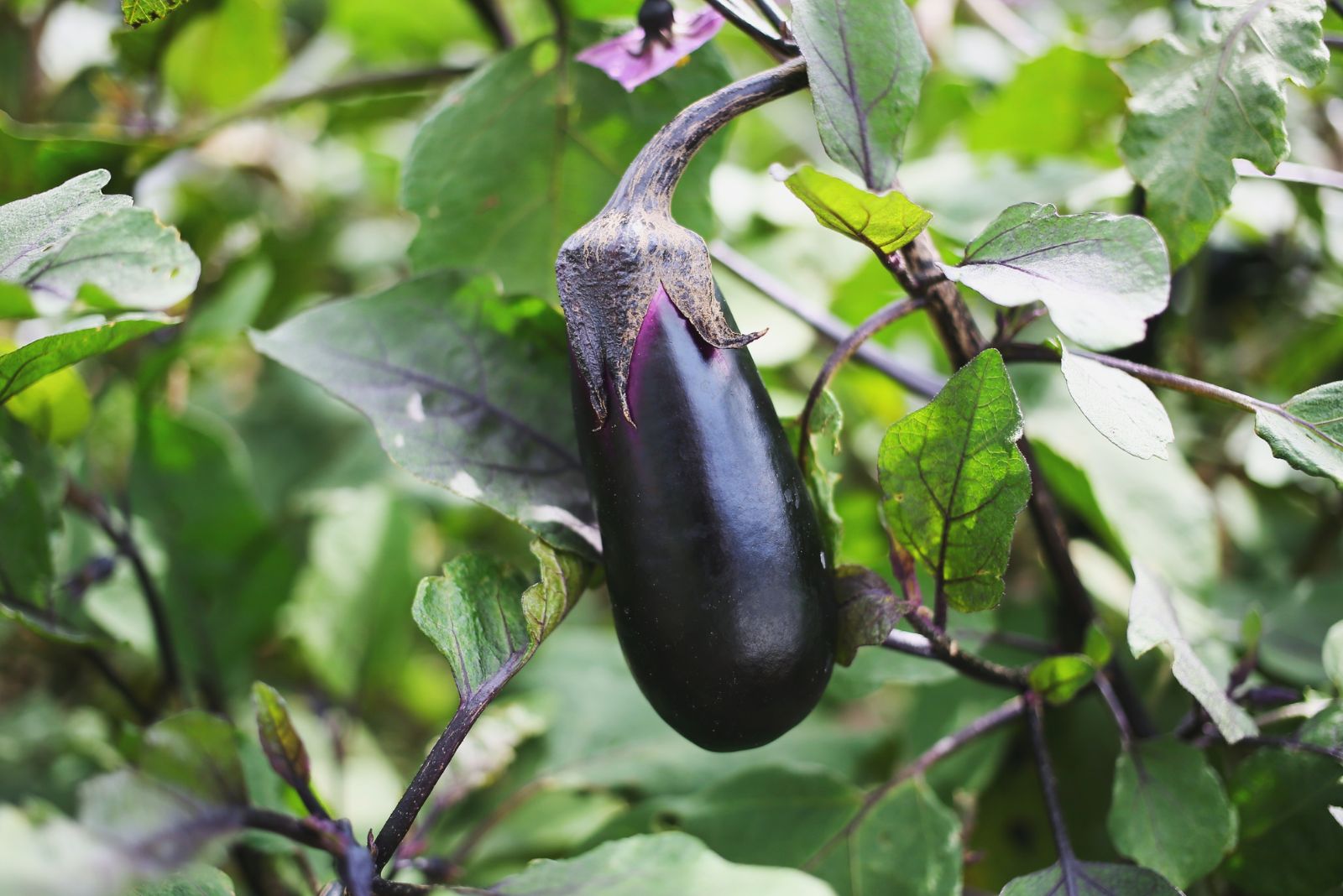
3. Eggplants (Solanum Melongena)
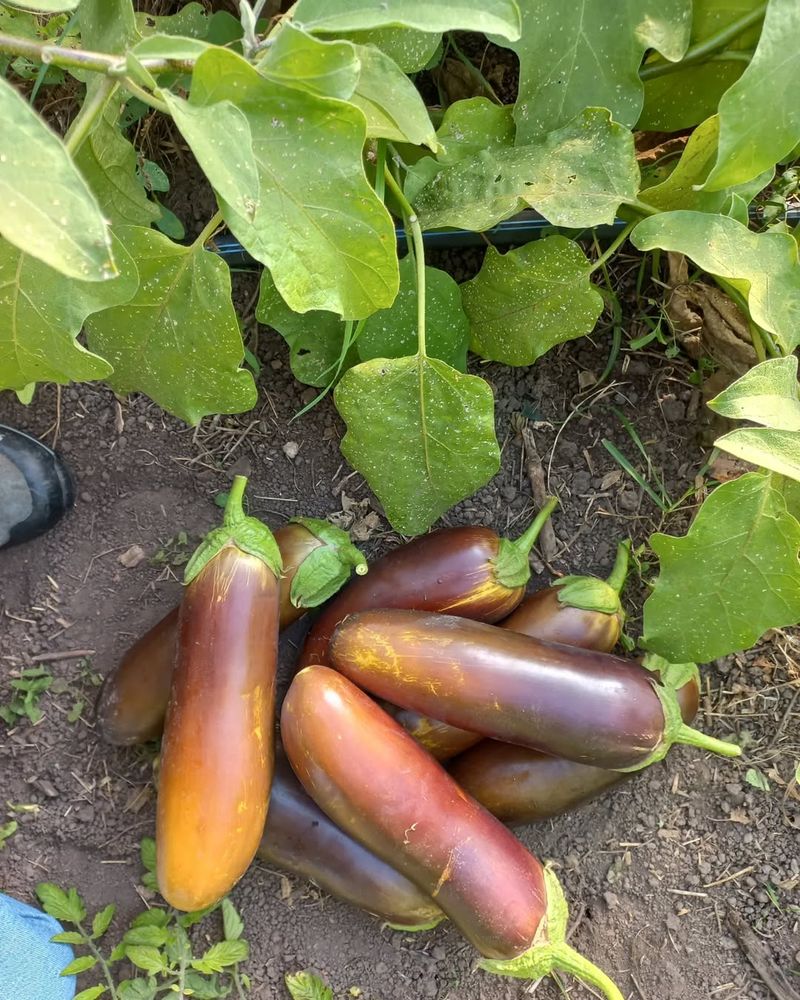
Eggplants bring Mediterranean flavors to North Carolina gardens with proper planning. Starting seeds indoors during February addresses their notoriously slow maturation process.
These heat-loving plants need every advantage to produce their glossy, purple fruits successfully.
Warmth is absolutely essential for eggplant seed germination. Temperatures below 70 degrees result in poor sprouting rates or complete failure. Invest in a quality heating mat to maintain consistent soil warmth around 80 degrees.
Seedlings grow relatively slowly compared to tomatoes or peppers initially. Don’t worry if progress seems sluggish during the first few weeks. This gradual development is completely normal and produces stronger plants eventually.
Humidity levels matter more than many beginning gardeners expect. Eggplants appreciate moisture in the air, so consider placing trays on pebble-filled saucers. This simple technique creates a more favorable microclimate around your seedlings.
Transplanting should wait until nighttime temperatures stay consistently above 55 degrees.
Eggplants are extremely sensitive to cold and will suffer setbacks from chilly conditions. Plan on moving them outdoors in late April or early May for best results in most North Carolina locations.
4. Broccoli (Brassica Oleracea Var. Italica)
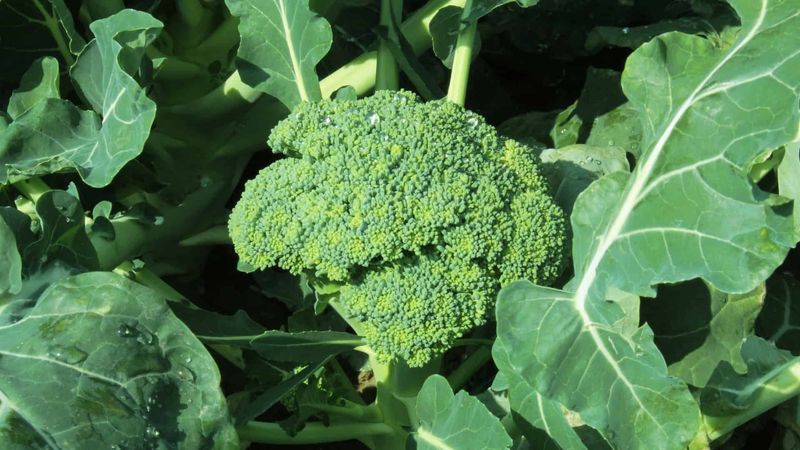
Broccoli thrives in cooler temperatures, making it perfect for early spring gardens. February indoor starting positions your seedlings for March or April transplanting.
This timing allows plants to mature before North Carolina’s summer heat arrives and causes bolting.
Cool-season crops like broccoli actually prefer lower temperatures than tomatoes or peppers. Room temperature around 65 to 70 degrees works perfectly for germination. Seeds typically sprout within five to ten days under these conditions.
Seedlings develop quickly once they emerge from the soil. You’ll notice rapid growth compared to heat-loving vegetables, with sturdy stems forming fast. This vigorous development means you won’t wait long before transplanting becomes possible.
Spacing matters when starting multiple broccoli seeds in the same container. Thin seedlings to the strongest one per cell once true leaves appear. Crowded plants compete for resources and develop poorly, reducing your eventual harvest.
Hardening off is crucial before moving broccoli seedlings to the garden. Expose them gradually to outdoor conditions over seven to ten days. North Carolina’s variable spring weather can shock unprepared plants, so take this step seriously for healthy transplants.
5. Cabbage (Brassica Oleracea Var. Capitata)
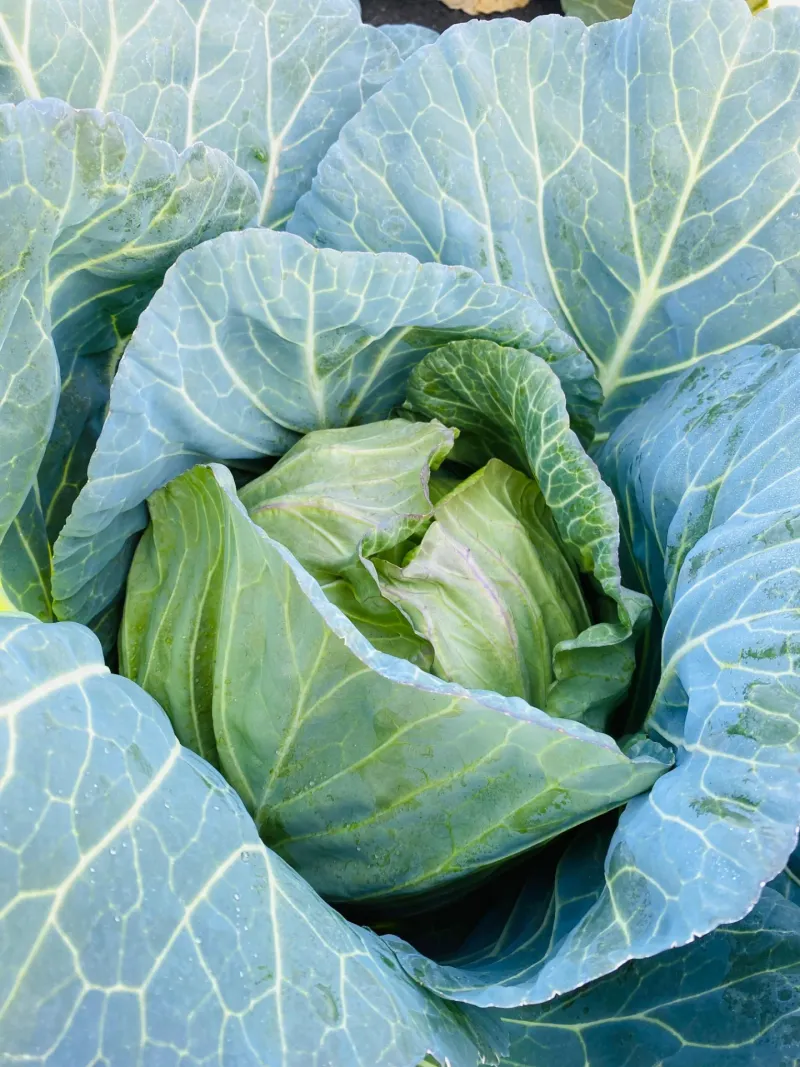
Cabbage has fed families for generations with its reliable, nutritious heads. Starting seeds indoors in February ensures robust seedlings ready for early spring planting. This approach gives plants time to develop strong root systems before facing garden conditions.
Germination happens relatively quickly with cabbage, usually within a week. Keep soil evenly moist and maintain temperatures around 70 degrees for best results.
Once sprouted, seedlings can tolerate cooler conditions quite well compared to warm-season crops.
True leaves should number four to six before transplanting becomes advisable. These leaves look different from the initial rounded cotyledons that first appear. Counting true leaves helps you gauge when seedlings are genuinely ready for outdoor life.
Fertilization needs are moderate during the seedling stage. Apply diluted liquid fertilizer every two weeks after true leaves develop. Cabbage appreciates consistent nutrition but doesn’t require heavy feeding at this young stage.
North Carolina gardeners can typically transplant cabbage seedlings in late March or early April.
These hardy plants tolerate light frosts without damage, making them forgiving for beginning gardeners. Your February start means fresh coleslaw and sauerkraut by late spring or early summer.
6. Kale (Brassica Oleracea Var. Sabellica)
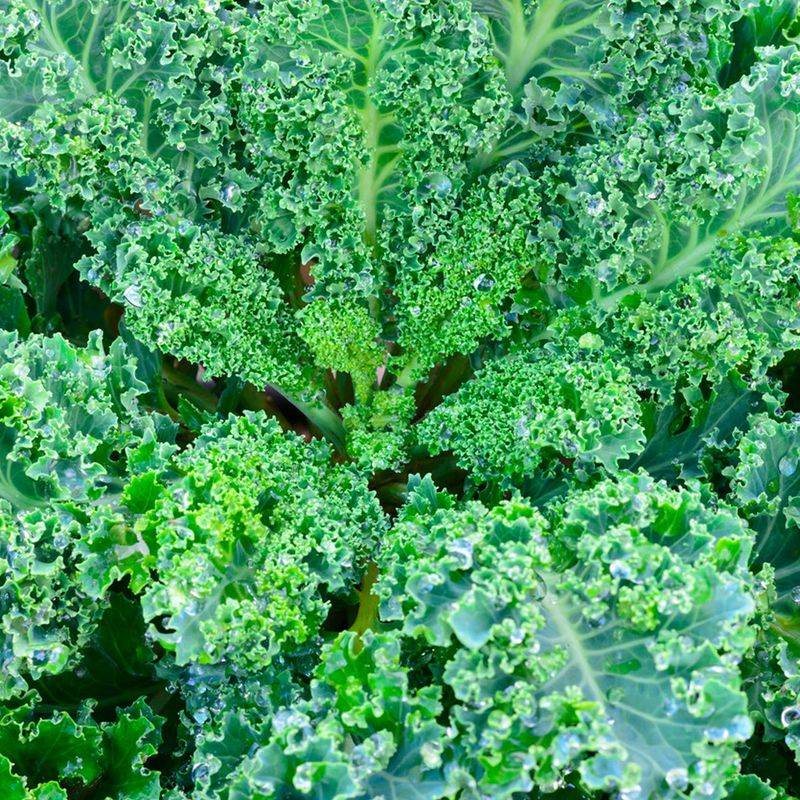
Kale has earned its reputation as a nutritional powerhouse in recent years. This cold-tolerant leafy green actually tastes better after experiencing light frosts.
Starting seeds indoors during February allows for early spring transplanting and extended harvest periods.
Seeds germinate readily at moderate temperatures around 65 to 75 degrees. You’ll see sprouts emerging within five to eight days under proper conditions. Kale seedlings develop quickly once established, showing vigorous growth from the start.
Lighting requirements are substantial for producing compact, healthy kale seedlings. Insufficient light causes leggy growth and weak stems that struggle after transplanting. Position plants under grow lights or in your brightest window for optimal development.
Watering needs remain consistent throughout the seedling stage. Keep soil moist but never soggy, as waterlogged conditions encourage damping off. This fungal problem can devastate an entire tray of seedlings overnight if conditions favor its development.
Transplanting can happen earlier than with warm-season crops. Kale tolerates temperatures down to the mid-20s once established in the garden.
North Carolina homeowners often move kale seedlings outdoors in mid-March, enjoying fresh harvests well into summer if plants receive afternoon shade.
7. Lettuce (Lactuca Sativa)
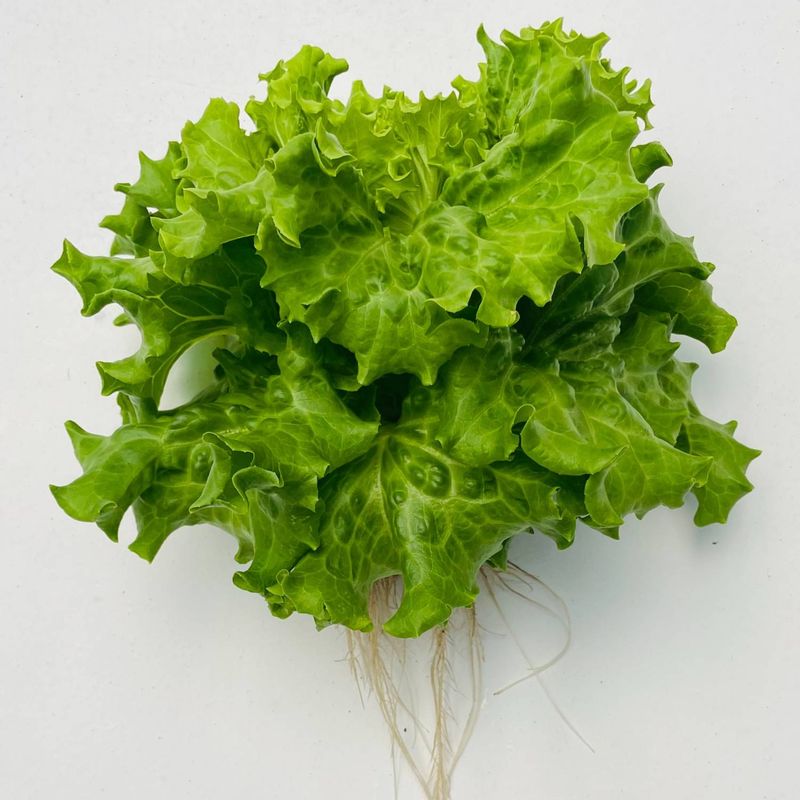
Fresh salads start with lettuce seeds planted at just the right time. This fast-growing crop rewards gardeners with quick results and continuous harvests. February indoor starting gives you a jump on spring while avoiding potential frost damage to tender seedlings.
Germination occurs rapidly with lettuce, often within just three to seven days. Seeds need light to sprout, so barely cover them with soil. Room temperature works fine, though slightly cooler conditions around 60 to 65 degrees are actually ideal.
Growth happens so quickly that you’ll be amazed at the progress. Seedlings can be ready for transplanting in as little as three to four weeks. This speedy development means you can start successive plantings for continuous harvests throughout spring.
Lettuce appreciates cooler growing conditions compared to most vegetables. Keep seedlings in a location that doesn’t get too warm during the day. Excessive heat causes lettuce to bolt prematurely, ruining your harvest before it really begins.
Transplanting timing in North Carolina typically falls in late March or early April. Lettuce handles light frosts well, so don’t worry about occasional cold snaps. Your February indoor start means crisp, homegrown salads while grocery store prices remain high.