9 Top Vegetables That Thrive In Small Space Gardens
Small gardens have always pushed me to get creative, and over time I discovered that limited space does not mean limited harvests.
With the right vegetables, even a tiny patch of soil or a few containers on a balcony can produce food that tastes like it came straight from a full sized homestead.
I learned quickly that some vegetables rise to the challenge better than others.
They grow upward instead of outward, settle into tight corners, and make every inch count.
Watching them flourish in spots I once thought too cramped feels like pulling off a small magic trick.
These space smart vegetables reward care with steady growth and surprising yields.
They slip into raised beds, window boxes, or tucked away corners and still manage to deliver crisp greens, tender pods, and vibrant colors.
Each harvest feels like proof that good planning beats square footage any day.
Growing food in a small garden teaches me to appreciate every leaf and every little burst of flavor.
It turns planting into a game of strategy that pays off in fresh meals and a deeper connection to the garden.
With the right vegetables on your side, even the tiniest space can become a powerhouse of growth.
1. Cherry Tomatoes
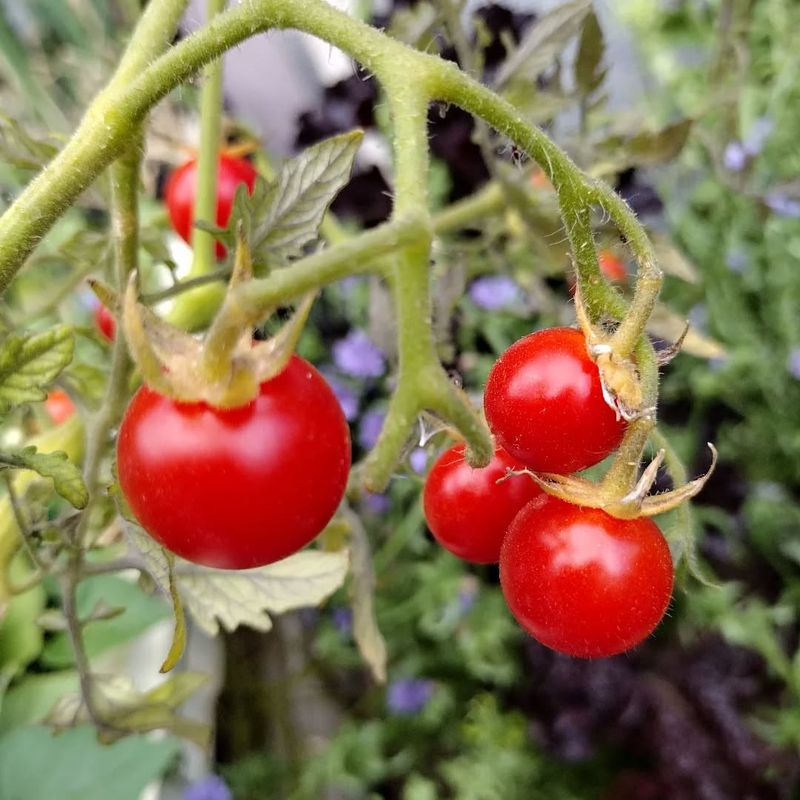
Ever notice how cherry tomatoes taste about a hundred times better when you pick them straight from the plant?
These little gems are absolutely perfect for container gardening.
They don’t need tons of ground space and will happily grow in a pot that’s at least 12 inches deep.
The best part is watching them produce fruit all season long.
You can grow them vertically using a cage or stake, which saves even more room.
Just make sure they get plenty of sunlight, around six to eight hours daily.
Cherry tomatoes are also pretty forgiving if you’re new to gardening.
They bounce back from minor mistakes and keep producing.
Plus, kids absolutely love harvesting these bite-sized treats, making them a fun family project.
Try varieties like Sweet 100 or Tiny Tim for containers.
They’re compact and incredibly productive.
Water them regularly but don’t overdo it, as soggy soil can cause problems.
Before you know it, you’ll have fresh tomatoes for salads, snacking, or roasting.
Growing your own means no more bland grocery store versions.
Your taste buds will definitely thank you for this one.
2. Lettuce

Lettuce grows so fast that you’ll be amazed at how quickly you can harvest your first salad.
This leafy green is ridiculously easy to grow in small spaces.
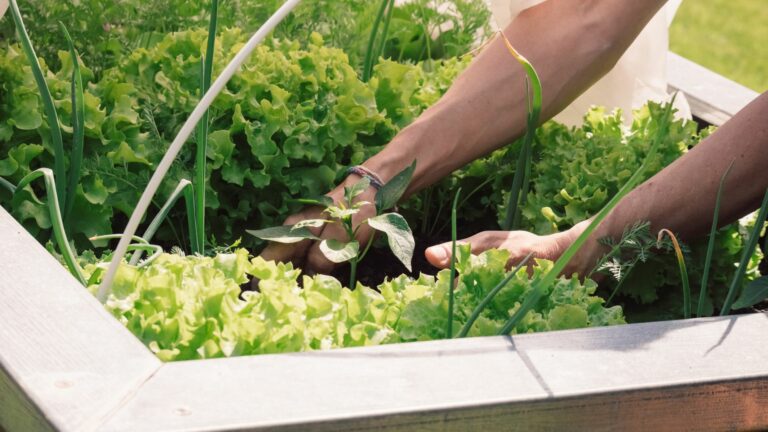
You can tuck it into shallow containers, window boxes, or even hanging baskets.
One really cool thing about lettuce is that you can practice cut-and-come-again harvesting.
Just snip off the outer leaves when they’re big enough, and the plant keeps producing.
It’s like having a renewable salad bar right on your balcony.
Lettuce prefers cooler weather, so it’s ideal for spring and fall gardening.
During hot summer months, it might bolt and turn bitter.
But in the right conditions, it thrives with minimal fuss.
You only need about four inches of soil depth for most varieties.
Mix different types like romaine, butterhead, and loose-leaf for variety.
They’ll grow happily side by side in the same container.
Keep the soil consistently moist but not waterlogged.
Lettuce has shallow roots, so it dries out faster than deeper-rooted plants.
Within three to four weeks, you’ll have crisp, fresh greens that beat anything from the store.
3. Radishes

Radishes might just be the fastest vegetable you’ll ever grow.
From seed to harvest, many varieties are ready in less than a month.
That’s pretty incredible when you think about it.
These crunchy root vegetables are perfect for impatient gardeners or anyone wanting quick results.
They don’t take up much room either, making them ideal for tight spaces.
You can grow them in containers as shallow as six inches deep.
Radishes prefer cooler temperatures, similar to lettuce.
Plant them in early spring or late summer for best results.
The heat of summer can make them woody and overly spicy.
Spacing is important with radishes since crowding leads to small bulbs.
Thin your seedlings to about an inch apart once they sprout.
It seems wasteful, but trust me, it makes a huge difference.
They’re also great for teaching kids about gardening because results come so quickly.
Nothing beats that excitement of pulling up a bright red radish after just a few weeks.
Slice them fresh into salads or roast them for a milder, sweeter flavor.
Try varieties like Cherry Belle or French Breakfast for containers.
Both are reliable and delicious.
4. Peppers

Peppers bring so much color and flavor to a small garden.
Whether you prefer sweet bell peppers or spicy jalapeños, they adapt beautifully to container life.
A single plant in a five-gallon pot can produce an impressive harvest.
These plants actually do better in containers than many people realize.
The confined space helps control their size while still allowing plenty of fruit production.
Just give them full sun and warmth, and they’ll reward you generously.
Peppers love heat, so wait until temperatures are consistently warm before planting.
Cold soil will stunt their growth and delay fruiting.
Patience pays off with these beauties.
Compact varieties like Lunch Box peppers or Jalapeño M are specially bred for small spaces.
They stay shorter and bushier than traditional varieties.
You won’t need elaborate support systems either.
Water them regularly, especially when flowers and fruits appear.
Inconsistent watering can lead to blossom end rot, which ruins developing peppers.
Keep the soil evenly moist for best results.
Watching peppers change color as they ripen is genuinely satisfying.
Green peppers that turn red or yellow are sweeter and more nutritious.
Fresh peppers from your own container garden taste worlds better than store-bought ones.
5. Green Beans

Bush beans are absolute champions for small-space gardening.
Unlike their pole bean cousins that need trellises, bush varieties stay compact and manageable.
They’re perfect when you don’t have vertical space to spare.
These plants produce a concentrated harvest over a few weeks.
You can succession plant every two weeks for a continuous supply throughout the season.
Smart planning means you’ll never run out of fresh beans.
Green beans need containers at least eight to ten inches deep.
Choose a pot wide enough to accommodate several plants, spacing them about four inches apart.
More plants mean more beans, and they don’t mind growing close together.
They’re pretty low-maintenance once established.
Regular watering and occasional feeding keep them happy and productive.
Watch for the first flowers, because beans follow shortly after.
Harvest them when the pods are firm but before the seeds inside get too large.
Overgrown beans become tough and stringy.
Picking regularly also encourages the plant to produce more.
Try varieties like Blue Lake Bush or Contender for containers.
Both are reliable producers and taste fantastic.
Steamed with a little butter, fresh green beans are simply unbeatable.
6. Spinach
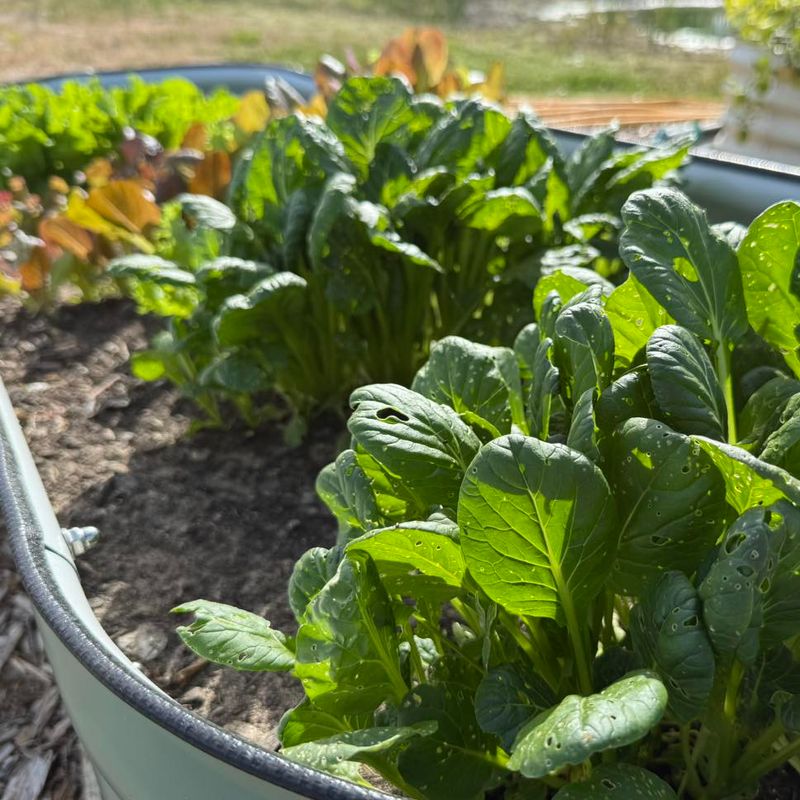
Spinach is one of those vegetables that makes you feel healthier just looking at it.
Growing it yourself means you get the freshest, most nutrient-packed leaves possible.
It’s also surprisingly simple to grow in containers.
This leafy green doesn’t need deep soil, just six to eight inches will do.
Wide, shallow containers work beautifully because you can fit quite a few plants together.
More plants equal more delicious salads and smoothies.
Spinach thrives in cooler weather, making it perfect for spring and fall gardens.
Summer heat causes it to bolt quickly, turning the leaves bitter.
Timing your planting makes all the difference with this crop.
You can start harvesting baby leaves in just three to four weeks.
Snip the outer leaves and let the center keep growing.
This method extends your harvest significantly.
Keep spinach well-watered since dry soil makes leaves tough and unpleasant.
It prefers partial shade in warmer climates, which actually works great for balconies with limited sun.
Not every vegetable needs full blazing sunlight.
Varieties like Bloomsdale or Space are excellent choices for containers.
Fresh spinach tastes completely different from the bagged stuff.
Once you try homegrown, you’ll understand why people rave about it.
7. Carrots
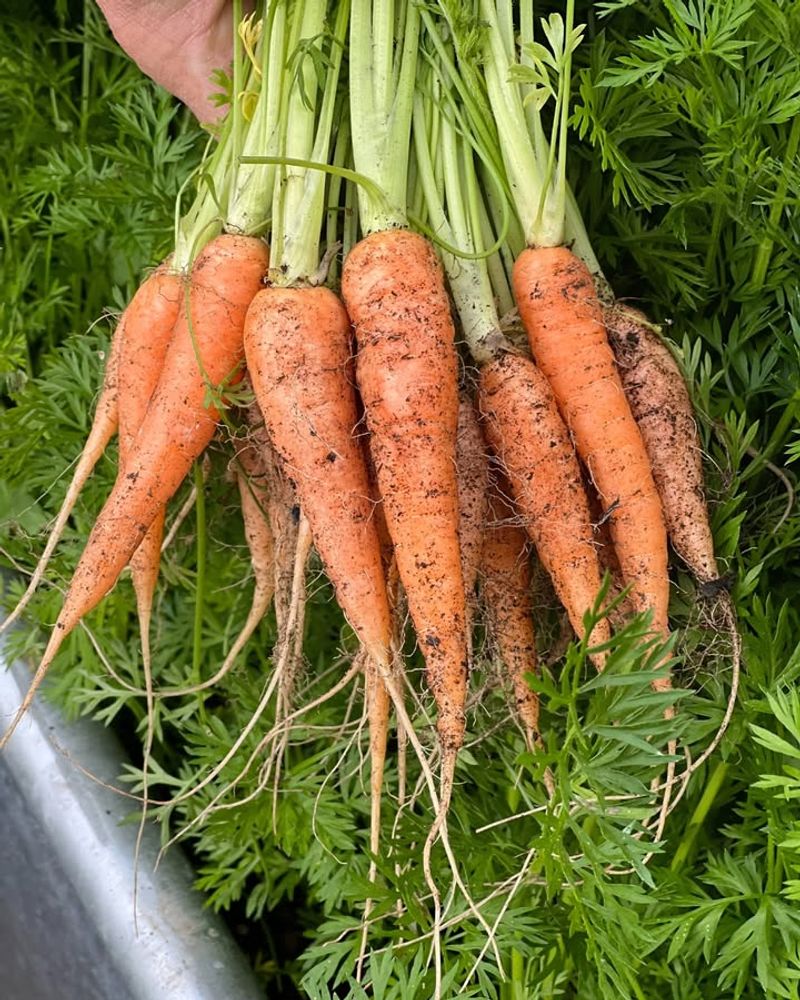
Carrots in containers might sound tricky, but it’s totally doable with the right approach.
The secret is choosing shorter varieties bred specifically for pots.
Those long, traditional carrots need deep ground space that containers can’t provide.
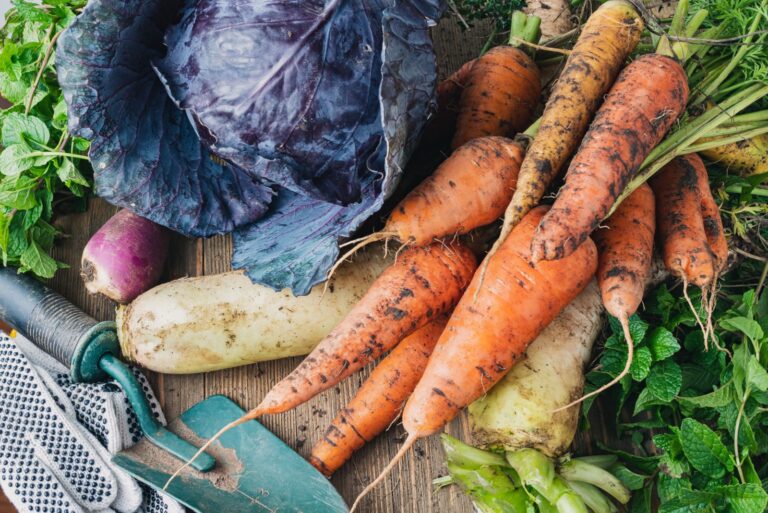
Look for varieties labeled as mini, round, or container carrots.
Thumbelina and Paris Market are adorable little round carrots perfect for pots.
Short ‘n Sweet is another great choice that stays compact.
Use a container at least 12 inches deep with loose, well-draining soil.
Carrots hate compacted soil because their roots can’t push through it.
Mix in some sand or perlite to keep things light and fluffy.
Sow seeds directly in the container since carrots don’t transplant well.
Thin seedlings to about two inches apart once they sprout.
Crowded carrots produce tiny, twisted roots that nobody wants.
Keep the soil consistently moist, especially during germination.
Carrot seeds can be stubborn about sprouting if conditions aren’t right.
Patience is definitely required here.
Harvest time is exciting because you never know exactly what size you’ll get.
Pulling up your first homegrown carrot feels like discovering treasure.
The sweet, crisp flavor makes all the effort worthwhile.
8. Cucumbers

Cucumbers might seem like they need tons of space, but compact varieties work wonderfully in containers.
Bush or patio cucumbers stay much smaller than traditional vining types.
They’re bred specifically for people with limited growing areas.
Even with compact varieties, you’ll want a decent-sized container.
Aim for at least five gallons to give the roots enough room.
Cucumbers are heavy feeders and drinkers, so bigger is generally better.
You can train even bush varieties on a small trellis or cage.
This vertical growing saves space and keeps fruits off the soil.
Cleaner cucumbers with fewer pest problems are the nice bonus.
These plants absolutely love warm weather and sunshine.
Wait until all danger of frost passes before planting.
Cold temperatures will seriously set them back or stop growth completely.
Water cucumbers consistently because they’re mostly water themselves.
Irregular watering leads to bitter or misshapen fruits.
Nobody wants a bitter cucumber in their salad.
Try varieties like Bush Pickle or Patio Snacker for containers.
Both produce full-sized cucumbers on compact plants.
Fresh cucumbers have such a clean, refreshing taste that store-bought ones just can’t match.
9. Herbs (Basil, Parsley, Cilantro)
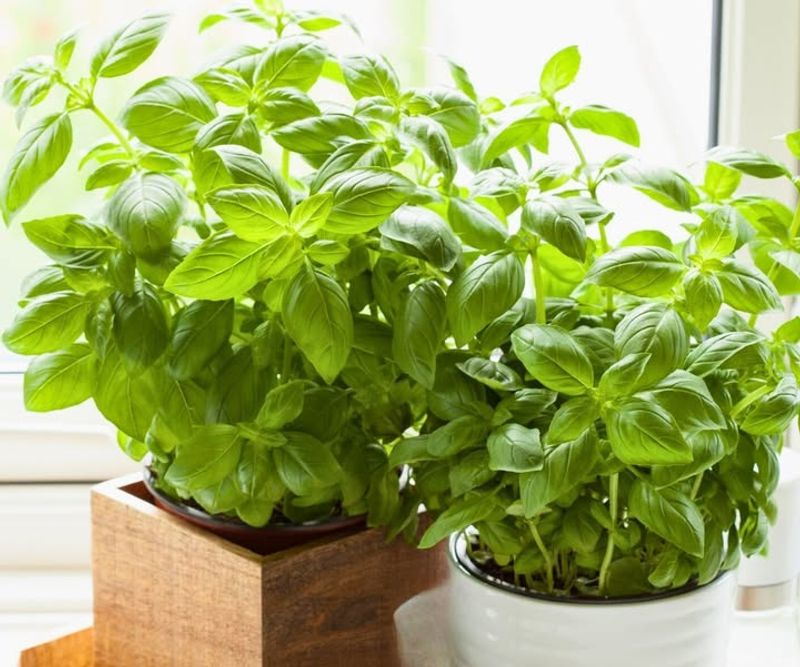
Okay, technically herbs aren’t vegetables, but they’re too valuable to leave off this list.
Basil, parsley, and cilantro are kitchen essentials that thrive in small spaces.
Having fresh herbs within arm’s reach transforms your cooking completely.
These herbs are incredibly forgiving and perfect for beginners.
They grow happily in small pots on windowsills, countertops, or balconies.
You only need four to six inches of soil depth for most varieties.
Basil loves warmth and sunshine, producing fragrant leaves all summer long.
Pinch off the tips regularly to encourage bushier growth and prevent flowering.
More pinching equals more leaves for your pesto and caprese salads.
Parsley is a biennial that grows steadily in cooler weather.
Both flat-leaf and curly varieties work great in containers.
It’s slower to germinate but incredibly productive once established.
Cilantro prefers cooler temperatures and bolts quickly in heat.
Plant it in spring or fall for best results.
Succession planting every few weeks ensures a constant supply.
Fresh herbs elevate even the simplest meals.
There’s something magical about snipping fresh basil for your pasta sauce.
Growing herbs is honestly one of the easiest ways to start your small-space gardening journey.