Top 8 Vegetables To Plant In Your Georgia Garden Right Now
Right now is one of those moments in a Georgia garden that feels easy to miss if you’re not paying attention. Nothing looks urgent, yet the choices made at this point can shape how smoothly the season unfolds.
Georgia’s soil is starting to loosen, daylight is stretching, and cool-season vegetables respond quickly when planted at the right time.
Waiting for a clear sign from the weather often means losing valuable growing days, especially when spring warmth arrives suddenly.
Getting a few vegetables in the ground now helps roots settle before rapid top growth kicks in.
Planting at this stage isn’t about pushing limits. It’s about working with conditions that quietly favor steady growth and fewer setbacks.
The vegetables that go in now often establish faster, handle temperature swings better, and deliver more consistent harvests as the season picks up.
1. Spinach
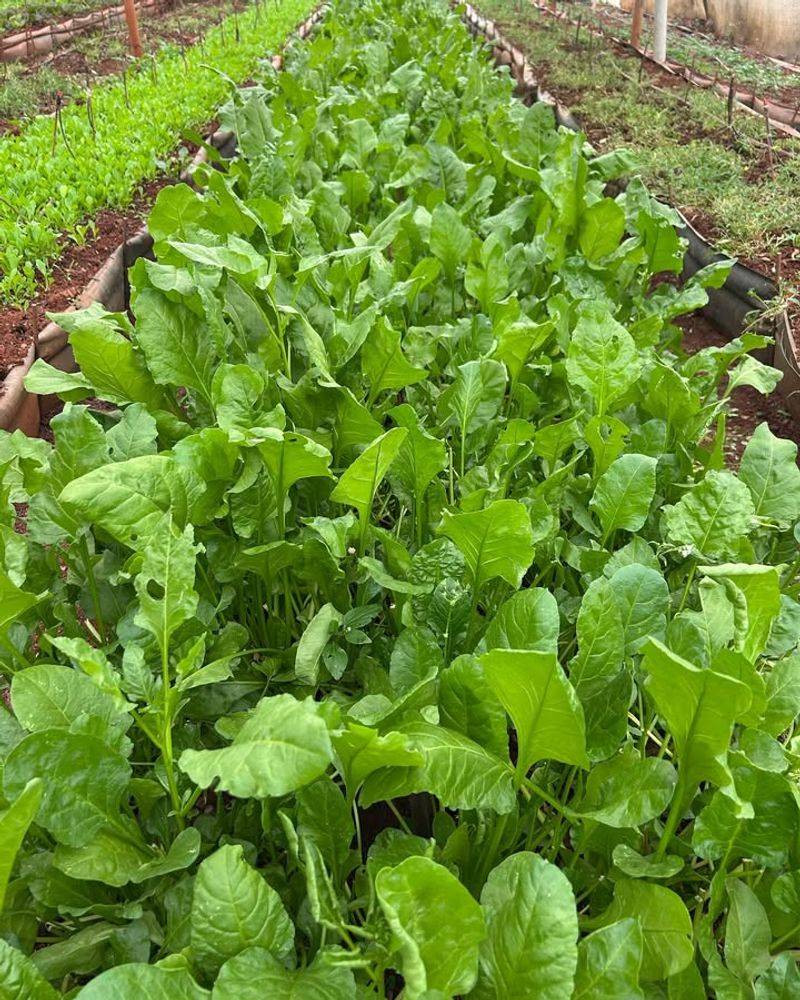
Cool mornings and mild afternoons create perfect conditions for spinach to flourish in Georgia gardens. This nutrient-packed leafy green actually prefers temperatures between 50 and 70 degrees Fahrenheit, making it an ideal choice for planting right now across the state.
Spinach develops its best flavor when grown in cooler weather, and Georgia’s current climate provides exactly what these plants need to produce tender, sweet leaves.
Plant your spinach seeds about half an inch deep and space them roughly two inches apart in rows. The seeds germinate quickly in Georgia’s spring soil, often sprouting within a week when conditions are favorable.
Choose a spot in your garden that receives full sun during this time of year, though spinach tolerates partial shade as temperatures begin to rise.
Georgia’s red clay soil benefits from added compost or organic matter before planting spinach. Mix in several inches of compost to improve drainage and provide nutrients these hungry plants crave.
Water consistently to keep the soil moist but never waterlogged, as spinach roots dislike sitting in soggy conditions.
Harvest begins in as little as 37 to 45 days after planting, depending on the variety you choose. Pick outer leaves first while allowing the center to continue producing, or cut the entire plant at soil level for a one-time harvest.
Spinach grows so quickly in Georgia that you can plant successive crops every two weeks for continuous harvests throughout the season. Many Georgia gardeners find that spinach planted now produces abundantly before summer heat arrives.
2. Lettuce
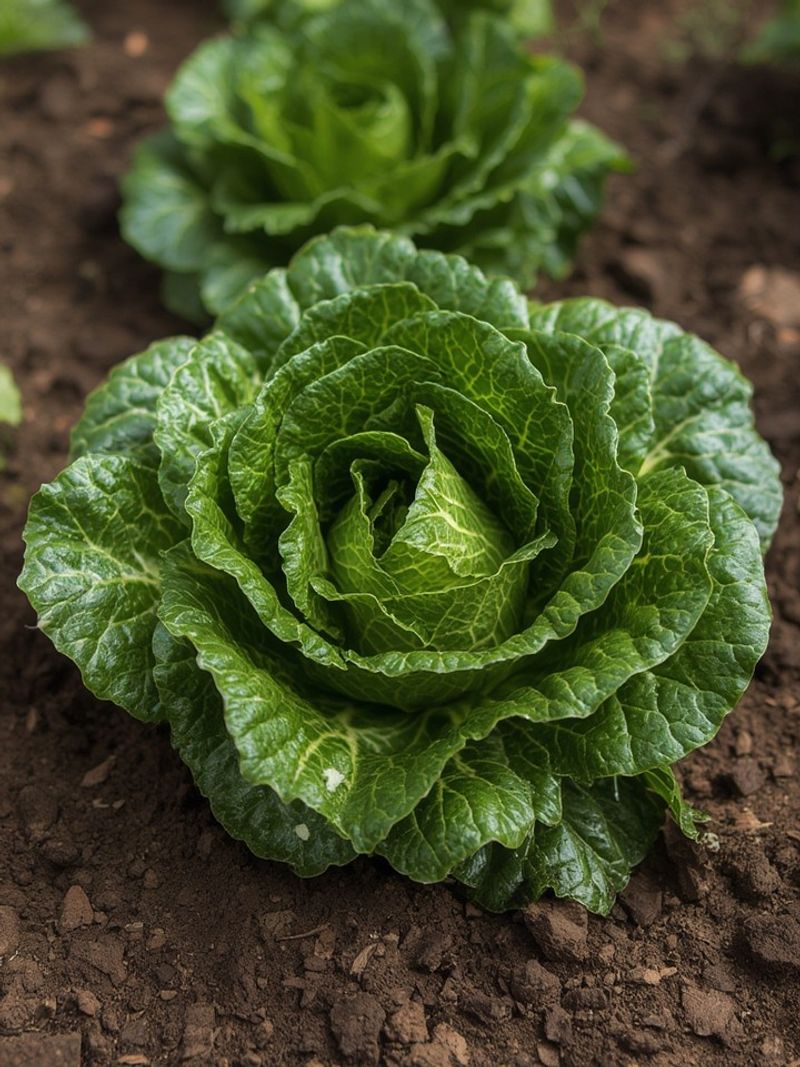
Few vegetables reward Georgia gardeners as quickly as lettuce does during the spring planting season. Different varieties offer an amazing range of colors, textures, and flavors that make salads exciting and nutritious.
Loose-leaf types grow fastest and allow you to harvest individual leaves over several weeks, while head-forming varieties like romaine and buttercrunch take a bit longer but deliver satisfying crunchy results.
Lettuce seeds are tiny but mighty, needing only a quarter-inch of soil coverage to sprout successfully. Scatter seeds thinly across prepared beds or plant them in rows spaced about 12 inches apart.
Georgia’s moderate spring temperatures encourage rapid germination, and you’ll see green shoots emerging within just a few days under proper conditions.
These plants appreciate consistent moisture, so water regularly to prevent the soil from drying out completely. Lettuce develops bitter flavors when stressed by drought or excessive heat, but Georgia’s current weather allows plants to stay sweet and tender.
Adding a layer of mulch around growing plants helps maintain soil moisture and keeps roots cool as the season progresses.
Begin harvesting outer leaves when they reach a usable size, typically three to four inches long. This cut-and-come-again method extends your harvest period significantly.
Georgia gardeners can expect their first lettuce harvests within 30 to 45 days depending on variety. Plant new seeds every two weeks to ensure a steady supply of fresh greens.
3. Kale
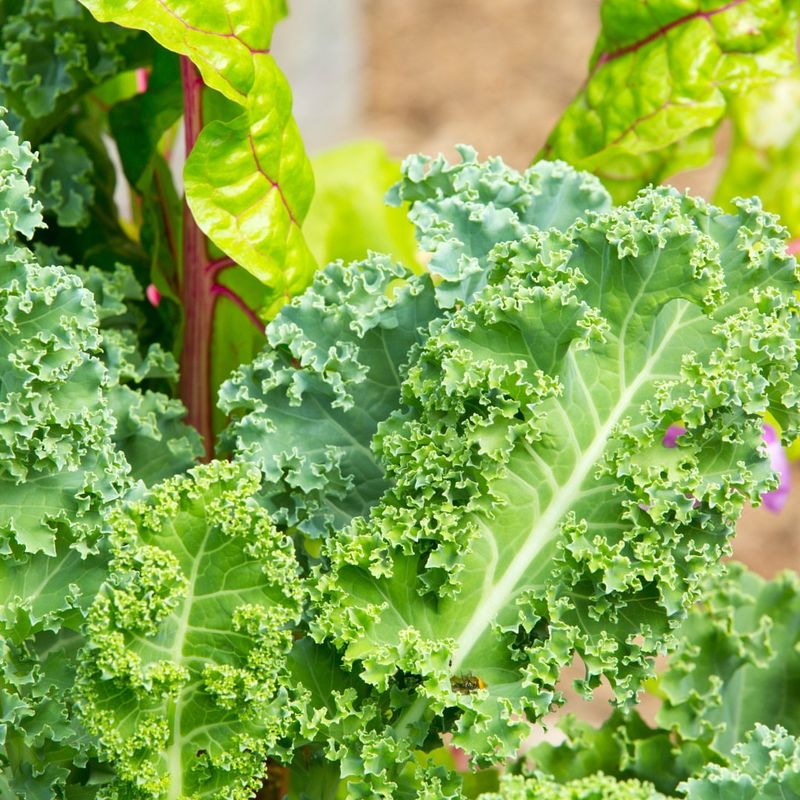
Gardeners throughout Georgia have discovered that kale ranks among the most reliable vegetables for spring planting. This superfood green tolerates a wide range of conditions and actually improves in flavor after exposure to light frosts.
Curly varieties create beautiful textured plants, while dinosaur kale offers smooth, blue-green leaves that add visual interest to garden beds. Both types produce abundantly in Georgia’s current growing conditions.
Space kale plants about 12 to 18 inches apart to allow for their substantial growth. Seeds germinate best when planted half an inch deep in well-prepared soil enriched with compost.
Kale develops deep root systems that help plants withstand dry spells, though consistent watering produces the most tender leaves. Georgia’s spring rainfall often provides much of what kale needs, but supplement during dry weeks.
These hardy plants stand up to various pests better than many other greens, making them excellent choices for beginning gardeners across Georgia. Kale continues producing new leaves from the center as you harvest outer ones, providing weeks of fresh greens from each plant.
The leaves become more nutritious as they mature, concentrating vitamins and minerals that benefit your health.
Start harvesting when leaves reach about the size of your hand, typically 55 to 75 days after planting. Younger leaves taste milder and work wonderfully in salads, while older leaves suit cooking applications like soups and stir-fries.
Kale planted now in Georgia gardens will produce through late spring and often into early summer. Many Georgia gardeners consider kale essential for year-round vegetable production.
4. Collard Greens
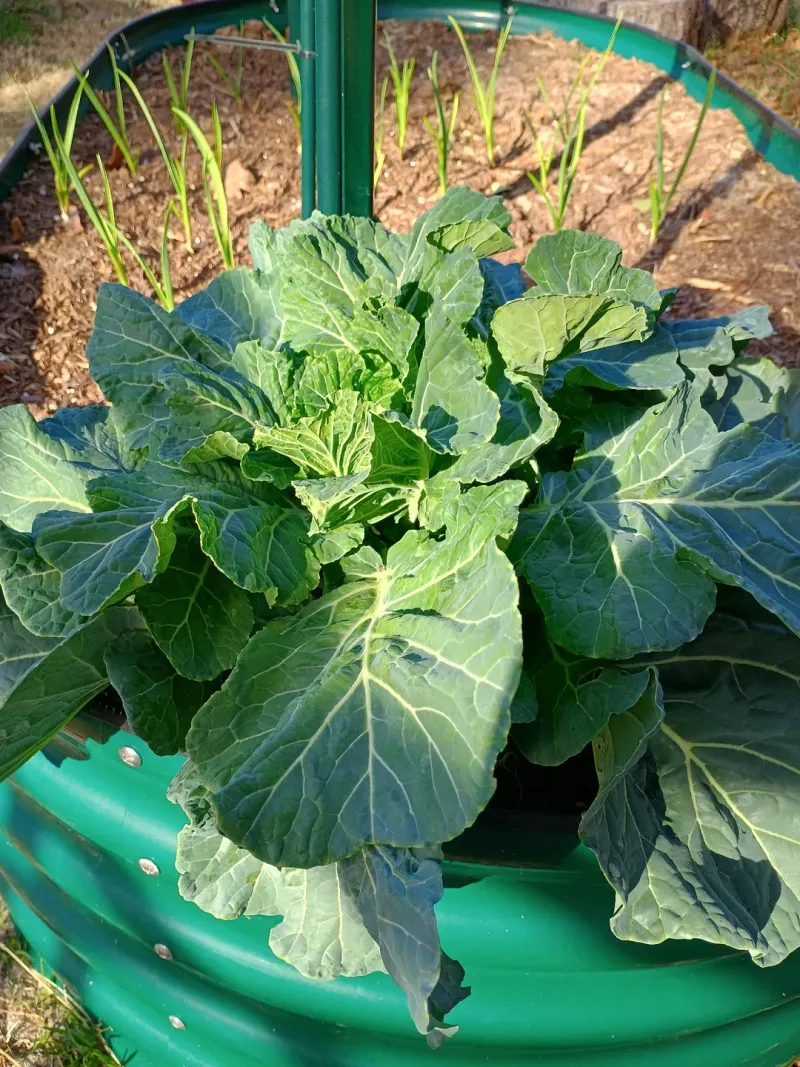
No Georgia garden feels complete without collard greens, a Southern staple that thrives in the state’s climate. These substantial plants produce large, smooth leaves that have fed families across Georgia for generations.
Collards handle temperature fluctuations better than most greens, continuing to grow steadily through cool mornings and warmer afternoons. The plants develop slowly but reward patience with abundant harvests that last for months.
Plant collard seeds about half an inch deep and thin seedlings to stand 18 to 24 inches apart as they grow. These vegetables need room to spread their large leaves and develop strong stems.
Georgia’s soil conditions suit collards well, especially when you add organic matter to improve nutrition and drainage. The plants develop extensive root systems that anchor them firmly and help them access water deep in the soil.
Collards actually taste better after experiencing cool weather, which causes them to produce natural sugars that sweeten the leaves. Georgia’s spring temperatures provide ideal conditions for developing this desirable flavor.
Water regularly during dry periods, and apply a layer of mulch to conserve moisture and suppress weeds around the plants.
Begin harvesting lower leaves when they reach full size, usually about 60 to 85 days after planting. The plant continues producing new leaves at the top as you remove older ones from the bottom.
This harvesting method extends production for months across Georgia gardens. Collards planted now will produce well into summer and beyond.
Traditional Georgia recipes showcase these nutritious greens perfectly, and fresh-picked collards taste remarkably better than store-bought versions.
5. Mustard Greens
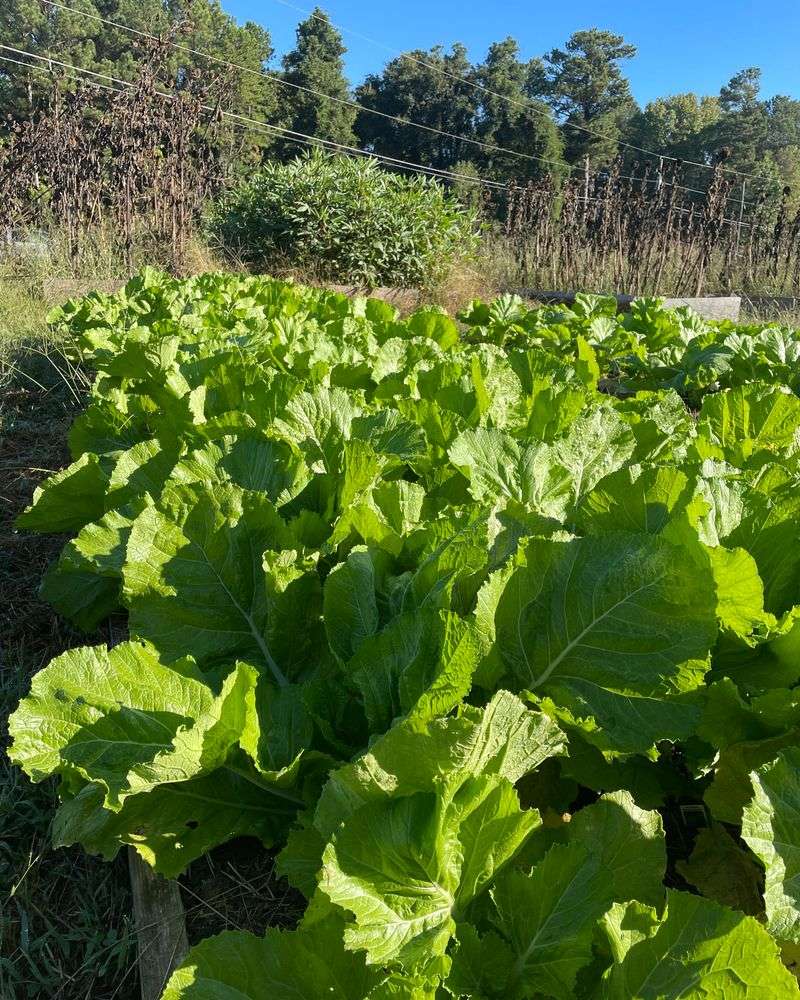
Spicy, fast-growing mustard greens bring bold flavors to Georgia gardens and dinner plates alike. These assertive greens grow incredibly quickly, often ready for harvest in just three to four weeks after planting.
Several varieties offer different levels of spiciness and leaf shapes, from frilly edges to smooth surfaces. Mustard greens add a peppery kick to salads when young or mellow beautifully when cooked, making them versatile additions to your Georgia garden.
Broadcast seeds thinly across prepared beds or plant them in rows spaced 12 inches apart. Cover seeds with just a quarter-inch of soil and water gently to settle them in.
Georgia’s current temperatures encourage rapid germination and growth, with seedlings appearing within days. Thin plants to about six inches apart as they develop, using the thinned seedlings in salads for an early harvest.
These greens prefer consistent moisture and benefit from regular watering during dry spells. Mustard greens develop their characteristic spicy flavor naturally, but stress from drought or heat intensifies the bite significantly.
Georgia gardeners can moderate the spiciness by keeping plants well-watered and harvesting regularly to encourage tender new growth.
Start picking outer leaves when they reach four to six inches long for the mildest flavor. Younger leaves work wonderfully fresh in mixed salads, while larger, more mature leaves suit cooking methods like braising or sautéing.
Mustard greens mature in 40 to 45 days for full harvest, but you can begin harvesting much sooner. Plant successive crops every two weeks throughout Georgia’s spring season for continuous supplies.
These productive greens make efficient use of garden space across the state.
6. Radishes
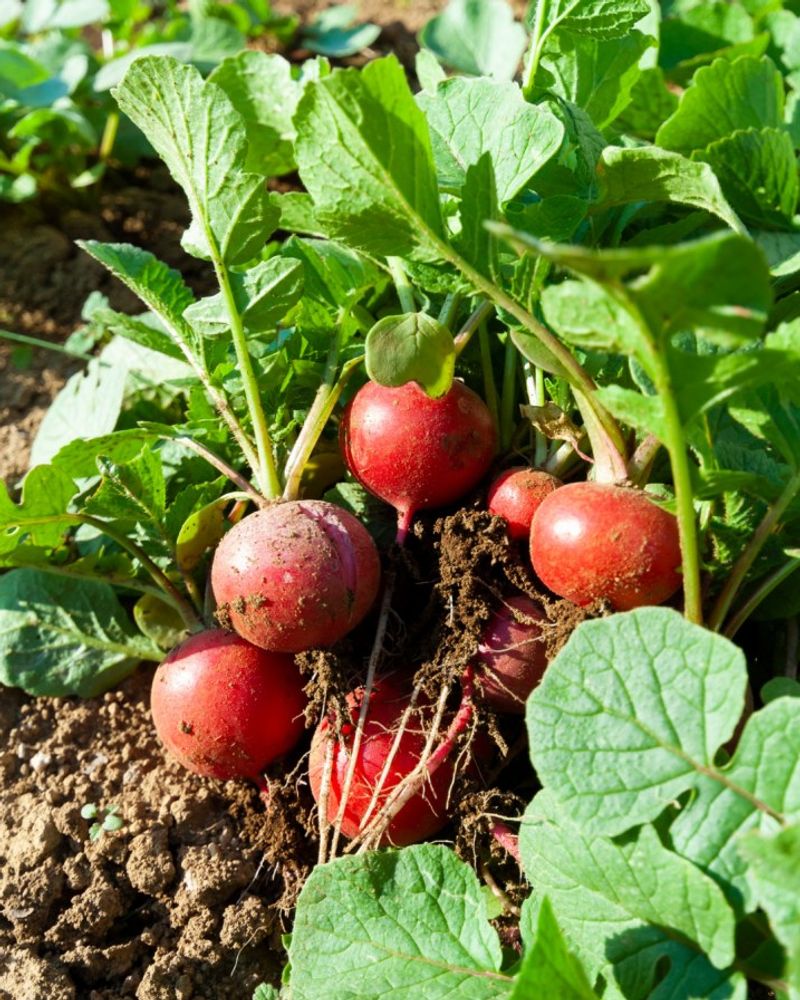
Nothing beats radishes for delivering quick results in Georgia gardens this time of year. These speedy root vegetables mature in as little as 22 to 30 days, making them perfect for impatient gardeners or children learning to grow food.
Radishes come in various colors beyond the familiar red, including pink, white, purple, and even black varieties. Each type offers slightly different flavors ranging from mild and crisp to sharp and peppery.
Sow radish seeds directly into garden soil about half an inch deep and one inch apart. These vegetables need loose, well-drained soil to develop properly shaped roots, so Georgia gardeners working with heavy clay should amend their beds with compost and sand.
Radishes grow best in full sun but tolerate partial shade, especially as days grow longer and warmer across the state.
Keep the soil consistently moist throughout the growing period to ensure tender, crisp radishes without woody or pithy textures. Irregular watering causes roots to crack or develop unpleasant textures that disappoint at harvest time.
Fortunately, radishes mature so quickly that maintaining consistent moisture for three to four weeks presents no major challenge for Georgia gardeners.
Pull radishes as soon as they reach mature size, typically when roots measure about an inch in diameter. Leaving them in the ground too long results in oversized roots with poor texture and excessively spicy flavors.
The entire plant is edible, including the peppery greens that make excellent additions to salads or cooking greens. Plant new radish seeds every week or two throughout Georgia’s spring season to enjoy continuous harvests.
These reliable vegetables rarely fail to produce in Georgia gardens.
7. Carrots
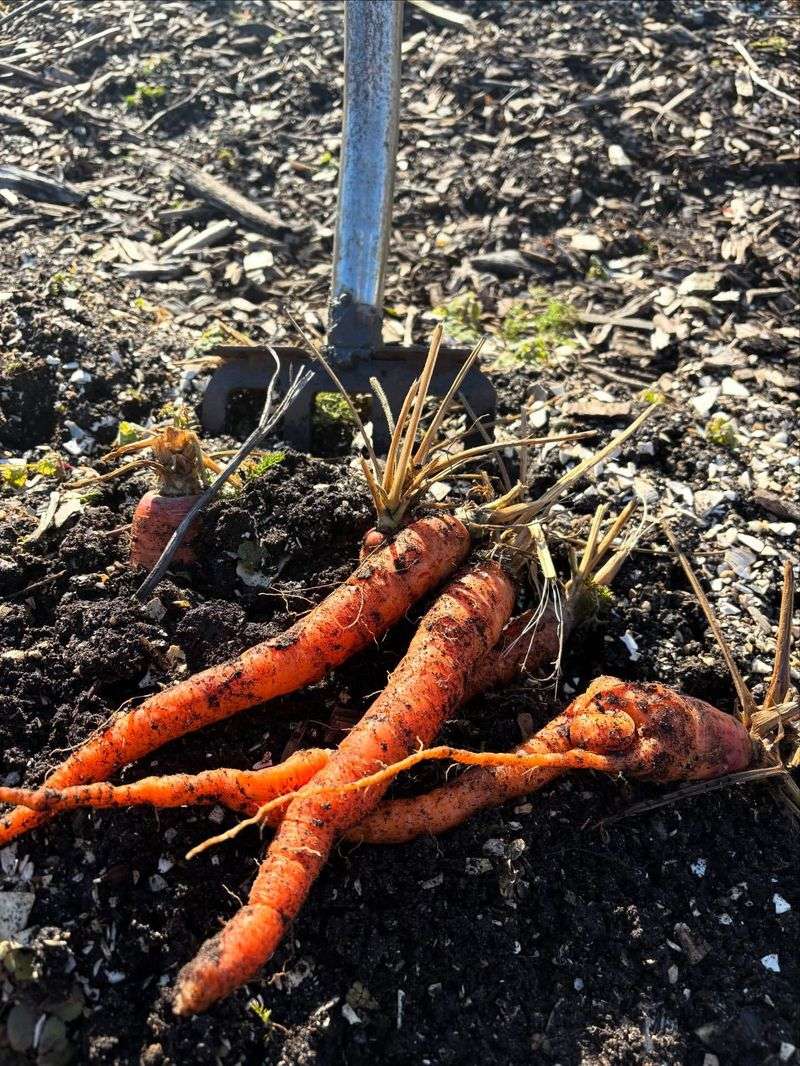
Sweet, crunchy carrots develop exceptional flavor when grown in Georgia’s cool spring soil. These popular root vegetables require patience compared to radishes, but the superior taste of homegrown carrots makes the wait worthwhile.
Shorter varieties work best in Georgia’s often-heavy clay soil, while longer types thrive in raised beds or areas where you’ve deeply amended the earth. Fresh carrots pulled from your own garden taste remarkably sweeter than anything available in stores.
Plant carrot seeds about a quarter-inch deep in loose, rock-free soil. The tiny seeds can be tricky to space properly, so many Georgia gardeners mix them with sand for more even distribution.
Carrots germinate slowly, sometimes taking two to three weeks to sprout, so mark your rows clearly and be patient. Keep the soil surface consistently moist during germination, as drying out prevents seeds from sprouting successfully.
Thin seedlings to about two inches apart once they develop their first true leaves. This spacing allows roots room to expand properly without competing with neighbors.
Georgia gardeners should water carrots regularly throughout the growing season, as consistent moisture produces the sweetest, most tender roots. Mulching helps maintain soil moisture and keeps the soil temperature moderate as spring progresses.
Carrots mature in 60 to 80 days depending on variety, though you can harvest baby carrots earlier for tender, sweet treats. The roots develop their deepest orange color and highest sugar content when allowed to fully mature.
Georgia’s spring growing season provides ideal conditions for developing perfectly sweet carrots. Pull a test carrot to check size before harvesting the entire crop.
These nutritious vegetables store well after harvest, extending your enjoyment for weeks.
8. Peas
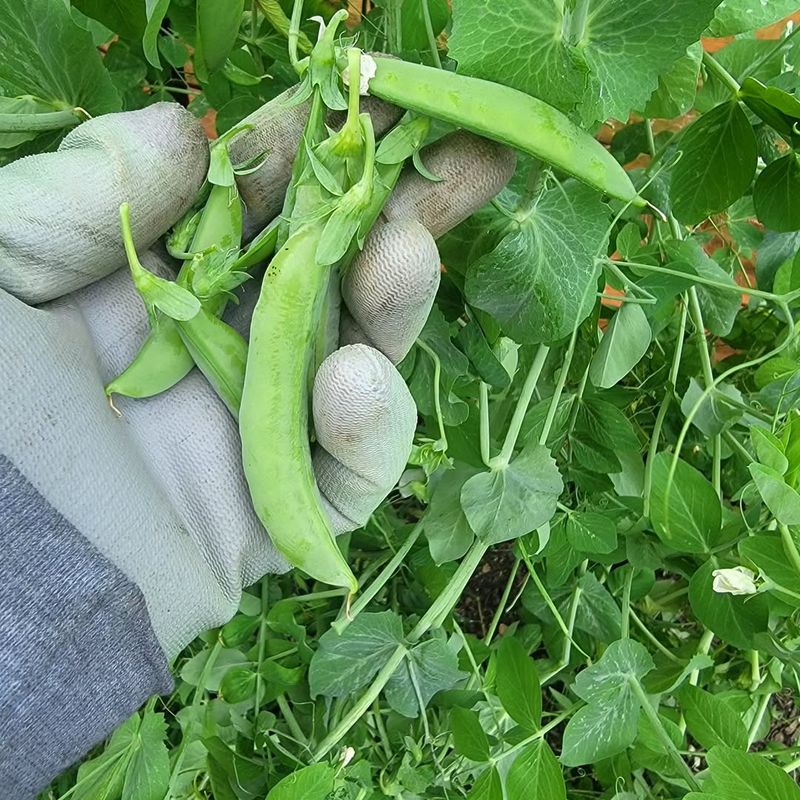
Climbing vines loaded with sweet pea pods bring both beauty and delicious harvests to Georgia gardens right now. Both shelling peas and snap peas thrive in the state’s current cool conditions, producing abundantly before summer heat arrives.
Sugar snap peas offer the convenience of eating pods and all, while traditional shelling peas reward you with plump, sweet peas inside tender pods. Snow peas provide flat, crisp pods perfect for stir-fries and fresh eating.
Plant pea seeds about an inch deep and two inches apart along a trellis, fence, or support structure.
Most pea varieties climb eagerly and need vertical support to produce their best crops.
Georgia gardeners can also choose bush varieties that require no support but generally produce smaller harvests. Peas fix nitrogen in the soil through their root systems, actually improving your garden for future crops.
These cool-season lovers perform beautifully in Georgia’s spring weather but decline rapidly once temperatures consistently exceed 75 degrees. Water regularly to keep soil evenly moist, especially during flowering and pod development.
Peas produce their sweetest flavors when grown quickly without stress from drought or nutrient deficiencies. Adding compost to planting areas provides the nutrients these productive plants need.
Harvest snap peas when pods feel plump and rounded, typically 60 to 70 days after planting. Shelling peas are ready when pods swell with fully developed peas inside.
Pick peas regularly to encourage continued production throughout the season. The more you harvest, the more flowers and pods the plants produce.
Many Georgia gardeners consider fresh garden peas a springtime delicacy worth waiting for all year. Plant peas now to enjoy their sweet flavor in just a couple of months.