8 Tough Desert Plants That Handle Arizona Heat With Almost No Care
Some plants simply refuse to struggle in Arizona. While many garden favorites begin to wilt once the heat intensifies, a few desert-adapted plants keep growing as if nothing has changed.
They are used to blazing sun, dry air, and soil that dries out almost overnight.
That natural toughness is what makes them so valuable in Arizona gardens. Instead of needing constant watering, protection, or special care, they settle into the landscape and handle the climate on their own.
For gardeners who want a yard that still looks good when temperatures soar, these kinds of plants often become the most dependable choices.
Once established, they continue holding their shape and strength through Arizona’s hottest months with very little effort.
1. Desert Spoon Brings A Dramatic Spiky Silhouette
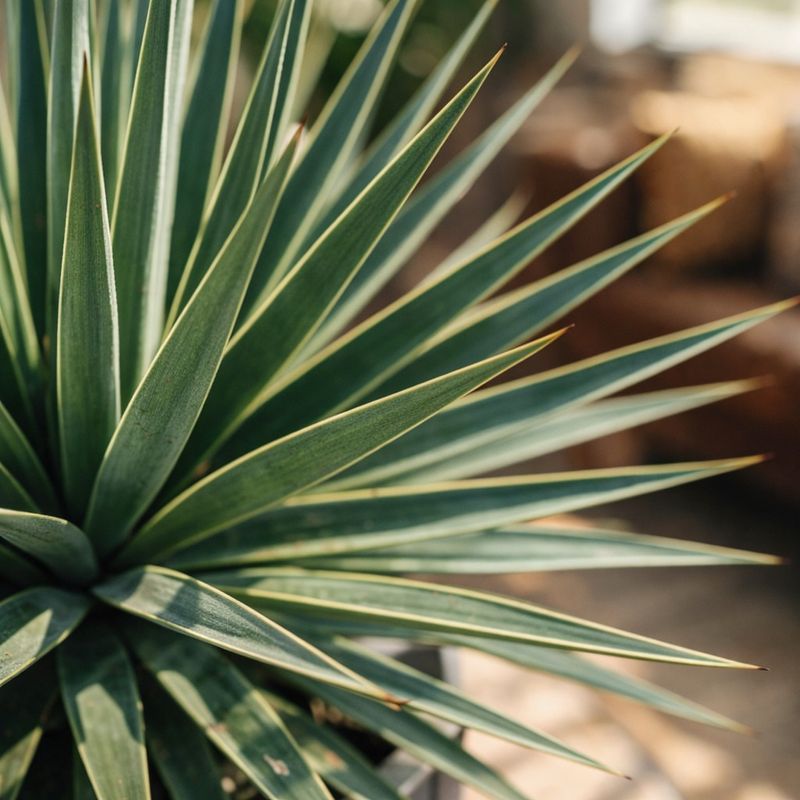
Few plants command attention the way Desert Spoon does. Its long, narrow leaves fan out from the center in a perfect starburst shape, creating a silhouette that looks almost architectural sitting in an Arizona yard.
The leaf tips are sharp enough to remind you to keep a respectful distance.
Dasylirion wheeleri grows slowly, which actually works in your favor. You plant it, give it a little water to help it settle in, and then mostly leave it alone.
It handles full sun without any trouble and tolerates poor, rocky soil that would stress most other plants. Arizona’s brutal summer heat genuinely does not bother it.
Mature plants can reach around five feet tall and just as wide, so give it room to spread. When it blooms, a tall flower spike shoots straight up — sometimes reaching fifteen feet — and it is quite the sight.
Hummingbirds and insects visit the blooms regularly.
Watering once or twice a month during the hottest stretch of summer is plenty. During cooler months, rainfall usually handles everything on its own.
You do not need to fertilize, prune, or fuss over it. For Tucson and Phoenix gardeners who want bold structure without constant upkeep, Desert Spoon is a reliable, no-drama choice that earns its spot in the yard every single year.
2. Golden Barrel Cactus Adds A Bold Desert Accent
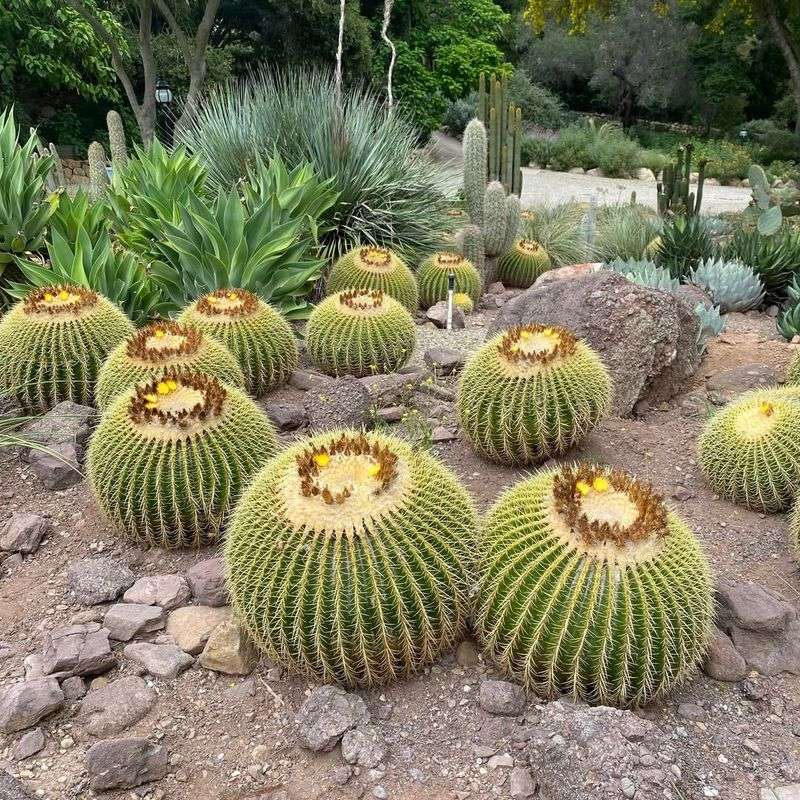
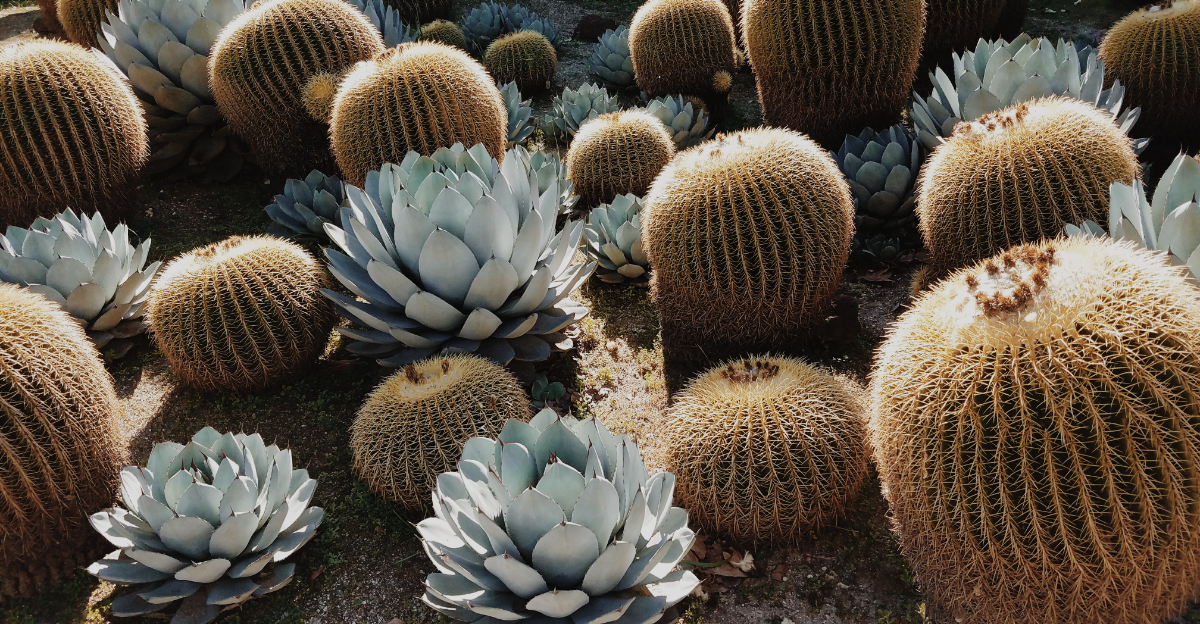
Round, golden, and absolutely stubborn about surviving, the Golden Barrel Cactus is one of the most recognizable plants in Arizona yards. Its globe shape and bright yellow spines catch the afternoon sun in a way that almost looks like it is glowing from the inside out.
Echinocactus grusonii grows slowly — expect a few inches per year at most. That might sound frustrating, but it means once you plant it in the right spot, it stays manageable for years without you having to do much of anything.
A spot with full sun and fast-draining soil is really all it asks for. Gravel or decomposed granite around the base keeps moisture from sitting too long after monsoon rains.
Overwatering is the one thing that gets Golden Barrel Cactus into trouble. Arizona’s monsoon season dumps a lot of rain in a short time, so make sure water can drain away quickly.
Outside of that, you are basically just watching it grow.
Groups of three or five look great planted together in a Phoenix or Scottsdale front yard. Single specimens work well as focal points in a rock garden.
Yellow flowers appear on top of mature plants during late spring, adding a cheerful pop of color. For a plant that asks for almost nothing and delivers consistent good looks, Golden Barrel earns its reputation across the entire state.
3. Yellow Bells Lights Up The Garden With Golden Blooms
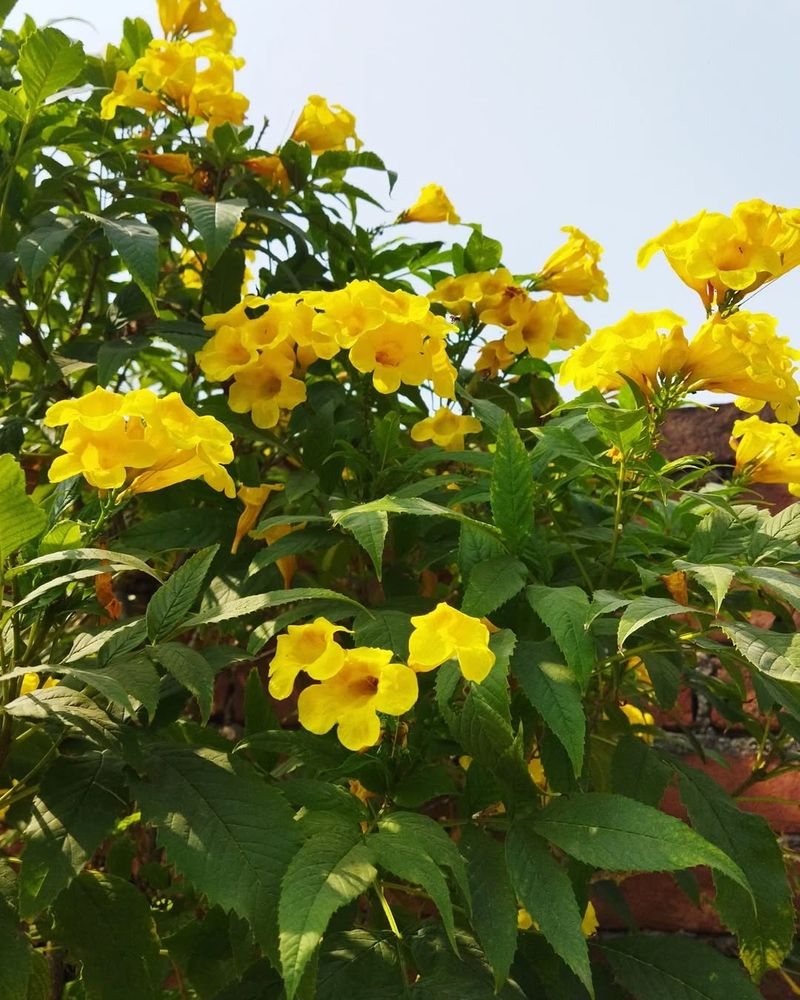
Walk past a Yellow Bells shrub in July and you cannot miss it. Clusters of bright golden trumpet-shaped flowers cover the plant from top to bottom during summer, and the color is vivid enough to stop people in their tracks.
Hummingbirds and butterflies treat it like a favorite restaurant.
Tecoma stans is a fast grower, which is both a good thing and something to plan for. In the right Arizona conditions — full sun, decent soil, occasional deep watering — it can reach eight to ten feet tall in just a few seasons.
Some gardeners trim it into a more compact shape; others let it grow naturally as a privacy screen or backdrop plant. Both approaches work fine.
Blooming runs from late spring all the way through fall, so you get months of color without doing much to earn it. Even during the hottest Phoenix summers, Yellow Bells keeps flowering when most other plants have gone quiet.
Monsoon rains give it a boost, and you will often notice a fresh flush of blooms right after a good storm rolls through.
Cold snaps can knock the top growth back, but the roots survive and the plant rebounds quickly in spring. Tucson gardeners in slightly cooler zones may see more winter damage, but recovery is reliable.
For steady, season-long color with minimal effort, Yellow Bells is hard to beat anywhere in Arizona.
4. Parry’s Agave Shows Off Thick Blue Gray Leaves
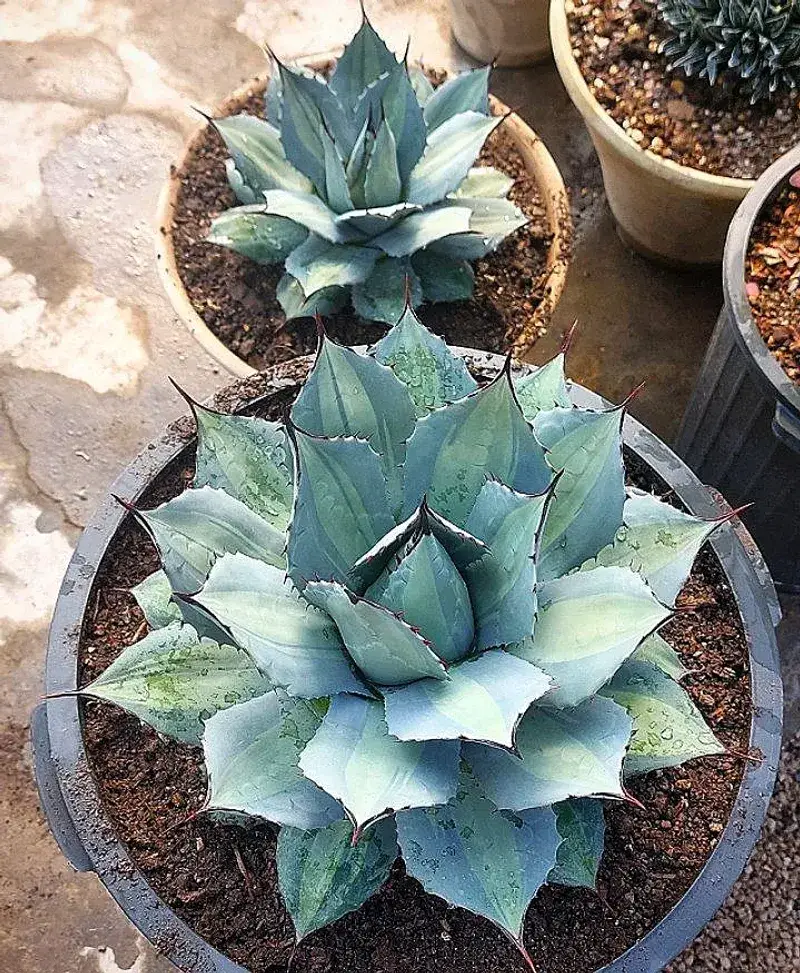
Parry’s Agave has a look that feels almost prehistoric. Its thick, blue-gray leaves form a tight, symmetrical rosette that sits low to the ground, and each leaf ends in a sharp dark tip that means business.
Planted in a Scottsdale or Tucson yard, it looks like it belongs there — because it does.
Agave parryi is native to Arizona’s mountains and high desert areas, so it is genuinely adapted to the local conditions. It handles full sun, rocky soil, and months without rain without missing a beat.
Young plants need occasional watering to get established, but after the first year or two, natural rainfall usually covers most of its needs.
Growth is slow and steady. Expect the rosette to reach about two feet tall and three feet wide at maturity.
Every few decades, a mature plant sends up a dramatic flower spike that can reach fifteen feet or more, covered in yellow blooms. After flowering, the original rosette fades, but smaller offsets called pups form around the base and carry on.
One thing to keep in mind: the leaf tips are genuinely sharp. Plant Parry’s Agave away from walkways, play areas, and spots where people brush past regularly.
Beyond that small consideration, this plant is about as trouble-free as anything growing in Arizona. Strong structure, honest drought tolerance, and zero drama make it a staple in low-water landscapes across the state.
5. Texas Sage Turns Purple After Summer Rain
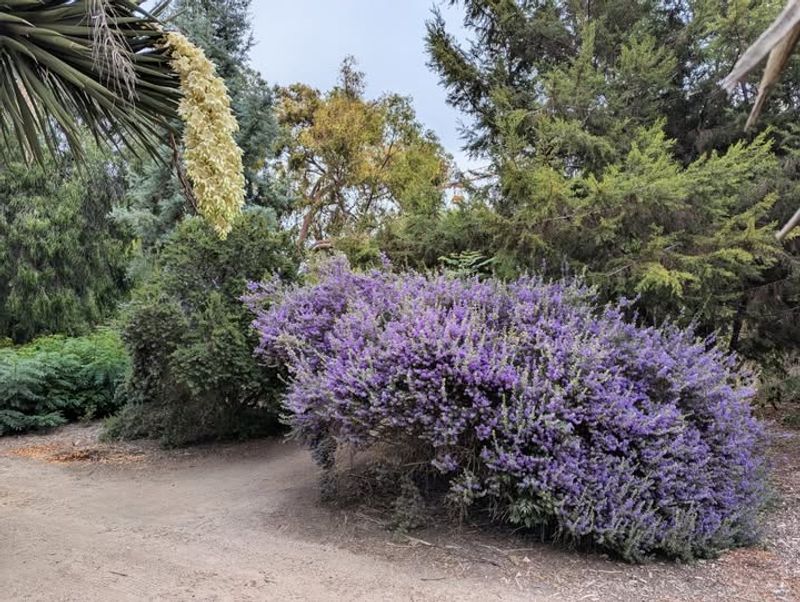
Arizona gardeners call it a barometer bush for a reason. Texas Sage can sense when humidity rises before a monsoon storm, and it responds by erupting in purple blooms almost overnight.
One day it is just a silvery green shrub sitting quietly in the yard, and the next morning it looks like someone draped it in purple flowers.
Leucophyllum frutescens handles Arizona heat without complaint. Full sun, reflected heat off walls and pavement, poor caliche soil — none of it stops this plant.
Its silvery foliage actually helps it cope with intense sun by reflecting some of that light back rather than absorbing it all. During the hottest Phoenix summers, it stays tidy and attractive even when other shrubs look stressed.
Sizing depends on the variety you choose. Some stay compact at three to four feet; others stretch to eight feet wide if left unpruned.
A light trim after each bloom cycle keeps the shape neat without harming the plant. Avoid heavy pruning in late fall since that removes the buds that will open after winter rain.
Water every two to three weeks during summer, less often once temperatures drop in fall. Established plants handle long dry stretches well.
Texas Sage works great as a hedge, a foundation plant, or a standalone accent. Tucson and Phoenix homeowners use it constantly, and honestly, it is hard to find a tougher or more rewarding shrub for the Arizona desert.
6. Creosote Bush Thrives In Extreme Desert Conditions
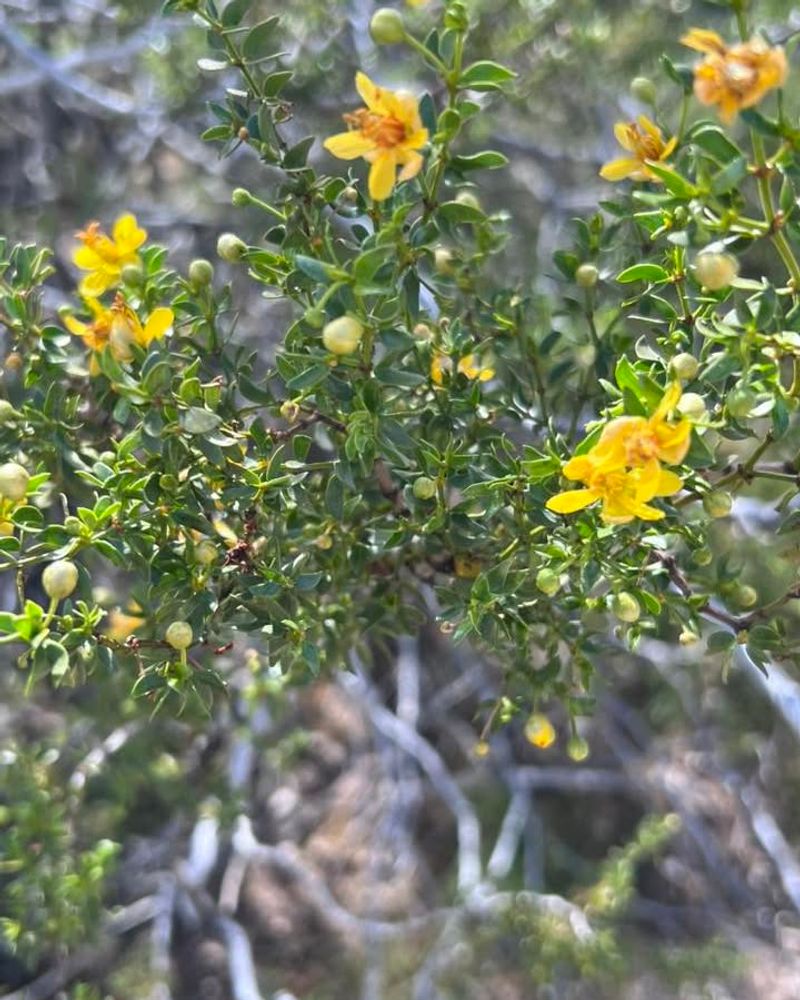
That clean, earthy smell that fills the air right after an Arizona rainstorm? That is Creosote Bush.
Larrea tridentata is one of the most common desert shrubs in the Sonoran Desert, and it has been thriving in conditions that would challenge almost any other plant for thousands of years.
Creosote handles heat, drought, and poor soil better than nearly anything else you can put in an Arizona yard. Its small, resinous leaves are coated in a waxy substance that reduces water loss, letting it push through stretches of intense heat without irrigation.
During dry spells, the leaves may drop partially, but the plant bounces back quickly when rain arrives.
Small yellow flowers appear after winter and spring rains, followed by fuzzy white seed pods that birds and small desert animals use for food.
The plant grows at a relaxed pace, eventually reaching around eight feet tall and wide with a loose, airy structure that lets wind pass through easily.
Planting is straightforward — dig a hole, set the plant, backfill with native soil, and water deeply a few times to help roots spread. After that, you can step back and let Arizona’s desert climate do its thing.
No fertilizer needed, no special pruning required, no fussing. Creosote Bush is as authentic and low-effort as desert gardening gets, and it brings a piece of the real Sonoran landscape right into your backyard.
7. Prickly Pear Cactus Displays Wide Paddle Like Pads
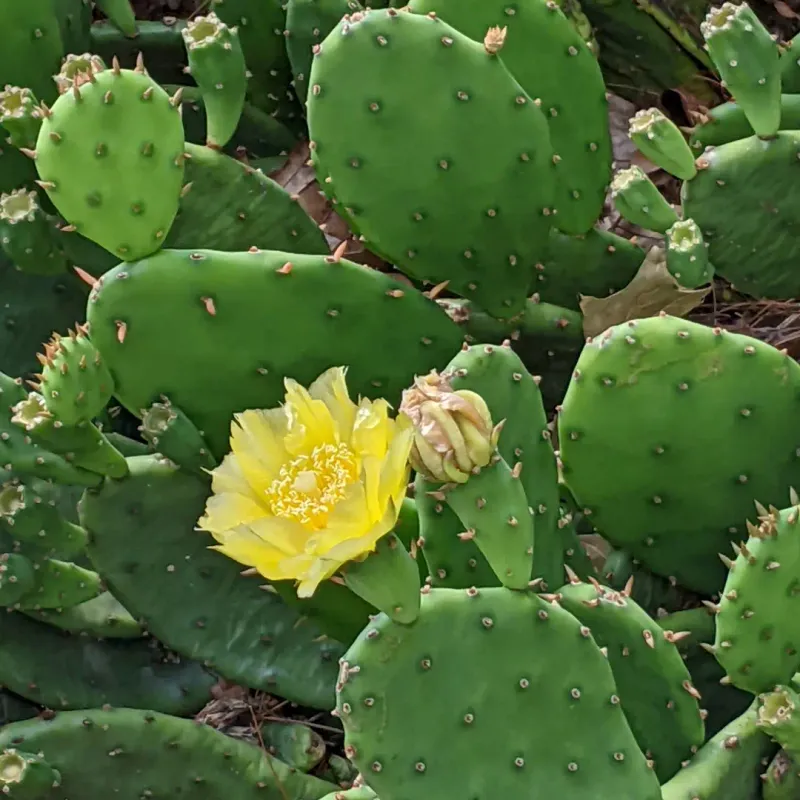
Prickly Pear is practically a symbol of the Arizona desert, and it earns that status.
Wide, flat green pads stacked on top of each other create a silhouette that is instantly recognizable, and come summer, bright yellow or orange flowers open up across the pads before giving way to deep red or purple fruit.
Opuntia species are extremely forgiving. Sandy soil, rocky caliche, reflected heat from walls and driveways — Prickly Pear handles all of it without much trouble.
Rainfall during Arizona’s monsoon season is often all the water a mature plant needs. Supplemental watering once or twice a month during the driest spring months helps younger plants get established faster.
The fruit, called tunas, is actually edible and used in jelly, candy, and drinks across the Southwest. Birds love them too, so expect some wildlife visitors during fruiting season.
Flowers attract bees and other pollinators in late spring, giving the plant a dual-purpose role in the yard.
Planting new pads is simple — let a cut pad dry for a few days, then push it partway into the soil and let it root. Gloves are non-negotiable when handling Prickly Pear; the small hairlike spines called glochids are more irritating than the larger ones.
Beyond that basic caution, this cactus is genuinely easy to grow anywhere in Arizona, from low desert valleys to higher elevation yards in Flagstaff and beyond.
8. Red Yucca Lifts Coral Flower Spikes Above The Leaves
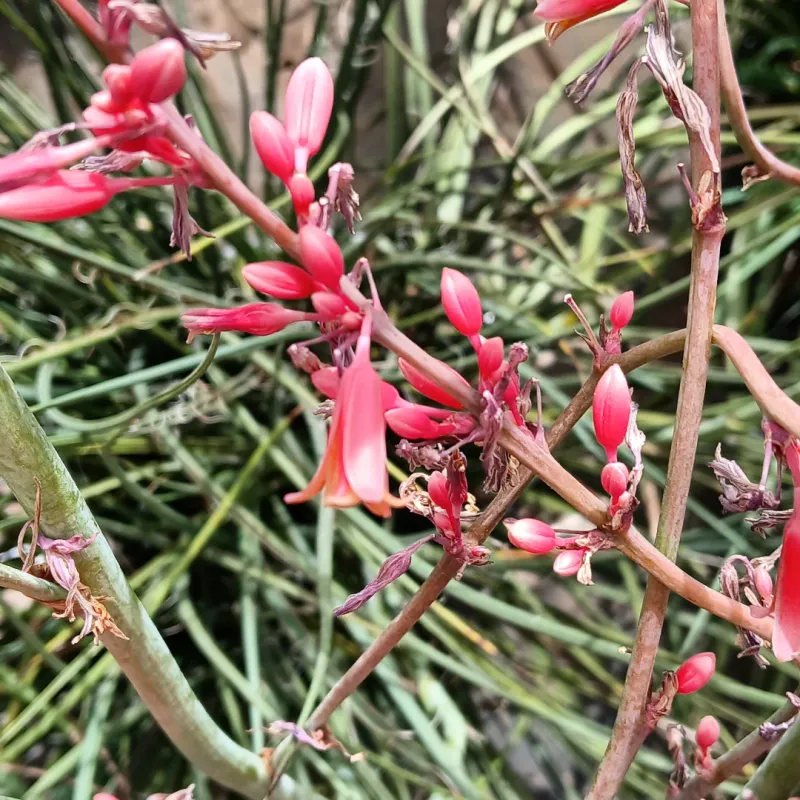
Hummingbirds spot Red Yucca from a distance and make a beeline for it.
Tall, arching spikes loaded with coral-red tubular flowers rise well above the grassy base leaves from spring through late summer, and the hummingbirds work those blooms like it is their full-time job.
Hesperaloe parviflora is not a true yucca despite the name — it is actually in the agave family, which explains a lot about its toughness.
Blue-green leaves arch gracefully outward in a fountain shape, staying attractive year-round even when no flowers are present.
In Phoenix and Tucson yards, it looks polished without requiring any special care to maintain that look.
Full sun and well-draining soil are the two things Red Yucca genuinely needs. Beyond that, it is remarkably self-sufficient.
Deep watering every couple of weeks during summer keeps it looking its best, but established plants handle long dry spells without visible stress. Cold tolerance is solid too, surviving temperatures well below freezing without damage.
Clumps spread slowly over time as new offsets fill in around the original plant. You can divide them and move pups to new spots in the yard, which is a free and easy way to expand your planting.
Spent flower stalks can be cut back after blooming ends, or left standing for winter texture and bird interest.
For a plant that pulls double duty as a wildlife magnet and a year-round ornamental, Red Yucca is one of the best choices available across Arizona.