10 Tough North Carolina Plants That Can Survive A Surprise Spring Frost
One day feels like true spring, the next brings a sudden chill that keeps gardeners watching the forecast with concern. In North Carolina, this unpredictable pattern often puts tender plants at risk when late cold snaps arrive without warning.
Many gardeners have experienced the disappointment of seeing young growth slowed or damaged after a single frosty night.
Yet some plants remain unfazed by these temperature swings, continuing to grow with strength and resilience even when the air turns sharply cooler.
Choosing hardy varieties suited to North Carolina’s shifting spring conditions can make all the difference, helping your garden stay vibrant while reducing worry over sudden weather changes.
These dependable plants handle the cold with ease and keep developing as the season progresses.
With the right selections, your North Carolina garden can remain lively, colorful, and full of promise, no matter how unpredictable spring weather decides to behave.
1. Pansies Can Survive Light Spring Frost With Ease
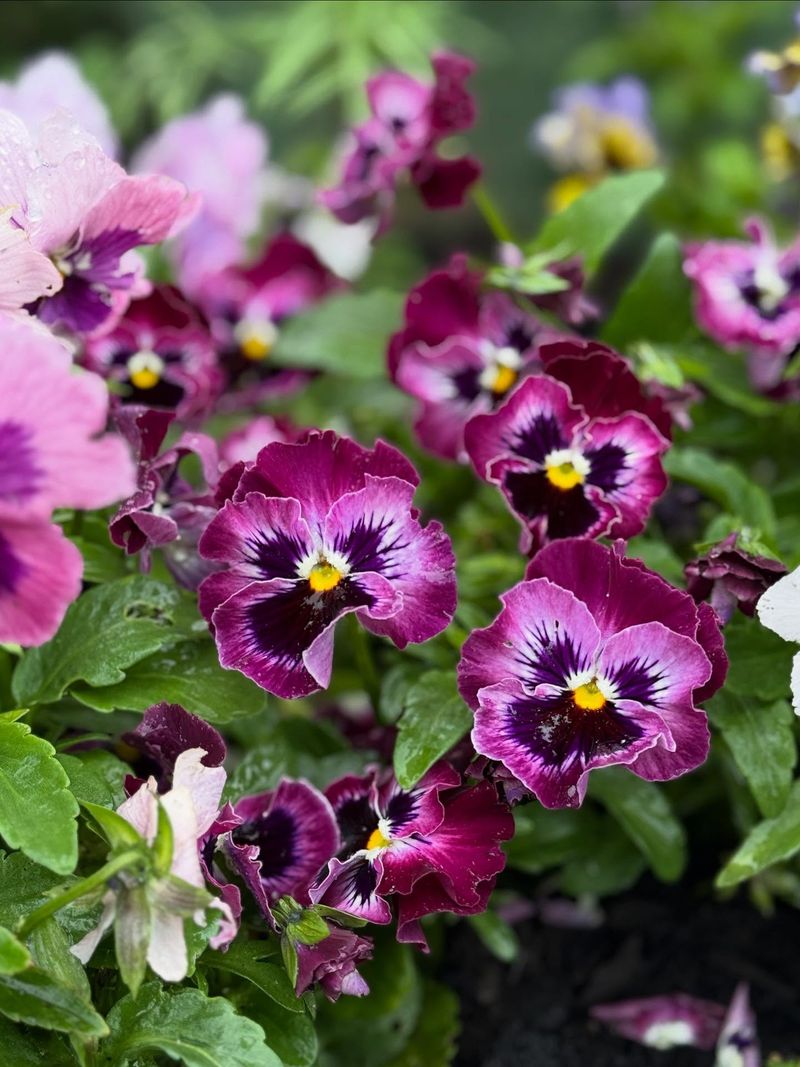
Pansies bring cheerful color to gardens when most flowers still hide underground waiting for warmer days. These charming blooms actually prefer cooler weather and can handle temperatures that dip down to the low twenties without showing much stress.
Their thick, waxy petals help protect them from frost damage that would wilt more delicate flowers.
North Carolina gardeners plant pansies in fall and early spring because they perform best when nights stay cool. When a surprise frost arrives, pansies might look slightly wilted in the morning but perk right back up as temperatures rise.
This resilience makes them incredibly popular for adding instant color to spring landscapes. The secret to their toughness lies in their cellular structure, which tolerates ice crystal formation better than tropical plants.
Pansies come in dozens of color combinations, from deep purples to bright yellows and everything between. They bloom continuously through spring as long as temperatures stay below eighty degrees.
Water pansies regularly and deadhead spent blooms to encourage more flowers throughout the season. These reliable performers will keep your garden looking vibrant even when Jack Frost makes unexpected visits.
Their ability to bounce back from cold nights makes them essential for unpredictable North Carolina springs.
2. Kale Remains Hardy Even During Late Cold Snaps
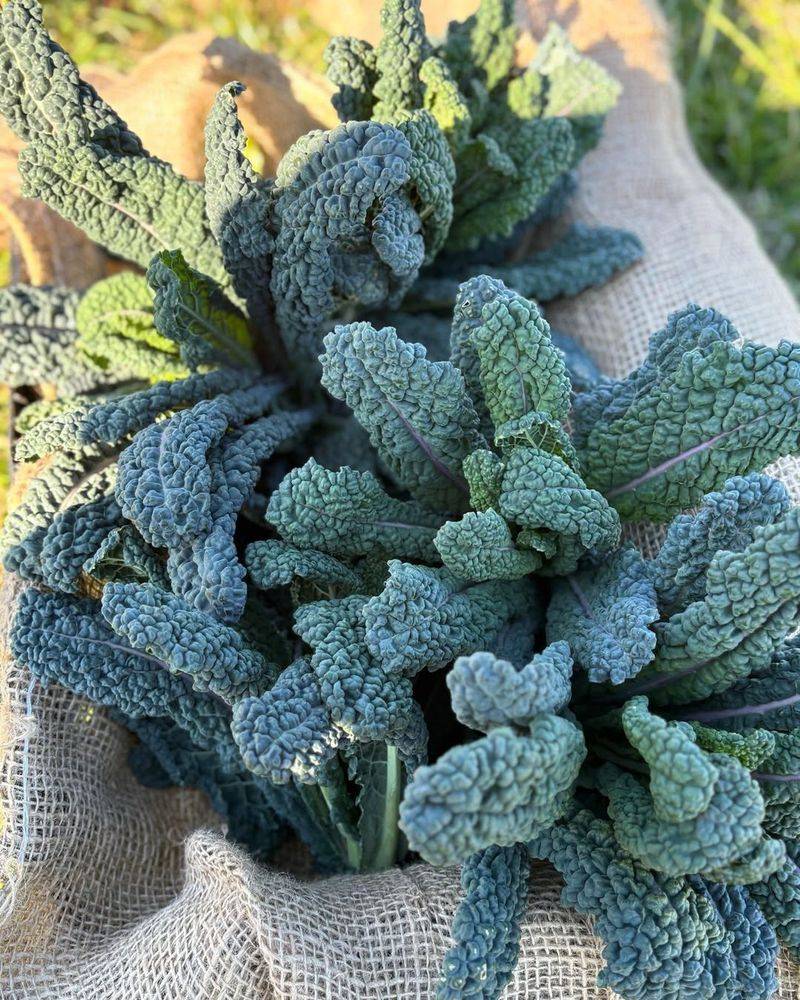
Kale stands as one of the toughest vegetables you can grow in a North Carolina garden during unpredictable spring weather.
This nutrient-packed leafy green actually becomes sweeter after experiencing light frost because cold temperatures trigger the plant to convert starches into sugars. Gardeners often say kale tastes better after a good freeze has touched the leaves.
The plant can survive temperatures down to the mid-twenties and sometimes even lower without significant damage. Its thick, textured leaves contain natural antifreeze compounds that prevent ice crystals from destroying cell walls.
This biological adaptation makes kale perfect for early spring planting when frost still threatens tender seedlings.
Curly kale, Lacinato kale, and Red Russian varieties all show excellent cold tolerance in North Carolina gardens. Young plants establish quickly in cool soil and grow steadily through temperature fluctuations that would stress warm-season crops.
Mature kale plants develop even stronger frost resistance as they age. Harvest outer leaves regularly to encourage continued growth throughout spring and into early summer. The plant keeps producing fresh greens until hot weather arrives and causes it to bolt.
For gardeners wanting reliable vegetables despite unpredictable weather, kale delivers consistent performance and nutritional value through every cold snap spring brings.
3. Spinach Handles Spring Frost Better Than Most Greens
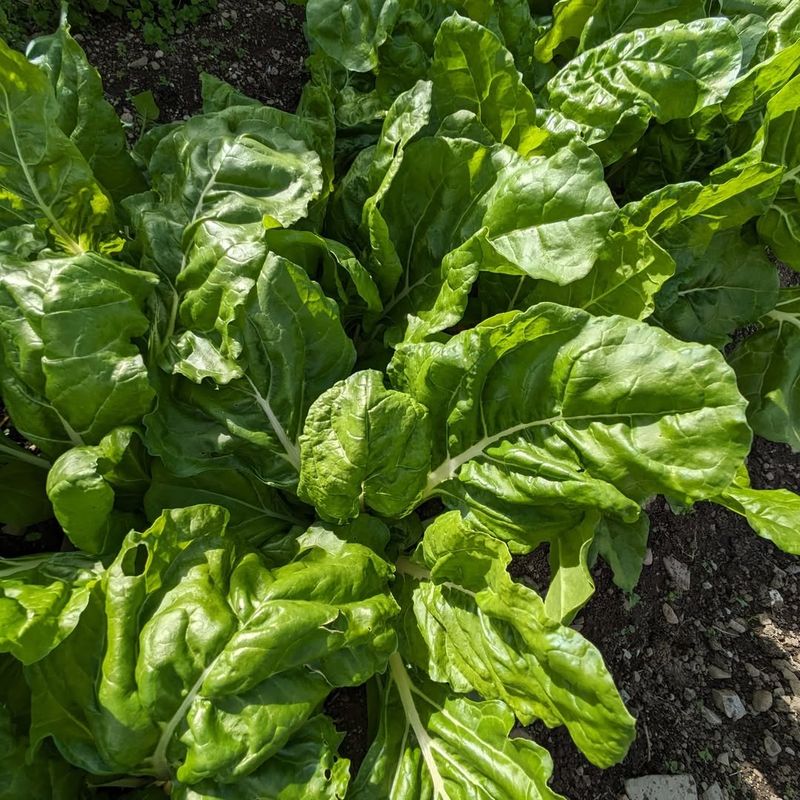
Spinach thrives in cool conditions that make other vegetables struggle and complain about the cold. This fast-growing leafy green can tolerate temperatures down to around twenty degrees Fahrenheit, making it incredibly reliable for North Carolina spring gardens.
The smooth, tender leaves that seem delicate actually contain remarkable frost-fighting abilities that protect the plant during cold nights.
Plant spinach seeds directly in the garden four to six weeks before the last expected frost date. The seeds germinate in cool soil and the young plants establish quickly even when temperatures fluctuate wildly.
Spinach grows best when daytime temperatures stay between fifty and seventy degrees, perfect for North Carolina spring weather.
Cold temperatures actually improve spinach flavor by reducing bitterness and increasing sweetness in the leaves. The plant responds to frost by producing protective compounds that prevent cellular damage from ice formation.
This natural defense system allows spinach to survive multiple frost events throughout the growing season.
Harvest leaves when they reach desired size by cutting outer leaves first and letting the center continue growing. Spinach bolts quickly once hot weather arrives, so spring provides the ideal growing window.
Succession planting every two weeks ensures continuous harvests before summer heat ends the season and sends these cool-loving plants into retirement until fall returns.
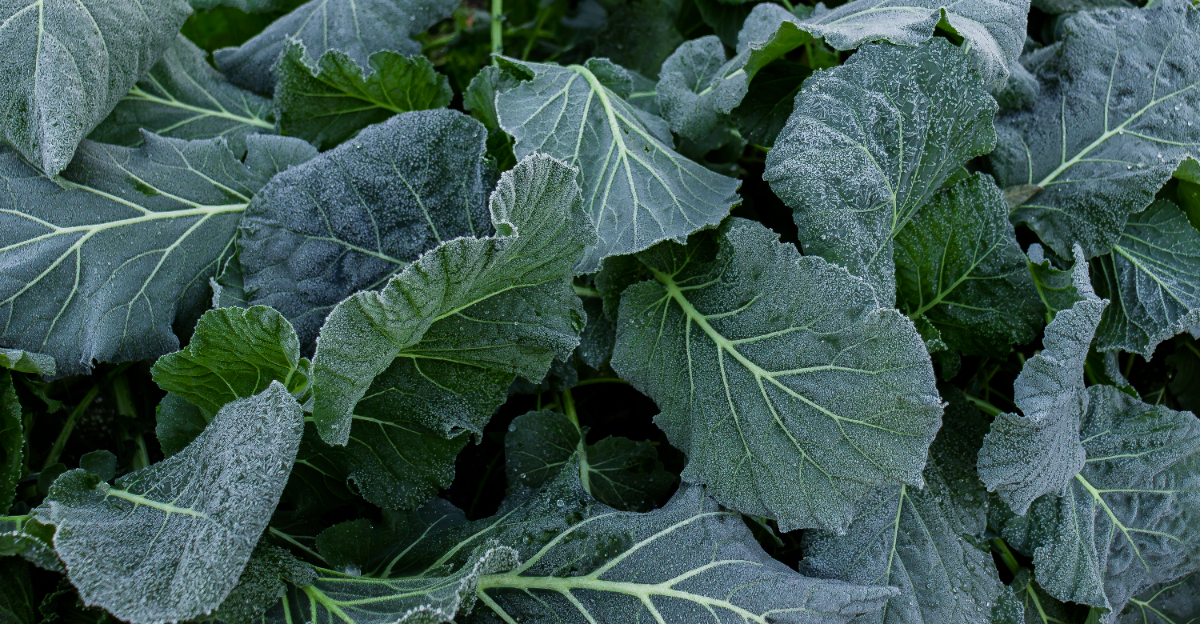
4. Collards Stay Strong Through Cool Spring Weather
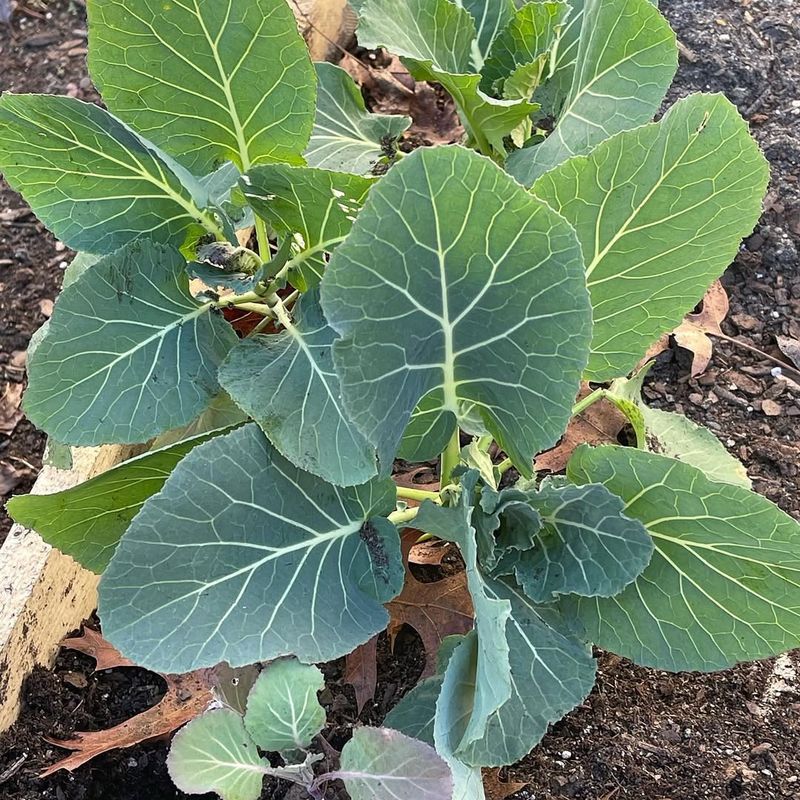
Collards represent Southern gardening tradition and demonstrate impressive resilience when cold weather surprises spring gardens.
These broad-leafed plants handle frost better than almost any other vegetable, surviving temperatures down to the low twenties without flinching.
The thick, waxy coating on collard leaves provides natural protection against freezing temperatures that would damage more tender greens.
North Carolina gardeners have grown collards for generations because they produce reliable harvests through unpredictable weather patterns. The plants grow slowly in cool spring conditions but develop strong root systems that support vigorous growth later.
Young collard plants tolerate light frost easily, while mature plants laugh at cold snaps that send gardeners scrambling to cover other crops.
Frost actually improves collard flavor by mellowing the slightly bitter taste and adding subtle sweetness to the leaves. Many experienced gardeners wait until after the first frost to harvest collards for the best flavor.
The plants continue producing new leaves from the center as you harvest outer leaves throughout the season.
Space collard plants eighteen to twenty-four inches apart to allow proper air circulation and room for growth. They need consistent moisture and benefit from mulch around the base to maintain even soil temperature.
These reliable performers keep producing nutritious greens from early spring through late fall in North Carolina gardens.
5. Snapdragons Tolerate Cool Temperatures And Light Frost
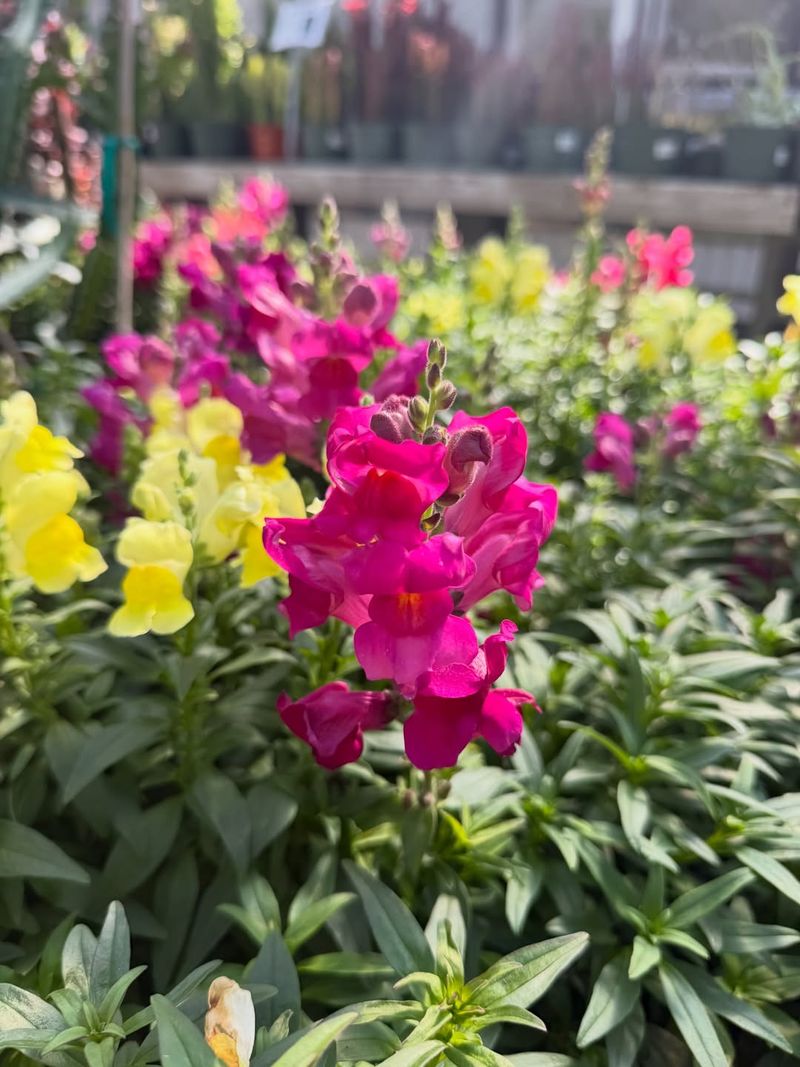
Snapdragons add vertical interest and vibrant color to spring gardens while handling cool temperatures that discourage many flowering plants. These charming blooms can survive light frost in the upper twenties and continue producing flowers throughout spring.
The unique dragon-faced flowers come in nearly every color imaginable, from pure white to deep burgundy and everything between.
Plant snapdragons in early spring when soil can be worked and night temperatures still dip below freezing occasionally. They establish quickly in cool conditions and start blooming within weeks of planting.
Tall varieties reach two to three feet high, while dwarf types stay compact for container gardens and border plantings.
The flowers attract beneficial pollinators to gardens and make excellent cut flowers for indoor arrangements. Snapdragons prefer cool weather and bloom most prolifically when temperatures stay moderate through spring.
Hot summer weather causes them to slow down or stop flowering until cooler fall temperatures return.
Pinch back young plants to encourage bushier growth and more flower spikes throughout the season. Deadhead spent blooms regularly to promote continuous flowering and prevent the plant from setting seed too early.
Water consistently and provide afternoon shade in warmer areas to extend the blooming period.
These reliable performers bring cottage garden charm to North Carolina landscapes while tolerating the temperature swings that define spring weather patterns.
6. Dianthus Survives Cold Nights In Early Spring
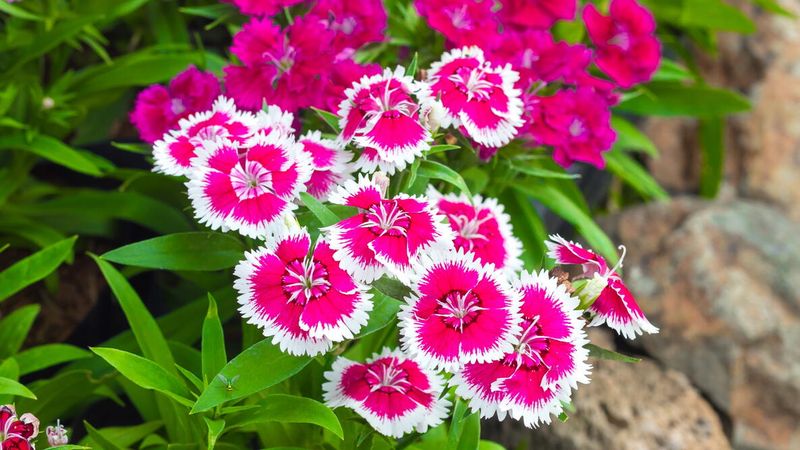
Dianthus brings delightful fragrance and cheerful blooms to gardens that experience unpredictable spring cold snaps. These charming flowers, also called pinks, tolerate temperatures down to the mid-twenties without showing signs of stress.
The grass-like foliage stays evergreen in mild winters and provides year-round interest in North Carolina landscapes.
Hardy dianthus varieties perform exceptionally well in spring gardens where frost still visits occasionally during the night. The flowers feature fringed petals in shades of pink, red, white, and bicolors that create eye-catching displays.
Many varieties release a spicy, clove-like fragrance that fills the air on warm spring afternoons.
Plant dianthus in well-drained soil with full sun exposure for best flowering performance throughout the season. They tolerate some shade but produce fewer blooms when light levels decrease.
The plants form neat mounds of foliage that work perfectly in rock gardens, borders, and container plantings.
Dianthus blooms most heavily in spring when temperatures stay cool and moderate through the day. Deadhead spent flowers to encourage additional bloom cycles and keep plants looking tidy.
The plants may slow down during hot summer months but often rebloom when cooler fall weather returns.
These fragrant performers combine beauty, toughness, and delightful scent in one reliable package that handles North Carolina spring weather fluctuations with grace.
7. Violas Continue Blooming Through Cold Spring Weather
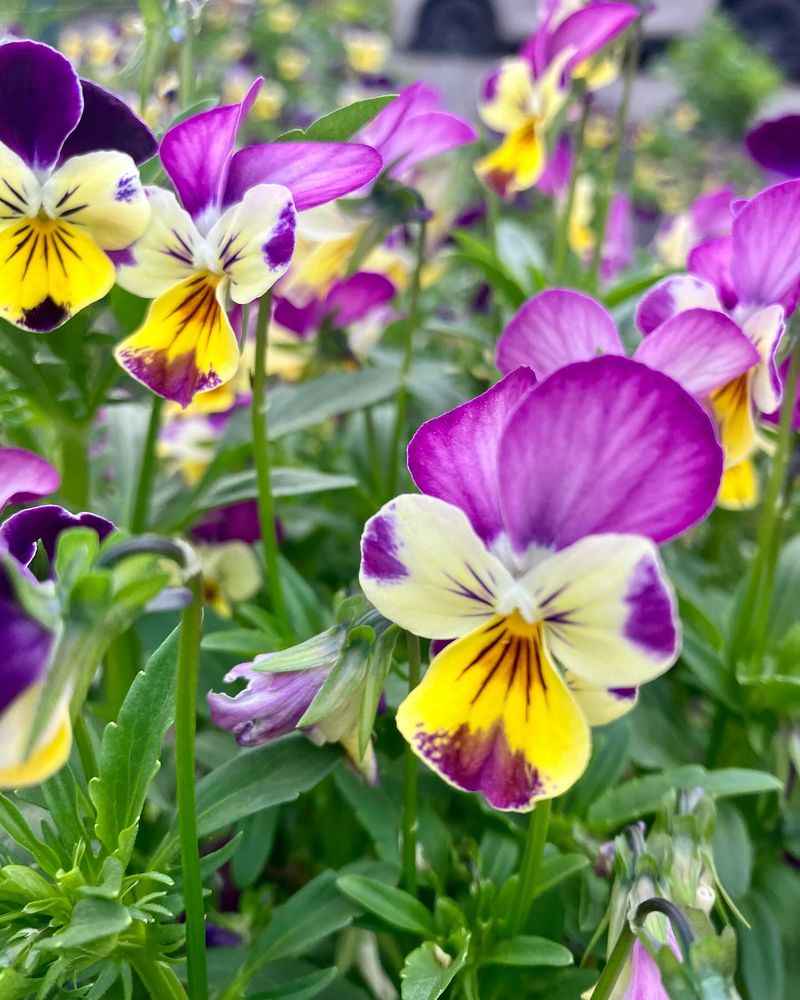
Violas look like miniature pansies but pack even more cold tolerance into their compact flowers and foliage.
These delightful bloomers handle frost down to the low twenties and keep producing flowers through temperature swings that would discourage less hardy plants.
The small, cheerful faces appear in solid colors and patterns that brighten gardens from late winter through spring.
North Carolina gardeners appreciate violas for their ability to bloom continuously through unpredictable weather patterns. The plants stay compact, reaching only six to eight inches tall, making them perfect for edging beds and filling containers.
Violas self-seed readily, often returning year after year in the same garden spots where they feel happy.
Plant violas in fall or early spring for months of reliable color in the landscape. They prefer cool temperatures and actually bloom most prolifically when nights stay chilly and days remain moderate.
The flowers attract early-season pollinators searching for nectar sources when few other plants are blooming.
Water violas regularly and deadhead spent blooms to encourage continuous flowering throughout the season. They tolerate light shade but produce more flowers in full sun locations.
These cheerful performers combine cold hardiness with non-stop blooming to create reliable spring displays.
Their ability to bounce back after frost makes them essential for North Carolina gardens where spring weather keeps everyone guessing about what tomorrow brings.
8. Lettuce Can Handle Light Frost Without Major Damage
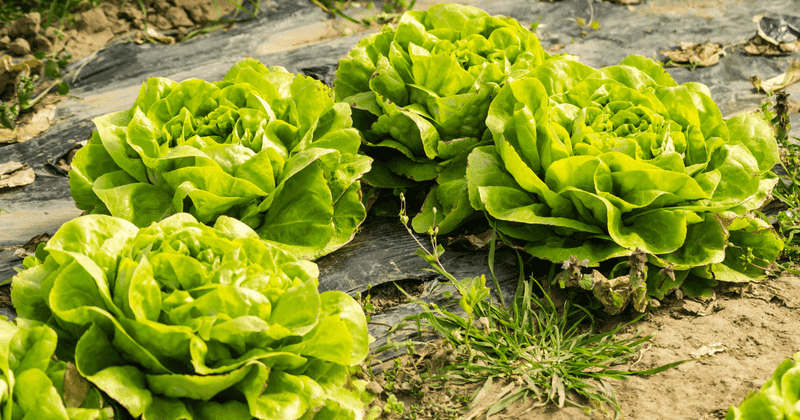
Lettuce provides fresh, crisp salads from the garden while tolerating cool spring temperatures that many vegetables cannot handle. Most lettuce varieties survive light frost in the upper twenties without significant damage to leaves or growth.
The tender-looking foliage actually contains surprising resilience that allows the plant to recover quickly from cold exposure.
Leaf lettuce, romaine, and butterhead types all show good cold tolerance in North Carolina spring gardens. Plant seeds directly in the garden four to six weeks before the last expected frost date for early harvests.
The seeds germinate in cool soil and young plants establish quickly even when temperatures fluctuate between warm days and chilly nights.
Lettuce grows best when temperatures stay between forty-five and seventy degrees, making spring the ideal growing season. The plants bolt and turn bitter once hot weather arrives, so early planting ensures the best quality leaves.
Succession planting every two weeks extends the harvest period before summer heat ends the season.
Harvest outer leaves as needed and let the center continue producing new growth throughout spring. Water consistently to keep soil evenly moist but not waterlogged, which can cause rot problems.
Provide afternoon shade in warmer areas to extend the growing season and prevent premature bolting.
These reliable greens deliver fresh flavor while handling the temperature swings that define North Carolina spring weather patterns.
9. Swiss Chard Recovers Well After Light Frost Exposure
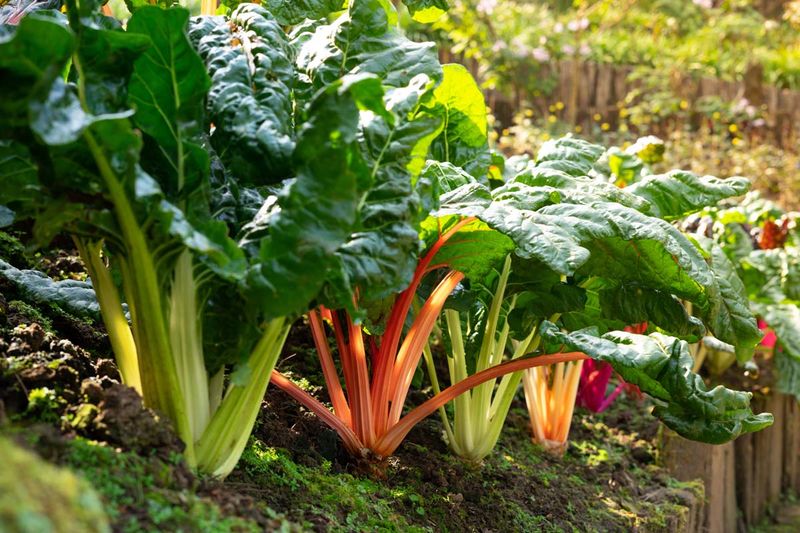
Swiss chard combines ornamental beauty with nutritional value while demonstrating remarkable resilience during cold spring weather. The colorful stems in shades of red, yellow, orange, and white create stunning displays in vegetable gardens.
Large, crinkled leaves tolerate frost down to around twenty-five degrees and recover quickly even after more severe cold exposure damages some foliage.
Plant Swiss chard in early spring when soil temperatures reach fifty degrees for best germination and establishment. The plants grow steadily through cool weather and continue producing leaves from spring through fall.
Young plants tolerate light frost easily, while mature plants develop even stronger cold resistance as they age.
The thick, substantial leaves contain natural compounds that protect cells from frost damage better than more delicate greens. Swiss chard keeps growing through temperature fluctuations that cause other vegetables to sulk and stop producing.
This reliable performance makes it a favorite among North Carolina gardeners dealing with unpredictable spring weather.
Harvest outer leaves when they reach six to eight inches long and let the center continue producing new growth. The plant regenerates quickly after harvesting, providing continuous yields throughout the growing season.
Rainbow chard varieties add colorful accents to both vegetable and ornamental gardens. Water consistently and mulch around plants to maintain even soil moisture and temperature.
These versatile performers deliver beauty and nutrition while handling whatever spring weather throws at them.
10. Mustard Greens Thrive In Cool Frost Prone Conditions
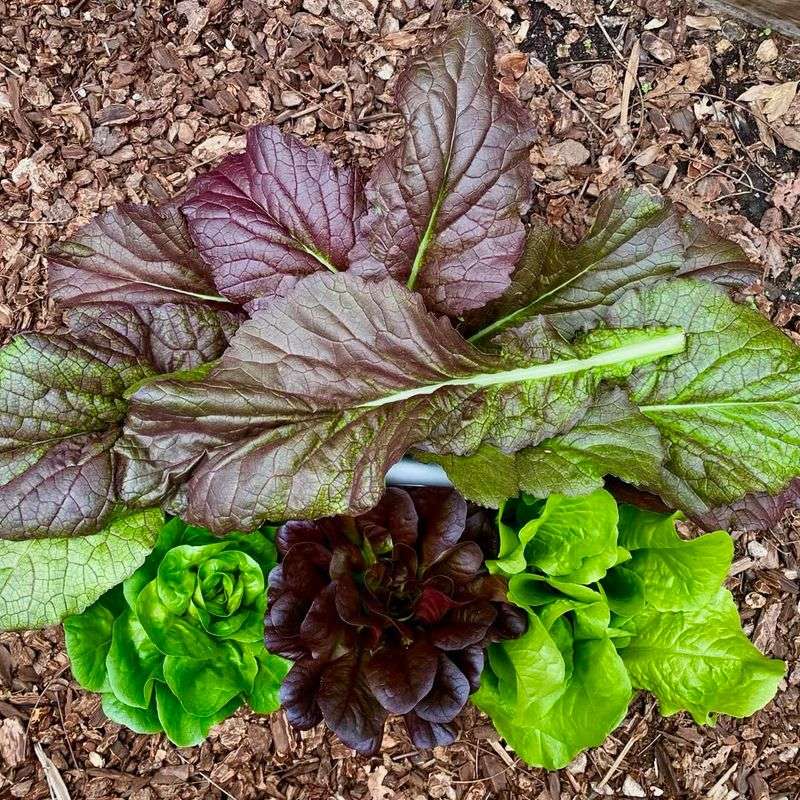
Mustard greens grow with enthusiasm in cool spring conditions that other vegetables find challenging and uncomfortable. These spicy-flavored leaves tolerate frost down to the low twenties and actually prefer growing in temperatures that stay below seventy degrees.
The plants bolt quickly once hot weather arrives, making spring the perfect season for growing tender, flavorful mustard greens.
North Carolina gardeners plant mustard greens in early spring for quick harvests before summer heat takes over the garden. The seeds germinate rapidly in cool soil and plants reach harvest size in just thirty to forty days.
This fast growth allows multiple plantings throughout spring for continuous supplies of fresh greens.
Frost improves mustard green flavor by reducing the sharp, peppery bite and adding subtle sweetness to the leaves. Many varieties show beautiful purple or red coloring that intensifies in cool weather.
The plants grow vigorously in spring, producing abundant leaves for fresh eating or cooking in traditional Southern dishes.
Harvest entire young plants or cut outer leaves and let the center continue growing throughout the season. Mustard greens need consistent moisture and benefit from afternoon shade in warmer locations to prevent premature bolting.
The plants attract beneficial insects to gardens while providing nutritious, flavorful harvests.
These reliable performers combine fast growth with cold tolerance to deliver dependable results in unpredictable North Carolina spring gardens.