11 Tough Plants That Survive Ohio Winters Every Year
Winter in Ohio does not whisper, it tests everything. Ice grips the soil, winds cut across open ground, and temperatures plunge without mercy.
Many plants fade, yet a select few rise to the challenge and return stronger each spring. You spot them first when the snow pulls back, fresh shoots pushing through cold earth like quiet proof of resilience.
No fuss, no drama, just steady survival year after year. These are the backbone plants of dependable Ohio gardens, the ones seasoned growers trust when winters turn harsh and unpredictable.
They anchor landscapes, hold their color and form, and reward patience with reliable growth once warmth returns. Plant them once and watch your garden stand firm through freezing nights, heavy snow, and sudden cold snaps.
These tough performers bring confidence, strength, and lasting beauty to gardens that refuse to surrender to Ohio winter.
1. Boxwood Stays Green Through Snow And Ice
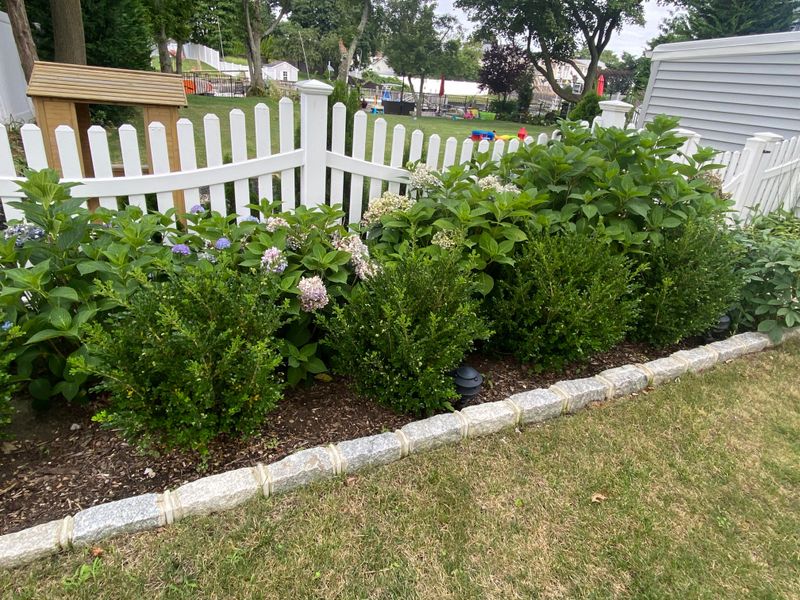
Evergreen shrubs provide structure and color when everything else has gone dormant, and boxwood delivers that reliability better than most. Its dense, compact foliage holds its rich green color through the coldest months, making it a favorite for foundation plantings and formal hedges across Ohio.
According to Ohio State University Extension, boxwood varieties like ‘Green Velvet’ and ‘Green Mountain’ are particularly well-suited to Midwest winters.
Wind protection is key to preventing winter burn, which happens when cold, dry winds pull moisture from the leaves faster than roots can replace it. Planting boxwood in a sheltered spot or wrapping it with burlap during extreme cold snaps helps protect the foliage.
Mulching around the base in late fall also insulates roots and keeps soil moisture more consistent.
Pruning should wait until late winter or early spring, just before new growth begins. Boxwood grows slowly and maintains its shape well, so it doesn’t require constant trimming.
It prefers well-drained soil and partial to full sun, though it tolerates some shade. Once established, boxwood is remarkably low-maintenance and can live for decades, giving your landscape year-round beauty without much effort.
2. Coneflower Returns Reliably Every Spring
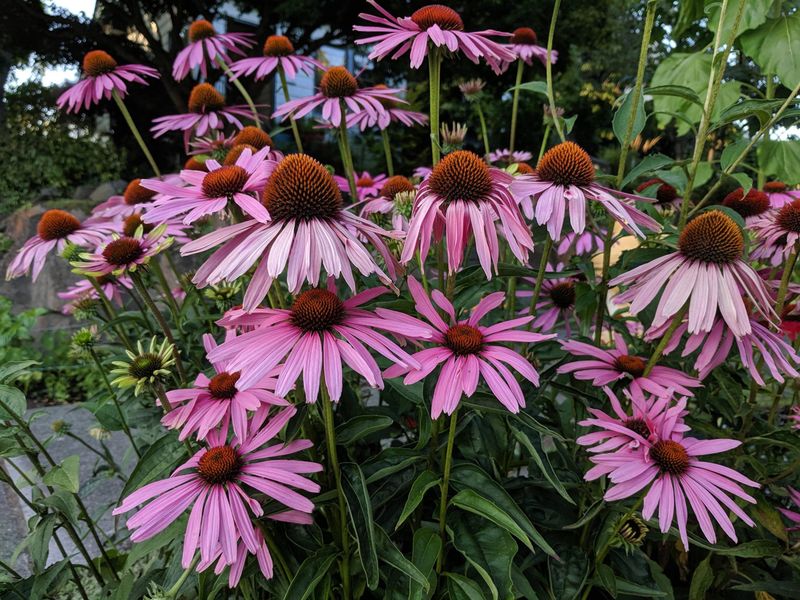
Perennials with deep, hardy root systems are some of the most dependable plants for Ohio gardens, and coneflower is a perfect example. Its thick taproot stores energy through winter, allowing the plant to emerge vigorously each spring without any special care.
Native to the Midwest, coneflower is naturally adapted to temperature extremes, drought, and poor soil conditions.
Leaving the seed heads standing through winter provides food for goldfinches and other birds, and it adds architectural interest to the winter landscape. Those dried flower heads also help mark where plants are located, so you don’t accidentally dig them up during early spring cleanup.
Ohio State University horticulture resources recommend cutting back old stems in late winter or early spring to make room for fresh growth.
Coneflower thrives in full sun and well-drained soil, blooming from midsummer into fall with little attention. It tolerates heat, humidity, and occasional dry spells, making it ideal for busy gardeners.
Deer tend to leave it alone, and it rarely suffers from serious pests or diseases. Once established, coneflower spreads slowly and can be divided every few years to create more plants or refresh older clumps.
3. Daylilies Thrive In Freezing Temperatures
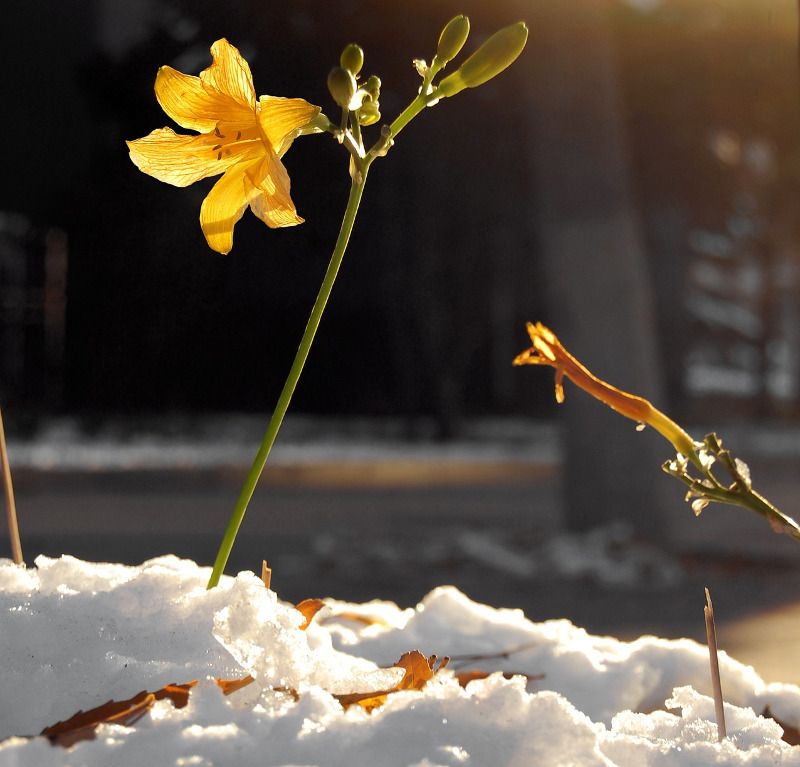
Few plants match the toughness and adaptability of daylilies, which seem to flourish no matter what Ohio weather throws at them. Their fleshy, tuberous roots store moisture and nutrients, allowing them to survive deep freezes and bounce back quickly when temperatures warm.
Daylilies grow well in USDA zones 3 through 9, so Ohio’s zone 5 and 6 conditions are well within their comfort range.
They tolerate a wide range of soil types, from heavy clay to sandy loam, as long as drainage is reasonable. Full sun produces the most blooms, but daylilies also perform well in partial shade, making them versatile for different garden spots.
Each flower lasts only one day, but plants produce so many buds that the bloom period stretches for weeks.
Maintenance is minimal. Daylilies don’t require deadheading, though removing spent flowers keeps the plant looking tidy.
Foliage can be cut back after the first hard frost or left standing through winter and cleaned up in early spring. They rarely need dividing, but clumps can be split every few years if they become crowded.
According to research from university horticulture programs, daylilies are among the most reliable perennials for Midwest gardens, requiring almost no special care once established.
4. Sedum Handles Cold And Poor Soil With Ease
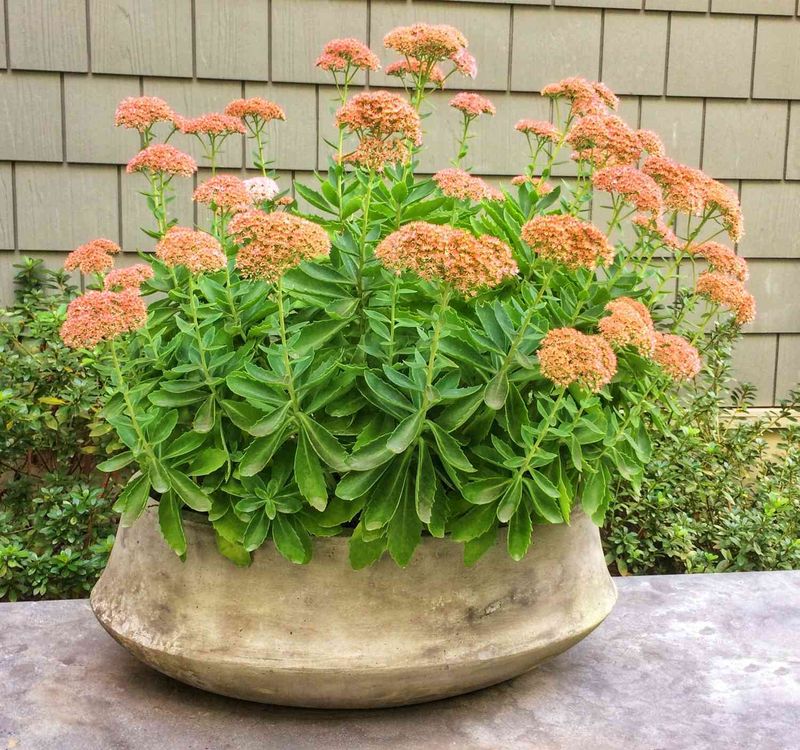
Succulent perennials like sedum are built to survive harsh conditions, storing water in their thick leaves and tolerating neglect better than most garden plants. Varieties like ‘Autumn Joy’ and ‘Matrona’ are especially popular in Ohio, offering late-season blooms and sturdy, upright growth that holds up through winter.
Their fleshy crowns sit just below the soil surface, insulated from freezing temperatures.
Drainage is the most important factor for sedum success. Heavy, waterlogged soil can cause crown rot, especially during freeze-thaw cycles.
Planting in raised beds, amended soil, or naturally well-drained areas solves this problem. Sedum thrives in full sun and tolerates drought once established, making it ideal for sunny, dry spots where other plants struggle.
Flower clusters form in late summer and gradually shift from green to pink or bronze as fall approaches. The dried flower heads remain attractive through winter, and many gardeners leave them standing until early spring for visual interest.
Cutting back old stems just as new growth emerges keeps plants tidy and encourages strong, bushy growth. Sedum rarely needs dividing and spreads slowly, forming neat clumps that require almost no maintenance year after year.
5. Hostas Go Dormant And Come Back Strong
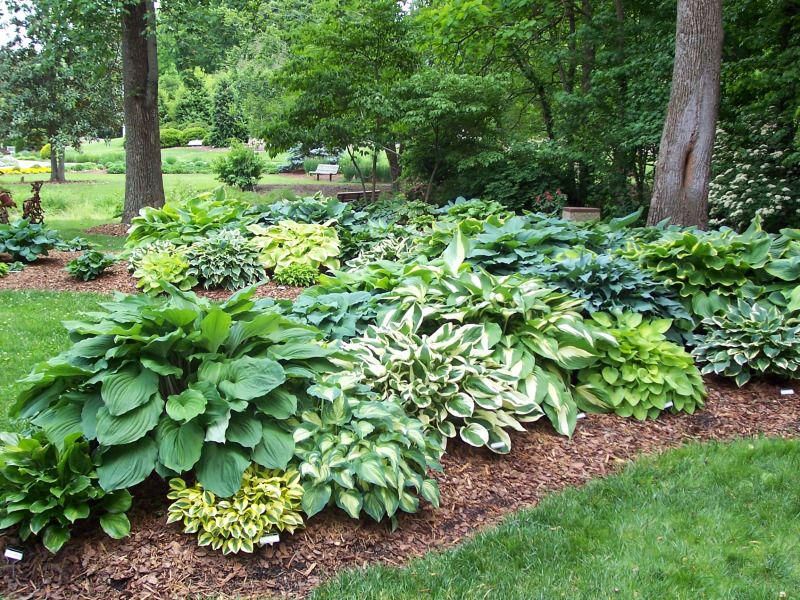
Shade gardening in Ohio becomes much easier when you rely on plants that naturally thrive without full sun, and hostas are the undisputed champions of shady spots. Their thick, fleshy roots store energy through the dormant season, allowing them to push up fresh, vigorous foliage each spring.
Hostas are rated for zones 3 through 9, so Ohio’s winters pose no threat to their survival.
Dormancy is key to their cold tolerance. Foliage naturally yellows and collapses after the first hard frost, signaling that the plant is shutting down for winter.
Cutting back withered leaves in late fall or early spring prevents slug habitat and keeps the garden looking tidy. A layer of mulch over the root zone helps insulate crowns and retain soil moisture.
Hostas prefer rich, well-drained soil and consistent moisture, though established plants tolerate some dryness. They grow well in partial to full shade, with some varieties tolerating more sun than others.
According to Ohio State University Extension, hostas are among the most reliable perennials for Midwest shade gardens. They rarely suffer from serious problems and can live for decades without dividing, though clumps can be split in spring or fall to create new plants.
6. Ornamental Grasses Stand Tall All Winter
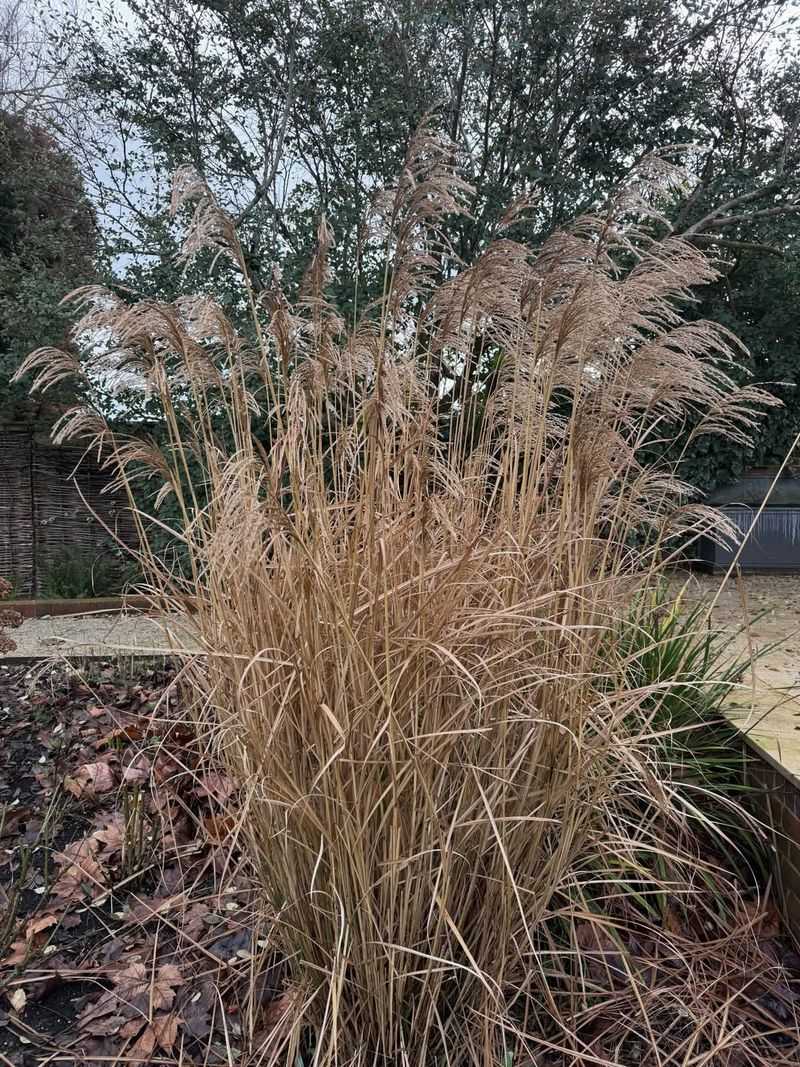
Grasses bring movement, texture, and year-round interest to Ohio gardens, and their root systems are incredibly winter-hardy. Varieties like switchgrass, little bluestem, and Karl Foerster feather reed grass are native or well-adapted to the Midwest, thriving in zones 4 through 9.
Their fibrous roots anchor deeply into the soil, surviving freezing and thawing without damage.
Leaving grasses standing through winter provides structure and visual appeal when most plants are dormant. Seed heads catch snow and frost, creating beautiful effects on cold mornings.
Birds also appreciate the seeds and shelter grasses provide during harsh weather. Cutting back old growth in late winter, just before new shoots emerge, keeps plants tidy and prevents them from becoming floppy or overgrown.
Most ornamental grasses prefer full sun and well-drained soil, though some tolerate partial shade. They’re drought-tolerant once established and rarely need fertilizing or dividing.
Research from university horticulture programs shows that ornamental grasses are among the lowest-maintenance perennials available, requiring only an annual cutback to perform well year after year. They also resist deer browsing and have few pest or disease problems, making them ideal for busy gardeners.
7. Black Eyed Susan Reseeds And Survives Hard Frost
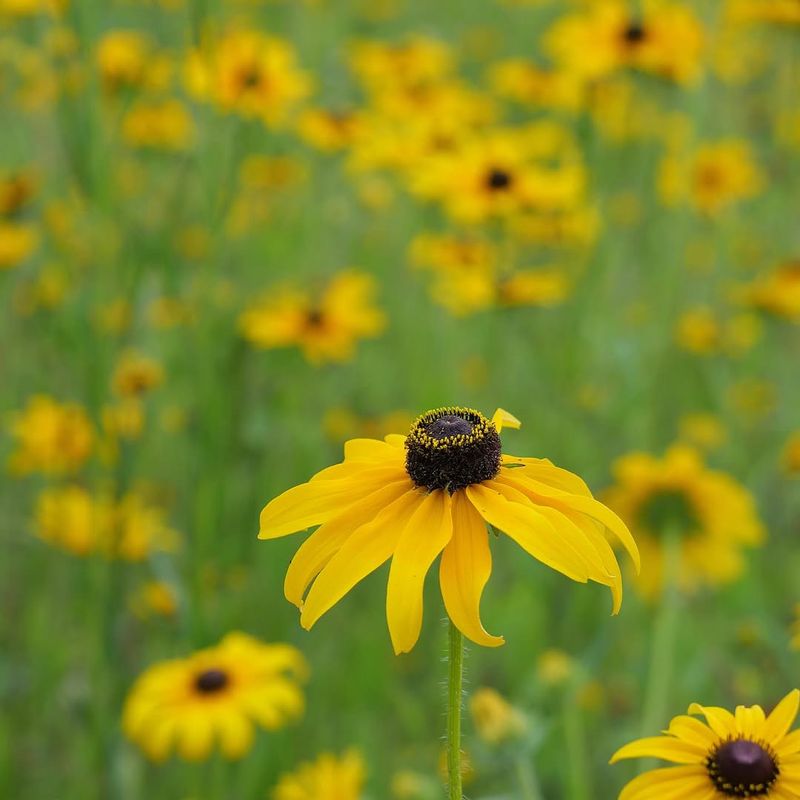
Cheerful, golden blooms make black-eyed Susan a favorite in Ohio gardens, and its ability to reseed and spread naturally means it returns year after year without replanting. This native wildflower is perfectly adapted to Midwest conditions, tolerating heat, cold, drought, and poor soil with ease.
Its deep taproot survives hard freezes, and dropped seeds germinate readily in spring.
Blooming from midsummer through fall, black-eyed Susan provides weeks of bright color when many other plants have finished flowering. Leaving spent flower heads standing through winter feeds birds and allows seeds to drop naturally, creating new plants the following season.
If self-seeding becomes too enthusiastic, simply pull extra seedlings in spring or cut flowers before they set seed.
Black-eyed Susan grows best in full sun and well-drained soil, though it adapts to a range of conditions. It tolerates clay soil, occasional dryness, and neglect, making it ideal for low-maintenance landscapes.
According to Ohio State University Extension, black-eyed Susan is one of the most reliable native perennials for Ohio gardens, requiring almost no care once established. It also attracts pollinators like bees and butterflies, adding ecological value along with visual appeal.
8. Hellebores Bloom Even In Late Winter Chill
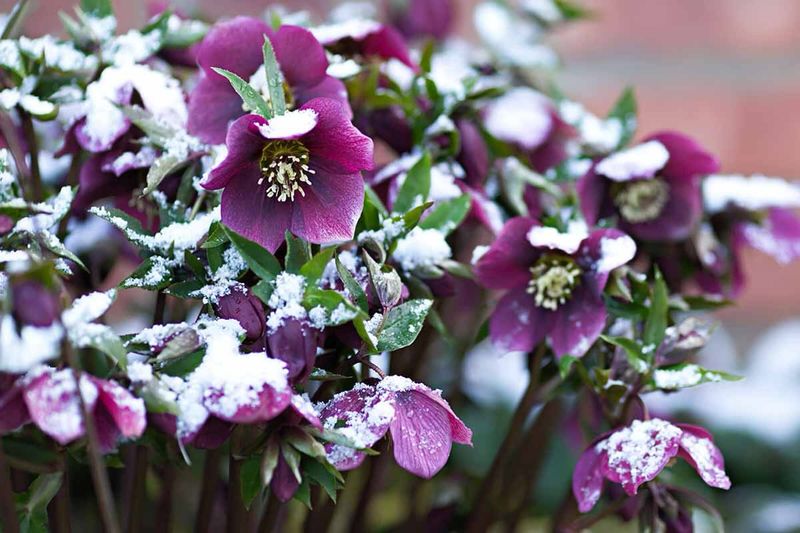
Early bloomers bring hope after a long Ohio winter, and hellebores often flower while snow is still on the ground. Their tough, evergreen foliage stays attractive year-round, and their nodding blooms appear as early as February or March, depending on the season.
Hellebores are rated for zones 4 through 9, so they handle Ohio’s coldest winters without protection.
Shade tolerance makes hellebores valuable for planting under trees or along north-facing foundations where other perennials struggle. They prefer rich, well-drained soil with consistent moisture, especially during their late winter and early spring bloom period.
Once established, hellebores tolerate dry shade better than most flowering perennials.
Flowers last for weeks, gradually fading but remaining attractive even as they age. Evergreen leaves may look tattered by late winter, so trimming them back in January or February allows fresh foliage and flowers to take center stage.
According to horticulture research, hellebores are long-lived perennials that rarely need dividing and resist deer browsing. They self-sow modestly, and seedlings can be transplanted or left to naturalize.
Their early bloom time and low-maintenance nature make them a smart choice for Ohio shade gardens.
9. Peonies Withstand Snow And Deep Freezes
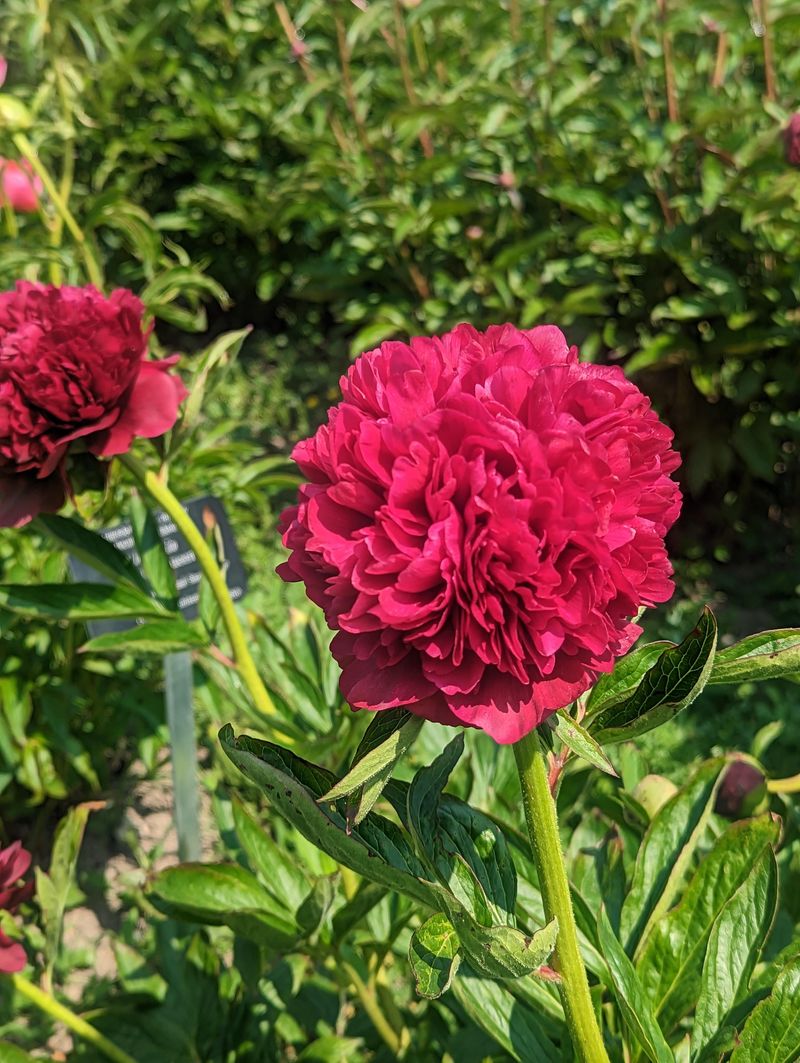
Longevity and cold hardiness make peonies one of the most beloved perennials in Ohio gardens, with some plants living 50 years or more in the same spot. Their thick, tuberous roots store energy through winter, and they require a period of cold dormancy to bloom well the following spring.
Peonies are rated for zones 3 through 8, so Ohio’s climate suits them perfectly.
Proper planting depth is critical for success. Peony eyes (the reddish buds on the roots) should sit no more than two inches below the soil surface.
Planting too deep prevents blooming, while planting too shallow exposes roots to freeze damage. Mulching lightly after the ground freezes protects crowns without burying them too deeply.
Peonies prefer full sun and well-drained soil, blooming in late spring or early summer depending on the variety. Once established, they need little care beyond cutting back withered foliage in fall to reduce disease risk.
According to Ohio State University Extension, peonies are among the most reliable perennials for Midwest gardens, tolerating cold, heat, and occasional neglect. They rarely need dividing and often bloom more abundantly as they mature, making them a true plant-it-and-forget-it choice for long-term garden success.
10. Juniper Shrugs Off Ice And Bitter Wind
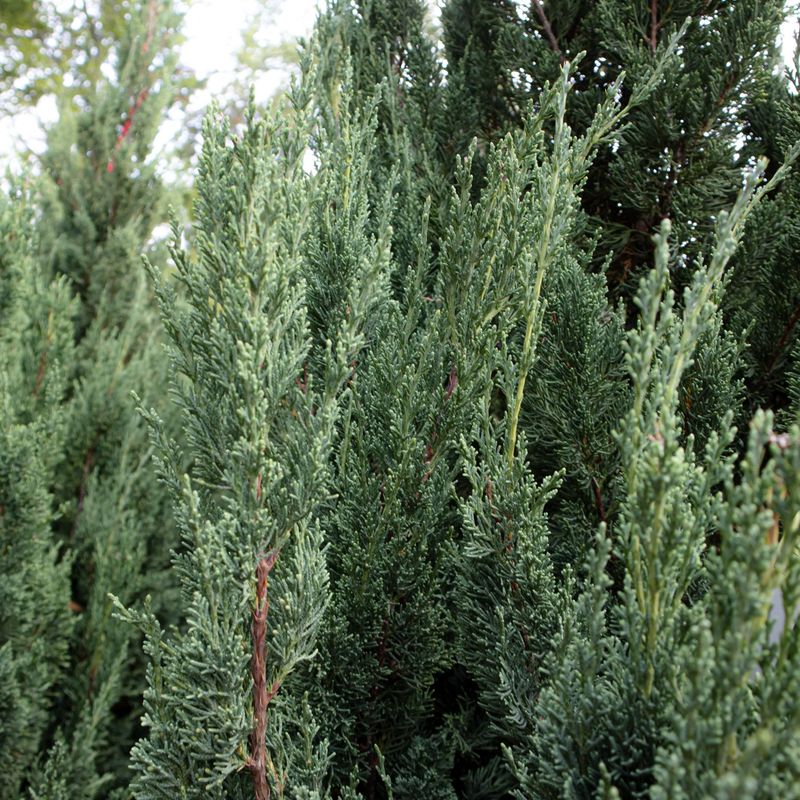
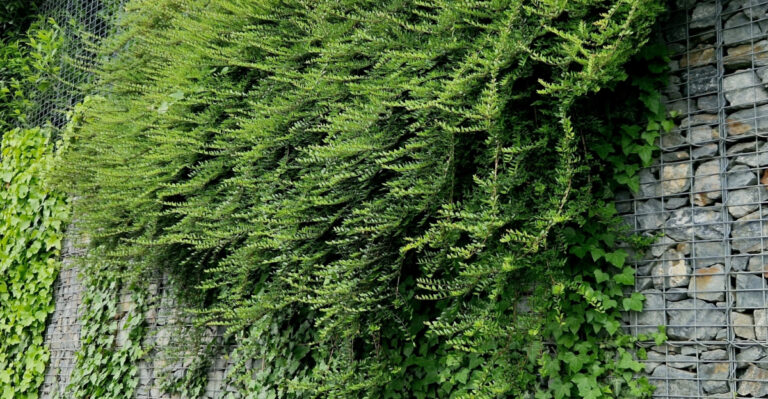
Evergreen groundcovers and shrubs that tolerate harsh conditions are invaluable in Ohio landscapes, and juniper fits that role perfectly. Its needle-like foliage stays green year-round, and its low, spreading habit makes it ideal for erosion control on slopes or as a foundation planting.
Juniper is rated for zones 3 through 9, so it handles Ohio winters with no trouble.
Ice and wind don’t faze juniper the way they do more delicate evergreens. Its flexible branches bend under snow loads rather than breaking, and its waxy foliage resists desiccation from cold, dry winds.
Planting juniper in well-drained soil is the most important factor for success, as waterlogged roots can lead to root rot, especially during freeze-thaw cycles.
Juniper thrives in full sun and tolerates poor, rocky, or sandy soil better than most plants. Once established, it needs almost no water or fertilizer, making it a favorite for low-maintenance landscapes.
According to university horticulture programs, juniper is one of the toughest evergreens for Midwest gardens, requiring only occasional pruning to control size or shape. It also resists deer browsing and has few pest problems, making it a reliable choice for gardeners who want year-round greenery without constant care.
11. Russian Sage Survives Cold And Summer Heat Alike
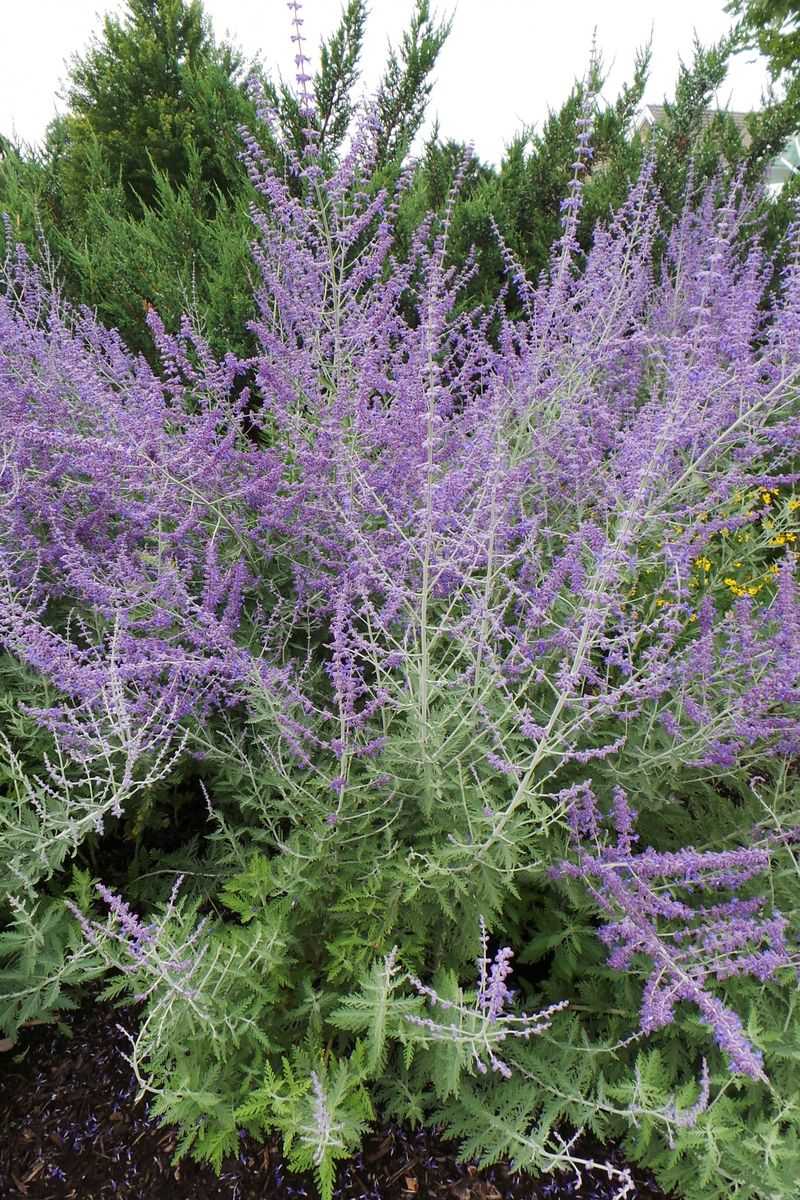
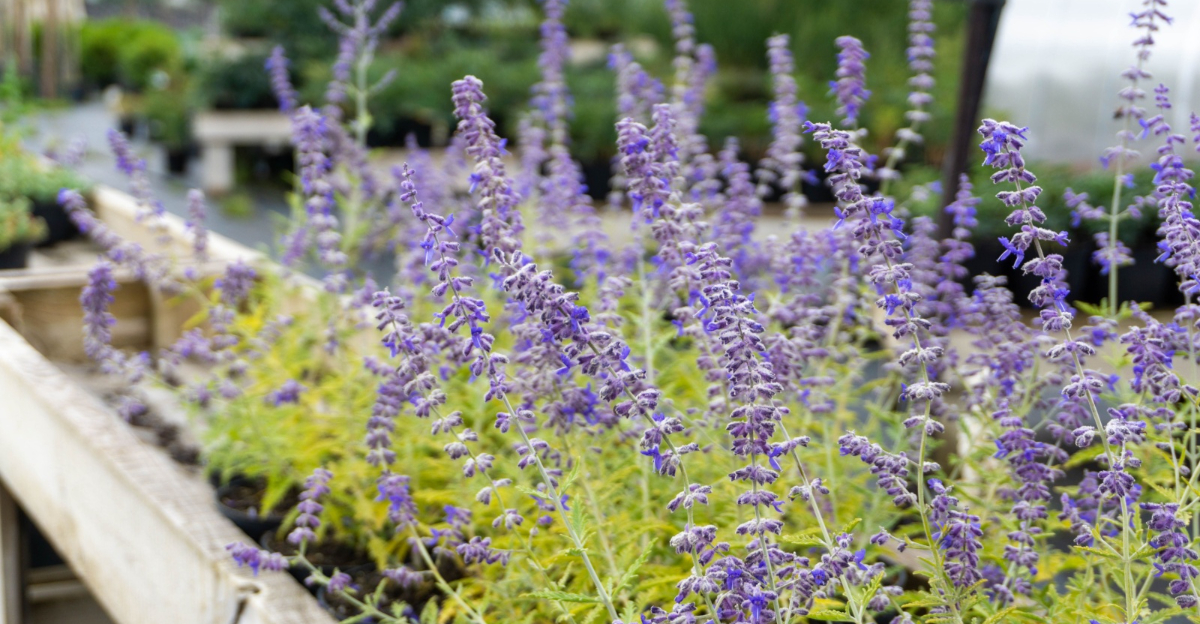
Dual-season resilience sets Russian sage apart from many perennials, as it handles both Ohio’s cold winters and hot, humid summers without complaint. Its woody stems and deep roots survive freezing temperatures, and its silvery foliage and airy purple blooms thrive in full sun and heat.
Russian sage is rated for zones 4 through 9, making it well-suited to Ohio’s climate.
Drainage is critical for winter survival. Soggy soil during freeze-thaw cycles can damage crowns, so planting Russian sage in well-drained locations or amending heavy clay with compost ensures success.
It tolerates drought once established and actually prefers lean soil over rich, heavily fertilized conditions.
Pruning timing matters with Russian sage. Cutting it back hard in late fall or early spring encourages bushy, vigorous growth and prevents the plant from becoming woody and floppy.
According to Ohio State University Extension, Russian sage is one of the most reliable perennials for hot, sunny spots in Midwest gardens. It blooms from midsummer into fall, attracts pollinators, and resists deer browsing.
Once established, it requires almost no maintenance beyond annual pruning, making it a smart choice for low-effort, high-impact landscaping.