9 Tough Winter Houseplants Keeping Indiana Homes Vibrant In The Cold
Indiana homeowners are relying on tough winter houseplants to maintain vibrant indoor spaces through chilly months.
Species like ZZ plants, snake plants, and hardy palms withstand lower light, cooler temperatures, and irregular watering without losing their lush appeal.
These plants add color, texture, and life to living rooms, offices, and entryways when outdoor gardens are dormant.
Beyond aesthetics, they improve indoor air quality and bring a sense of calm and connection to nature during gray winter days.
Their resilience makes them ideal for busy households, students, and anyone who wants greenery without constant care.
By selecting low-maintenance yet visually striking species, Indiana residents can enjoy verdant interiors year-round.
Whether grouped in large planters or scattered across shelves, these winter-hardy houseplants keep homes inviting, cheerful, and full of life, proving that indoor gardening can thrive even in the coldest months.
1. Snake Plant (Sansevieria)
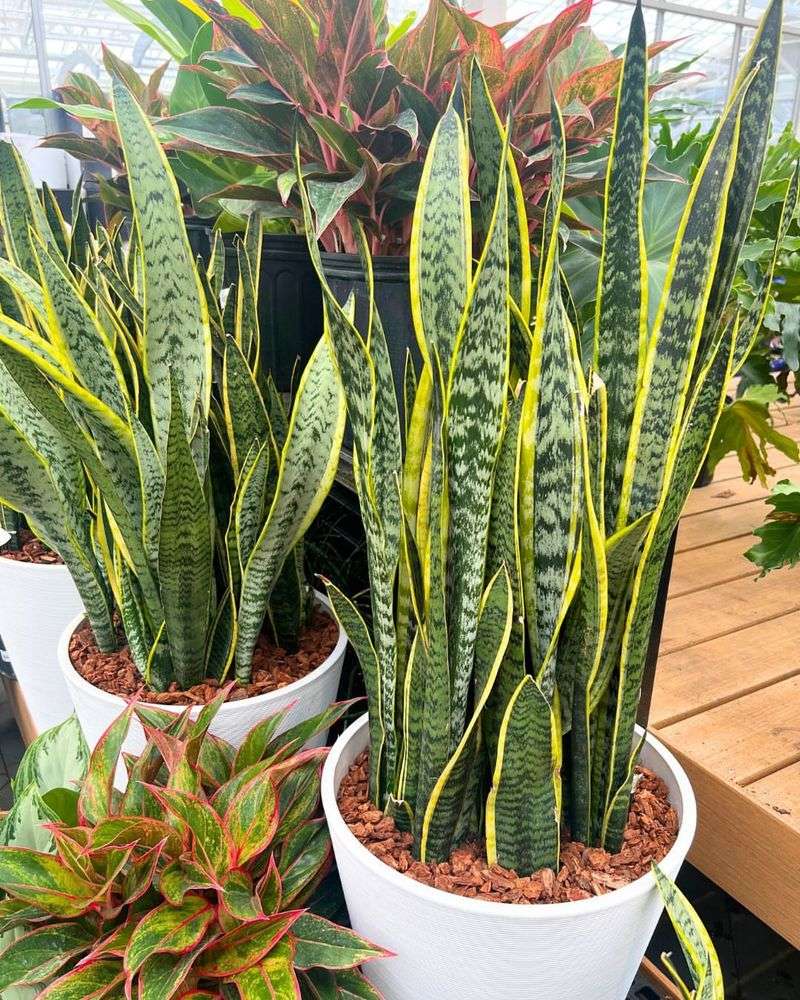
Snake plants earn their reputation as nearly indestructible houseplants that laugh in the face of neglect.
Their striking, sword-like leaves grow straight up and come in various shades of green with yellow or white edges.
Perfect for busy folks, these plants only need watering every two to three weeks during winter.
They handle low light situations like champs, making them ideal for darker Indiana winter days when sunshine is scarce.
Snake plants also work overtime at night, releasing oxygen while you sleep, which improves bedroom air quality.
Temperatures between 55-85°F suit them perfectly, so your normal indoor heating won’t cause problems.
Place one in a corner that needs visual interest, and watch it stand tall without demanding constant attention.
Even first-time plant owners find success with these forgiving beauties that practically take care of themselves.
2. Pothos (Epipremnum aureum)
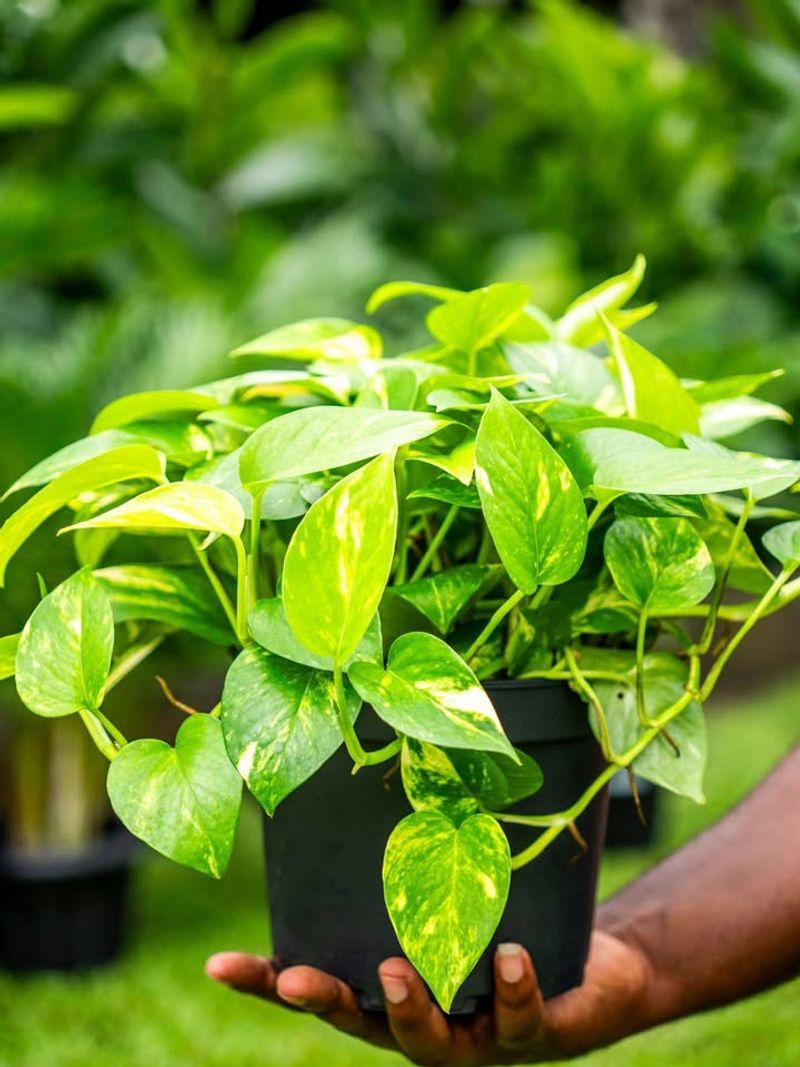
Golden pothos vines cascade gracefully from shelves and hanging baskets, bringing a waterfall of green into any room.
Heart-shaped leaves marbled with cream or yellow create an eye-catching display that grows surprisingly fast.
Watering once a week keeps pothos happy, though they’ll forgive you if you forget occasionally.
Low to medium light suits them fine, and they actually prefer cooler winter temperatures between 60-75°F.
Indiana homes provide ideal conditions since pothos doesn’t need high humidity or constant pampering.
Did you know pothos can grow in water alone?
Simply snip a stem and place it in a glass vase for an easy, soil-free display.
Whether climbing a moss pole or trailing down a bookshelf, pothos adapts to your style while purifying your air.
Kids love watching the vines grow longer each month, making this plant a family favorite.
3. ZZ Plant (Zamioculcas zamiifolia)
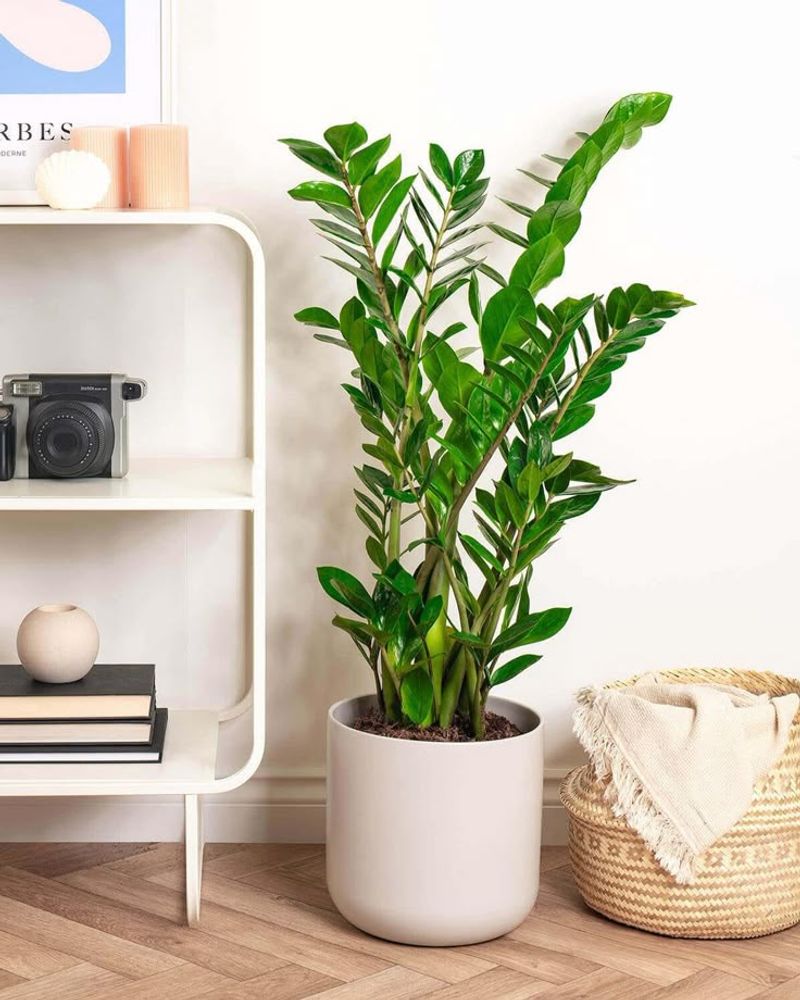
With leaves so shiny they look polished, ZZ plants bring a touch of elegance without requiring spa-level care.
Their thick, waxy foliage stores water like a camel stores food, meaning they survive weeks without a drink.
During Indiana’s dry winter months, ZZ plants don’t mind the lower humidity that central heating creates.
They grow slowly and steadily, adding new stems that emerge from the soil like little green spears.
Bright indirect light works best, but they tolerate darker corners better than most houseplants.
Water only when the soil feels completely dry, usually every three weeks in winter.
Overwatering causes more problems than underwatering with these drought-tolerant champions.
Their modern, architectural appearance fits contemporary homes beautifully while remaining unfussy about temperature fluctuations.
Set one on your desk or entryway table for a low-maintenance statement piece that always looks fresh.
4. Spider Plant (Chlorophytum comosum)
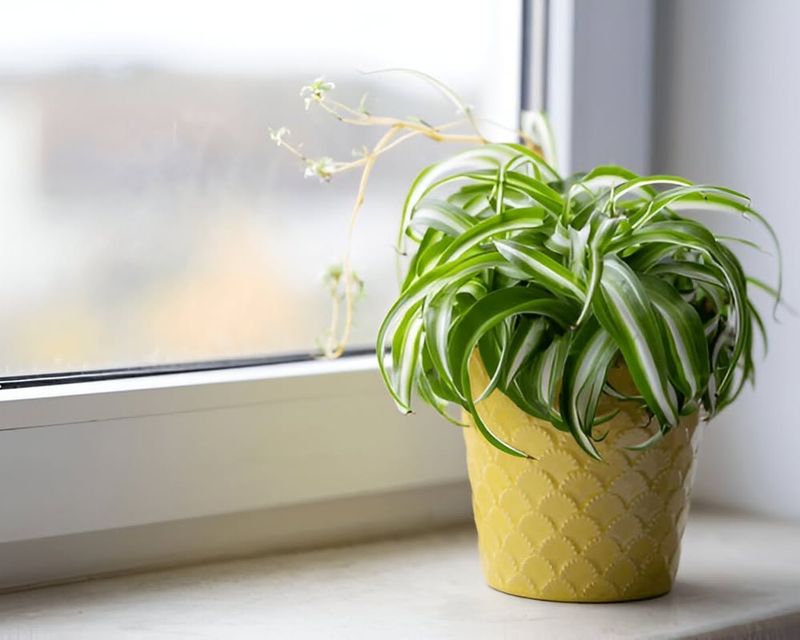
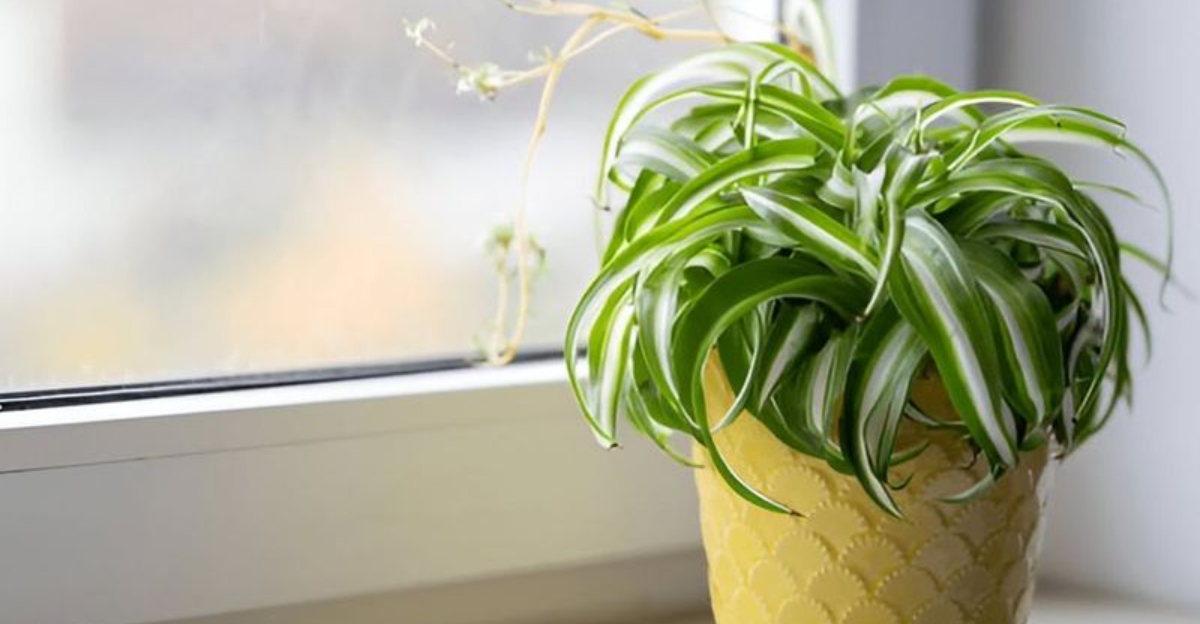
Spider plants practically burst with energy, sending out long stems covered in tiny baby plants that dangle like little parachutes.
Striped green and white leaves arch gracefully outward, creating a fountain effect that softens any space.
NASA actually studied these plants and found they excel at removing toxins from indoor air.
They prefer cooler temperatures between 55-65°F, which matches many Indiana homes during winter perfectly.
Water when the top inch of soil dries out, usually once or twice weekly depending on your home’s humidity.
Bright, indirect sunlight keeps spider plants looking their best, though they adapt to medium light without complaint.
Those adorable baby plants, called spiderettes, can be snipped off and potted to create new plants for friends.
Kids find the reproduction process fascinating, making spider plants excellent choices for teaching responsibility.
Hang them high where their cascading babies create a living curtain of green.
5. Chinese Evergreen (Aglaonema)
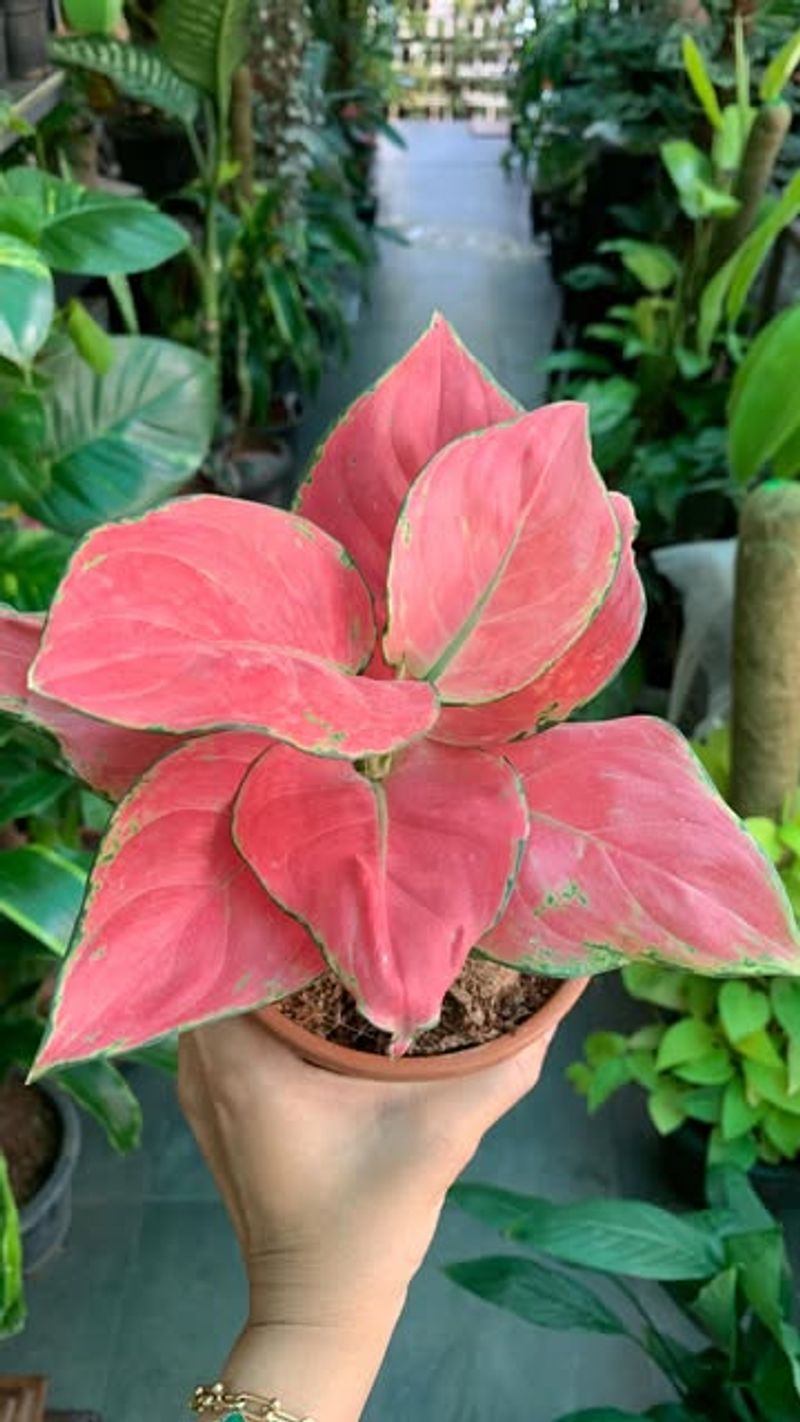
Chinese evergreens show off some of the most stunning leaf patterns you’ll find on any houseplant.
Colors range from deep green splashed with silver to vibrant pink and red combinations that look almost painted.
These tropical natives adapt surprisingly well to indoor winter conditions, handling lower light with grace.
They grow slowly and compactly, making them perfect for tabletops, desks, or small spaces that need color.
Watering once every week or two keeps the soil slightly moist but never soggy.
Chinese evergreens actually prefer warmer spots away from cold drafts, so keep them away from frequently opened doors.
Room temperatures between 65-75°F suit them beautifully throughout Indiana’s coldest months.
Their tolerance for artificial light makes them office favorites, brightening cubicles and windowless rooms effortlessly.
Choose varieties with more colorful leaves to add an unexpected pop of pink or red to your winter décor.
6. Cast Iron Plant (Aspidistra elatior)
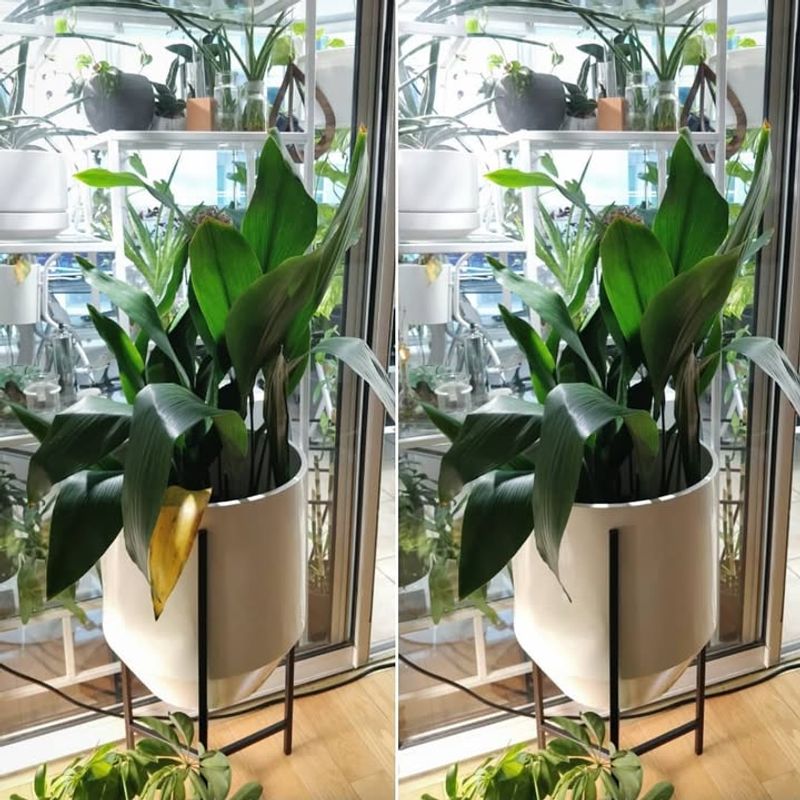
Named for its incredible toughness, the cast iron plant survives conditions that would destroy less hardy houseplants.
Victorian homes featured these plants because they tolerated gas lamp fumes and neglect with equal resilience.
Long, dark green leaves grow directly from the soil, creating an elegant clump that stays attractive year-round.
Low light doesn’t phase cast iron plants one bit, making them ideal for hallways, bathrooms, or north-facing rooms.
They handle temperature swings better than most plants, so drafty entryways won’t harm them.
Water sparingly in winter, allowing soil to dry between drinks since growth slows during cold months.
These plants prefer cooler temperatures anyway, thriving in 50-75°F ranges common in Indiana homes.
Dust accumulates on those broad leaves, so wipe them gently with a damp cloth every few weeks.
If you’ve destroyed every plant you’ve owned, start with a cast iron plant and finally experience success.
7. Rubber Plant (Ficus elastica)
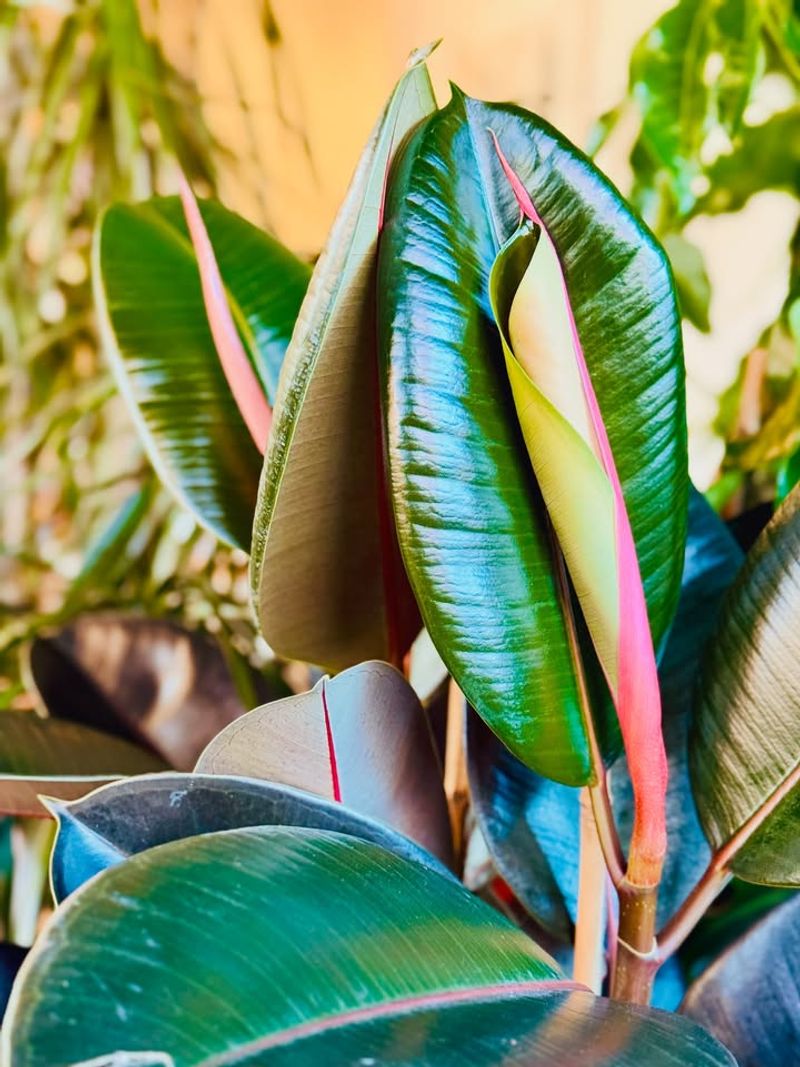
Rubber plants make bold statements with their large, glossy leaves that can grow as big as dinner plates.
Burgundy, dark green, or variegated varieties offer different looks to match your decorating style.
They prefer bright, indirect light, which becomes easier to provide as winter sun angles change and penetrate deeper indoors.
Water when the top two inches of soil feel dry, usually every seven to ten days during winter months.
Rubber plants appreciate consistent temperatures between 60-75°F without sudden cold drafts from windows or doors.
Their upright growth habit means they don’t spread wide, fitting nicely beside furniture or in corners.
Young plants stay manageable on tables, while older specimens grow into impressive floor plants reaching several feet tall.
Wipe those gorgeous leaves monthly to keep them shiny and help the plant breathe better.
Rubber plants grow steadily even in winter, giving you visible progress when outdoor gardens lie dormant under snow.
8. Dracaena (Various Species)
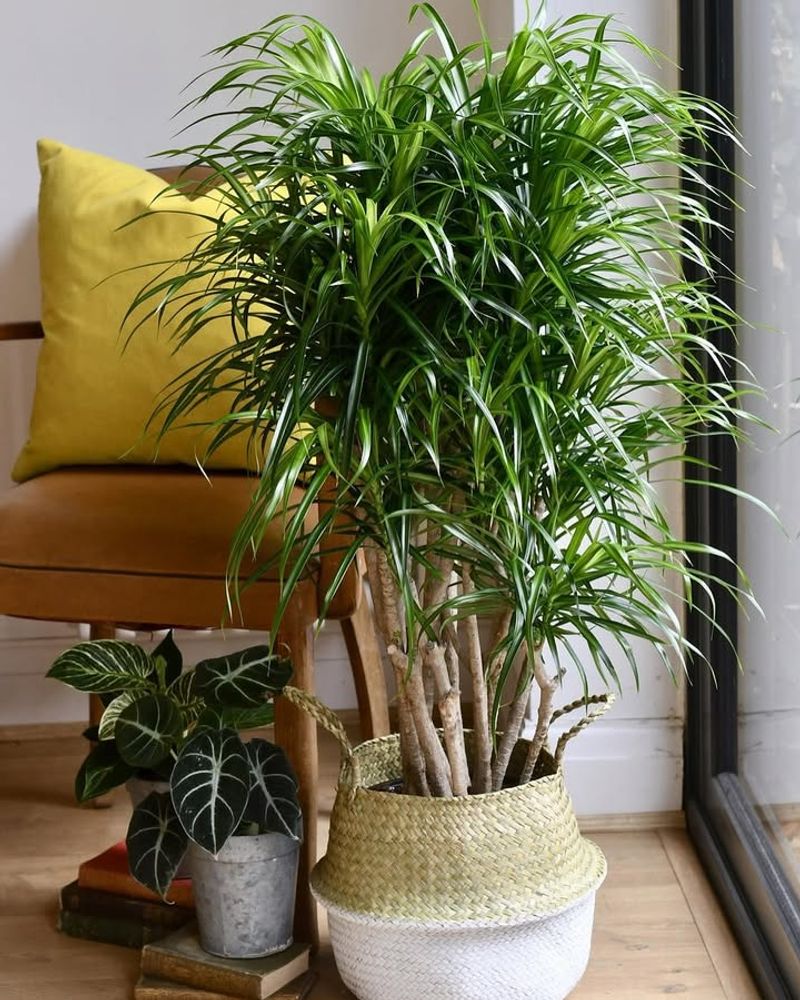
Dracaena varieties come in so many shapes and colors that you could collect them like trading cards.
Some feature spiky, rainbow-striped leaves while others display broader foliage in solid green or burgundy tones.
All dracaenas share one fantastic trait: they’re remarkably forgiving of inconsistent watering schedules.
Let the soil dry out between waterings, checking every week or so by sticking your finger an inch deep.
Medium to bright indirect light keeps them happy, though they tolerate lower light reasonably well.
Indiana’s winter humidity levels suit dracaenas fine since they don’t demand tropical moisture levels.
Their vertical growth pattern adds height without taking up much floor space, perfect for apartments or smaller rooms.
Avoid placing them near heat vents, which can brown leaf tips, though they otherwise handle normal indoor temperatures beautifully.
Choose a colorful variety to inject personality into neutral spaces that need visual interest during dreary months.
9. Peace Lily (Spathiphyllum)
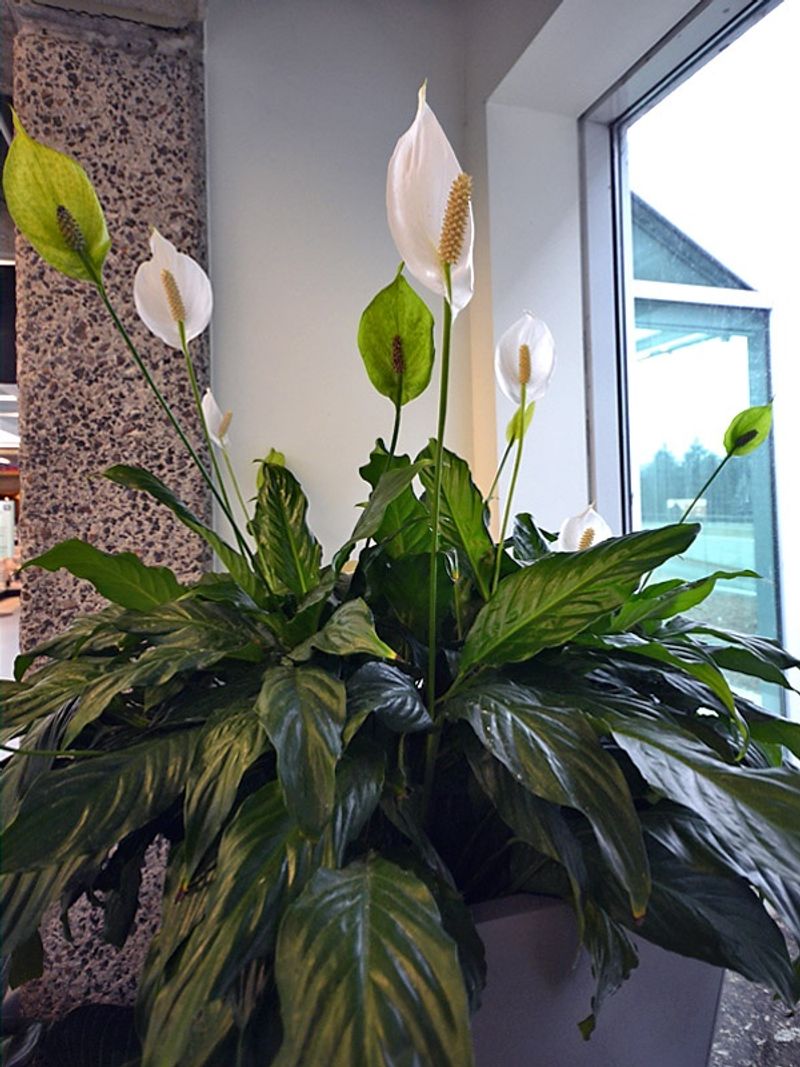
Peace lilies actually bloom indoors during winter, producing elegant white flowers that look like curved hoods.
Dark green, glossy leaves create a lush backdrop for those distinctive blooms that can last for weeks.
They communicate their needs clearly by drooping dramatically when thirsty, then perking up within hours of watering.
This obvious signal makes them excellent choices for people learning to read plant language.
Low to medium light suits peace lilies perfectly, and they bloom more reliably with a bit of brightness.
Keep soil consistently moist but not waterlogged, checking every few days during Indiana’s dry winter heating season.
They appreciate temperatures between 65-80°F and don’t mind the humidity levels typical in most homes.
Peace lilies rank among NASA’s top air-purifying plants, filtering out common household toxins while looking graceful.
Place one in your bedroom or living room for beauty, cleaner air, and the satisfaction of winter blooms.