8 Toxic Houseplants Illinois Pet Owners Should Avoid During Winter
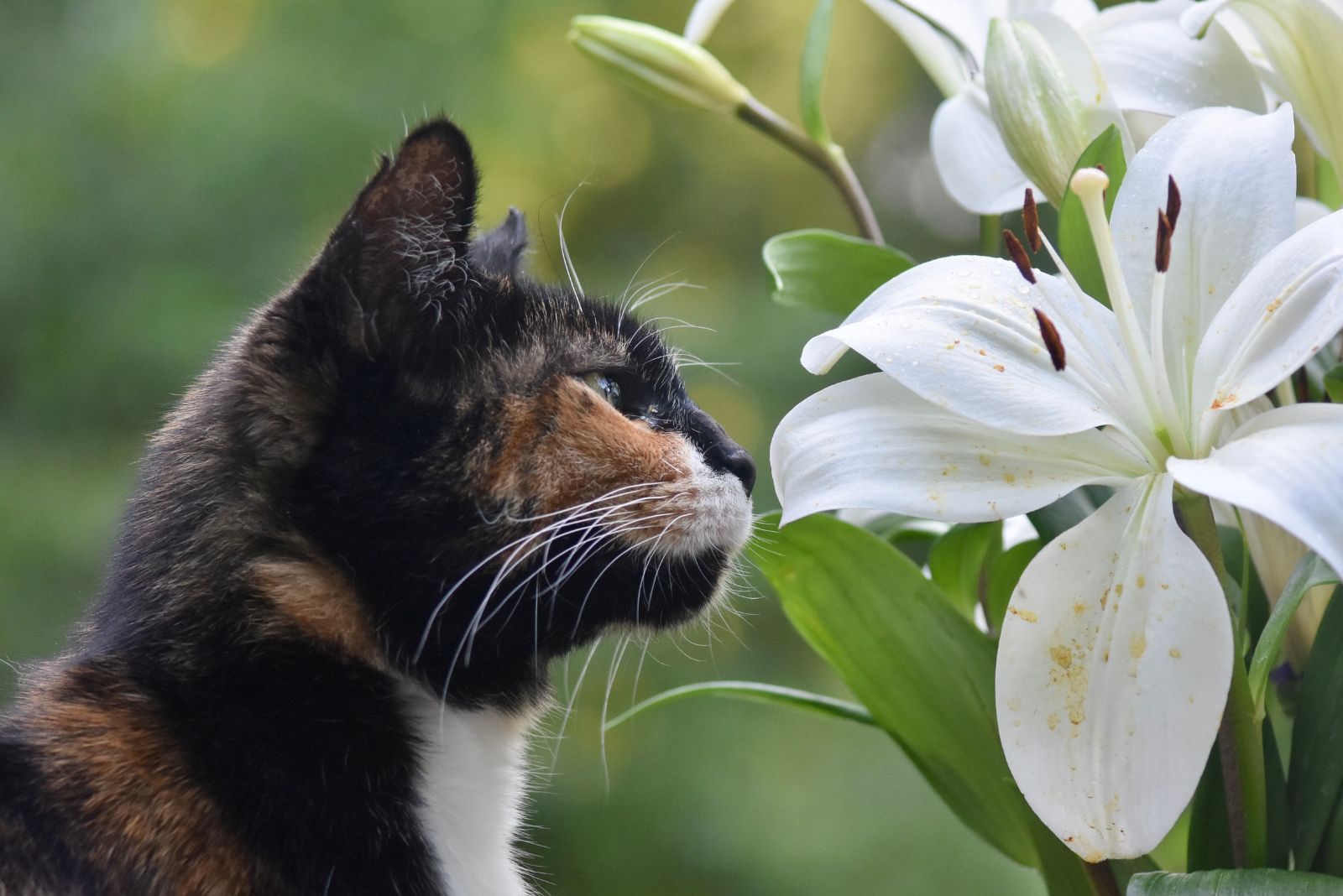
Winter in Illinois often sends people and pets indoors for long stretches, and that is when houseplants get extra attention.
While greenery can make a home feel warmer and more inviting, not every plant is a safe choice for curious cats and dogs.
Some popular houseplants pack a hidden punch, and one wrong nibble can turn a quiet afternoon into a trip to the vet.
During winter, pets spend more time exploring the house out of boredom.
Leaves become toys, soil turns into a digging spot, and hanging plants suddenly sit at eye level.
It is a recipe for trouble if toxic plants are within reach.
Many pet owners do not realize the risk until it is too late.
Knowing which houseplants to avoid can save a lot of worry.
Swapping out risky plants or moving them out of harm’s way helps keep homes peaceful and pets protected.
Illinois winters are long enough without added stress.
By steering clear of toxic houseplants, pet owners can enjoy a cozy home that feels safe for everyone, fur included.
1. Lilies
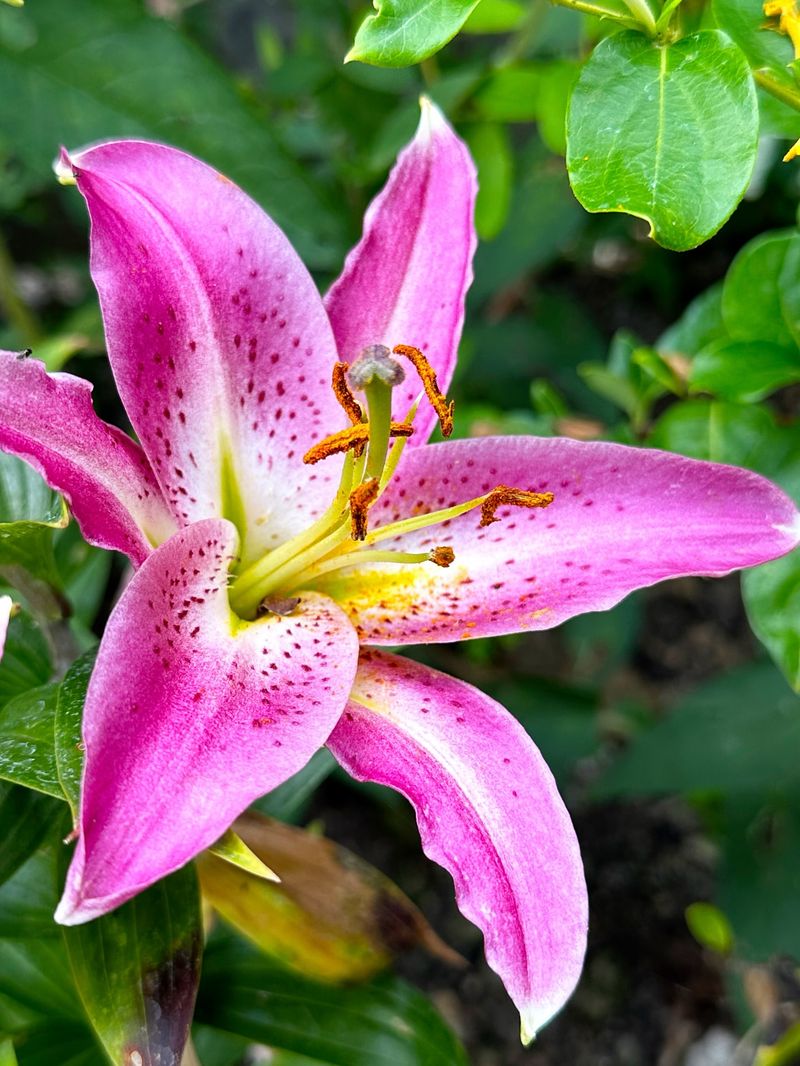
Lilies rank among the most dangerous plants you can bring into an Illinois home with cats.
Even a tiny nibble of a leaf, a lick of pollen, or drinking water from the vase can cause severe kidney damage in felines.
The entire plant contains toxins, making every part equally hazardous to your curious kitty.
Many people receive lilies as gifts during winter holidays without realizing the danger.
Easter lilies, Asiatic lilies, and Tiger lilies are especially common during colder months when people want to brighten their homes.
If you have a cat, these beautiful flowers simply are not worth the risk, no matter how stunning they look on your dining table.
Dogs typically experience milder symptoms like drooling and stomach upset if they eat lilies.
However, cats face life-threatening consequences that require immediate veterinary care.
Symptoms in cats include vomiting, loss of appetite, and lethargy, which can appear within hours of exposure.
Illinois pet owners should politely decline lily gifts or immediately give them to cat-free friends.
Consider asking your local florist to avoid including lilies in any arrangements delivered to your home.
Safe alternatives like roses, sunflowers, or orchids can provide the same visual appeal without putting your pets in danger.
If you suspect your cat has encountered any part of a lily plant, contact your veterinarian or an emergency animal clinic right away.
Time is critical in these situations, and quick action can make all the difference in your pet’s recovery.
2. Pothos
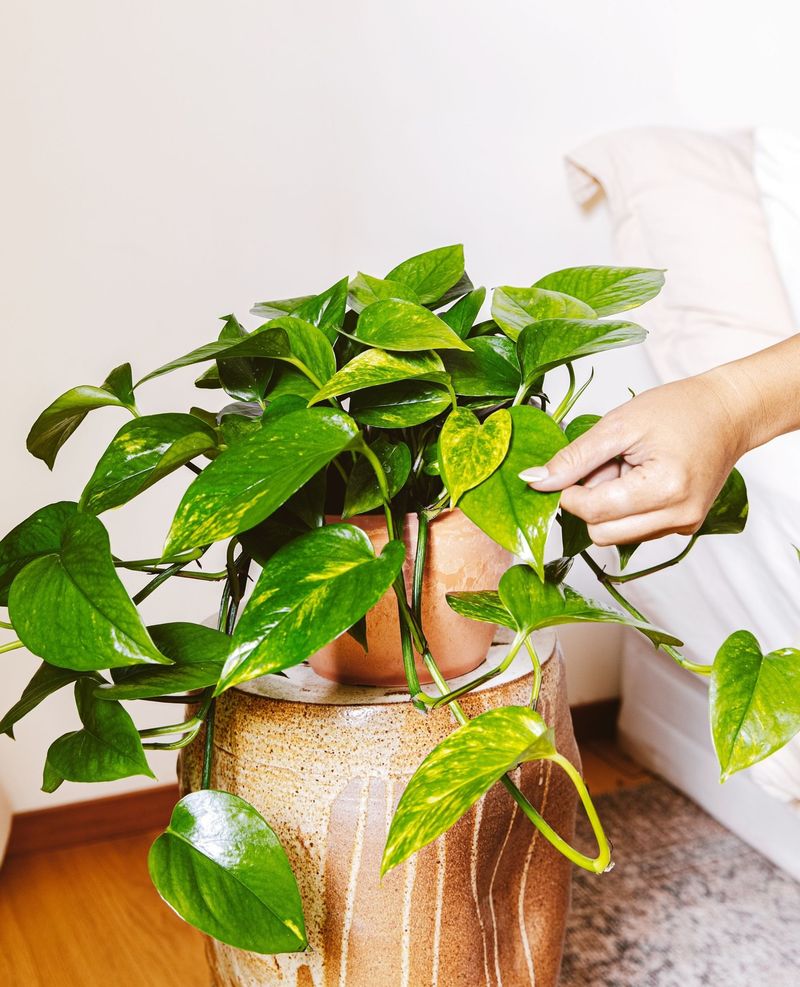
You will find pothos in homes all across Illinois because it thrives in low light and requires minimal care.
The trailing vines with heart-shaped leaves look gorgeous cascading from shelves or hanging baskets.
Unfortunately, this popular houseplant contains calcium oxalate crystals that can irritate your pet’s mouth and digestive system.
When cats or dogs chew on pothos leaves, these microscopic crystals pierce their mouth tissues and tongue.
Your pet might start pawing at their mouth, drooling excessively, or showing obvious discomfort.
Some animals also experience vomiting or difficulty swallowing after munching on this plant.
The good news is that pothos rarely causes severe reactions, but the discomfort can be significant.
Pets usually learn to avoid the plant after one unpleasant experience, though some curious animals might need the lesson repeated.
The symptoms typically resolve on their own within a few hours to a day.
Illinois winters can be long, and pothos plants help many people cope with the lack of outdoor greenery.
If you already own one, consider placing it in a room your pets cannot access.
High shelves might work for dogs, but cats can reach almost anywhere, so a closed room might be necessary.
Spider plants, Boston ferns, or African violets make excellent pet-safe alternatives that also tolerate indoor conditions well.
These options let you enjoy greenery throughout the winter without worrying every time your pet wanders near your plants.
3. Dieffenbachia
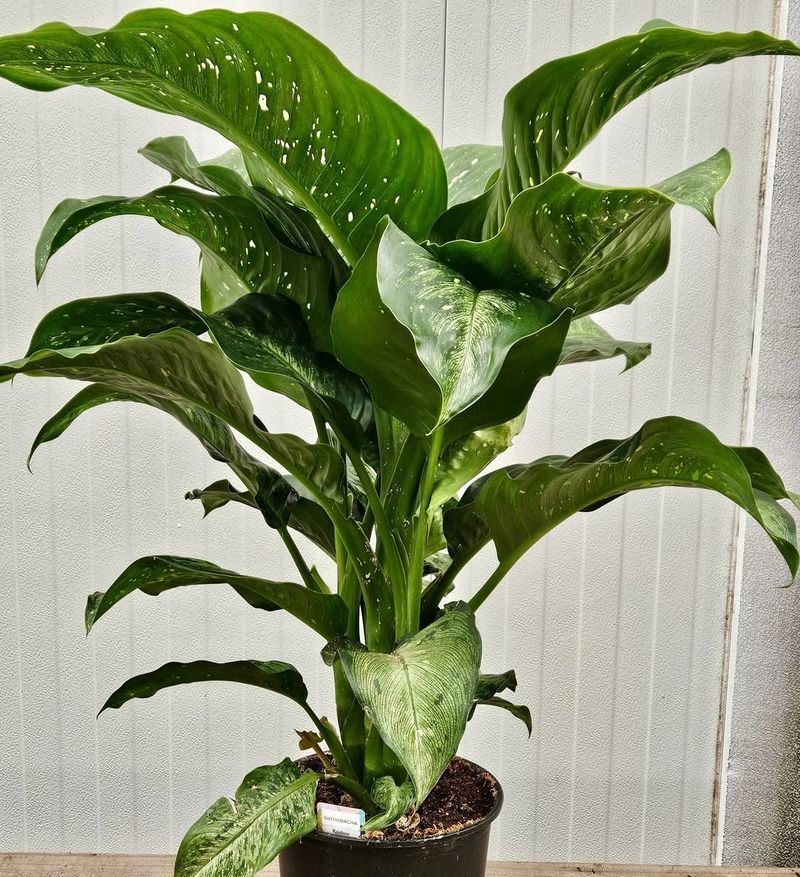
Dieffenbachia earned the nickname “dumb cane” because of what happens when someone bites into it.
The plant contains powerful calcium oxalate crystals that can temporarily prevent speaking by causing severe mouth swelling.
Pets experience similar reactions, making this attractive houseplant a serious hazard in Illinois homes with animals.
The large, patterned leaves of dieffenbachia make it a popular decorative choice during winter months.
Garden centers across Illinois stock various varieties with stunning white, yellow, or cream markings on dark green foliage.
However, these same leaves can cause intense burning sensations, excessive drooling, and swelling in pets who take even a small bite.
Cats and dogs might paw frantically at their mouths after contact with this plant.
Some pets have difficulty breathing if the swelling becomes severe enough to affect their airways.
Vomiting and loss of appetite commonly follow exposure, and pets often refuse food or water due to mouth pain.
Positioning this plant out of reach does not always work because leaves can fall and remain toxic.
Curious puppies or playful kittens might find dropped foliage and investigate with their mouths.
The safest approach is simply not bringing dieffenbachia into your home if you share space with pets.
If your pet chews on dieffenbachia, rinse their mouth gently with water and contact your veterinarian immediately.
Monitor their breathing closely and seek emergency care if you notice any respiratory distress or extreme swelling.
4. Sago Palm

Despite its tropical appearance, the sago palm is not actually a palm tree but rather a cycad.
This ancient plant species looks stunning in Illinois homes during dreary winter months, but it contains cycasin, one of the most toxic substances found in common houseplants.
Every part of the plant is dangerous, with the seeds being especially concentrated with poison.
Dogs seem particularly attracted to sago palms, perhaps because of the plant’s texture or smell.
Even small amounts can cause vomiting, bloody stools, and severe liver damage.
Cats are also at risk, though they tend to be more selective about what they chew on compared to their canine counterparts.
The symptoms can appear within 15 minutes to several hours after ingestion.
Initial signs include drooling, vomiting, and diarrhea, which might seem like typical stomach upset.
However, the situation can rapidly progress to liver failure, seizures, and life-threatening complications without immediate veterinary intervention.
Illinois pet owners should treat sago palms with extreme caution and preferably avoid them entirely.
If you already have one in your home, consider rehoming it to a pet-free household before an accident occurs.
The risk simply is not worth the decorative appeal, no matter how beautiful the plant looks.
Emergency veterinary care is absolutely essential if your pet ingests any part of a sago palm.
Call ahead to your vet or an emergency clinic while you are on your way so they can prepare for treatment immediately upon your arrival.
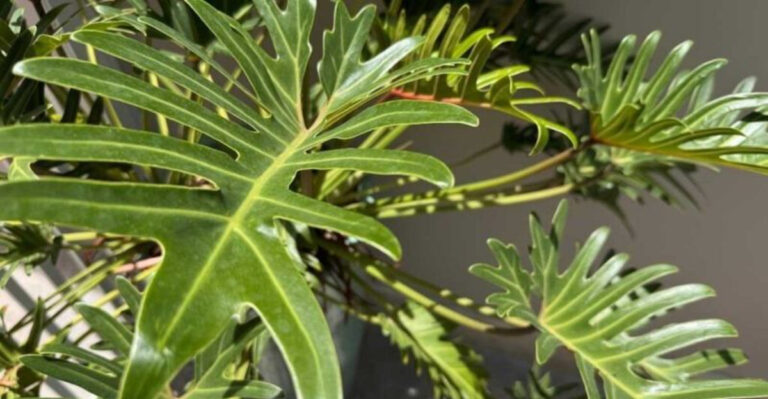
5. Philodendron
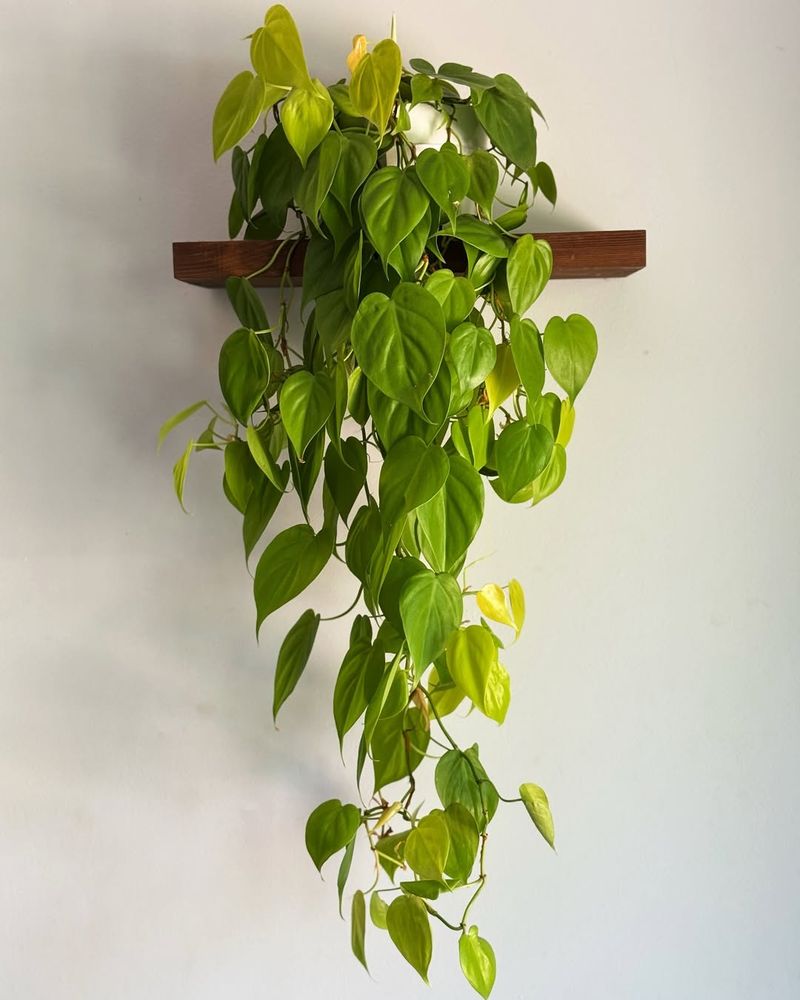
Philodendrons come in dozens of varieties, from climbing types to self-heading plants with dramatic foliage.
Garden centers throughout Illinois carry these plants year-round because they adapt well to indoor conditions and require little maintenance.
The glossy leaves and vigorous growth make them favorites among plant enthusiasts who want to create indoor jungles during cold months.
Like pothos, philodendrons contain calcium oxalate crystals that cause immediate discomfort when chewed.
Pets experience burning sensations in their mouths, leading to excessive drooling and pawing at their faces.
Some animals also develop swelling of the lips, tongue, and throat, which can interfere with normal breathing in severe cases.
Vomiting and loss of appetite frequently occur after pets nibble on philodendron leaves.
Most reactions remain mild to moderate, but the discomfort can last for hours or even days.
Young pets and smaller animals face greater risks because the toxins affect them more strongly relative to their body size.
If you love the look of philodendrons, consider placing them in hanging baskets well above where dogs can reach.
For cat owners, this strategy rarely works since cats are skilled climbers and jumpers.
A dedicated plant room with a closed door offers better protection for homes with curious felines.
Pet-friendly alternatives include prayer plants, calatheas, and peperomias, which provide similar visual interest without the toxic compounds.
These options let Illinois pet owners enjoy lush indoor greenery throughout winter while keeping their furry companions safe from harm.
6. Oleander
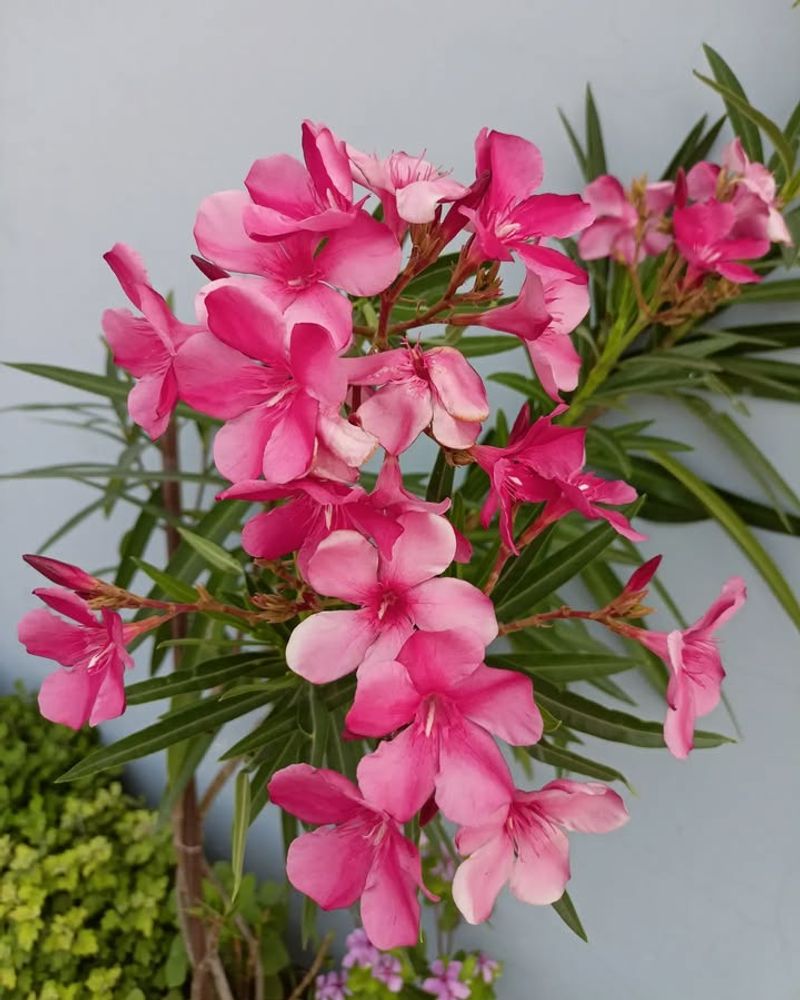
Oleander plants sometimes find their way into Illinois homes during winter when people bring outdoor container plants inside for protection from freezing temperatures.
Every single part of this plant contains cardiac glycosides, powerful compounds that affect heart function in both humans and animals.
The beautiful flowers might look innocent, but they pack a dangerous punch.
Even small amounts of oleander can cause serious health problems in pets.
Dogs and cats who chew on leaves, flowers, or stems may experience vomiting, abdominal pain, and irregular heartbeats.
The toxins interfere with normal cardiac function, potentially leading to life-threatening heart rhythm disturbances.
Symptoms can develop quickly or take several hours to appear, depending on how much your pet consumed.
Early signs include drooling, loss of appetite, and depression or lethargy.
As the toxins affect the heart, you might notice weakness, tremors, or collapse in severe cases.
Illinois pet owners should never keep oleander plants anywhere their animals can access them.
If you have oleander outdoors during warmer months, make sure to leave it outside year-round or find an alternative winter storage location away from pets.
The risk of accidental poisoning is simply too high to justify bringing these plants indoors.
Contact your veterinarian or animal poison control immediately if you suspect oleander exposure.
Bring a sample of the plant with you to the vet clinic if possible, as this helps them determine the best treatment approach.
Quick professional intervention is crucial for the best possible outcome.
7. Cyclamen
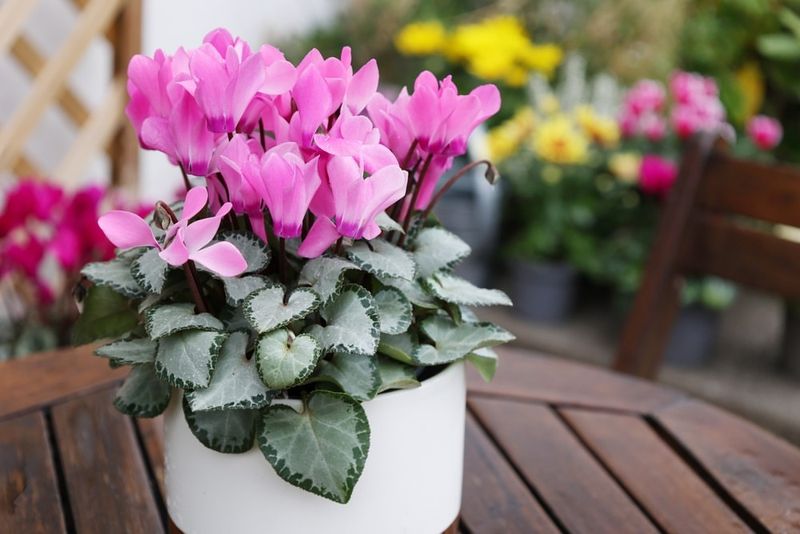
Cyclamen plants appear in stores across Illinois during late fall and winter, their cheerful blooms providing color when outdoor gardens lie dormant.
The upswept petals in shades of pink, red, white, or purple make them popular gifts and holiday decorations.
However, the tubers and roots contain high concentrations of triterpenoid saponins, which are toxic to pets.
Dogs are more likely than cats to dig up and chew on cyclamen tubers, perhaps attracted by the scent or texture.
This behavior is particularly dangerous because the underground parts contain the highest toxin levels.
Even nibbling on leaves or flowers can cause problems, though the effects are usually less severe.
Pets who ingest cyclamen typically show signs like drooling, vomiting, and diarrhea.
Some animals experience abnormal heart rhythms, and seizures can occur in cases involving large amounts.
The symptoms depend on how much plant material your pet consumed and which part of the plant they ate.
If you receive a cyclamen as a gift during the winter holidays, consider placing it in a room your pets cannot enter.
Better yet, give it to a friend or neighbor who does not have animals at home.
The temporary beauty of these flowers is not worth risking your pet’s health and safety.
Many pet-safe flowering plants can brighten your Illinois home during winter months.
African violets, Christmas cacti, and certain orchids provide lovely blooms without the toxic compounds found in cyclamen.
These alternatives let you enjoy colorful flowers while protecting your furry family members.
8. Jade Plant
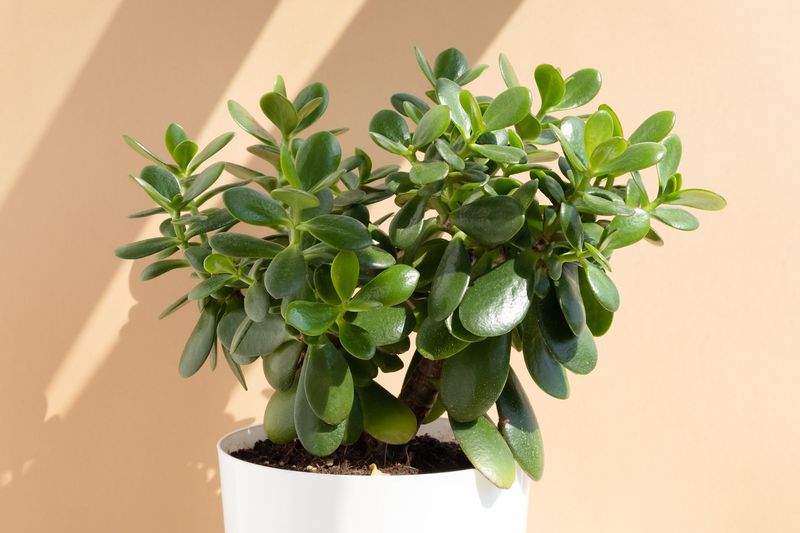
Jade plants have become incredibly popular across Illinois as low-maintenance succulents that thrive indoors during winter.
The thick, glossy leaves and tree-like appearance give them an appealing aesthetic that fits many home decor styles.
Many people assume that because jade plants are succulents, they must be safe, but this common houseplant can cause problems for pets.
The exact toxic compound in jade plants remains unknown, but veterinarians have documented numerous cases of pet illness after ingestion.
Cats seem more likely to experience symptoms than dogs, though both species can be affected.
Signs typically include vomiting, lethargy, and loss of coordination or stumbling.
Some pets develop depression or unusual sluggishness after eating jade plant leaves.
The symptoms usually appear within a few hours of ingestion and can last for a day or two.
While jade plant toxicity rarely causes life-threatening emergencies, affected pets clearly feel unwell and require monitoring.
Illinois homes with cats should be especially careful about jade plant placement.
Cats often enjoy knocking things off shelves, which could send jade plants tumbling and tempt curious felines to investigate.
Dogs might be less interested in jade plants but can still get into trouble if they decide to chew on fallen leaves.
Pet-safe succulents include haworthia, echeveria, and certain types of sempervivum.
These alternatives provide the same easy-care benefits and attractive appearance without posing risks to your animals.
You can still enjoy a thriving indoor succulent garden throughout Illinois winters while keeping your pets completely safe.