10 Toxic Houseplants That Are Dangerous For Pets In California Homes
California homes love their greenery—but for pets, some houseplants are more menace than décor.
One curious nibble, a playful swat, or a fallen leaf on the floor can turn a perfectly Instagram-worthy plant into a vet emergency.
Cats chew, dogs explore with their mouths, and many popular houseplants don’t play nice with paws and whiskers.
The tricky part? Some of the most common, easy-care plants are also the most toxic.
Before you bring home another leafy beauty—or if you already live in a jungle—it’s worth knowing which plants pose real risks.
This article uncovers ten toxic houseplants that can be dangerous for pets in California homes, helping you keep your space stylish and safely pet-friendly.
1. Sago Palm
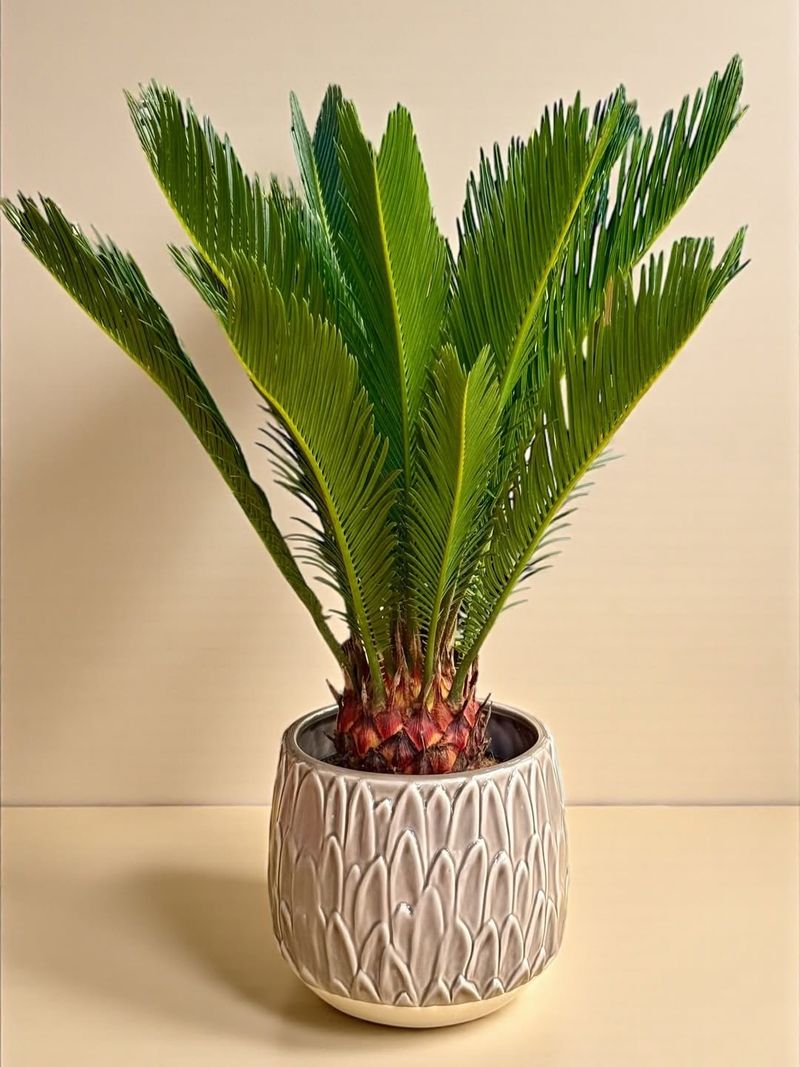
With its tropical appearance and feathery fronds, the Sago Palm looks like a miniature paradise right inside your California living room or patio area.
Many homeowners choose this plant because it adds an exotic touch to modern or traditional decor without requiring constant attention from busy families.
However, every single part of this plant contains cycasin, a substance that causes severe reactions when pets chew or swallow any portion.
Cats and dogs both face serious health risks if they nibble on the leaves, seeds, or roots of this deceptively attractive houseplant.
Symptoms can appear within just fifteen minutes of ingestion, including drooling, vomiting, and weakness that worsens as time passes without veterinary intervention quickly.
Liver damage may occur even from small amounts, making this one of the most hazardous plants to keep around curious animals who explore.
California veterinarians report numerous cases each year involving Sago Palm exposure, emphasizing the importance of keeping it completely out of pet reach.
Consider placing it on high shelves or choosing pet-safe alternatives like Boston ferns or spider plants for safer indoor gardening options instead.
2. Peace Lily
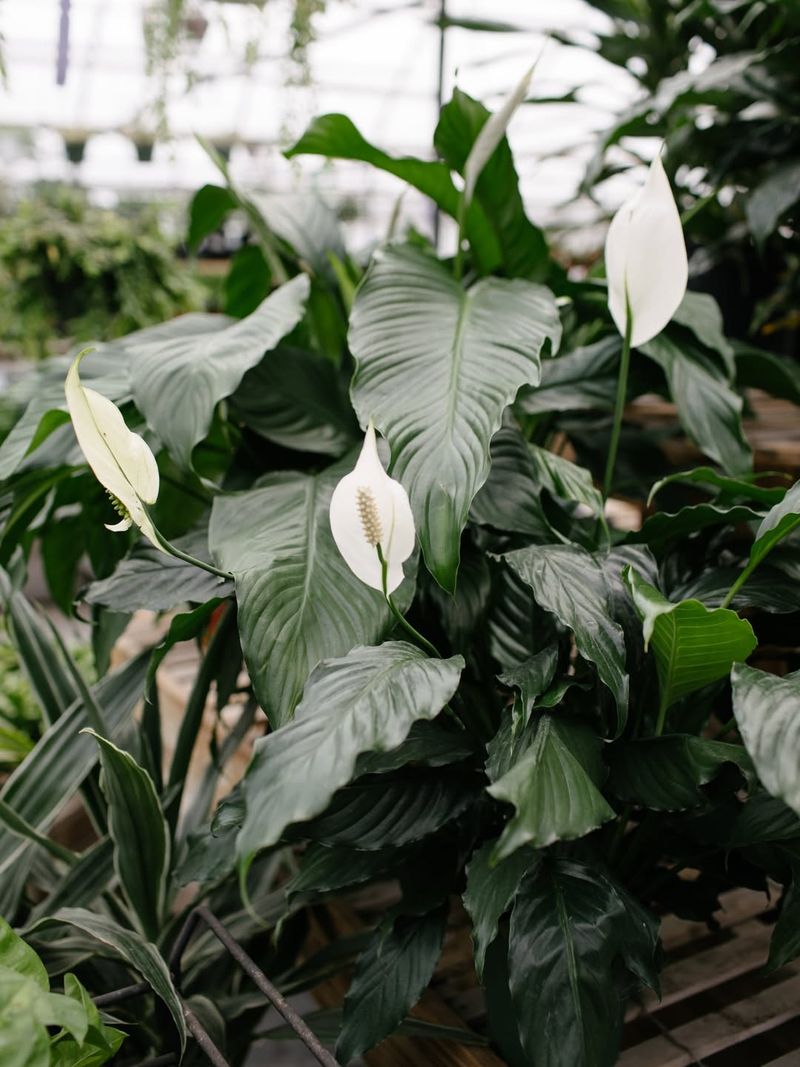
Peace Lilies are incredibly popular in California homes because they thrive in low light and produce elegant white blooms that brighten any corner.
These plants are often given as gifts or used in office spaces due to their reputation for purifying air and requiring minimal care.
Despite their serene name, Peace Lilies contain calcium oxalate crystals that cause immediate discomfort when pets bite into the leaves or flowers.
Dogs and cats experience intense burning sensations in their mouths, which leads to excessive drooling and pawing at their faces frantically.
Swelling of the tongue and throat can make breathing difficult, creating a frightening situation for both pets and their owners in moments.
Most pets will stop chewing quickly due to the painful reaction, but even brief contact can cause significant irritation and distress.
Veterinary care may be needed to manage symptoms and ensure the airway remains open and clear throughout the recovery process at home.
Keep Peace Lilies in rooms that pets cannot access, or opt for non-toxic plants like African violets or orchids for worry-free decorating.
3. Monstera Deliciosa
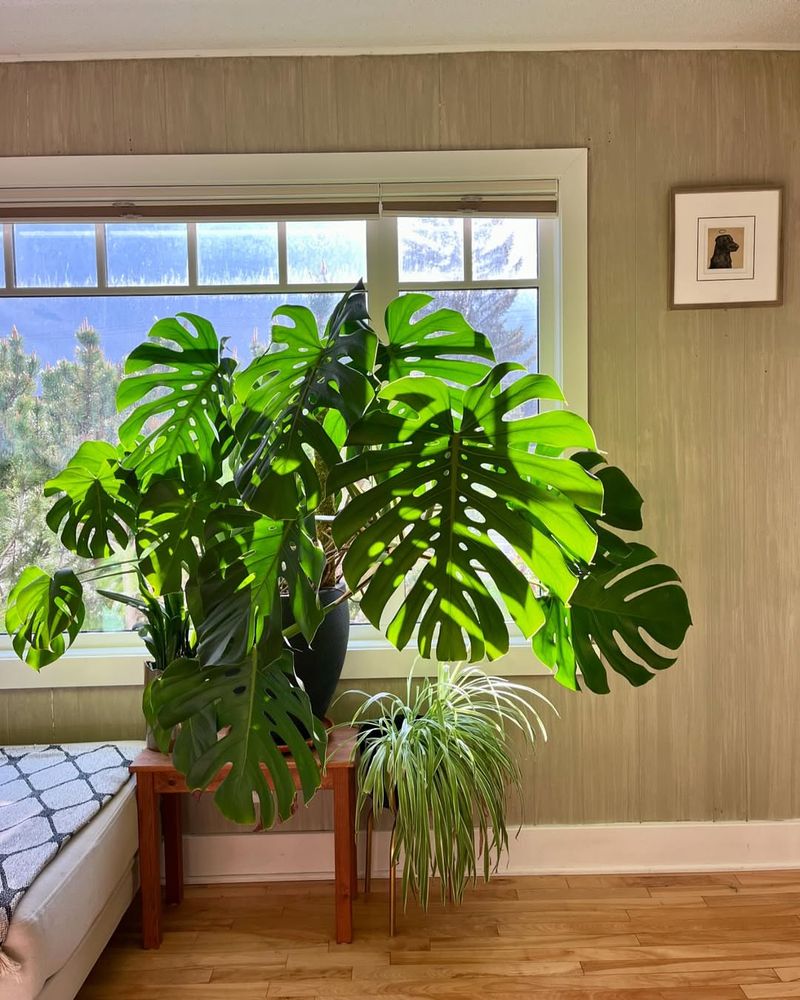
Instagram-worthy and trendy, Monstera Deliciosa has become a must-have plant for California homeowners who love modern interior design and lush greenery.
Its dramatic split leaves and climbing nature make it a statement piece that transforms any room into a tropical oasis instantly.
Yet behind that fashionable appearance lies a hidden danger for pets who might find those large leaves irresistible to chew on occasionally.
Calcium oxalate crystals are present throughout the plant, causing oral irritation, drooling, and difficulty swallowing when ingested by curious animals exploring.
Cats may experience vomiting and loss of appetite after chewing on Monstera leaves, leading to dehydration and weight loss over time.
Dogs might paw at their mouths repeatedly, indicating burning sensations that make them uncomfortable and restless throughout the day and night.
California pet owners should place Monstera plants on tall stands or hang them from ceilings where animals cannot reach the tempting foliage.
Training pets to avoid plants and providing plenty of pet-safe toys can also reduce the risk of accidental ingestion significantly today.
4. Snake Plant
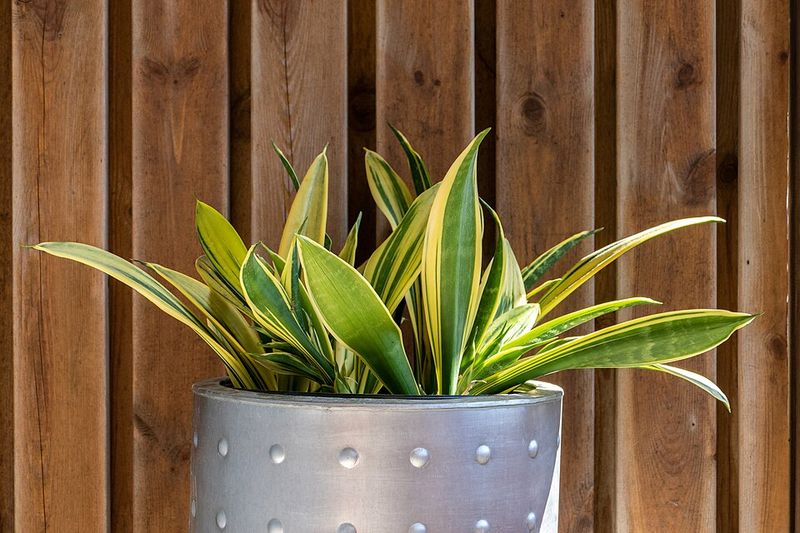
Snake Plants are practically indestructible, thriving in neglect and low light conditions that would cause other houseplants to wither and fade away.
California residents love them for their striking vertical leaves and ability to tolerate the dry indoor air common in many homes here.
But these tough plants contain saponins, compounds that cause nausea, vomiting, and diarrhea when pets chew on the stiff, sword-like leaves.
Cats and dogs may experience excessive drooling and abdominal discomfort that lasts for hours or even days after ingestion occurs.
The rigid texture of Snake Plant leaves can also cause physical irritation or cuts inside the mouth, adding to the discomfort pets feel.
Most animals will avoid eating large quantities due to the bitter taste, but even small amounts can trigger unpleasant gastrointestinal symptoms quickly.
Pet owners should monitor their animals closely if they suspect Snake Plant ingestion and contact a veterinarian for guidance on treatment.
Placing these plants in rooms where pets rarely venture, such as home offices or guest bedrooms, can help prevent accidental exposure.
5. Pothos
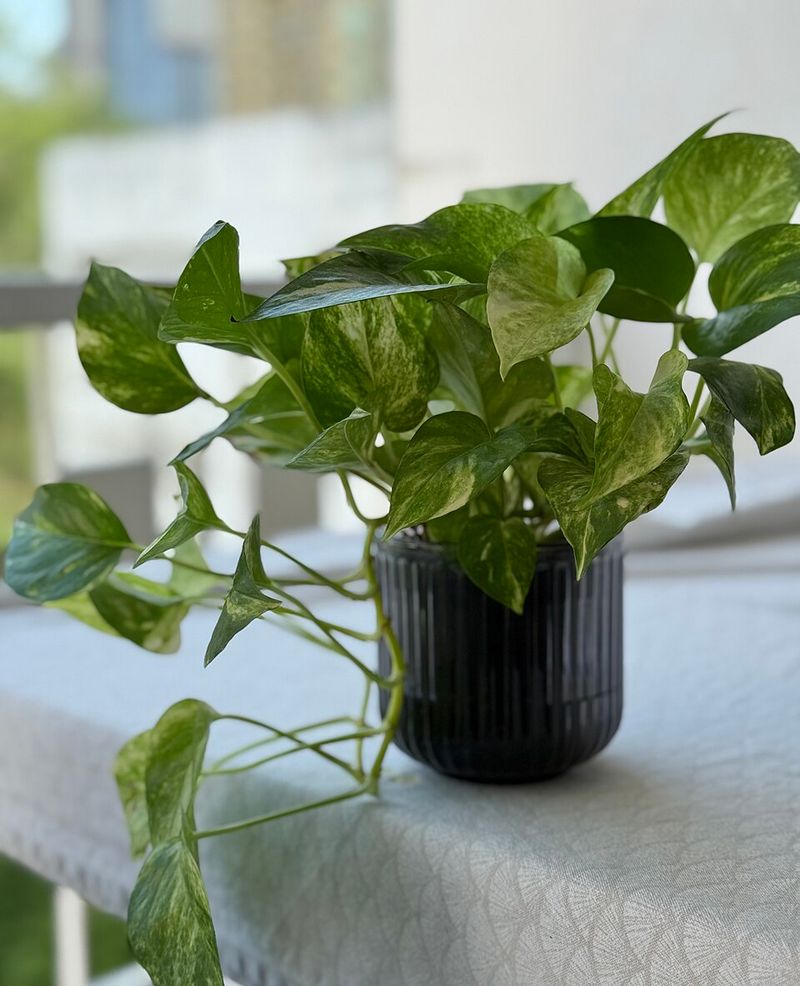
Pothos is often called the perfect beginner plant because it grows quickly, tolerates almost any lighting condition, and looks beautiful cascading from shelves.
California homes frequently feature Pothos in kitchens, bathrooms, and living rooms where its trailing vines add a touch of natural elegance effortlessly.
Unfortunately, this easy-care plant contains calcium oxalate crystals that cause severe oral irritation when pets chew on the heart-shaped leaves.
Dogs and cats experience immediate burning sensations, excessive drooling, and swelling that can make eating and drinking painful for hours afterward.
Vomiting and difficulty swallowing are common reactions, and some pets may refuse food until the irritation subsides completely over time.
The dangling vines are especially tempting to playful cats who see them as toys, increasing the risk of accidental ingestion significantly.
California veterinarians recommend keeping Pothos plants out of reach or replacing them with pet-friendly alternatives like Boston ferns or spider plants.
Regularly trimming the vines to prevent them from hanging within pet reach can also help reduce the temptation to play with them.
6. Philodendron
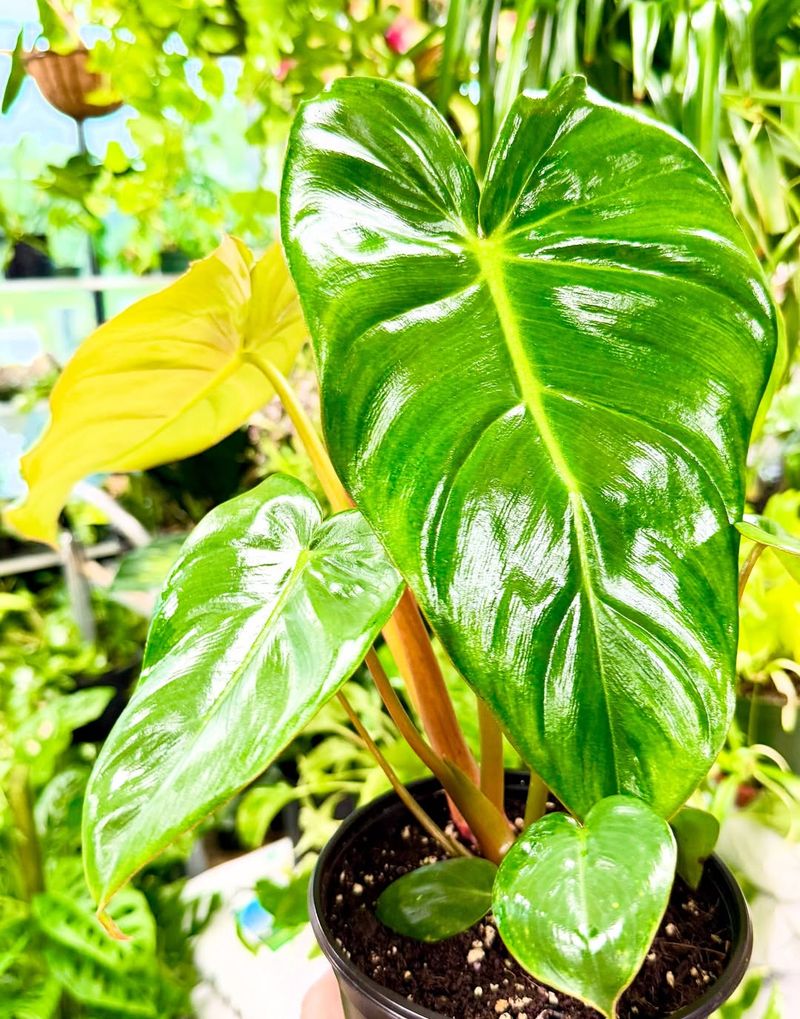
Philodendrons are beloved for their lush foliage and ability to thrive indoors with minimal fuss, making them a staple in California households.
Their glossy leaves and vigorous growth add life to any space, from cozy apartments to spacious family homes across the state.
However, Philodendrons contain calcium oxalate crystals that cause immediate pain and irritation when pets bite into the leaves or stems accidentally.
Cats and dogs experience intense burning in their mouths, leading to drooling, pawing at the face, and obvious signs of distress.
Swelling of the lips, tongue, and throat can develop quickly, potentially interfering with breathing and requiring urgent veterinary care in severe cases.
Most pets will stop chewing after the first bite due to the unpleasant sensation, but damage can still occur from minimal contact.
California pet owners should keep Philodendrons on high shelves or in rooms that are off-limits to animals to prevent accidental exposure.
Educating family members about plant safety and supervising pets around houseplants can also help avoid emergencies and keep everyone safe at home.
7. Aloe Vera
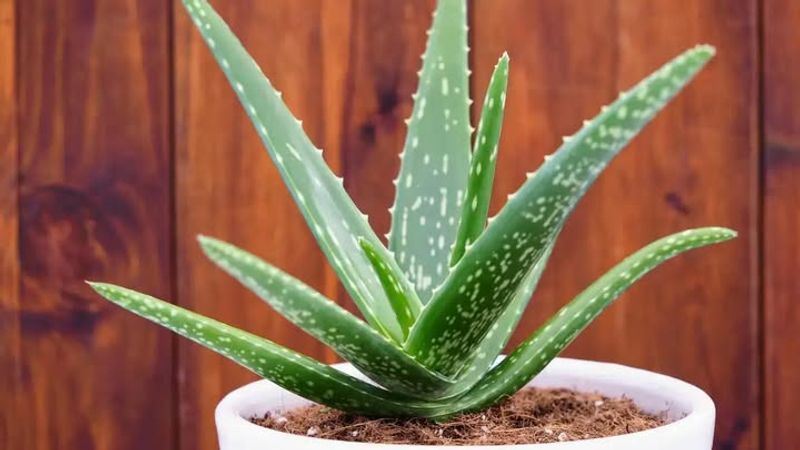
Aloe Vera is famous for its soothing gel that helps heal burns and skin irritations, making it a household staple in California homes.
Many people keep this succulent on windowsills or countertops for easy access to its medicinal properties whenever minor injuries occur unexpectedly.
Yet the yellow latex layer just beneath the outer skin contains anthraquinones, compounds that cause vomiting, diarrhea, and lethargy in pets.
Dogs and cats who chew on Aloe Vera leaves may experience gastrointestinal upset that lasts for several hours or even days.
The gel itself is less harmful, but most pets cannot distinguish between the safe inner gel and the toxic outer layers.
Symptoms can include loss of appetite, abdominal pain, and changes in urine color that indicate potential kidney irritation or other internal issues.
California veterinarians advise keeping Aloe Vera plants away from pets or choosing non-toxic succulents like Echeveria or Haworthia instead for decoration.
If your pet ingests Aloe Vera, contact your veterinarian immediately to discuss symptoms and determine if treatment is necessary for recovery.
8. ZZ Plant
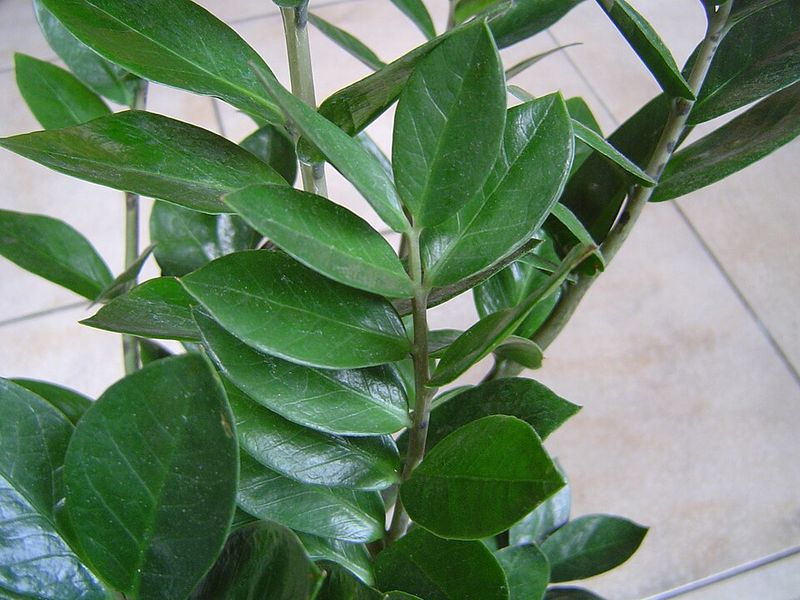
ZZ Plants have become incredibly trendy in California due to their glossy, waxy leaves and ability to survive in low light and drought.
These plants require almost no maintenance, making them ideal for busy professionals and people who travel frequently throughout the year.
But ZZ Plants contain calcium oxalate crystals that cause oral irritation, drooling, and vomiting when pets chew on the leaves or stems.
Cats and dogs experience burning sensations in their mouths that can lead to loss of appetite and dehydration if not addressed.
The plant’s sap can also cause skin irritation in some pets, leading to redness and itching that may require veterinary treatment.
Most animals will avoid ZZ Plants after one unpleasant experience, but curious kittens and puppies may not learn the lesson immediately.
California pet owners should place ZZ Plants in areas where animals cannot reach them, such as high shelves or locked rooms.
Providing plenty of pet-safe plants and toys can help redirect your pet’s curiosity away from potentially harmful houseplants in your home.
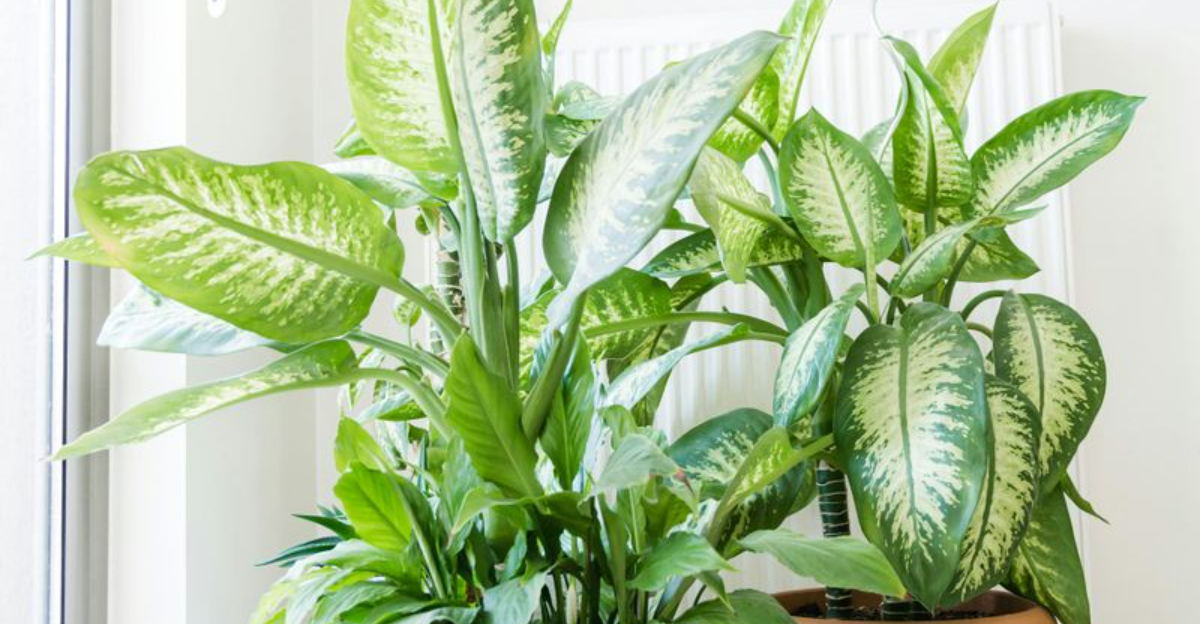
9. Dieffenbachia
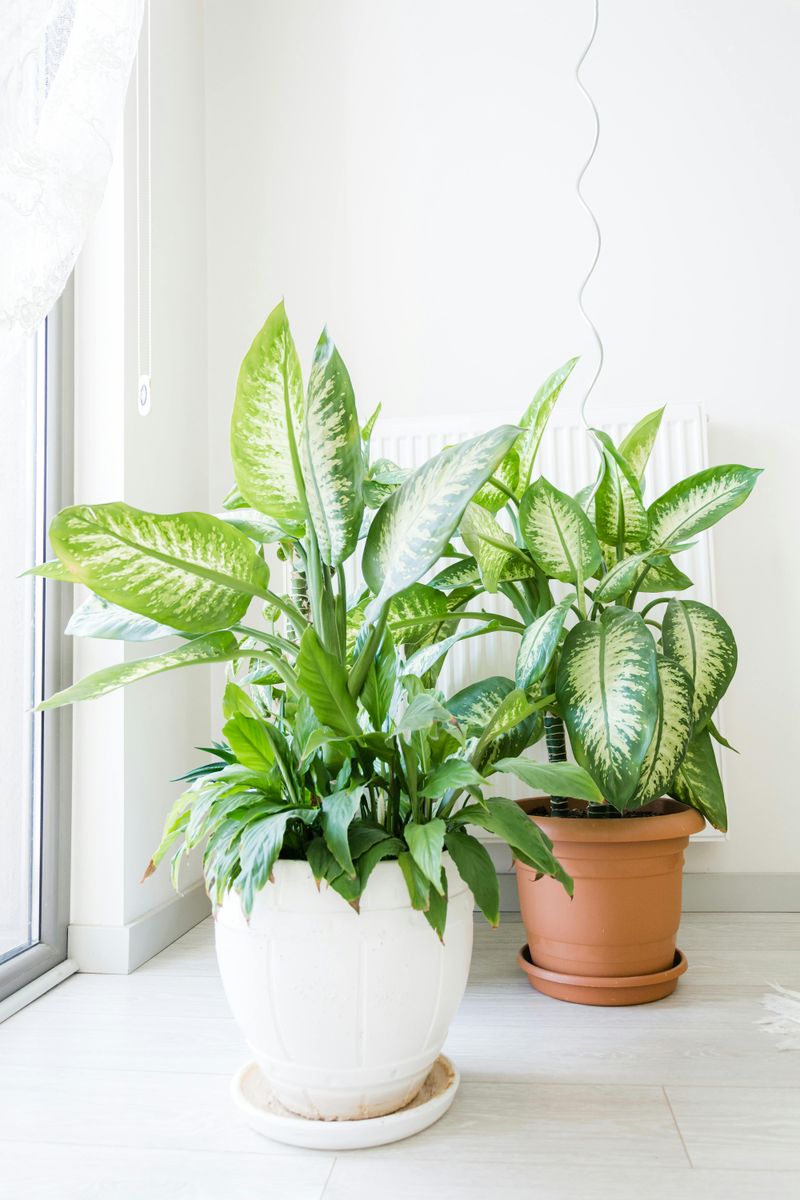
Dieffenbachia, commonly called Dumb Cane, features stunning variegated leaves that add a tropical feel to California homes and indoor gardens.
Its bold foliage and easy-care nature make it a popular choice for homeowners looking to create a lush indoor environment.
However, the plant contains calcium oxalate crystals that cause severe oral irritation and swelling when pets chew on the leaves or stems.
Dogs and cats experience immediate burning sensations, excessive drooling, and difficulty swallowing that can become life-threatening if the airway swells shut.
The name Dumb Cane comes from the temporary loss of speech that can occur in humans after ingestion, highlighting the plant’s potency.
Pets may paw at their mouths frantically, refuse food and water, and show signs of extreme discomfort for hours afterward.
California veterinarians emphasize the importance of seeking immediate care if you suspect your pet has chewed on Dieffenbachia to prevent complications.
Keeping this plant completely out of reach or choosing non-toxic alternatives like prayer plants or calatheas can help ensure your pets stay safe.
10. Jade Plant
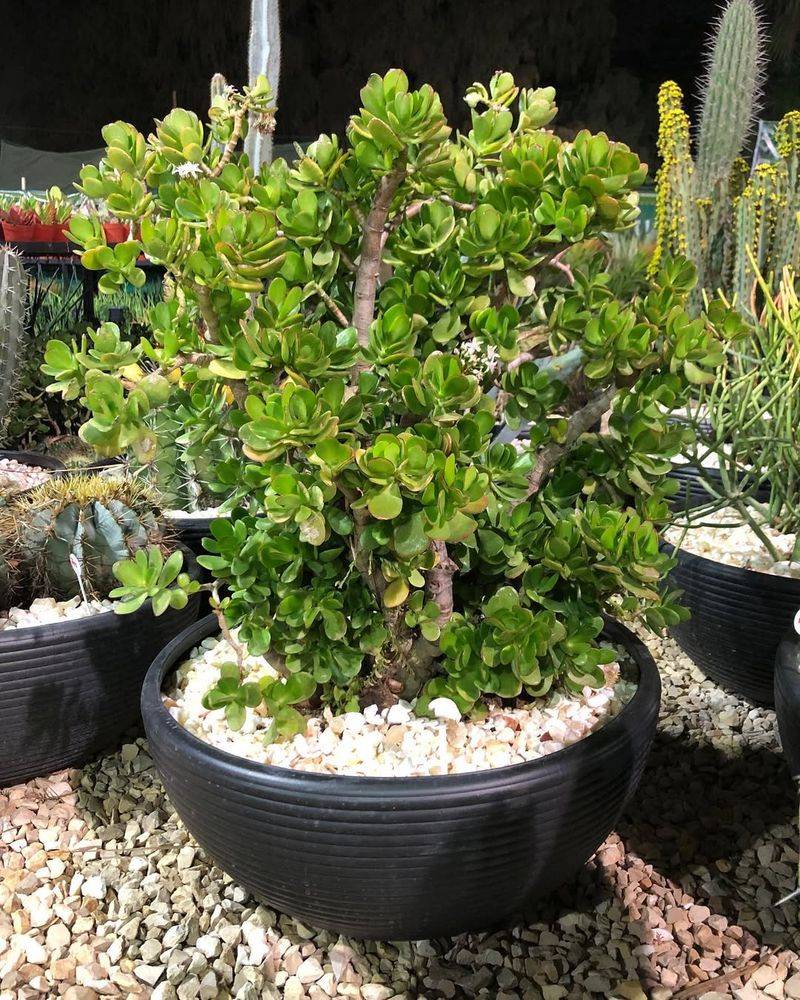
Jade Plants are cherished for their thick, glossy leaves and reputation for bringing good luck and prosperity to California households everywhere.
These succulents are easy to care for and can live for many years, becoming beloved members of the family over time.
But Jade Plants contain unknown toxic compounds that cause vomiting, depression, and incoordination when pets chew on the fleshy leaves.
Dogs and cats may become lethargic and unsteady on their feet, exhibiting symptoms that can be mistaken for other illnesses initially.
Heart rate changes have also been reported in some cases, making it crucial to seek veterinary care if ingestion is suspected.
The exact toxin in Jade Plants remains unidentified, but the effects on pets are well-documented and concerning for animal safety.
California pet owners should keep Jade Plants on high shelves or in areas where pets cannot access them to prevent accidental ingestion.
Monitoring your pets around houseplants and providing pet-safe alternatives like spider plants or Boston ferns can help create a safer home environment today.