5 Toxic Succulents California Cat Owners Should Avoid And 4 They Can Grow Safely
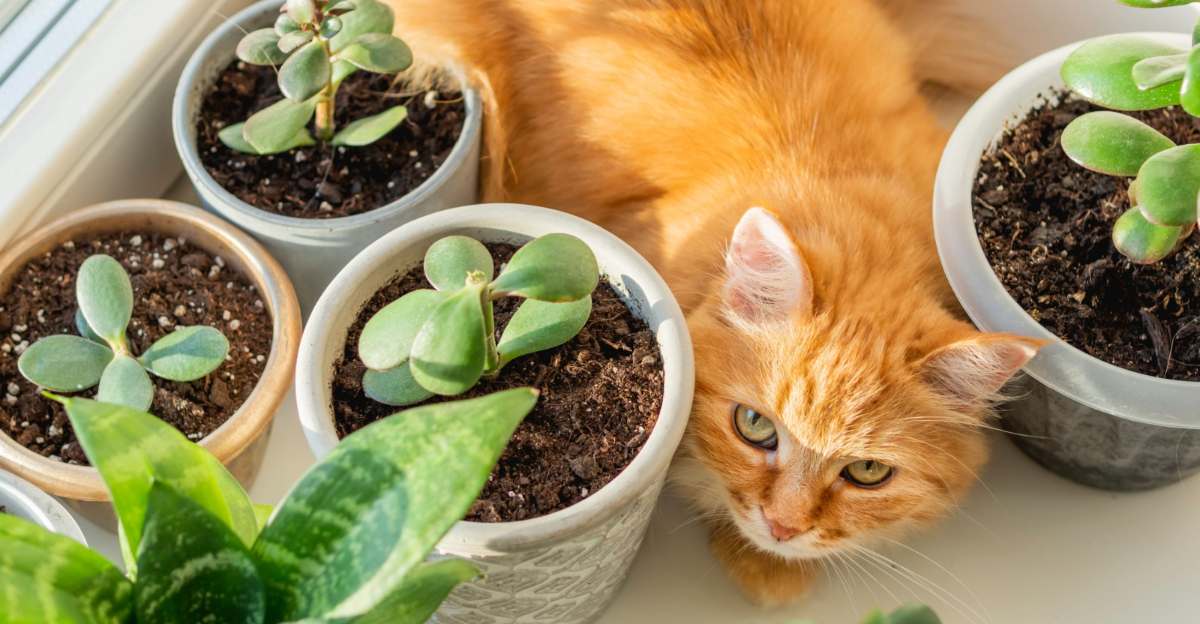
Succulents show up all over California homes, from sunny Los Angeles apartments to breezy Bay Area windowsills. They look tidy, handle dry air, and make a space feel brighter fast.
Cats, though, often treat houseplants like interactive toys. A dangling stem or plump leaf can turn into a quick chew before anyone notices.
Some popular succulents can trigger stomach upset or irritation in cats, and a few carry higher-risk compounds. The goal is not panic.
The goal is smarter plant picks and better placement, especially in homes with curious kittens. You can still keep that clean, sunlit California look without adding unnecessary risk.
A few widely sold succulents fall into the “skip or secure” category, and several others can fit a pet-friendly collection with much less worry. A thoughtful mix of awareness and design makes it possible to enjoy both greenery and peace of mind.
1. Aloe Vera Is Soothing For Skin But Risky For Whiskers
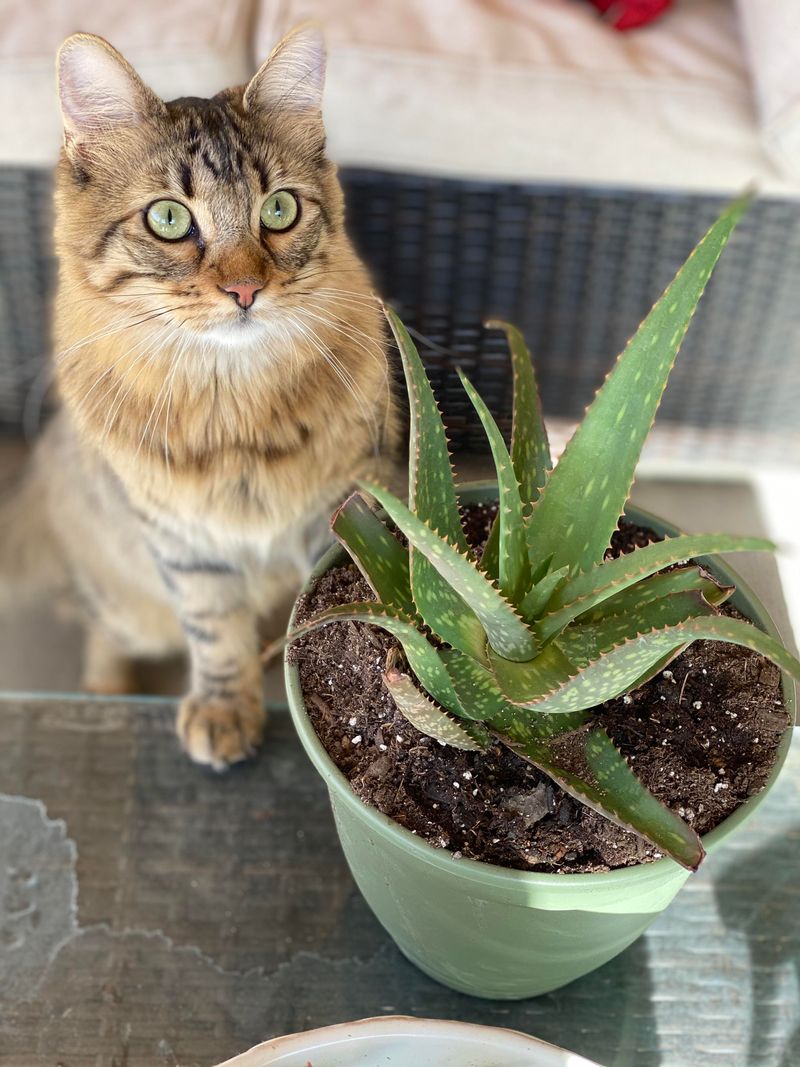
Aloe vera appears on many California patios and kitchen counters, largely because it tolerates bright light and occasional missed waterings. Its reputation as a soothing plant for people makes it feel like a harmless staple.
For cats, though, it is a different story. The ASPCA lists aloe as toxic to cats, with saponins and anthraquinones noted as toxic principles.
Clinical signs can include vomiting, lethargy, and diarrhea.
Most exposure happens indoors, where aloe often sits at paw level on a sunny sill or low table. The thick, fleshy leaves can look tempting to a curious cat exploring its surroundings.
Even a small bite may irritate the digestive system. While many cases remain mild, symptoms still deserve attention and careful monitoring.
Households that want aloe for outdoor use can place it in areas that remain off-limits to pets. Indoors, a closed room or a genuinely inaccessible shelf can help reduce temptation, though cats are skilled climbers and placement requires realistic planning.
Some owners choose to swap aloe for a non-toxic lookalike in shared spaces. Any suspected nibble deserves a prompt call to your veterinarian for guidance, especially for smaller cats or kittens.
2. Jade Plant Looks Harmless But Can Upset Cats
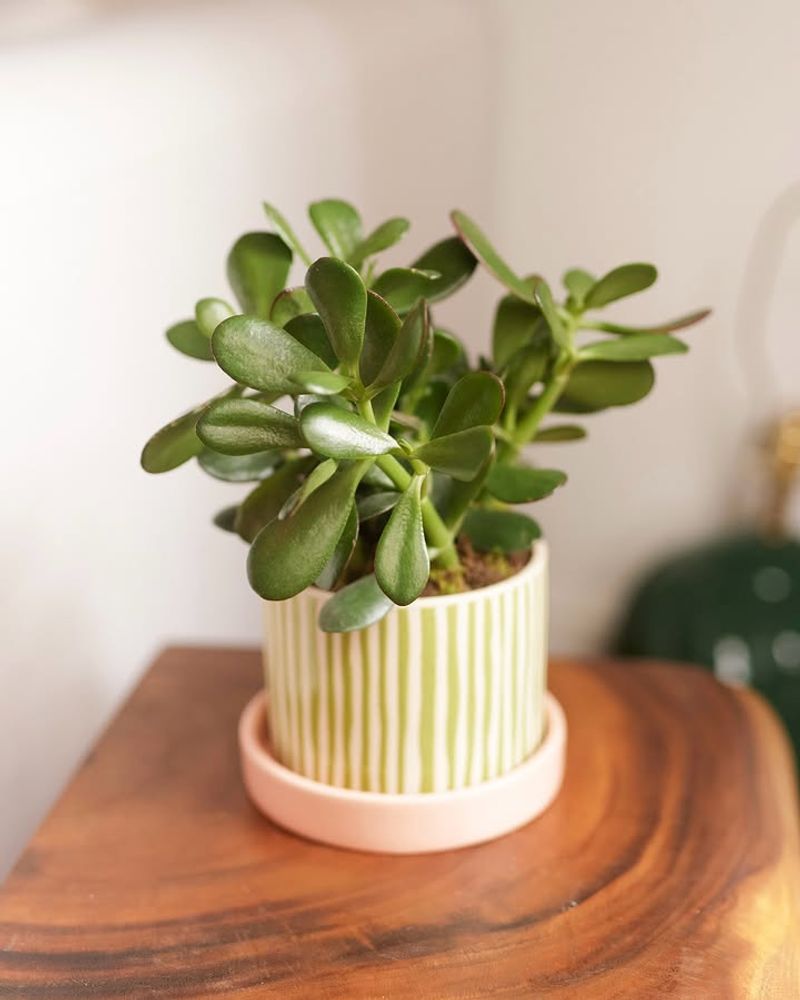
Jade plant, also called Crassula, fits California style beautifully. It’s sculptural, slow-growing, and often passed down through families for years.
The ASPCA lists jade plant as toxic to cats, with reported clinical signs including vomiting, depression, and incoordination.
The exact toxic compound has not been clearly identified, which makes prevention especially important. A cat that chews on jade may appear unusually quiet, withdrawn, or slightly unsteady on its feet, and those subtle changes can be easy to overlook in a busy home.
Even a small nibble can be enough to cause digestive upset in sensitive pets.
Because jade plants can live for decades, they often become permanent fixtures in California homes. Their long lifespan means placement decisions tend to stick around as well.
Keeping them in a genuinely restricted space is the safest approach. For cat households that want a similar sculptural look, non-toxic rosette succulents can offer comparable visual appeal without the added concern.
3. Pencil Cactus May Look Simple But Its Sap Can Irritate Felines
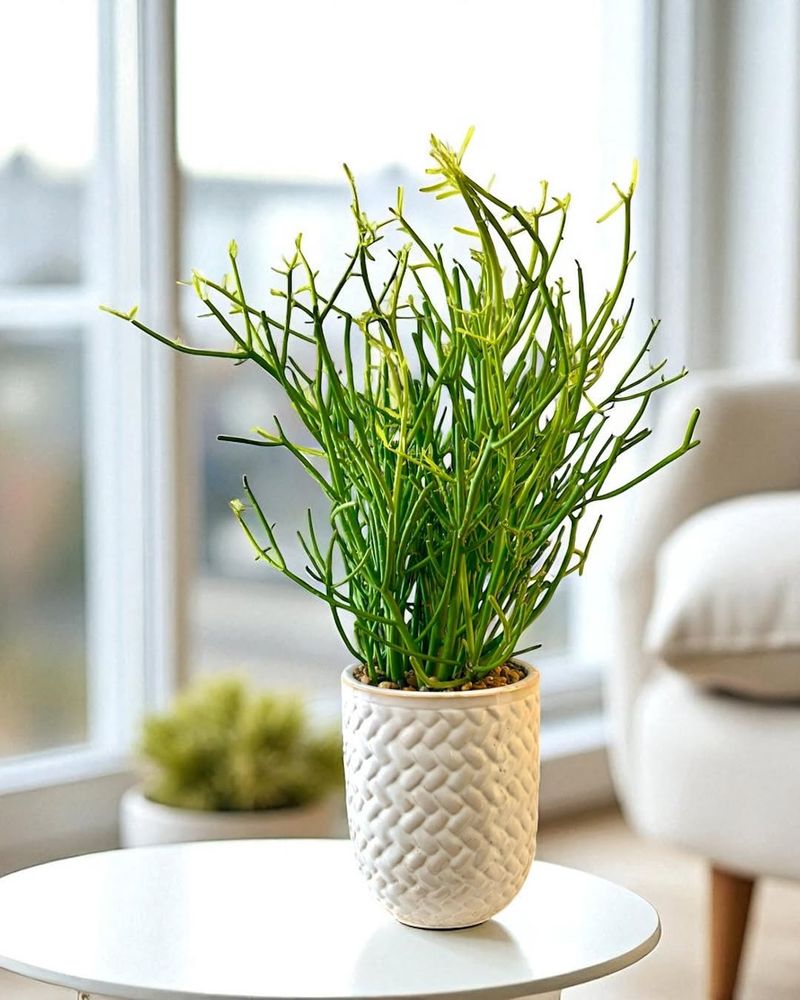
Pencil cactus, Euphorbia tirucalli, looks modern and minimal, which explains its popularity in California interiors and drought-conscious landscapes. Its upright, pencil-like stems fit neatly into contemporary designs and water-wise gardens.
The plant produces a milky sap that can irritate the mouth, digestive tract, and eyes. The ASPCA lists it as toxic to cats, while also noting that toxicity is generally considered over-rated compared to more dangerous species.
The primary concern is irritation rather than systemic poisoning. A cat that bites into a stem may drool or show signs of mouth discomfort shortly after contact.
Redness around the lips or brief pawing at the face can also occur. The sap can irritate human skin during pruning, so gloves and eye protection are wise precautions.
Outdoor plantings benefit from thoughtful positioning away from pet pathways, especially in yards where cats roam freely. Raised planters or fenced sections can create helpful separation.
Indoors, placing the plant in rooms without cat access provides the most reliable protection. Design choices that account for both plant safety and pet behavior help prevent unnecessary stress for everyone in the household.
4. Kalanchoe Brings Color And Hidden Danger
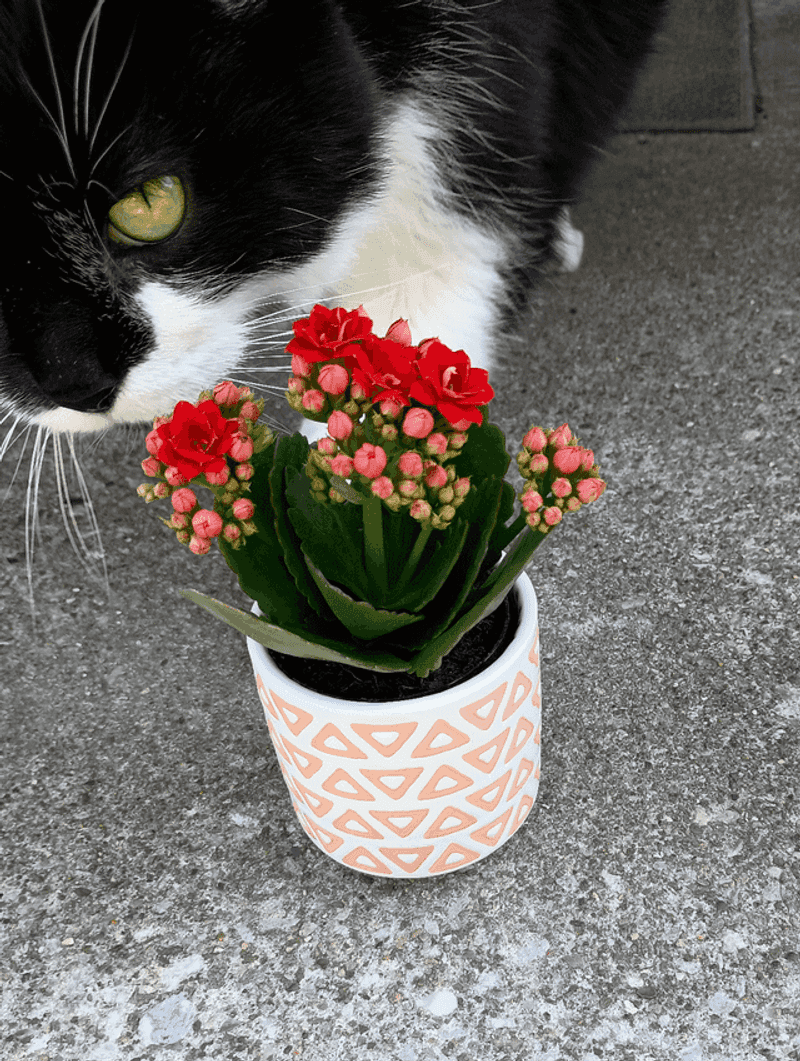
Kalanchoe often arrives in California homes as a cheerful grocery store plant, especially during gift-giving seasons. Its bright clusters of flowers make it an easy impulse buy for sunny kitchens and living rooms.
The ASPCA lists kalanchoe as toxic to cats due to bufadienolides, a type of cardiac glycoside. Clinical signs commonly include vomiting and diarrhea, and abnormal heart rhythm is considered rare but possible.
That rare cardiac effect is what places kalanchoe in a higher caution category. While many exposures involve mild digestive upset, the potential for more serious symptoms means it deserves thoughtful placement in cat households.
Even short-term access can lead to a quick nibble from a curious pet.
Kalanchoe thrives in bright indoor light, so it often ends up on coffee tables or low shelves within easy reach. Because it is compact and decorative, people tend to display it at eye level, which also happens to be cat level.
Keeping it in a fully cat-free room is the most dependable option. For color without added risk, many non-toxic foliage plants can deliver visual interest without raising the same safety questions.
5. String Of Pearls Is Cute But Not Cat Friendly
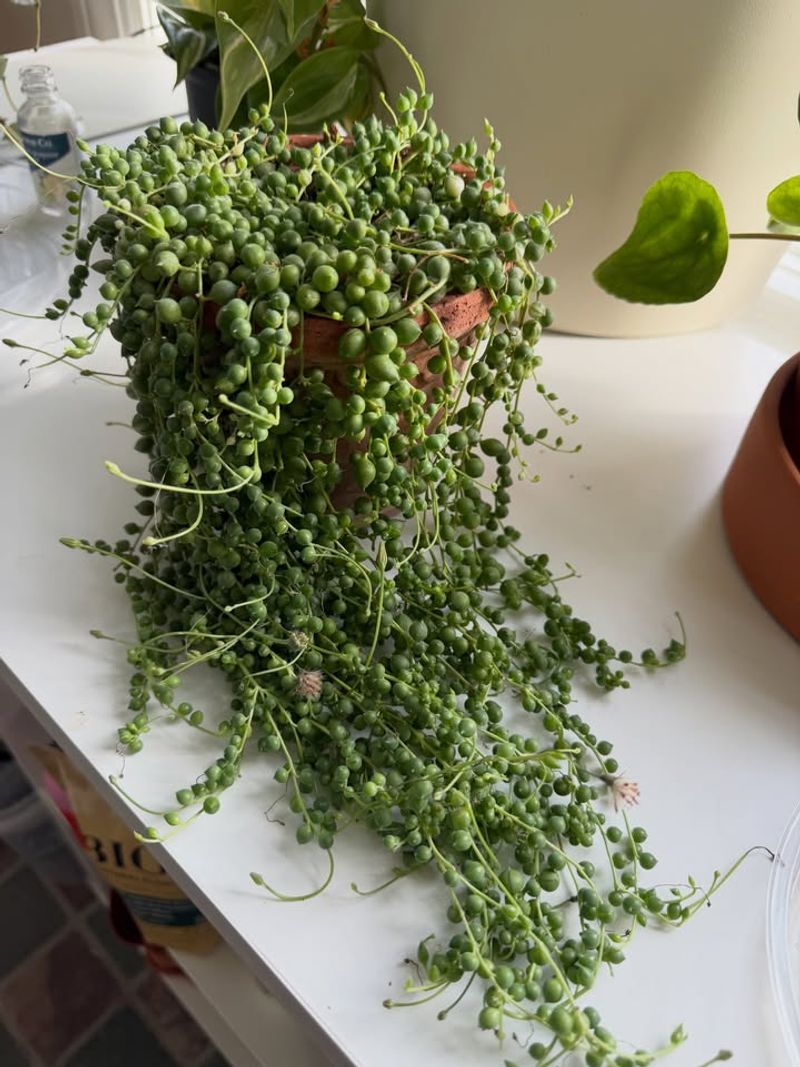
String of pearls, Senecio rowleyanus, is instantly recognizable for its bead-like leaves that resemble tiny green marbles. It thrives in bright California homes and is often displayed in hanging baskets where the strands can spill dramatically over the edges.
The ASPCA notes that ingestion can cause stomach upset, predominantly vomiting, along with possible lethargy.
Those trailing stems are part of the appeal, but they also make the plant especially tempting for playful cats. Strands that hang too low can quickly turn into batting targets, increasing the chance of chewing.
Even a light brush from a jumping cat can set the beads swaying, which only adds to the temptation.
Symptoms are typically digestive rather than severe, but prevention remains the safest approach. Hanging baskets placed well away from furniture or shelves that serve as launch points help reduce access.
Positioning the plant in a room with limited cat traffic adds another layer of protection. A fully restricted space offers the greatest peace of mind for households with especially curious pets.
6. Haworthia, However, Is Definitely Approved By Your Furry Friend
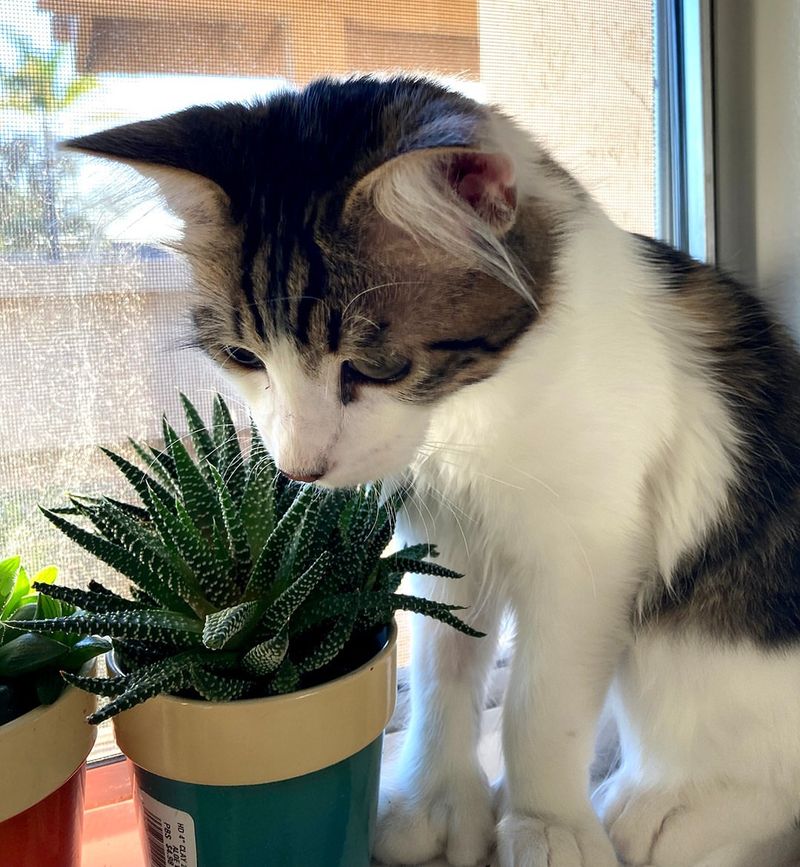
Haworthia resembles aloe in shape but differs significantly in safety. Zebra Haworthia is listed by the ASPCA as non-toxic to cats, which sets it apart from its lookalike cousin.
That distinction makes it a more relaxed choice for plant-loving households that want a similar sculptural feel without added concern.
Non-toxic does not mean completely chew-proof, since eating any plant material can still cause mild stomach upset. However, haworthia does not contain the toxic compounds found in aloe.
Most cats lose interest quickly because the firm leaves are less appealing than softer foliage.
Its compact growth habit fits easily into apartments and smaller California homes. Because it tolerates moderate light, it can sit on desks, side tables, or shelves that are not directly in the sun.
The slow growth rate also means it rarely outgrows its space or demands frequent repotting. For anyone building a pet-conscious plant collection, haworthia offers a practical and low-stress starting point.
7. Echeveria Offers Beauty Without The Risk
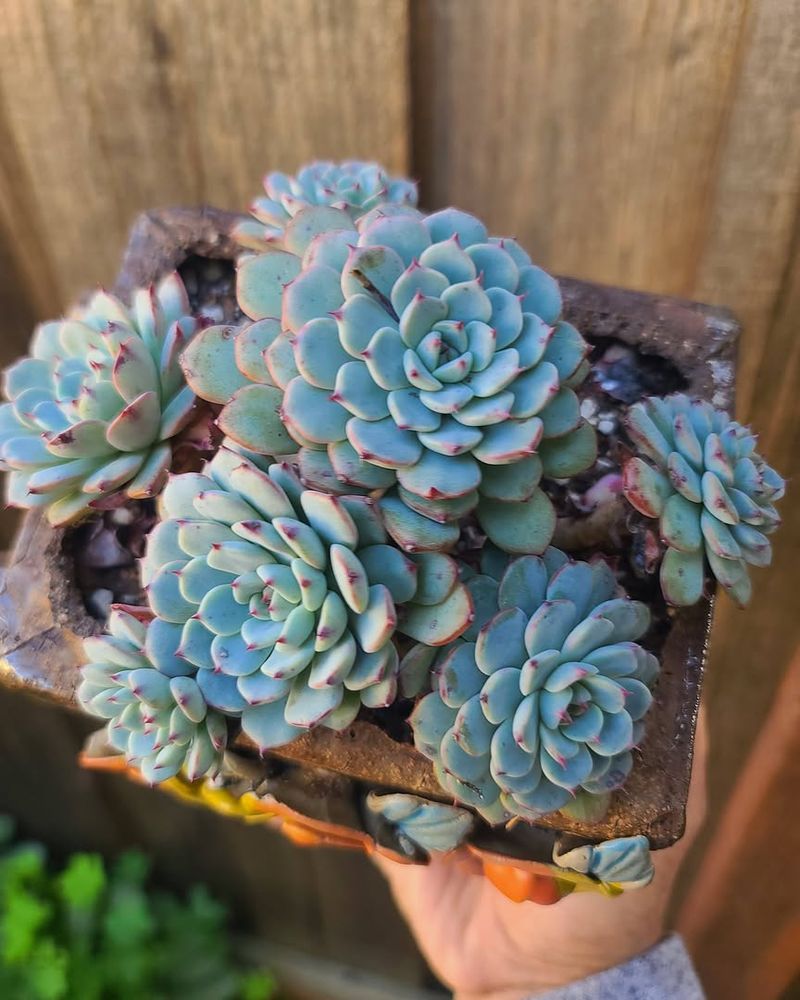
Echeveria rosettes fill nursery tables across California, admired for their layered, rose-like shape and soft shades of blue, pink, and green.
Blue Echeveria is listed by the ASPCA as non-toxic to cats, which gives pet owners a welcome sense of relief when choosing indoor plants. It delivers classic succulent style without the added concern tied to some other popular varieties.
Those thick, fleshy leaves can still catch a cat’s attention, especially in bright rooms where plants double as décor. While no toxic compounds are documented, curious nibbling can still lead to mild stomach upset simply from plant material.
A heavier, stable pot helps prevent tipping during playful inspections and keeps both plant and pet safe.
Strong light supports compact growth, particularly in Southern California and the Central Valley where sunshine is abundant. In cooler coastal areas, placing echeveria near a bright window helps maintain its tight rosette shape.
With well-draining soil and moderate watering, it adapts easily indoors or outdoors. For California cat owners who want color and structure without added risk, echeveria remains a dependable and attractive option.
8. Sempervivum Brings Hardy Charm Without The Harm
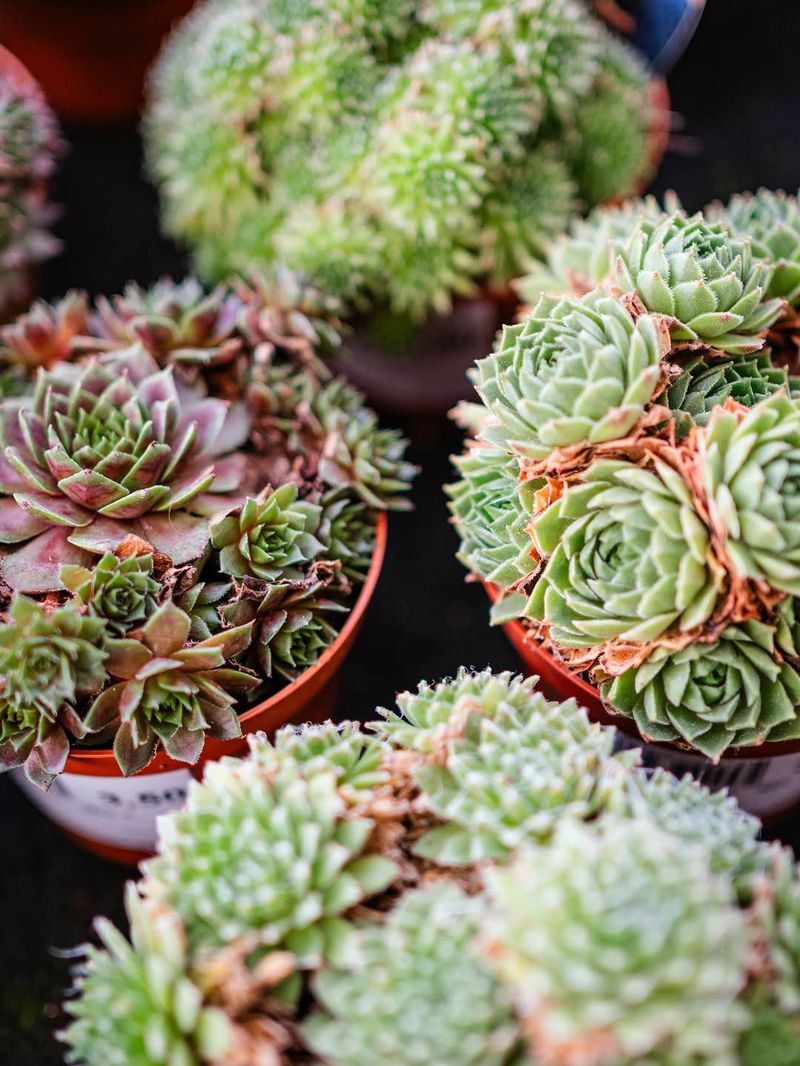
Sempervivum, often called hens and chicks, is also listed as non-toxic by the ASPCA. That makes it a welcome option for California patios and container gardens where cats may wander.
For households that allow supervised outdoor access, having a ground-level plant without known toxicity offers real peace of mind. It provides texture and visual interest without forcing constant supervision.
In hotter regions of California, afternoon shade can help reduce sun stress and leaf scorch. While these plants tolerate cooler nights well, extreme heat may cause temporary stress without proper placement.
A spot that receives morning sun and light afternoon protection often keeps rosettes compact and colorful. Good drainage is equally important, since soggy soil can weaken the plant more quickly than dry conditions.
Their low-growing habit makes them ideal for rock gardens or shallow containers. Because they multiply over time, they can fill in spaces naturally without constant maintenance.
Offsets spread outward in clusters, creating a textured mat that looks intentional and full. This steady spreading habit also means fewer bare patches in containers or borders.
For outdoor cat-accessible areas, sempervivum adds structure and charm without introducing toxicity concerns.
9. Burro’s Tail Trails Softly With Lower Risk For Curious Critters
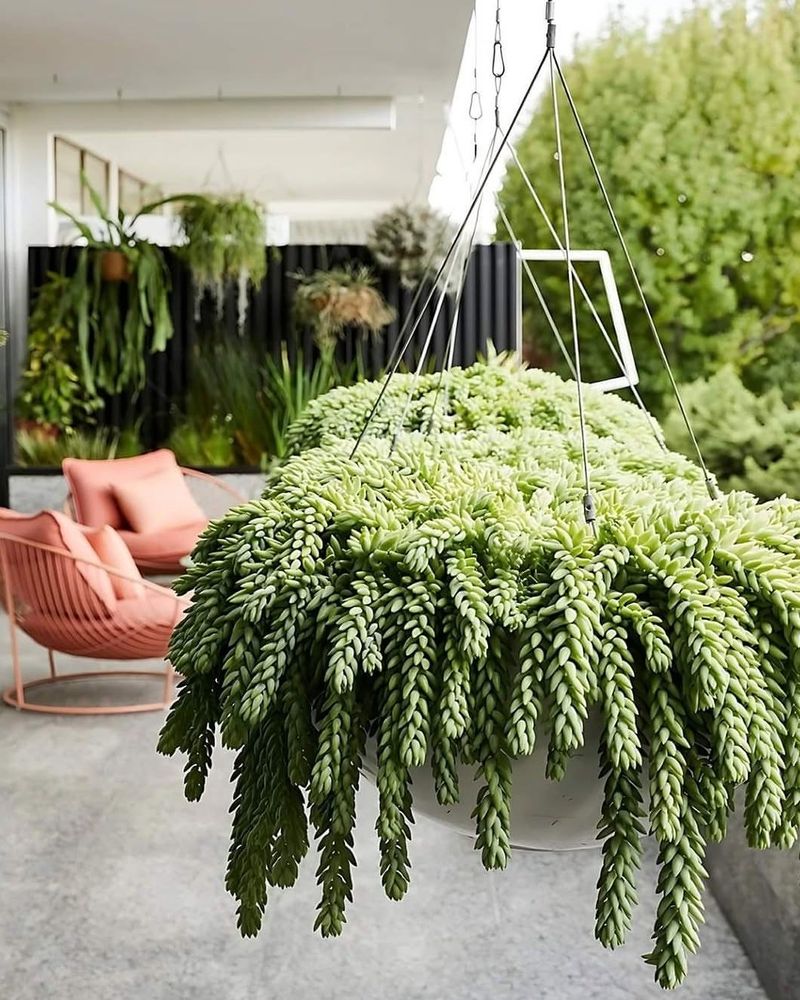
Burro’s tail, Sedum morganianum, is listed by the ASPCA as non-toxic to cats. Its trailing stems and plump, bead-like leaves create a soft cascading effect that fits beautifully into many California interiors, especially bright apartments and sun-filled patios.
The bigger concern with this plant is fragility rather than toxicity. The leaves detach easily, and a curious swipe can send them tumbling to the floor.
Once scattered, those fallen pieces can quickly turn into irresistible playthings for an energetic cat.
Although ingesting a few leaves is not associated with serious toxicity, limiting access still makes sense. Even non-toxic plants can lead to mild stomach upset when chewed in larger amounts.
A hanging basket placed well out of jumping range protects the delicate stems and keeps the display looking full. With smart placement and a bit of awareness, burro’s tail can remain both visually striking and a lower-risk addition to a cat-friendly California home.