Toxic Trees Kentucky Homeowners Should Steer Clear Of
Kentucky homeowners often focus on how a tree looks, how fast it grows, or how much shade it provides.
But some trees carry hidden risks that make them unsafe choices for yards, gardens, or spaces where pets and livestock spend time.
In Kentucky’s mixed rural and suburban landscapes, several common tree species contain toxins that can harm animals, weaken nearby plants, or even pose dangers to children who play outdoors.
These risks often go unnoticed until symptoms show up—wilting plants, sick pets, or livestock losses.
Invasive behaviors and persistent pests can add even more problems.
By understanding which trees are known troublemakers, homeowners can make safer planting choices and avoid costly mistakes.
Before putting a new tree in the ground, it’s worth knowing which ones Kentucky experts say to avoid altogether.
Black Walnut (Juglans Nigra)
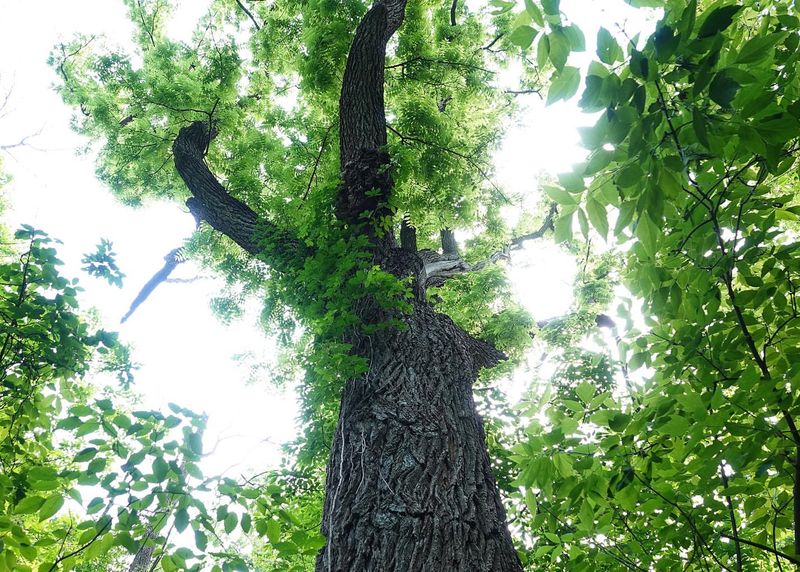
Black walnut trees might seem like a stately addition to your property, but they come with a serious hidden threat called juglone.
This natural chemical seeps from the roots, leaves, and nut husks into the surrounding soil, creating a toxic zone that extends up to 50 feet from the trunk.
Tomatoes, peppers, azaleas, rhododendrons, and many other beloved garden plants simply cannot survive near this tree.
The toxin works by disrupting cellular function in sensitive plants, causing them to wilt and struggle within days of exposure.
Livestock that munch on fallen leaves or nuts can experience digestive upset and other health problems.
Horses are particularly vulnerable to the effects of black walnut shavings used as bedding, which can cause severe laminitis.
If you already have a black walnut on your property, plan your garden beds far away from its canopy.
Consider planting juglone-tolerant species like maples, oaks, or certain grasses instead.
Removing a mature black walnut is expensive and labor-intensive, so prevention is your best strategy.
Always check what trees exist on a property before purchasing plants or planning animal pastures.
Your garden and livestock will thank you for steering clear of this beautiful but troublesome species.
Tree Of Heaven (Ailanthus Altissima)
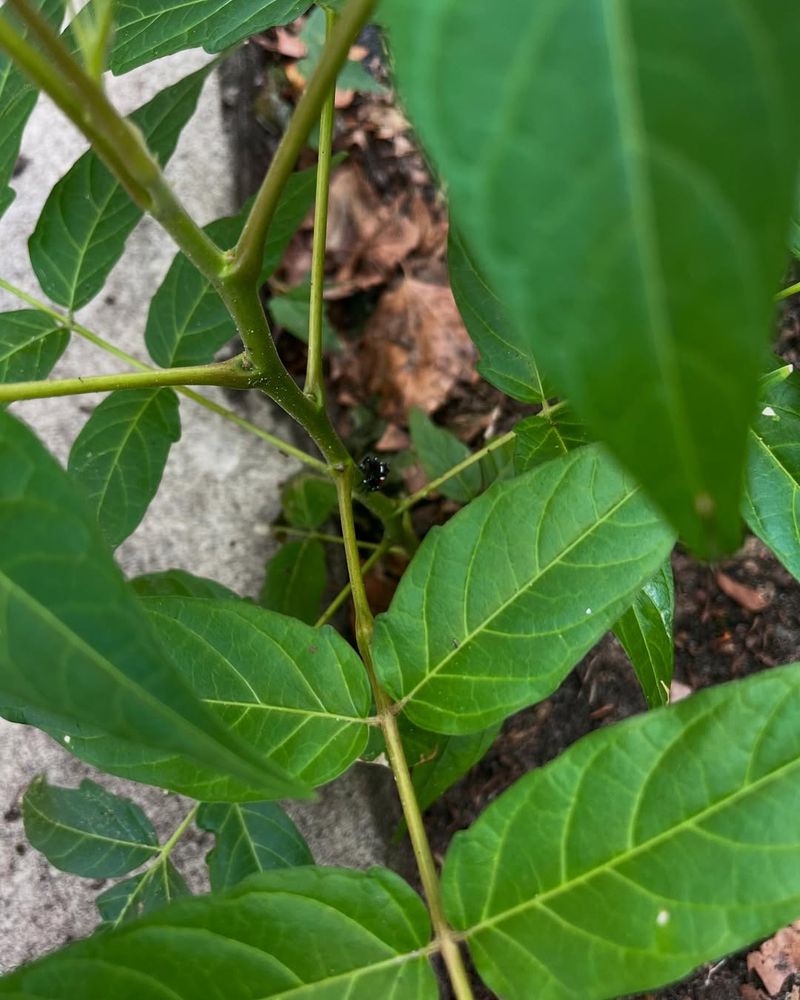
Originally brought from China as an ornamental, tree of heaven has become one of Kentucky’s most aggressive invasive species.
This fast-growing tree releases chemicals called ailanthones that suppress the growth of nearby plants, giving it an unfair advantage in the landscape.
The compounds create what scientists call allelopathic effects, essentially poisoning the soil for competitors.
Beyond harming other vegetation, tree of heaven can cause skin irritation and allergic reactions in people who handle its leaves or bark.
The tree produces massive quantities of seeds that spread rapidly by wind, allowing it to colonize disturbed areas, roadsides, and even cracks in pavement.
Its roots are incredibly aggressive, damaging foundations, septic systems, and underground utilities.
Once established, tree of heaven is notoriously difficult to remove because cutting it down often triggers vigorous sprouting from the roots.
The spotted lanternfly, an invasive pest threatening agriculture across the eastern United States, prefers this tree as a host.
Allowing tree of heaven to grow on your property essentially rolls out the welcome mat for this destructive insect.
If you spot seedlings, remove them immediately before they establish deep root systems.
Contact your local extension office for guidance on proper removal techniques that prevent regrowth.
Oleander (Nerium Oleander)
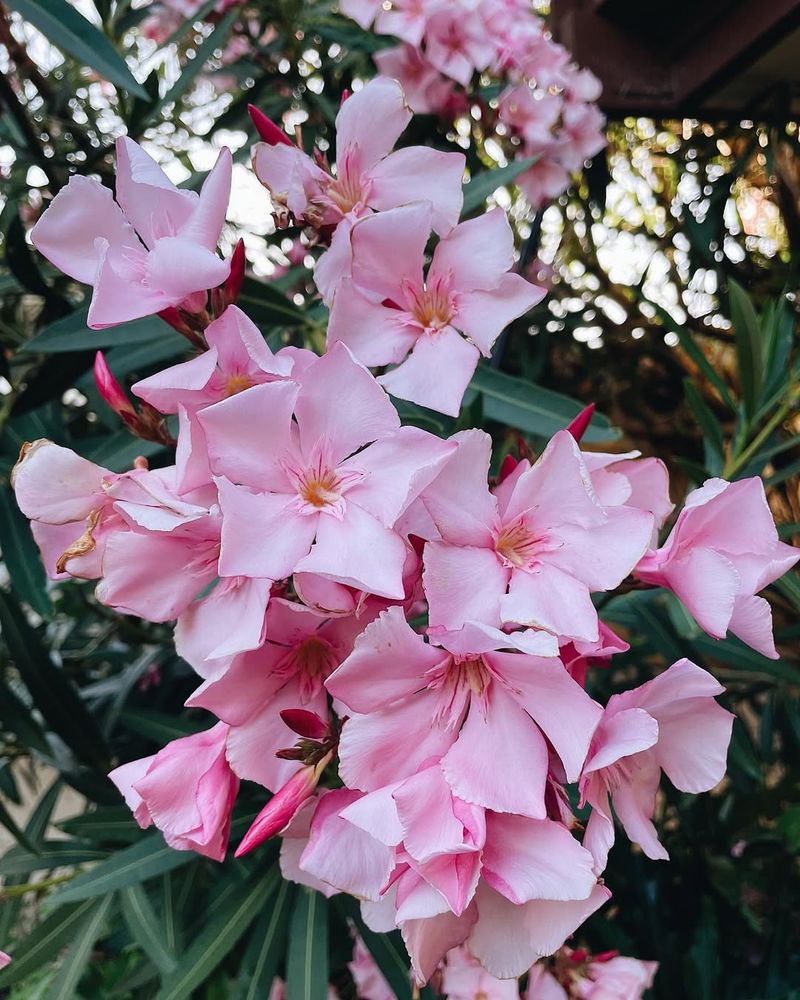
With its stunning pink, white, or red blooms, oleander seems like a perfect ornamental choice for Kentucky landscapes.
However, this Mediterranean native contains cardiac glycosides in every single part of the plant, making it one of the most poisonous species you could plant.
Even a single leaf can cause serious harm if ingested by pets, livestock, or children.
The toxins interfere with heart function, potentially causing irregular heartbeat, severe digestive distress, and other life-threatening symptoms.
Cases have been reported of people becoming ill after using oleander branches as skewers for roasting food or stirring drinks.
The smoke from burning oleander trimmings can also cause respiratory irritation and other health issues.
Pets are naturally curious and may chew on attractive flowers or leaves while playing in the yard.
Cattle and horses grazing near property lines can reach over fences to nibble on oleander foliage with devastating consequences.
While oleander tolerates heat and drought beautifully, the risks far outweigh the ornamental benefits for homeowners with children or animals.
Many safer alternatives offer similar visual appeal without the danger.
Consider butterfly bush, crape myrtle, or rose of Sharon for colorful blooms that won’t threaten your loved ones.
If oleander already grows on your property, consider removal and replacement with family-friendly landscaping options.
Yew Trees (Taxus Spp.)
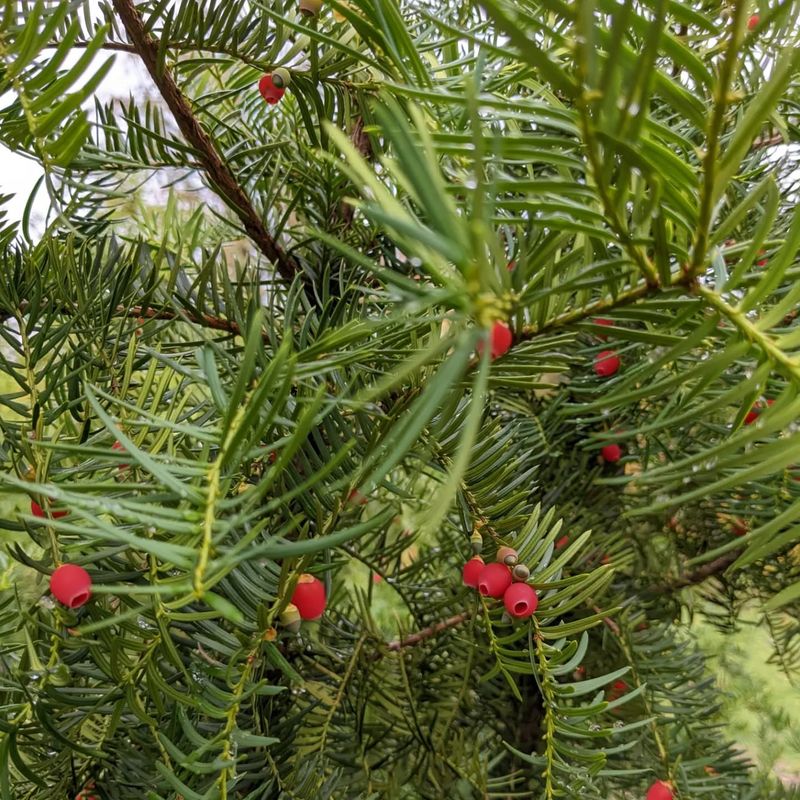
Yew shrubs and trees have been prized for centuries for their dense evergreen foliage and elegant appearance in formal landscapes.
Unfortunately, these attractive plants contain taxine alkaloids throughout their needles, bark, and seeds.
The only non-toxic part is the fleshy red aril surrounding the seed, but the seed itself remains highly poisonous.
Horses are especially susceptible to yew poisoning, and even small amounts can prove fatal within hours.
Dogs and cats that chew on yew branches while playing can experience rapid heart failure and other severe symptoms.
The danger persists even after pruning, as dried clippings retain their toxicity for months.
Many homeowners unknowingly create hazards by tossing yew trimmings into areas where animals can access them.
Birds can safely eat the red arils and spread seeds to new locations, potentially creating unexpected toxic plants around your property.
Children may be attracted to the bright red berry-like structures, not understanding the danger hidden inside.
Japanese yew, English yew, and hybrid varieties all carry similar risks regardless of their specific ornamental qualities.
If you value the formal look yews provide, consider substituting boxwood, holly, or other evergreens that offer similar structure without the toxicity.
Existing yews near play areas, animal enclosures, or pasture fences should be removed professionally to eliminate the risk entirely.
Cherry Trees Including Black Cherry (Prunus Serotina)
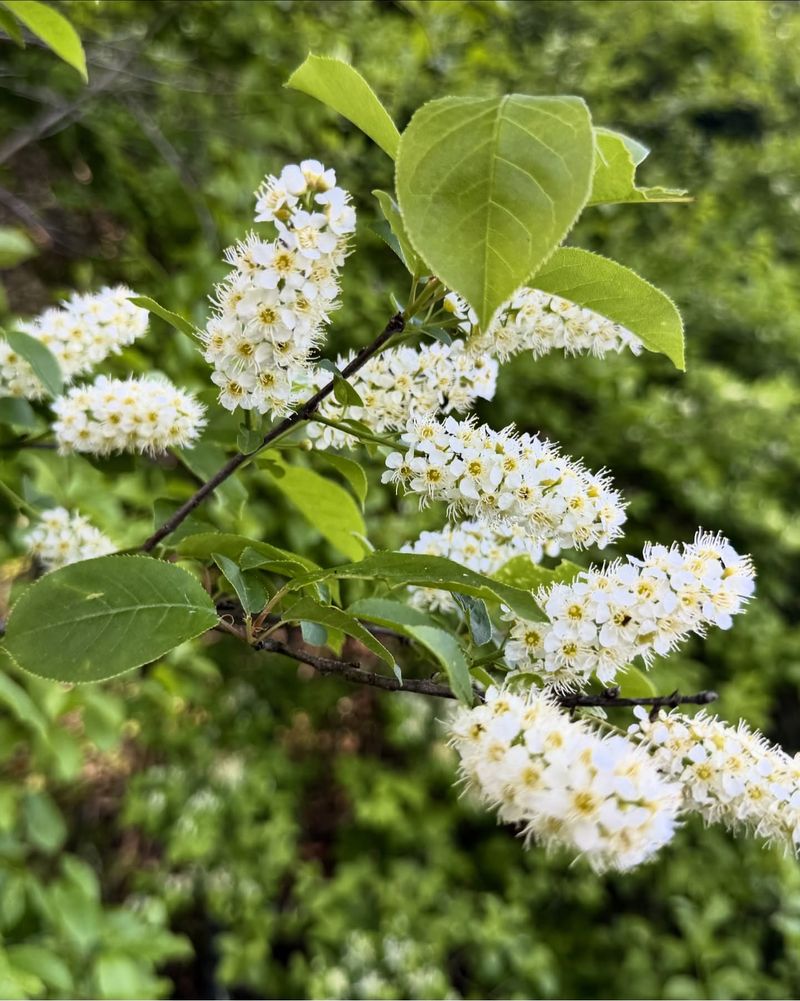
Black cherry trees grow wild throughout Kentucky, producing beautiful spring blossoms and fruit that wildlife adore.
While the ripe fruit itself poses no danger, the leaves contain compounds that convert to cyanide when wilted or damaged.
Fresh green leaves and completely dried leaves are less dangerous, but the wilting stage creates maximum toxicity.
Storms that break branches or frost that damages foliage can suddenly create deadly hazards for livestock.
Horses are particularly vulnerable, and consumption of wilted cherry leaves can cause rapid respiratory failure and collapse.
Cattle and goats face similar risks when they encounter fallen branches in their pastures.
The danger extends to ornamental cherry varieties commonly planted in yards, including flowering cherries and chokecherries.
A single storm can drop toxic branches into areas where curious animals graze or children play.
Many homeowners remain completely unaware of this seasonal hazard until an emergency occurs.
If cherry trees grow near your pastures or animal areas, inspect fencing regularly to ensure no branches hang over into grazing zones.
After storms or high winds, walk your property to remove any fallen cherry branches before animals can access them.
Consider planting alternative shade trees like maples, oaks, or sycamores in areas where livestock roam.
The risk simply isn’t worth the beauty these trees provide near animal enclosures.
Red Buckeye (Aesculus Pavia)
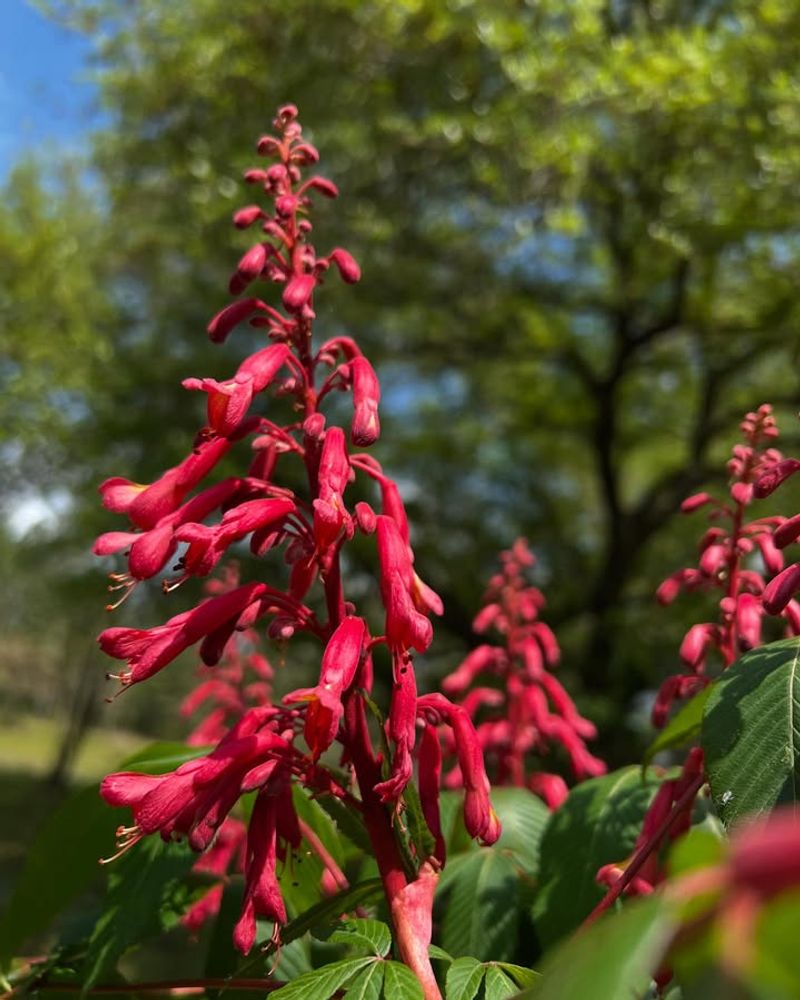
Red buckeye lights up Kentucky landscapes each spring with spectacular tubular red flowers that hummingbirds absolutely love.
Native to the southeastern United States, this small tree or large shrub seems like an ideal wildlife-friendly choice.
However, the seeds, leaves, bark, and flowers all contain toxic glycosides that can sicken pets and livestock.
The smooth, shiny brown seeds are especially tempting to curious dogs who might mistake them for toys or treats.
Children may also be attracted to these interesting-looking seeds, not realizing the danger they pose.
Ingestion can cause severe digestive upset, muscle weakness, and coordination problems in both animals and humans.
Livestock grazing near red buckeye plantings may sample the foliage or fallen seeds with serious consequences.
Despite its toxicity, red buckeye remains popular in native plant gardens because of its early spring color and wildlife value.
Hummingbirds can safely sip nectar from the flowers without harm.
If you choose to plant red buckeye, locate it well away from areas where children play or pets roam freely.
Install barriers or fencing to prevent animals from accessing fallen seeds during autumn.
Rake up and dispose of seeds promptly to minimize temptation.
Alternative native options like serviceberry or redbud provide similar ornamental value with far less risk to your household.
Horse Chestnut (Aesculus Hippocastanum)
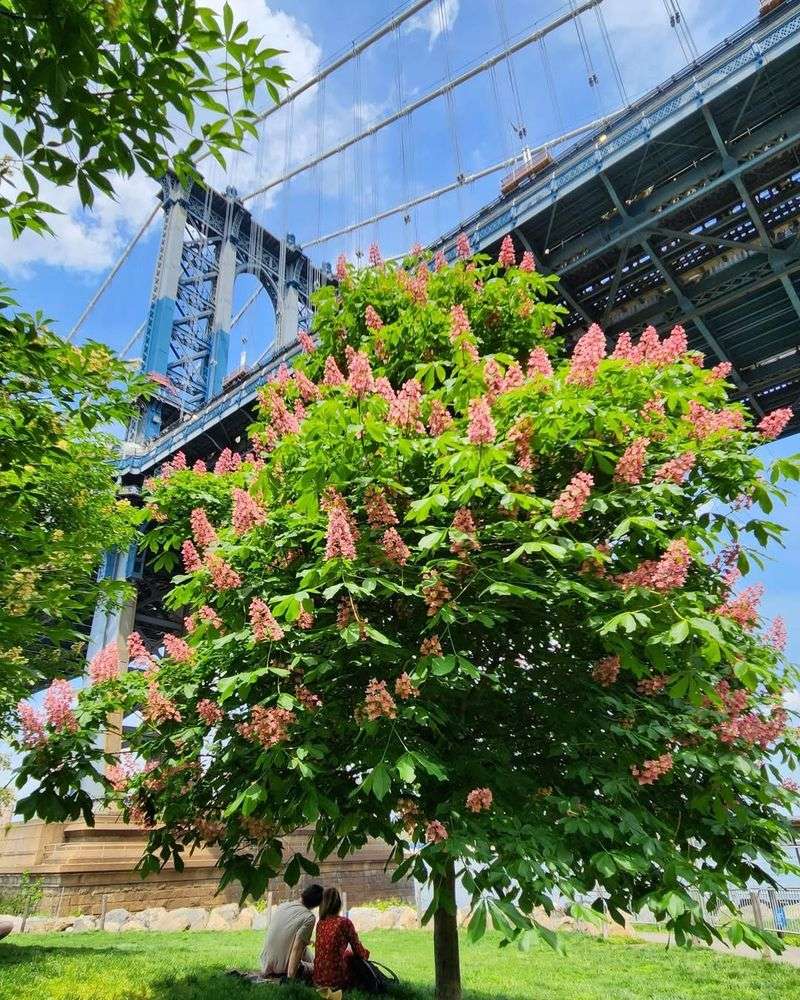
Horse chestnut trees create impressive shade canopies and produce distinctive spiky seed pods that children often find fascinating.
The large, glossy brown seeds inside these pods resemble edible chestnuts but contain dangerous saponins and glycosides.
Despite the name, horses should never consume horse chestnuts, as they can cause serious poisoning.
Dogs frequently mouth or chew these interesting seeds while playing in the yard, leading to digestive distress and other symptoms.
The leaves and bark also contain toxic compounds, though the seeds pose the greatest risk.
Squirrels occasionally bury horse chestnuts, potentially spreading them to new areas of your property where they might sprout.
Young children may be tempted to collect the attractive seeds for craft projects or simply out of curiosity.
Even handling the spiky outer husks can cause skin irritation in sensitive individuals.
The tree drops enormous quantities of seeds each fall, creating an ongoing cleanup challenge for homeowners.
Livestock in nearby pastures may reach through fences to sample fallen leaves or seeds with dangerous results.
While horse chestnut trees provide excellent shade and attractive spring flowers, safer alternatives exist for properties with animals or young children.
Consider planting sugar maples, tulip poplars, or other large shade trees that won’t create toxic hazards.
If you inherit a horse chestnut with a new property, weigh the risks carefully before deciding whether to keep it.
Mimosa Tree (Albizia Julibrissan)
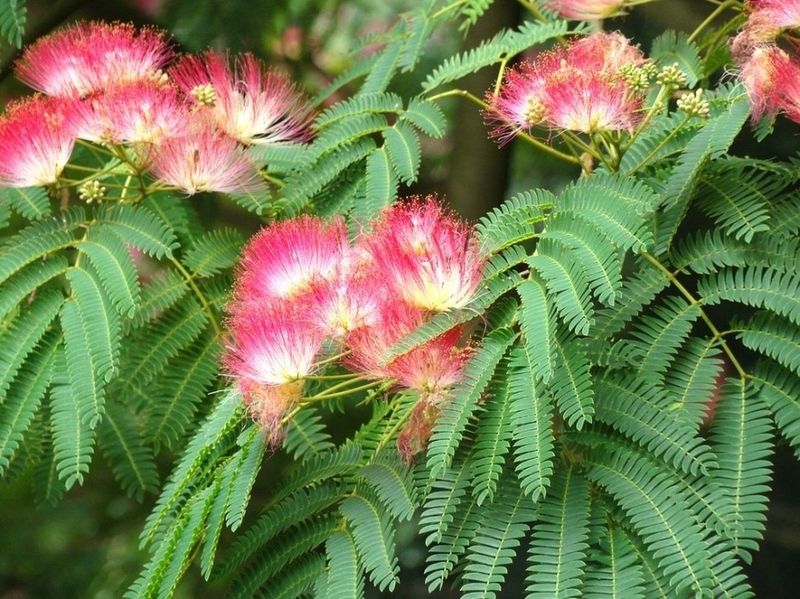
Mimosa trees enchant homeowners with their delicate fern-like foliage and fluffy pink summer blooms that seem almost magical.
Originally introduced from Asia as an ornamental, mimosa has escaped cultivation and now invades Kentucky woodlands and roadsides.
The seed pods contain compounds that can sicken pets if consumed in quantity, causing digestive upset and lethargy.
While not as immediately dangerous as some other toxic trees, mimosa still poses risks to curious dogs and cats.
Beyond the toxicity issue, mimosa trees create serious ecological problems by outcompeting native vegetation.
They produce thousands of seeds that remain viable in the soil for years, making eradication extremely difficult once established.
The trees grow rapidly but have weak wood that breaks easily during storms, creating hazards and cleanup headaches.
Mimosa also hosts pests and diseases that can spread to other landscape plants.
Its aggressive growth habit and prolific seeding make it a poor choice for responsible landscaping.
Many Kentucky counties have designated mimosa as an invasive species and encourage removal.
If you appreciate the feathery foliage and unusual flowers, consider native alternatives like fringe tree or American smoke tree.
These provide similar ornamental interest without the invasive behavior or toxicity concerns.
Existing mimosa trees should be removed and replaced with species that support local ecosystems rather than disrupting them.
Your local native plant society can recommend beautiful alternatives suited to Kentucky conditions.
Black Locust (Robinia Pseudoacacia)
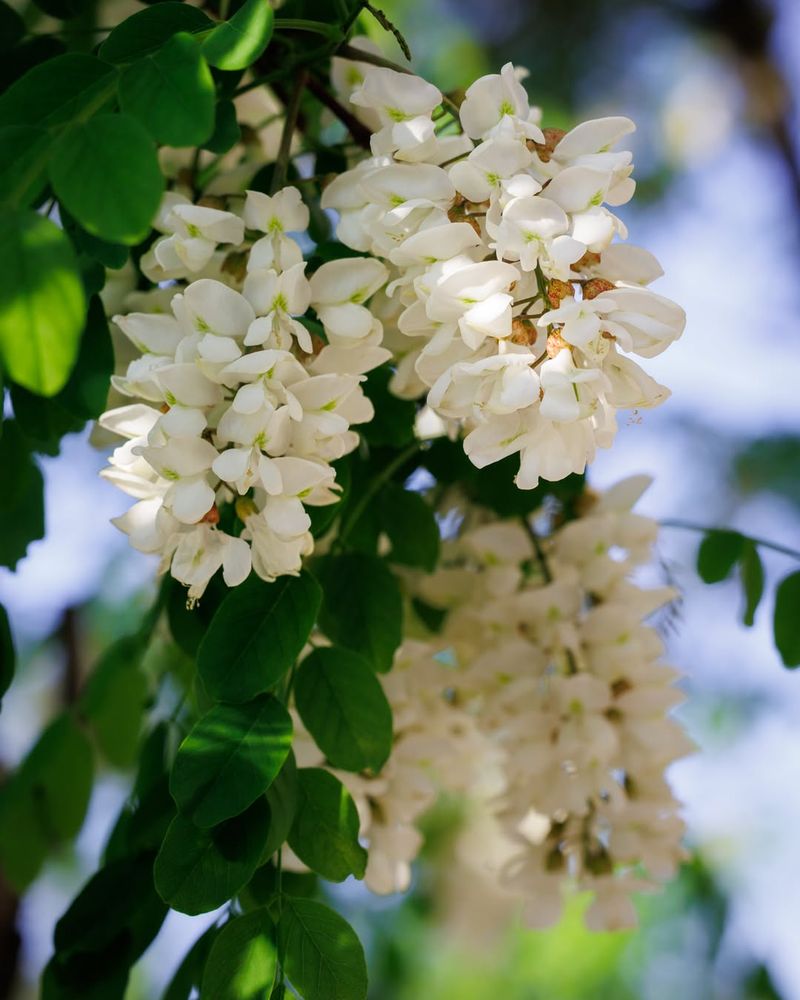
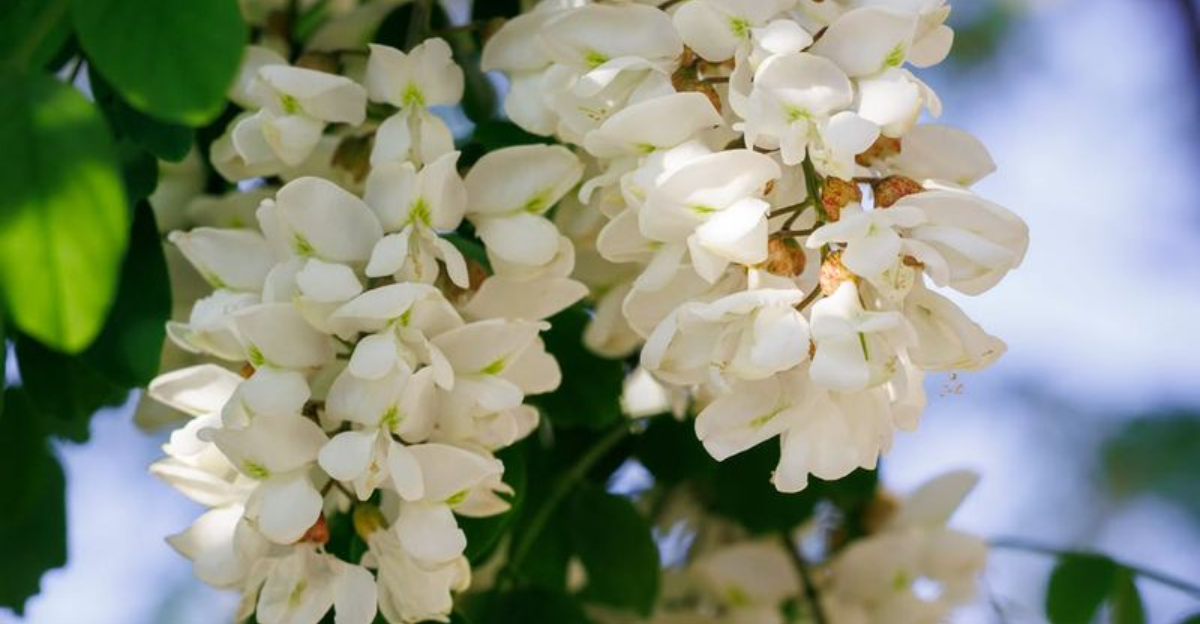
Black locust trees produce gorgeous hanging clusters of fragrant white flowers each spring that fill the air with sweet perfume.
This fast-growing native tree provides excellent rot-resistant wood valued for fence posts and outdoor projects.
However, the bark, leaves, and seeds contain toxic lectins and alkaloids that pose serious risks to livestock and pets.
Horses and cattle that browse on black locust bark or consume fallen seed pods can experience severe digestive problems and other symptoms.
The toxins can also affect the heart and nervous system in animals that consume significant quantities.
Children may be tempted to play with the long seed pods or sample the sweet-smelling flowers, though the blooms are generally less toxic than other parts.
Black locust spreads aggressively through root suckers, potentially creating thickets of toxic vegetation in pastures and fence lines.
The tree’s thorny branches can also cause injuries to people and animals.
Despite these concerns, black locust remains popular for its rapid growth and durable lumber.
If you choose to keep black locust trees, locate them well away from animal enclosures and grazing areas.
Install secure fencing to prevent livestock from accessing fallen leaves and seed pods.
Monitor for root suckers and remove them promptly to prevent spread into vulnerable areas.
Safer alternatives for quick-growing shade include river birch, sycamore, or hybrid poplars that won’t threaten your animals.
Golden Chain Tree (Laburnum Spp.)

Few flowering trees can match the spectacular display of golden chain tree when its long clusters of yellow blooms appear in late spring.
The cascading flowers create a stunning visual effect that stops traffic and draws admiration from everyone who sees them.
Unfortunately, this European ornamental ranks among the most toxic trees you could possibly plant.
Every part of the tree contains cytisine, a poison that affects the nervous system and can cause severe symptoms even in small doses.
The seeds inside the pea-like pods are especially concentrated with toxins and pose extreme danger to children and pets.
Even a few seeds can cause serious poisoning requiring immediate medical attention.
Dogs may chew on fallen pods while playing, and curious toddlers might sample the interesting-looking seeds.
Livestock should never have access to any part of golden chain tree under any circumstances.
The beautiful flowers themselves contain toxins, though in lower concentrations than the seeds.
Despite its ornamental appeal, golden chain tree simply has no place in landscapes where children or animals spend time.
The risk of accidental poisoning is simply too high to justify the seasonal beauty.
Many safer alternatives provide yellow spring color without the danger, including Carolina jessamine, forsythia, or witch hazel.
If golden chain tree appeals to you purely for aesthetics, visit public gardens to enjoy it rather than bringing this hazard home.