10 Traditional Garden Plants Making A Quiet Return In Ohio
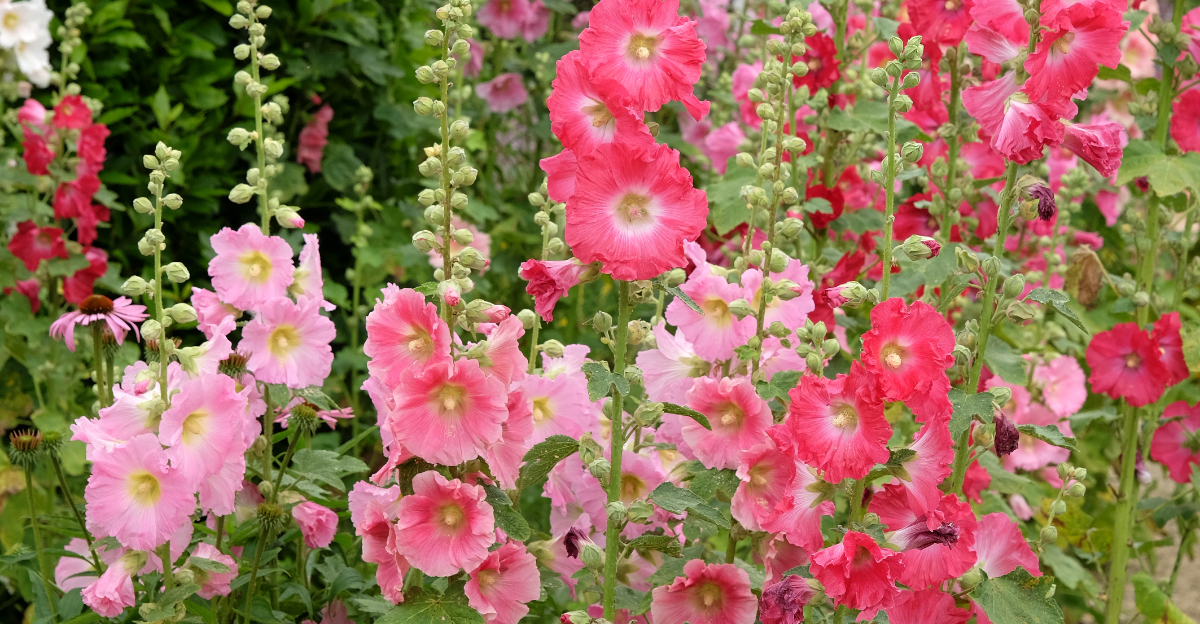
For a while, it felt like every garden center was chasing the next new thing, brighter colors, bigger blooms, faster results. Somewhere along the way, a lot of the old favorites quietly slipped out of the spotlight.
Now they are finding their way back, and not just for nostalgia. These traditional plants have already proven they can handle Ohio’s mood swings, from late frosts to humid summers, without putting up a fuss.
They settle in, come back strong, and do their job season after season. More gardeners are starting to trade high-maintenance trends for plants that feel familiar, reliable, and surprisingly refreshing again.
It turns out the classics were never really outdated, they were just waiting for the right moment to shine again.
1. Lilacs Bring Back That Classic Spring Fragrance

Few scents in the garden world can stop you in your tracks quite like a lilac in full bloom. Known botanically as Syringa vulgaris, lilacs have been gracing Ohio yards for well over a century, and their return to modern gardens feels both natural and long overdue.
That sweet, unmistakable fragrance drifting across a yard on a warm May morning is something many gardeners grew up with and never forgot.
In Ohio, lilacs typically bloom in mid to late spring, usually between late April and mid-May depending on your zone. They prefer full sun and well-drained soil, and once established, they are incredibly self-sufficient plants.
Pruning is one of the most important things to get right. Always prune lilacs right after they finish blooming, since they set next year’s flower buds on old wood.
Pruning too late in the season means cutting off future blooms.
Lilacs can live for decades with minimal fuss, which makes them a smart long-term investment for any yard. Modern cultivars like ‘Bloomerang’ even rebloom in late summer.
If you want a plant that rewards patience and fills your garden with fragrance every spring, lilacs deserve a serious look.
2. Peonies Return As A Garden Staple With Serious Staying Power

Some plants just refuse to be forgotten, and peonies are a perfect example. Paeonia lactiflora, the classic garden peony, has been known to bloom reliably in the same spot for 50 years or more without being moved or heavily cared for.
That kind of staying power is almost unheard of in the plant world, and Ohio gardeners are clearly taking notice again.
Peonies bloom in late spring to early summer, usually May through early June in most parts of Ohio. They prefer full sun, at least six hours a day, and well-drained soil.
One key tip many beginners miss: plant peony roots shallow. If the eyes, the small pink buds on the root, are buried more than two inches deep, the plant may not bloom at all.
This is one of the most common mistakes with peonies, and it is an easy fix.
Beyond their gorgeous, full blooms in shades of white, pink, and deep red, peonies require almost no fertilizing and rarely need dividing. They are also surprisingly deer-resistant.
With virtually no serious pest problems and blooms that work beautifully as cut flowers, it is easy to see why peonies are reclaiming their spot as a true garden staple across Ohio.
3. Bee Balm Finds Its Way Back Into Pollinator Gardens
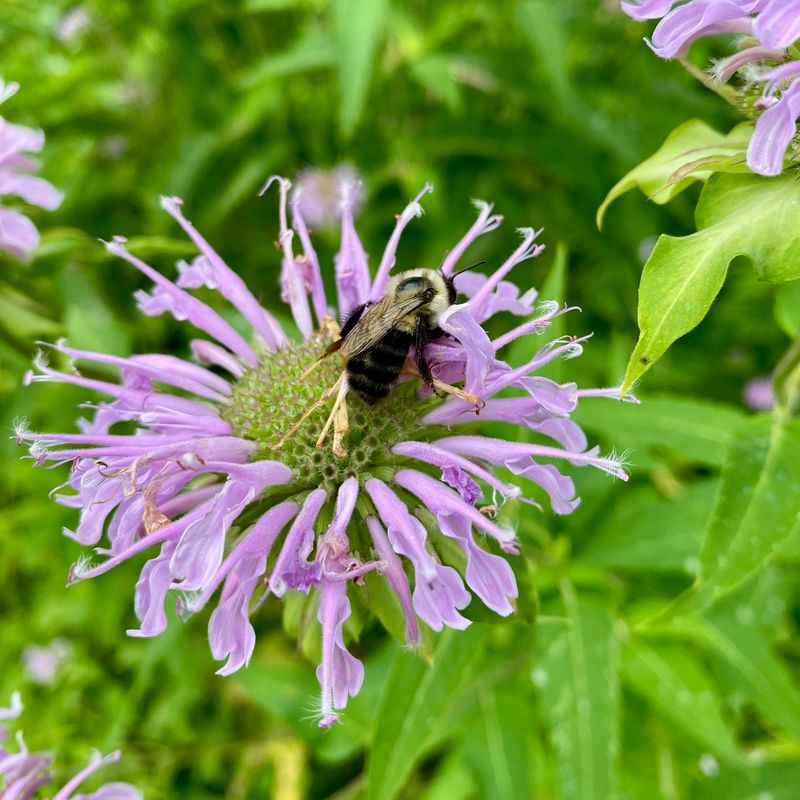
Hummingbirds, bumblebees, and butterflies showing up in your yard sounds like a dream, and planting bee balm is one of the fastest ways to make it happen.
Monarda didyma and its close relative Monarda fistulosa are native to eastern North America, which means Ohio gardeners are working with a plant that genuinely belongs here.
That native status is a big reason why bee balm is finding its way back into so many yards right now.
The shaggy, tube-shaped blooms come in vivid shades of red, pink, purple, and white, and they typically peak in midsummer, right when pollinators are most active. Bee balm grows best in full sun to partial shade and prefers consistently moist soil.
One concern with older varieties was powdery mildew, which could coat the leaves by late summer. Newer mildew-resistant cultivars like ‘Jacob Cline’ and ‘Raspberry Wine’ have largely solved that problem, making the plant much more appealing for low-maintenance gardens.
Bee balm spreads gradually by underground runners, so dividing clumps every few years keeps growth tidy and encourages better blooming. Given its wildlife value, easy care, and striking summer color, bee balm fits naturally into any Ohio garden focused on supporting local pollinators.
4. Coneflowers Shift From Prairie Native To Backyard Favorite
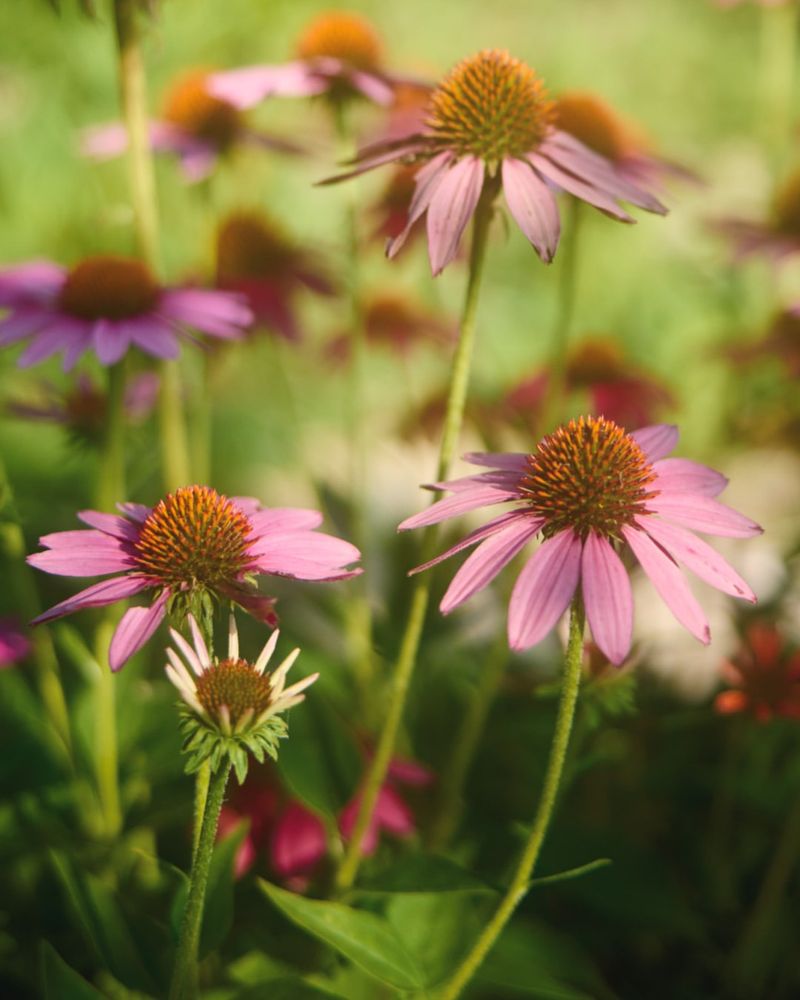
Originally at home across Ohio’s native prairies and open meadows, Echinacea purpurea has made an impressive journey from wildflower to one of the most popular perennials in American home gardens. Purple coneflower earns that popularity honestly.
It blooms for weeks through midsummer, handles drought without much complaint, and feeds goldfinches through fall and winter when you leave the seed heads standing.
The classic variety produces bright pink-purple petals around a raised, spiky orange-brown center. Newer cultivars have expanded the color palette dramatically, offering gardeners shades of yellow, orange, white, and deep red.
While those modern varieties are eye-catching, Ohio State University Extension notes that straight species plants and simpler cultivars often perform more reliably and provide better wildlife value than heavily bred double-flowered types.
Coneflowers thrive in full sun and tolerate a wide range of soil conditions, including clay-heavy Ohio soils that challenge many other plants. They need very little fertilizer, and overfeeding can actually cause floppy stems.
Deadheading spent flowers encourages more blooms, but leaving some seed heads intact in fall gives birds a valuable food source. Few perennials offer this combination of beauty, toughness, and ecological value at such low maintenance cost.
5. Hollyhocks Add Old-Fashioned Height Along Fences
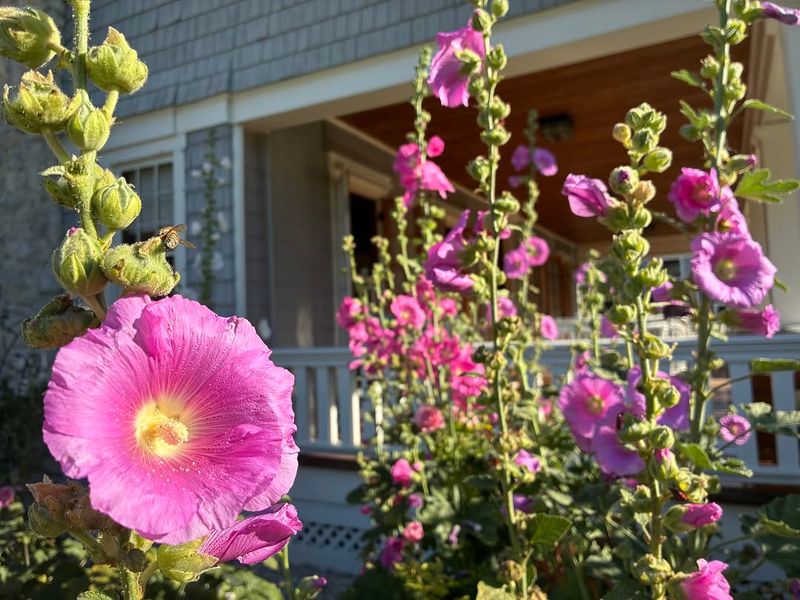
Nothing says cottage garden quite like a row of hollyhocks standing tall against a fence or old barn wall.
Alcea rosea has been a fixture in American gardens since colonial times, and its vertical drama is something modern landscaping trends simply cannot replicate with anything else.
Ohio gardeners looking to add height and old-fashioned charm to a sunny spot are rediscovering just how effective hollyhocks can be.
Hollyhocks are biennials, which means they spend their first year growing leaves and roots, then bloom in their second year before setting seed and finishing their life cycle. The good news is they self-seed reliably, so once you have them established, new plants keep appearing year after year without much effort.
They prefer full sun and well-drained soil, and they can reach six to eight feet tall in ideal conditions.
Rust fungus can be a problem for hollyhocks in humid Ohio summers, but choosing rust-resistant varieties and giving plants good air circulation helps a lot. Single-flowered types tend to be more disease-resistant than heavily ruffled doubles.
Plant them where they can lean against a structure for support, and you will have a stunning vertical accent that brings genuine storybook character to your garden every summer.
6. Bleeding Heart Steals The Show In Early Shade Gardens
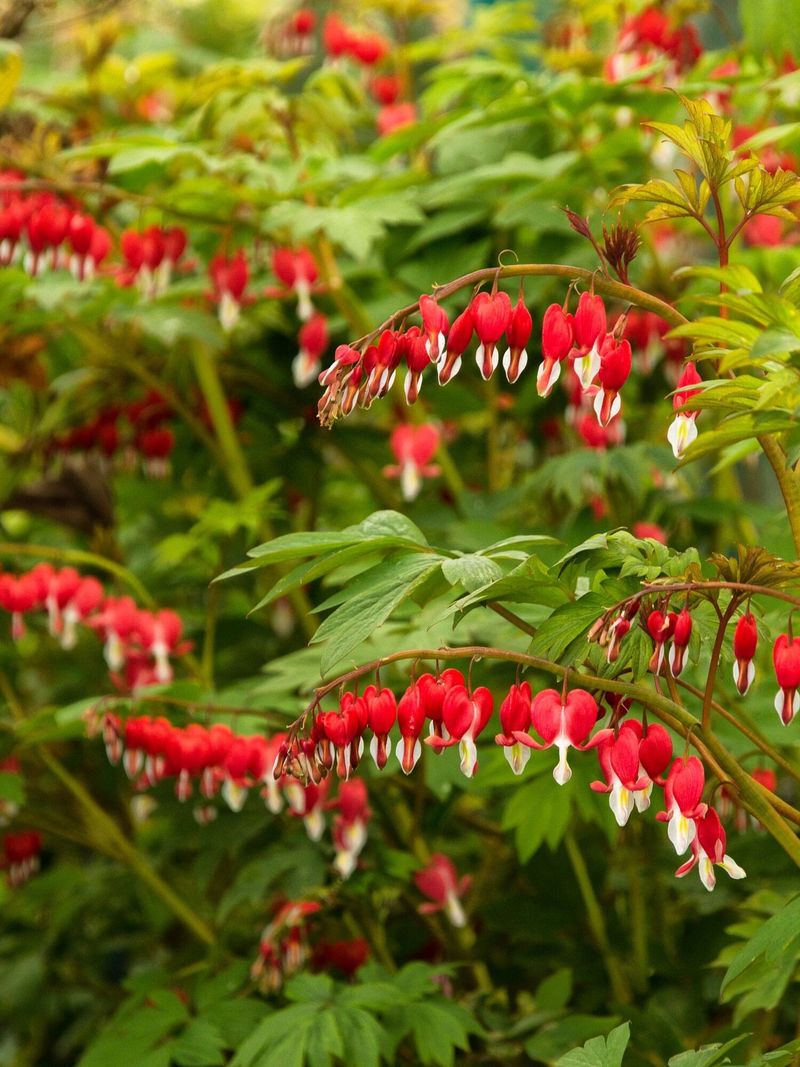
Early spring in Ohio can feel like a long wait for color, which makes bleeding heart one of the most welcome sights in any shade garden.
Lamprocapnos spectabilis, commonly called bleeding heart, produces arching wands of perfectly heart-shaped flowers in deep pink, rose, or white, usually starting in April and continuing through May.
That early bloom time fills a gap when most other perennials are still just waking up.
Bleeding heart performs best in partial to full shade, making it a natural fit under deciduous trees or along the north side of a house. It prefers rich, consistently moist soil and appreciates a layer of mulch to keep roots cool.
One thing to prepare for is summer dormancy. Once temperatures climb in June and July, bleeding heart foliage yellows and fades back completely.
Planting it alongside hostas, ferns, or astilbe helps fill that gap naturally without leaving bare spots.
The classic variety is vigorous and long-lived in Ohio’s Zones 5 and 6. A compact variety called ‘Gold Heart’ offers golden foliage for extra visual interest in shady spots.
For a shade garden that wows visitors in early spring before most plants have even leafed out, bleeding heart is genuinely hard to beat.
7. Shasta Daisies Reclaim Their Spot In Sunny Borders
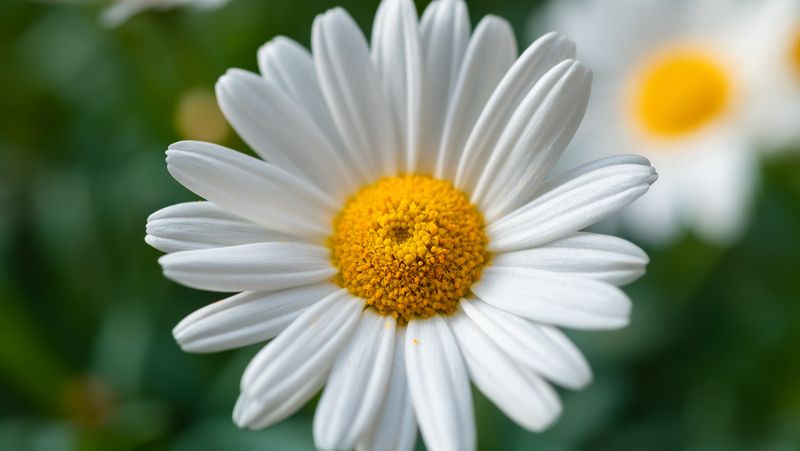
Cheerful, bright, and completely unfussy, Shasta daisies have a way of making any sunny garden border look polished without requiring much effort.
Leucanthemum x superbum is the botanical name for this classic white-flowered perennial, and it has been a staple of American gardens for well over a hundred years.
After a period of being overlooked in favor of flashier plants, Shasta daisies are back, and for good reason.
The blooms are exactly what you picture when you imagine a daisy: crisp white petals surrounding a bright golden center. They typically start blooming in June and can continue through August, especially if you deadhead spent flowers regularly.
Removing old blooms encourages the plant to keep producing new ones rather than putting energy into seed production. Shasta daisies need full sun, at least six hours a day, and well-drained soil to perform their best.
Newer cultivars have improved on the original in meaningful ways. Varieties like ‘Becky’ are notably taller and more heat-tolerant, while compact types like ‘Snowcap’ work well in smaller beds.
Dividing clumps every two to three years keeps plants vigorous and prevents the center from thinning out. Simple, reliable, and genuinely beautiful, Shasta daisies earn their place in any sunny Ohio garden.
8. Phlox Returns With Stronger, More Reliable Varieties
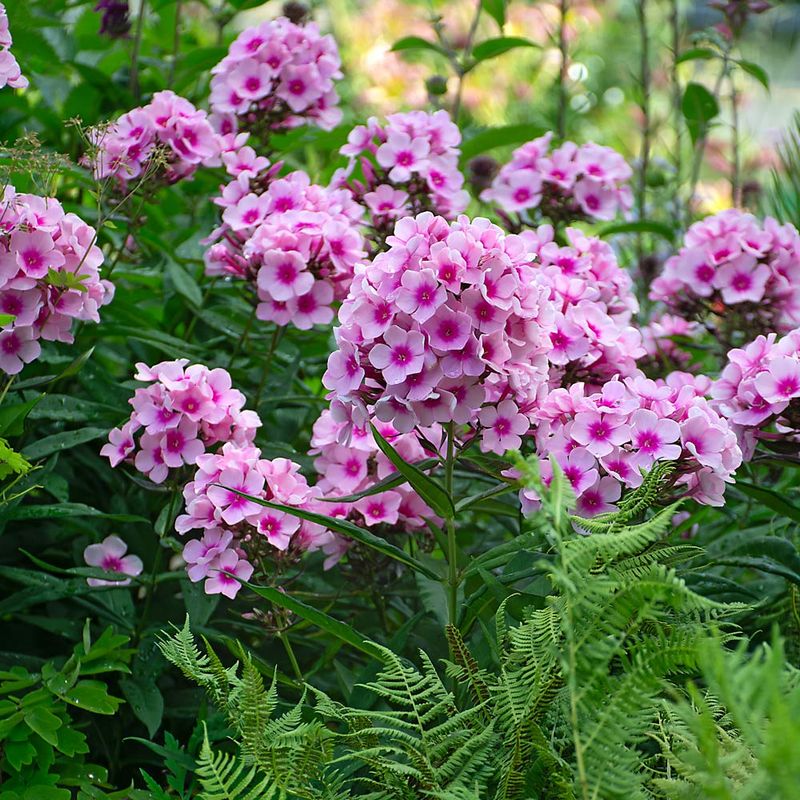
Garden phlox in full summer bloom is one of those sights that makes a yard look genuinely spectacular. Phlox paniculata produces large, domed flower clusters in shades of pink, purple, red, white, and bicolor, and the fragrance on warm evenings is a bonus that many gardeners do not expect.
After years of frustration with older varieties that were prone to powdery mildew, Ohio gardeners are returning to phlox now that significantly better cultivars are widely available.
Mildew-resistant varieties like ‘David,’ ‘Robert Poore,’ and ‘Jeana’ have changed the conversation around garden phlox entirely.
‘David’ in particular, a white-flowered variety, has won awards for its mildew resistance and long bloom period. Good air circulation also helps, so avoid crowding plants and water at the base rather than overhead.
Garden phlox blooms from midsummer into early fall, bridging the gap between early summer perennials and fall asters.
Plant phlox in full sun for the best flowering and disease resistance. It prefers consistently moist, fertile soil and benefits from dividing every three to four years to maintain vigor.
Hummingbirds and butterflies visit the blooms regularly, adding extra life to the garden. With the newer cultivars available today, there is very little reason not to give garden phlox another chance.
9. Yarrow Comes Back As A Tough, Low-Maintenance Classic
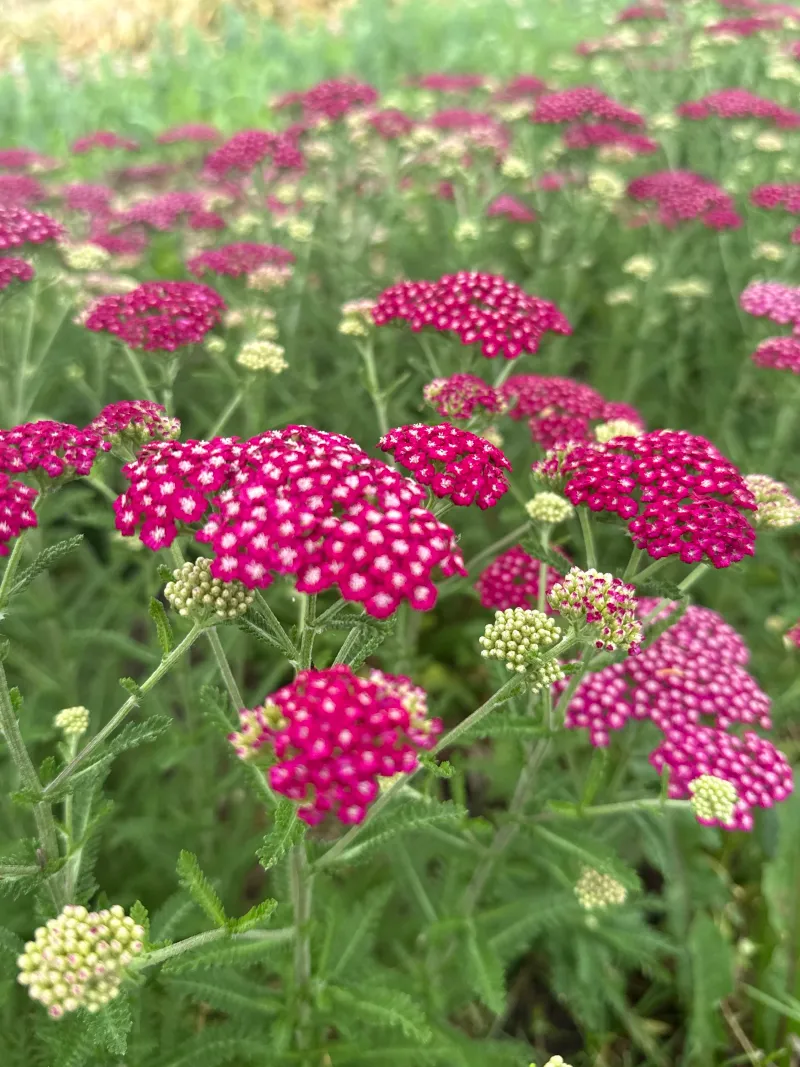
If you want a plant that practically takes care of itself while still looking great and feeding pollinators all summer, yarrow deserves a serious spot in your planting plan.
Achillea millefolium has naturalized widely across North America and produces flat-topped flower clusters in shades of yellow, white, pink, and red above fine, feathery gray-green foliage.
It is one of those plants that looks delicate but is actually incredibly tough.
Yarrow thrives in full sun and poor to average, well-drained soil. One of its most impressive traits is drought tolerance.
Once established, it needs almost no supplemental watering, which makes it a smart choice for Ohio gardeners dealing with hot, dry stretches in July and August. Overwatering or planting in rich, wet soil actually causes yarrow to flop over and become weedy, so lean soil is genuinely better here.
Modern cultivars like the ‘Saucy Seduction’ and ‘Milly Rock’ series have introduced richer, more stable colors that hold better through summer heat. Pollinators, especially native bees and wasps, are strongly attracted to yarrow’s open flower clusters.
Deadheading spent blooms encourages repeat flowering, and dried flower heads look attractive in arrangements. Yarrow is a plant that rewards a hands-off approach, which is exactly what many busy Ohio gardeners are looking for right now.
10. Daylilies Hold On As One Of The Most Reliable Perennials

Ask almost any experienced Ohio gardener which perennial they would recommend to a complete beginner, and daylilies will almost always come up.
Hemerocallis hybrids have earned that reputation over decades of performance in every kind of Ohio soil and weather condition imaginable.
They grow in full sun or partial shade, handle clay soil without complaint, and come back year after year with almost no intervention from the gardener.
The name daylily refers to the fact that each individual flower lasts just one day, but healthy clumps produce dozens of buds that open in succession over several weeks.
Bloom times vary by variety, spanning from early summer through late summer depending on which cultivars you choose.
Planting a mix of early, mid, and late-season types can keep color going in the same bed for two months or more. The classic orange roadside daylily is actually Hemerocallis fulva, a non-native species, while modern hybrid cultivars offer an enormous range of colors, sizes, and forms.
Dividing clumps every four to five years keeps daylilies blooming vigorously and prevents overcrowding. They rarely need fertilizing beyond an annual top dressing of compost.
With thousands of registered cultivars to choose from and virtually no serious disease problems in Ohio, daylilies remain one of the most dependable and rewarding perennials available to home gardeners anywhere in the state.