12 Traditional Garden Plants Making A Quiet Return In Pennsylvania
Pennsylvania gardens seem to be circling back to something familiar, as more gardeners lean toward plants that have already proven their value through years of dependable growth.
There’s a growing appreciation for choices that feel steady and reliable, especially after seasons spent testing plants that promised a lot but delivered very little.
Traditional garden plants carry a quiet confidence shaped by real weather, real soil conditions, and decades of surviving without constant correction or special care.
These longtime favorites return with ease, settling into gardens naturally and holding their place without needing constant attention or justification.
After years of experimenting with high-maintenance options, comfort is returning in the form of plants that simply perform the way gardeners expect them to.
Their appeal comes from how smoothly they fit into everyday gardens, supporting the space instead of demanding constant adjustments.
Pennsylvania’s climate favors plants that tolerate cold winters, humid summers, and unpredictable swings without showing stress or decline.
As priorities shift toward longevity and simplicity, these traditional choices feel practical rather than nostalgic.
They blend effortlessly into both classic and updated landscapes, supporting the overall design without overpowering it.
This quiet return reflects a renewed focus on gardens that feel stable, familiar, and genuinely rewarding to care for over time.
1. Hollyhock
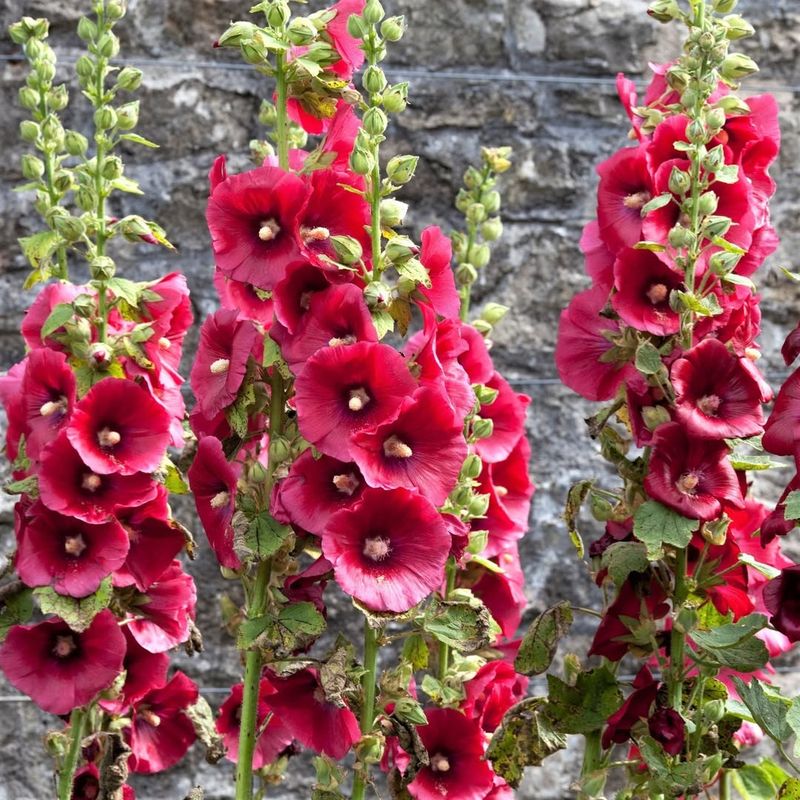
Cottage gardens across Pennsylvania are seeing tall spires of hollyhocks rise again after decades of being overlooked by modern landscape designers everywhere.
These statuesque bloomers can reach impressive heights of eight feet, creating living walls of color that attract hummingbirds and butterflies throughout summer months.
Victorian gardeners planted them against fences and barns, and today’s Pennsylvania homeowners are rediscovering why these classics never truly went out of style.
Growing hollyhocks requires minimal effort since they self-seed freely and return year after year without much fussing or special attention from busy gardeners.
Their large, paper-thin flowers come in shades ranging from deep burgundy to soft pink, providing vertical interest that few other plants can match.
Pennsylvania’s climate suits them perfectly, offering the cold winters they need for proper dormancy and warm summers for spectacular blooming periods.
Rust disease once discouraged gardeners from planting hollyhocks, but newer resistant varieties have solved this problem and made them garden-worthy once more.
Children love these towering plants because the blooms can be turned into dolls by flipping them upside down and using the petals as skirts.
Local nurseries report increased demand as younger gardeners discover their grandmother’s favorite tall bloomer and bring it back to modern yards.
2. Bleeding Heart
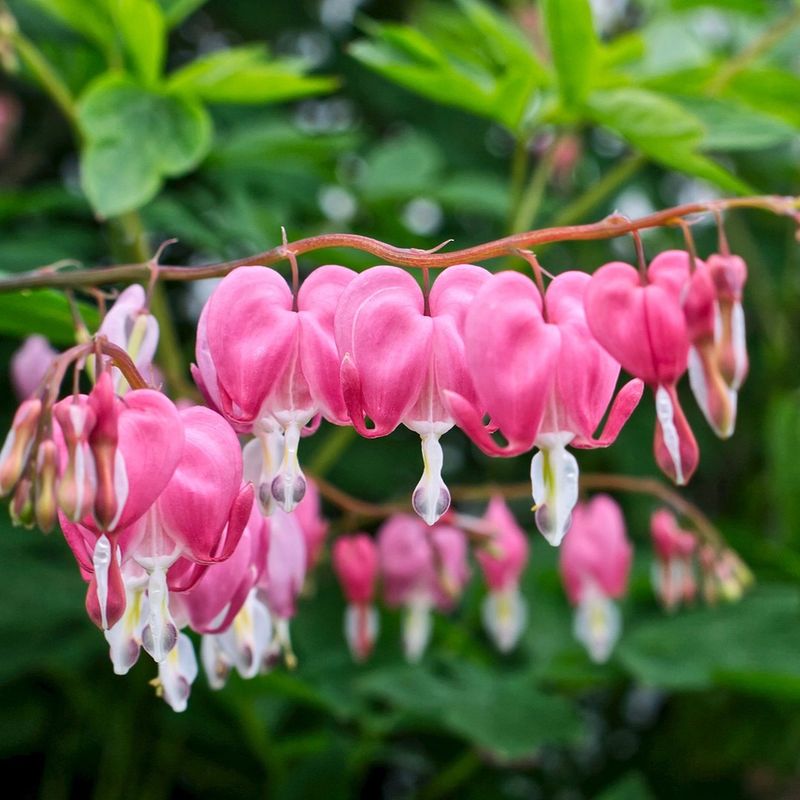
Shade gardens throughout Pennsylvania are being graced once more with the delicate, heart-shaped flowers that dangle from arching stems like tiny lockets on a chain.
Bleeding hearts disappeared from many landscapes when sun-loving perennials dominated garden centers, but their romantic appearance is winning hearts all over again.
These woodland natives thrive in the dappled shade beneath Pennsylvania’s mature trees, filling spaces where most flowering plants simply refuse to grow or bloom properly.
Old-fashioned bleeding hearts bloom in late spring, creating spectacular displays before going dormant by midsummer when temperatures rise and daylight hours lengthen significantly.
Their ferny foliage adds texture to shady spots, and the flowers come in traditional pink-and-white or pure white varieties that complement any color scheme.
Pennsylvania gardeners appreciate that these plants require virtually no maintenance once established in rich, moist soil with good organic matter content throughout.
Grandmothers across the state often divided their bleeding heart clumps and shared them with neighbors, creating living legacies that still bloom in some yards.
Modern gardeners are rediscovering this sharing tradition, trading divisions at plant swaps and community events throughout suburban and rural Pennsylvania counties.
The plant’s old-world charm fits perfectly with current trends toward nostalgic, low-maintenance landscapes that honor regional gardening heritage and traditional planting styles.
3. Peony
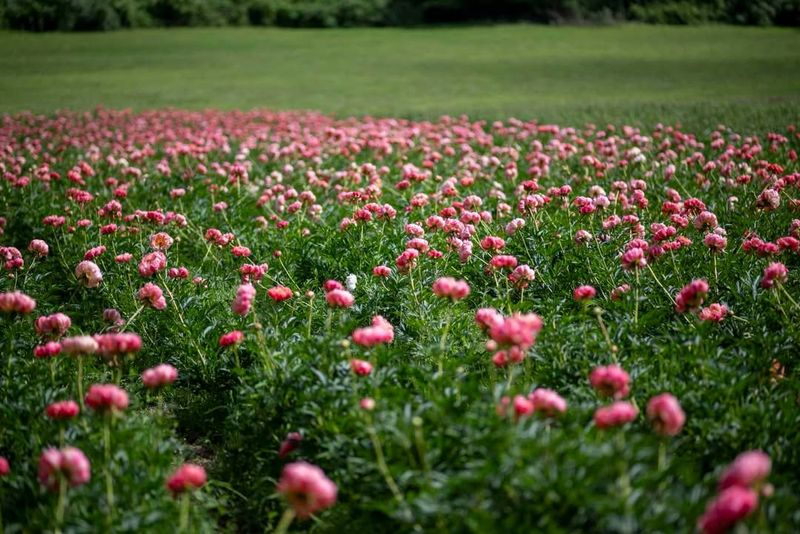
Memorial Day bouquets in Pennsylvania homes traditionally featured fragrant peonies cut from backyard bushes that had bloomed reliably for multiple generations of families.
These luxurious flowers fell out of favor when fast-growing annuals promised instant gratification, but patient gardeners are now replanting them across the state.
Peonies can live for fifty years or longer, outlasting the gardeners who plant them and becoming treasured family heirlooms passed down through generations.
Their massive, ruffled blooms arrive in late spring, filling Pennsylvania gardens with colors ranging from pure white to deep crimson and every shade between.
The plants require a cold winter period to set buds properly, making Pennsylvania’s climate absolutely ideal for producing those spectacular spring flower displays.
Established peony clumps become more floriferous with age, unlike many perennials that decline and require division after just a few growing seasons.
Ants crawling on peony buds alarmed some gardeners in the past, but these insects are harmless helpers that consume the sweet nectar coating the developing flowers.
Pennsylvania flower farmers are growing heirloom peony varieties for the cut-flower market, introducing new gardeners to these classic beauties through farmers’ market bouquets.
Local garden clubs report that peony exchanges have become popular events where enthusiasts share rare varieties and swap growing tips for success.
4. Sweet William

Pennsylvania gardeners are rediscovering sweet William, a charming biennial that produces clusters of spicy-scented flowers in jewel tones that seem almost too vibrant to be real.
Colonial gardens featured this plant prominently, and its return signals a broader interest in historically significant flowers that connect us to our horticultural past.
The botanical name Dianthus barbatus hints at its relationship to carnations, but sweet William offers a more casual, cottage-garden appeal that fits modern landscapes.
These plants form low rosettes of foliage in their first year, then send up flowering stems the following spring in a spectacular display.
Pennsylvania’s winters rarely damage sweet William, and the plants often self-seed, creating drifts of color that naturalize throughout garden beds over time.
Their flat-topped flower clusters come in patterns including bicolors and picotees, with each tiny bloom edged or centered in contrasting shades of red, pink, or white.
Cutting gardens benefit enormously from sweet William because the flowers last up to two weeks in vases and their spicy fragrance fills entire rooms.
Older Pennsylvania residents remember their grandmothers growing sweet William alongside pansies and snapdragons in orderly rows for cutting and sharing with neighbors.
Young gardeners are bringing back this tradition, planting sweet William from seed and enjoying the anticipation of waiting for next season’s blooms to appear.
5. Foxglove

Towering spires of tubular flowers are reappearing in Pennsylvania gardens as foxgloves make a quiet comeback after years of being considered too old-fashioned for contemporary landscapes.
These biennials create vertical drama that modern gardeners crave, with flower stalks reaching five feet tall and covered in blooms that beckon pollinators from remarkable distances.
Pennsylvania’s woodland edges provide the perfect habitat where foxgloves can naturalize and create enchanting displays that look completely effortless and wild.
Bumblebees particularly adore foxgloves, crawling deep inside the tubular flowers to reach nectar while getting dusted with pollen that they carry to neighboring plants.
The flowers bloom from bottom to top over several weeks, extending the show and ensuring continuous color throughout late spring and early summer.
Pennsylvania gardeners appreciate that foxgloves tolerate partial shade, filling awkward spots between sun and shadow where few other tall bloomers will thrive successfully.
Victorian gardeners grew foxgloves for their romantic, fairy-tale appearance, and that same magical quality appeals to today’s Instagram-savvy plant enthusiasts seeking photogenic blooms.
The plants self-seed generously throughout Pennsylvania yards, though seedlings can be easily relocated while young if they sprout in inconvenient locations.
Newer varieties offer colors beyond traditional purple, including apricot, white, and strawberry shades that complement both modern and traditional garden color schemes beautifully.
6. Johnny Jump-Up
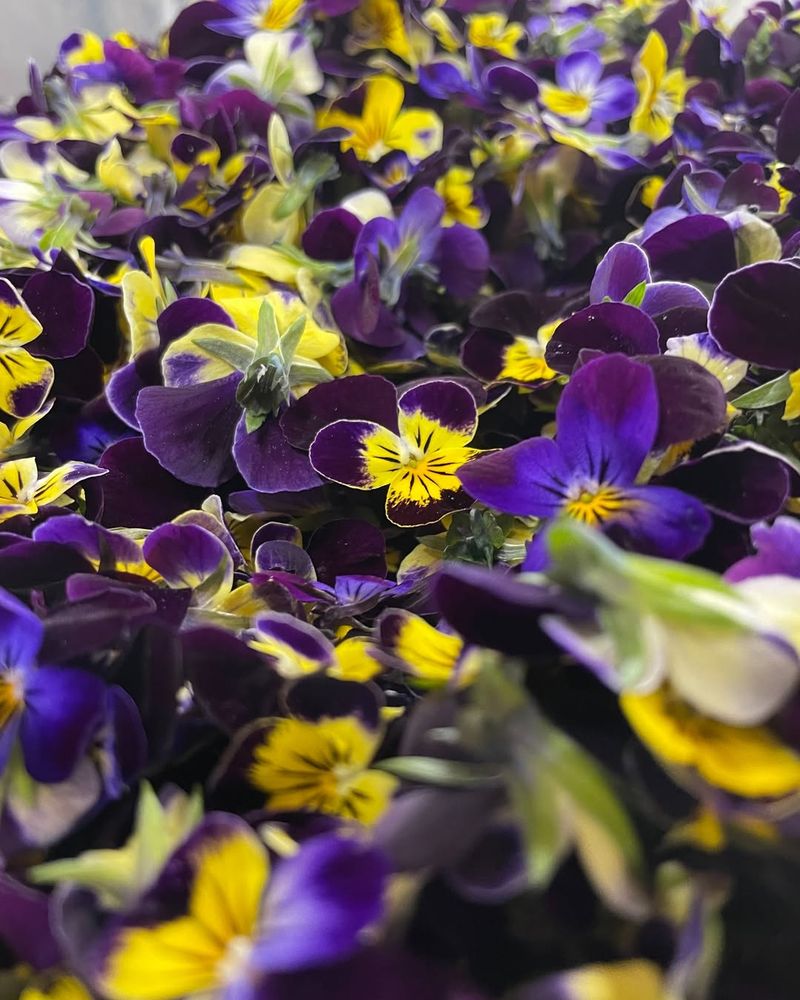
These cheerful little violas are popping up again in Pennsylvania gardens, bringing smiles with their whimsical faces that seem to watch gardeners at work.
Johnny jump-ups were once ubiquitous in spring gardens but were overshadowed by larger-flowered pansies bred for size rather than charm and personality.
Pennsylvania’s cool spring weather suits these diminutive bloomers perfectly, allowing them to flower prolifically before summer heat arrives and slows their enthusiastic blooming.
Each flower displays a distinctive face pattern in purple, yellow, and white that makes them instantly recognizable and endlessly endearing to children and adults.
They self-seed with abandon throughout Pennsylvania gardens, appearing in cracks between stepping stones and along path edges where they create spontaneous ribbons of color.
Gardeners appreciate their carefree nature and the delightful surprise of finding them blooming in unexpected spots each spring without any planting effort.
Colonial Americans grew johnny jump-ups for both ornamental and medicinal purposes, and their long history in Pennsylvania gardens gives them special significance today.
Modern gardeners use them as edible flowers in salads and desserts, continuing a culinary tradition that stretches back hundreds of years across Europe.
Local seed companies report increased demand for johnny jump-up seeds as gardeners seek out these nostalgic bloomers that connect them to simpler times.
7. Sweet Pea
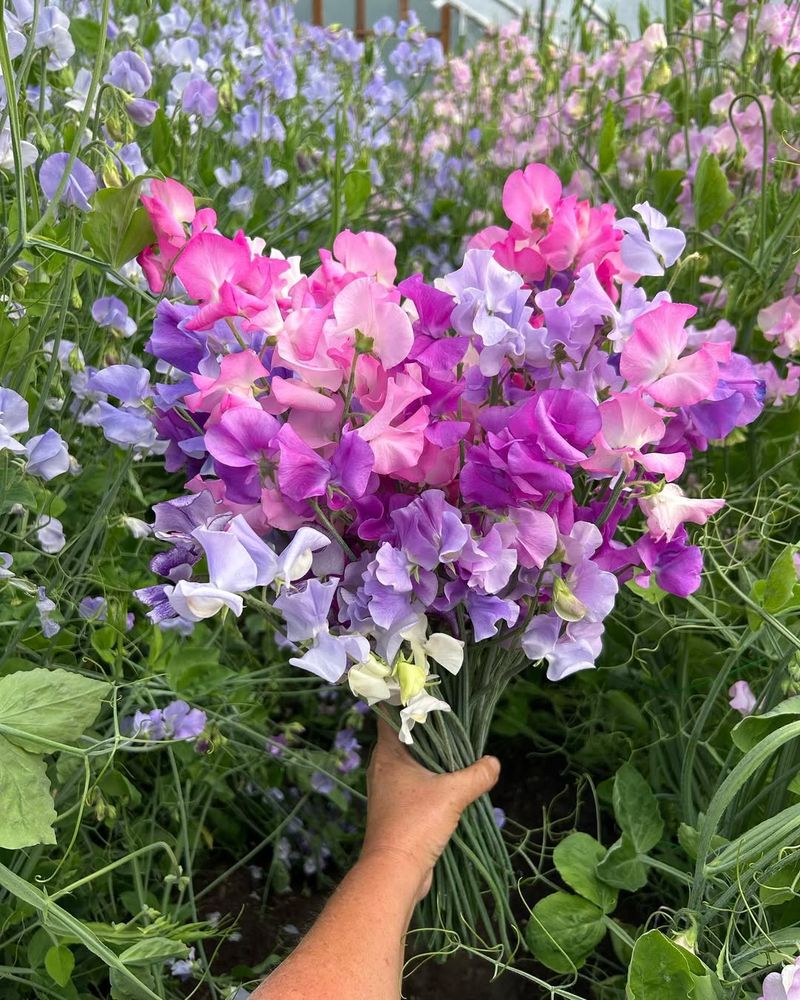
Fragrant sweet peas are climbing back into Pennsylvania gardens on trellises and fences, filling spring air with their incomparable perfume that no modern hybrid has successfully replicated.
These old-fashioned bloomers demand cool weather and dislike summer heat, making Pennsylvania’s spring climate absolutely perfect for producing abundant flowers on vigorous vines.
Gardeners who remember their grandmothers’ sweet pea rows are teaching younger generations how to grow these temperamental but rewarding flowers successfully each season.
Sweet peas must be planted early, often while snow still covers parts of Pennsylvania gardens, because they need cool soil temperatures to germinate properly.
Their flowers come in every color except true yellow, with many varieties offering bicolors and delicate ruffled petals that look hand-painted.
Pennsylvania cutting gardens benefit enormously from sweet peas since frequent harvesting encourages the plants to produce even more flowers throughout their blooming period.
Victorian language of flowers assigned sweet peas the meaning of blissful pleasure and delicate joy, making them popular in bridal bouquets and romantic arrangements.
Modern Pennsylvania florists are rediscovering heirloom sweet pea varieties for wedding work, appreciating their natural elegance and intoxicating fragrance that synthetic air fresheners cannot match.
Community gardens across the state now include sweet pea patches where neighbors can cut bouquets and share growing tips for these beloved springtime climbers.
8. Lily of the Valley
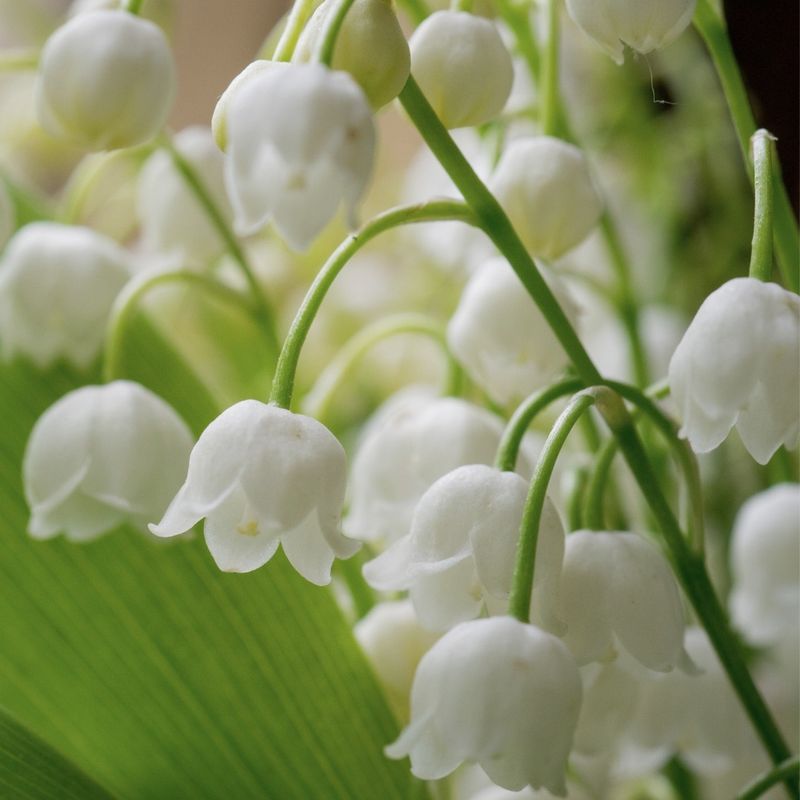
Pennsylvania woodland gardens are once again carpeted with lily of the valley, those delicate white bells that perfume entire yards with their sweet fragrance.
These spreading groundcovers fell out of favor when aggressive growth habits concerned gardeners worried about controlling them in mixed perennial borders and formal beds.
Modern gardeners now appreciate their vigor, using lily of the valley to solve difficult shady areas where grass refuses to grow properly.
Each spring, these plants send up stems lined with tiny, nodding white flowers that look like miniature bells suspended from gracefully arching stems.
Pennsylvania’s mature neighborhoods often have established lily of the valley colonies that have persisted for decades, surviving neglect and still blooming faithfully every May.
Their broad leaves remain attractive throughout summer, providing solid green coverage that suppresses weeds and requires absolutely no maintenance from busy homeowners.
Bridal bouquets traditionally featured lily of the valley because the flowers symbolize return of happiness and were believed to bring good luck.
Pennsylvania brides are requesting these nostalgic blooms again, appreciating their old-world elegance and the connection to generations of women who carried them before.
Local gardeners share divisions freely, perpetuating colonies that may have originated from a single planting made by a great-grandmother many decades ago.
9. Columbine
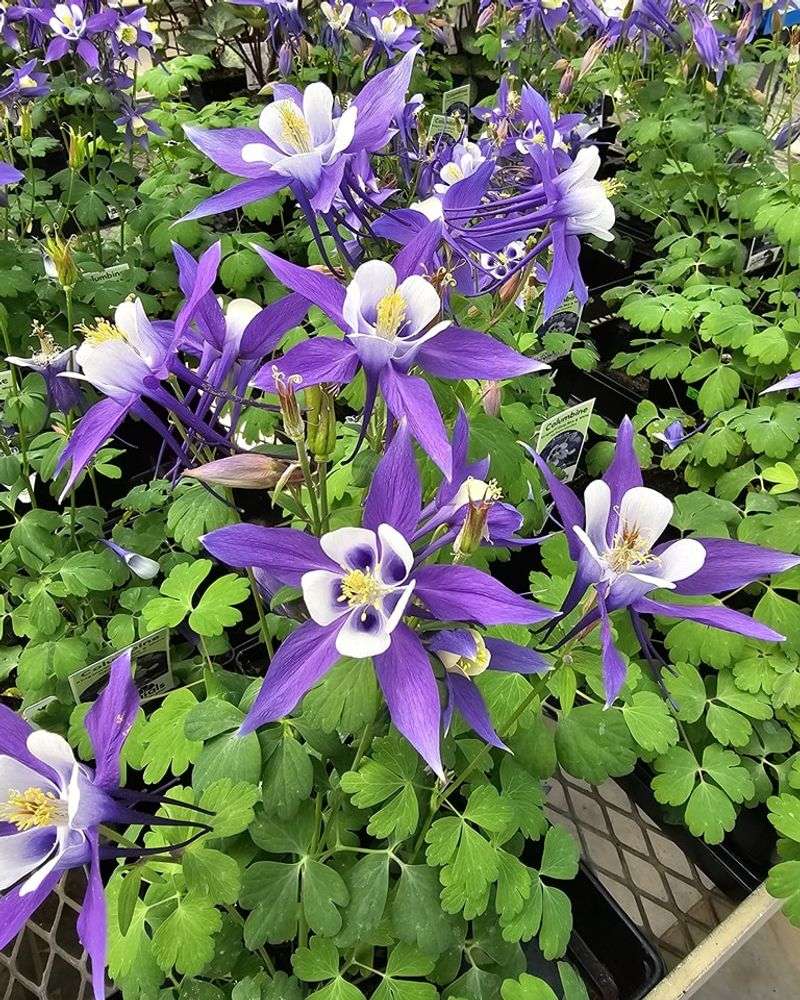
Graceful columbines are dancing back into Pennsylvania gardens with their distinctive spurred flowers that seem to float above ferny foliage like tiny hovering birds.
These North American natives were common in older gardens but disappeared when gardeners favored imported exotic plants over regional wildflowers and native species.
Pennsylvania’s native red-and-yellow columbine attracts hummingbirds better than almost any other perennial, making it invaluable for wildlife-friendly landscapes throughout the state.
Columbines bloom in late spring, bridging the gap between early bulbs and summer perennials with flowers in nearly every color imaginable from breeders.
They self-seed readily throughout Pennsylvania gardens, though seedlings often display surprising color variations that add interest and unpredictability to flower borders.
Their delicate appearance belies their toughness, as established plants tolerate both drought and deer browsing better than their fragile looks might suggest.
Medieval gardeners grew columbines and associated them with symbolism related to the Holy Spirit because of the flower’s dove-like appearance when viewed carefully.
Pennsylvania gardeners today appreciate them for more practical reasons: their ability to thrive in partial shade and their appeal to beneficial pollinators.
Woodland gardens and naturalized areas benefit most from columbines, where they can spread and create drifts of nodding flowers that look completely spontaneous.
10. Bearded Iris
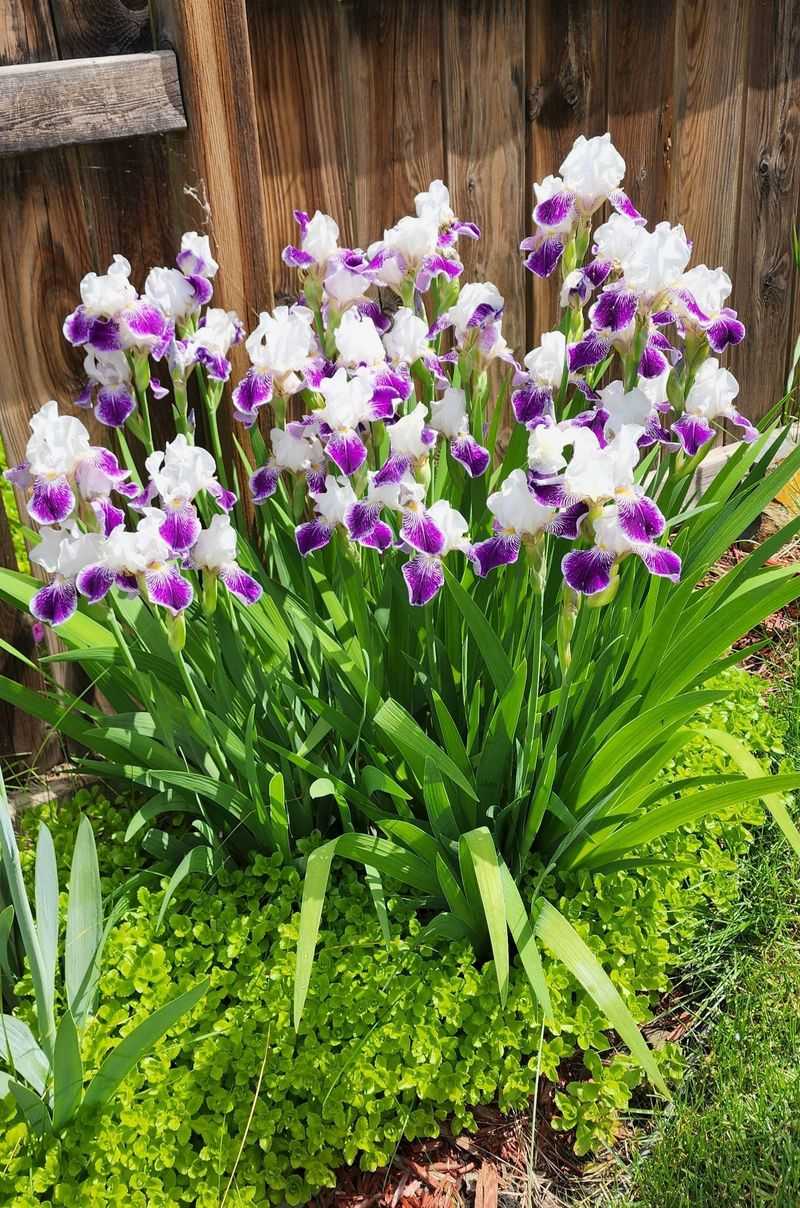
Pennsylvania gardens are welcoming back bearded irises, those aristocratic bloomers with ruffled petals and rainbow colors that dominated mid-century landscapes before disappearing from fashion.
Old farmsteads across the state still have iris clumps blooming faithfully each May, descendants of rhizomes planted by homesteaders generations ago and never tended since.
Modern gardeners are rediscovering why these tough perennials earned their place in traditional gardens throughout Pennsylvania and the entire Mid-Atlantic region.
Bearded irises require minimal care once established, tolerating poor soil and drought conditions that would stress most other flowering perennials into decline.
Their sword-shaped foliage provides architectural interest even when plants are not blooming, and the flowers themselves are spectacular in both size and color range.
Pennsylvania’s climate provides the cold winter period that bearded irises need for proper bud development and the warm, dry summers they prefer.
Iris enthusiasts maintain that no other perennial offers such incredible color variety, with blooms in every conceivable shade including near-black and multicolored varieties.
Local iris societies host annual sales where Pennsylvania gardeners can purchase named varieties and learn proper planting techniques from experienced growers and hybridizers.
The rhizomes divide easily, making bearded irises perfect for sharing with neighbors and perpetuating varieties that might otherwise be lost to commerce.
11. Nicotiana
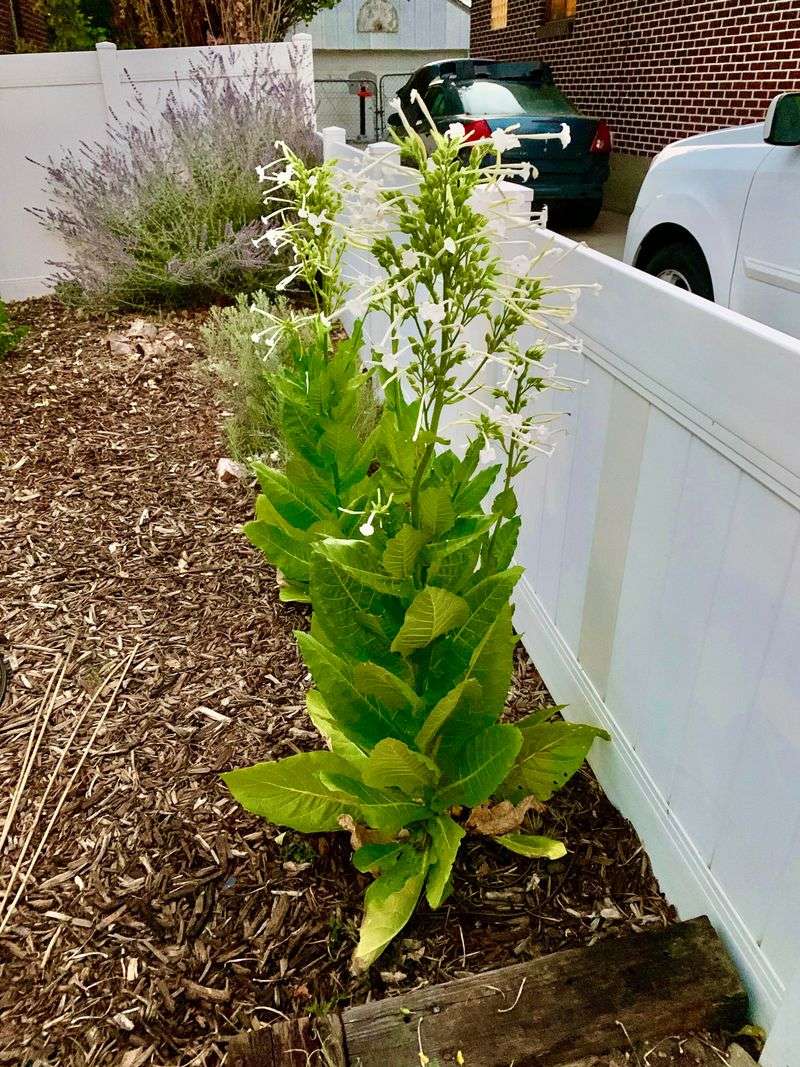
Evening gardens throughout Pennsylvania are being planted with nicotiana, those trumpet-shaped flowers that release intoxicating fragrance as daylight fades into darkness each summer evening.
These old-fashioned annuals were once staples in every garden but disappeared when scentless hybrids bred for compact growth replaced fragrant heirloom varieties.
Gardeners who enjoy outdoor living spaces are rediscovering nicotiana’s magical ability to perfume patios and porches throughout warm Pennsylvania summer nights.
Heirloom varieties grow tall and lanky, reaching four feet in height with flowers that open fully at dusk to attract night-flying moths.
Pennsylvania gardeners appreciate their easy-going nature and willingness to bloom continuously from early summer until frost without deadheading or special care.
The flowers come in white, pink, red, and lime green, with white varieties offering the strongest fragrance that can scent entire yards.
Victorian gardeners planted nicotiana in moon gardens alongside other white-flowered and silver-leaved plants that glowed in darkness and attracted evening visitors.
Modern Pennsylvania homeowners are reviving this tradition, creating outdoor rooms that come alive after sunset with fragrance and subtle beauty that daytime bloomers cannot provide.
Seeds are widely available from specialty companies preserving heirloom varieties, allowing new generations to experience the magic their great-grandparents enjoyed in simpler times.
12. Four O’Clock
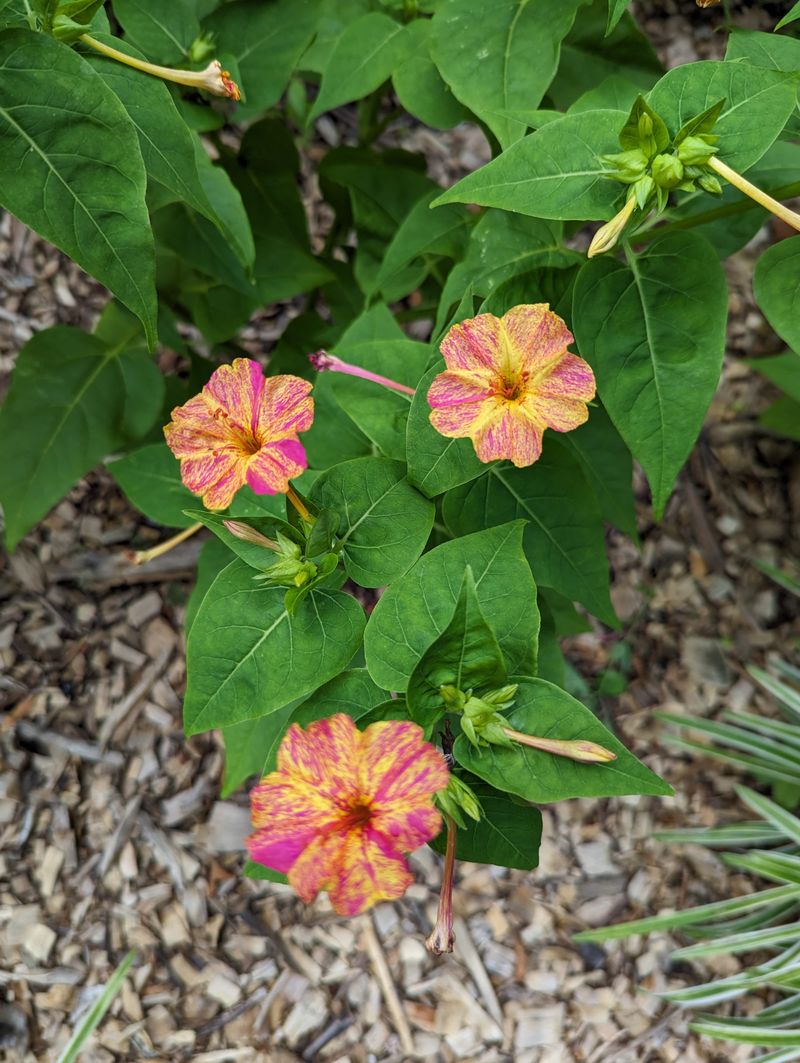
Pennsylvania gardens are rediscovering four o’clocks, those quirky bloomers that earned their name by opening their flowers precisely as afternoon shadows lengthen each summer day.
These old-fashioned annuals were once common in every neighborhood but vanished when all-day bloomers became the standard expectation for garden flowers everywhere.
Gardeners who work during the day particularly appreciate four o’clocks because the flowers greet them when they arrive home each evening to relax outdoors.
Each plant produces flowers in multiple colors simultaneously, with blooms in yellow, pink, red, and white often appearing on the same bush through genetic quirks.
Pennsylvania’s summer heat suits four o’clocks perfectly, and they thrive in spots that become too hot for more temperamental annuals to survive.
Their tuberous roots can be dug and stored like dahlias, allowing Pennsylvania gardeners to overwinter prize plants and replant them the following spring.
Children love four o’clocks because they can watch the flowers open in real time, observing nature’s clock in action as petals unfurl predictably.
The plants self-seed enthusiastically throughout Pennsylvania gardens, and volunteers often appear in surprising locations where seeds were carried by birds or water.
Fragrant varieties perfume evening gardens, adding another sensory dimension to outdoor spaces and making them even more appealing for after-dinner relaxation and enjoyment.