Trees California Homeowners Must Remove To Avoid Fines
Some California homeowners are getting surprise notices lately, because certain trees can actually lead to fines if they’re not removed in time.
You start paying closer attention once you hear about it, especially when you realize a tree in your yard might be on that list without you even knowing.
It’s one of those topics that feels stressful at first, but getting clear on which trees cause trouble makes the whole situation a lot easier to handle.
1. Eucalyptus Trees
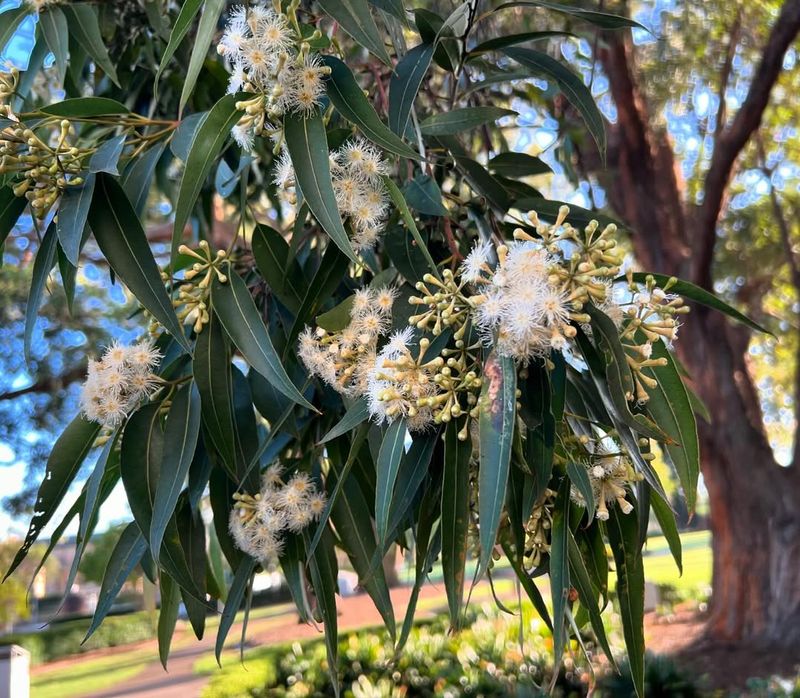
Eucalyptus trees might look majestic, but California officials often require their removal because they create enormous fire hazards throughout the state.
Their oil-rich leaves and bark shed constantly, creating a carpet of highly flammable material that can ignite quickly during wildfire season.
Many California municipalities have enacted ordinances specifically targeting eucalyptus removal, especially in areas designated as high fire risk zones near homes.
Property owners who refuse to remove these Australian imports may face fines ranging from hundreds to thousands of dollars annually.
The trees also drop heavy branches without warning, posing serious liability issues if they damage neighboring properties or injure people passing by.
California fire departments frequently cite eucalyptus as a primary concern during their annual property inspections in wildfire-prone communities.
Removing these trees proactively saves homeowners from expensive citations and reduces insurance premiums in many cases.
Replacement with native, fire-resistant species is often required by California counties after eucalyptus removal to maintain property values and safety standards.
2. Acacia Trees
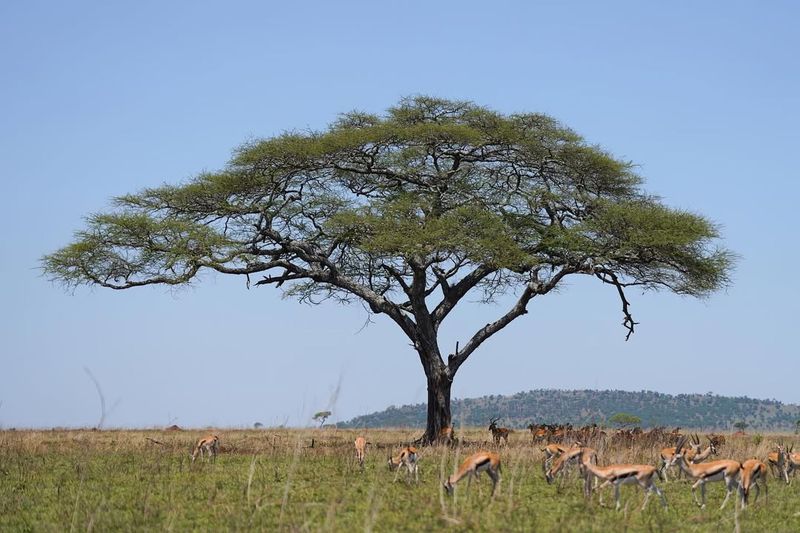
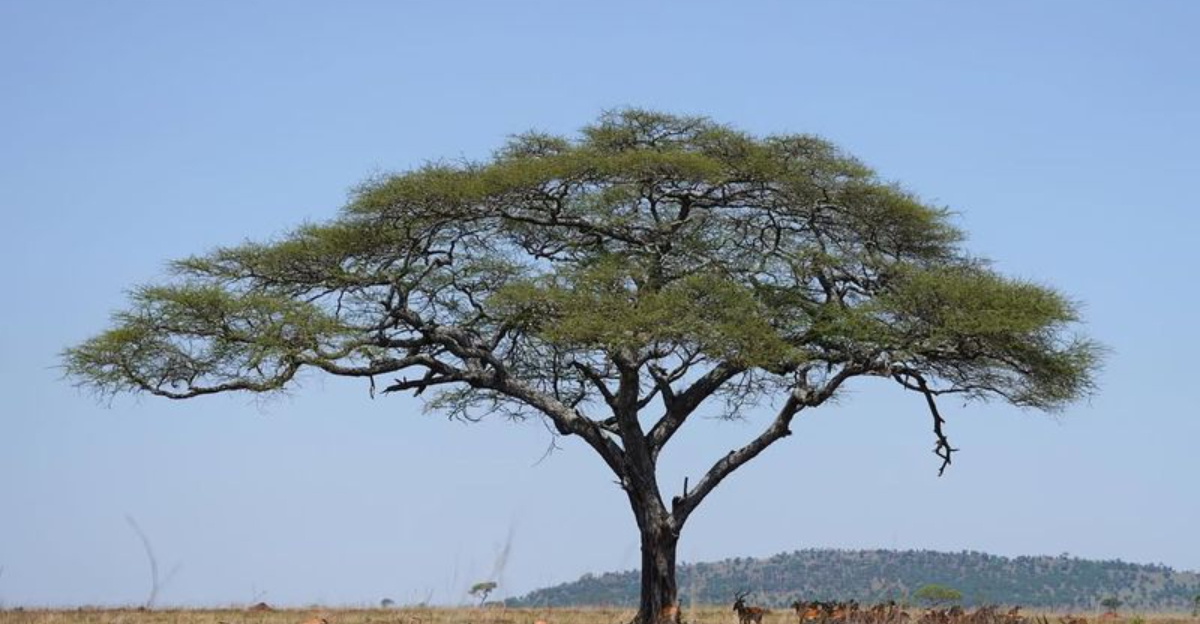
Acacia species have earned a reputation as aggressive invaders across California, prompting mandatory removal orders in numerous jurisdictions statewide.
These fast-growing trees spread rapidly through underground root systems and seed dispersal, choking out native vegetation that local wildlife depends upon.
California environmental agencies classify several acacia varieties as noxious weeds, meaning homeowners must eliminate them or face escalating fines.
Their thorny branches and dense growth patterns create maintenance nightmares, often encroaching on sidewalks, driveways, and utility lines throughout residential neighborhoods.
Many California water districts also target acacias because they consume excessive amounts of precious water resources during drought conditions.
Homeowners who ignore removal notices may see fines start at two hundred dollars and increase monthly until compliance is achieved.
The trees produce allergens that trigger respiratory problems for many California residents, adding health concerns to the environmental and legal issues.
Professional removal is often necessary because acacia root systems regenerate quickly, requiring specialized treatment to prevent regrowth in California soil.
3. Tree of Heaven
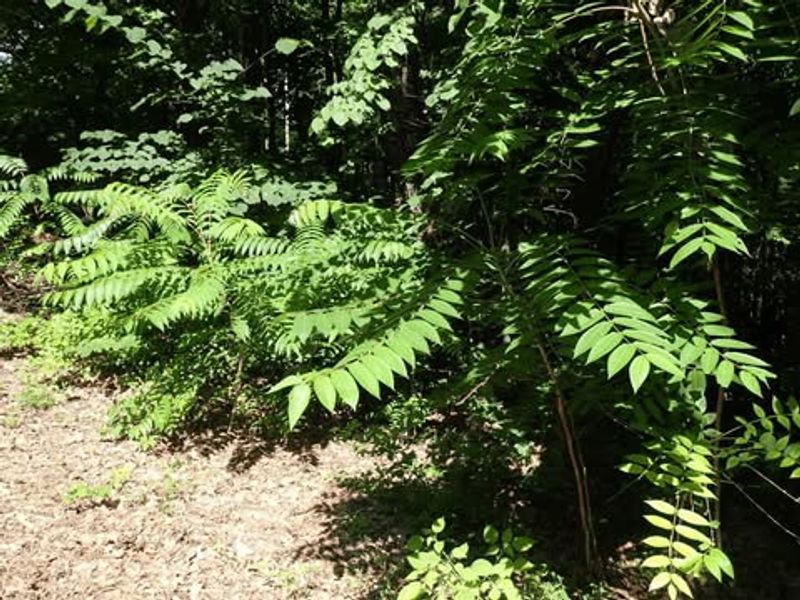
Originally from China, the tree of heaven has become one of California’s most problematic invasive species, triggering mandatory removal in many areas.
This rapidly spreading tree releases chemicals that prevent other plants from growing nearby, destroying garden diversity and harming California’s native ecosystems.
State agricultural officials have placed it on restricted lists, meaning California homeowners can face substantial fines for allowing it to remain.
The tree produces thousands of seeds annually, spreading to neighboring properties and creating liability issues if your tree infests someone else’s yard.
California counties often send violation notices requiring removal within thirty days, with penalties increasing dramatically for each month of non-compliance afterward.
Its brittle wood breaks easily during storms, causing property damage and creating hazards that can result in additional citations from California authorities.
The foul odor from male flowers offends neighbors and can lead to nuisance complaints that bring unwanted attention from local code enforcement.
Complete eradication requires herbicide treatment in California because even small root fragments can regenerate into new trees within weeks.
4. Brazilian Pepper Tree
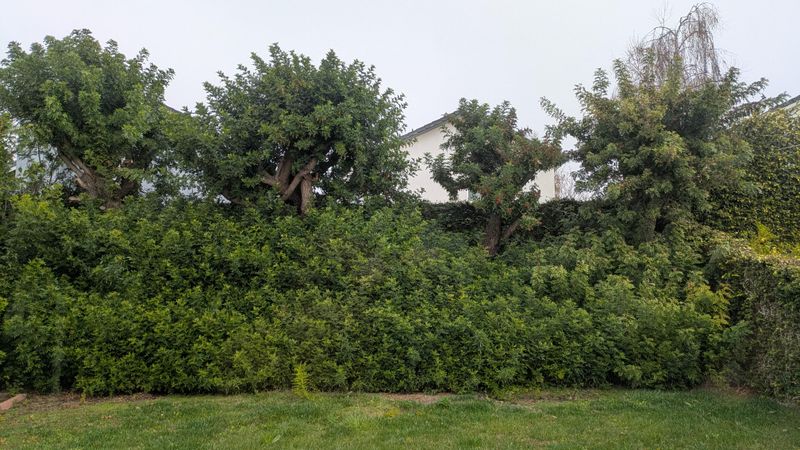
Brazilian pepper trees might produce attractive red berries, but California regulations frequently mandate their removal due to their destructive invasive nature.
These South American imports outcompete native California plants, fundamentally altering local ecosystems and reducing habitat quality for indigenous wildlife species.
Many California municipalities classify them as prohibited species, meaning their presence on your property automatically violates local environmental protection ordinances.
The trees cause allergic reactions in many people, with their sap and pollen triggering skin rashes and respiratory distress throughout California communities.
Homeowners who delay removal after receiving notices from California authorities can expect fines starting at five hundred dollars and increasing monthly.
Their aggressive root systems damage sidewalks, foundations, and underground utilities, creating additional code violations that compound the original removal requirement.
California wildlife officials discourage these trees because their berries, while attractive to birds, provide poor nutrition and spread seeds everywhere.
Professional removal services familiar with California regulations ensure complete eradication, preventing regrowth that could trigger repeated fines from local authorities.
5. Russian Olive
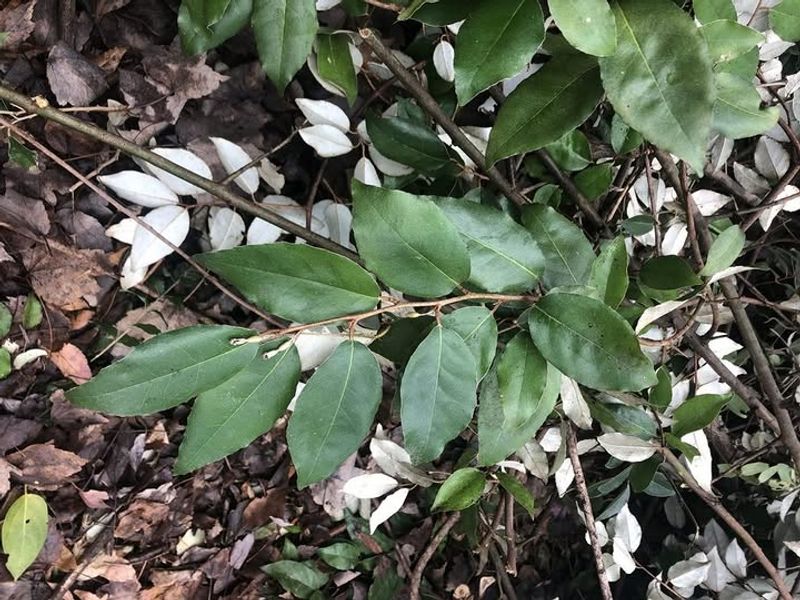
Russian olive trees have infiltrated California waterways and residential areas, earning them a spot on state invasive species lists requiring removal.
These thorny trees form impenetrable thickets that crowd out native willows and cottonwoods along California streams, disrupting critical riparian ecosystems.
California resource agencies actively enforce removal orders, with homeowners facing fines that can reach thousands of dollars for harboring these invaders.
The trees consume enormous amounts of water, worsening drought conditions and violating California’s strict water conservation regulations in many jurisdictions.
Their dense growth provides poor habitat for native California wildlife while creating hiding spots for invasive species like rats and possums.
Property owners near waterways face especially strict scrutiny from California environmental inspectors who patrol regularly for invasive species violations.
Removal must be thorough because Russian olive resprouts vigorously from stumps, requiring follow-up treatments to satisfy California compliance standards.
Many California counties offer cost-sharing programs to help homeowners remove these trees, recognizing the environmental damage they cause statewide.
6. Salt Cedar (Tamarisk)
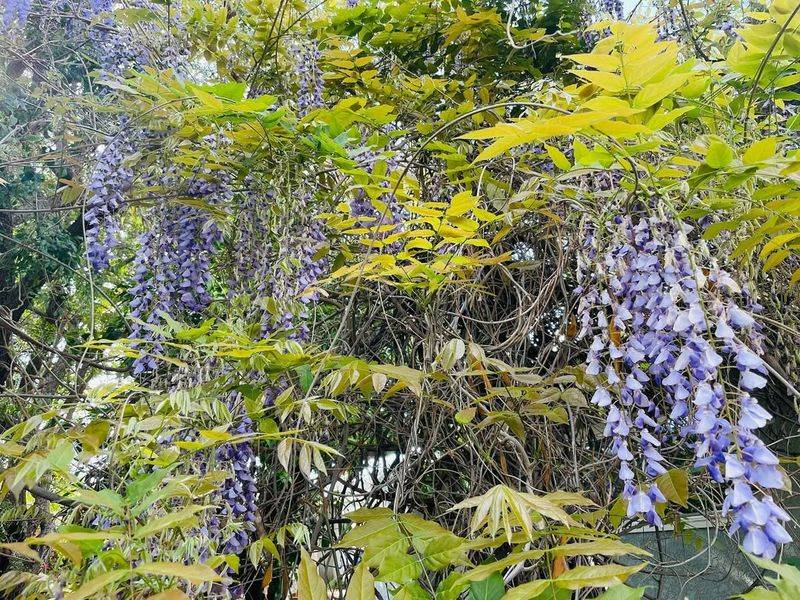
Salt cedar trees, commonly called tamarisk, rank among California’s most water-hungry invasive species, prompting aggressive removal campaigns by state agencies.
A single mature tamarisk can consume two hundred gallons of water daily, severely depleting California’s precious groundwater reserves during drought years.
California water districts actively identify properties with tamarisk and issue mandatory removal orders backed by substantial fines for non-compliance.
These Mediterranean imports accumulate salt in soil, poisoning the ground for native California plants and destroying natural vegetation communities along waterways.
Homeowners who ignore removal notices may face initial fines of three hundred dollars, with amounts doubling for each subsequent violation period.
The trees provide almost no wildlife value compared to native California species, making their presence an ecological dead zone on properties.
California environmental agencies consider tamarisk removal a priority for restoring native habitats and improving water availability throughout the state.
Professional removal teams use specialized techniques approved by California authorities to ensure complete eradication and prevent the costly problem of regrowth.
7. Giant Reed (Arundo)
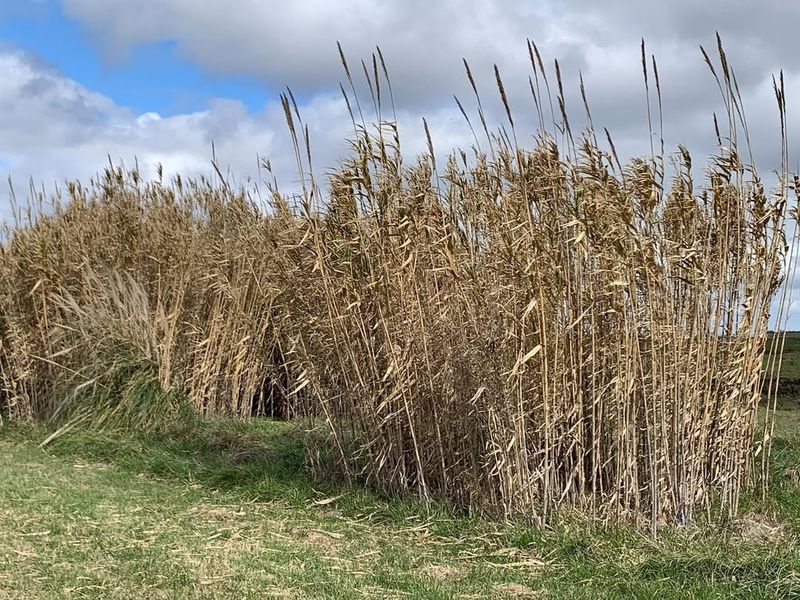
Giant reed, technically a grass but often tree-sized, dominates California’s invasive species removal lists due to its explosive growth patterns.
This Mediterranean import forms dense stands that increase flood risks by clogging California waterways and preventing natural water flow during storms.
California fire marshals particularly target giant reed because its dead stalks create ladder fuels that spread wildfires rapidly into tree canopies.
Many California counties have zero-tolerance policies, requiring immediate removal upon discovery and imposing fines that escalate weekly until compliance is achieved.
The plant spreads through root fragments, meaning a small piece can establish new colonies downstream, creating liability if traced to your property.
California environmental inspectors conduct regular surveys along waterways, identifying properties with giant reed and issuing citations that start at four hundred dollars.
Its dense growth provides no habitat value for native California wildlife while creating ideal conditions for invasive species and disease vectors.
Removal requires specialized equipment and herbicide treatments approved by California agencies to prevent regrowth from the extensive underground rhizome network.
8. Black Locust
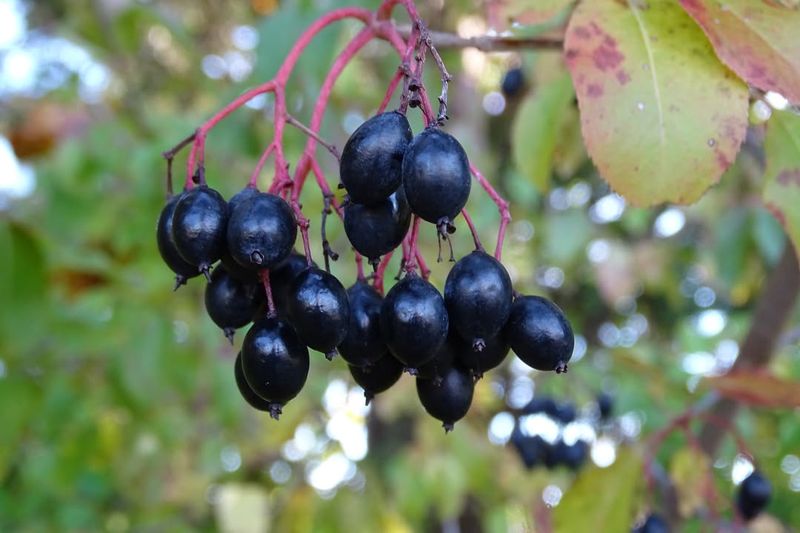
Black locust trees spread aggressively through root suckers, creating maintenance nightmares that violate California property maintenance codes in many jurisdictions.
These eastern United States natives have become invasive in California, with their nitrogen-fixing roots altering soil chemistry and harming native plant communities.
California code enforcement officers frequently cite homeowners for black locust suckers invading sidewalks, neighboring yards, and public rights-of-way.
The trees’ sharp thorns pose safety hazards, especially near playgrounds and walkways, triggering liability concerns that can result in California municipal violations.
Many California counties require removal of black locust within specific timeframes, with fines beginning at two hundred fifty dollars for initial violations.
Their brittle wood breaks during windstorms, creating debris problems that violate California fire safety clearance requirements around homes and structures.
California native plant advocates push for black locust removal because they outcompete indigenous oak and willow species throughout residential areas.
Complete eradication demands persistent effort since California’s climate allows black locust to resprout vigorously from any remaining root fragments underground.
9. Chinese Tallow Tree
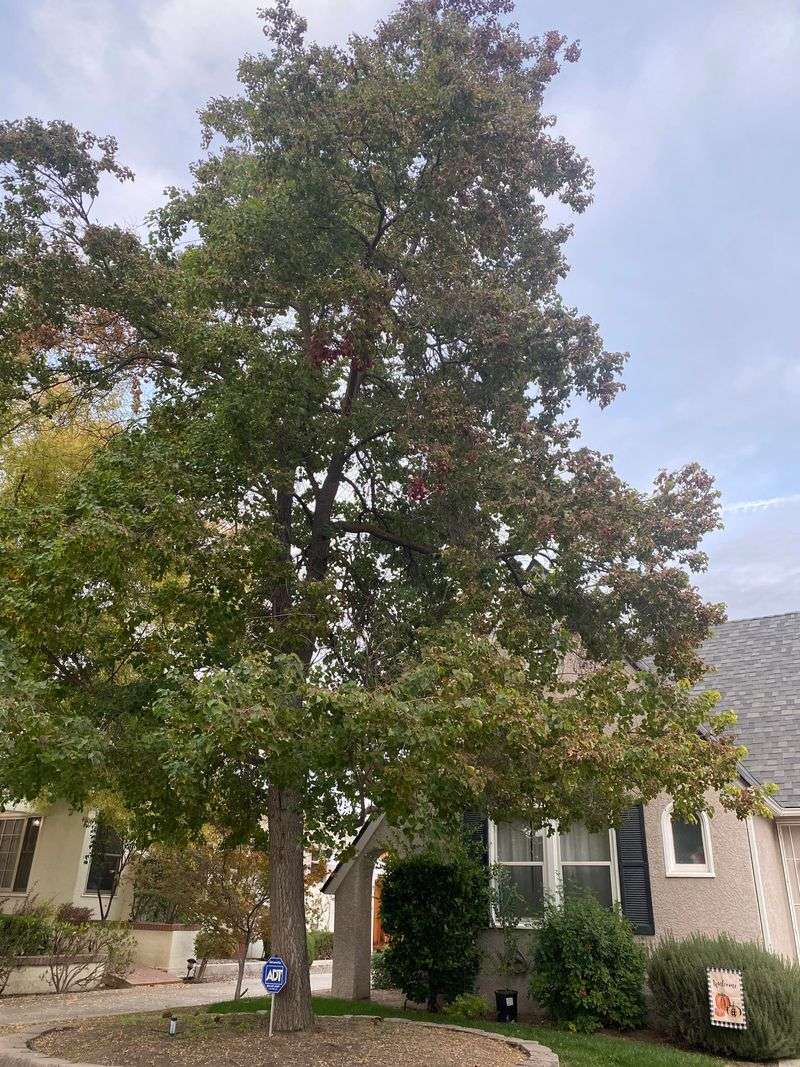
Chinese tallow trees produce attractive fall colors, but California environmental agencies classify them as serious invasive threats requiring mandatory removal.
These Asian imports spread rapidly through prolific seed production, invading wetlands and displacing native California vegetation that supports local ecosystems.
California counties with Chinese tallow infestations enforce strict removal ordinances, with homeowners facing fines that begin at four hundred dollars initially.
The trees’ toxic sap can cause skin irritation and allergic reactions, creating health hazards that violate California public safety codes.
Their aggressive growth crowds out native California oaks and sycamores, fundamentally altering forest composition and reducing property values over time.
California fire officials also target Chinese tallow because their waxy leaves and seeds burn intensely, increasing wildfire risks near residential areas.
Property owners who delay removal after receiving California violation notices face escalating penalties that can reach thousands of dollars annually.
Professional removal services ensure compliance with California environmental regulations, using approved methods to prevent regrowth and avoid additional citations from authorities.
10. Ailanthus (Stinking Sumac)
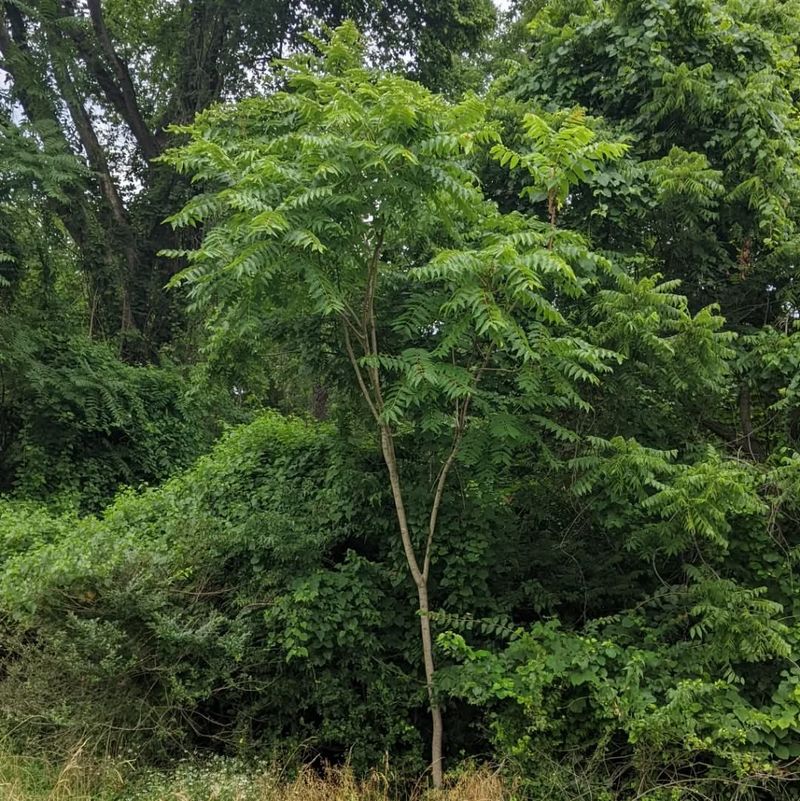
Ailanthus, often called stinking sumac, earns its unflattering name from the foul odor that makes it unwelcome in California neighborhoods.
This relative of tree of heaven spreads just as aggressively, prompting California municipalities to enforce removal orders backed by substantial penalties.
California urban forestry departments actively identify ailanthus on residential properties, issuing citations that require removal within strict compliance deadlines.
The trees damage pavement and building foundations with aggressive root systems, creating additional code violations that compound original removal requirements in California.
Many California homeowners associations prohibit ailanthus specifically, meaning their presence can trigger both governmental fines and HOA penalties simultaneously.
California environmental officials consider ailanthus a threat to native ecosystems, particularly in riparian areas where they outcompete indigenous species rapidly.
Initial fines for non-compliance typically start at three hundred dollars in California, doubling each month until homeowners complete removal satisfactorily.
Professional arborists familiar with California regulations recommend immediate removal to avoid escalating penalties and prevent spread to neighboring properties.