10 Trees California Homeowners Should Never Plant In Their Yard
Nursery trees can be dangerously charming, sitting in their pots with glossy leaves and big shade potential like they have never caused a problem in their lives.
Fast-forward a few years, and the wrong pick may be cracking pavement, hogging water, dropping messy debris, lifting fences, invading pipes, or outgrowing the yard entirely.
California homeowners have extra reasons to choose carefully, including drought, heat, wildfire concerns, invasive roots, and neighborhood space limits.
A beautiful canopy is wonderful, but not when it comes with constant cleanup, costly repairs, or pruning chores that never seem to end.
Before planting a tree that looks perfect today, it helps to know which choices can become backyard bullies later. Your future self, your driveway, and probably your plumber will be very grateful.
1. Silver Maple
Speed is not always a good thing when it comes to trees. The Silver Maple is one of the fastest-growing trees you can plant, but that rapid growth comes with a long list of problems that California homeowners regret quickly.
Its root system is aggressive and shallow. Those roots spread far and wide just below the surface, cracking driveways, lifting sidewalks, and sneaking into underground pipes.
Plumbing repairs caused by Silver Maple roots can cost thousands of dollars. In a state like California where water infrastructure is already stressed, that is the last thing you need.
The wood itself is brittle. Branches break easily in wind, and California sees plenty of dry, gusty conditions, especially in Southern California and the Central Valley.
Cleanup after every windstorm becomes a regular chore.
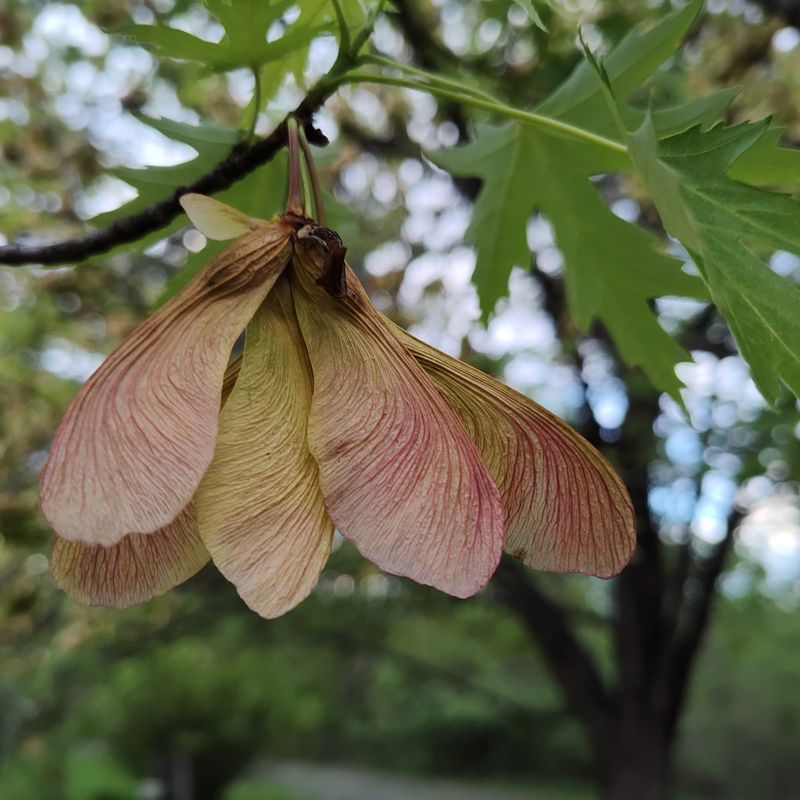
Silver Maple also drops a large amount of seeds, called helicopters, that sprout up everywhere in your garden beds and lawn. Pulling out all those seedlings takes real effort every season.
If you want a shade tree that grows at a reasonable pace without wrecking your yard, look into California native oaks or other well-suited alternatives that handle the local climate without causing constant damage.
2. Eucalyptus
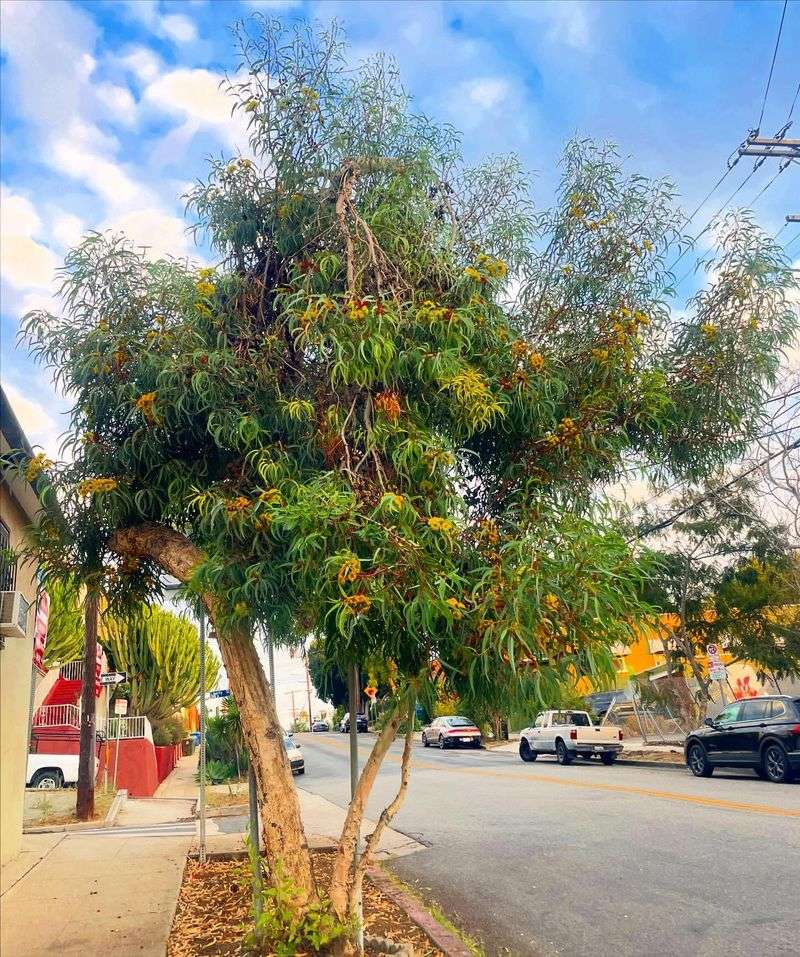
Eucalyptus trees are everywhere in California, but that does not mean they belong in your yard. Originally from Australia, these towering trees were planted across the state more than a century ago.
People thought they would be useful for timber and windbreaks. That plan did not work out well.
Fire risk is the biggest concern with Eucalyptus. The leaves and bark contain oils that burn extremely fast and hot.
During California wildfires, Eucalyptus trees act like torches, spreading flames quickly from tree to tree. Living near one during fire season is genuinely dangerous, especially in areas like the foothills or coastal communities prone to dry winds.
Beyond fire, these trees drop a constant stream of bark strips, leaves, and seed pods. The litter is messy, slippery when wet, and hard to compost.
It also releases chemicals that prevent other plants from growing underneath, leaving your yard looking bare and patchy.
Eucalyptus roots are thirsty and wide-reaching, which is a real problem in drought-prone California. The trees also grow very tall, sometimes over 100 feet, making them a hazard near power lines and structures.
Your California Garden Changes Every Week. Your Plan Should Too.
Gardening in California changes quickly throughout the season. Every Friday you’ll receive a simple weekly plan showing exactly what to plant, prune, fertilize, harvest, and protect so you never miss the right timing.
Most California fire safety experts recommend removing Eucalyptus from residential properties whenever possible.
3. Bradford Pear
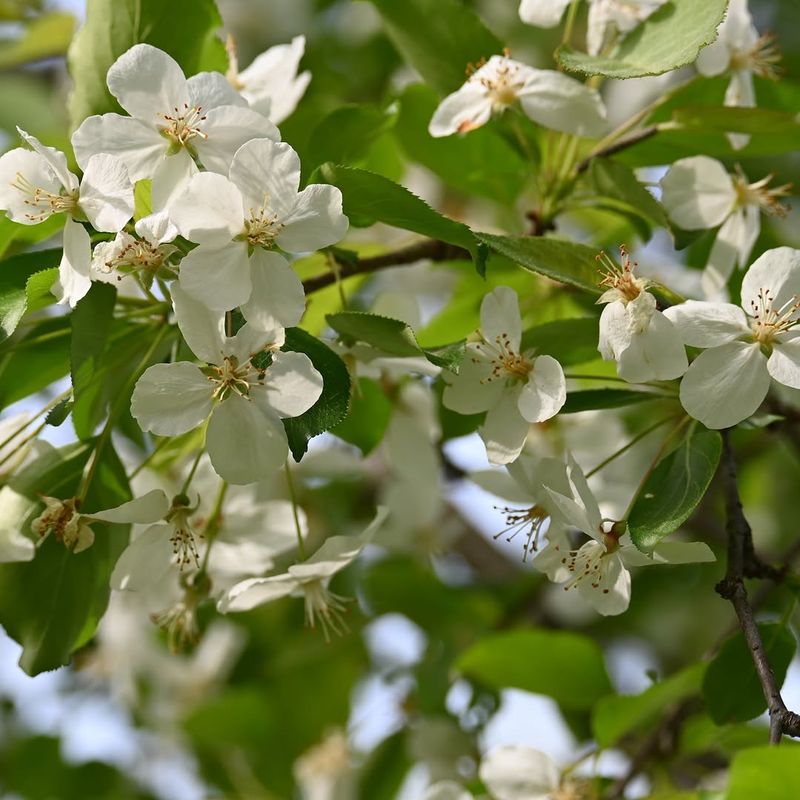
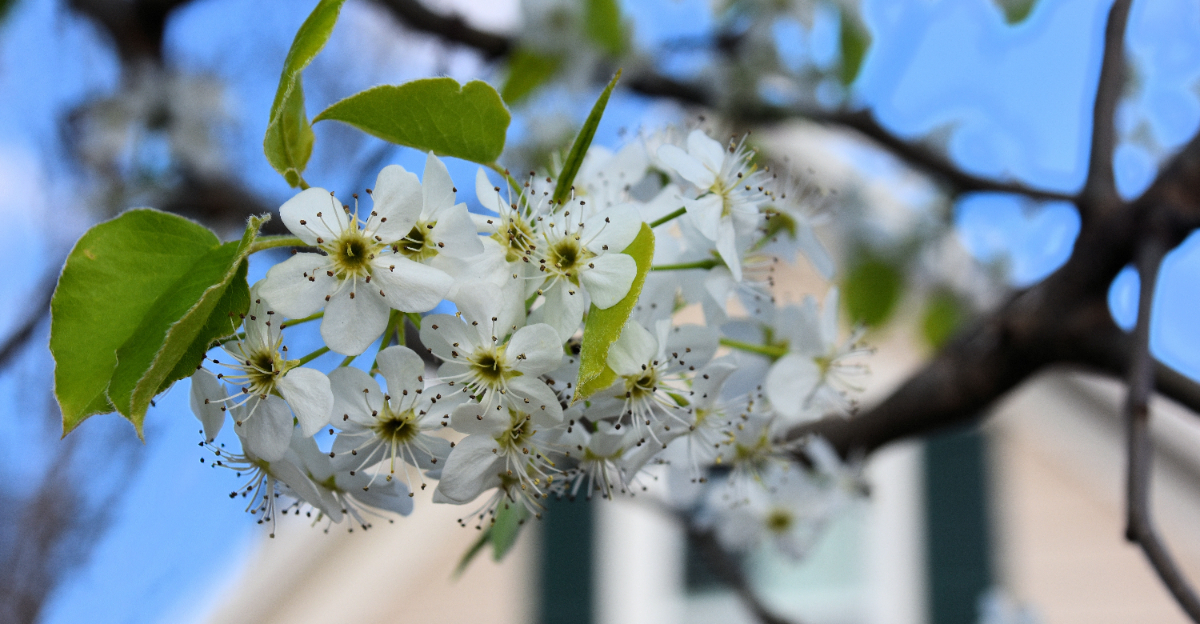
At first glance, the Bradford Pear seems like a dream tree. It blooms with gorgeous white flowers every spring, grows fast, and looks neat and tidy.
But there is a reason why many states and cities are now avoiding it.
The Bradford Pear has a serious structural problem. Its branches grow at very narrow angles from the trunk, which makes them incredibly weak.
Once the tree matures, usually around 15 to 20 years, those branches start snapping off during storms or even on calm days. Falling limbs can damage your roof, your car, or hurt someone nearby.
Another big issue is the smell. When Bradford Pear trees bloom, they release a strong odor that many people describe as unpleasant.
Your whole yard can smell bad every spring.
Worse, Bradford Pear trees crossbreed with other pear species and spread into wild areas, crowding out native California plants. The seeds travel by birds, so your one tree can cause problems far beyond your yard.
Many California counties now discourage planting this tree. Choosing a native flowering tree instead is a much smarter move for your yard and the surrounding environment.
4. Tree Of Heaven
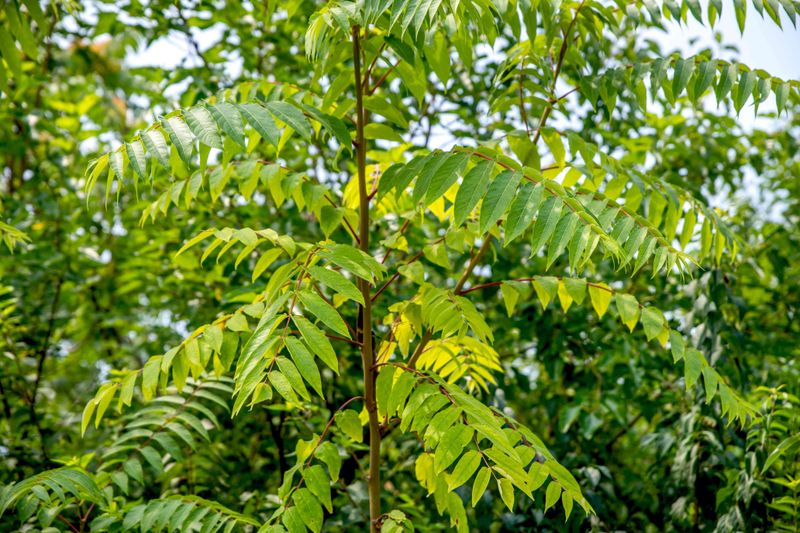
Do not let the name fool you. The Tree of Heaven is about as far from heavenly as a tree can get.
It grows incredibly fast, sometimes several feet in a single season, and it spreads like wildfire across California landscapes.
Originally from China, this tree was brought to North America in the 1700s. Since then, it has become one of the most invasive plants on the continent.
It pops up in sidewalk cracks, along fences, and in vacant lots. Once it gets established in your yard, removing it is a long and frustrating process.
Cut it down, and it sends up dozens of new sprouts from the roots. The roots themselves can travel far underground and sprout new trees far from the original.
The Tree of Heaven also produces a foul smell from its leaves and flowers that many people find deeply unpleasant. Neighbors are unlikely to appreciate it either.
There is another serious concern. This tree serves as a host plant for the Spotted Lanternfly, an invasive pest that threatens agriculture across the United States.
California is working hard to prevent Spotted Lanternfly from spreading, and planting Tree of Heaven makes that fight much harder. Skip this one entirely.
5. Russian Olive
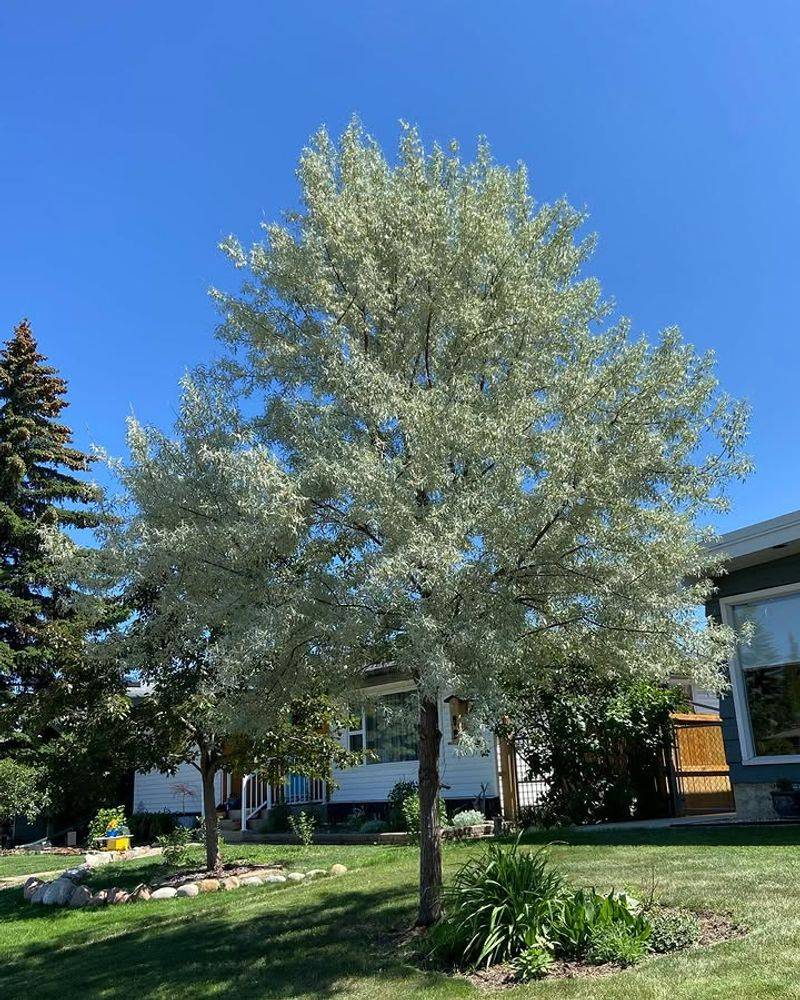
With its silvery leaves and delicate appearance, the Russian Olive might catch your eye at a garden center. It looks almost whimsical, like something from a storybook garden.
But planting one in California is a decision many homeowners come to regret.
Russian Olive is classified as an invasive species in many western states, including parts of California. It spreads aggressively along rivers, streams, and other water sources.
Once established near a waterway, it crowds out native willow and cottonwood trees that local wildlife depend on for food and shelter. Birds, fish, and other animals lose important habitat when Russian Olive takes over.
In your yard, this tree comes with sharp thorns that make pruning and cleanup a painful experience. It also produces a large number of berries that birds spread widely, meaning your one tree can start a chain reaction of new trees popping up across your neighborhood and beyond.
California already faces serious challenges managing invasive plants along its waterways. Adding a Russian Olive to your yard puts more pressure on those ecosystems.
Native California shrubs and trees offer similar ornamental appeal without the environmental baggage. Talking to a local nursery about native alternatives is always a smart first step before planting anything new.
6. Chinese Tallow Tree
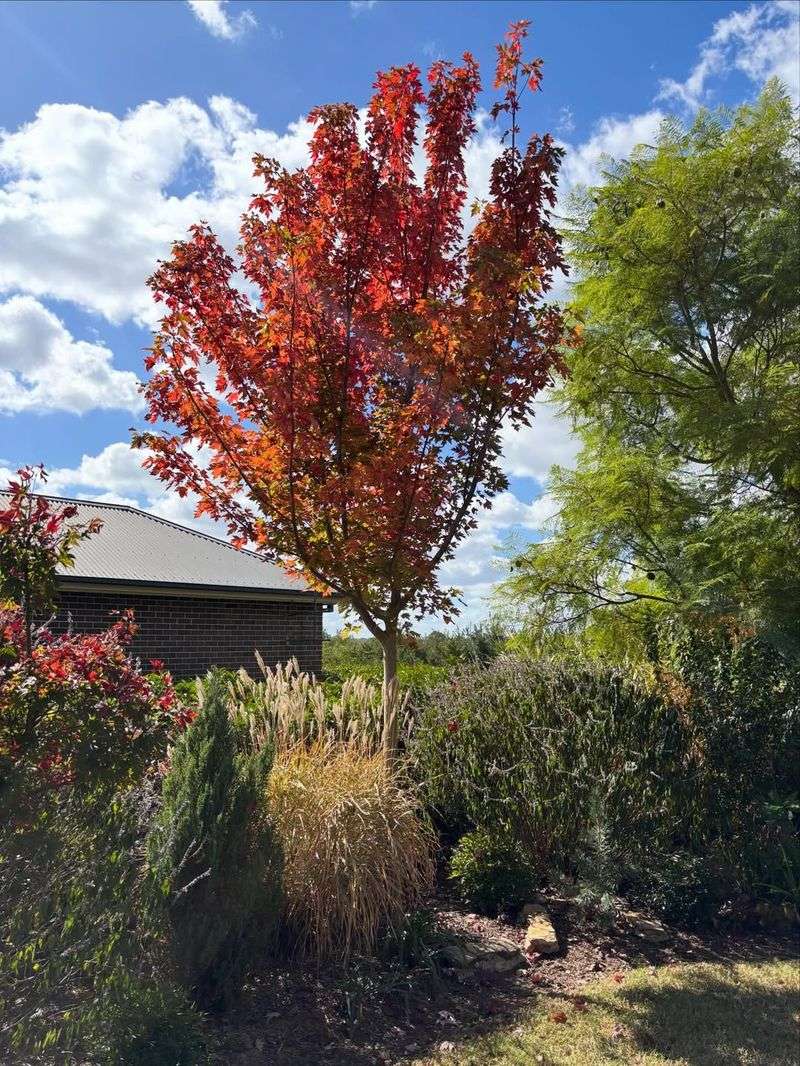
The Chinese Tallow Tree turns brilliant shades of red and orange in fall, which makes it look like a stunning addition to any California yard. But underneath that pretty display is a tree that causes serious ecological damage wherever it grows.
Native to China and Japan, this tree was introduced to the United States for its waxy seeds, which were once used to make soap and candles. Today it is considered one of the most invasive trees in the southern and coastal United States, and it has made its way into California landscapes as well.
Chinese Tallow spreads rapidly. One tree can produce thousands of seeds each year, and birds love to eat and spread them.
The tree establishes itself quickly in disturbed soils, roadsides, and natural areas, pushing out native plants that local wildlife need.
The leaves and berries are toxic to many animals and can cause skin irritation in people. Livestock that graze near these trees can get seriously sick.
In your yard, the constant seed production means endless seedlings sprouting up in your lawn and garden beds throughout the growing season.
California nurseries and environmental agencies strongly discourage planting this tree. Better choices exist that bring fall color without the invasive downsides.
7. Mexican Fan Palm
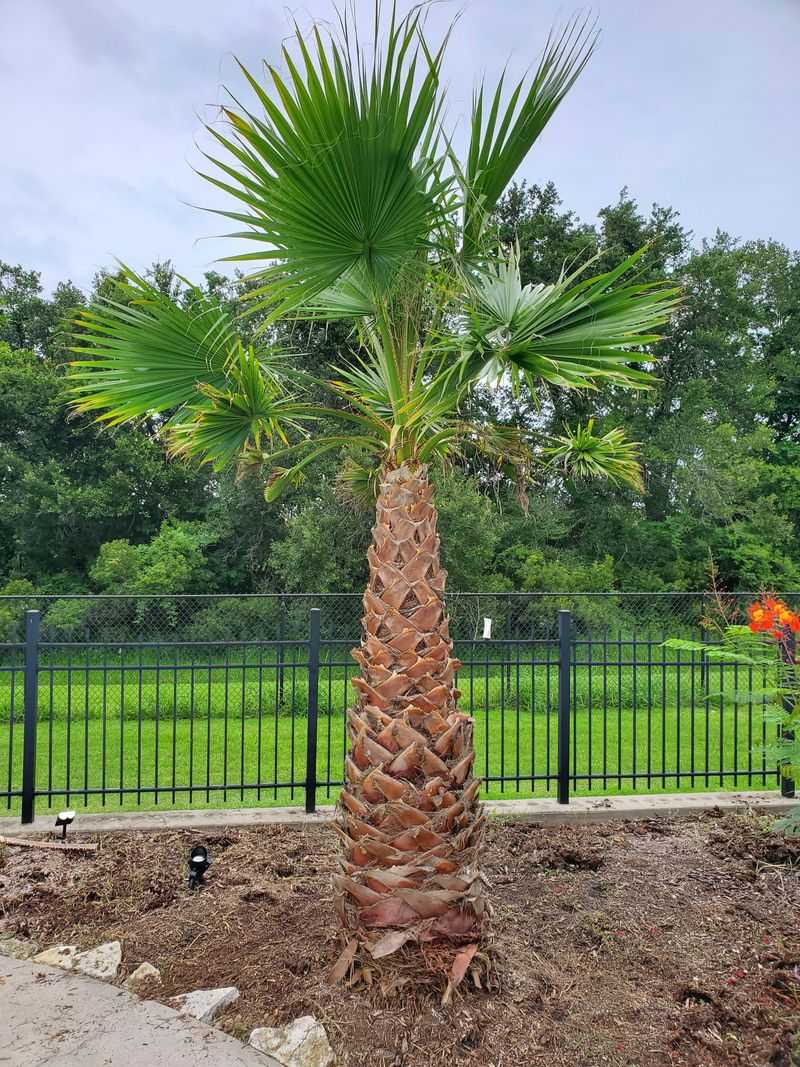
Mexican Fan Palms are almost a symbol of Southern California. They line streets in Los Angeles and San Diego, standing tall against the blue sky.
But for a residential yard, they are one of the worst trees you can choose, and many California cities are quietly phasing them out.
The biggest problem is maintenance. Mexican Fan Palms grow very tall, sometimes over 70 feet, and they constantly drop dead fronds.
Those fronds hang around the trunk in what is called a skirt, and that dry material is a serious fire hazard. In a region where wildfires are a constant threat, having a torch-like skirt hanging over your roof is not a good situation.
Trimming a mature Mexican Fan Palm requires a professional with specialized equipment. That means ongoing costs year after year just to keep the tree safe.
And if a dead frond falls on its own, it can damage your roof, your fence, or anything below it.
These palms also provide very little shade and no real ecological value for California native wildlife. They do not support local bird species or insects the way native trees do.
For the space and cost involved, California homeowners get very little in return. Native palms like the California Fan Palm are a far better and more responsible option.
8. Female Ginkgo
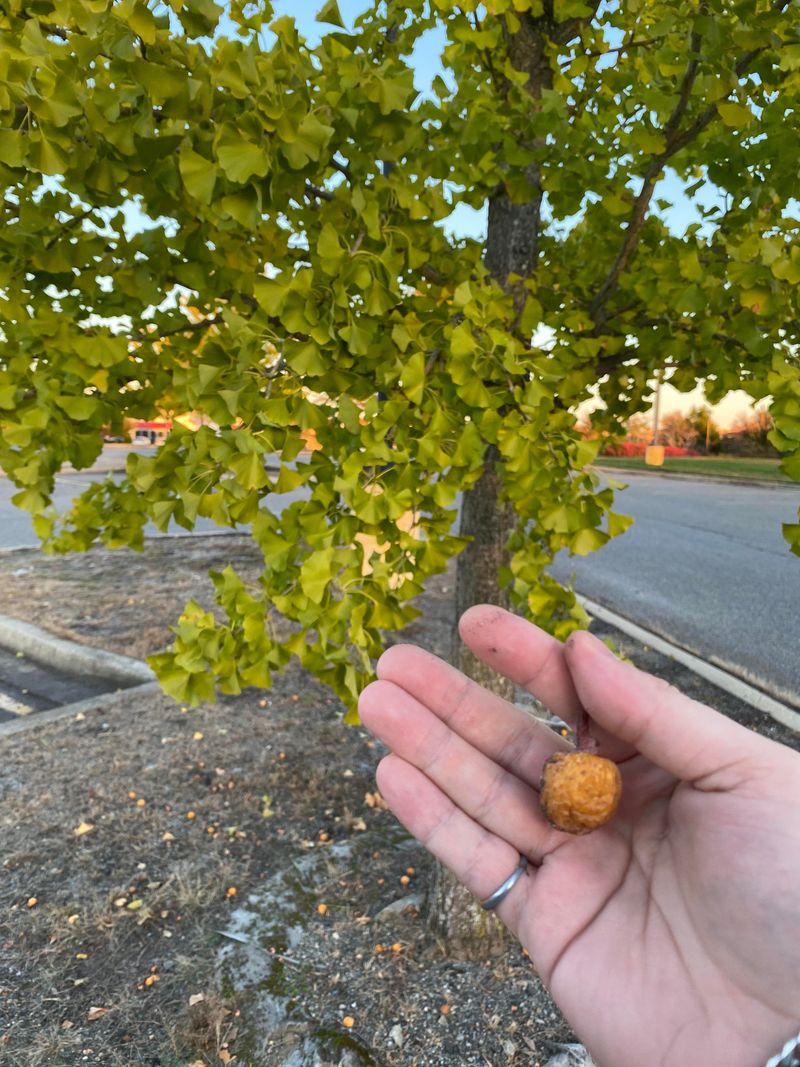
Ginkgo trees are ancient. They have been on Earth for over 200 million years, which is pretty remarkable.
The fan-shaped leaves turn a gorgeous golden yellow in fall, and the tree is known for being tough and adaptable. But there is one version of this tree that you absolutely want to avoid planting in your California yard.
Female Ginkgo trees produce fruit every fall, and that fruit smells terrible. Many people compare the odor to rotten butter or dog waste.
When the fruit falls and gets stepped on or run over, the smell spreads everywhere. It can linger for weeks and make spending time outside genuinely unpleasant.
The fruit also contains a compound called butyric acid, which can cause skin irritation and allergic reactions in some people. Cleaning it up is not a fun job, and the mess can attract pests like rats and squirrels.
If you love the look of Ginkgo trees, the solution is simple. Choose a male Ginkgo tree or a grafted variety labeled as fruitless.
Many nurseries carry male cultivars specifically bred for residential planting. Always read the label carefully before purchasing a Ginkgo, because the female and male trees look identical until the female starts producing fruit years after planting.
9. Weeping Willow
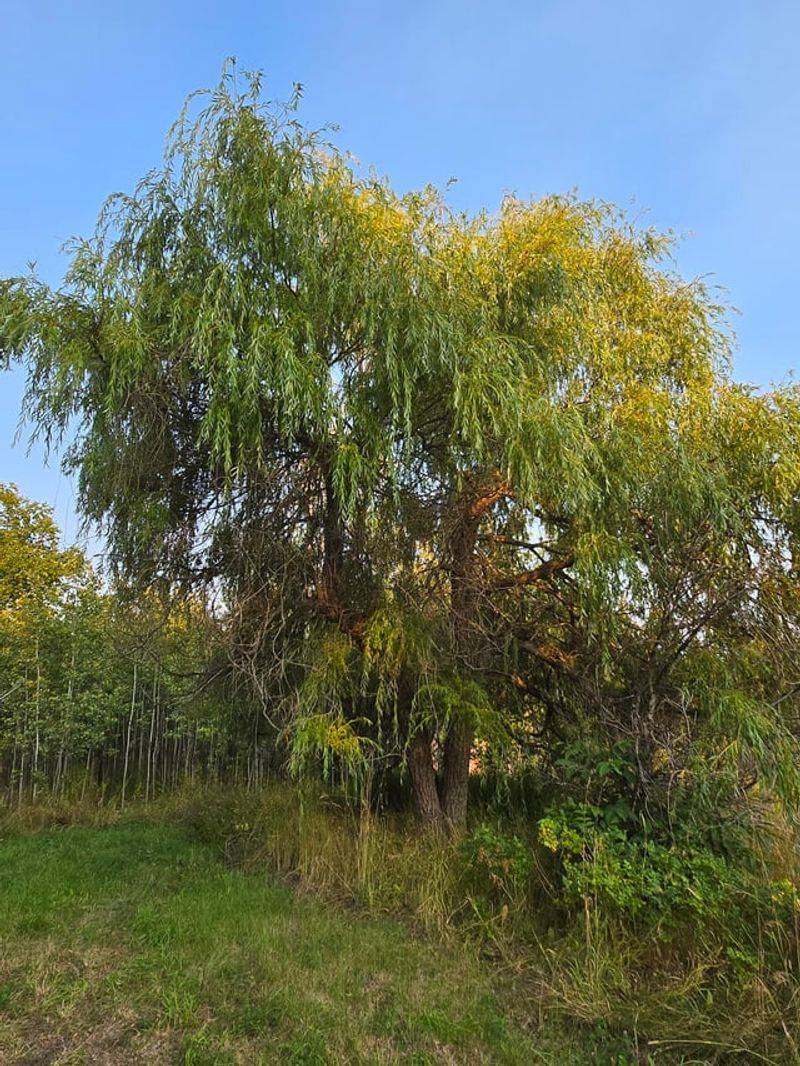
Few trees look as graceful and romantic as the Weeping Willow. Those long, sweeping branches swaying in the breeze make it one of the most recognizable trees in the world.
But in a California yard, it is a recipe for expensive problems.
Weeping Willows are water-hungry trees. Their roots actively seek out moisture and will travel remarkable distances underground to find it.
In California, where water is scarce and conservation matters, that is already a concern. But the real danger is what those roots do when they find your water lines, sewer pipes, or irrigation system.
Root intrusion into pipes is one of the most common and costly plumbing problems homeowners face.
These trees also grow very large very fast. What starts as a manageable young tree can quickly become a massive structure that shades out your entire yard and drops debris constantly.
Weeping Willows shed small twigs and branches regularly, creating a never-ending cleanup job.
They are also prone to pests and diseases, including aphids, borers, and fungal infections that spread easily in humid or poorly ventilated conditions. California yards with limited space are simply not suited for a tree this large and demanding.
If you want a graceful look, a native California willow species is a much better fit for the local environment.
10. Ficus Tree
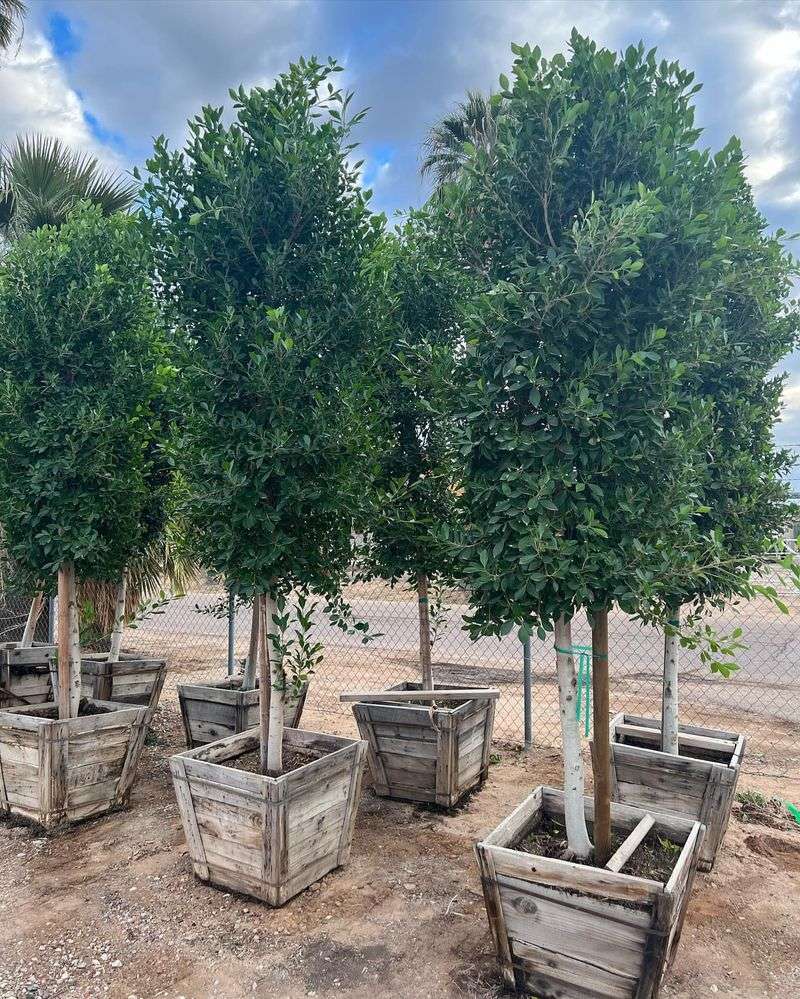
Walk through almost any older neighborhood in Southern California and you will spot Ficus trees. They were planted everywhere for decades because they grow fast and create dense, beautiful canopies.
But the damage they cause underneath the surface is staggering.
Ficus roots are among the most destructive of any tree planted in California. They grow aggressively along the surface and can spread two to three times the width of the canopy.
Sidewalks, driveways, patios, and foundations crack and buckle under the pressure of Ficus roots. Cities across California have spent millions of dollars repairing infrastructure damaged by these trees.
For homeowners, the costs hit close to home. A Ficus planted near your house can crack your foundation, destroy your driveway, and invade your plumbing.
These repairs are expensive and often require removing the tree anyway, so the damage ends up being completely avoidable.
Ficus trees also drop leaves constantly, even though they are technically evergreen. The leaf litter clogs gutters and drains quickly.
In dry California conditions, that debris also adds to fire risk around the base of the home.
Many California cities now ban new Ficus plantings in public spaces. Taking that same approach in your own yard makes a lot of sense.
Plenty of native shade trees offer beauty without the destruction.