10 Trees In Georgia That Could Lead To A Fine If You Don’t Remove Them

Trees add shade, beauty, and value to Georgia homes, but under certain conditions, they can also turn into a costly headache.
While there’s no statewide rule that fines homeowners simply for keeping a particular type of tree, many Georgia cities, counties, and utilities do have the authority to step in when a tree becomes a safety risk or a legal problem.
Trees that are severely declining, diseased, storm-damaged, invasive, or interfering with roads, power lines, or neighboring properties can trigger official removal orders.
When those orders are ignored, fines and penalties can follow.
That’s why it’s important for homeowners to understand which trees can land them in trouble—not because they’re unusual or illegal, but because of where they’re located or the condition they’re in.
The trees on this list highlight common situations in Georgia yards where failing to remove a problem tree can lead to a fine, especially after inspections, complaints, or storm damage.
1. Hazardous Trees
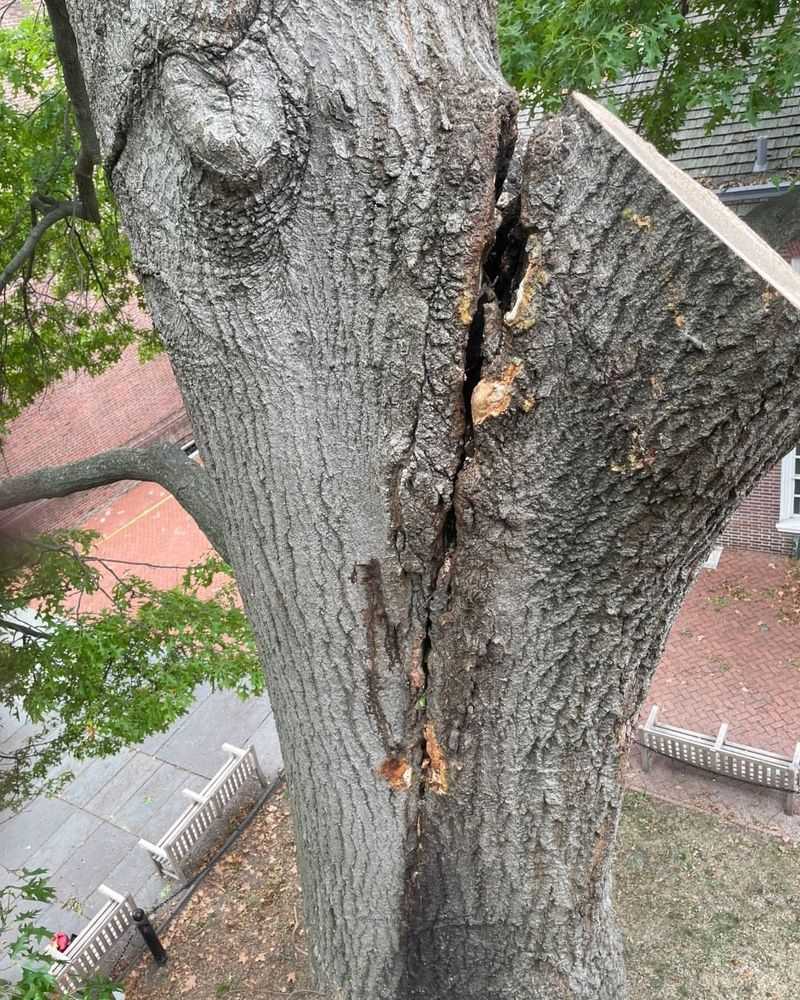
Leaning trunks and cracked bark signal danger that property owners in Georgia cannot afford to ignore when inspecting their yards for potential problems.
Trees displaying obvious structural flaws often receive removal orders from local code enforcement officers who assess risks during routine neighborhood inspections or complaint investigations.
Ignoring these warnings puts your family and neighbors at risk while exposing you to fines that can climb into thousands of dollars statewide.
Municipalities across Georgia enforce strict liability rules, meaning homeowners bear full responsibility for damage caused by trees they were warned to remove earlier.
Professional arborists can evaluate whether a tree qualifies as hazardous by checking root stability, trunk integrity, and branch conditions during thorough on-site inspections.
Once officials tag a tree as hazardous, you typically receive a deadline ranging from thirty to ninety days to complete removal work properly.
Missing that deadline triggers escalating fines that increase weekly or monthly until you finally address the problem and submit proof of completed removal.
Georgia law allows municipalities to remove hazardous trees at owner expense if deadlines pass, then place liens on properties to recover all costs incurred.
2. Diseased Trees
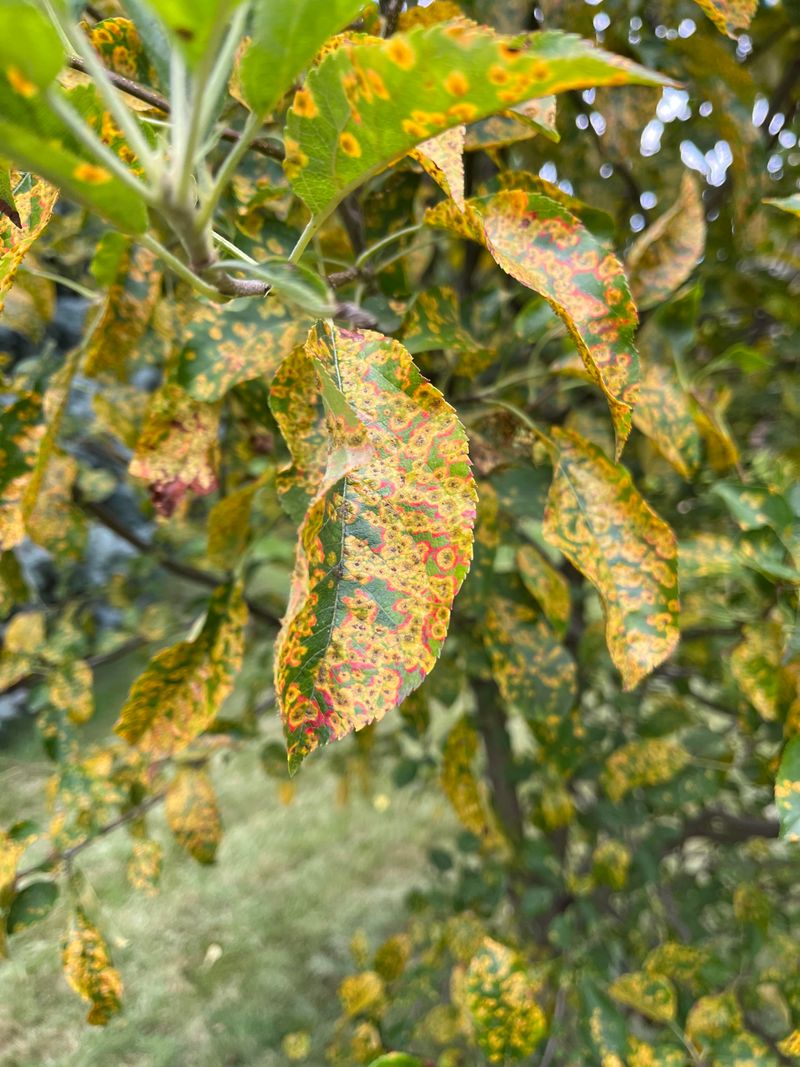
Fungal infections and bacterial blights spread rapidly through neighborhoods when sick trees remain untreated, threatening healthy vegetation and forcing costly community-wide control efforts.
Georgia counties empower agricultural extension agents to identify diseased specimens and issue mandatory removal notices to prevent contagion from reaching neighboring properties or orchards.
Oak wilt, pine beetles, and laurel wilt represent common diseases that trigger removal orders because they devastate entire tree populations when left unchecked statewide.
Property owners who delay removal after receiving official notices face fines starting around five hundred dollars and increasing daily until compliance is finally achieved.
Early detection helps, so watch for unusual leaf discoloration, premature dropping, oozing sap, or mushroom-like growths appearing around the base of your trees regularly.
Certified arborists can confirm disease diagnosis through laboratory testing and recommend immediate removal if the infection poses a community threat or cannot be treated effectively.
Some municipalities in Georgia offer cost-sharing programs to help residents afford removal of diseased trees, especially when the infection threatens public health or safety.
Failing to act on removal orders not only results in fines but can also lead to lawsuits from neighbors whose trees become infected afterward.
3. Unsafe Trees
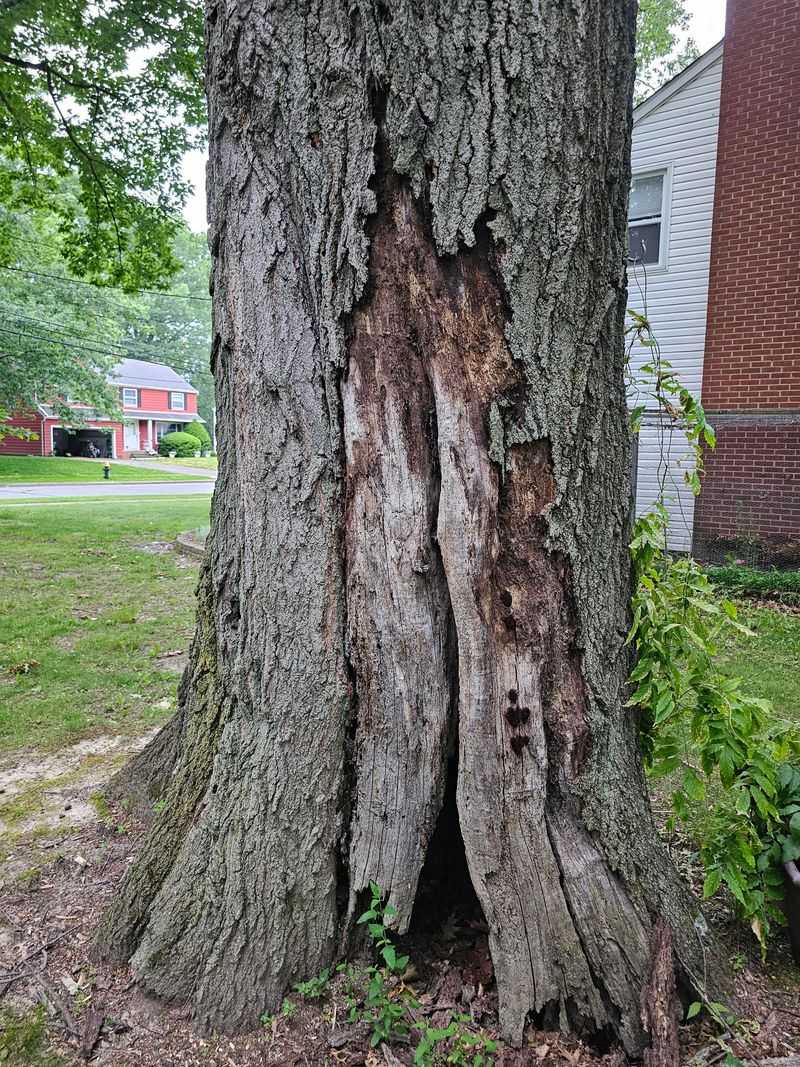
Hollow trunks and brittle limbs create ticking time bombs that can collapse without warning, causing injuries or property damage that result in expensive liability claims.
Code enforcement teams in Georgia routinely inspect trees near public spaces and issue removal orders when they identify specimens with compromised structural integrity or decay.
Homeowners bear legal responsibility for maintaining safe conditions, and unsafe trees violate this duty even if the problems developed naturally over many years of growth.
Fines for non-compliance typically start at three hundred dollars and escalate weekly, with some jurisdictions adding criminal charges if injuries occur after ignored warnings.
Arborists use specialized tools to detect internal rot, cavity formation, and weakened wood that might not be visible during casual observation from ground level.
Georgia case law establishes that property owners can be held liable for damages caused by unsafe trees even if they claimed ignorance of the condition.
Once you receive a removal notice, document the tree’s condition with photos and keep all correspondence with officials to protect yourself legally during the process.
Many insurance policies exclude coverage for damage from trees that owners knew were unsafe, making prompt removal essential for maintaining full protection under your policy.
4. Storm Damaged Trees
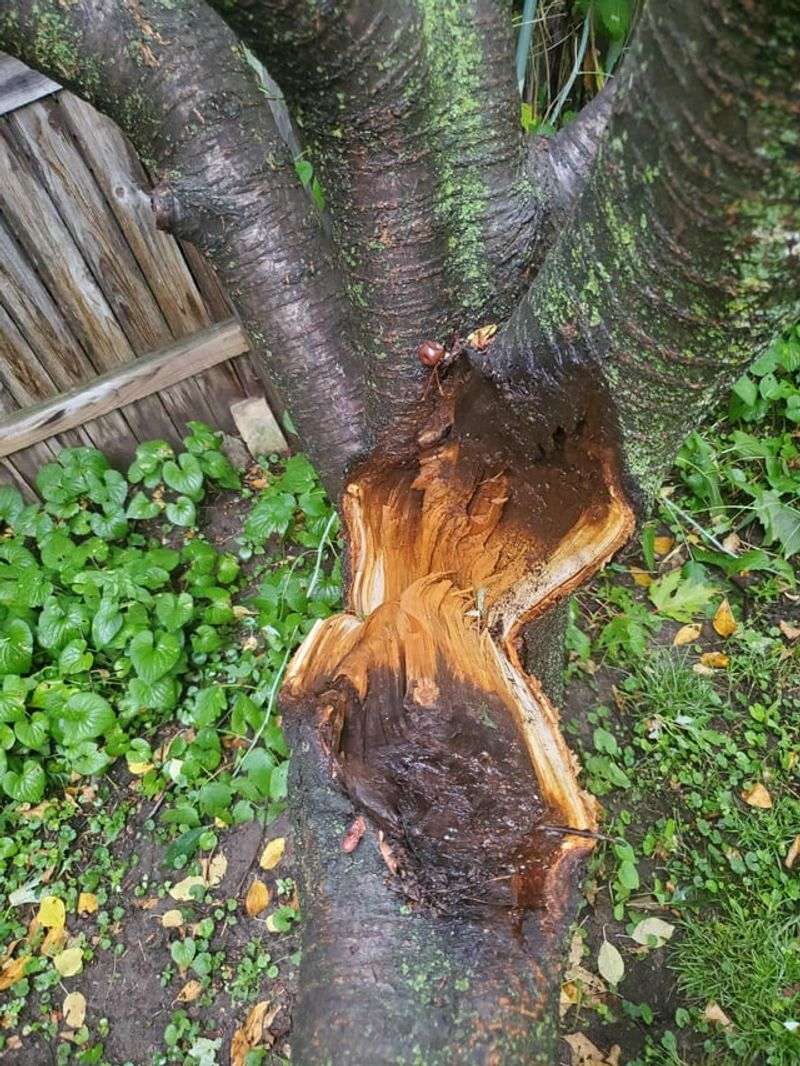
Hurricanes and severe thunderstorms frequently batter Georgia, leaving behind trees with split trunks, torn limbs, and exposed roots that cannot recover without professional intervention.
Emergency removal orders often follow major weather events, giving property owners shortened deadlines to clear damaged trees before they collapse onto homes or roads.
Municipal crews prioritize public safety after storms, so trees threatening infrastructure or blocking evacuation routes receive immediate attention and strict enforcement of removal requirements.
Fines for ignoring storm damage removal orders can reach one thousand dollars or more, especially when the damaged tree poses imminent danger to others.
Insurance adjusters document storm damage quickly, and delaying tree removal can complicate claims or result in denial if further damage occurs from the same tree.
Georgia law allows emergency removal without owner permission when storm-damaged trees create immediate public hazards, with costs billed directly to property owners through tax liens.
After major storms, tree removal companies get overwhelmed with requests, so acting quickly ensures you meet official deadlines and avoid accumulating daily fines for delays.
Photographic evidence of storm damage helps document the condition for insurance purposes and proves you acted responsibly if legal disputes arise later from the incident.
5. Trees Threatening Homes
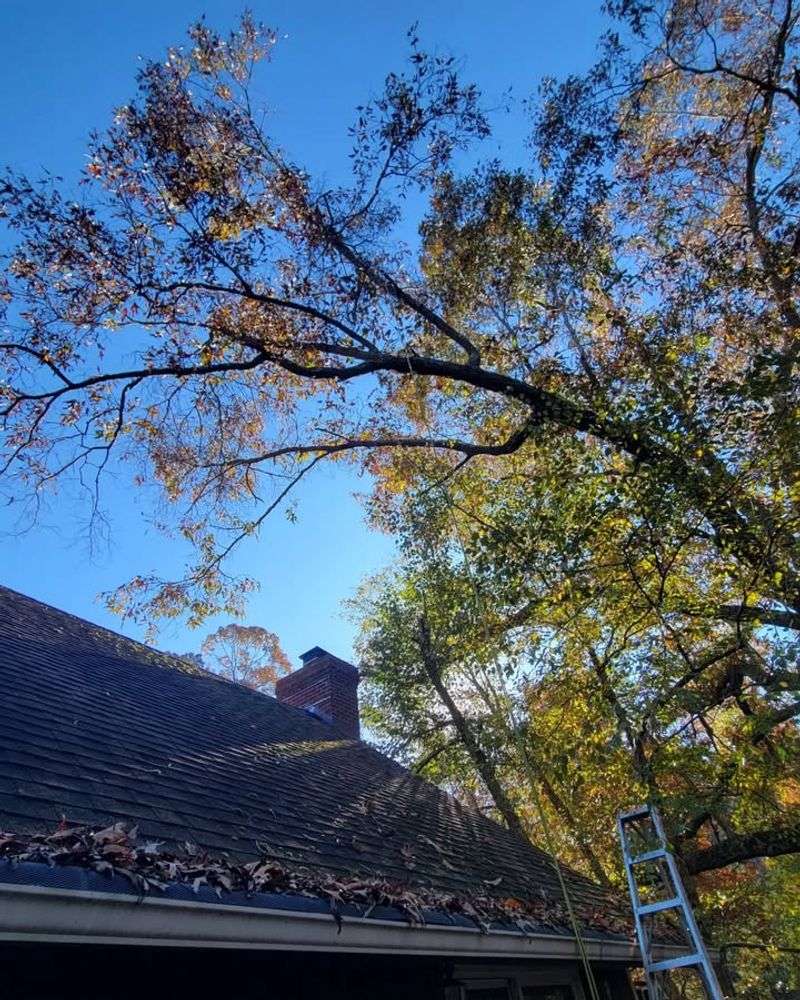
Overhanging limbs and encroaching roots create constant threats to foundations, rooflines, and siding that can result in tens of thousands of dollars in repair costs.
Building inspectors in Georgia flag trees growing too close to structures during property assessments, and they can mandate removal if the risk exceeds acceptable safety thresholds.
Roots from large trees can crack foundations, invade plumbing systems, and destabilize retaining walls, creating hazards that justify mandatory removal under local building codes statewide.
Property owners who ignore removal orders for trees threatening homes face fines starting at four hundred dollars, plus liability for any damage that occurs afterward.
Professional assessments help determine whether trimming suffices or complete removal is necessary, and documentation protects you if neighbors complain about your tree management decisions.
Georgia courts consistently rule in favor of neighbors who suffer property damage from trees that owners were warned to remove or properly maintain earlier.
Some homeowner insurance policies require policyholders to remove trees identified as threats, and failure to comply can void coverage for related damage claims later.
Regular inspections by certified arborists help identify potential threats early, allowing you to address problems before officials issue mandatory removal orders with tight deadlines.
6. Trees Near Power Lines
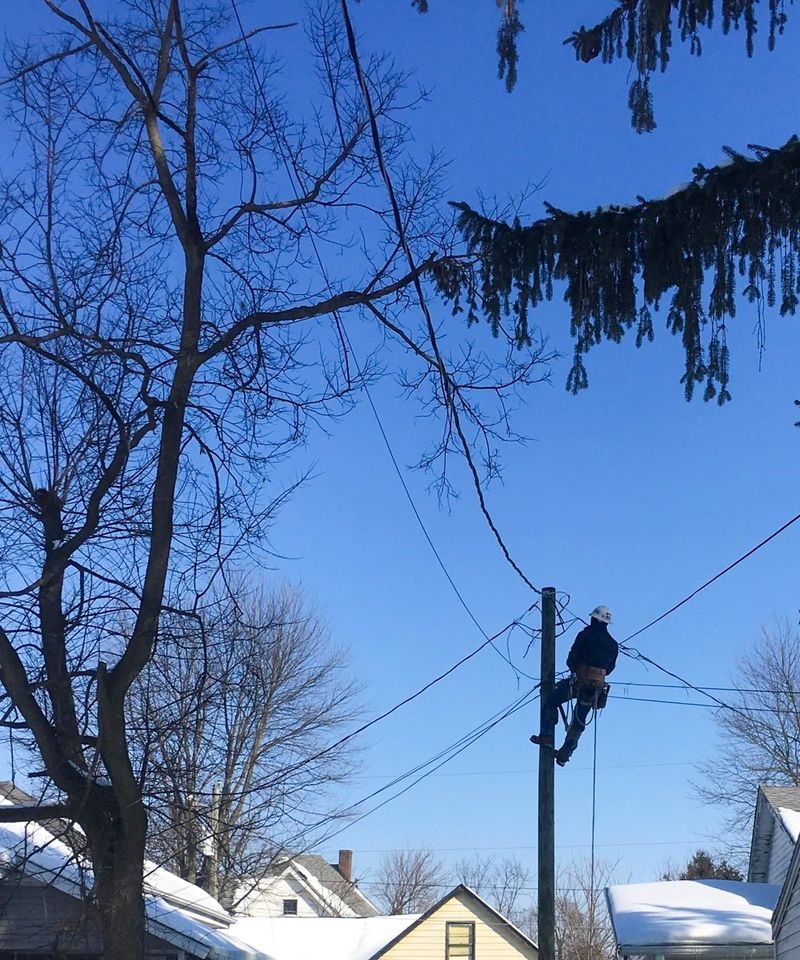
Branches contacting electrical wires create fire hazards, power outages, and electrocution risks that utility companies take extremely seriously when assessing vegetation management needs across service areas.
Georgia Power and other utility providers have legal authority to trim or remove trees threatening their infrastructure, often without requiring owner permission under state easement laws.
Property owners who plant trees beneath power lines or allow existing ones to grow into the wires can face fines from both utility companies and municipalities.
Fines for non-compliance with utility vegetation management orders typically start at six hundred dollars and increase monthly until the tree is removed or properly trimmed.
Electrical fires caused by tree contact can result in criminal charges against property owners if investigations reveal they ignored previous warnings from utility companies or inspectors.
Georgia law requires property owners to maintain clearance zones around power lines, and failure to do so constitutes a violation even if the tree was present before the wires were installed.
Utility companies often provide free trimming services for trees near their lines, but they may charge property owners if repeated violations occur on the same property.
After severe weather, utility crews prioritize removing trees near power lines, and property owners can be billed for emergency removal costs if their negligence contributed to outages.
7. Trees Blocking Roads Or Sidewalks
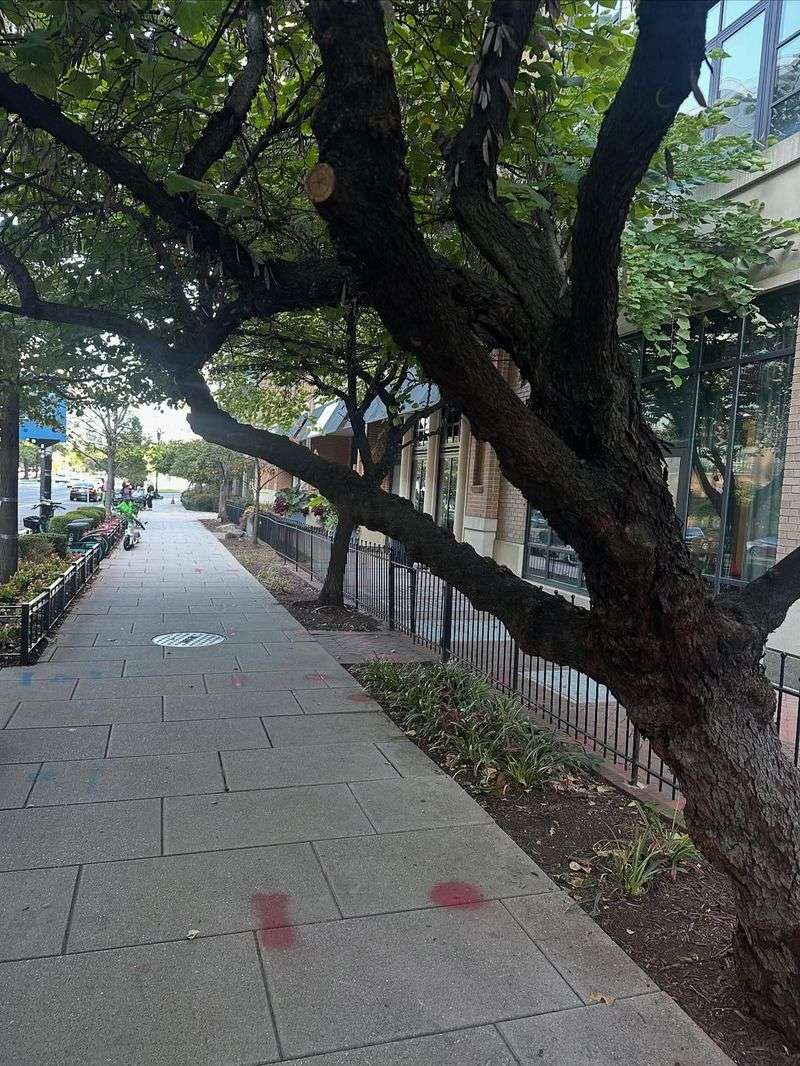
Low-hanging branches and encroaching trunks that obstruct pedestrian pathways or vehicle traffic violate public right-of-way laws enforced strictly by Georgia municipalities and transportation departments.
Code enforcement officers measure clearance heights and widths to ensure compliance with standards requiring at least eight feet of vertical clearance over sidewalks and fourteen feet over roads.
Property owners receive violation notices requiring immediate trimming or removal, with fines starting at two hundred fifty dollars and increasing weekly if the obstruction continues.
Georgia law holds property owners liable for injuries caused by obstructed pathways, and courts award substantial damages when pedestrians or cyclists are hurt by low branches.
Municipal crews can trim or remove obstructing trees without owner permission and bill the property owner for all costs incurred during the emergency clearance operation.
Regular maintenance prevents violations, but once officials issue a removal order for a tree that cannot be adequately trimmed, you must comply or face escalating penalties.
Some Georgia cities require permits for tree planting near sidewalks and roads to prevent future obstructions, and planting without approval can result in mandatory removal orders.
Documentation through photographs before and after trimming helps prove compliance if disputes arise about whether you adequately addressed the obstruction or removal requirements cited earlier.
8. Invasive Trees Ordered Removed
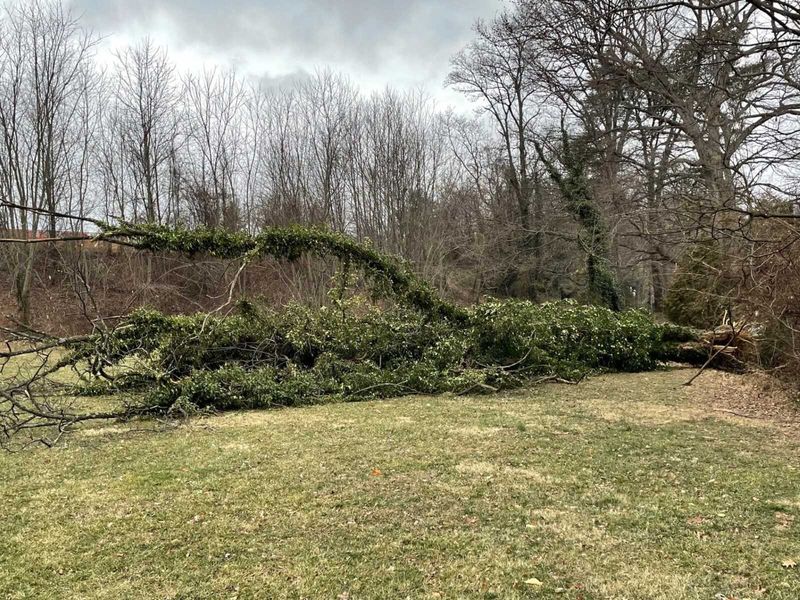
Bradford pears, Chinese privet, and mimosa trees spread aggressively across Georgia landscapes, choking out native vegetation and degrading ecosystem health in forests and parks.
State environmental agencies and local governments issue removal orders for invasive species, especially when they appear on properties adjacent to protected natural areas or waterways.
Property owners who fail to remove invasive trees after receiving official notices face fines ranging from three hundred to one thousand dollars depending on jurisdiction.
Georgia’s Invasive Species Council maintains lists of prohibited plants, and some municipalities ban new plantings while requiring removal of existing specimens on residential and commercial properties.
Invasive trees can decrease property values and make future sales difficult since buyers often negotiate price reductions to cover removal costs for prohibited species on the land.
Environmental regulations in Georgia allow agencies to remove invasive trees at owner expense if compliance deadlines pass, then place liens on properties to recover all costs.
Native alternatives provide similar aesthetic benefits without the ecological harm, and landscape professionals can recommend suitable replacements when you must remove invasive specimens from your yard.
Some Georgia counties offer free invasive tree removal programs or cost-sharing assistance to encourage property owners to eliminate these problematic species from their land voluntarily.
9. Trees Violating Local Codes
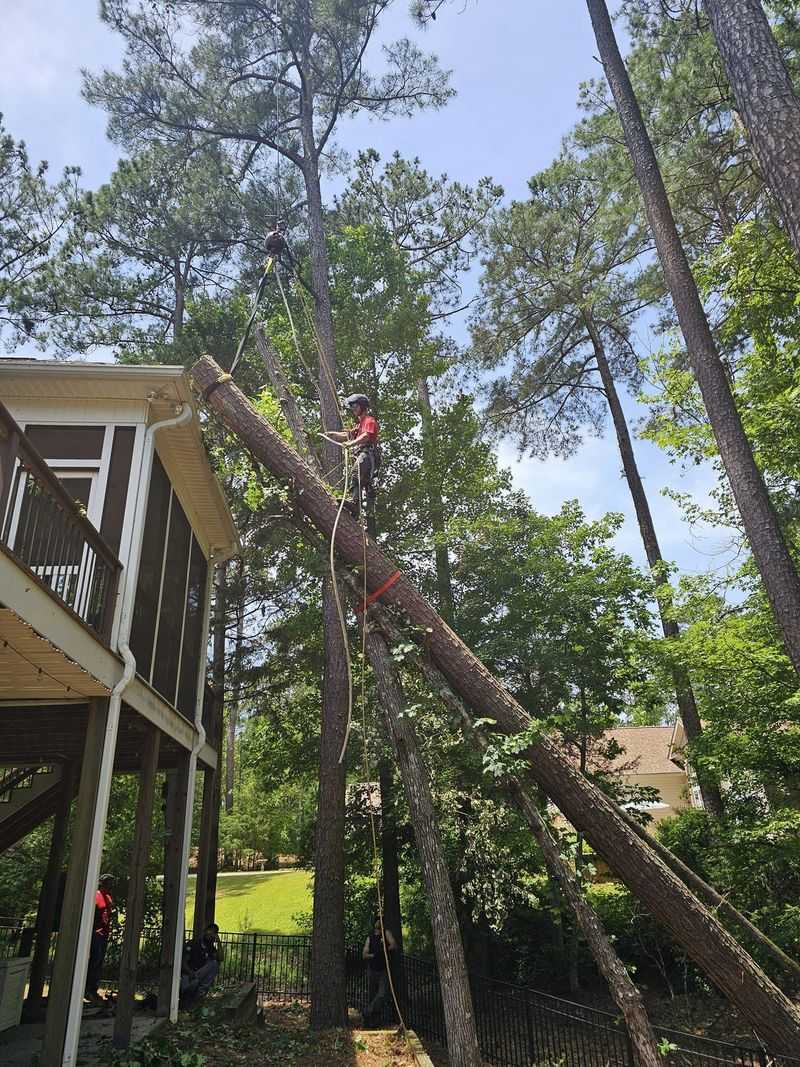
Setback requirements, height restrictions, and species prohibitions vary widely across Georgia municipalities, and property owners must comply with local ordinances governing tree placement and management.
Zoning officials issue violation notices when trees planted too close to property lines, structures, or utilities create conflicts with established codes adopted by local governments.
Fines for code violations start around three hundred dollars and increase monthly until property owners remove the offending tree or obtain a variance through formal appeals.
Georgia courts rarely overturn removal orders based on code violations unless property owners can prove the ordinance was improperly applied or that compliance creates undue hardship.
Some municipalities grandfather existing trees but require removal when properties change ownership, are renovated, or undergo subdivision, making code compliance a closing issue during real estate transactions.
Property owners who plant trees without checking local codes risk expensive removal costs later, especially if the species is prohibited or the location violates setback requirements.
Homeowner associations in Georgia often impose additional tree restrictions beyond municipal codes, and violation of HOA rules can result in separate fines and mandatory removal requirements.
Consulting with local planning departments before planting trees helps avoid future violations, and professional landscapers familiar with Georgia codes can design compliant plantings for your property.
10. Trees In Rights Of Way Or Easements
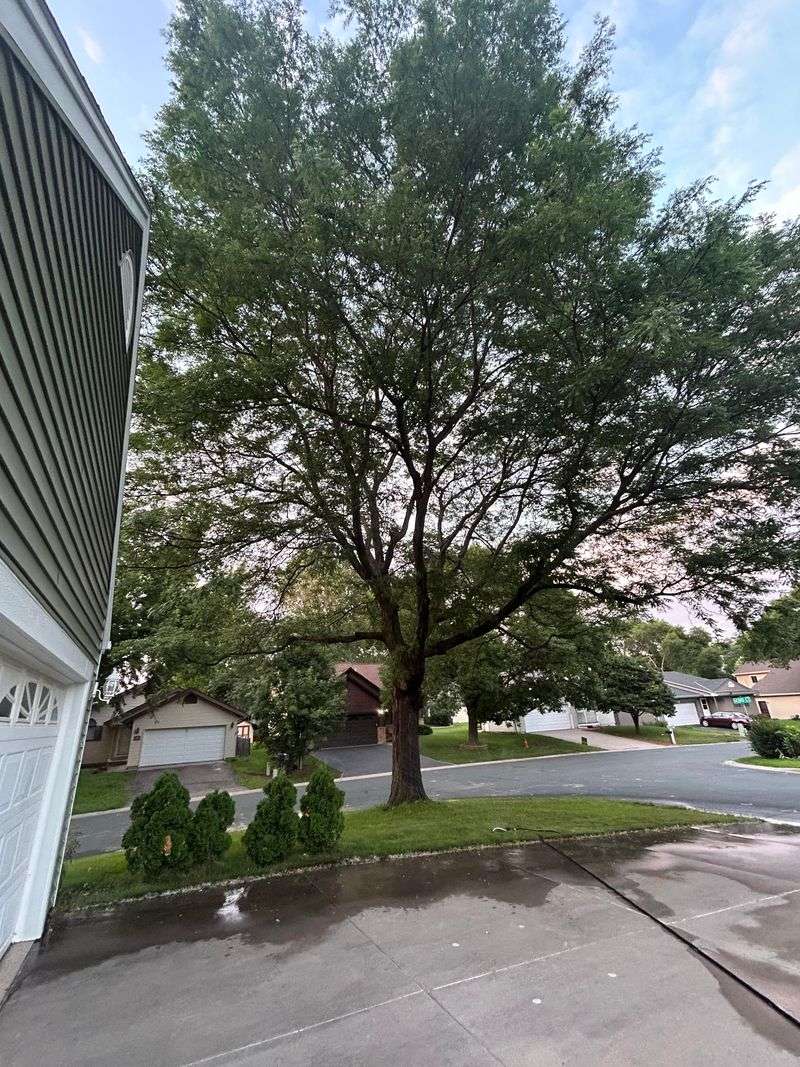
Utility easements and public rights-of-way across private property remain subject to access requirements that prohibit trees from interfering with infrastructure maintenance or emergency services.
Property deeds in Georgia typically include easement descriptions, and owners must keep these areas clear even though the land technically belongs to them under title records.
Municipalities and utility companies can remove trees from easements without owner permission, then bill property owners for all removal costs incurred during the clearance operation.
Fines for planting or maintaining trees in protected easements start at five hundred dollars and can increase if the obstruction interferes with emergency access or utility repairs.
Georgia law protects utility companies and municipalities from liability when removing trees from easements, even if the removal damages landscaping or reduces property aesthetic appeal.
Property owners who purchase land without checking easement locations often discover existing trees must be removed, creating unexpected costs that should have been addressed during due diligence.
Survey maps show easement boundaries precisely, and consulting these documents before planting trees prevents future conflicts with utility companies or municipal authorities conducting infrastructure work.
Some easement agreements allow certain vegetation types, so reviewing the specific terms with a real estate attorney helps determine what tree management obligations apply to your property.