10 Trees In Michigan That Could Get You Fined If You Cut Them Down
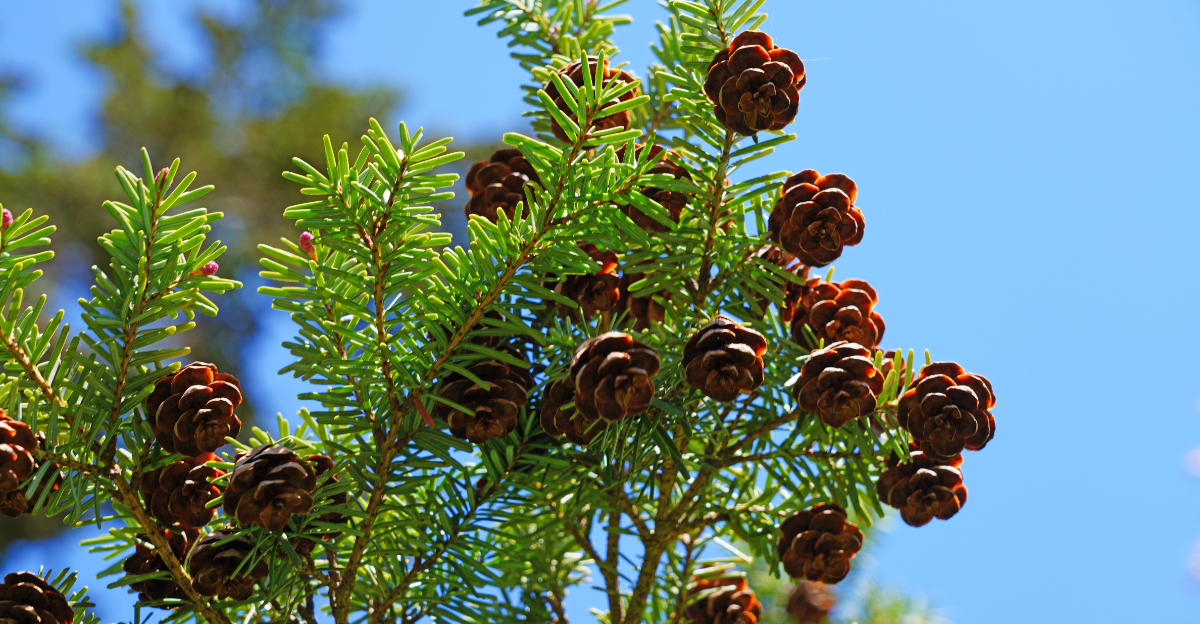
Think twice before cutting a tree, because what appears ordinary might be legally protected and ecologically essential.
Across Michigan, forests are carefully managed under state and federal regulations that shield rare and endangered tree species from removal.
These laws exist to preserve wildlife habitats, maintain biodiversity, and protect the natural systems that keep Michigan landscapes healthy and resilient.
Removing a protected tree, even by accident, can bring heavy fines and serious legal consequences.
Some trees provide critical shelter for wildlife, help prevent soil erosion, or support delicate ecosystems found only in certain parts of Michigan.
Understanding which species are protected is a vital first step before beginning any clearing or landscaping work.
Learning the rules not only keeps you within the law, it also helps safeguard Michigan’s rich natural heritage for years to come.
With the right knowledge, you can avoid costly missteps and make responsible decisions that respect both your property and the environment.
1. American Chestnut
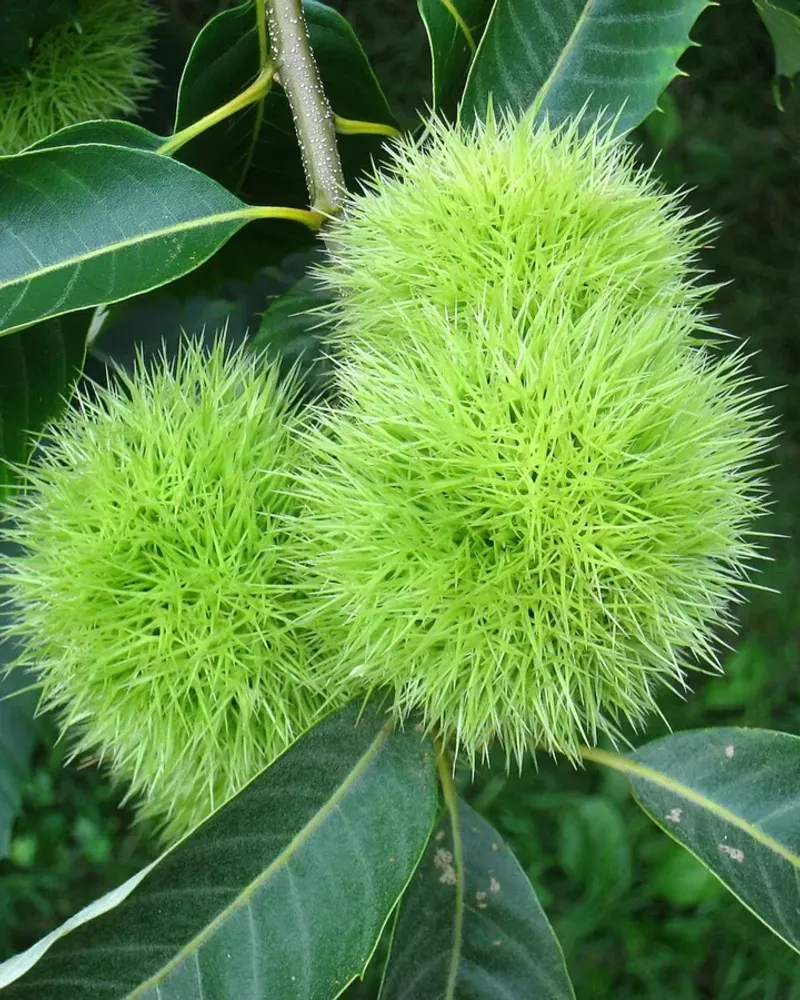
The American Chestnut once dominated forests across the eastern United States, including large portions of Michigan, where it was valued for its strength, beauty, and reliable nut production.
In the early 1900s, a devastating blight swept through native populations, reducing what had been one of the most abundant hardwood trees to scattered survivors.
Today, any remaining American Chestnut trees in Michigan are considered extremely rare and fall under careful conservation oversight.
Because of ongoing restoration efforts, cutting one down without proper authorization can violate state preservation laws.
Scientists and forestry specialists continue breeding blight resistant varieties in hopes of restoring this iconic species to Michigan’s woodlands.
Every mature tree still standing carries genetic value that contributes to that research.
Property owners who believe they may have an American Chestnut on their land should contact the Michigan Department of Natural Resources before taking action.
Proper identification is important, since similar species can be mistaken for chestnut.
Protecting these trees supports long term forest recovery while helping preserve an important part of Michigan’s environmental history and ecological heritage.
2. Eastern Hemlock
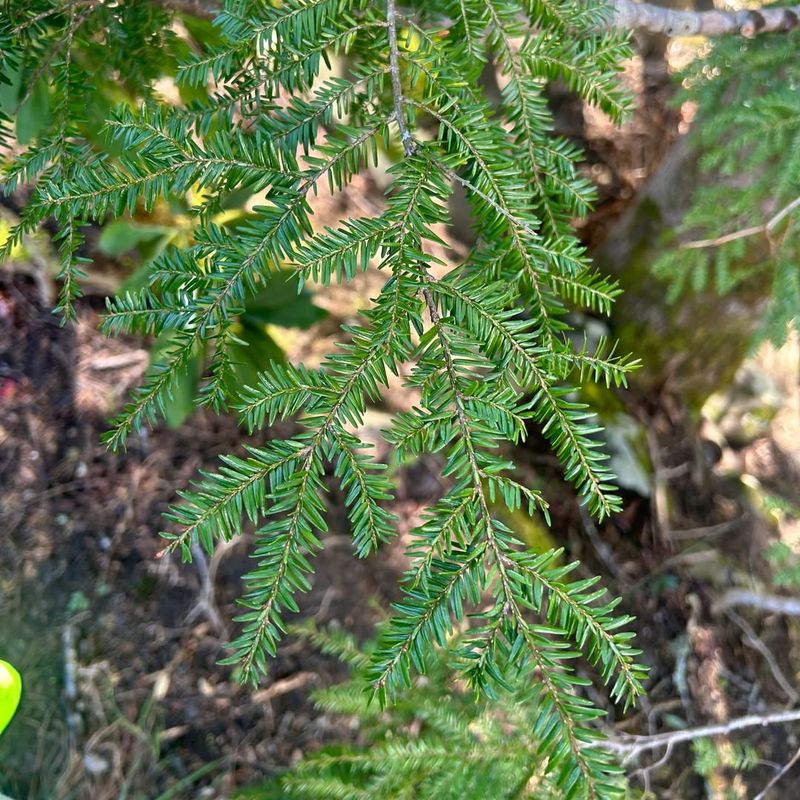
Eastern Hemlocks are tall, graceful evergreens that grow slowly and can live for centuries in Michigan’s forests.
Their soft needles and layered branches create dense shade, helping regulate forest temperature and protect delicate ecosystems below.
In many parts of Michigan, these trees are classified as a species of concern due to threats from invasive pests such as the woolly adelgid.
Because of their ecological importance, removing Eastern Hemlocks from protected lands or sensitive areas can require permits and official approval.
Their shallow but widespread root systems play a vital role in stabilizing stream banks, preventing erosion, and maintaining water quality throughout Michigan’s watersheds.
Unauthorized removal in conservation zones may result in significant penalties under natural resource protection laws.
Hemlocks also provide year round shelter for wildlife, supporting birds and small mammals during harsh winters.
Before cutting any mature hemlock on your property, it is wise to consult local forestry authorities or environmental agencies.
Regulations can vary depending on location and land designation.
Preserving Eastern Hemlocks not only protects Michigan’s forest ecosystems but also helps maintain the stability and health of waterways that communities depend on statewide.
3. American Elm
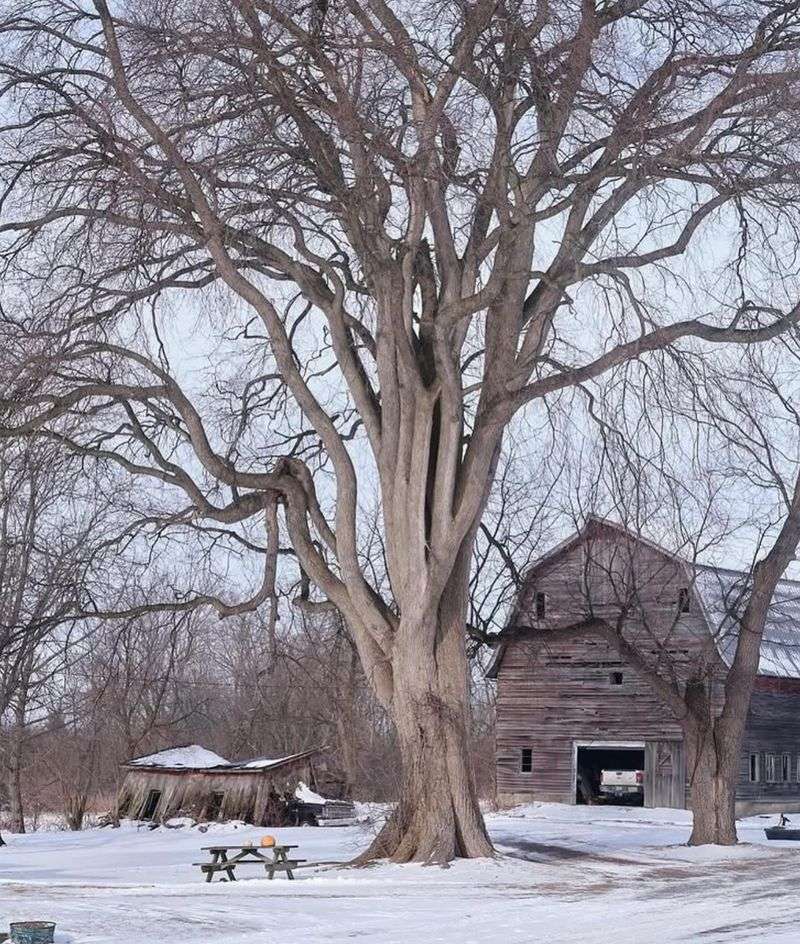
Once arching gracefully over neighborhood streets, these towering shade trees helped define the look and feel of countless Michigan towns.
Their tall trunks and distinctive vase shaped canopies created shaded corridors that cooled sidewalks, framed historic homes, and brought character to entire communities.
Although Dutch elm disease dramatically reduced their numbers during the twentieth century, surviving specimens are now treated with heightened care and attention.
In many Michigan cities, healthy mature trees are protected by municipal ordinances that require city approval and professional evaluation before removal.
Regulations are often even stricter in historic districts, where established tree lines are considered part of the community’s architectural identity.
Unauthorized cutting can result in steep fines and mandatory replacement plantings. Beyond their beauty, these trees reduce urban heat, improve air quality, and provide valuable habitat for birds and pollinators.
Because disease management remains an ongoing concern, consultation with a certified arborist is often required before any decision is made.
Property owners should review local preservation rules and speak with city forestry departments to ensure compliance.
Protecting these remaining giants supports Michigan’s urban canopy goals and preserves the timeless streetscapes that continue to shape neighborhoods across the state.
4. White Oak
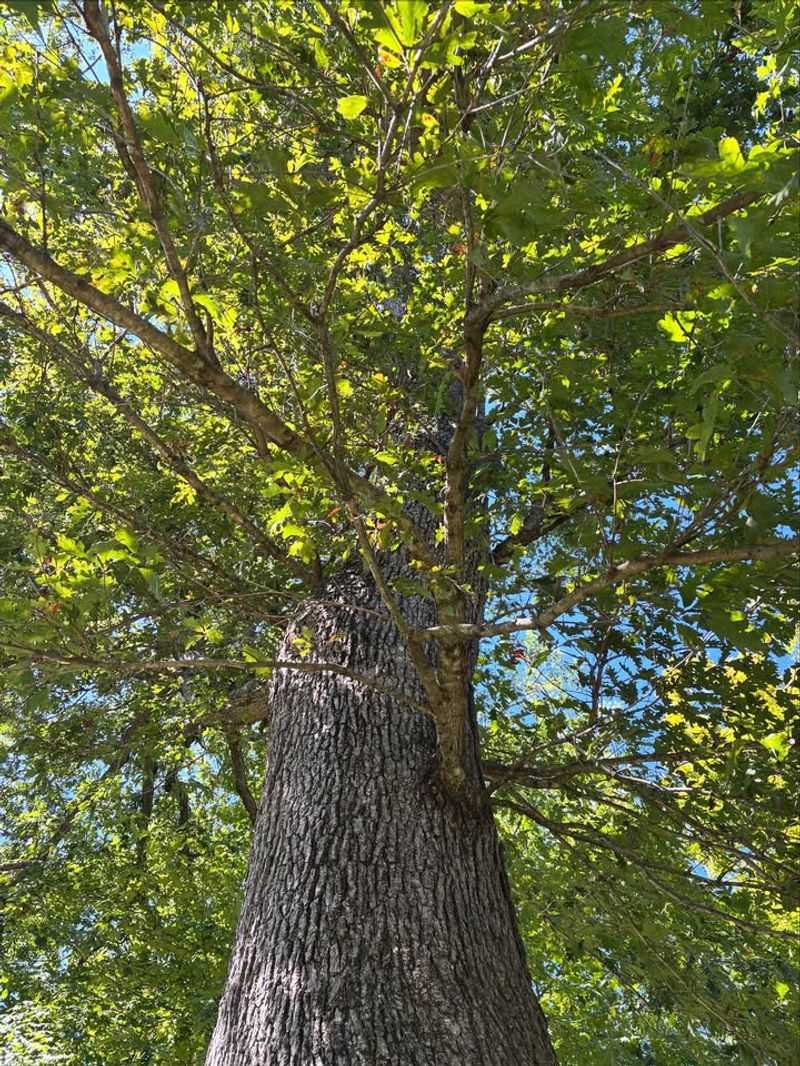
Towering hardwoods that can live for centuries, these remarkable trees serve as ecological anchors throughout Michigan’s forests and rural landscapes.
Their wide spreading canopies provide shelter, shade, and stability in both natural woodlands and private properties.
Acorns produced each season support deer, turkeys, squirrels, and many other wildlife species, making them essential for maintaining biodiversity across the state.
Because of their environmental importance, Michigan forestry regulations restrict harvesting in designated conservation areas and state managed forests.
Unauthorized cutting in protected zones can violate timber harvest rules and environmental protection statutes.
Mature specimens also contribute to soil health by stabilizing root systems and enriching surrounding plant communities.
Many Michigan property owners choose to obtain professional forestry assessments before considering removal, especially when trees are large or located near sensitive habitats.
In addition to legal considerations, preserving these long lived hardwoods protects wildlife food sources and strengthens ecosystem resilience.
Their slow growth means replacement takes decades, reinforcing the importance of thoughtful management.
Careful planning and compliance with regulations ensure that these enduring giants continue to support Michigan landscapes for generations to come.
5. Black Ash
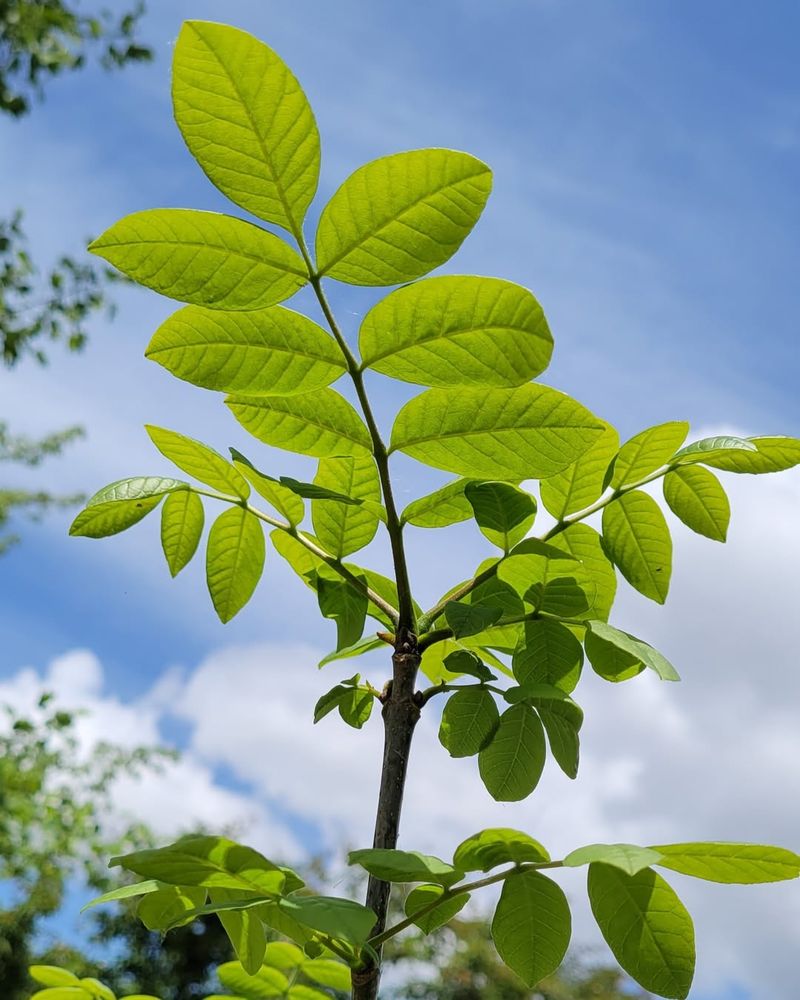
Deeply rooted in both ecological systems and cultural traditions, this wetland tree carries special significance across Michigan.
Historically valued by Native American tribes for basket making due to its flexible wood, it now faces serious threats from the invasive emerald ash borer.
As populations decline, conservation initiatives throughout Michigan aim to preserve remaining healthy specimens.
Because these trees frequently grow in wetlands, removing them without authorization may violate environmental protection laws as well as agreements that safeguard cultural heritage.
Their root systems play a critical role in regulating water levels, filtering runoff, and reducing flooding in low lying areas.
Disturbing these environments without proper permits can result in legal penalties. Collaboration with tribal authorities and environmental agencies is often required before removal is considered.
Property owners should consult state environmental offices to understand current protections and responsibilities.
Preserving these trees supports wetland stability and honors longstanding cultural practices connected to Michigan’s natural resources.
Responsible stewardship ensures that both ecological function and heritage remain respected and protected throughout the state.
6. American Beech
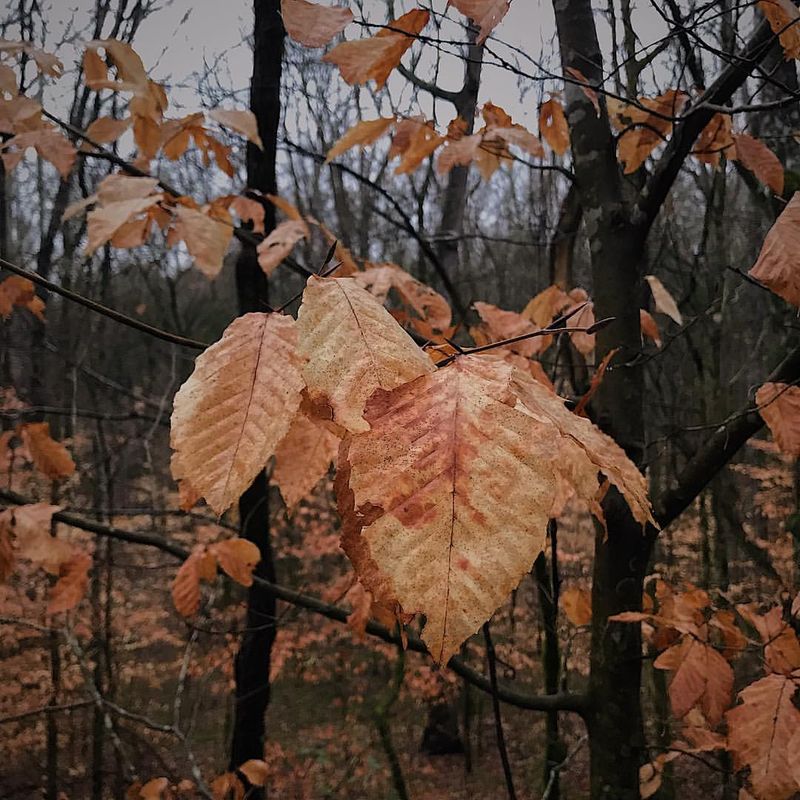
Recognizable by smooth gray bark and rich copper toned leaves in autumn, this hardwood anchors many of Michigan’s northern forests.
Its presence contributes to forest structure, supporting diverse plant and animal communities.
However, beech bark disease has threatened populations in recent decades, prompting protective measures in certain parks, preserves, and conservation lands across Michigan.
Removing trees from these areas without permits can result in significant penalties under state natural resource management laws.
The nuts produced each year serve as a valuable food source for bears, squirrels, and various bird species during colder months.
Because of their ecological role, some municipalities extend additional protections to mature specimens within city limits.
Property owners considering removal should verify local ordinances and consult forestry professionals to determine appropriate action.
Preserving these hardwoods strengthens Michigan’s forest resilience and maintains wildlife habitat.
Thoughtful management ensures that these distinctive trees continue supporting biodiversity and maintaining the health of hardwood ecosystems statewide.
7. Eastern Red Cedar
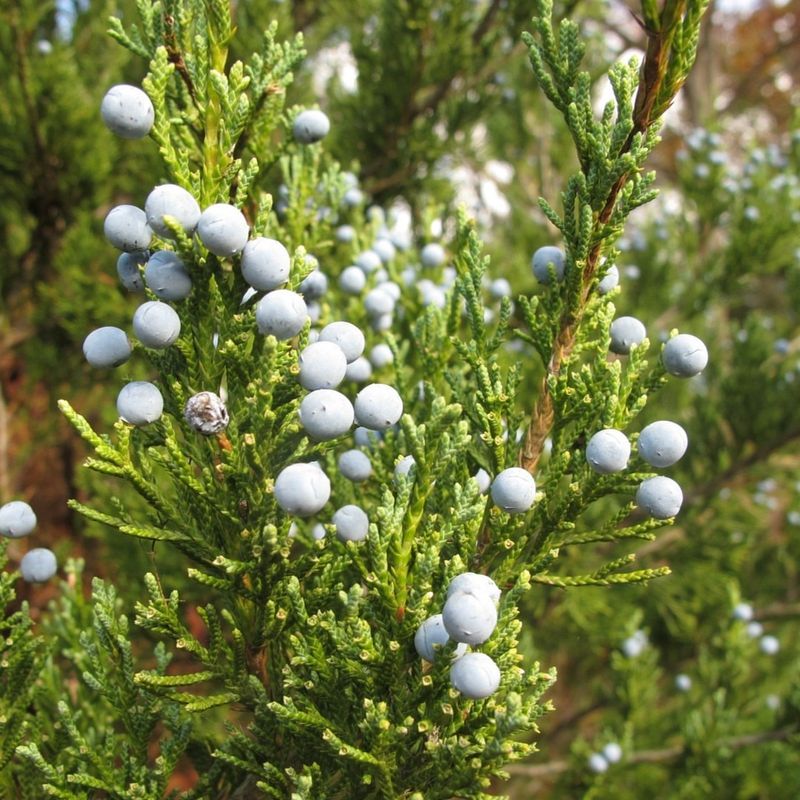
Slow growing and resilient, this evergreen species provides dependable year round shelter for wildlife across Michigan landscapes.
Despite its common name, it is actually a juniper and thrives in dry soils, dunes, and shoreline habitats.
In sensitive coastal regions of Michigan, especially near dune systems, removal of mature specimens may violate shoreline protection and environmental preservation laws.
Their root systems help stabilize sandy soils, reducing erosion and protecting fragile lakefront ecosystems.
Dense foliage offers winter refuge for birds during harsh seasonal storms, making them especially valuable in exposed areas.
Because dune environments are carefully regulated, property owners along Michigan’s lakeshores should consult environmental authorities before considering removal. Regulations often aim to preserve vegetation that supports long term shoreline stability.
Protecting these evergreens contributes to erosion control, habitat preservation, and the overall health of coastal ecosystems.
Responsible stewardship ensures Michigan’s shoreline landscapes remain stable, diverse, and environmentally balanced.
8. Tamarack (American Larch)
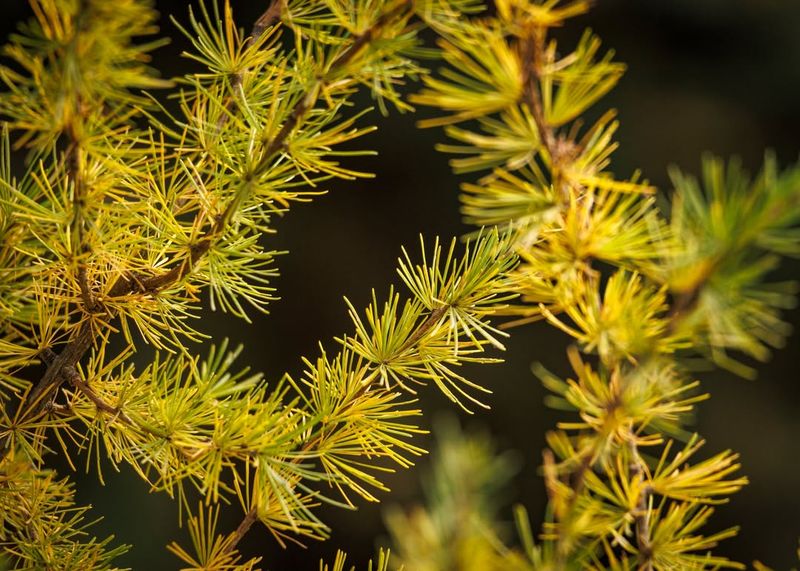
Standing out among conifers, this unique tree sheds its needles each fall before regrowing fresh green foliage in spring.
It thrives in Michigan’s northern bogs and wetlands, where few other trees can tolerate saturated soil conditions.
Because of its role in stabilizing peat soils and protecting water quality, removal in designated wetlands often requires environmental review.
Unauthorized cutting in regulated zones can result in fines and may even trigger federal oversight under wetland protection statutes.
Root systems help prevent soil degradation and maintain the delicate balance of bog ecosystems.
Property owners should confirm wetland boundaries and consult environmental agencies before making changes to land that contains these trees.
Careful permitting ensures compliance with Michigan’s environmental laws while preserving fragile habitats.
Maintaining healthy wetland forests supports biodiversity and safeguards water resources throughout the region.
Responsible management helps ensure these distinctive trees continue thriving in Michigan’s northern landscapes.
9. Butternut (White Walnut)
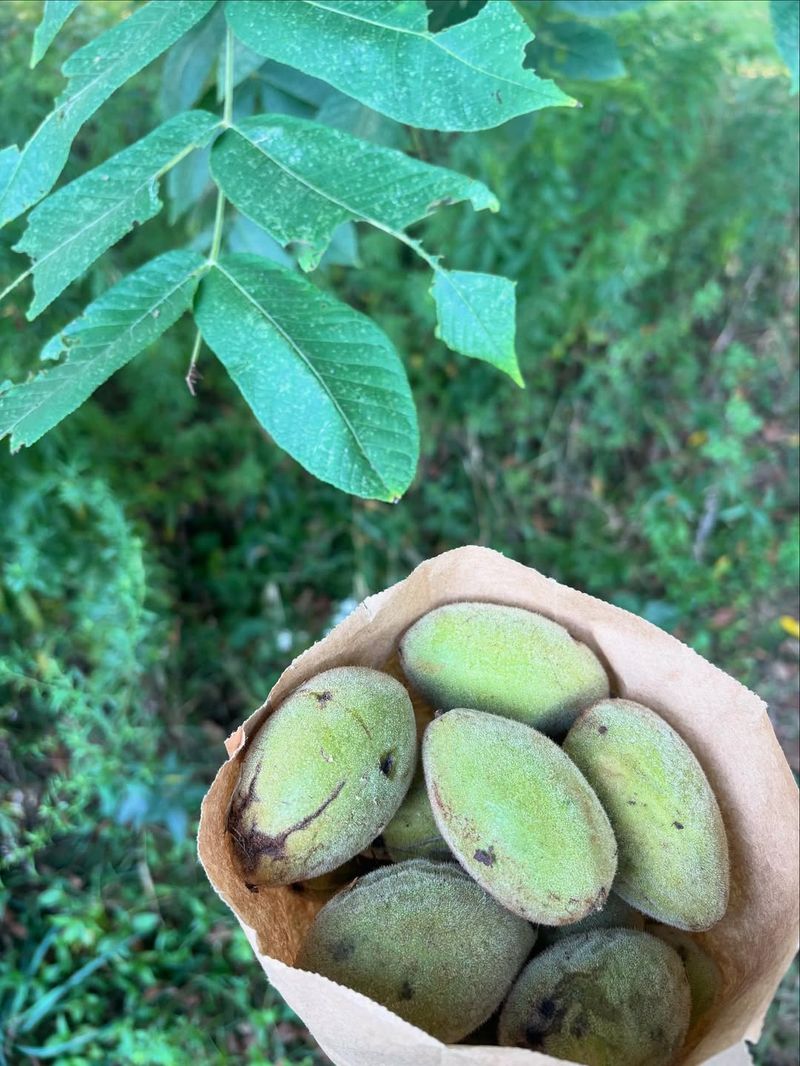
Declining rapidly due to butternut canker disease, this native walnut species now receives heightened protection across Michigan.
Remaining healthy specimens are considered especially valuable for conservation and research efforts aimed at preserving genetic diversity.
Cutting one without proper authorization may violate endangered species protection laws and could lead to serious legal consequences.
Historically, its rich nuts served as an important food source for Native Americans and early settlers throughout the region.
Because populations have decreased significantly, conservation programs often encourage reporting healthy trees for registry and monitoring.
Property owners should contact environmental authorities before planning any removal. Proper identification and assessment are essential, since similar walnut species can be confused with this threatened tree.
Preserving these remaining individuals supports restoration efforts and helps maintain Michigan’s native forest diversity.
Thoughtful compliance with regulations ensures this once common tree continues to have a place in the state’s natural heritage.
10. Paper Birch
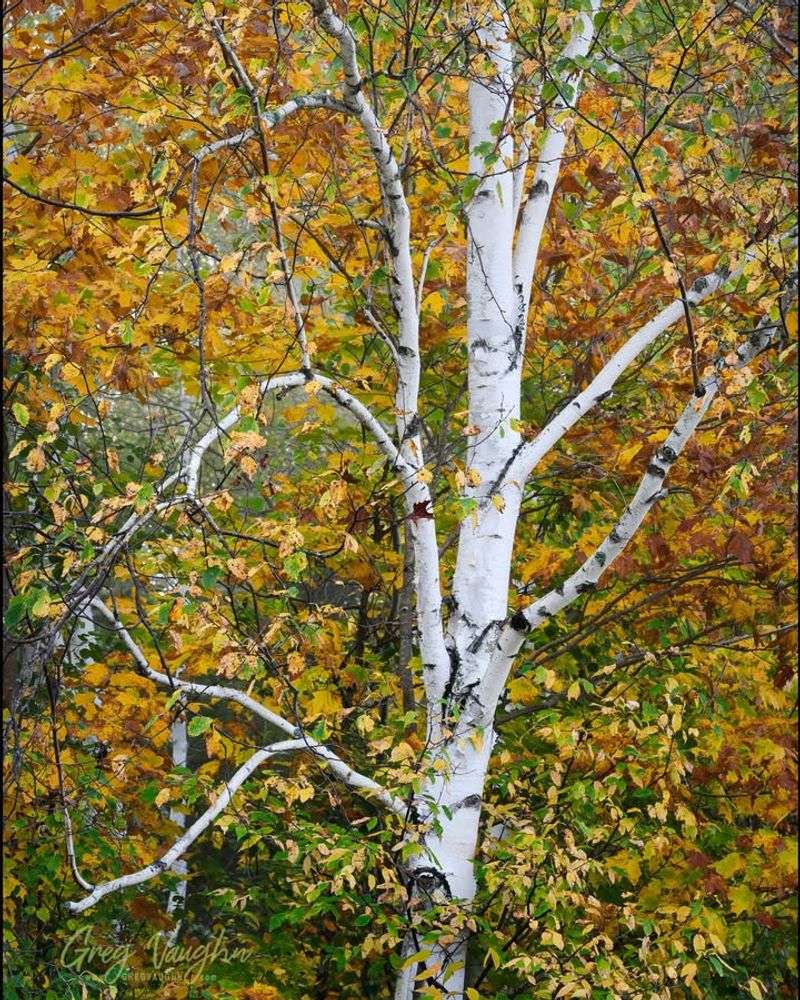
Bright white bark and delicate leaves make this tree one of the most recognizable features of northern Michigan forests.
Often associated with scenic woodlands and lakefront landscapes, it holds strong visual and cultural value across the state.
Although not universally protected, many Michigan municipalities enforce local ordinances that restrict removal of mature specimens, especially in urban or historic districts.
In some neighborhoods, permits or replacement plantings may be required before cutting.
These trees enhance property aesthetics and contribute to community character, making them highly valued in residential areas.
Historically, the bark was used by Native American communities for canoes and shelters, adding cultural depth to its environmental importance.
Homeowners should consult city forestry departments and review homeowner association rules before scheduling removal.
Regulations vary widely throughout Michigan, and penalties for noncompliance can include fines or mandated replanting.
Responsible management helps preserve the distinctive charm and ecological contribution these iconic trees bring to Michigan landscapes.