Trees In South Carolina That May Cause Fines If You Don’t Remove Them
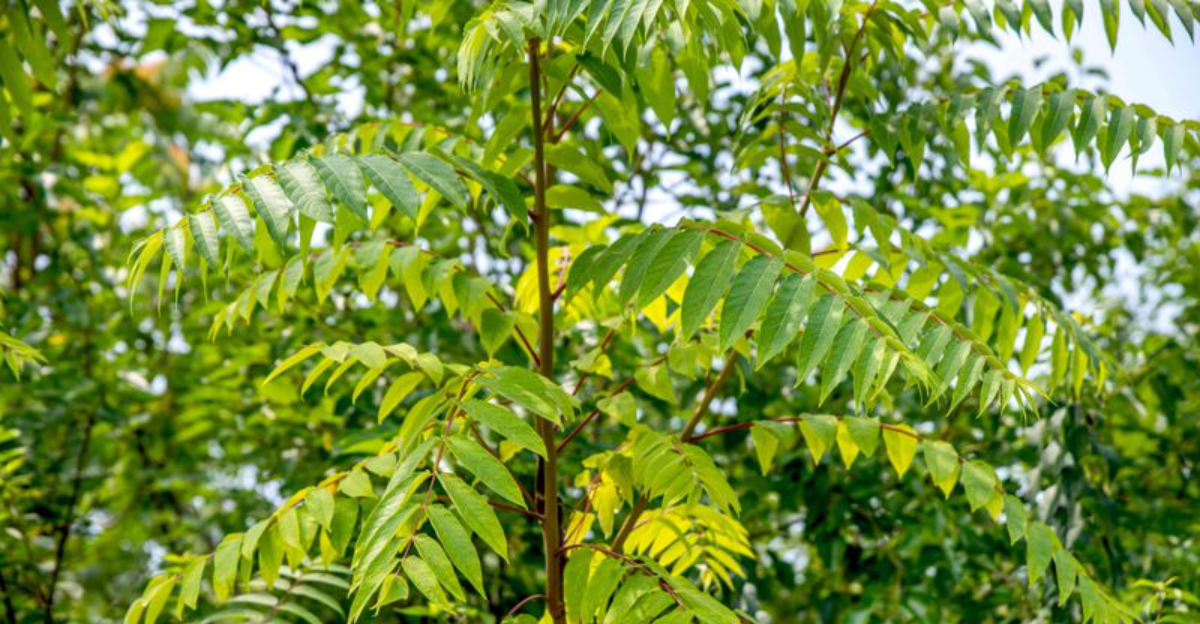
In South Carolina certain trees can become costly headaches if they’re left standing after causing damage or posing safety risks.
Local rules are surprisingly specific about when a tree becomes your responsibility, and ignoring them can lead to fines that leave you wishing you’d taken action sooner.
Understanding which trees are on the watch list can save you stress, money, and a scramble with city officials later on.
1. Bradford Pear
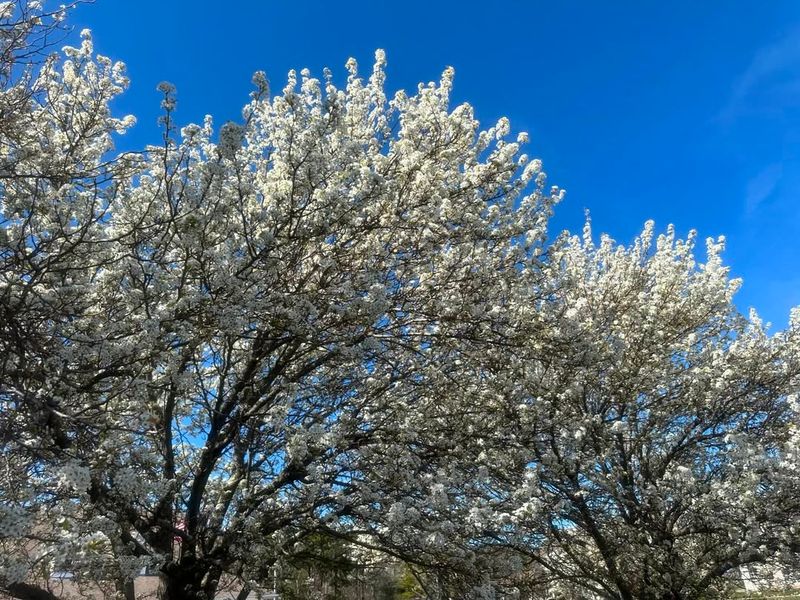
Bradford pear trees spread fast in South Carolina because birds eat the fruit and drop seeds far from the original tree, letting new growth pop up in nearby yards and empty land.
Many South Carolina towns consider Bradford pears invasive, and homeowners may be told to remove them once they start spreading into shared spaces or natural areas.
The branches on Bradford pear trees are weak and often split during storms, which can damage cars, sidewalks, fences, and even nearby homes.
When fallen limbs block sidewalks, roads, or drainage areas, local officials may treat the tree as a safety problem that needs to be removed.
Homeowners associations often require removal because the tree drops seedlings everywhere and creates ongoing maintenance issues for neighbors.
Bradford pears crowd out native trees, which is why they are discouraged near parks, wetlands, and protected green spaces.
If a homeowner ignores a written notice to deal with a problem Bradford pear, fines or forced removal can sometimes follow.
Many South Carolina homeowners replace Bradford pears with native flowering trees to avoid future complaints, storm damage, and repeated enforcement issues.
2. Chinese Tallow Tree
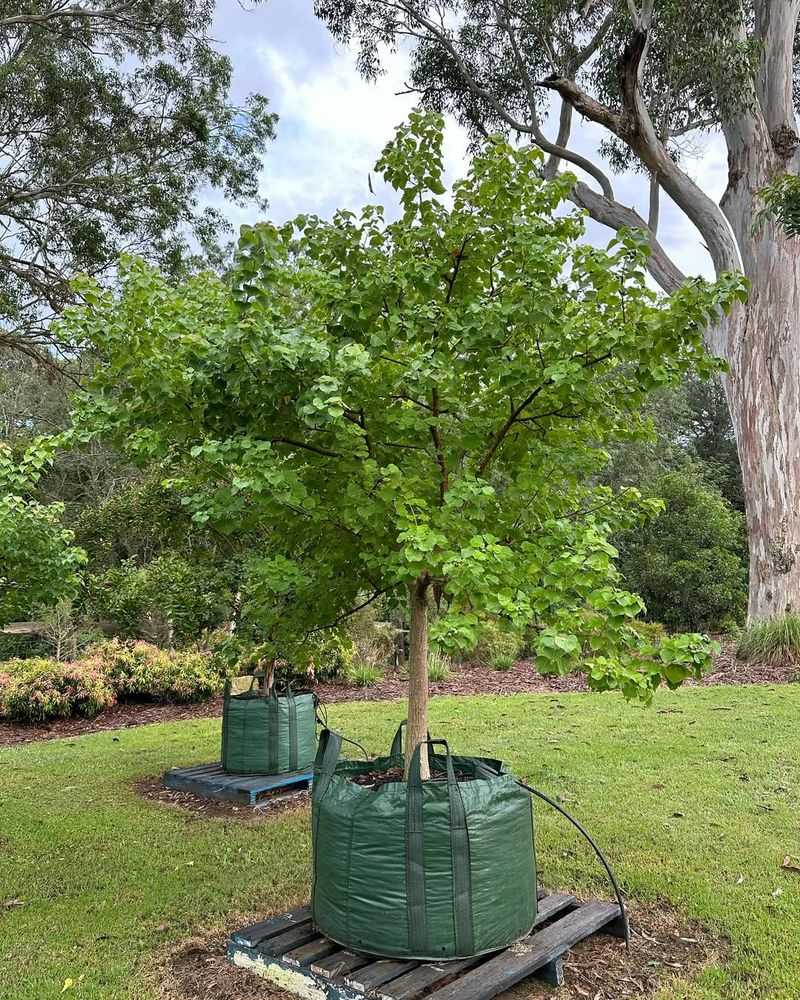
Chinese tallow trees spread quickly across South Carolina because their seeds travel easily by birds and water, allowing new trees to appear far beyond the original planting area.
Many local governments consider Chinese tallow invasive, and homeowners may be asked to remove it once it starts spreading into nearby yards, ditches, or undeveloped land.
The tree grows fast and crowds out native plants, which can cause problems in neighborhoods near wetlands, creeks, or protected natural spaces.
Chinese tallow roots can damage sidewalks, driveways, and underground utilities, leading to complaints and inspections when cracks or lifting start to appear.
During storms, mature Chinese tallow trees may drop large limbs, creating safety risks that often bring warnings or removal notices from local officials.
Some homeowner associations require removal because the tree drops heavy seed clusters that create mess, attract pests, and spread seedlings into shared areas.
When a Chinese tallow tree is labeled a nuisance or safety issue, ignoring official notices can sometimes lead to fines or removal costs charged to the homeowner.
Many South Carolina residents choose native shade trees instead, since replacing Chinese tallow early helps avoid repeated problems and unwanted attention from local enforcement.
3. Tree Of Heaven
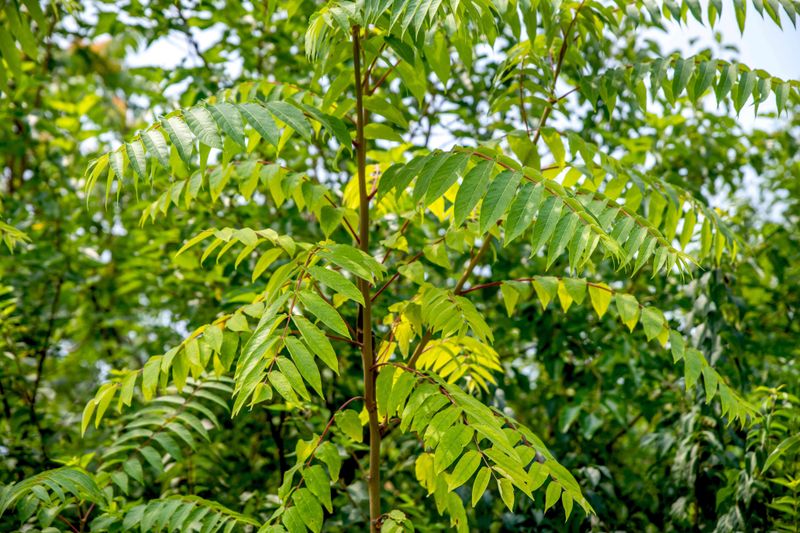
This fast-growing tree spreads quickly across South Carolina because its seeds travel long distances by wind, allowing new growth to appear far beyond where it was first planted.
Once established, it releases chemicals into the soil that make it harder for nearby plants and trees to survive, slowly taking over entire areas.
It often shows up along fences, sidewalks, and foundations, where aggressive roots can push through cracks and cause damage over time.
Even when cut down, new shoots frequently grow back from the roots, making removal frustrating and allowing the problem to return again and again.
The wood is weak and brittle, so branches can snap during storms, creating safety concerns near homes, parked cars, and busy streets.
Its presence is closely linked to spotted lanternflies, an invasive insect that has increased pressure to control and remove this tree in many regions.
When it spreads into neighboring properties or public spaces, it is often labeled a nuisance, which can lead to warnings or removal notices.
Many homeowners choose native replacements because early removal helps prevent repeat growth, pest problems, and unwanted attention from local officials.
4. Mimosa Tree
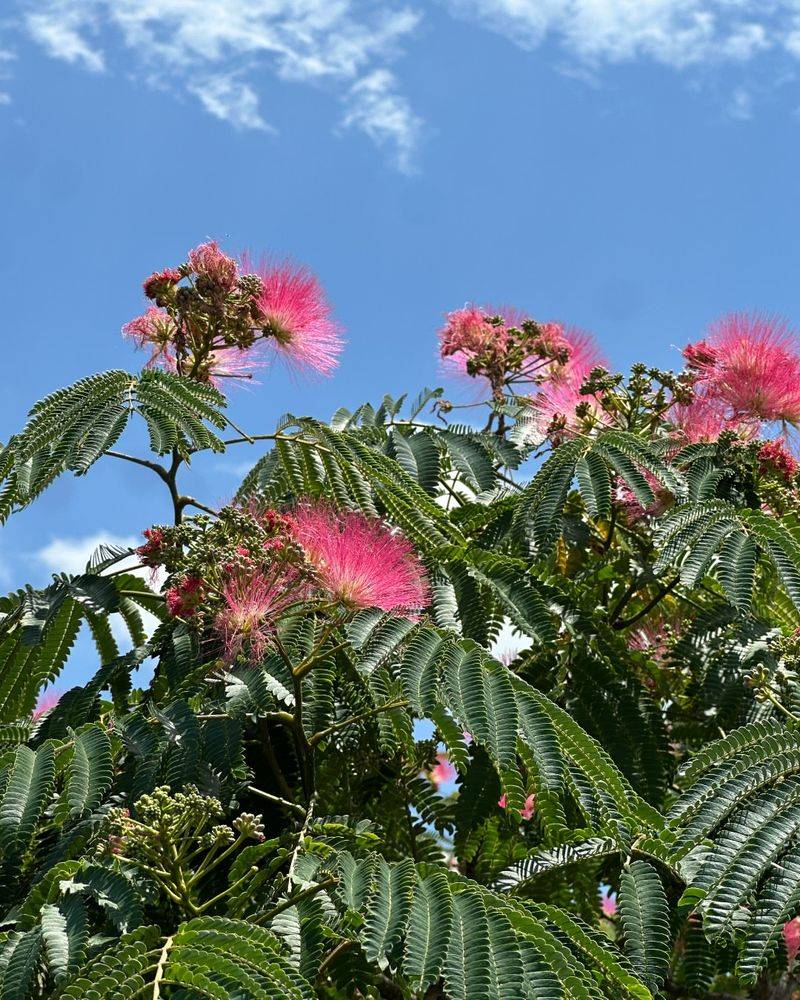
Fast growth allows seeds to spread quickly across South Carolina, so new plants often appear in yards, along roads, and near empty lots without warning.
Soft wood makes branches easy to break, and strong storms regularly cause limb failure that can damage cars, fences, or nearby structures.
Shallow roots reduce stability, especially after heavy rain, which increases the chance of leaning or sudden uprooting as the tree matures.
Clusters often form near property lines, creating issues when growth crosses into neighboring yards or shared spaces.
Bright flowers attract attention at first, but the short lifespan means decline starts early, leaving behind weak structure and constant mess.
Heavy seed pods drop every season, adding cleanup work and allowing new seedlings to spread throughout the landscape.
Interference with sidewalks, utilities, or drainage areas can lead to complaints and nuisance classifications by local officials or associations.
Many homeowners choose removal and replacement with native trees to avoid repeated damage, cleanup headaches, and possible enforcement problems.
5. Chinaberry Tree
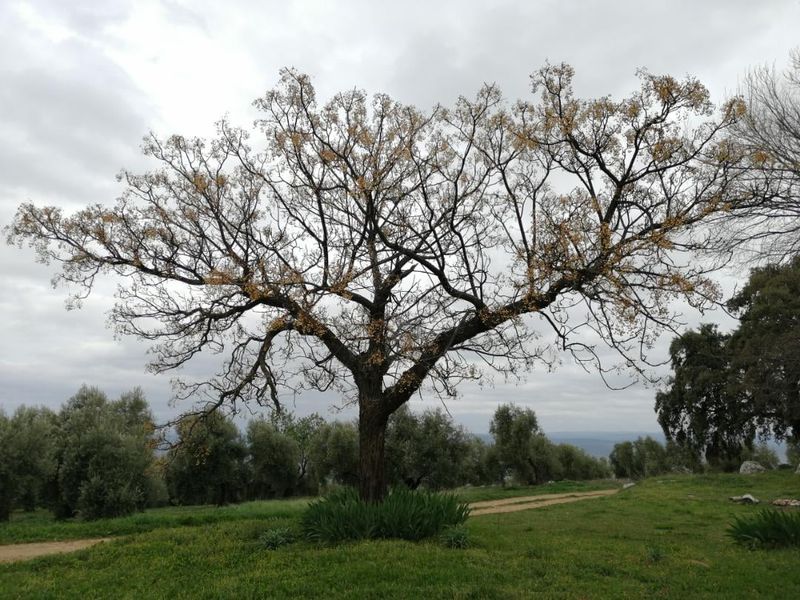
Fast seed spread allows new growth to pop up far from the original planting, often appearing in yards, ditches, and nearby open land across South Carolina.
Clusters of fruit attract birds, which carry seeds into neighboring properties and shared spaces, making control difficult once the tree becomes established.
Fallen berries can be toxic to pets and livestock, raising concerns that sometimes trigger complaints or requests for removal.
Weak wood increases the chance of broken limbs during storms, creating safety risks near homes, driveways, and sidewalks.
Messy fruit drop stains pavement and lawn areas, adding cleanup work that many homeowners and associations try to avoid.
Rapid growth can crowd out native plants, especially near natural areas, where spread is often discouraged or flagged.
When branches or seedlings interfere with utilities, drainage, or public paths, officials may label the situation a nuisance and issue notices.
Many homeowners replace chinaberry with native trees to reduce hazards, limit spread, and avoid repeat warnings or enforcement issues.
6. Chinese Parasol Tree
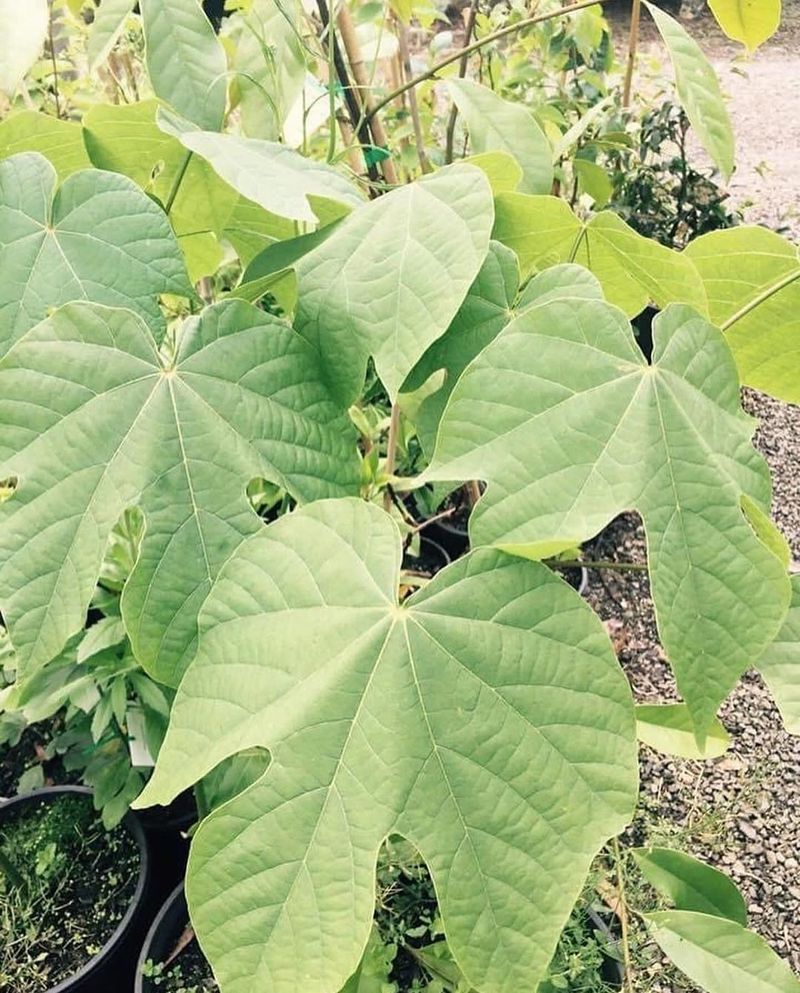
Large leaves and fast growth allow it to spread quickly, especially in warm South Carolina climates where seedlings establish with little effort.
Dropped seed pods often roll into nearby yards and open spaces, leading to unexpected new growth beyond the original planting area.
Wide surface roots can lift sidewalks and crack driveways over time, creating maintenance problems that draw complaints.
Dense shade underneath limits grass and other plants, leaving bare soil that can wash away during heavy rain.
Branches grow thick but brittle, making storm damage more likely near homes, parked cars, and walkways.
Messy leaf drop clogs drains and gutters, adding cleanup work that many homeowners and associations try to avoid.
When spread interferes with shared spaces or public areas, the situation may be labeled a nuisance and trigger removal requests.
Many residents choose removal early and replace it with native shade trees to prevent damage, spread, and future enforcement issues.
7. Chinese Elm
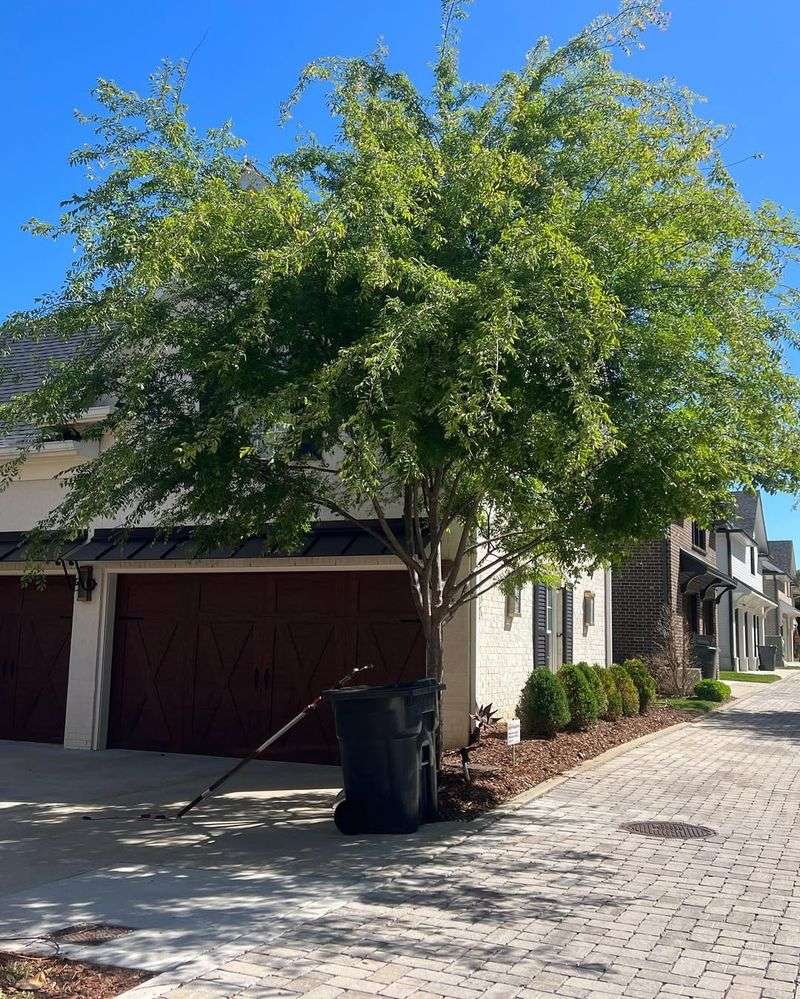
Fast growth allows seedlings to spread quickly across South Carolina, especially when birds drop seeds into lawns, fence lines, and unmanaged corners of residential properties.
As the canopy thickens, heavy shade forms underneath, which slowly kills grass and smaller plants, leaving bare soil that looks messy and washes away easily during rain.
Roots tend to grow wide and close to the surface, and over time they can lift sidewalks, crack older driveways, and interfere with underground lines.
Leaf drop happens frequently instead of once a year, creating steady cleanup work that surprises many homeowners who expected a low-maintenance shade tree.
Branches grow unevenly and quickly, which increases the chance of breakage during storms or strong winds common in many parts of the state.
Growth near property lines often causes problems when limbs extend into neighboring yards or roots begin spreading beyond boundaries.
When the tree starts blocking walkways, damaging pavement, or interfering with utilities, it may be labeled a nuisance by local officials or associations.
Many homeowners remove Chinese elm early and replace it with native alternatives to avoid repeated maintenance issues, complaints, and possible enforcement notices.
8. Princess Tree
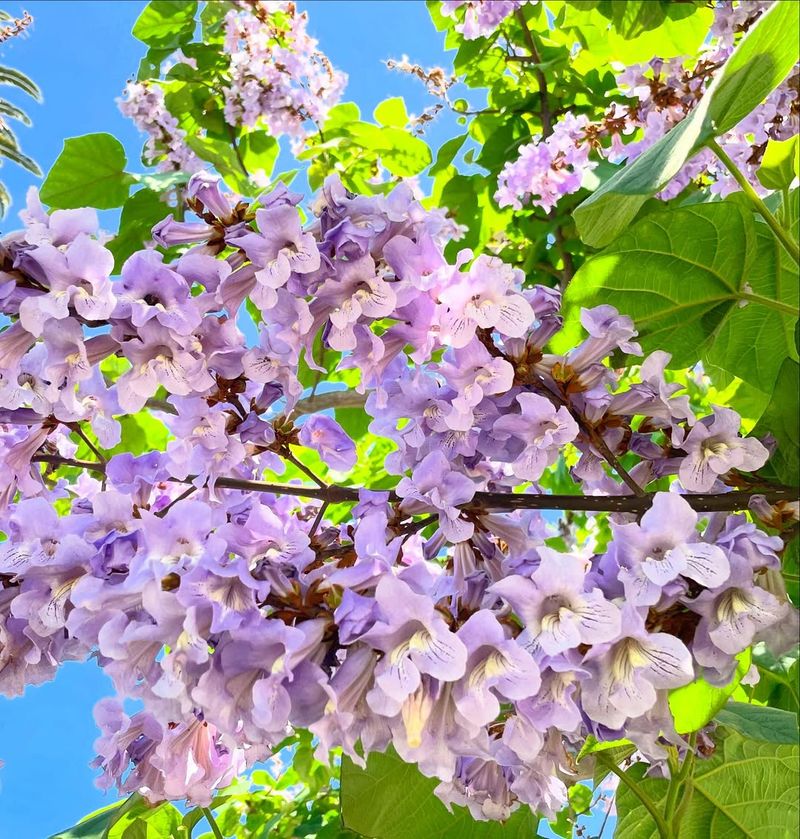
Rapid growth lets this tree shoot up much faster than most others, which often surprises homeowners when it starts towering over nearby roofs and power lines.
Large leaves create dense shade that blocks sunlight, making it hard for grass or smaller plants to survive underneath for long periods.
Seeds spread easily by wind, so new seedlings can appear far from the original planting, including neighboring yards and unmanaged areas.
Soft wood increases the risk of broken branches during storms, which can lead to fallen limbs near homes, cars, or sidewalks.
Shallow roots reduce stability, especially in wet soil, raising concerns about leaning or uprooting as the tree grows taller.
Messy leaf and seed drop adds constant cleanup work, which many homeowners and associations quickly grow tired of dealing with.
When growth interferes with utilities, shared spaces, or nearby properties, complaints can lead to nuisance notices or removal requests.
Many residents remove it early and choose native shade trees instead to avoid safety risks, fast spread, and ongoing enforcement issues.
9. Chinese Privet Tree
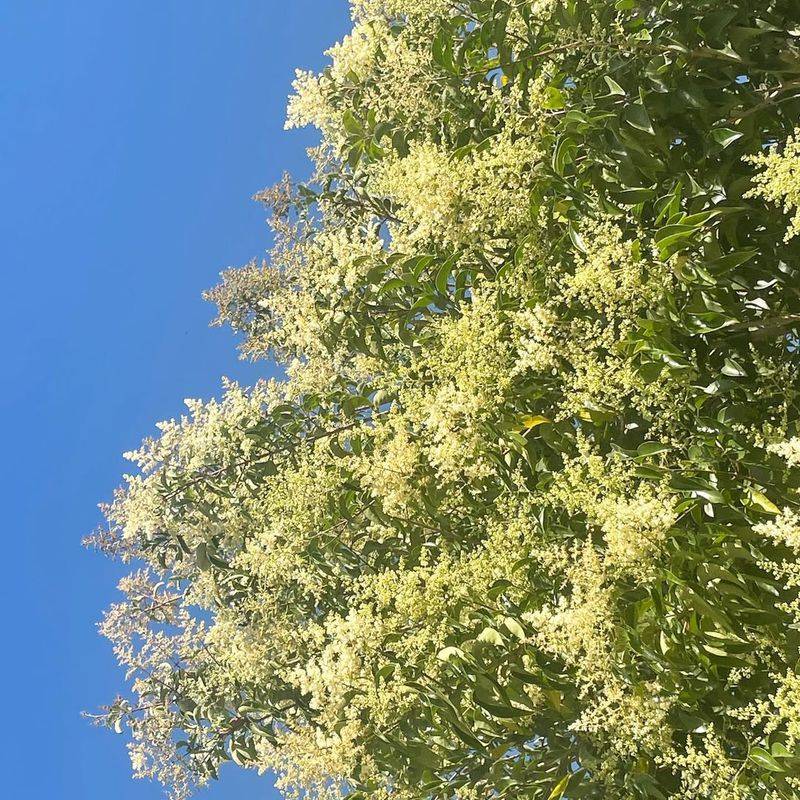
Fast-growing shoots allow it to spread quickly across South Carolina, especially when birds carry seeds into yards, fence lines, and nearby wooded areas.
Dense growth blocks sunlight from reaching the ground, which slowly kills grass and native plants and leaves large bare patches behind.
Roots form thick mats near the surface, making soil hard to manage and increasing runoff during heavy rain.
Clusters often expand beyond property lines, creating tension when growth creeps into neighboring yards or shared spaces.
Heavy leaf drop happens more than once a year, adding steady cleanup work that many homeowners do not expect.
Unchecked growth can clog drainage areas and crowd sidewalks, which often leads to complaints from neighbors or associations.
Once labeled invasive or a nuisance, removal requests may follow, especially near natural areas or maintained developments.
Many homeowners remove it early and switch to native shrubs or small trees to avoid spread, cleanup issues, and possible enforcement problems.