10 Trees North Carolina Homeowners Shouldn’t Plant Due To Toxicity
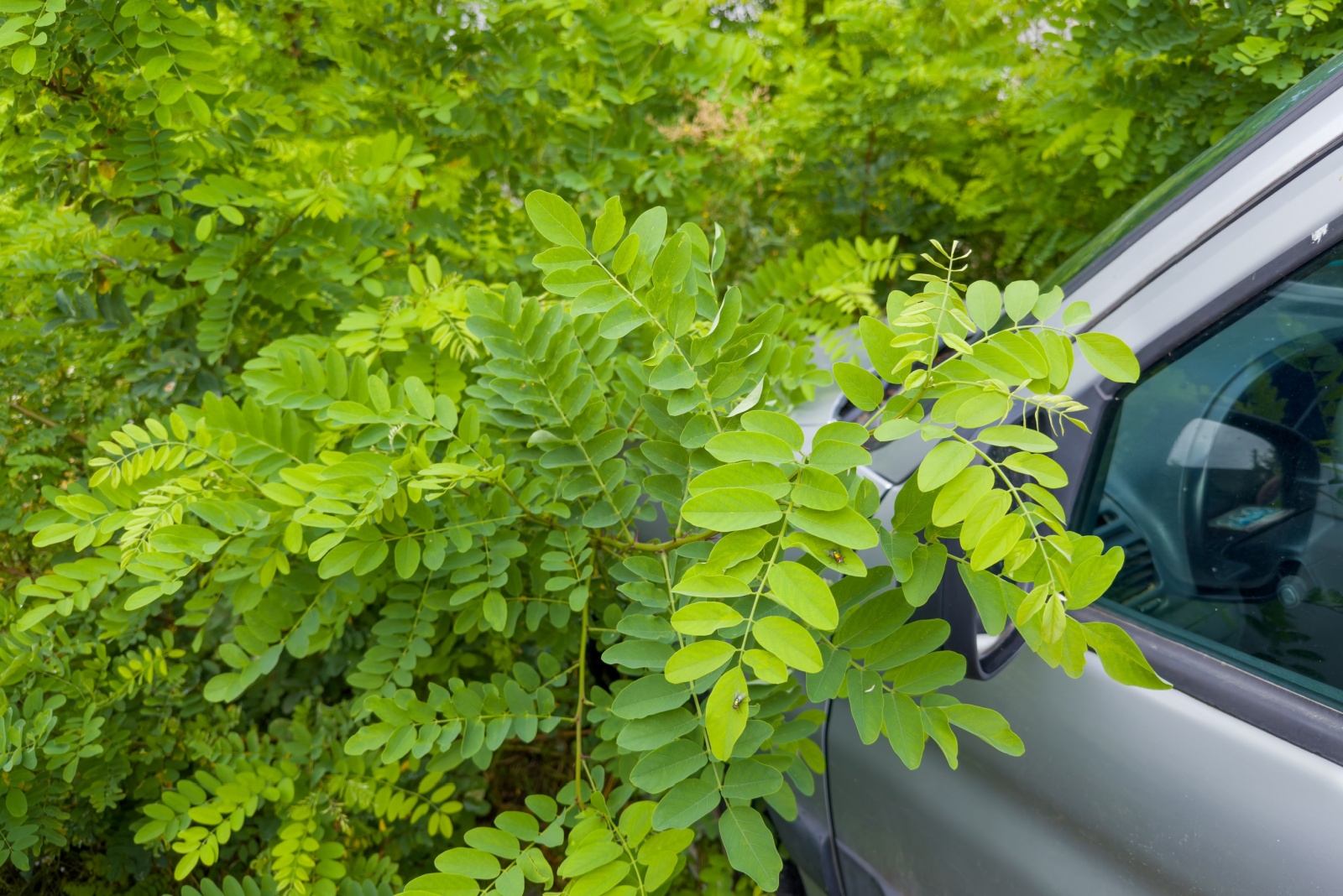
Planting trees around your home can beautify your yard and provide shade, but not all trees are safe for families and pets. Some popular trees contain harmful substances that can cause serious health problems if touched, eaten, or even just handled.
North Carolina homeowners need to know which trees pose risks so they can make smart choices for their property and keep everyone safe.
1. Black Walnut
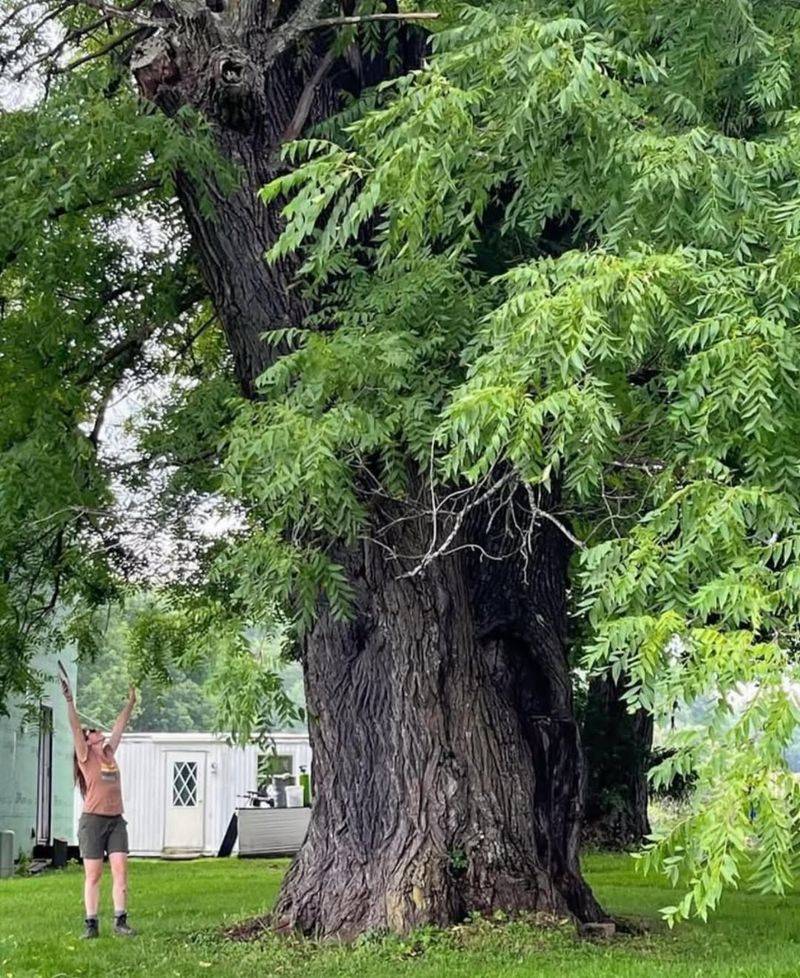
Black walnut trees might look majestic in your yard, but they release a chemical called juglone that harms nearby plants. This substance seeps into the soil from roots, leaves, and nuts, making it nearly impossible to grow gardens, tomatoes, or many flowers underneath.
Pets and horses can get sick from eating the nuts or hulls. The toxin affects their digestive systems and can cause serious discomfort requiring veterinary care.
Cleanup becomes a constant chore since fallen nuts create messy stains on driveways and patios that are tough to remove.
2. Chinaberry
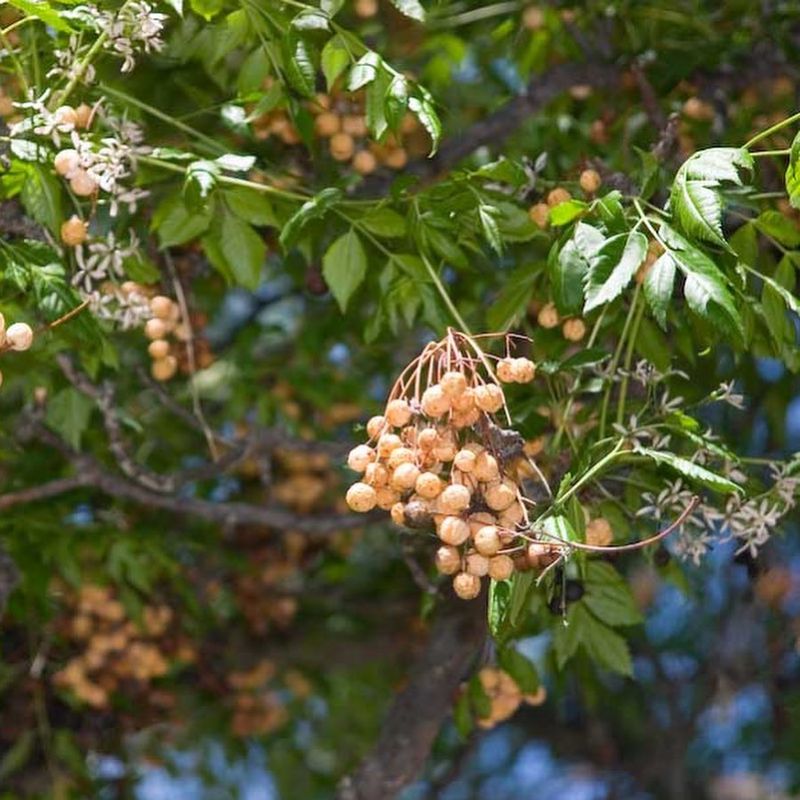
Those pretty yellow berries dangling from chinaberry branches might catch your eye, but they pack a dangerous punch. Children often mistake the attractive fruits for something edible, which can lead to stomach pain, vomiting, and worse symptoms.
Birds sometimes spread the seeds, causing these trees to pop up uninvited throughout your property. The entire tree contains toxic compounds, including the bark, leaves, and flowers, not just the berries.
Even small amounts can affect pets who explore your yard, making this ornamental tree more trouble than beauty.
3. Yew
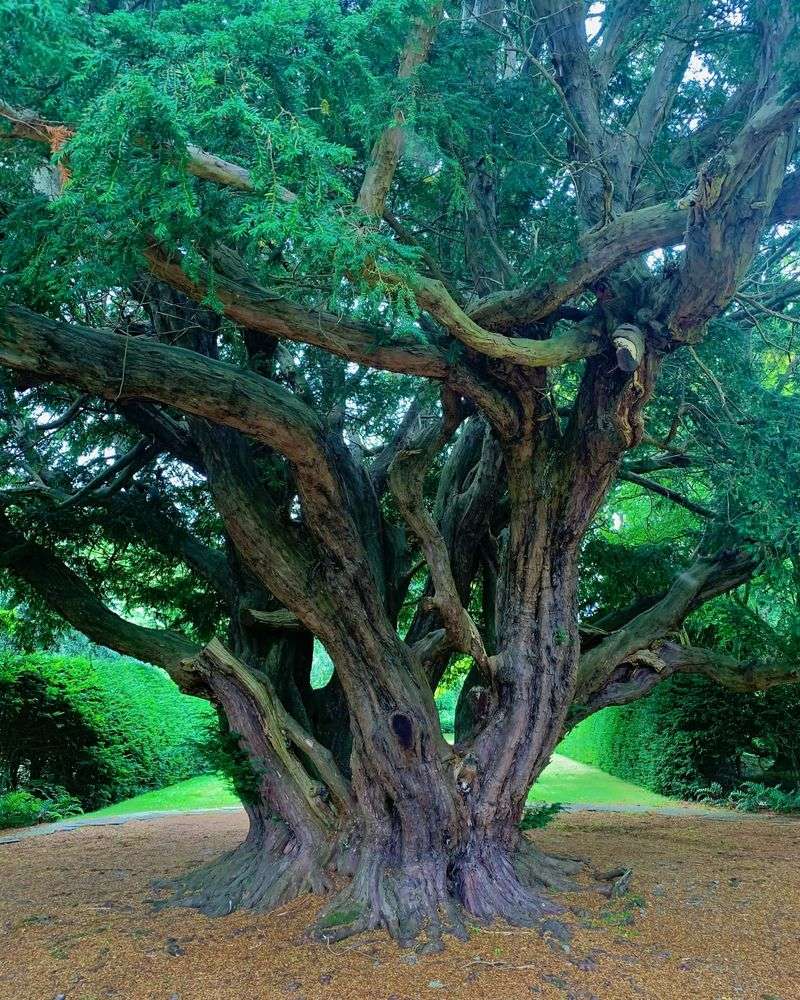
Yew trees have been prized for their evergreen foliage and ability to be shaped into hedges, but nearly every part contains dangerous alkaloids. Just a handful of needles or seeds can cause severe reactions in humans and animals alike.
The bright red berries look tempting to curious kids and pets wandering through your landscape. While the fleshy part is less harmful, the seed inside is extremely toxic and easy to swallow accidentally.
Landscapers often avoid these trees in family-friendly yards because the risk simply outweighs their ornamental value.
4. Oleander
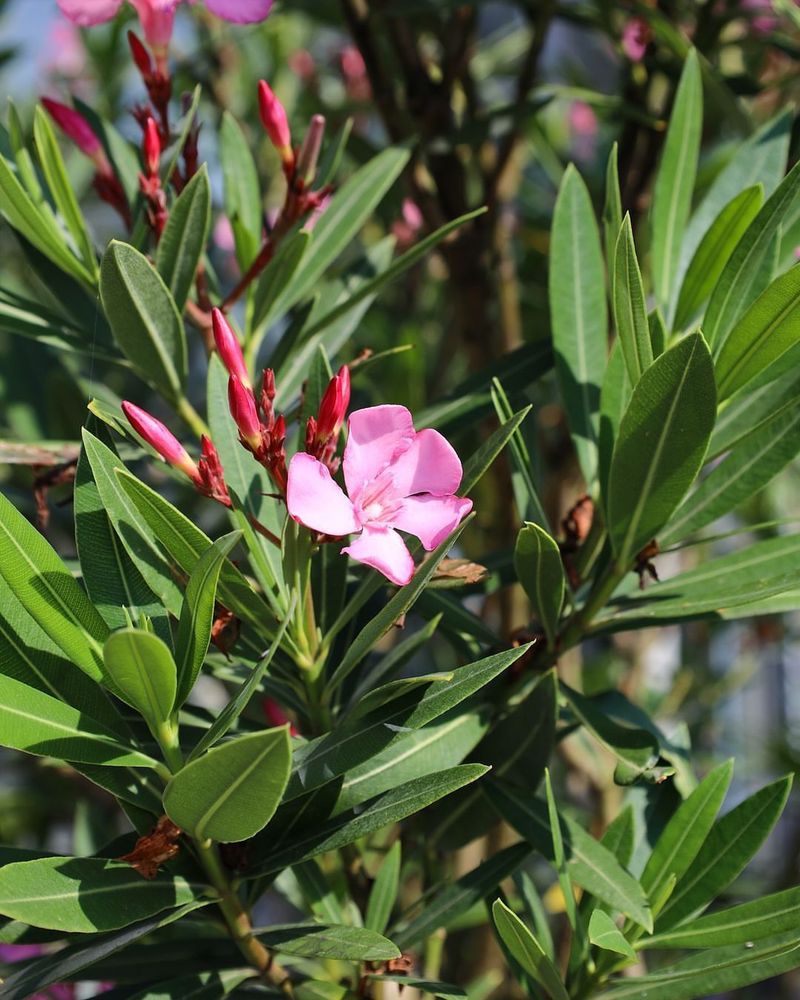
Oleander blooms burst with gorgeous pink, white, or red flowers that brighten any landscape, but beauty hides serious danger here. Every single part of this tree contains cardiac glycosides that affect heart function when ingested.
Even smoke from burning oleander branches can cause respiratory problems and other health issues. Gardeners who prune these trees without gloves sometimes experience skin irritation from the milky sap.
North Carolina animal control reports incidents involving pets who chewed on fallen leaves or flowers, making oleander a risky choice for homes with outdoor animals.
5. Kentucky Coffee Tree
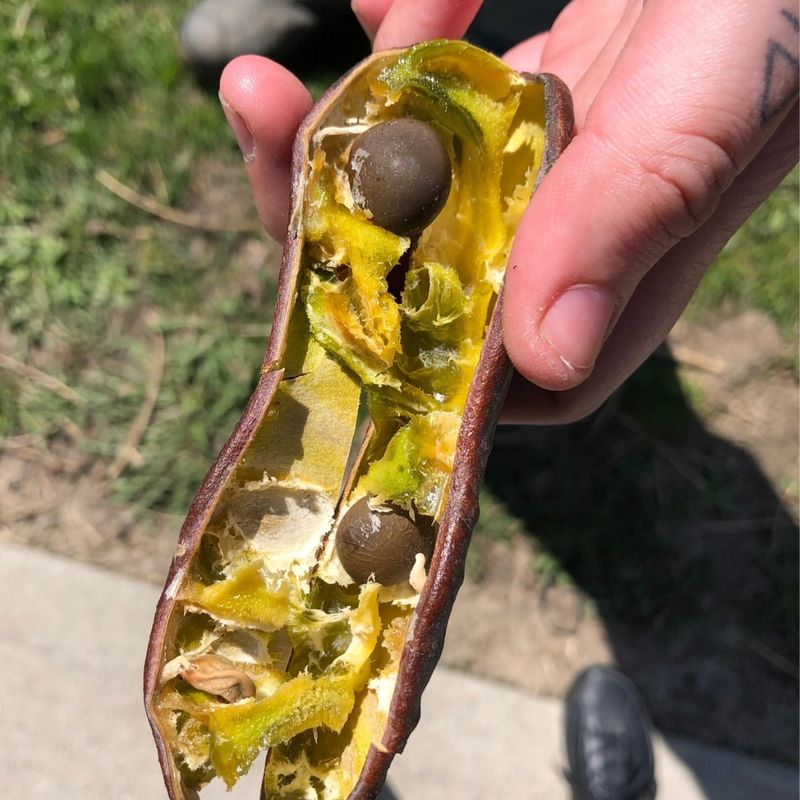
Despite its interesting name and attractive appearance, the Kentucky coffee tree produces seed pods containing harmful alkaloids. Raw seeds and pods can cause nausea, vomiting, and nervous system problems if consumed by humans or animals.
Historically, people roasted the seeds extensively to remove toxins before using them as a coffee substitute. Without proper preparation, though, these seeds remain dangerous and shouldn’t be anywhere near curious pets or children.
The large pods drop throughout autumn, creating cleanup challenges and constant worry about accidental ingestion by family members exploring the yard.
6. Golden Chain Tree
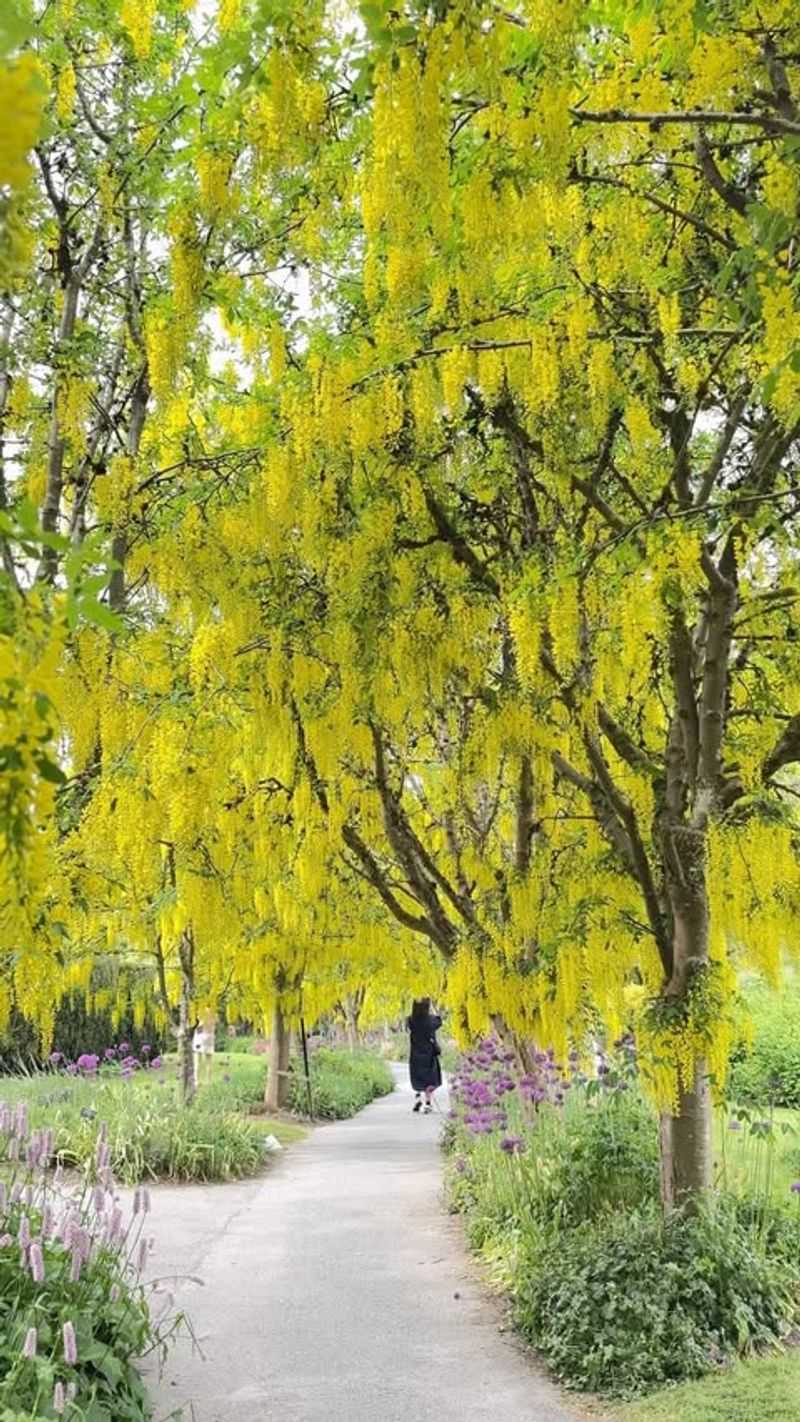
Golden chain trees dazzle with cascading yellow flower clusters that look like botanical waterfalls in spring. Underneath that stunning display lurks a serious problem: all parts contain cytisine, especially the seeds inside those decorative pods.
Children might pick the flowers or play with seed pods, not realizing the danger they hold. Symptoms from ingestion include confusion, convulsions, and severe stomach distress.
European gardeners have long known about laburnum toxicity, but North Carolina homeowners sometimes plant them without understanding the risks to their families and neighborhood pets.
7. Horse Chestnut
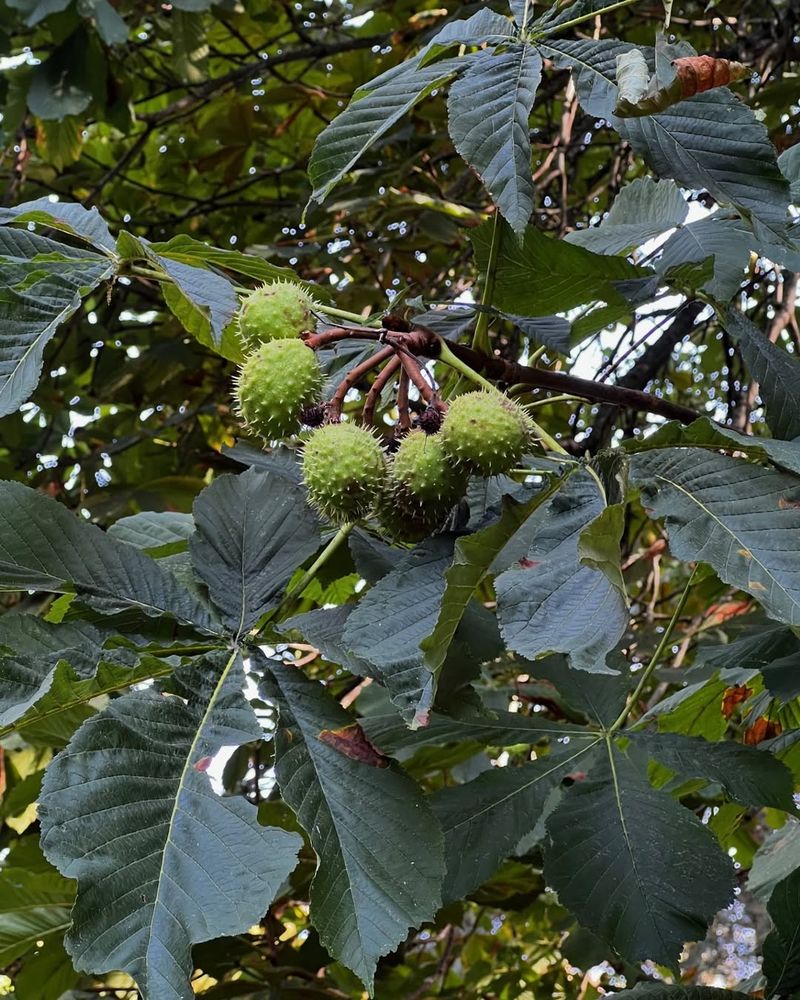
Horse chestnuts drop spiky capsules containing shiny brown nuts that look similar to edible chestnuts but are actually harmful. The seeds contain aesculin and other compounds that cause stomach upset, muscle twitching, and coordination problems.
Kids often collect these attractive nuts for crafts or play, not knowing they should avoid breaking them open or putting them near their mouths. The confusion with edible chestnuts creates additional risk.
Livestock and pets grazing near these trees have experienced serious health issues, making horse chestnuts unsuitable for properties where animals roam freely.
8. Manchineel
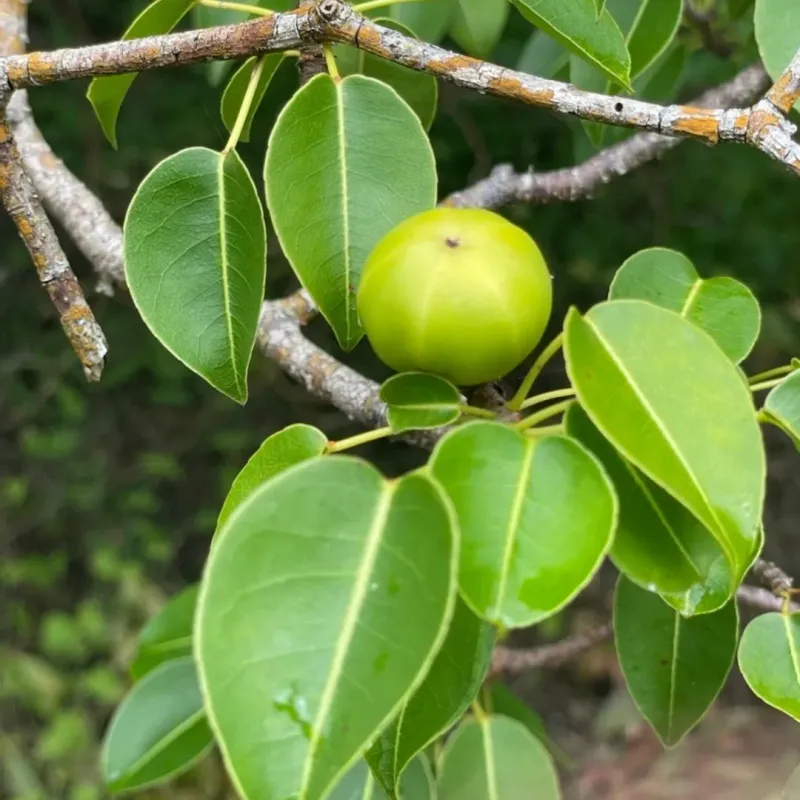
Known as one of the most dangerous trees in the world, manchineel rarely grows inland but occasionally appears along North Carolina’s coastal areas. The milky sap causes severe skin burns and blistering on contact, even from rainwater dripping off leaves.
Small apple-like fruits smell sweet but cause intense burning and swelling if tasted. Standing under this tree during rain can result in painful skin reactions from sap-contaminated water.
Smart homeowners avoid planting manchineel entirely, and coastal residents learn to identify and steer clear of existing specimens on their property.
9. Black Locust
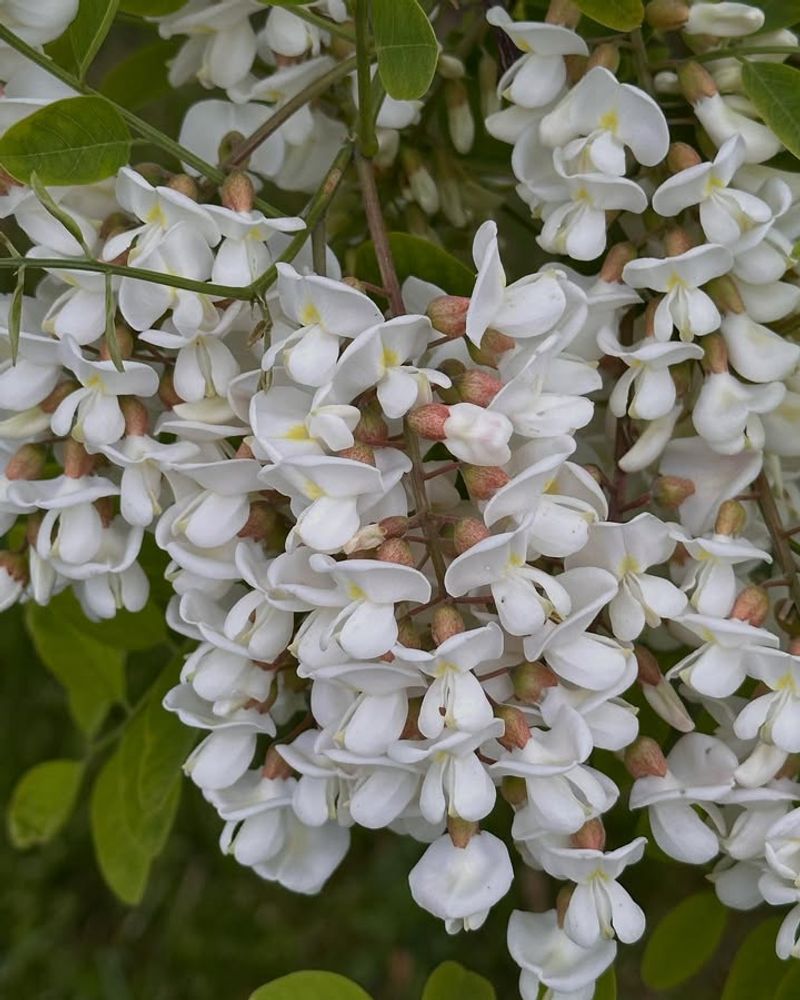
Black locust trees grow quickly and produce fragrant white flowers, but their bark, leaves, and seeds contain robin and phasin toxins. These compounds can cause weakness, irregular heartbeat, and digestive troubles in both humans and animals.
Horses are particularly vulnerable to black locust toxicity, experiencing serious reactions from chewing on bark or consuming leaves. Children playing with seed pods or peeling bark face similar risks.
The tree’s aggressive growth habit and toxic properties make it a poor choice for family properties, despite its ability to fix nitrogen and improve soil.
10. European Spindle Tree
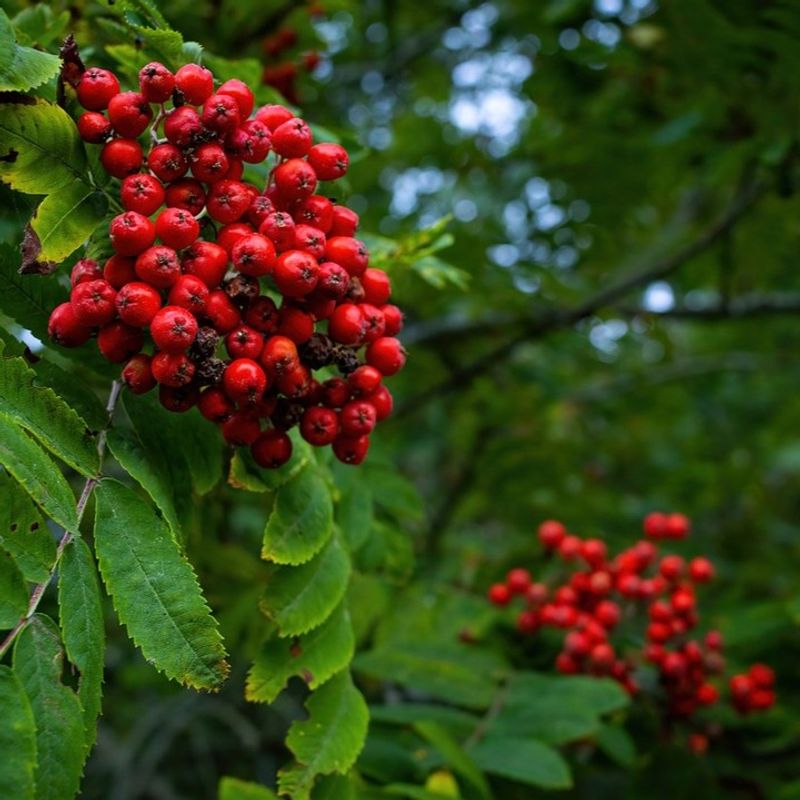
European spindle trees produce eye-catching pink capsules that split open to reveal bright orange seeds, creating a unique autumn display. Unfortunately, those colorful seeds and capsules contain cardenolides that affect heart function and cause severe digestive distress.
The unusual appearance attracts children who want to touch or collect the pretty pink fruits. Even small quantities can cause serious symptoms requiring medical attention.
Birds may eat the seeds without harm, but mammals including pets and humans react poorly, making this ornamental tree inappropriate for residential landscapes where safety matters most.