10 Trees Oregon Homeowners Should Remove To Avoid Costly Fines
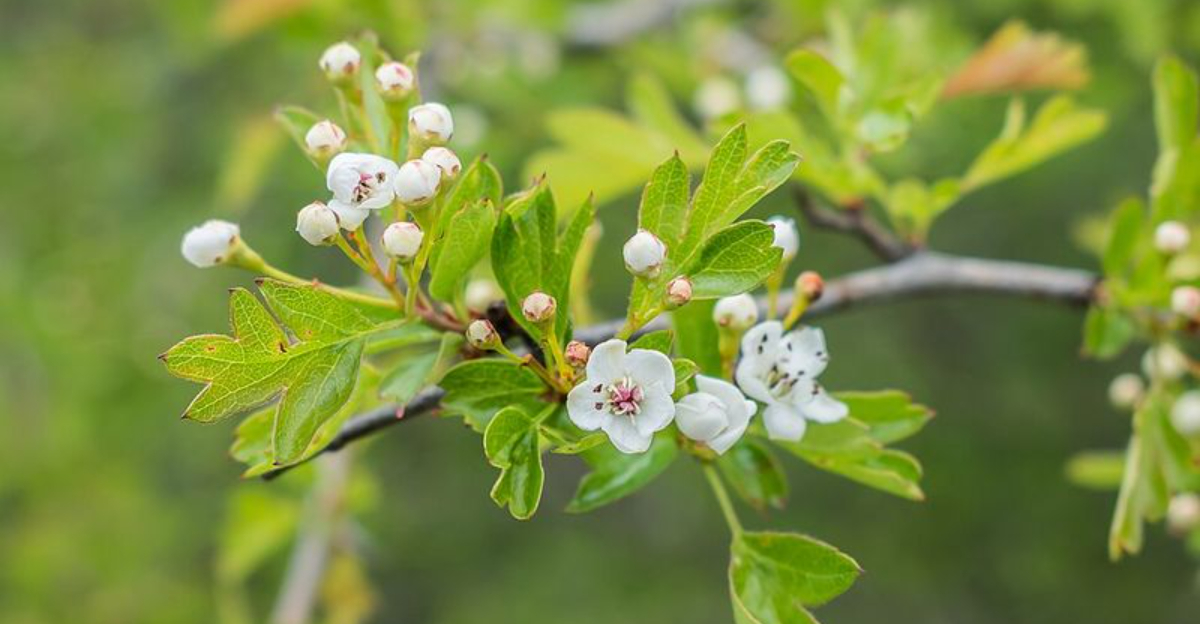
In Oregon, a beautiful tree can quickly turn into a costly liability if it violates local or state regulations.
Some species grow too aggressively, damage infrastructure, threaten native ecosystems, or create safety hazards that cities take seriously.
Homeowners are often surprised to learn that certain trees in their yards are restricted, discouraged, or outright illegal—and enforcement can come with hefty fines or mandatory removal orders.
What starts as a landscaping choice can end in unexpected expenses and legal headaches.
Staying aware of which trees raise red flags helps protect your property, your wallet, and Oregon’s delicate natural environment.
1. Tree Of Heaven
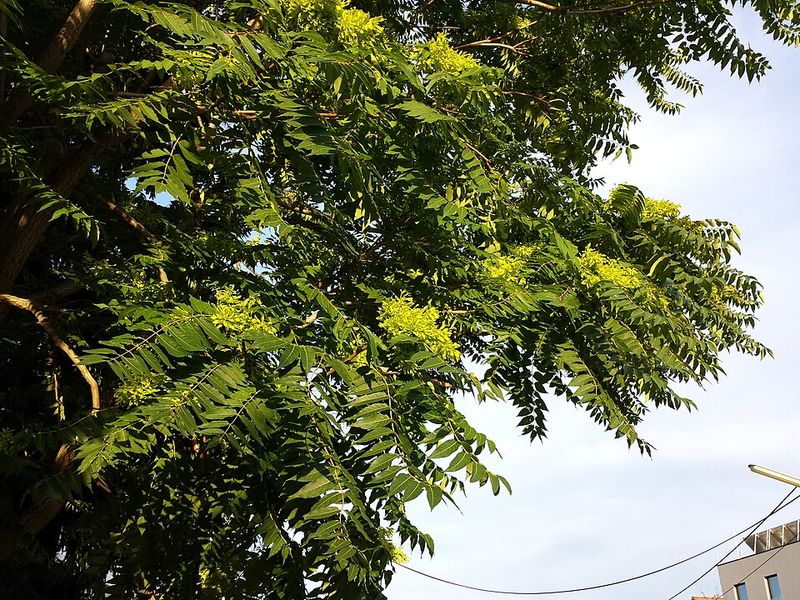
Originating from China, this aggressive invader quickly overtakes native vegetation and releases chemicals that prevent other plants from thriving in surrounding soil areas.
Property owners throughout Oregon counties have received citations for allowing this species to spread unchecked across their land and into neighboring properties or areas.
Its rapid growth rate means one small sapling can transform into a massive colony within just a few growing seasons if left unmanaged.
Roots produce numerous shoots that emerge far from the parent trunk, making complete eradication challenging without professional assistance and persistent follow-up treatments applied.
Many municipalities now require immediate removal upon identification because of documented ecological harm and the species ability to outcompete valuable native tree populations.
The distinctive smell of crushed leaves resembles rancid peanut butter, helping homeowners identify this troublesome species before it establishes deep root systems underground.
Fines for non-compliance can reach thousands of dollars depending on infestation severity and whether the trees have spread beyond your original property boundaries.
Professional arborists recommend cutting followed by herbicide application to stumps to prevent regrowth that would otherwise occur from aggressive underground root networks.
2. English Hawthorn
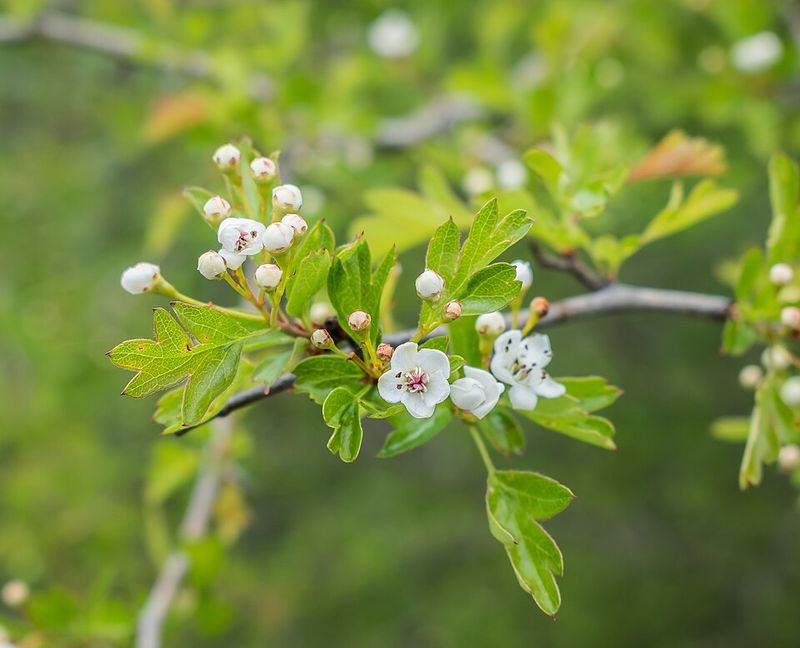
Brought to North America as an ornamental landscape feature, this thorny species now dominates grasslands and forest edges throughout western Oregon regions extensively.
Dense thickets form impenetrable barriers that crowd out native shrubs and grasses, reducing biodiversity and altering wildlife habitat quality in affected natural areas.
Birds consume the bright red berries and spread seeds across wide territories, leading to new infestations far from the original planting location continuously.
Some Oregon counties have designated this species as a nuisance requiring mandatory removal from private properties within specific timeframes to prevent further environmental spread.
Sharp thorns pose injury risks to children, pets, and wildlife, adding another concern beyond the ecological impacts that make this species particularly problematic statewide.
Removal involves cutting the entire tree and treating stumps with approved herbicides because this hardy species resprouts vigorously from any remaining root material.
Homeowners who ignore removal notices may face escalating fines and potential liens against their property until compliance is achieved through complete eradication efforts.
Replacing English Hawthorn with native alternatives like serviceberry provides similar aesthetic appeal without the invasive characteristics that cause regulatory and environmental problems.
3. Italian Alder
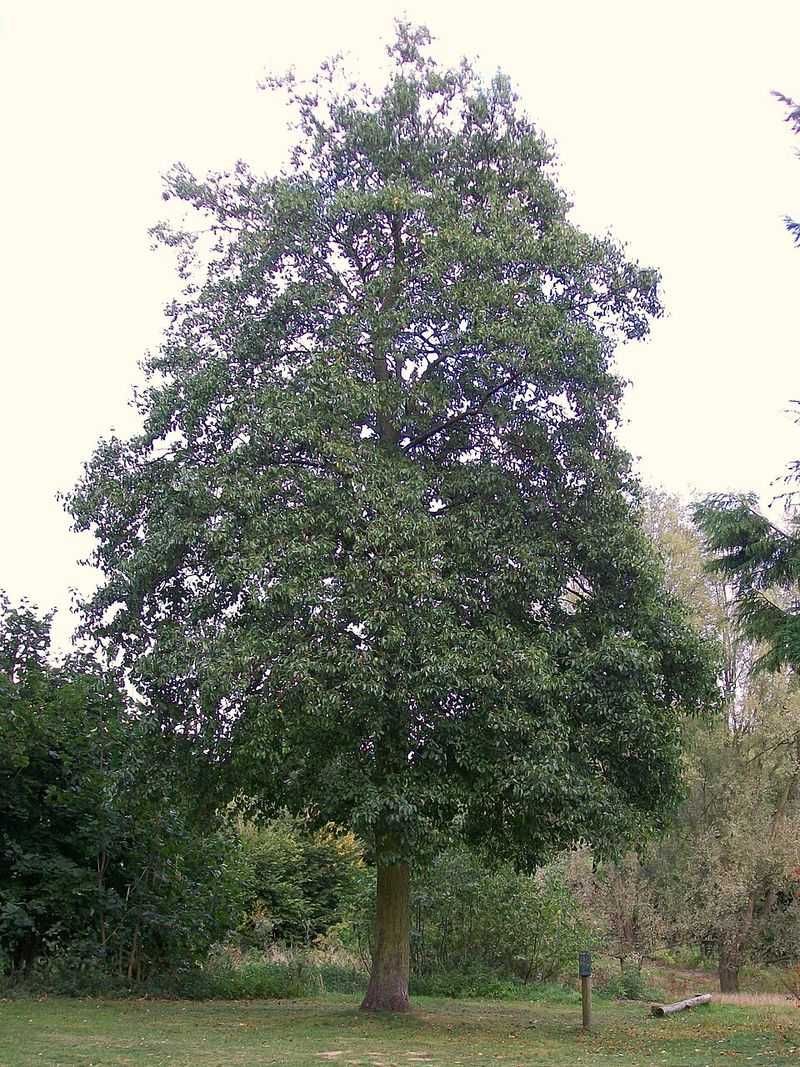
This European import thrives near streams and wetlands where it forms dense stands that displace native willows, cottonwoods, and other crucial riparian vegetation.
Nitrogen-fixing roots alter soil chemistry in ways that favor invasive plants over native species, fundamentally changing ecosystem function in sensitive waterway corridors throughout Oregon.
Prolific seed production allows rapid colonization of disturbed areas, and young trees establish quickly in moist soils where they outcompete slower-growing native alternatives.
Many watershed councils and county regulations now mandate Italian Alder removal from properties adjacent to streams, rivers, and wetlands to protect water quality standards.
Failure to comply with riparian zone management requirements can result in substantial fines and mandatory restoration work at the homeowner expense and oversight.
The species grows rapidly, reaching significant heights within a few years, making early identification and removal far easier and less expensive than mature specimens.
Cutting alone proves ineffective because stumps resprout readily, requiring chemical treatment or complete root removal to prevent regrowth from underground portions that remain viable.
Native red alder provides similar aesthetic qualities and ecological benefits without the invasive tendencies that make Italian Alder problematic in Oregon waterway environments.
4. Black Locust
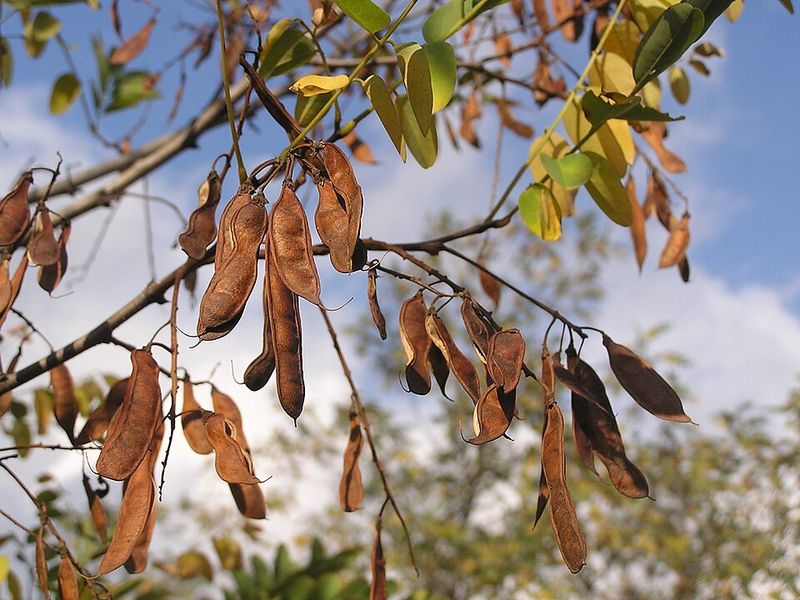
Introduced for timber and erosion control, this aggressive spreader now invades prairies, oak woodlands, and disturbed sites across Oregon with remarkable persistence and vigor.
Underground root systems send up shoots many feet from the parent tree, creating expanding colonies that displace native vegetation and alter habitat structure significantly.
Sharp thorns on branches and young shoots present hazards to people and animals, particularly in yards where children play or pets roam freely outdoors.
Some Oregon jurisdictions classify Black Locust as a noxious weed requiring property owners to implement control measures or face penalties for allowing unchecked spread.
The species fixes nitrogen in soil, changing nutrient levels in ways that favor invasive grasses and weeds over native wildflowers and other desirable plant communities.
Removal requires persistent effort because cutting stimulates root suckering, and new shoots emerge rapidly from the extensive underground network that remains after cutting.
Herbicide application to cut stumps or foliar spraying of regrowth provides the most effective control, though multiple treatments over several seasons may prove necessary.
Fines for non-compliance vary by county but can accumulate quickly if homeowners delay addressing infestations that spread beyond their property lines into protected areas.
5. Norway Maple
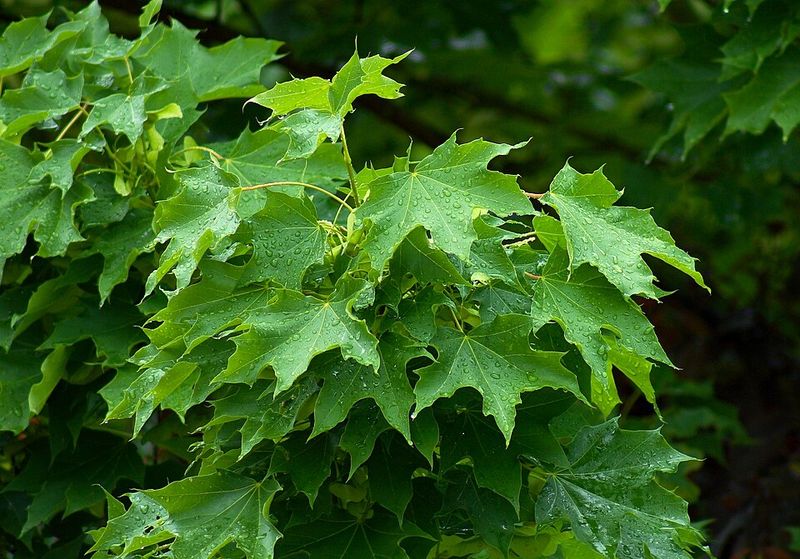
Once planted widely as a street and shade tree, this European species now invades forests and parks where it outcompetes native maples and understory plants.
Dense canopy and shallow roots create heavy shade that prevents native wildflowers, ferns, and shrubs from establishing beneath its broad spreading crown structure.
Prolific seed production ensures new seedlings appear throughout neighborhoods and natural areas, creating management challenges for homeowners and land managers alike in affected regions.
Several Oregon municipalities have banned planting Norway Maple and encourage removal of existing specimens to protect urban forest diversity and ecological health in parks.
The species tolerates pollution and compacted soils well, which initially made it popular but now contributes to its ability to invade diverse habitat types.
Homeowners associations and city ordinances increasingly require replacement with native alternatives like bigleaf maple or Oregon ash when Norway Maples require removal for health.
Fines may apply if homeowners plant new Norway Maples in violation of local bans or fail to remove specimens designated as priority removals.
Professional removal ensures proper disposal and stump treatment to prevent regrowth, which can occur from remaining root tissue if cutting alone is performed.
6. White Poplar
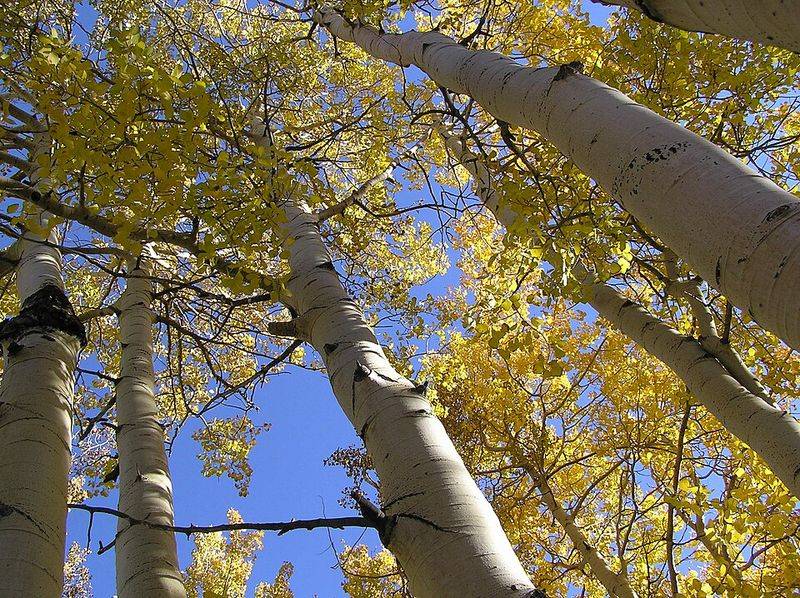
Recognizable by silvery leaf undersides and white bark, this Eurasian tree spreads aggressively through root suckers that emerge across lawns, gardens, and natural areas.
Extensive root systems damage sidewalks, foundations, and underground utilities, creating costly repair needs in addition to the ecological problems associated with its invasive spread.
New shoots appear many yards from the parent tree, making containment nearly impossible once the species establishes on a property or in nearby areas.
Many Oregon counties list White Poplar as a prohibited species requiring removal within specified timeframes to prevent further colonization of sensitive habitats and landscapes.
The species tolerates poor soils and drought conditions, allowing it to invade dry sites where native vegetation struggles to compete with its aggressive growth.
Removal demands persistent effort because any remaining root fragments can generate new shoots, requiring multiple treatments over several growing seasons for complete eradication.
Herbicide application to cut stumps and emerging suckers provides the most reliable control method, though mechanical removal may suffice for very small infestations caught early.
Fines for allowing White Poplar to spread onto neighboring properties or public lands can accumulate quickly, making proactive removal a wise financial decision for homeowners.
7. Russian Olive
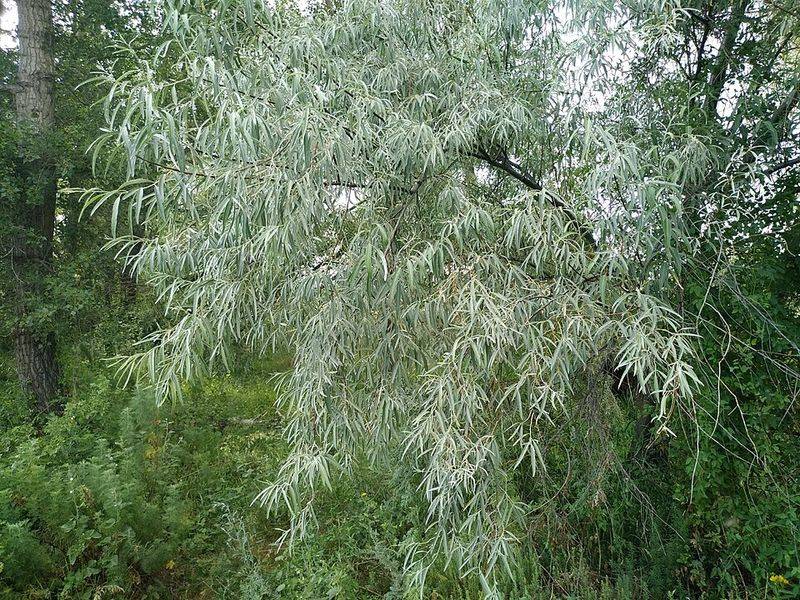
Distinctive silvery foliage and thorny branches characterize this invasive shrub-to-small-tree that dominates riparian areas and disturbs sites throughout eastern Oregon especially in drier regions.
Nitrogen fixation alters soil chemistry and creates conditions favorable for other invasive plants while making sites less hospitable for native vegetation that evolved under different conditions.
Dense thickets reduce wildlife habitat quality and block access to waterways, creating management challenges for landowners and agencies responsible for maintaining public access and health.
County weed boards often designate Russian Olive as a priority species requiring control on private lands, with enforcement actions possible for homeowners who ignore notices.
Birds spread seeds widely after consuming the small fruits, leading to new infestations across landscapes and making containment efforts challenging without coordinated regional approaches.
Thorns present safety hazards in recreational areas and residential yards where people and pets might encounter them while walking or playing in affected spaces.
Complete removal requires cutting followed by herbicide treatment because this hardy species resprouts readily from stumps and root fragments left in the ground.
Fines for non-compliance with removal orders vary by jurisdiction but reflect the serious ecological and economic impacts associated with Russian Olive invasions in Oregon.
8. European Mountain Ash
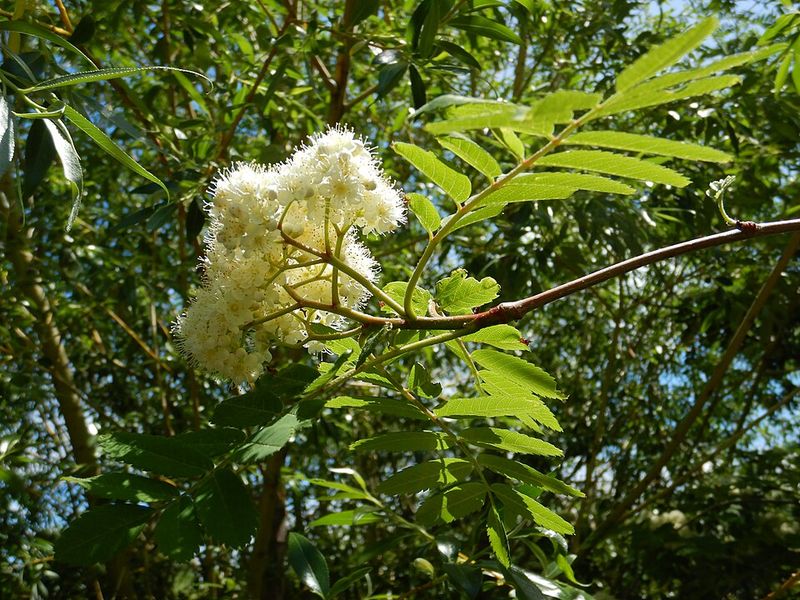
Planted historically as an ornamental for its attractive berries and foliage, this European species now escapes cultivation and invades forests and natural areas statewide.
Birds eagerly consume the bright orange berries and deposit seeds far from the original planting site, establishing new populations in undisturbed natural habitats.
Young trees establish quickly in forest understories where they compete with native shrubs and small trees for light, water, and nutrients in limited spaces.
Some Oregon jurisdictions discourage planting European Mountain Ash and recommend removal of existing specimens that threaten nearby natural areas with seed dispersal and spread.
The species hybridizes with native mountain ash, creating genetic pollution concerns that threaten the integrity of native populations in areas where both species occur.
Removal involves cutting and stump treatment to prevent regrowth, with particular attention needed to prevent berry-laden branches from spreading seeds during the process.
Fines may apply in areas with specific ordinances against invasive ornamentals, particularly if trees border protected lands or conservation easements where ecological protection is prioritized.
Native alternatives like Sitka mountain ash provide similar ornamental value without the invasive characteristics that make the European species problematic for Oregon ecosystems and regulations.
9. Scotch Broom (Tree-Form Growth)
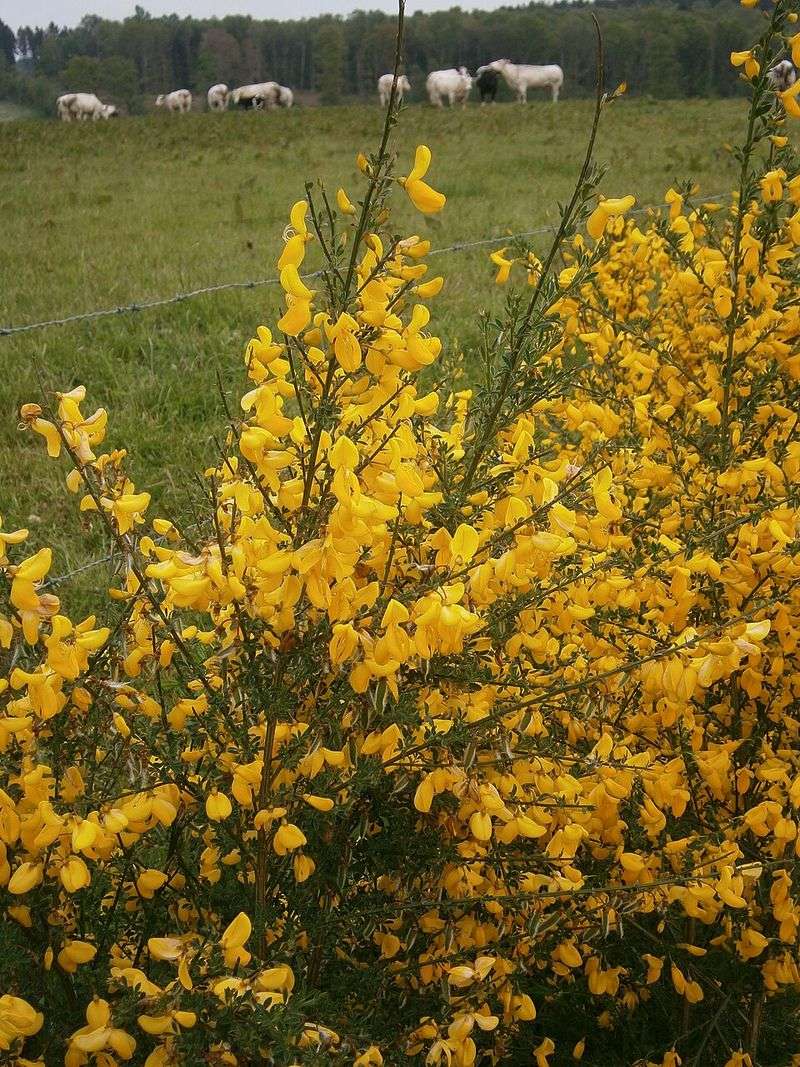
While typically shrubby, Scotch Broom occasionally develops into small tree forms that present unique management challenges compared to the more common low-growing varieties.
Bright yellow flowers produce abundant seeds that remain viable in soil for decades, ensuring persistent infestations even after visible plants are removed from sites.
This invasive legume fixes nitrogen and alters soil chemistry in ways that favor invasive grasses over native wildflowers and shrubs in affected prairies and woodlands.
Oregon law classifies Scotch Broom as a noxious weed in many counties, requiring landowners to control infestations or face penalties for allowing spread to continue.
Tree-form specimens produce even more seeds than typical shrubby growth, making them particularly problematic and worthy of priority removal efforts by concerned homeowners.
Manual removal works for small plants, but larger tree-form specimens require cutting and stump treatment or complete root removal to prevent regrowth from remaining tissue.
Seeds spread via explosive pods that fling them many feet from the parent plant, and they also contaminate soil moved during construction and landscaping activities.
Fines for non-compliance with weed control orders can escalate quickly, and repeat violations may result in county-performed removal with costs billed directly to property owners.
10. Ash Trees (When Infested With Emerald Ash Borer)
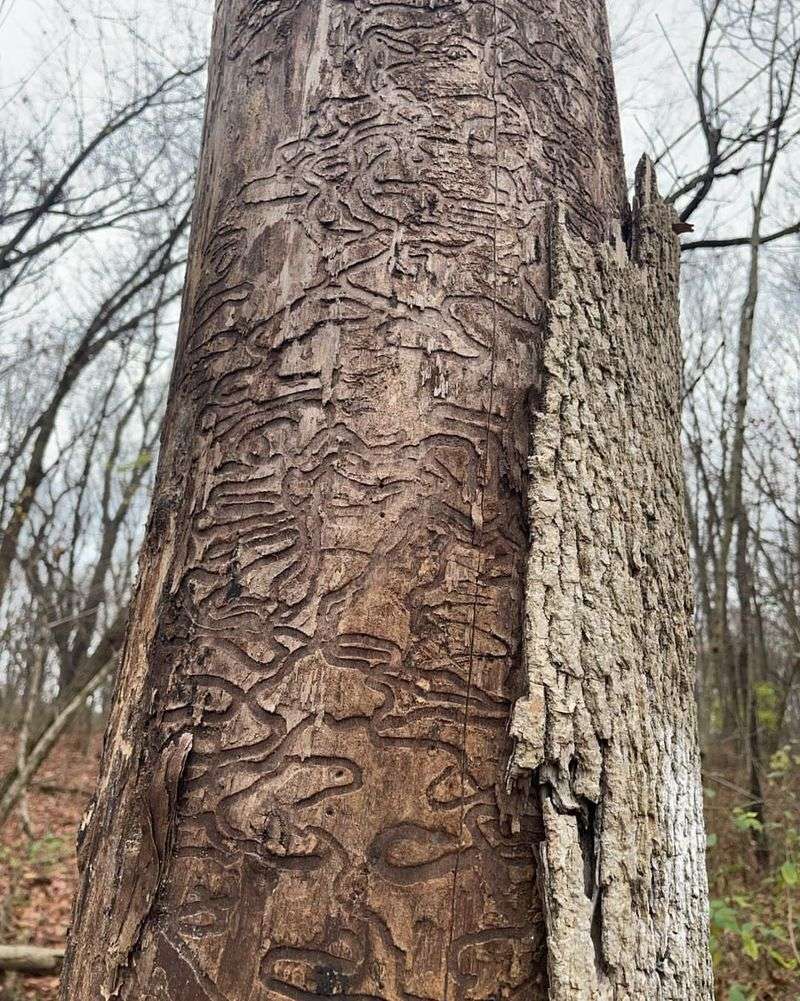
Emerald Ash Borer, an invasive beetle, targets ash trees and causes rapid decline that necessitates removal to prevent pest spread to healthy trees nearby.
Infested trees become hazardous as structural integrity declines, posing risks of falling limbs or complete collapse that could damage property or injure people below.
Oregon regulations may require prompt removal of infested ash trees to slow pest spread and protect remaining ash populations in urban and natural forests.
Homeowners who delay removing infested trees risk fines from local authorities concerned about public safety and pest management within their jurisdictions and communities statewide.
Signs of infestation include canopy thinning, bark splitting, D-shaped exit holes, and woodpecker damage as birds search for larvae beneath the bark surface.
Professional arborists can confirm infestation and ensure proper disposal of wood material, which must often be chipped or burned to prevent beetle emergence and spread.
Quarantine regulations may restrict movement of ash wood from infested areas, making proper disposal essential to avoid additional penalties or legal complications for homeowners.
Replacing removed ash trees with diverse native species reduces future vulnerability to pests and diseases while maintaining urban forest canopy and associated environmental benefits.