10 Trees That Bring Tons Of Birds To Your Backyard Without Making A Mess

Backyard birdwatching became one of my favorite simple joys, but I learned pretty fast that not every tree belongs in a space I want to keep tidy.
Some trees lure birds in by the dozens, yet leave behind sticky sap, fallen fruit, or debris that turns a quiet yard into a daily cleanup chore.
After a few hard lessons and more sweeping than I care to admit, I began hunting for trees that attract birds without turning the place upside down.
To my surprise, the perfect balance exists.
I found that certain trees offer food, shelter, and safe perches while keeping the ground clean enough for barefoot mornings and easy afternoons.
These trees pull in cardinals, finches, chickadees, and even the occasional woodpecker, all without leaving a mess that steals my weekend.
Watching bright wings flutter through branches I planted myself brings a sense of pride and calm that never really wears off.
A backyard feels more alive and more welcoming when the right trees take root.
They add beauty, shade, and song without demanding hours of maintenance.
I learned that you can have a yard full of birds and still keep things neat, and the payoff is a space that hums with life every single day.
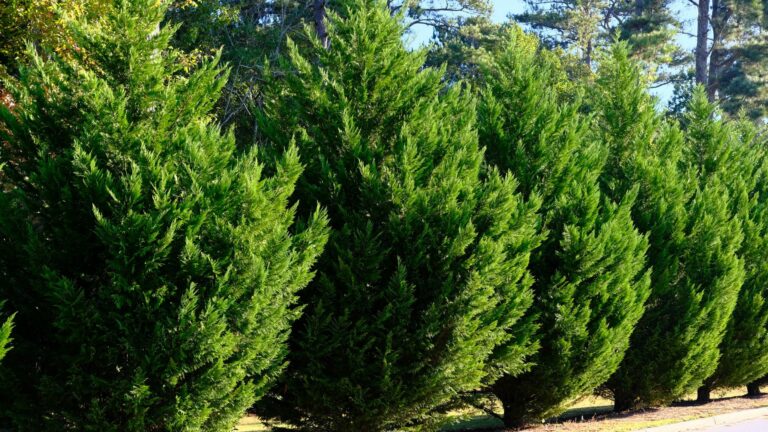
1. Eastern Red Cedar

Birds absolutely love this evergreen, and it won’t leave your yard looking like a disaster zone.
The small blue berries it produces are a favorite snack for cedar waxwings, robins, and juncos, especially during winter months when food gets scarce.
What makes this tree so tidy is that birds gobble up those berries fast.
They don’t sit around rotting on the ground or staining your deck.
Plus, the dense foliage offers excellent shelter and nesting spots, so you’ll see activity year-round.
Eastern red cedars grow in almost any soil type and handle drought like champs.
They’re low-maintenance and don’t require much fussing once established.
You won’t be raking up leaves constantly either since they’re evergreen.
Another bonus? This tree acts as a natural windbreak and adds privacy to your yard.
It grows at a moderate pace, so you won’t wait forever to see results.
If you want a tree that works hard without creating extra work for you, this one’s a winner.
It brings in the birds, looks great all year, and keeps your cleanup time to a minimum.
2. Flowering Dogwood
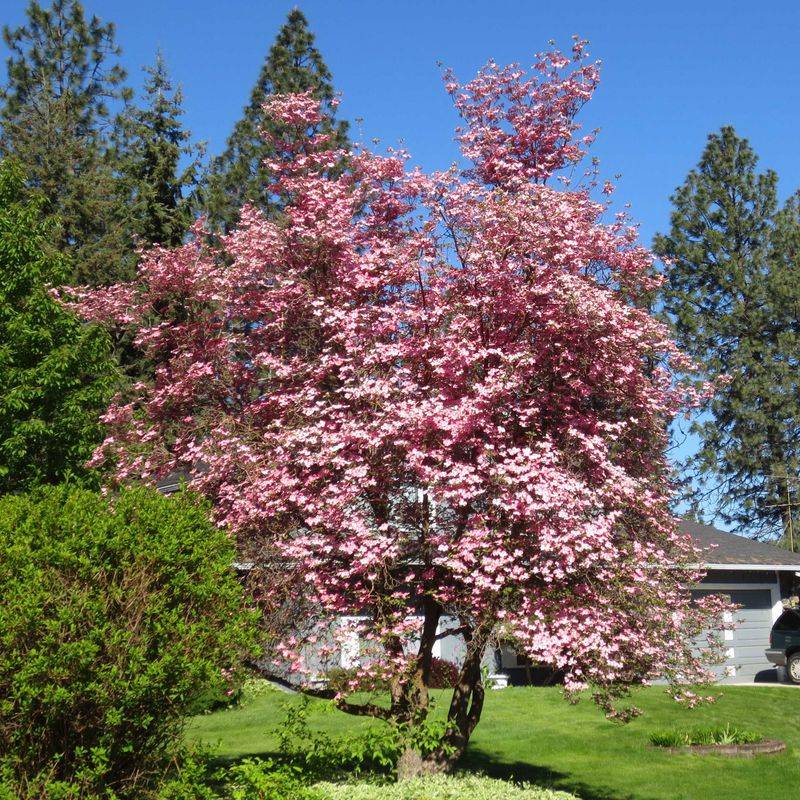
Springtime magic happens when this tree bursts into bloom with stunning white or pink flowers.
But the real draw for birds comes later in the season when bright red berries appear.
Thrushes, cardinals, and woodpeckers can’t resist them.
Here’s why it’s such a clean choice: the berries are small and get eaten quickly by hungry birds.
You won’t find piles of mushy fruit on your lawn or driveway.
The tree itself has a tidy growth habit and doesn’t drop excessive twigs or leaves.
Flowering dogwoods prefer partial shade and well-drained soil, making them perfect for planting under taller trees or along woodland edges.
They stay relatively compact, usually reaching about 20 to 30 feet tall.
The fall foliage is another highlight, turning gorgeous shades of red and purple.
So you get multiple seasons of beauty without the headache of constant maintenance.
This tree also supports beneficial insects, which in turn attract even more bird species looking for protein-rich meals.
It’s like creating a little ecosystem right in your backyard, and you barely have to lift a finger to keep it looking nice.
3. Serviceberry
Ever noticed how some trees seem to have a fan club of birds that never leaves?
Serviceberry is one of those trees.
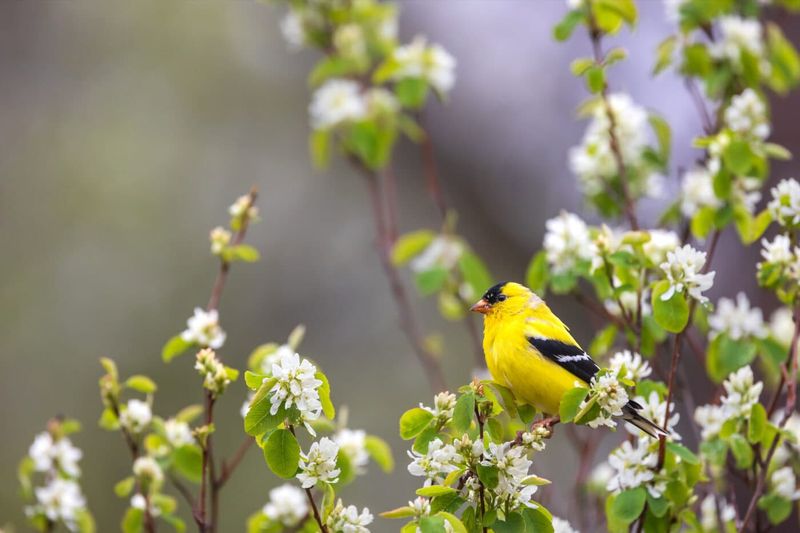
It produces sweet, edible berries in early summer that robins, catbirds, and orioles devour almost instantly.
The best part about serviceberry is that the fruit doesn’t hang around long enough to make a mess.
Birds snatch them up as soon as they ripen, and if a few do fall, they’re small and dry up quickly without staining anything.
This tree offers gorgeous white blooms in spring that look like delicate clouds against the sky.
Then comes the fruit, followed by brilliant orange and red fall foliage.
It’s basically a year-round showstopper.
Serviceberries grow well in various conditions and don’t demand much attention.
They’re native to North America, so they’re naturally adapted to local climates and wildlife.
You can plant them as a single specimen or in groups to create a naturalized look.
Either way, you’ll have birds flocking to your yard without dealing with sticky sidewalks or messy patios.
It’s one of those rare trees that checks every box: beautiful, functional, and wonderfully low-maintenance.
4. American Holly

Want to keep birds around even when snow covers the ground?
American holly is your answer.
Those bright red berries stand out against the glossy green leaves, creating a feast that bluebirds, mockingbirds, and thrashers rely on during cold months.
This evergreen tree keeps your yard looking polished all year.
The berries cling to the branches and get eaten by birds rather than dropping and creating a mess below.
The leaves are thick and leathery, so they don’t scatter everywhere when they eventually fall.
Holly trees grow slowly but steadily, forming a dense pyramidal shape that provides excellent cover for nesting and roosting.
They’re also quite tough, handling heat, cold, and various soil types without complaint.
One thing to remember: you’ll need both male and female trees if you want berries.
Only the females produce fruit, but they need a male nearby for pollination.
The spiny leaves might seem intimidating, but they actually offer extra protection for birds seeking shelter from predators.
Your feathered friends will appreciate the safe haven, and you’ll appreciate not having to sweep up fallen fruit every weekend.
It’s a beautiful, practical addition that earns its place in any bird-friendly landscape.
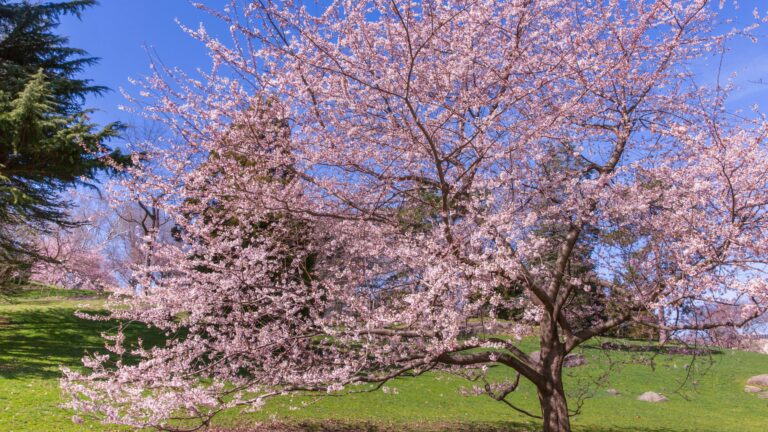
5. Crabapple
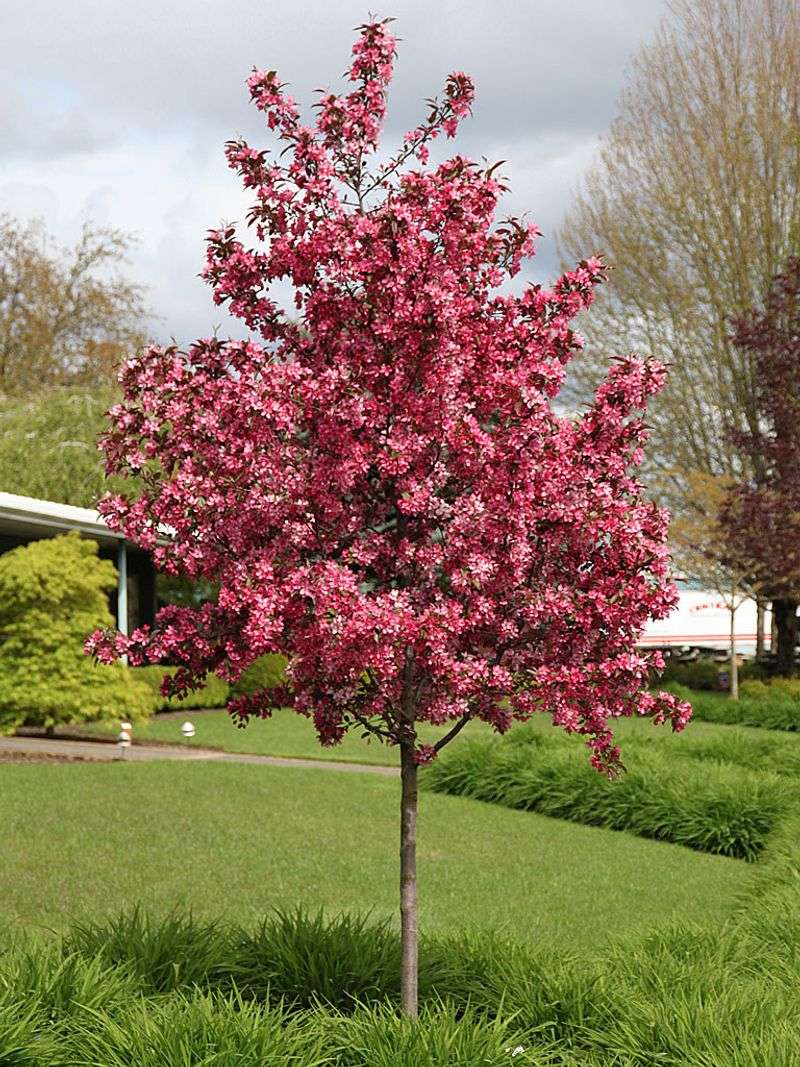
Not all crabapples are created equal, but the right varieties bring in birds by the dozen without turning your yard into an obstacle course.
Look for types with small, persistent fruit that stays on the tree well into winter.
Cedar waxwings, grosbeaks, and finches love these tiny apples.
Because the fruit is small and firm, it doesn’t create the squishy, slippery mess that larger apples would.
Birds work through them gradually, and what remains dries up rather than rotting.
Crabapples put on an incredible spring show with clouds of pink, white, or red blossoms that smell amazing.
Then the little fruits develop, adding color and interest through fall and winter months.
These trees adapt to different climates and soil conditions pretty easily.
They’re also relatively disease-resistant if you choose modern cultivars bred for toughness.
The branching structure provides plenty of perching spots and nesting opportunities.
You’ll notice increased bird activity throughout the seasons, especially when other food sources become scarce.
Planting a crabapple means you’re investing in something that looks beautiful, supports wildlife, and doesn’t require constant cleanup.
It’s a smart choice for anyone who wants more birds and less hassle around their home.
6. Black Gum
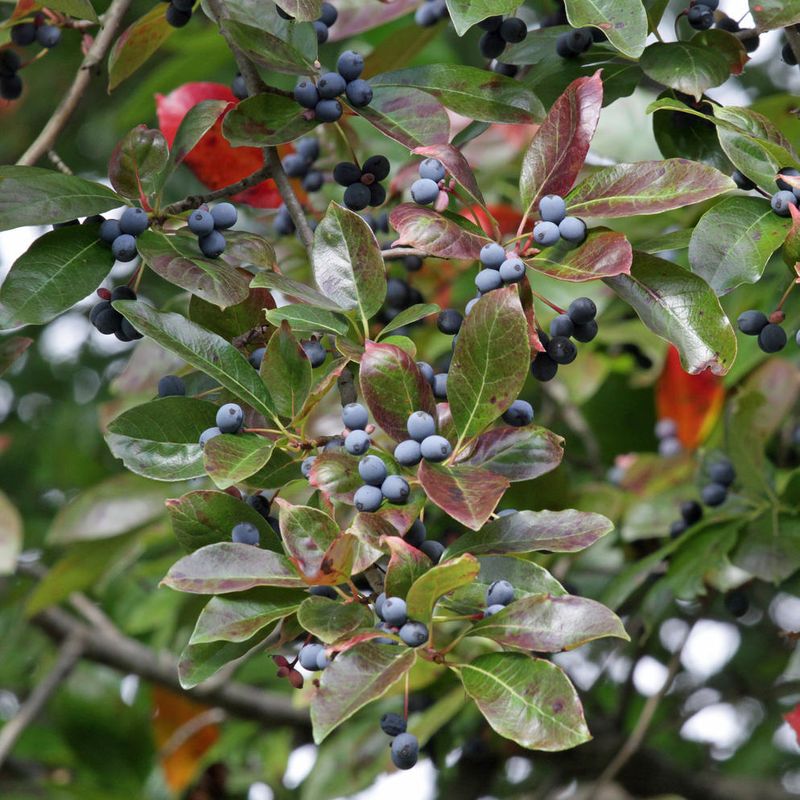
Here’s a tree that flies under the radar but deserves way more attention.
Black gum produces small, dark blue berries that wood thrushes, tanagers, and flickers go crazy for.
The fruit ripens in late summer and disappears quickly thanks to eager birds.
What makes black gum so mess-free is the size and texture of the berries.
They’re tiny and don’t create sticky puddles or stains when they fall.
Most get eaten before they even hit the ground anyway.
The fall color on this tree is absolutely stunning.
Leaves turn vibrant shades of orange, red, and purple, creating a focal point in any landscape.
It’s one of the first trees to change color in autumn, giving you an early preview of the season.
Black gums tolerate wet soil better than many other trees, making them perfect for low-lying areas or near ponds.
They also handle urban conditions surprisingly well despite being a native woodland species.
The branching pattern creates interesting silhouettes in winter, adding architectural beauty even after the leaves drop.
Birds use the tree for shelter and nesting throughout the year, not just when berries are available.
It’s a hardworking tree that keeps giving without demanding much in return.
7. Hawthorn
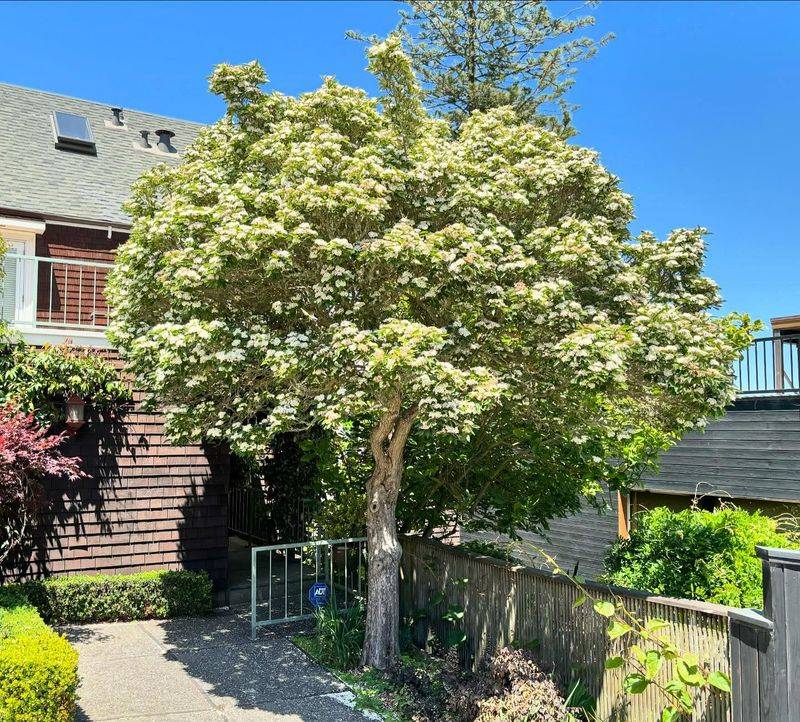
Thorny branches might not sound appealing, but birds see hawthorn as a five-star hotel with built-in security.
Those thorns keep predators away while providing safe nesting spots.
The small red berries attract thrushes, waxwings, and sparrows throughout fall and winter.
Hawthorn berries, called haws, are firm and dry compared to juicy fruits that create messes.
Birds pick them off gradually, and any that fall simply shrivel up without staining patios or sidewalks.
In spring, hawthorns explode with clusters of white flowers that smell sweet and attract pollinators.
Then comes the fruit, followed by decent fall color in shades of orange and red.
These trees are incredibly tough and adaptable.
They handle poor soil, drought, and pollution better than many ornamental trees.
Once established, they basically take care of themselves.
The dense branching structure offers excellent cover for birds year-round.
You’ll notice increased nesting activity because parent birds feel secure raising their young among the protective thorns.
Hawthorns come in various sizes, from small trees to large shrubs, so you can find one that fits your space.
They’re a fantastic choice for anyone wanting to create a bird sanctuary without adding extra chores to their weekend routine.
8. White Oak
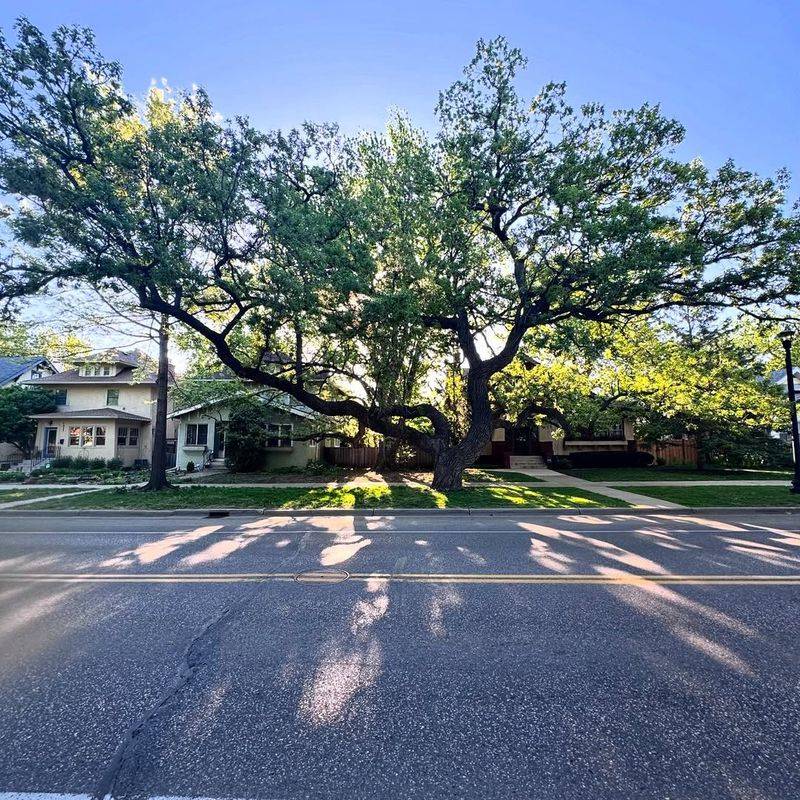
Oaks get a bad reputation for dropping acorns everywhere, but white oak is actually one of the tidiest options.
The acorns are smaller and sweeter than other oak varieties, so wildlife clears them out fast.
Jays, woodpeckers, and nuthatches treat your yard like an all-you-can-eat buffet.
What’s great about white oak is that it supports more wildlife species than almost any other tree.
Beyond the acorns, it hosts hundreds of caterpillar species that birds need for feeding their babies.
You’re basically planting a complete ecosystem.
White oaks grow into majestic shade trees with strong, spreading branches.
They take time to mature, but the wait is worth it.
These trees can live for centuries, becoming legacy pieces in your landscape.
The fall foliage ranges from russet to deep red, adding warmth to autumn scenery.
Leaves drop gradually rather than all at once, making cleanup more manageable.
Because white oaks are native to much of North America, they’re naturally suited to local conditions.
They don’t need special care or constant watering once their roots establish.
Planting one means you’re thinking long-term, creating habitat that will support generations of birds and other wildlife.
It’s a clean, beautiful choice that keeps on giving year after year.
9. Elderberry
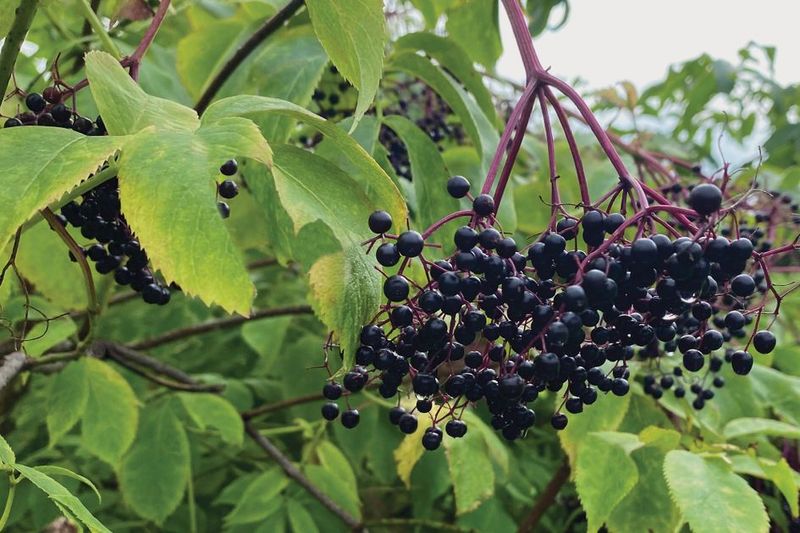
Technically more of a large shrub than a tree, elderberry still deserves a spot on this list.
The clusters of dark purple berries ripen in late summer and vanish almost immediately once birds discover them.
Warblers, vireos, and grosbeaks can strip a plant clean in days.
Elderberries don’t create mess because birds are so efficient at harvesting them.
The berries are small and soft, and any that fall get eaten by ground-feeding species or dry up quickly without leaving stains.
Before the berries appear, elderberry produces large, flat-topped clusters of creamy white flowers.
These blooms attract beneficial insects, which in turn bring in more insect-eating birds.
This plant grows fast and fills in quickly, making it perfect for creating natural screens or filling empty spaces.
It tolerates wet soil and partial shade, thriving in spots where other plants struggle.
Elderberry also has a casual, naturalized look that blends beautifully with informal landscapes.
It doesn’t need pruning to look good, though you can shape it if you want to control its size.
If you’re looking for something that delivers maximum bird appeal with minimum maintenance, elderberry fits the bill perfectly.
It’s productive, pretty, and practically takes care of itself once established.
10. Red Mulberry
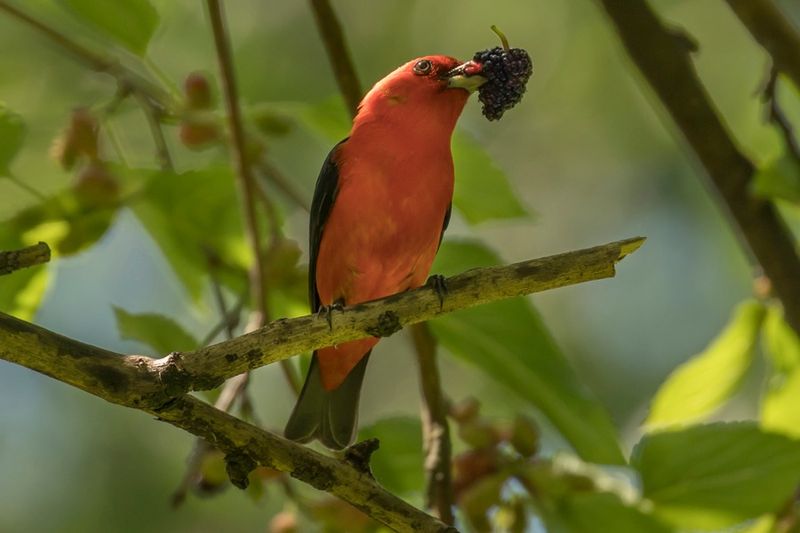
Okay, you might be thinking mulberries are messy, and you’re partly right.
But here’s the secret: plant red mulberry away from patios and driveways, and let the birds handle cleanup duty.
They love these berries so much that most fruit gets eaten before it ever hits the ground.
Orioles, tanagers, and bluebirds go absolutely wild for mulberries.
The fruit ripens gradually over several weeks, providing a reliable food source that keeps birds coming back throughout early summer.
Red mulberry is native to North America, unlike the more common white mulberry.
It produces better fruit for wildlife and has a tidier growth habit.
The berries are also less likely to stain because birds consume them so eagerly.
This tree grows quickly and tolerates a wide range of conditions.
It handles heat, humidity, and occasional drought without complaint.
The shade it provides is dense and cooling, perfect for creating comfortable outdoor spaces.
The leaves are large and interesting, sometimes lobed and sometimes not, even on the same tree.
They turn yellow in fall before dropping, adding a touch of autumn color.
Red mulberry is one of those trees that works hard behind the scenes, supporting birds and other wildlife while asking very little in return.
Strategic placement is key, but get that right and you’ll have a bird magnet that’s surprisingly manageable.