8 Trees That Crack Sidewalks In Ohio Yards (And Better Trees To Plant Instead)
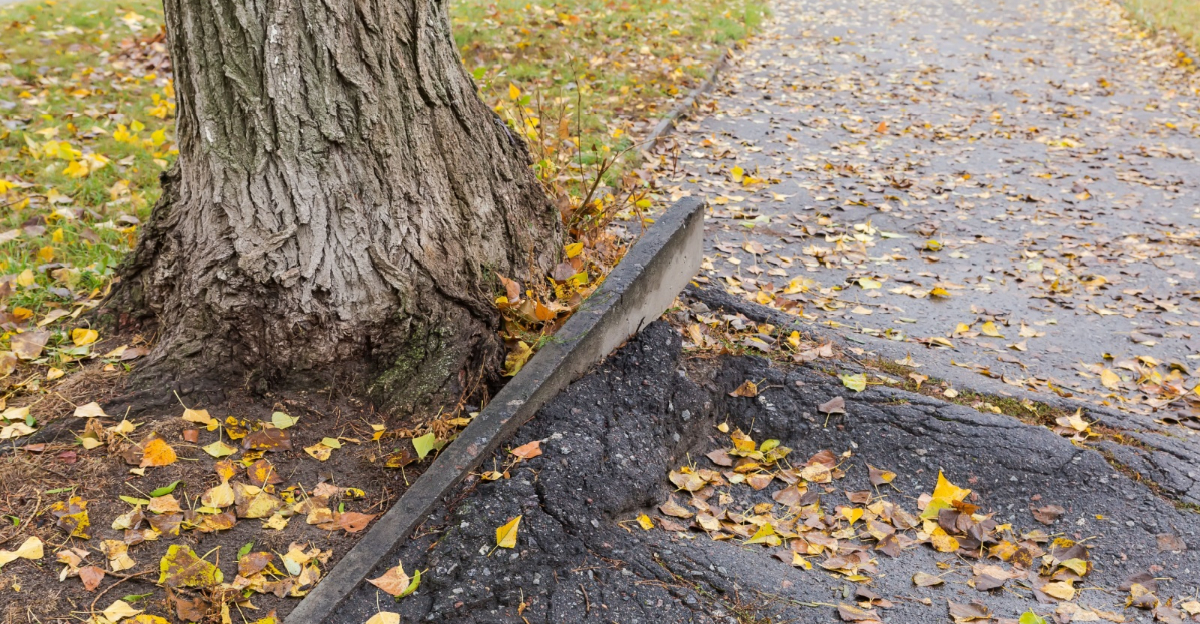
Cracks in your sidewalk can show up almost overnight, and the culprit is probably right in your yard.
Some trees grow beautifully but have roots that love to lift concrete, tear up edges, and leave you with a mess you didn’t see coming. You might not notice the damage until it’s expensive to fix.
But it doesn’t have to be this way. Some trees give you shade, color, and charm without wrecking your sidewalks.
Choose the wrong ones, and you’re paying for it; choose the right ones, and your yard stays beautiful and worry-free. The difference between a yard you love and one that drives you crazy can be as simple as the tree you plant.
1. Silver Maple
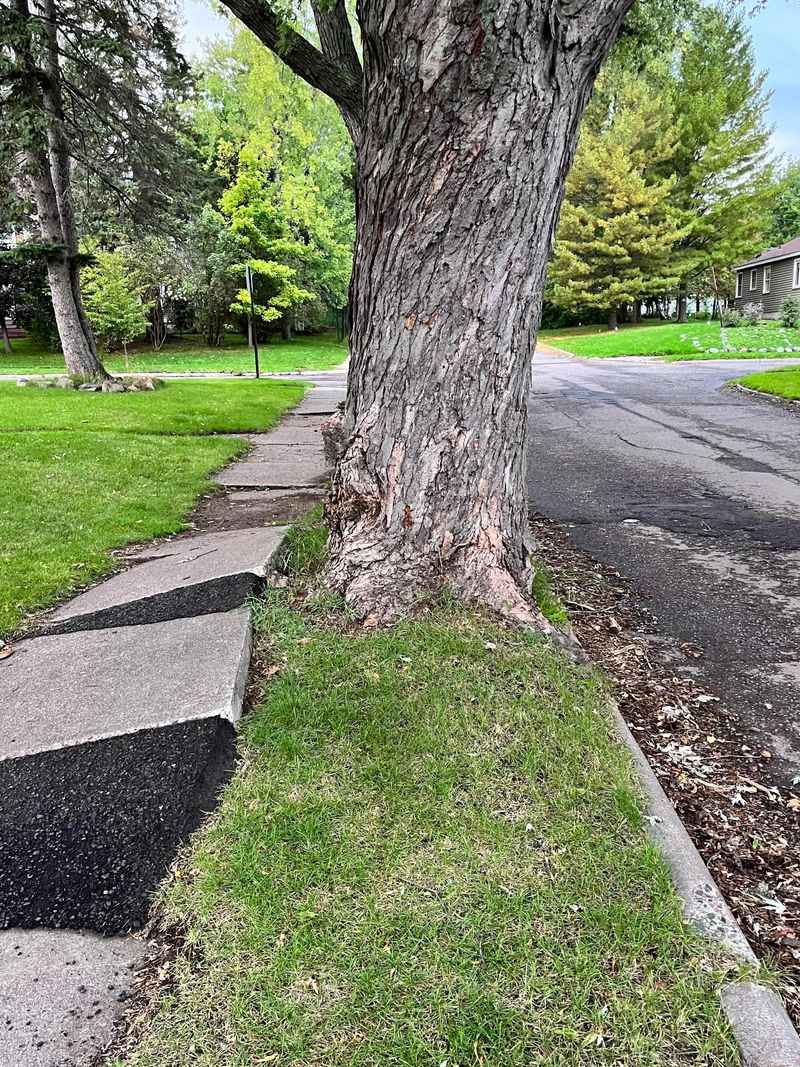
Walk through almost any older Ohio neighborhood and you will likely spot a silver maple towering over a buckled sidewalk. This tree is one of the most common culprits for pavement damage in the state, and for good reason.
Its roots are shallow, wide-spreading, and grow with surprising speed.
Silver maple roots typically stay within the top 12 inches of soil, which puts them in direct conflict with sidewalks and driveways. According to Ohio State University Extension, silver maples can begin lifting concrete within just five to eight years of planting.
Once the roots start pushing, the damage compounds quickly and repairs become costly.
Beyond the physical damage, cracked sidewalks create real safety risks for pedestrians, especially children and elderly neighbors. Ohio municipalities sometimes hold homeowners responsible for maintaining sidewalks on their property, meaning a poorly chosen tree could turn into a legal and financial burden.
Better alternatives for Ohio yards include the ginkgo tree, which has a deep, non-invasive root system and stunning golden fall color. Smaller oak varieties like the white oak or chinkapin oak also perform beautifully near walkways without the destructive root behavior that makes silver maple such a risky choice.
2. Poplars And Cottonwoods
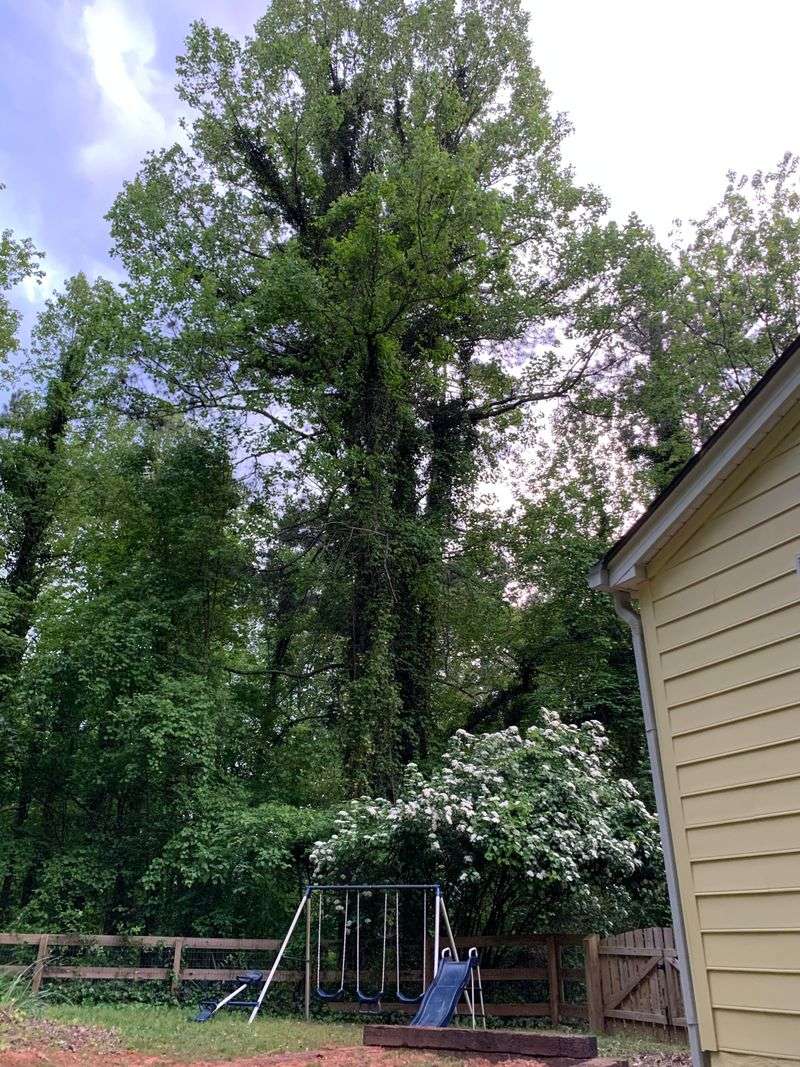
Few trees grow as fast as poplars and cottonwoods, and that speed comes with a serious downside. These trees push out aggressive surface roots that travel far from the trunk, often reaching sidewalks, driveways, and even home foundations.
In Ohio, where cottonwoods are native along river corridors, many homeowners plant them without realizing the long-term consequences.
Cottonwoods in particular are known for sending up root suckers, creating clusters of new stems that further disrupt hardscaping. Their roots are always searching for moisture, and Ohio’s clay-heavy soils encourage lateral root spread rather than deep root growth.
That combination is a recipe for cracked concrete.
Removing a mature cottonwood or poplar is not a simple task either. The root systems remain active even after the main trunk is gone, continuing to send up new growth and push against nearby structures for years afterward.
Ohio homeowners looking for fast-growing alternatives should consider the eastern redbud or Japanese tree lilac. Both trees offer beautiful seasonal color without the aggressive rooting habits.
The redbud is actually native to Ohio, making it a smart ecological choice that supports local pollinators while staying friendly to nearby sidewalks and walkways.
3. Mulberry
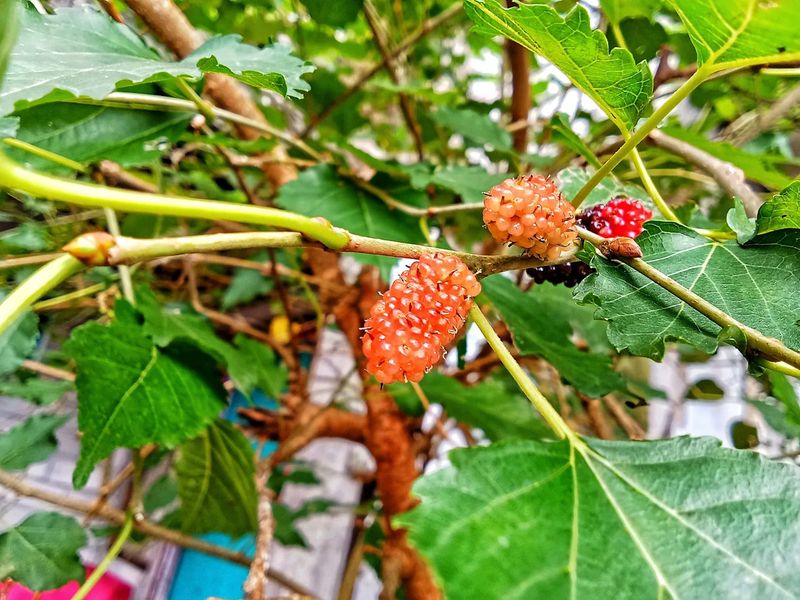
Mulberry trees have a lot going for them on the surface. They grow quickly, provide dense shade, and produce fruit that birds absolutely love.
But beneath that appealing exterior, mulberry trees hide a root system that spreads aggressively and wreaks havoc on nearby hardscapes. Ohio yards with mulberry trees planted close to sidewalks often show signs of damage within a decade.
The lateral roots of mulberry trees grow close to the soil surface and extend well beyond the tree’s canopy. As those roots thicken over time, they create pressure under concrete that eventually causes cracking and lifting.
Mulberry roots have also been documented invading sewer lines, making them a double threat in urban and suburban Ohio settings.
Another frustration with mulberry is the fruit drop. Ripe berries stain driveways, patios, and sidewalks a deep purple, creating a slippery mess that is difficult to clean.
Between the staining and the root damage, mulberry is rarely worth the trouble near paved surfaces.
Serviceberry and dwarf crabapple are excellent Ohio-friendly replacements. Serviceberry is native to the region, blooms early in spring, and produces small berries that wildlife enjoy without the mess.
Dwarf crabapple varieties stay compact, offer gorgeous spring blossoms, and pose little threat to nearby sidewalks or foundations.
4. Norway Maple
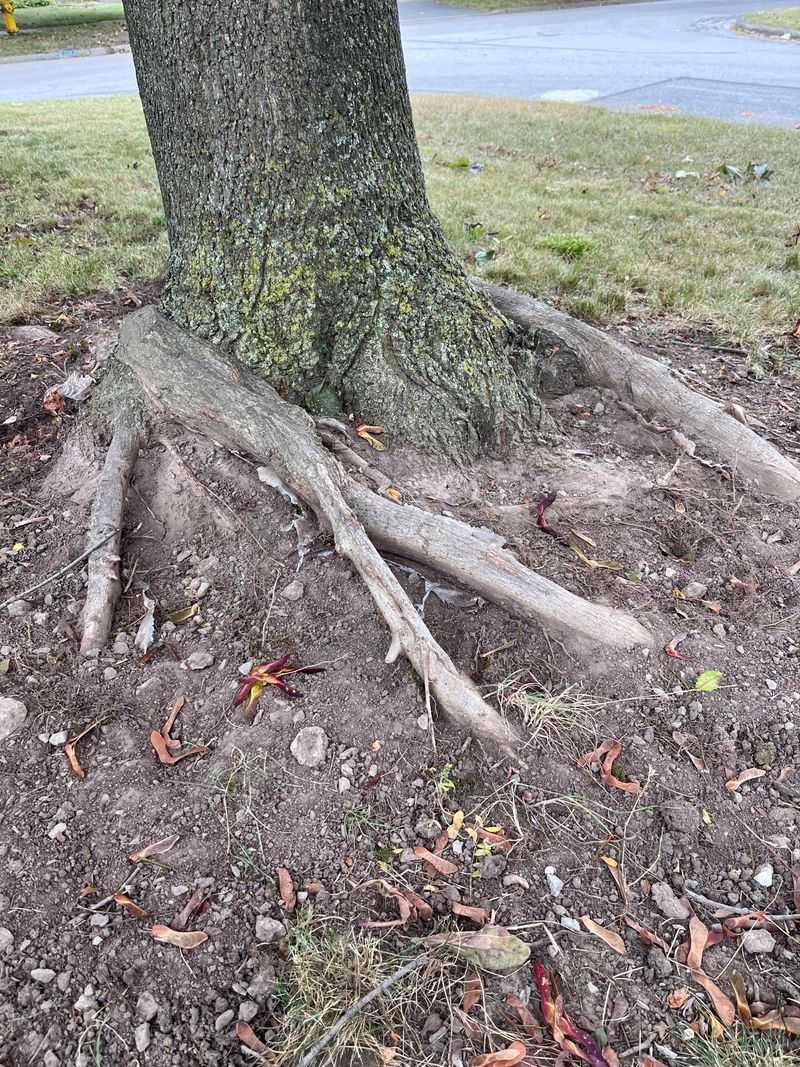
Norway maple was once widely planted along Ohio streets and in suburban yards because of its dense canopy and tolerance for urban conditions. Over time, however, it earned a reputation as one of the most problematic trees for sidewalks and foundations.
Its shallow root system fans out just below the surface, lifting concrete in a matter of years.
Iowa State University Extension notes that Norway maple roots are especially prone to causing sidewalk lifting because they grow densely and close to the surface. In Ohio, where freeze-thaw cycles already stress concrete each winter, Norway maple roots accelerate the cracking process significantly.
Pair that with its invasive tendencies in natural areas, and this tree becomes a problem on multiple fronts.
Norway maple is also considered an invasive species in Ohio. It outcompetes native trees in woodlands and natural areas, spreading aggressively through seed dispersal.
Several Ohio counties have begun discouraging its planting for this reason alone.
A much smarter choice is the Freeman maple, a hybrid variety developed specifically for street and yard use. Freeman maples offer the classic maple silhouette and brilliant fall color without the surface-rooting problems.
Other sidewalk-safe options include the Princeton elm or lacebark elm, both of which perform well across Ohio’s varied climate zones.
5. Black Locust
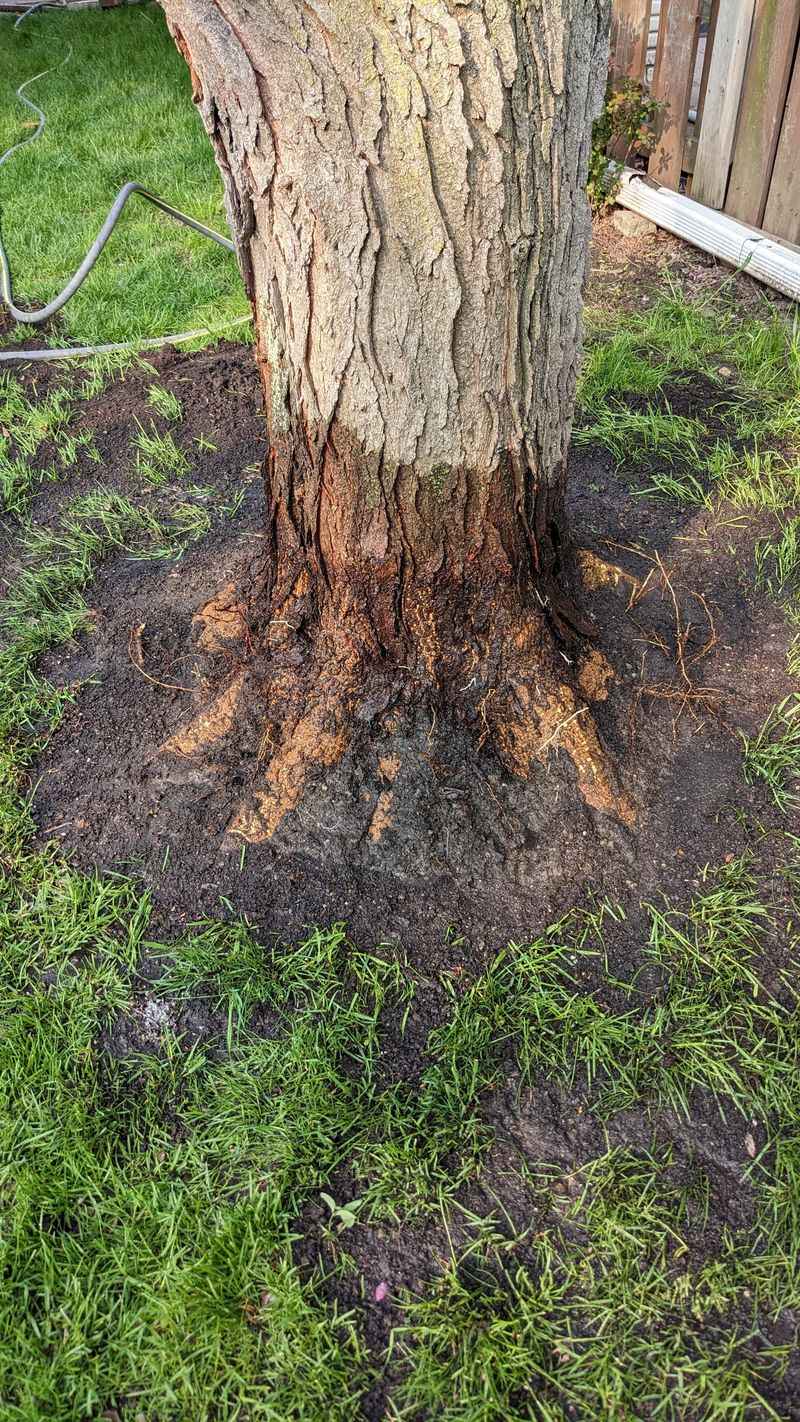
Black locust is a tough, fast-growing tree native to parts of Appalachia, and it has naturalized widely across Ohio. While its fragrant white flower clusters are undeniably beautiful each spring, this tree has a root system that can cause serious problems near sidewalks, driveways, and retaining walls.
The root system of black locust is vigorous and wide-ranging. It sends up root suckers freely, meaning one tree can gradually create a thicket of new stems that further disrupts surrounding soil and pavement.
Ohio homeowners who plant black locust near walkways often find themselves dealing with both lifted concrete and a spreading colony of unwanted stems within a few years.
Black locust also has thorny stems on younger growth, which adds a safety hazard when the tree starts suckering near pedestrian areas. Managing a mature black locust near a sidewalk requires regular root pruning and sucker removal, which becomes an ongoing maintenance burden.
Thornless honeylocust is a far better option for Ohio yards that need a tough, adaptable tree. It handles Ohio’s clay soils and variable weather without sending up suckers or cracking nearby concrete.
Ironwood, also called American hophornbeam, is another excellent native alternative with a tidy root system and beautiful year-round interest in the landscape.
6. Boxelder
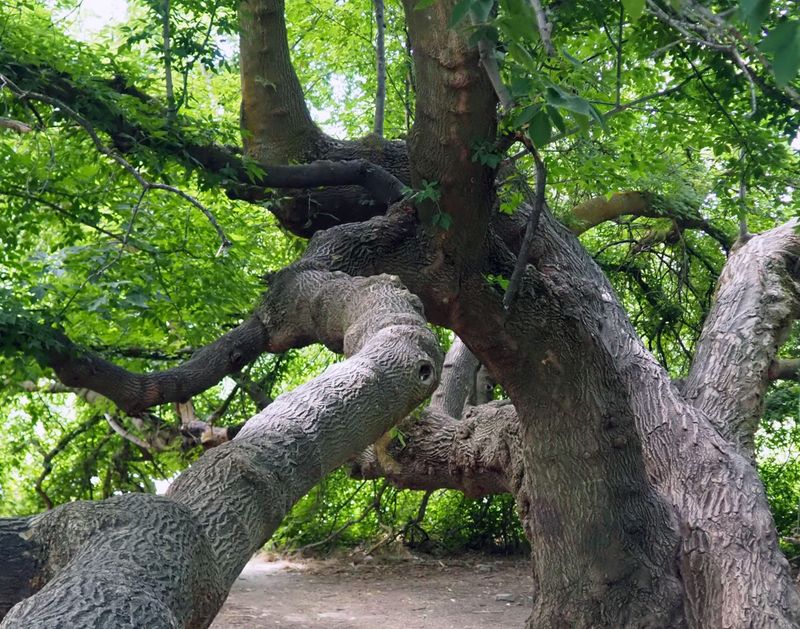
Boxelder is a native Ohio tree that tends to pop up uninvited in fence rows, along streams, and sometimes right next to your sidewalk. It is one of those trees that looks harmless at first but causes real structural headaches as it matures.
Boxelder grows fast, branches weakly, and spreads its roots close to the surface, making it a poor choice near paved areas.
The roots of boxelder trees are shallow and wide-spreading, similar to silver maple, which is actually a close relative. In Ohio’s compacted urban and suburban soils, these roots have nowhere to go but sideways and upward.
Over time, they push against concrete slabs from below, creating uneven, cracked surfaces that become tripping hazards.
Boxelder also attracts boxelder bugs in large numbers, which swarm on sunny exterior walls and sneak into homes each fall. For Ohio homeowners, that insect pressure alone is often enough reason to remove an existing boxelder and replace it with something more manageable.
Red maple is often suggested as a replacement, though it should be planted with adequate root space and away from sidewalks. River birch is a better sidewalk-safe option, offering graceful peeling bark and attractive foliage.
Clump-form birch varieties work especially well in Ohio’s wetter areas without threatening nearby pavement.
7. Willows
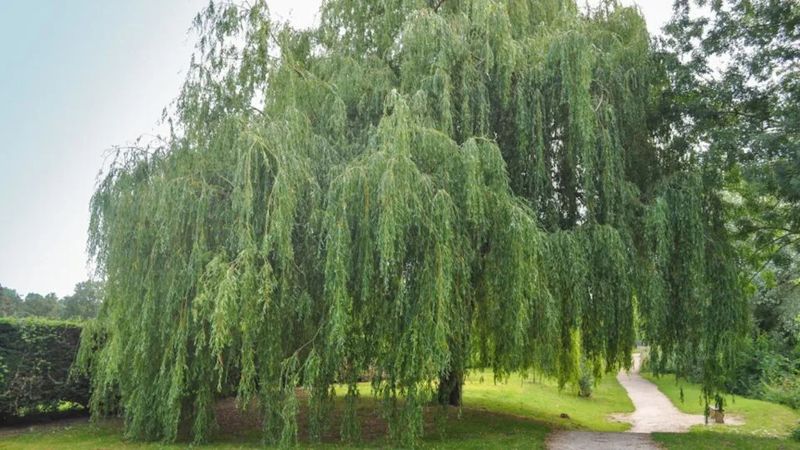
There is something undeniably romantic about a weeping willow swaying in the breeze near a pond or stream. But plant one close to your Ohio sidewalk, and that dreamy image turns into a concrete nightmare fairly quickly.
Willows have some of the most aggressive water-seeking roots of any tree, and they will travel remarkable distances to find moisture.
In Ohio, where many neighborhoods have older clay sewer lines and water mains running beneath streets and yards, willow roots are especially destructive. They infiltrate pipe joints, clog drain fields, and push relentlessly against sidewalk slabs from below.
Repairs involving willow root intrusion into sewer lines can run into the thousands of dollars, far outweighing any aesthetic benefit the tree provides.
Willow roots also spread horizontally at shallow depths, sometimes extending two to three times the height of the tree in all directions. For a tree that can reach 50 feet tall, that means roots potentially spreading over 100 feet from the trunk, crossing multiple property lines and sidewalks along the way.
Ohio homeowners who love the look of graceful, flowing foliage should consider native dogwood varieties or Washington hawthorn instead. Both trees stay compact, offer multi-season interest, and have well-behaved root systems that pose no real threat to sidewalks, sewer lines, or neighboring properties.
8. Ash Trees
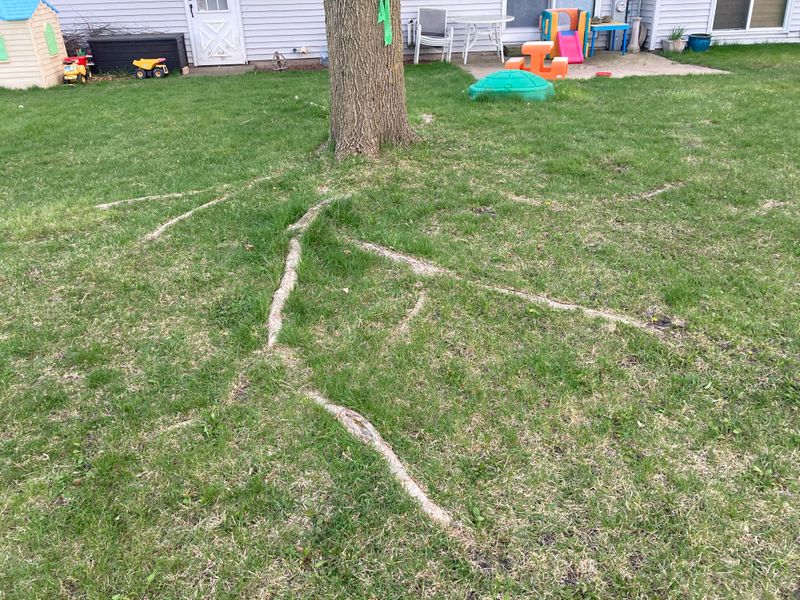
Ash trees were once a beloved staple of Ohio’s urban tree canopy, lining streets and shading yards across the state. Beyond the well-known emerald ash borer crisis, ash trees present a lesser-discussed problem for Ohio homeowners: their shallow root systems lift and crack sidewalks over time, especially in compacted soils common in suburban neighborhoods.
Ash roots spread widely near the soil surface, particularly in Ohio’s heavy clay soils where deep root growth is restricted. As the tree matures and the root flare widens, nearby concrete slabs get pushed upward from below.
The resulting cracks and uneven surfaces create both safety hazards and costly repair needs for Ohio property owners.
Older ash trees that were planted decades ago along Ohio sidewalks are now being removed in large numbers due to emerald ash borer damage. This actually gives Ohio homeowners a valuable opportunity to replace them with better, safer tree choices that will not repeat the same sidewalk problems in the future.
Kentucky coffeetree is a standout replacement option. It is native to Ohio, tolerates urban conditions beautifully, and has a deep root system that stays well clear of sidewalks and utilities.
Selected elm cultivars like the Princeton or Triumph elm also perform excellently near walkways, offering classic shade tree appeal without the rooting risks associated with ash.