10 Trees That Fill Your Ohio Yard With Birds
It usually starts with a small change. A few more birds on the fence, a flash of color in the branches, and suddenly your yard feels more alive than it did last season.
Once that shift happens, it’s hard not to notice who keeps showing up and why.
The trees you plant play a bigger role than most people realize. Some provide steady food through changing seasons, while others offer shelter when weather turns rough or a safe place to nest in spring.
Across Ohio, the right mix of trees can turn a quiet yard into a reliable stop for everything from robins to finches.
A few of these trees stand out for how quickly they bring in birds, and the first one on the list tends to draw attention almost right away.
1. The Mighty Oak That Feeds More Birds Than You’d Expect
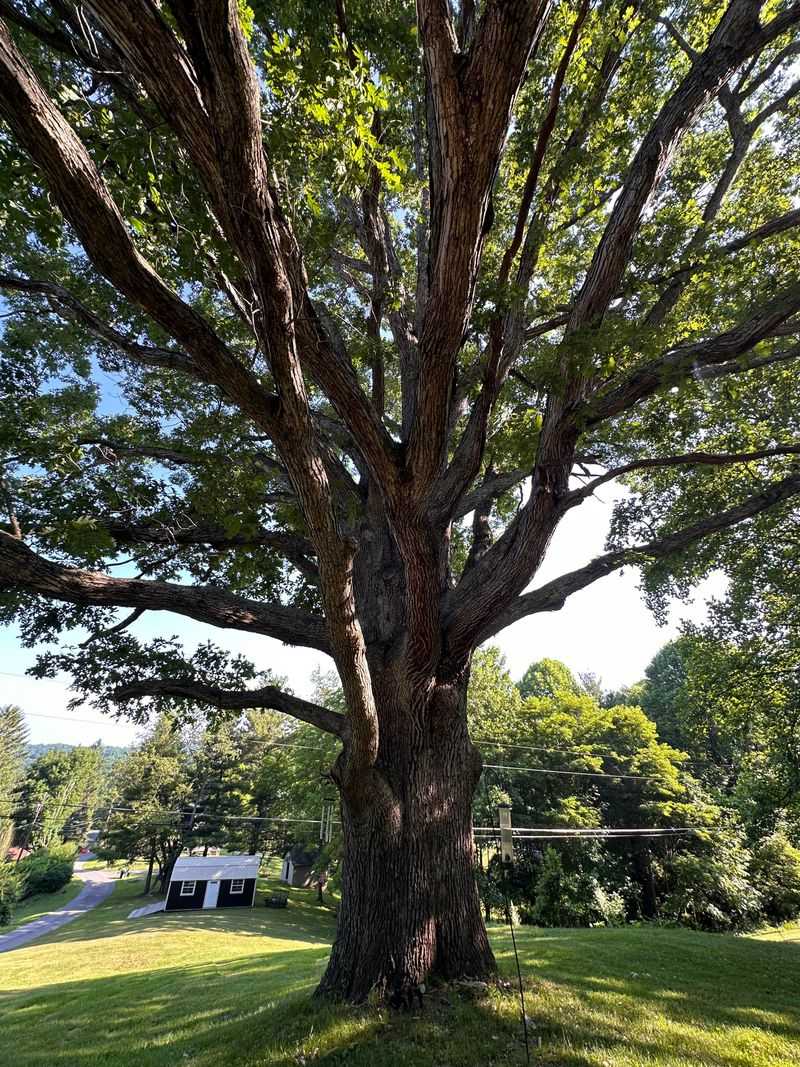
In Ohio yards, few trees support wildlife quite like the oak. A single mature oak can support hundreds of caterpillar species, which become essential protein sources for baby birds during nesting season.
This rich food supply helps many bird species raise their young successfully.
Cardinals, blue jays, woodpeckers, and nuthatches regularly visit these giants throughout the year.
The acorns produced by oaks feed not just squirrels but also many ground-feeding birds like wild turkeys and mourning doves. Different oak species drop their acorns at various times, creating a steady food supply from late summer through winter.
This extended feeding window helps migrating birds refuel and supports year-round residents when other food sources become limited.
Planting an oak requires patience since they grow slowly, but the long-term benefits are significant. White oaks, red oaks, and pin oaks all perform well in Ohio’s climate and soil conditions.
Strong branches provide reliable nesting sites, while dense canopies offer shelter during storms and temperature swings.
Think carefully about available space, since oaks eventually grow large. With time, even a young tree can begin attracting more bird activity as it becomes part of the surrounding ecosystem.
2. Eastern Red Cedar That Keeps Birds Coming All Winter
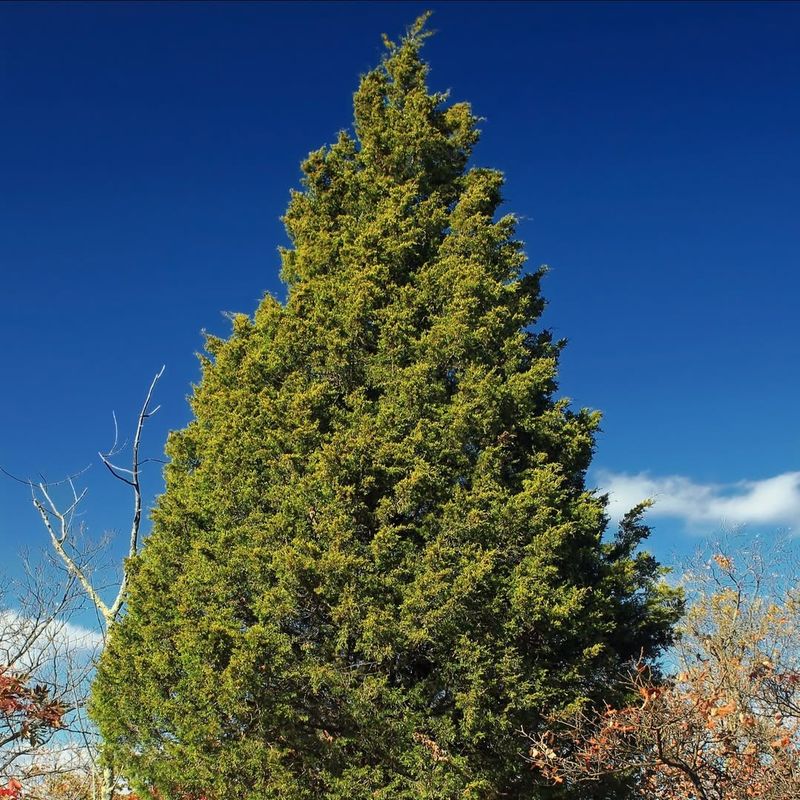
Year-round cover makes Eastern Red Cedar incredibly valuable for Ohio birds seeking protection from winter winds and summer sun. This evergreen native grows in a pyramidal shape with dense foliage that creates reliable hiding spots from hawks and other predators.
Cedar waxwings are frequently seen feeding on the blue berry-like cones, along with robins, bluebirds, and mockingbirds.
These berries serve as an important winter food source when insects are scarce and other fruits are no longer available. They often remain on branches into colder months, offering a dependable option during challenging conditions.
Female trees produce the berries, so planting more than one tree can improve the chances of fruit production.
Eastern Red Cedar adapts to a wide range of soil types and handles dry conditions well once established. Growth is generally moderate, with trees reaching a useful size over several years.
The aromatic wood naturally resists decay and insect damage, which contributes to its durability in Ohio landscapes.
Birds often build nests within the dense interior branches, where thick foliage helps protect eggs and chicks. For homeowners looking to support bird activity across seasons, Eastern Red Cedar offers steady benefits without requiring much maintenance.
3. Serviceberry Trees Birds Rush To First In Spring
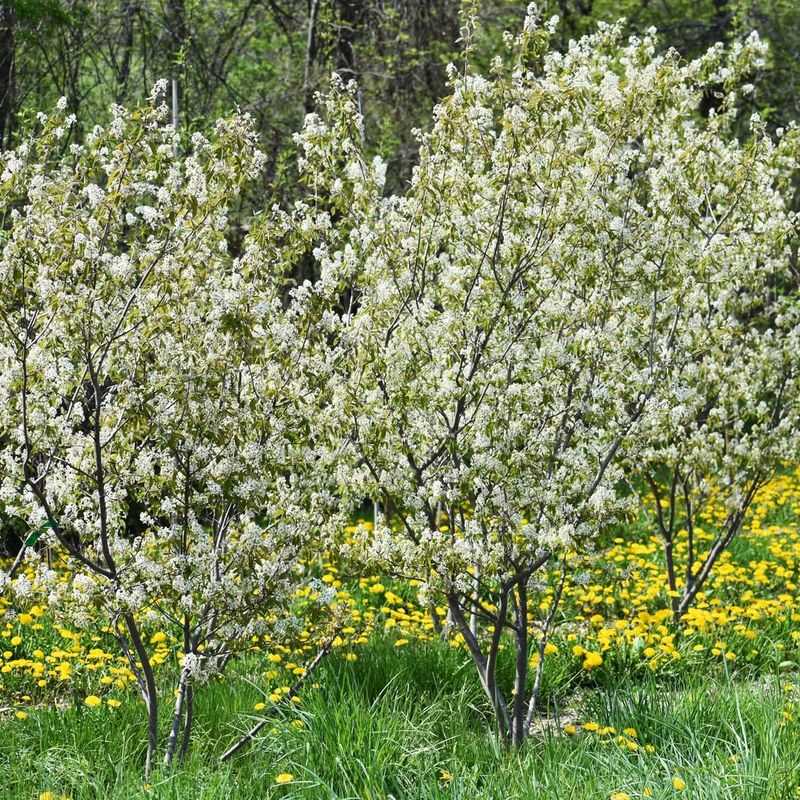
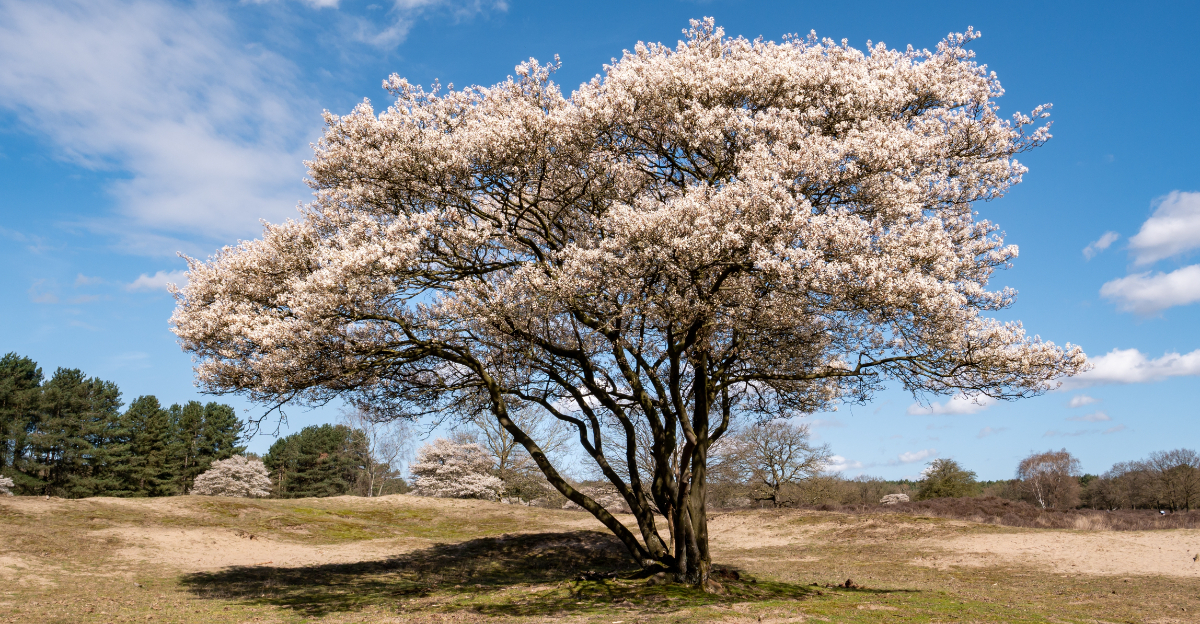
Springtime in Ohio brings spectacular white blooms covering serviceberry trees just as migrating birds return from southern wintering grounds. This early flowering provides nectar for insects, which in turn attracts insect-eating birds like warblers and vireos.
The blossoms create a stunning display that signals the start of the growing season.
By early summer, serviceberry produces sweet purple berries that over forty bird species eagerly consume. Orioles, tanagers, grosbeaks, and thrushes compete for these nutritious fruits that ripen just when parent birds need high-energy food for their growing chicks.
The berries don’t last long because birds devour them quickly, but that rapid consumption demonstrates their popularity.
Serviceberry works beautifully as an understory tree, meaning it tolerates partial shade and fits well beneath taller trees or near buildings. It typically grows between fifteen and twenty-five feet tall, making it manageable for average-sized Ohio yards.
The tree offers four-season interest with spring flowers, summer fruit, brilliant fall foliage in shades of orange and red, and attractive gray bark in winter.
Downy serviceberry and Allegheny serviceberry are both native to Ohio and thrive in our climate. These trees require minimal pruning and resist most pests, making them excellent low-maintenance choices for homeowners wanting to attract birds without endless yard work.
4. Flowering Dogwood That Doubles As A Bird Buffet
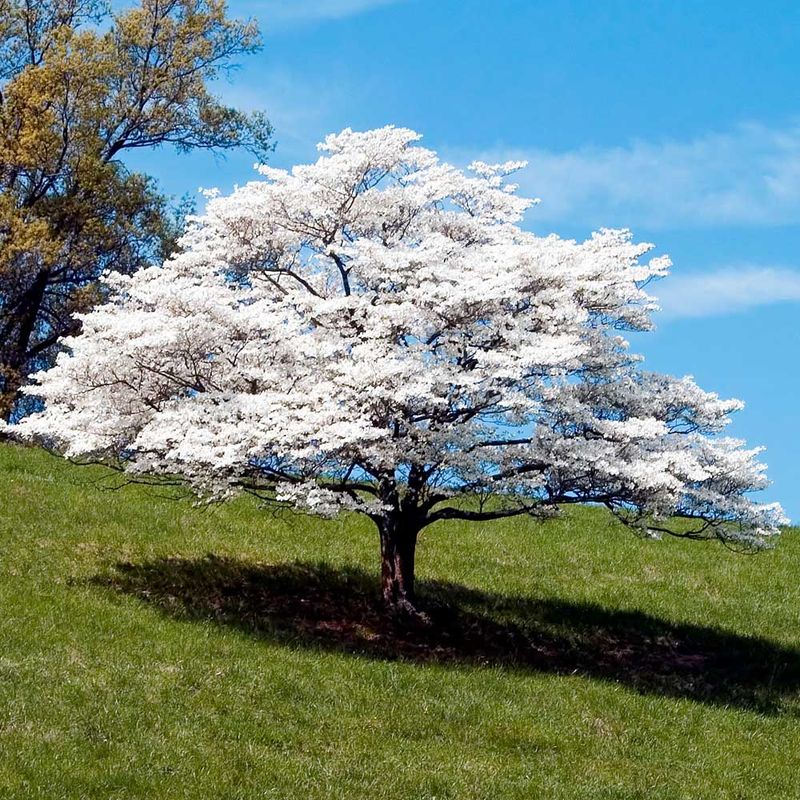
Elegant white or pink blooms make flowering dogwood one of Ohio’s most beloved ornamental trees, but its wildlife value extends far beyond good looks. The showy spring flowers actually consist of modified leaves called bracts, while tiny true flowers in the center attract early-season pollinators.
Migrating warblers and vireos hunt insects among the branches during this active period.
By fall, flowering dogwood produces clusters of bright red berries that provide crucial nutrition for birds preparing to migrate south or face Ohio winters. Wood thrushes, cardinals, cedar waxwings, and numerous woodpecker species rely on these lipid-rich fruits.
The berries often persist into early winter, serving as emergency rations during lean times.
Flowering dogwood typically grows as an understory tree in nature, thriving in dappled shade beneath taller oaks and maples. This growth habit makes it perfect for layered landscaping in residential yards.
The tree reaches fifteen to thirty feet tall with horizontal branching that creates distinctive architectural interest even in winter.
Ohio gardeners should select disease-resistant cultivars because dogwoods can suffer from anthracnose and other issues. Proper planting in well-drained soil with adequate moisture helps trees stay healthy.
The brilliant red fall foliage adds another season of beauty, making flowering dogwood a year-round asset that consistently attracts birds to your property.
5. Red Mulberry Trees Birds Flock To For Sweet Fruit
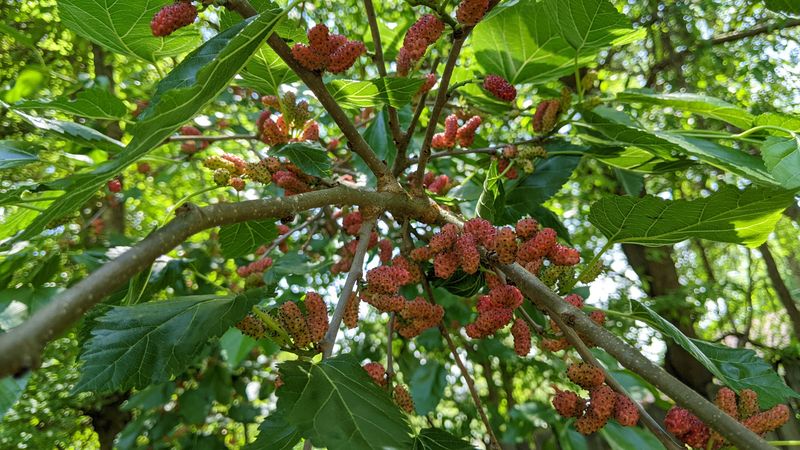
Few trees create as much avian excitement as a fruiting red mulberry during Ohio’s summer months. The long, dark berries ripen gradually over several weeks, providing an extended buffet that keeps birds returning daily.
Orioles, catbirds, warblers, and woodpeckers all rank mulberries among their favorite treats.
Red mulberry trees are native to Ohio, unlike the invasive white mulberry from Asia. Native red mulberries produce larger, sweeter fruit that birds prefer, and they support local ecosystems better than non-native alternatives.
The trees grow quickly, often producing fruit within just three to five years after planting, which means you won’t wait long to see results.
These trees tolerate a range of soil conditions and adapt well to both sun and partial shade. They typically reach thirty to fifty feet tall with a rounded canopy that provides excellent shade.
The large, sandpapery leaves create dense cover where birds feel safe while feeding.
One consideration with mulberries is the fruit mess they create when berries drop. Planting away from driveways, patios, or areas with light-colored pavement prevents staining issues.
The trade-off is worth it when you watch the constant parade of colorful birds visiting your tree throughout June and July, turning your Ohio yard into a genuine wildlife hotspot.
6. Hawthorn Trees That Offer Safe Nesting And Food
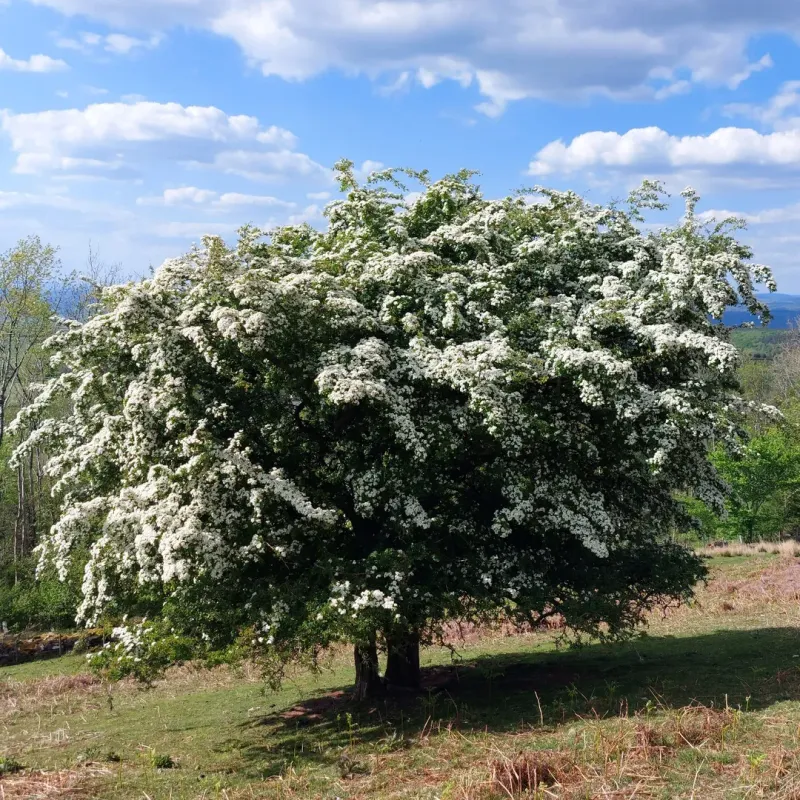
Thorny branches might seem unwelcoming, but hawthorn trees offer birds something invaluable: protection from predators while they feed and nest. The sharp spines deter cats, hawks, and other threats, creating safe zones where smaller songbirds raise their families.
Mockingbirds, thrashers, and cardinals particularly appreciate this natural security system.
Hawthorn berries, called haws, ripen to deep red in fall and provide food for dozens of bird species throughout Ohio winters. Waxwings, robins, and bluebirds consume these fruits, which remain edible even after freezing.
The berries contain seeds that birds disperse, helping hawthorns spread naturally and supporting ecosystem health.
White flower clusters cover hawthorn branches in late spring, creating stunning displays that rival ornamental cherries. These blooms attract numerous insects, which bring warblers, chickadees, and other insectivorous birds.
The dense branching and thorny structure also provide excellent cover during harsh weather.
Washington hawthorn and cockspur hawthorn both thrive in Ohio conditions and tolerate urban pollution, compacted soil, and road salt. They grow slowly to moderate size, typically reaching twenty to thirty feet tall.
While thorns require careful placement away from play areas and walkways, the wildlife benefits make hawthorns outstanding choices for dedicated bird enthusiasts wanting to create truly safe habitats in their Ohio yards.
7. Crabapple Trees Birds Never Ignore In Fall
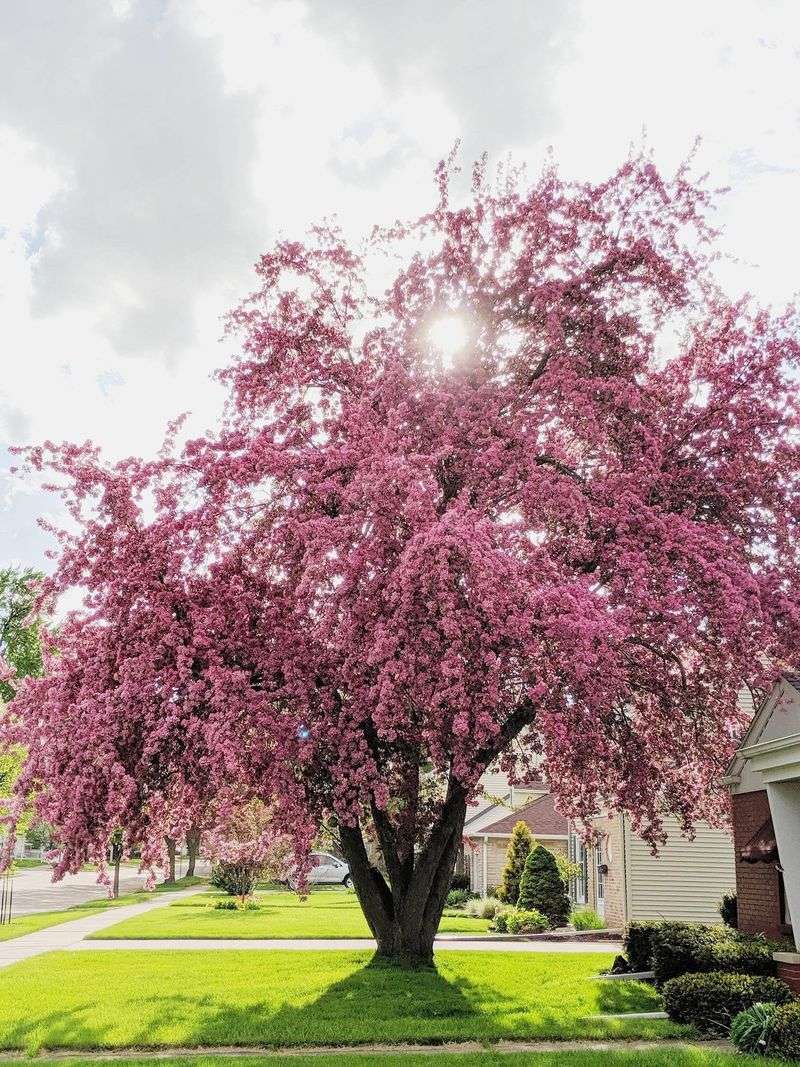
Winter survival in Ohio becomes easier for birds when crabapple trees dot the landscape with persistent fruit. Unlike regular apples that drop and rot quickly, small crabapples often cling to branches well into January and February.
Waxwings, robins, and starlings gorge on these frozen treats during cold snaps when other food disappears beneath snow.
Crabapple varieties differ significantly in fruit size, color, and persistence. Selecting cultivars specifically bred for wildlife means choosing trees with small fruits that birds can easily swallow whole.
Red Jewel, Prairifire, and Sugar Tyme are excellent choices for Ohio that combine disease resistance with reliable fruiting and beautiful spring flowers.
Spring brings clouds of fragrant pink or white blossoms that transform crabapples into neighborhood showpieces. These flowers attract pollinators, which draw insect-eating birds.
The dense branching structure provides safe nesting sites for robins, cardinals, and house finches throughout the breeding season.
Crabapples grow well across Ohio in various soil types and handle urban conditions better than many fruit trees. They range from small varieties suitable for compact yards to larger specimens that work as focal points.
Regular pruning maintains good air circulation and reduces disease pressure, keeping trees healthy and productive for decades of bird-feeding service in your landscape.
8. American Holly That Keeps Birds Fed Through Winter
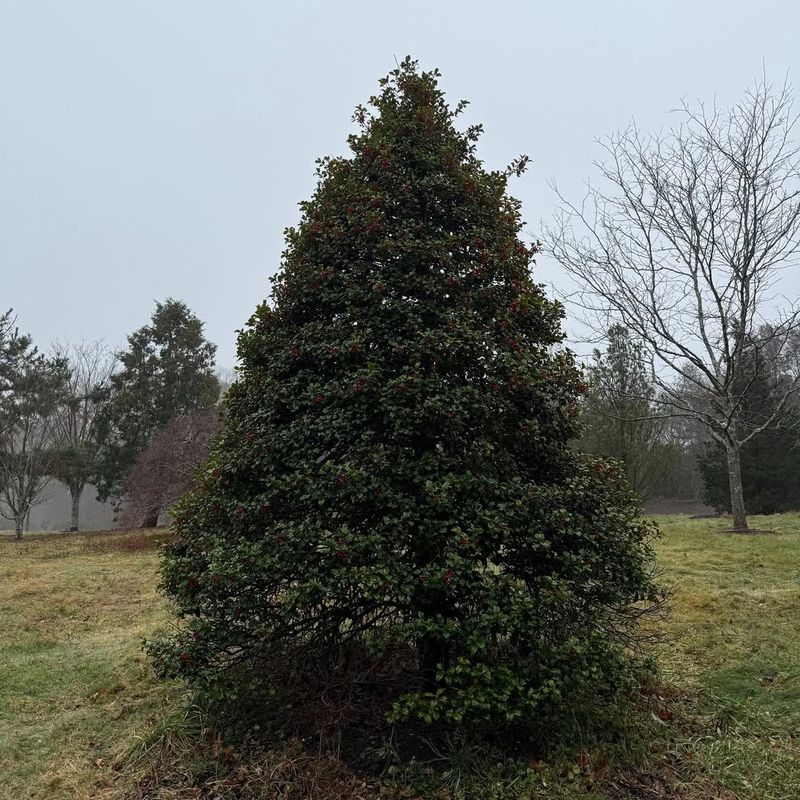
Glossy evergreen leaves and bright red berries make American holly a classic symbol of winter, but Ohio birds value this tree for practical survival reasons. The dense, spiny foliage provides essential shelter during brutal winter storms when deciduous trees offer no protection.
Robins, bluebirds, and mockingbirds seek refuge deep within holly branches during ice storms and heavy snow.
Holly berries ripen in fall but often remain untouched until late winter when desperate birds finally consume them. The berries taste bitter to humans but provide critical calories when virtually nothing else remains available.
This late-season reliability makes holly especially valuable for birds overwintering in Ohio rather than migrating south.
American holly grows slowly but steadily in Ohio, eventually reaching forty to sixty feet tall in ideal conditions. Female trees produce berries only when a male pollinator grows nearby, so planting both ensures fruit production.
The trees prefer acidic, well-drained soil and benefit from protection against harsh winter winds when young.
Holly’s formal appearance works beautifully in traditional landscapes, and it accepts pruning well if you want to maintain specific sizes or shapes. The evergreen nature means year-round privacy screening in addition to wildlife habitat.
While not as showy as some flowering trees, American holly provides irreplaceable winter resources that help Ohio bird populations survive until spring arrives.
9. Black Cherry Trees That Feed Birds Late In The Season
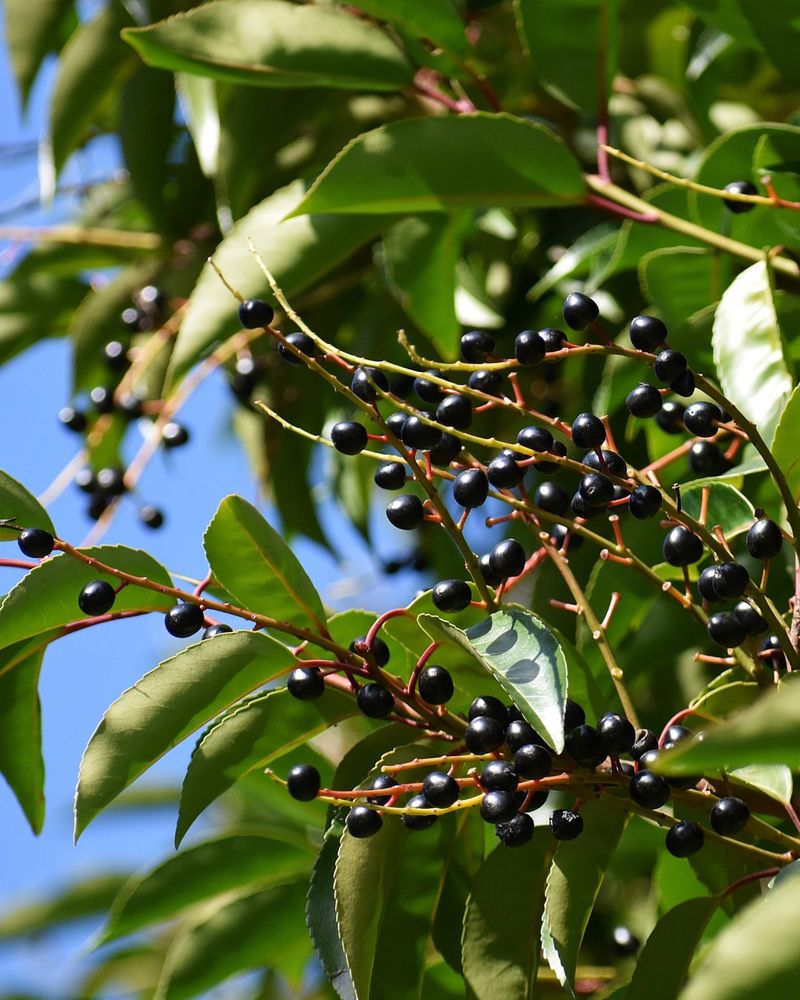
Each summer in Ohio, heavy fruit crops on black cherry trees draw in flocks of birds almost overnight. The small, dark cherries ripen in July and August, attracting over thirty species including grosbeaks, tanagers, orioles, and thrushes.
The brief ripening period creates urgency, with birds competing vigorously for access to this prized food source.
Beyond fruit, black cherry supports more caterpillar species than almost any other tree except oaks. These caterpillars become essential protein for nestlings during spring breeding season.
Warblers, vireos, and flycatchers hunt constantly through cherry foliage, finding abundant insects to feed their hungry chicks.
Black cherry grows rapidly in Ohio, reaching impressive heights of fifty to eighty feet. The attractive dark bark develops distinctive horizontal markings as trees mature, adding winter interest.
Fall foliage turns brilliant yellow, extending the tree’s ornamental value beyond its wildlife benefits.
These trees tolerate various soil conditions but prefer well-drained sites with full sun. They spread through bird-dispersed seeds, so expect volunteer seedlings around your yard.
Black cherry works best in larger properties where its eventual size won’t overwhelm the space. The combination of abundant fruit, insect-supporting foliage, and substantial size makes black cherry a powerhouse for creating bird habitat in Ohio landscapes.
10. River Birch That Attracts Insects Birds Love
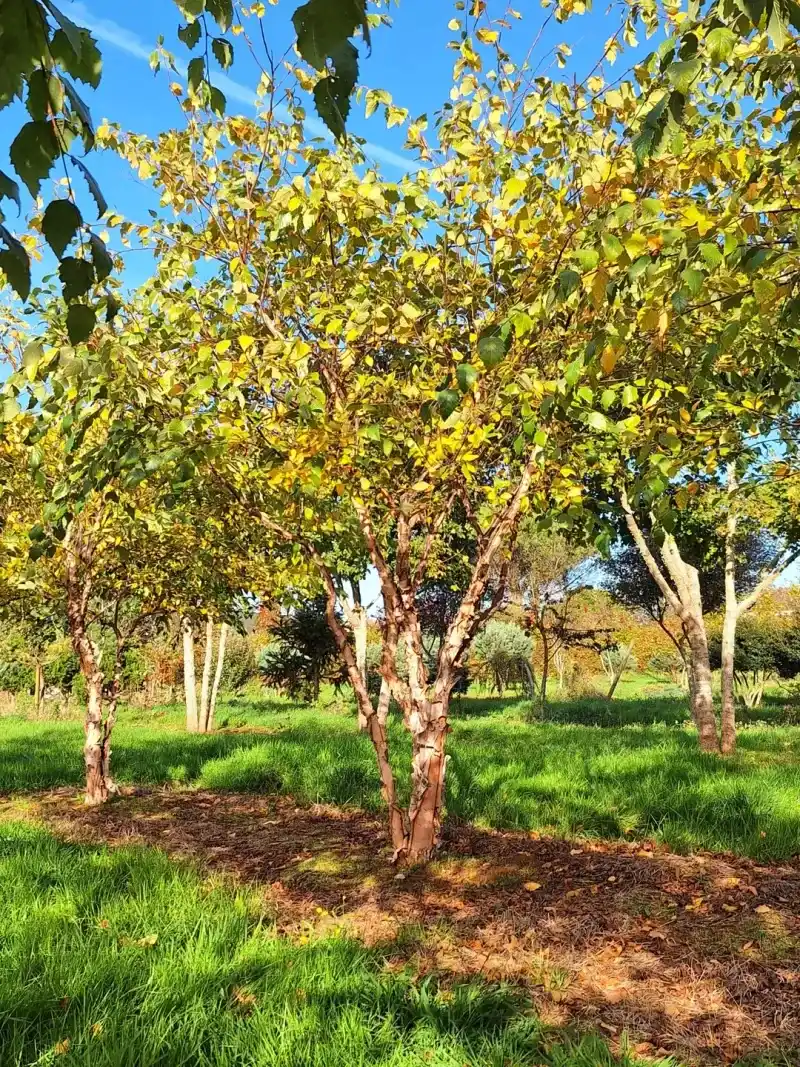
Peeling, cinnamon-colored bark gives river birch distinctive beauty, but birds are drawn to the small seeds produced in cone-like structures. Finches, chickadees, and siskins feed on these seeds throughout fall and winter, making use of this reliable food source.
The seeds provide compact nutrition that suits smaller bird species especially well.
River birch is well known for tolerating wetter soils than many other trees, which makes it a practical choice for low-lying areas or spots near water. This adaptability allows gardeners to introduce bird-friendly planting in areas that might otherwise be difficult to use.
Growth is typically moderate to fast under favorable conditions, allowing trees to establish and provide habitat within a reasonable timeframe.
Insects attracted to birch bark and foliage bring in woodpeckers, nuthatches, and creepers that search for food along the trunk and branches. The naturally peeling bark creates small crevices where insects may gather, offering steady foraging opportunities.
River birch usually reaches forty to seventy feet tall with a spreading crown. Its yellow fall foliage adds seasonal interest before leaves drop.
Cultivars such as Heritage and Dura-Heat are often selected for improved tolerance and pest resistance, making them reliable choices for Ohio landscapes that aim to support bird activity.