4 Trees That Struggle If Planted Too Early In Pennsylvania And 3 That Thrive
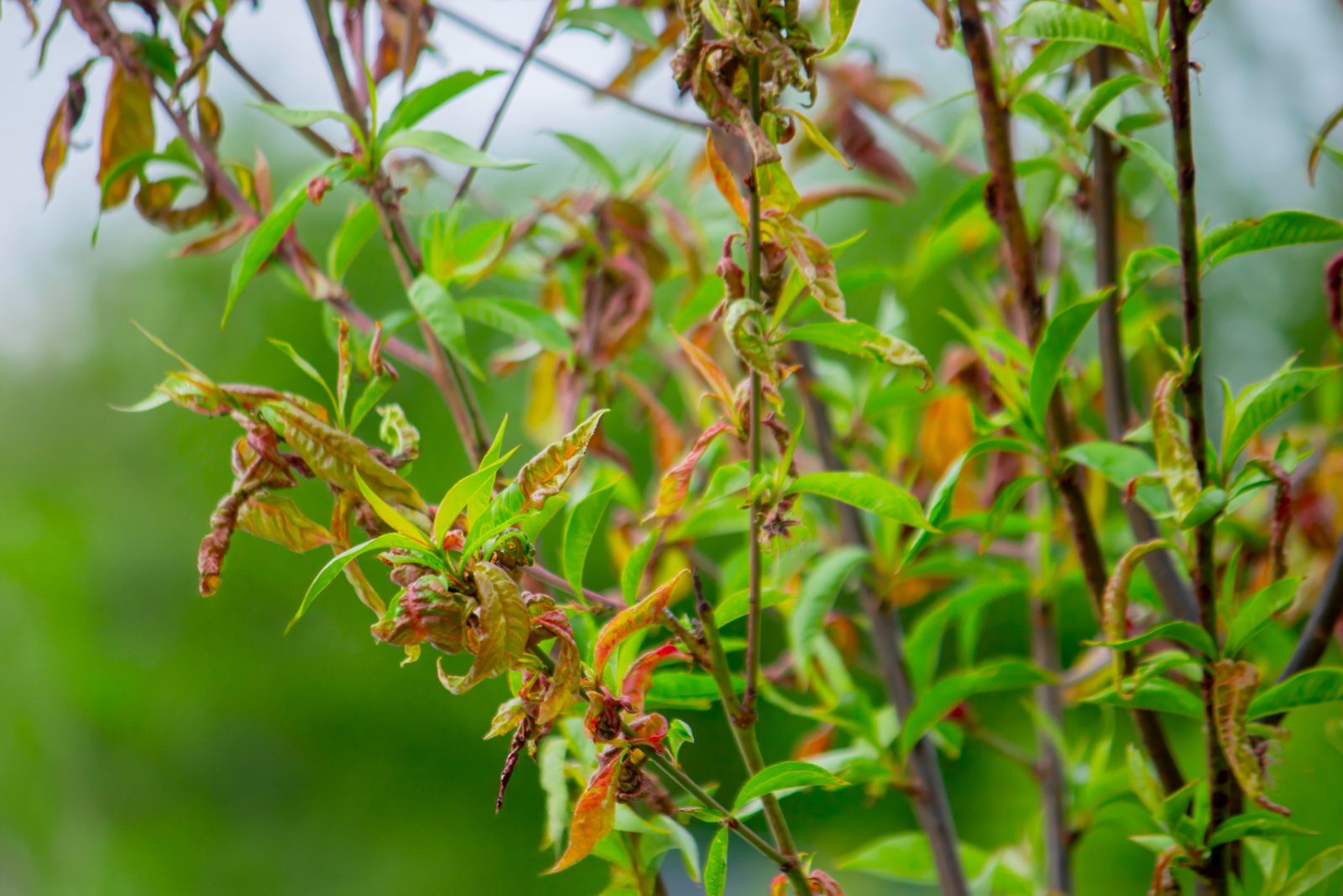
Spring in Pennsylvania can be a bit unpredictable, with warm days quickly followed by sudden cold snaps. As a result, some trees simply don’t do well if planted too early in the season.
While the urge to start planting as soon as the weather warms up is strong, certain trees need a bit more patience to avoid stress or damage.
Planting them too soon can lead to poor growth or even frost damage, especially if the cold weather makes a surprise comeback.
On the flip side, there are plenty of trees that thrive when planted early. These trees are ready to handle those fluctuating temperatures and are well-suited to Pennsylvania’s soil.
By picking the right trees for early planting, you’ll be setting them up for a strong start, giving them time to establish roots before the hotter months. Timing is everything, and knowing which trees to plant when will help your garden flourish all year long.
1. Sweet Cherry (Prunus Avium)
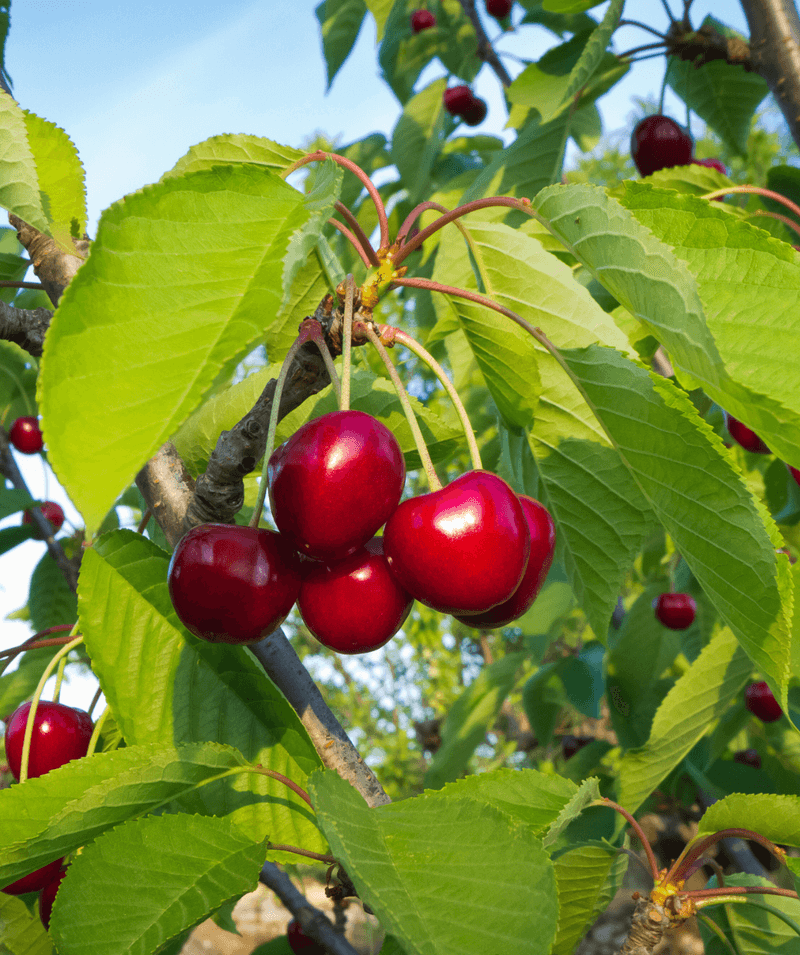
Sweet cherry trees are beautiful, and biting into a fresh cherry on a warm summer day feels like pure reward. But getting to that moment in Pennsylvania takes patience, especially when it comes to planting time.
Sweet cherries are surprisingly sensitive to the unpredictable weather patterns that show up in early spring across the state.
Pennsylvania soils in late winter and early spring tend to stay cold and waterlogged for longer than many gardeners expect. Sweet cherry roots do not establish well in wet, cold conditions.
When roots sit in soggy soil, they struggle to absorb nutrients and oxygen, which can stunt the young tree before it ever gets a real start.
Frost is another major concern. Sweet cherry trees are frost-sensitive, and Pennsylvania is well known for surprise late frosts that arrive just when you think spring has finally settled in.
A late frost can damage new root tissue and tender emerging buds, setting the tree back significantly.
The best approach is to wait until the soil has warmed and drained properly, usually in mid to late spring in most Pennsylvania regions. Well-drained, loamy soil is ideal for sweet cherry trees.
Raised planting areas or sloped ground can help prevent the waterlogging that causes so much trouble.
If you plant too early, you are not giving the tree a fair shot. Giving sweet cherries the right conditions from the start means you are far more likely to enjoy those delicious fruits for many seasons to come.
2. Peach (Prunus Persica)
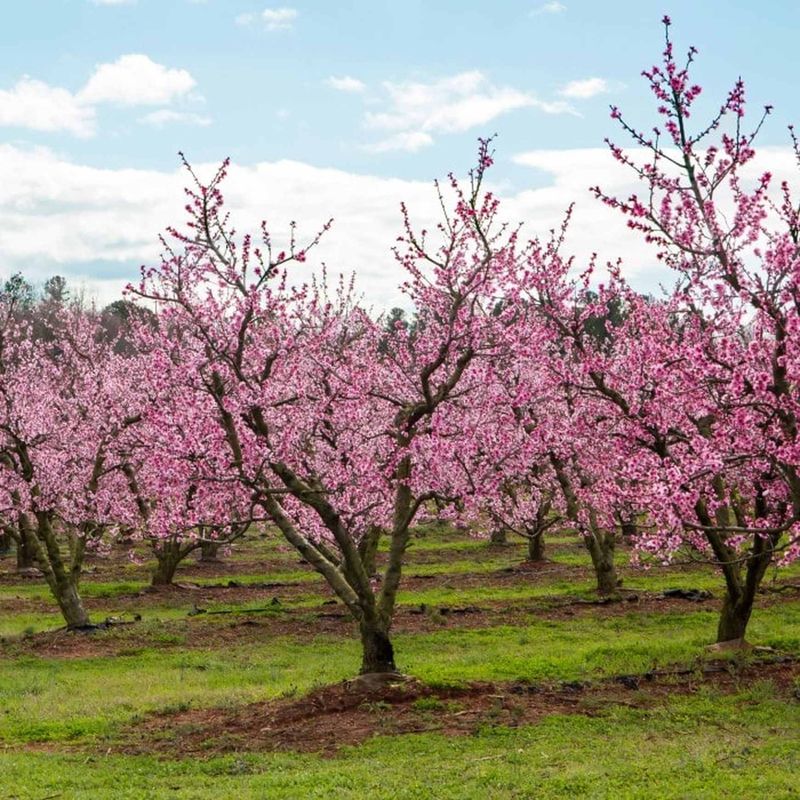
Peach trees have a bit of a reputation in Pennsylvania, and honestly, they have earned it. They are one of the most frost-sensitive fruit trees you can grow in the state, and planting them too early in the season is one of the most common mistakes home growers make.
When the soil is still cold and nighttime temperatures keep dipping below freezing, peach trees are already at a disadvantage.
The problem is that peach trees tend to wake up fast. Their buds break early in spring, which makes them especially vulnerable to late frosts that are still very common across Pennsylvania in March and even April.
A hard frost after budbreak can damage or destroy the developing blooms, which means no fruit that season.
Beyond bloom damage, cold soil slows root establishment dramatically. Peach roots need slightly warmer soil temperatures to begin growing outward and anchoring the tree properly.
Planting in cold, wet ground can leave roots sitting dormant and stressed rather than actively growing.
Waiting until late April or even early May in cooler Pennsylvania regions gives the soil a chance to warm up enough for healthy root development. Choosing a planting site with good sun exposure and excellent drainage also makes a real difference for peach trees in this state.
Peaches can absolutely thrive in Pennsylvania with the right timing and care. The key is not rushing the process just because the calendar says spring has arrived. Patience truly pays off with this fruit tree.
3. Fig (Ficus Carica)
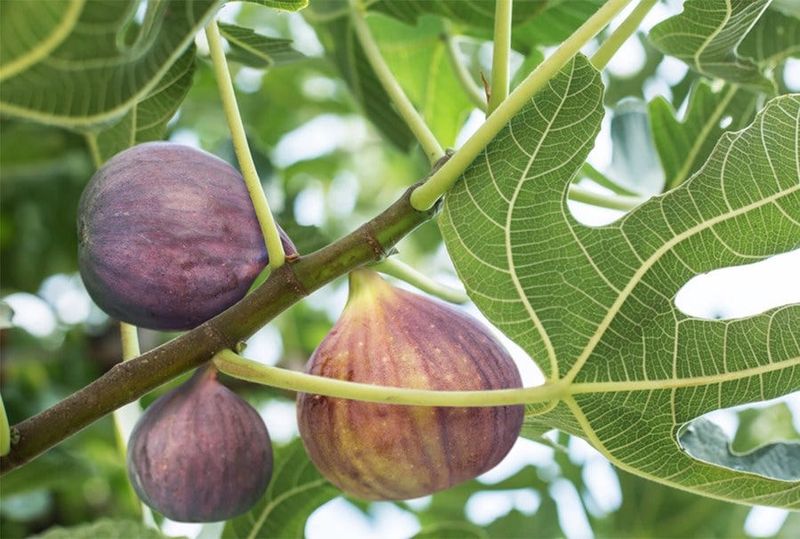
Fig trees are a little exotic for Pennsylvania, and that is part of what makes growing them so exciting. However, they are also one of the trees that absolutely cannot be rushed into the ground too early in the season.
Figs are native to warm Mediterranean climates, and their roots are genuinely sensitive to cold and frozen soil conditions.
When fig roots encounter frozen or near-frozen soil, they can suffer damage that is hard to recover from. The root system of a young fig tree is not built to handle the cold snaps and late frosts that Pennsylvania regularly delivers in early spring.
Planting too soon often results in a tree that looks fine above ground for a week or two, then suddenly struggles to push out new growth.
Figs need the soil to be consistently warm before they go in the ground. In Pennsylvania, that usually means waiting until late spring, sometime around May, when nighttime temperatures are reliably above 50 degrees Fahrenheit.
At that point, the soil has had enough time to warm up and support healthy root growth. Many Pennsylvania gardeners also choose to grow figs in containers so they can move them indoors during extreme cold.
For in-ground planting, picking a sheltered spot near a south-facing wall can provide extra warmth and protection.
Figs are absolutely worth the extra effort and patience. Once established in the right conditions, they can produce generous harvests and bring a truly unique touch to any Pennsylvania garden or backyard.
4. Apricot (Prunus Armeniaca)
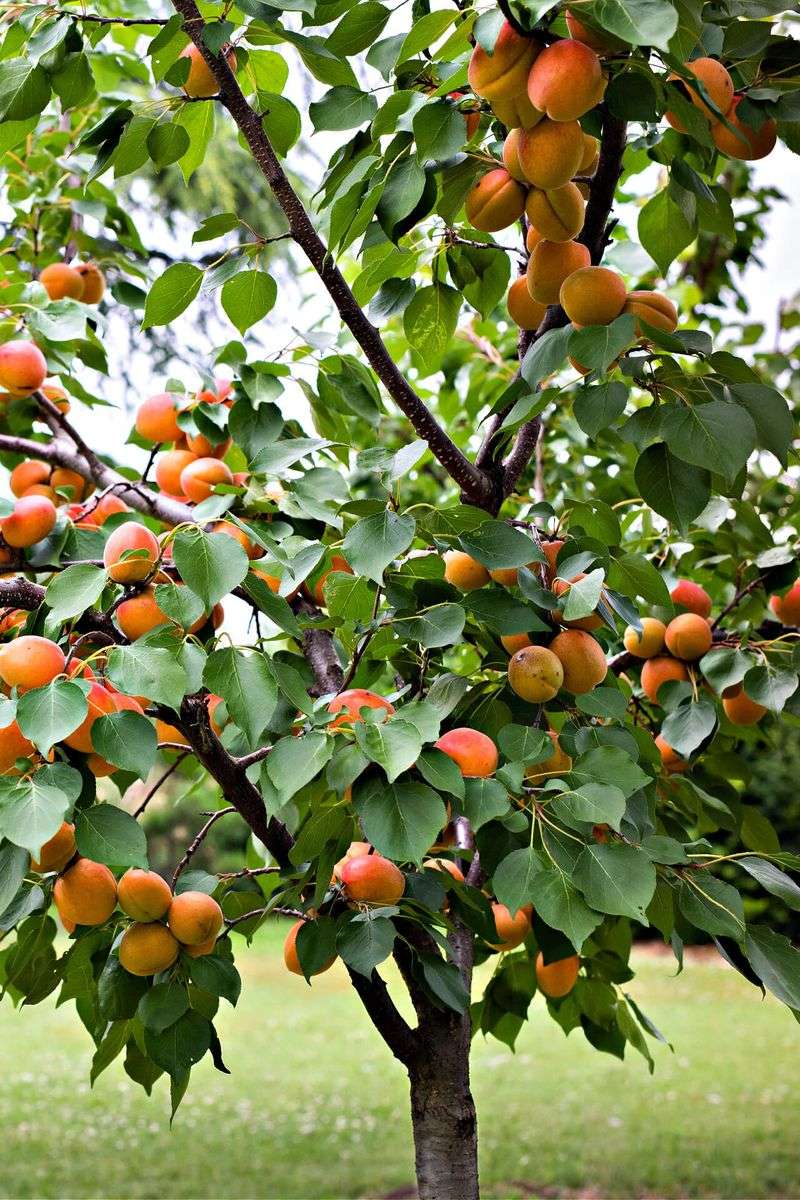
Apricot trees bloom earlier than almost any other fruit tree, and in Pennsylvania, that trait works against them when planted too soon. They are among the most frost-sensitive trees you can put in the ground in this state.
Their buds break so early in the season that even a small late frost can cause serious damage to young blooms and tender new growth.
Planting an apricot tree too early in Pennsylvania compounds this problem. Cold soil slows root establishment, meaning the tree has no strong foundation to draw on when a late frost hits.
A young apricot with weak roots and frost-damaged buds is in a very tough spot heading into the growing season.
Pennsylvania gardeners have long struggled with apricot timing. The state’s unpredictable spring weather, where warm days can suddenly be followed by a hard freeze, creates a risky environment for early-blooming trees.
Zones 5 and 6 in Pennsylvania are especially challenging for apricots because the last frost date can vary by several weeks from year to year.
Waiting until the soil is consistently above 45 degrees Fahrenheit and the threat of hard frost has passed is the smartest move for apricot planting in Pennsylvania.
Selecting a planting location with good air drainage, such as a gentle slope, can also help cold air flow away from the tree rather than settling around it.
Apricots can reward patient Pennsylvania gardeners with gorgeous spring blossoms and delicious fruit, but only when given the right start at the right time of year.
5. Red Maple (Acer Rubrum)
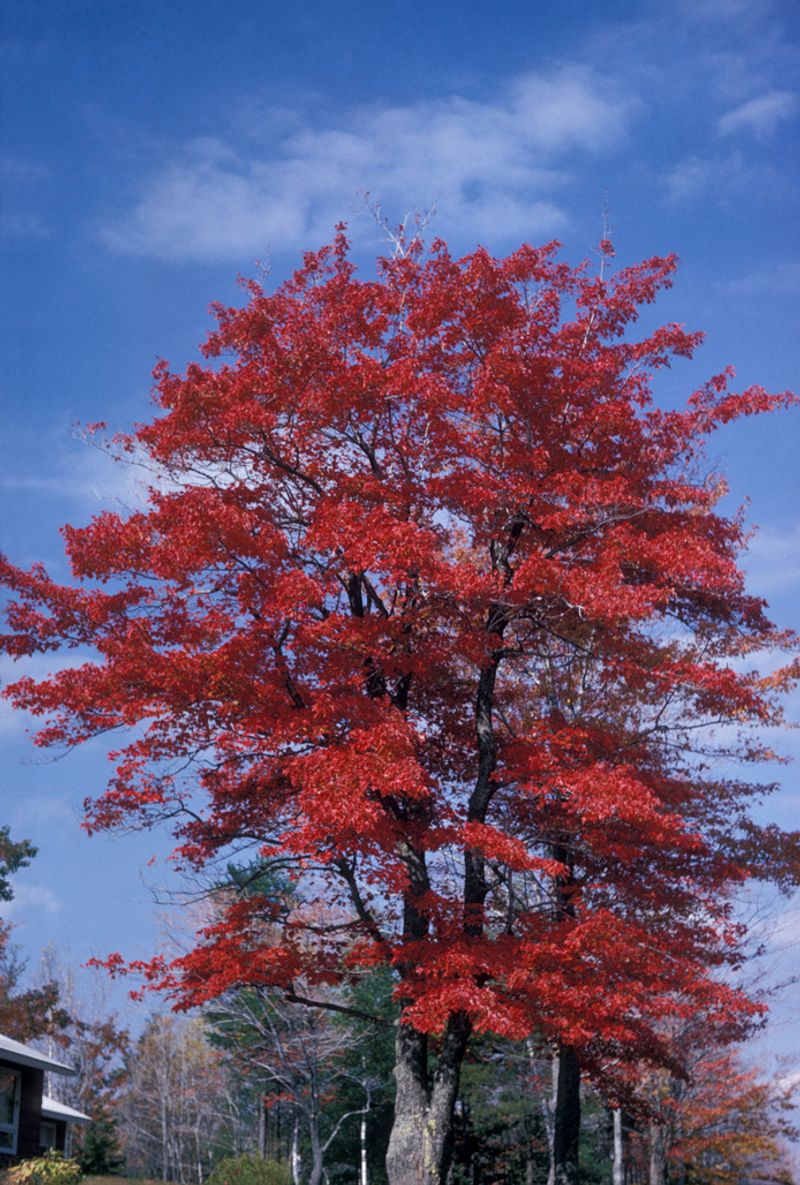
If there is one tree that practically shouts Pennsylvania, it is the red maple. Drive through almost any neighborhood, park, or forest in the state and you will spot their fiery red buds announcing the arrival of spring long before most other trees even think about waking up.
Red maples are cold-hardy, adaptable, and genuinely built for early spring planting in Pennsylvania.
Unlike the frost-sensitive fruit trees on this list, red maples can handle the chill. Their root systems begin establishing themselves in cool soil, giving the tree a strong foundation well before the main growing season kicks in.
Planting a red maple early in spring, as soon as the ground is workable, actually gives it a head start that benefits the tree all season long.
Red maples are also remarkably flexible when it comes to soil conditions. They tolerate wet areas, clay soils, and even slightly compacted ground, which makes them one of the most forgiving trees a Pennsylvania homeowner can plant.
They grow at a solid pace and provide excellent shade within just a few years. Beyond their practical toughness, red maples offer stunning seasonal beauty.
Their spring flowers are a rich red, their summer canopy is full and lush, and their fall foliage is nothing short of spectacular.
In Pennsylvania, where fall color is a major attraction, red maples are always a crowd favorite.
For anyone looking for a reliable, beautiful, and easy-to-establish tree in Pennsylvania, the red maple is about as close to a sure thing as you can get.
6. Northern Red Oak (Quercus Rubra)
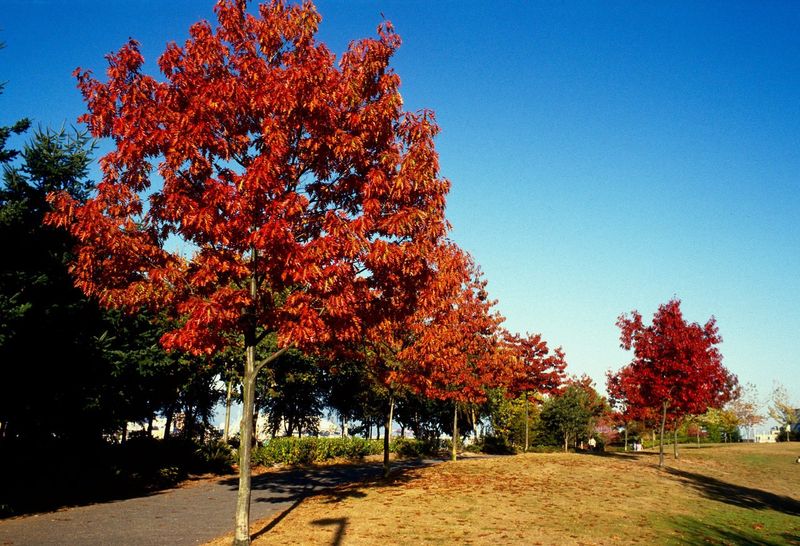
Northern red oaks have been growing across Pennsylvania for thousands of years, and there is a very good reason they are still everywhere you look.
These trees are tough, deeply rooted in the region’s ecology, and perfectly suited for early spring planting across the state’s USDA hardiness zones 5 through 7. When the ground becomes workable in early spring, northern red oaks are ready to go.
One of the standout qualities of this tree is how quickly its roots get to work in cool soil. Unlike frost-sensitive trees that need warmer conditions to establish, northern red oaks begin putting down roots as soon as they are in the ground.
That early root development gives the tree a strong advantage heading into the warmer months when above-ground growth really accelerates.
Northern red oaks are also incredibly resilient to Pennsylvania’s variable spring weather. Late cold snaps that would stress a peach or apricot tree barely slow a young red oak down.
Their rugged constitution makes them a top choice for reforestation projects, large yards, parks, and anywhere that needs long-term canopy coverage.
These oaks grow to impressive sizes over time, providing deep shade, habitat for wildlife, and a lasting presence in any Pennsylvania landscape. They also support hundreds of species of insects and birds, making them one of the most ecologically valuable trees you can plant in the state.
Planting a northern red oak early in spring is not just acceptable in Pennsylvania, it is actually encouraged. The earlier the roots can settle in, the stronger and more resilient the tree becomes over its long lifetime.
7. Serviceberry (Amelanchier Canadensis)
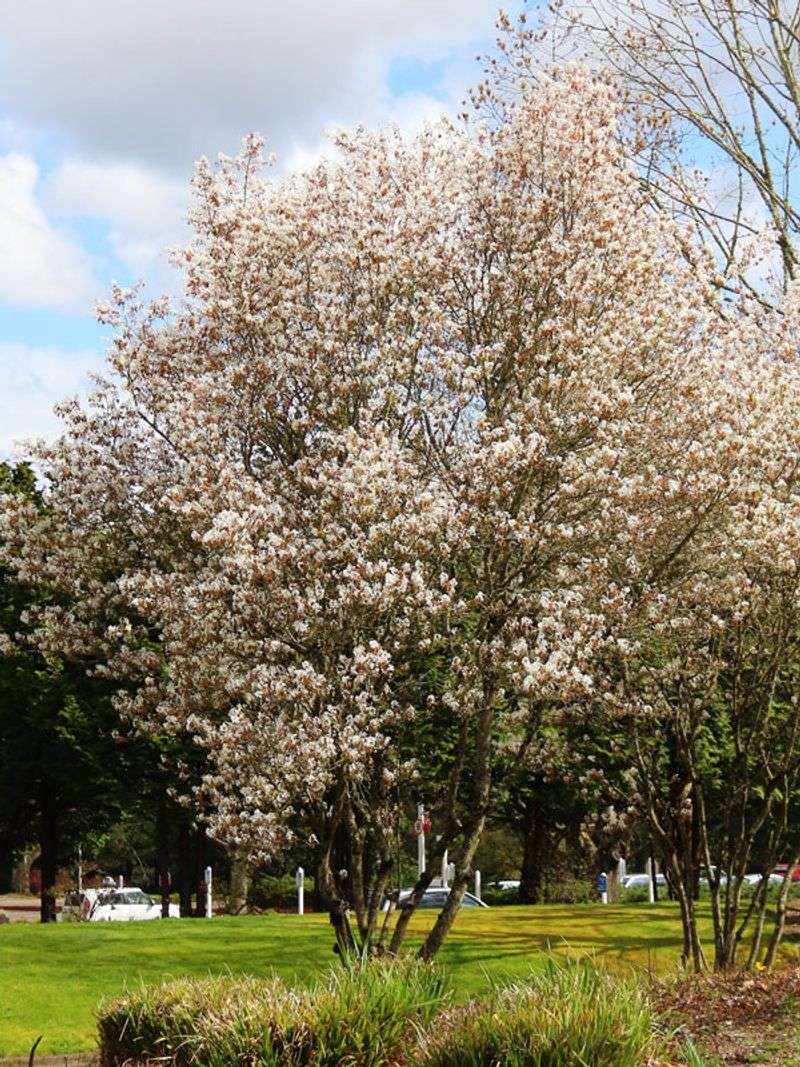
Few trees signal the true arrival of spring in Pennsylvania quite like the serviceberry. Long before most trees have even thought about leafing out, serviceberry trees burst into clouds of delicate white flowers that light up roadsides, woodland edges, and backyard gardens across the state.
Early blooming is not a weakness for this tree. It is one of its greatest strengths. Serviceberry, also known as Amelanchier canadensis, is a native species that has evolved alongside Pennsylvania’s climate for centuries.
It is completely at home in the state’s early spring conditions and actually establishes its root system very efficiently when planted as soon as the soil becomes workable. There is no need to wait for warmer temperatures with this one.
Pollinators absolutely love serviceberry trees. Bees, butterflies, and other early-season insects flock to the blossoms at a time when very few other food sources are available.
Birds follow shortly after, eagerly eating the small, sweet berries that ripen in early summer. Planting a serviceberry in Pennsylvania is genuinely good for the local ecosystem.
Serviceberries are also very adaptable. They grow well in full sun or partial shade and tolerate a range of soil types found across Pennsylvania.
They stay at a manageable size, usually between 15 and 25 feet tall, making them perfect for smaller yards or as understory trees in larger landscapes.
For Pennsylvania gardeners who want a low-maintenance, wildlife-friendly, and visually stunning tree that thrives with early planting, serviceberry checks every single box without hesitation.