8 Trees That Will Turn Your Pennsylvania Yard Into A Bird Magnet
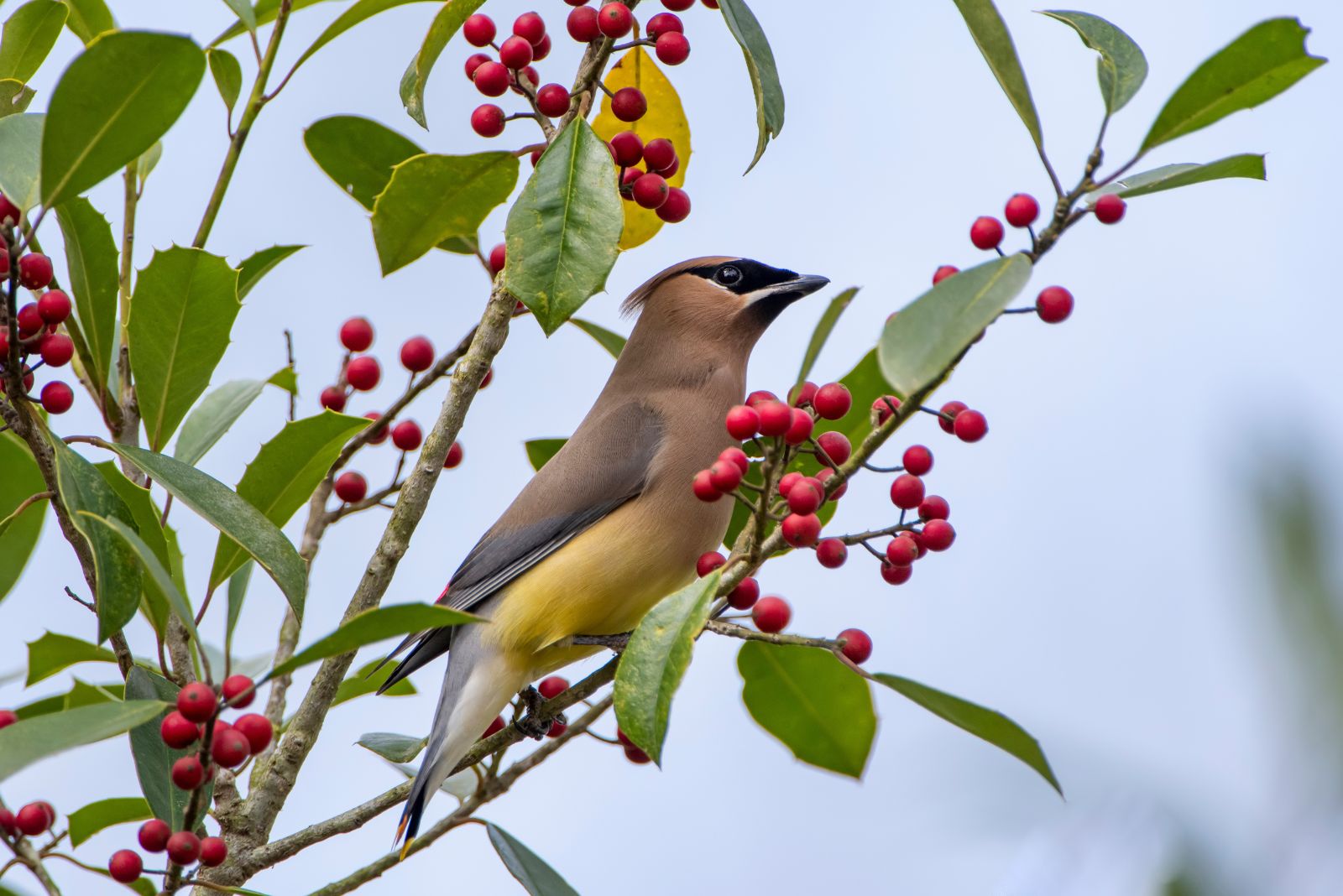
Step outside early in the morning and imagine your yard filled with birdsong from every direction. Bright feathers flash between branches, and small visitors hop from limb to limb searching for food and shelter.
A lively yard like this does not happen by chance. The right trees can turn an ordinary outdoor space into a welcoming stop for many bird species throughout the year.
In Pennsylvania, certain trees naturally attract birds by offering berries, seeds, nesting spots, and safe cover. When you plant these trees, you create more than shade or greenery.
You build a habitat that supports local wildlife and brings constant movement to your yard. Watching birds feed, rest, and raise their young adds a peaceful and rewarding touch to everyday life.
With thoughtful planting, your landscape can become a dependable haven for birds in every season. The result is a vibrant, nature filled yard that feels alive from dawn to dusk.
1. Eastern Redbud
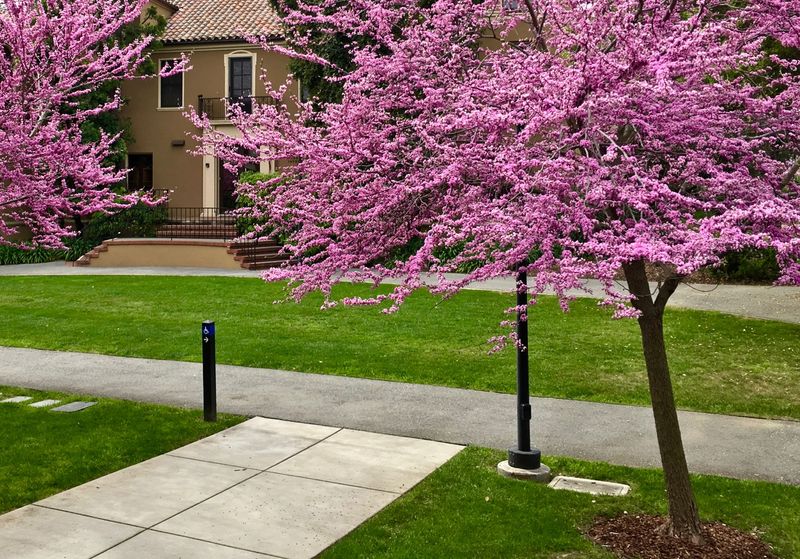
Spring arrives with a spectacular show when Eastern Redbud bursts into vibrant pink blooms before its leaves even appear. These early flowers become a buffet for insects, which in turn attract hungry birds emerging from winter.
Chickadees, finches, and various songbirds flock to these trees during the critical early season when food sources remain scarce.
The tree grows well across Pennsylvania, adapting to different soil types and light conditions. Its compact size makes it perfect for smaller yards, typically reaching 20 to 30 feet tall.
The heart-shaped leaves provide lovely summer shade while maintaining an attractive form.
Beyond springtime blooms, Eastern Redbud produces flat seed pods that persist into winter. These seeds become valuable food for ground-feeding birds and small mammals.
The branching structure offers excellent perching spots and potential nesting sites for smaller bird species.
Pennsylvania gardeners appreciate how low-maintenance this native tree proves to be once established. It tolerates urban conditions surprisingly well, making it suitable for both city and suburban settings.
The fall foliage turns a pleasant yellow, adding another season of visual interest to your landscape while continuing to support local bird populations throughout the year.
2. Serviceberry
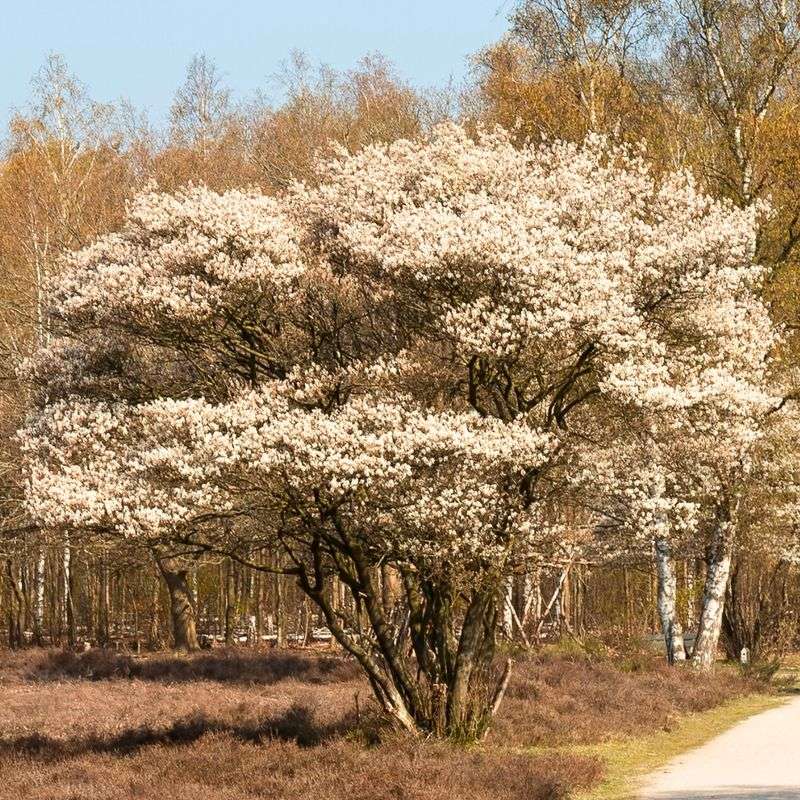
Few trees match Serviceberry when it comes to attracting birds to Pennsylvania yards. The delicate white flowers that appear in early spring give way to sweet, dark purple berries by June.
Robins, cedar waxwings, and bluebirds consider these fruits a delicacy and will visit repeatedly throughout the fruiting season.
This multi-stemmed tree grows naturally throughout Pennsylvania forests, making it perfectly suited to local conditions. It reaches about 15 to 25 feet tall with a graceful, upright form.
The silvery bark adds winter interest, while fall brings brilliant orange and red foliage that rivals any ornamental tree.
Birds appreciate Serviceberry for more than just its berries. The dense branching pattern creates ideal nesting cover for many species.
Cardinals, robins, and other songbirds frequently build nests within its protective branches, raising their young safely away from predators.
Gardeners love that the berries are edible for humans too, though you will need to compete with the birds for them. The tree thrives in full sun to partial shade and tolerates various soil conditions.
Its manageable size and multiple seasons of interest make it a top choice for anyone serious about creating bird-friendly landscapes in Pennsylvania.
3. Eastern Red Cedar
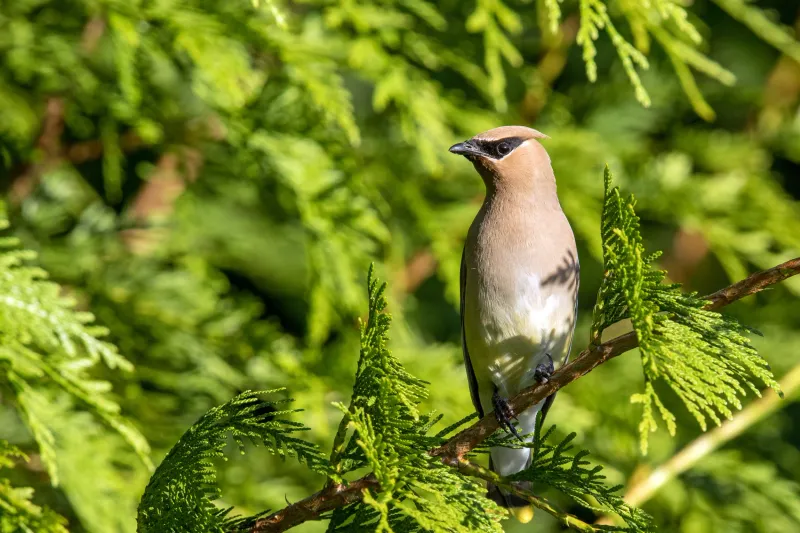
Year-round shelter matters immensely to birds, and Eastern Red Cedar delivers exactly that. This evergreen native provides dense cover during harsh Pennsylvania winters when deciduous trees stand bare.
Birds huddle within its branches during snowstorms and freezing temperatures, finding protection from wind and predators.
The blue berries that appear on female trees become a critical food source when other options disappear under snow. Cedar waxwings earned their name partly due to their love of these berries.
Robins, bluebirds, and mockingbirds also feast on them throughout fall and winter months.
Eastern Red Cedar grows slowly but steadily, eventually reaching 40 feet or more. Its pyramidal shape and aromatic foliage add visual appeal and pleasant fragrance to your yard.
The reddish-brown bark peels in attractive strips, creating textural interest even in winter.
Nesting birds particularly favor this tree because its dense foliage offers excellent concealment. Songbirds, doves, and even owls may choose to raise their young within its protective branches.
The tree tolerates poor soil and drought once established, making it remarkably low-maintenance for Pennsylvania gardeners seeking to support local bird populations through every season.
4. Dogwood
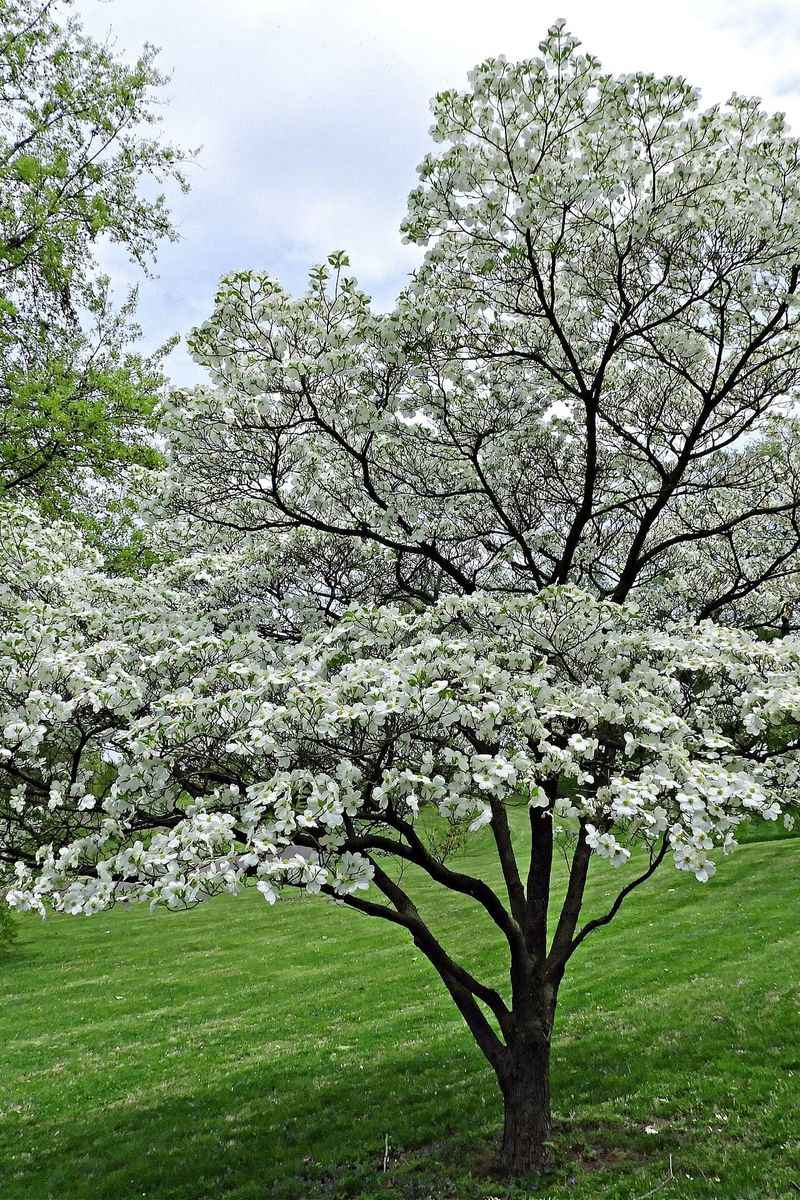
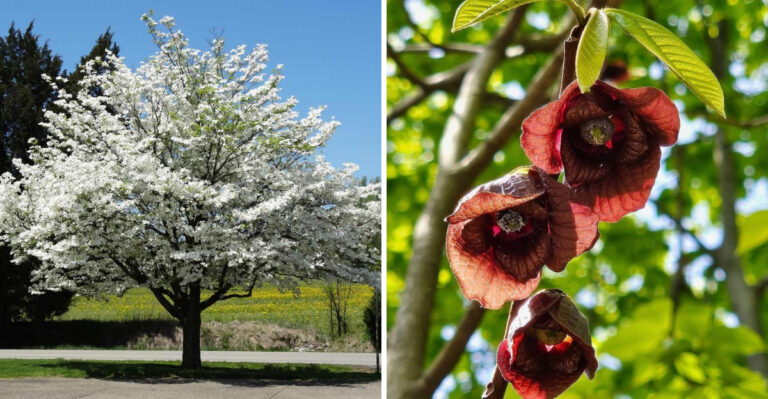
Stunning white or pink blooms make Dogwood a springtime showstopper across Pennsylvania landscapes. But the real magic for birds happens later when clusters of bright red berries ripen in fall.
Cardinals, robins, and various thrush species find these berries irresistible, often stripping the tree clean before winter arrives.
The horizontal branching pattern creates distinct layers that birds use for different purposes. Some species prefer the lower branches for feeding, while others nest in the middle sections.
This architectural structure makes a single Dogwood valuable to multiple bird species simultaneously.
Growing 15 to 30 feet tall, Dogwood fits comfortably in most Pennsylvania yards without overwhelming the space. The tree prefers partial shade, making it perfect for planting beneath taller oaks or maples.
Fall foliage turns deep red or purple, adding dramatic color before leaves drop.
Dense branching provides excellent nesting sites for robins, cardinals, and other medium-sized songbirds. The tree supports numerous insects that feed baby birds during nesting season.
Pennsylvania gardeners should note that Dogwood performs best with consistent moisture and protection from harsh afternoon sun, rewarding proper care with decades of bird-attracting beauty and function.
5. Oak Tree
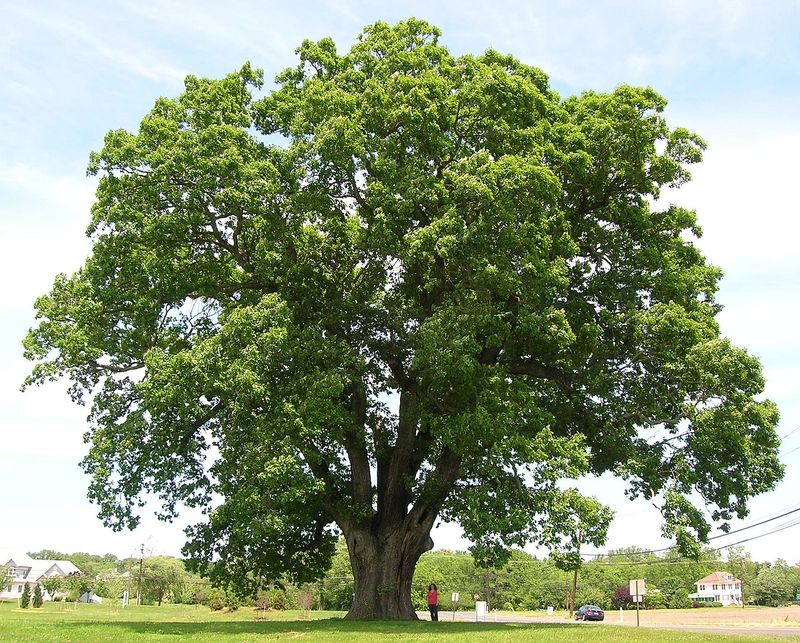
No tree supports more wildlife than the mighty Oak. Research shows that oaks host hundreds of caterpillar species, which become essential protein sources for nesting birds.
Chickadees, warblers, and vireos scour oak branches constantly during spring and summer, feeding their hungry chicks with these abundant insects.
Acorns provide another food dimension that attracts different bird species. Blue jays, woodpeckers, and even wild turkeys gather beneath oaks in fall, collecting and storing these nutritious nuts.
Jays alone may cache thousands of acorns each season, inadvertently planting future oak trees throughout Pennsylvania.
The massive branches of mature oaks offer prime nesting real estate for larger birds. Hawks, owls, and crows frequently build nests in oak crowns.
The strong limbs and dense foliage provide stability and concealment that birds require for successful reproduction.
Pennsylvania has several native oak species, including Red Oak, White Oak, and Pin Oak. Each grows large, often exceeding 60 feet tall, so plan accordingly.
These trees represent long-term investments that will support bird populations for generations. Their fall color ranges from russet to deep red, and their presence instantly elevates any landscape into serious wildlife habitat.
6. Crabapple
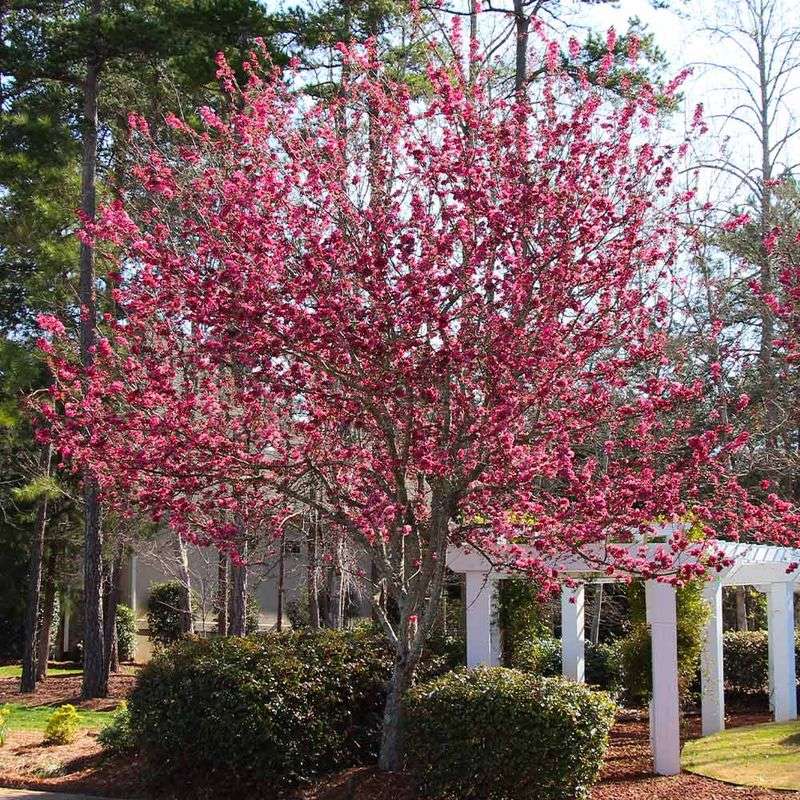
Persistent fruit makes Crabapple invaluable for birds facing Pennsylvania winters. Unlike many trees whose fruits drop quickly, crabapples often cling to branches well into cold months.
This extended availability means robins, waxwings, and mockingbirds can find food even after snowfall covers ground-level sources.
Spring brings clouds of white or pink blossoms that transform these compact trees into spectacular focal points. The flowers attract insects, which in turn draw insect-eating birds.
This early-season activity kickstarts the ecological chain that supports birds throughout the growing season.
The dense, twiggy structure of crabapples creates ideal shelter and nesting opportunities. Smaller songbirds appreciate the protective branching where they can build secure nests.
The trees typically grow 15 to 25 feet tall, fitting well into most residential landscapes without requiring excessive space.
Pennsylvania gardeners should select disease-resistant crabapple varieties to minimize maintenance. Modern cultivars offer excellent fruit production with better resistance to common problems.
The trees tolerate urban conditions and adapt to various soil types. Their multi-season interest combines spring flowers, summer shade, fall color, and winter fruit, making them workhorses for bird-friendly landscaping throughout the state.
7. Black Cherry
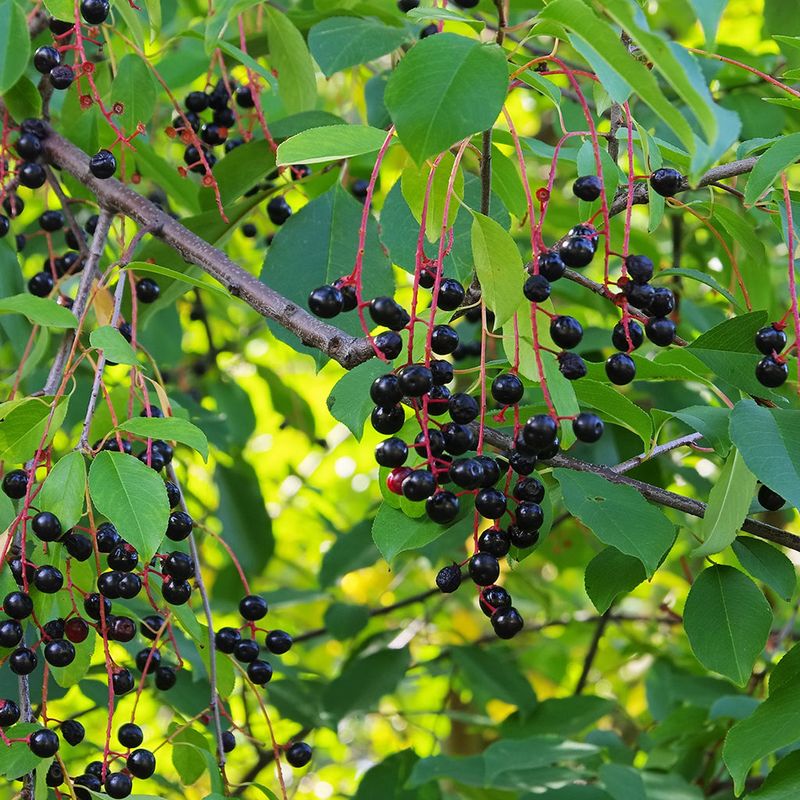
Wild cherries disappear fast when Black Cherry trees ripen their fruit in mid-summer. Over 40 bird species consume these dark purple-black cherries, including thrushes, tanagers, and grosbeaks.
The feeding frenzy that occurs during fruiting season brings remarkable bird diversity to Pennsylvania yards fortunate enough to have this native tree.
Beyond direct fruit consumption, Black Cherry supports an impressive array of caterpillars and other insects. These become critical food for songbirds raising nestlings.
Parent birds make countless trips to Black Cherry branches, gathering soft-bodied insects to feed their demanding young.
The tree grows quickly, reaching 50 to 80 feet at maturity with a straight trunk and oval crown. Its rapid growth means younger trees begin producing fruit within just a few years of planting.
The dark, scaly bark adds visual texture, while fall foliage turns yellow before dropping.
Wildlife-focused Pennsylvania gardeners prize Black Cherry for its exceptional ecological value. The tree tolerates various conditions but performs best in full sun with well-drained soil.
Be aware that cherries can create some mess when they drop, so consider placement away from patios or driveways where staining might become problematic.
8. American Holly
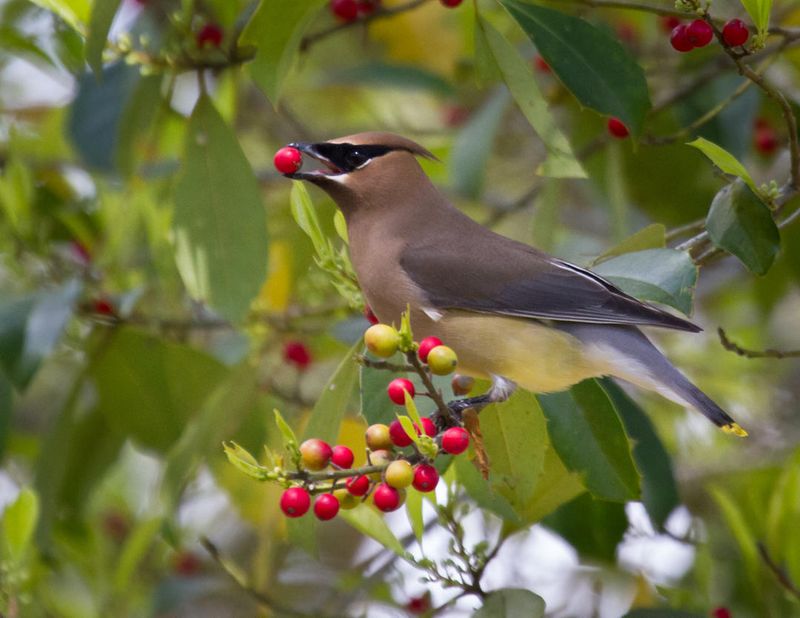
Bright red berries against glossy evergreen leaves make American Holly a winter beacon for hungry birds. When Pennsylvania landscapes turn brown and gray, these berries provide both food and visual warmth.
Robins, bluebirds, and cedar waxwings rely heavily on holly berries during the coldest months when other food sources become scarce.
The dense, spiny foliage offers exceptional winter shelter that deciduous trees cannot provide. Birds roost within holly branches during brutal winter nights, protected from wind and predators.
This evergreen cover proves especially valuable during ice storms and heavy snowfall that stress bird populations.
American Holly grows slowly but steadily, eventually reaching 40 to 50 feet tall with a pyramidal form. Female trees produce the berries that birds seek, so ensure you plant a female specimen or include both male and female trees for pollination.
The tree prefers acidic soil and partial shade, conditions commonly found throughout Pennsylvania.
Nesting birds also appreciate holly trees during warmer months. The protective spines deter predators, making holly branches safer places to raise young.
Pennsylvania gardeners should note that American Holly requires patience, as it establishes slowly, but the long-term rewards for local bird populations make the wait worthwhile.