8 Trees To Plant Instead Of Bradford Pear In Ohio
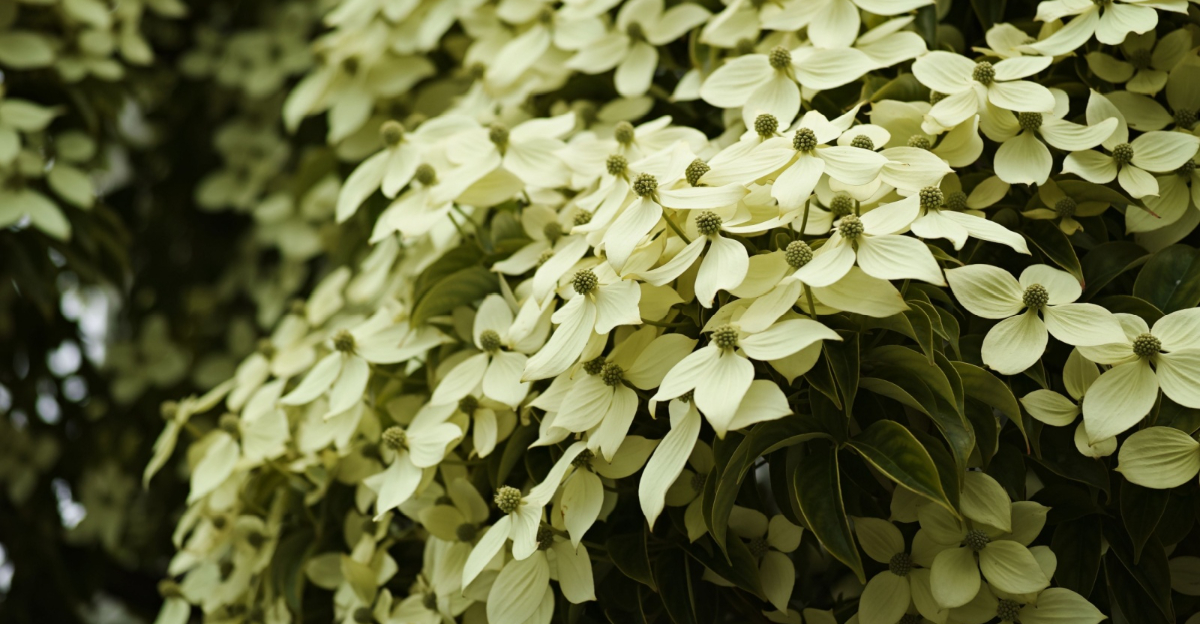
Your landscape deserves a permanent upgrade, not a fragile liability. That stinking white canopy across Ohio neighborhoods hides a structural defect ready to shatter during the first heavy ice storm.
Bradford Pear pollutes the air with the scent of decay and strangles the local food web, yet homeowners still settle for its brittle branches. The state ban marks the end of an era for cheap, disposable greenery.
It is time to invest in a legacy. True curb appeal comes from endurance and ecological harmony, not a fleeting burst of malodorous blossoms.
You need a foundation that anchors your property against the Midwest wind and invites life back into the soil. Forget the generic suburban aesthetic that collapses under pressure.
Choose a specimen that thrives in heavy clay and rewards you with decades of shade.
These superior replacements transform a high-maintenance hazard into a resilient masterpiece.
1. Serviceberries Deliver Multi-Season Beauty Without Invasive Roots
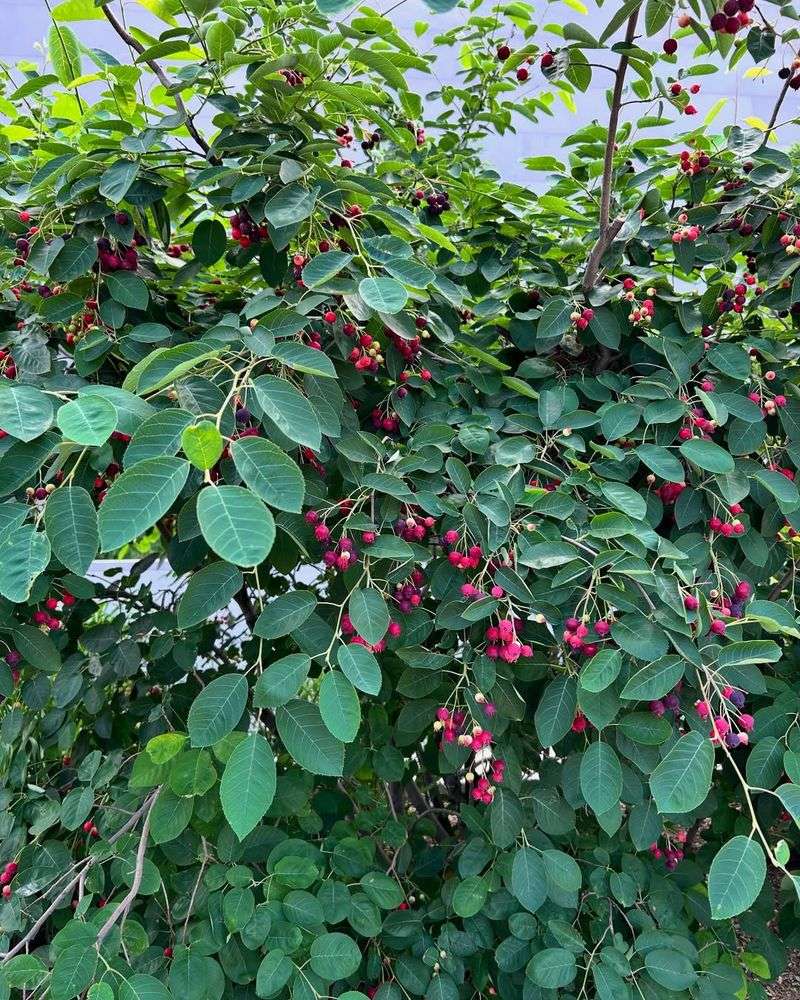
Few trees earn their keep in an Ohio yard quite like the serviceberry. Blooming even before most trees have leafed out, serviceberries burst into clusters of delicate white flowers in early spring, often right alongside the forsythia.
That early show makes them a natural swap for the Bradford Pear, which also blooms early but brings along invasive tendencies and weak branches.
Serviceberries belong to the genus Amelanchier, and several species grow naturally across Ohio. They thrive in a range of soil types, handle both sun and partial shade, and rarely cause problems with sidewalks or foundations.
Ohio State University Extension recommends them as one of the top native alternatives to Callery pear.
Beyond the spring flowers, serviceberries offer something Bradford Pears never could: edible, blueberry-like fruit in early summer that birds absolutely love. Then comes a stunning fall foliage show in shades of orange, red, and gold.
Growing 15 to 25 feet tall, they fit neatly into most Ohio landscapes without overwhelming the space. Plant them in well-drained soil with regular moisture while they get established, and they will reward you with four full seasons of beauty.
2. Eastern Redbuds Offer Strong Branches And Stunning Spring Color
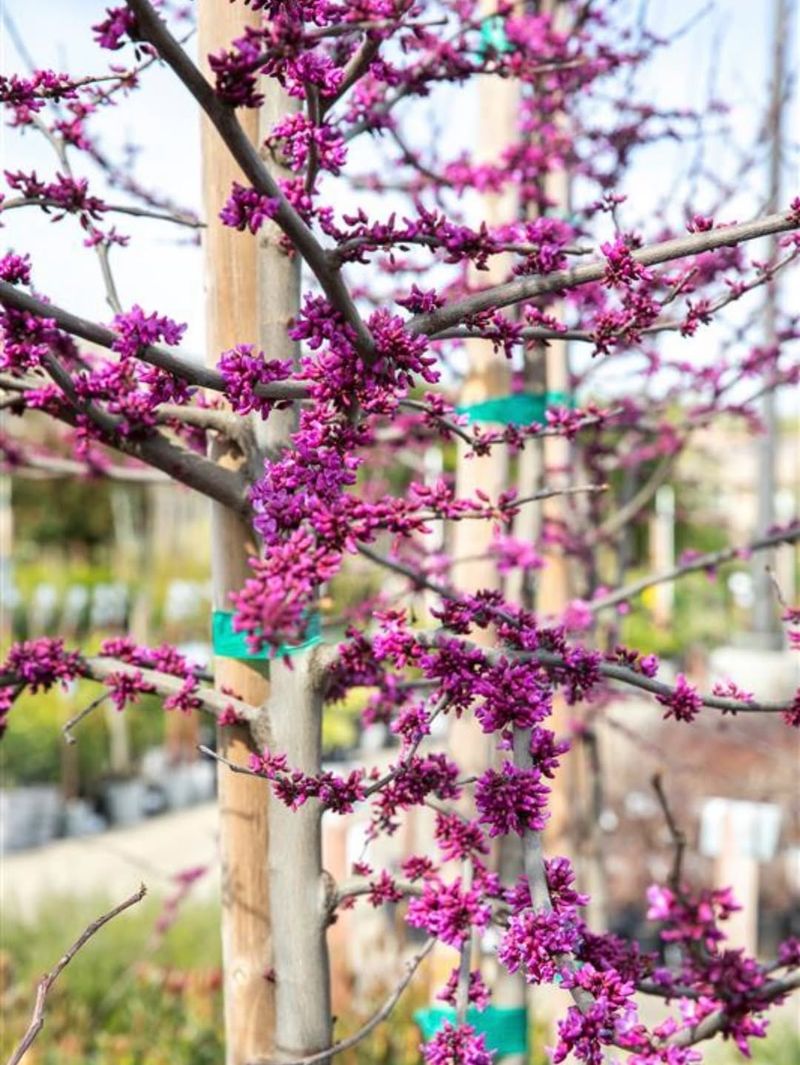
Walk through any Ohio neighborhood in April and you will likely spot an Eastern Redbud putting on a show that stops traffic. Before a single leaf appears, the branches erupt in vivid pink to magenta flowers that coat every twig from trunk to tip.
It is one of the most dramatic spring displays of any small tree, and it does it all without becoming a nuisance to neighboring properties.
Unlike the Bradford Pear, Eastern Redbuds have a naturally strong branch structure. Their branches grow at wide angles, which means they hold up much better during Ohio ice storms and high winds.
Cercis canadensis is also a true Ohio native, meaning it evolved here and supports local pollinators including native bees that rely on those early spring blooms for food.
Redbuds typically grow 20 to 30 feet tall with a graceful, spreading canopy. They prefer well-drained soil and do best in full sun to partial shade.
Once established, they are surprisingly drought-tolerant, which helps during Ohio’s hot summers. Plant one near a patio or along a driveway for maximum visual impact in spring.
Varieties like ‘Forest Pansy’ add rich burgundy foliage for extra seasonal interest.
3. Crabapples Bring Flowers And Fruit That Last
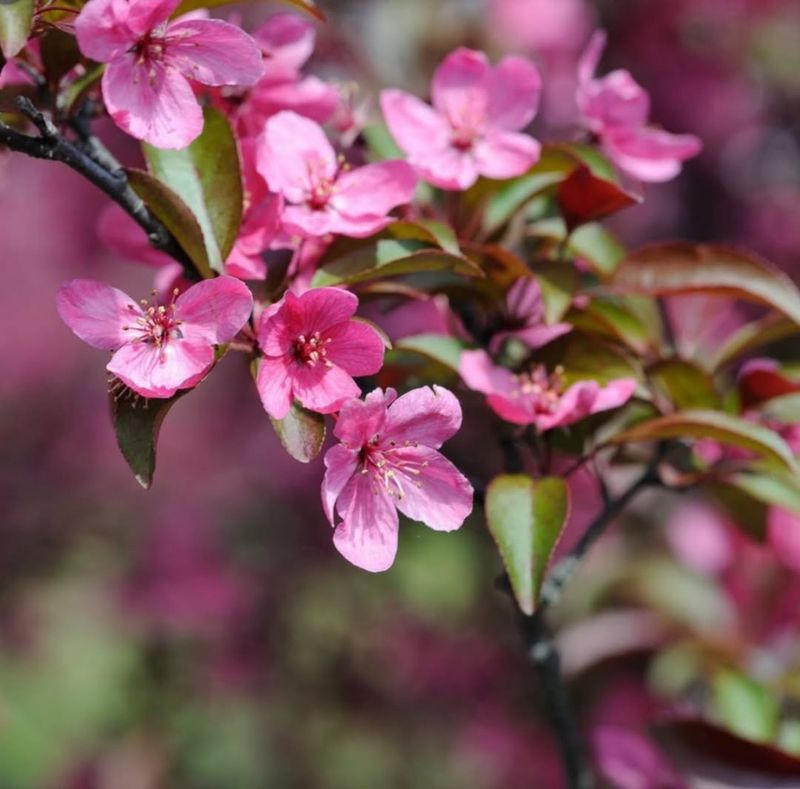
There is a reason crabapple trees have been a staple of Midwestern landscapes for generations. They bloom in a spectacular range of colors from soft white to deep rose pink, and those flowers stick around longer than many homeowners expect.
Unlike Bradford Pears, whose blooms fade within a week or two and leave behind a mess, crabapples transition gracefully from flowers to colorful fruit that decorates the tree well into winter.
Ohio gardeners have a wide selection of disease-resistant crabapple varieties to choose from. Cultivars like ‘Prairifire,’ ‘Sugar Tyme,’ and ‘Camelot’ are recommended by Ohio State University Extension for their resistance to apple scab, fire blight, and powdery mildew.
These are real concerns in Ohio’s humid climate, so picking the right variety makes a big difference in long-term success.
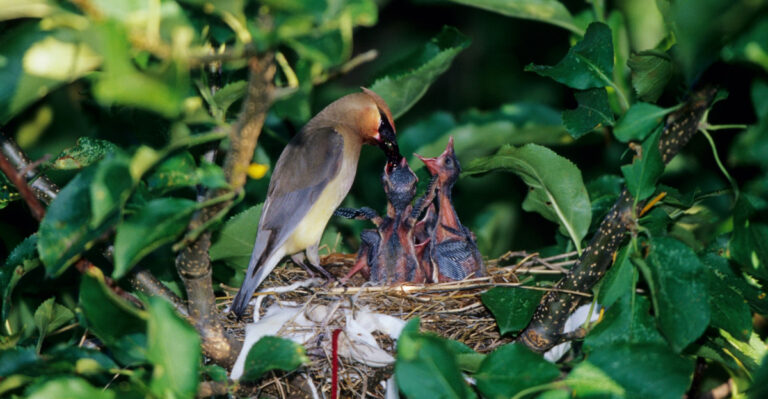
Crabapple fruit is a magnet for cedar waxwings, robins, and other Ohio birds through fall and winter. The trees typically reach 15 to 25 feet tall and grow well in full sun with average, well-drained soil.
Their branching structure is significantly stronger than Bradford Pear, meaning fewer broken limbs after storms. A crabapple planted today will be a neighborhood landmark in ten years.
4. Kousa Dogwoods Bloom Longer Without Creating A Mess
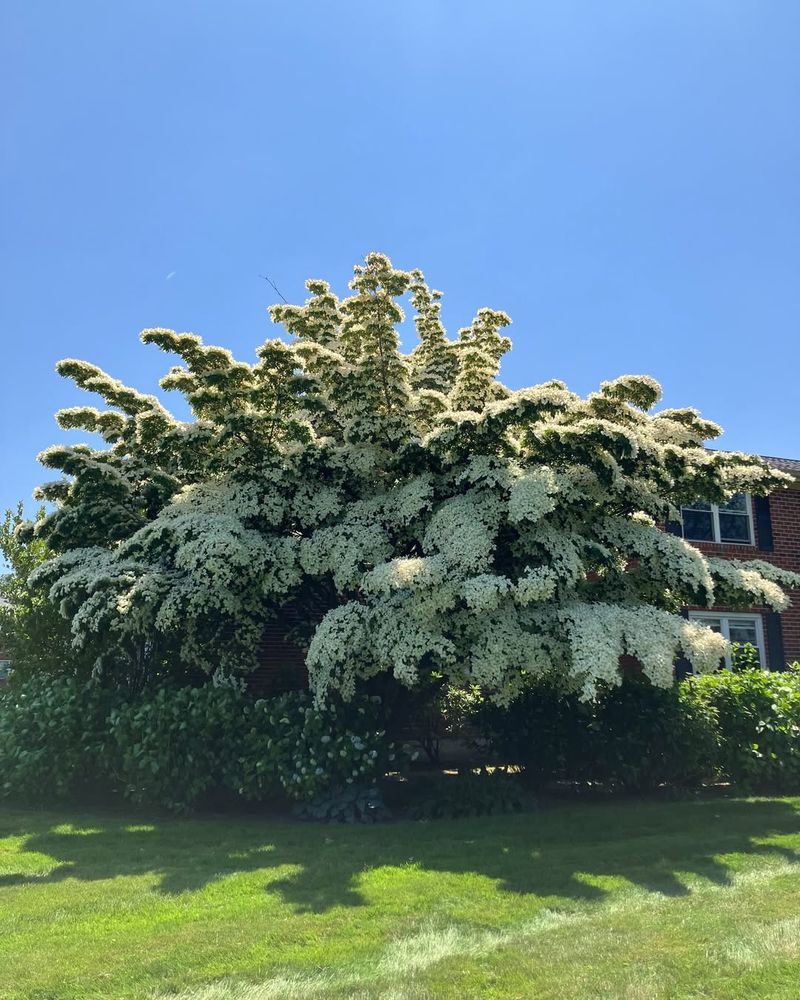
Most people know the native flowering dogwood, but the Kousa Dogwood is the one that truly shines when you want a low-drama, high-reward tree for an Ohio yard. While native dogwoods bloom in April alongside the Bradford Pear rush, Kousa Dogwoods wait until late May or early June to open their showy white bracts.
That extended timeline means your landscape has something beautiful going on long after spring has moved on.
Cornus kousa is also significantly tougher than many ornamental trees. Its horizontal branching pattern gives it a sculptural look year-round, and those branches hold up well under snow and wind loads that are common in Ohio winters.
The bark exfoliates as the tree matures, adding a mottled, artistic texture that makes it interesting even without flowers or leaves.
In late summer, Kousa Dogwoods produce round, raspberry-like fruits that are actually edible and attract wildlife. Fall foliage turns a rich red-purple before dropping cleanly.
These trees grow 15 to 30 feet tall and prefer well-drained, slightly acidic soil, which is common in many Ohio regions. Give them morning sun with some afternoon shade, and they will reward you with minimal maintenance and maximum visual appeal for decades.
5. Carolina Silverbells Showcase Graceful Spring Flowers With Strength
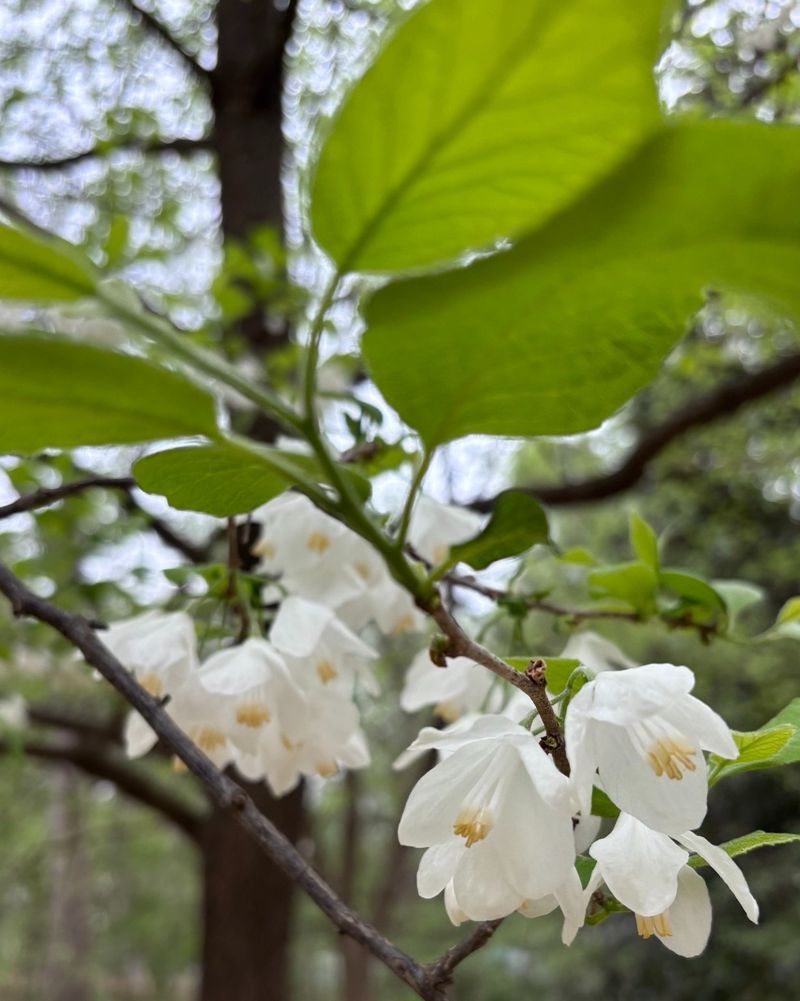
Not every Ohio gardener has heard of the Carolina Silverbell, but those who plant one never look back. Halesia tetraptera produces clusters of pure white, bell-shaped flowers that dangle from arching branches in mid-spring like tiny chandeliers.
The effect is soft, graceful, and completely unlike the stiff, upright flower clusters of a Bradford Pear. It is the kind of tree that makes neighbors stop and ask what it is.
Structurally, Carolina Silverbells are far more reliable than Bradford Pears. Their wood is flexible yet strong, and their branching pattern does not create the tight, narrow crotch angles that make Bradford Pears so vulnerable to splitting in Ohio storms.
Ohio State University Extension highlights native trees like this one for their ecological value and structural integrity in home landscapes.
Silverbells are native to the eastern United States and adapt well to Ohio’s varied soils, especially in spots with moist, well-drained, slightly acidic conditions. They grow 20 to 40 feet tall and work beautifully as understory trees near larger oaks or maples.
Fall brings small winged seed pods that add quiet seasonal interest. For a yard that feels like a woodland retreat without any of the invasive headaches, Carolina Silverbell is a top-tier pick.
6. Sweetbay Magnolias Add Elegance And Scent To Ohio Gardens
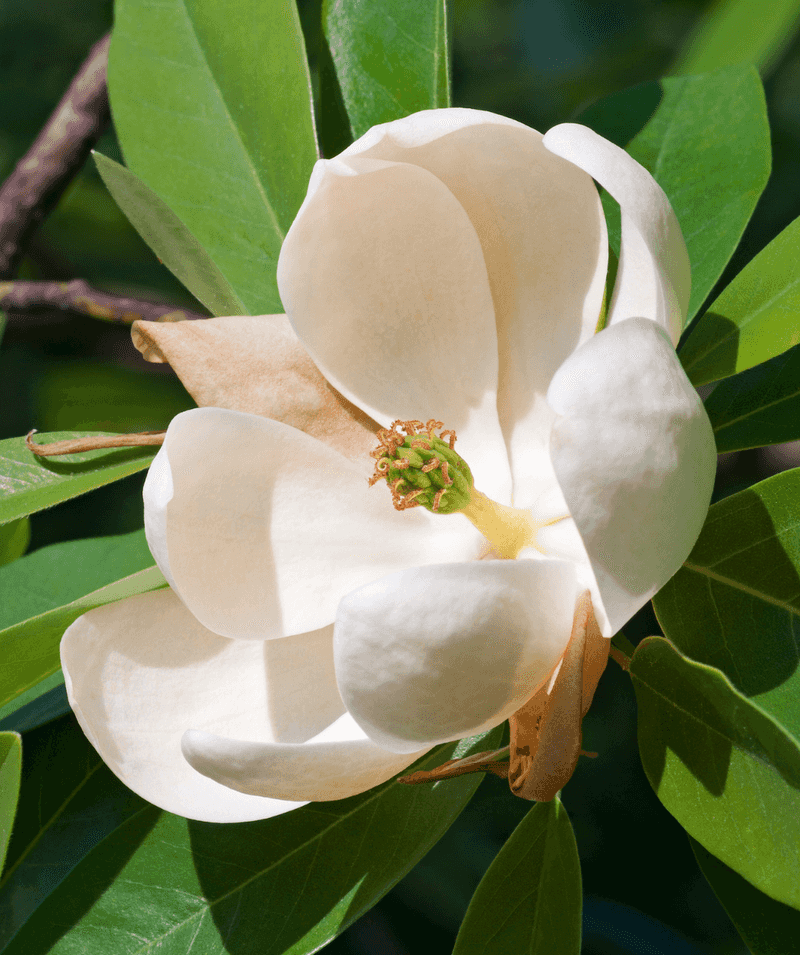
There is something almost magical about walking past a Sweetbay Magnolia in full bloom. The creamy white flowers carry a lemony vanilla fragrance that drifts through an Ohio garden on a warm June evening, and each bloom can measure up to three inches across.
While the Bradford Pear is infamous for its unpleasant fishy odor during bloom, the Sweetbay Magnolia is exactly the opposite, filling your yard with a scent you will actually enjoy.
Magnolia virginiana is semi-evergreen in milder parts of Ohio, meaning it holds onto its glossy green leaves with silvery-white undersides well into late fall or early winter. That extended foliage season adds months of visual interest that most flowering trees simply cannot match.
The tree tends to have a multi-stemmed or shrubby form when young but matures into an elegant specimen 10 to 20 feet tall.
Sweetbay Magnolias tolerate wet soils better than almost any other ornamental tree, making them an excellent choice for low-lying Ohio yards that collect water after rain. They prefer full sun to partial shade and are cold-hardy through Ohio’s USDA zones 5 and 6.
Plant one near a deck or bedroom window so you can enjoy that remarkable fragrance up close throughout the summer months.
7. White Fringetrees Provide Unique Fragrance And Durable Branches
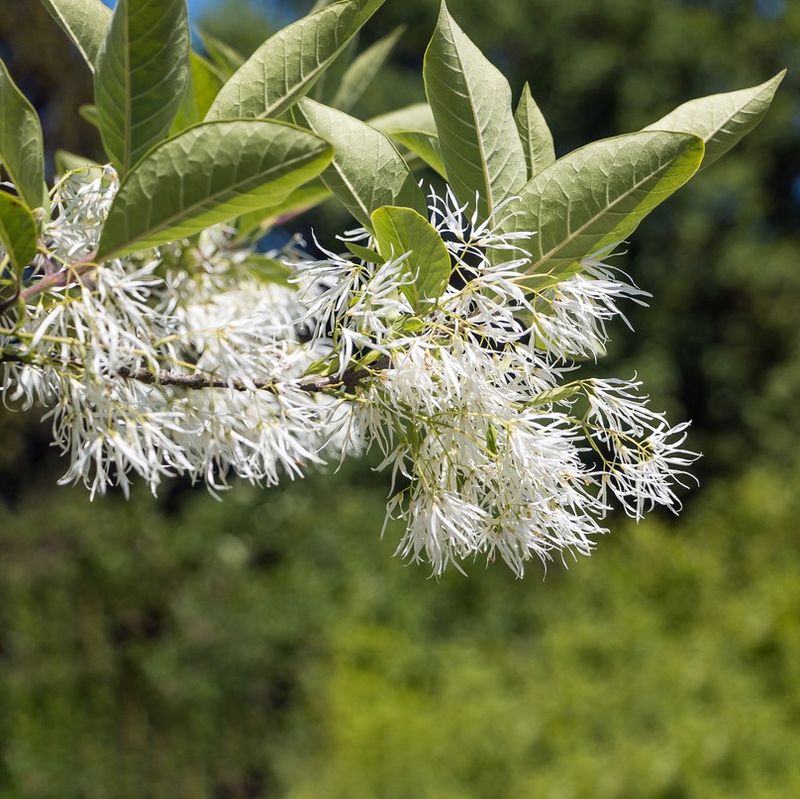
The White Fringetree is one of Ohio’s best-kept secrets in the ornamental tree world. In late May and early June, Chionanthus virginicus produces extraordinary clusters of fringe-like white flowers that hang like soft, wispy curtains from every branch.
The fragrance is sweet and light, noticeable from several feet away on a calm Ohio morning. It is a showstopper at a time of year when most spring-blooming trees have already finished their display.
What really sets the White Fringetree apart from Bradford Pear is its structural reliability. The branches are naturally strong and flexible, and the tree rarely suffers the kind of storm damage that makes Bradford Pears so costly to maintain.
It is also completely non-invasive, staying right where you plant it without sending up seedlings across the lawn or neighboring properties.
White Fringetrees grow slowly to about 12 to 20 feet tall, making them ideal for smaller Ohio yards or as a focal point near a patio or entryway. They are adaptable to a wide range of soil types and tolerate both dry and moderately wet conditions.
Ohio State University Extension lists this native tree as an outstanding landscape plant. Female trees produce dark blue, olive-like berries in fall that birds find irresistible.
8. Japanese Tree Lilacs Fill Summer With Color And Charm
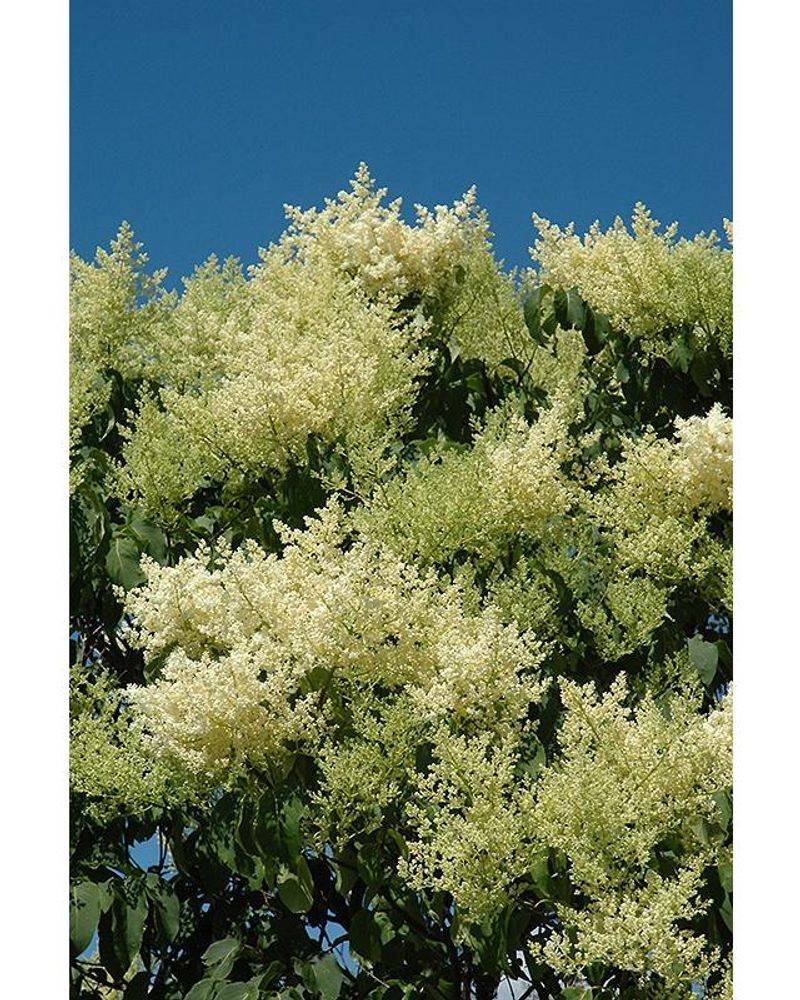
Most lilac lovers think of the classic shrub, but the Japanese Tree Lilac takes everything wonderful about lilacs and scales it up into a proper tree that can anchor a landscape. Syringa reticulata blooms in late June and early July, filling that gap in the Ohio gardening calendar when most spring trees are done and summer perennials are just getting started.
The large, creamy white flower plumes can reach a foot long and carry a sweet, honey-like fragrance.
Structurally, this tree is built to last. Its branching pattern is upright and well-formed, and the bark develops a shiny, cherry-like texture that makes it attractive even in winter.
Ohio gardeners dealing with Bradford Pear regrets will appreciate how Japanese Tree Lilacs stay tidy, do not send up invasive seedlings, and rarely suffer serious pest or disease problems in the state’s climate.
Growing 20 to 30 feet tall with a rounded crown, Japanese Tree Lilacs work well as street trees, lawn specimens, or planted in groups along property lines. They thrive in full sun and prefer well-drained soil, tolerating Ohio’s clay-heavy conditions better than many ornamental trees.
For a summer-blooming tree that brings fragrance, structure, and long-term reliability to an Ohio yard, this one is hard to beat.