6 Trees To Prune In April In Arizona Without Damaging Growth
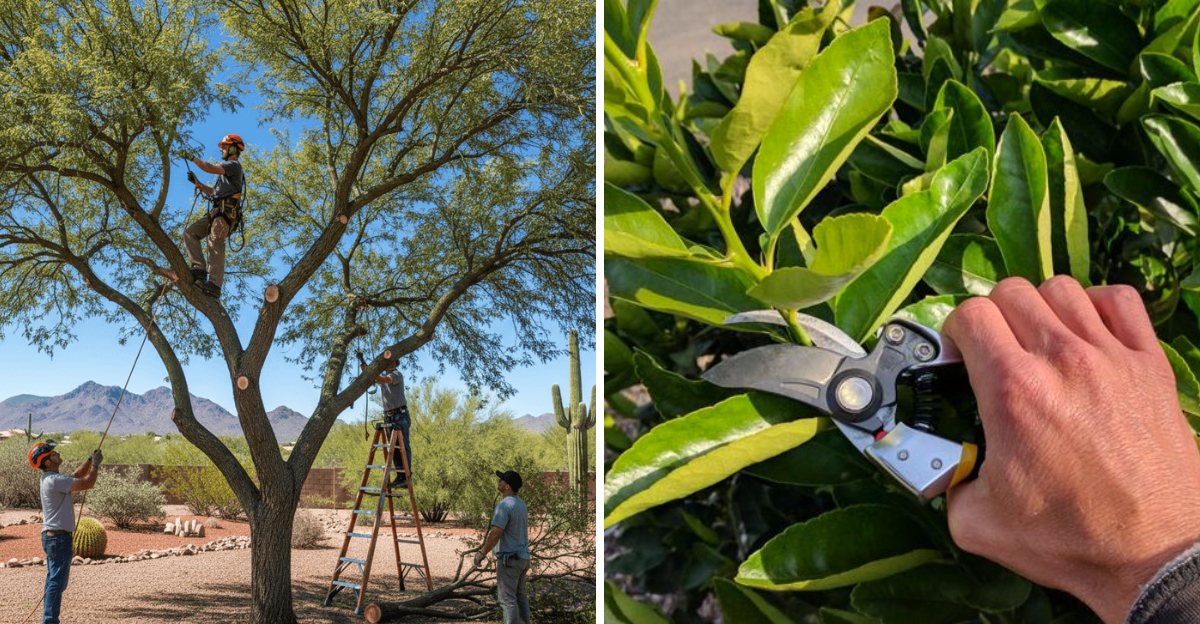
April is the perfect month to grab your pruning shears in Arizona and give your trees a fresh start.
As temperatures rise, days grow longer, and desert soils warm quickly, trees enter an active growth phase that makes them resilient to careful shaping.
With low spring rainfall across much of the state, pruning cuts are less likely to harbor disease, making now an ideal time for maintenance.
Pruning at this stage strengthens branch structure, encourages healthier foliage, boosts bloom production, and sets trees up to withstand Arizona’s intense summer heat, giving your landscape a well-kept, vibrant look all season long.
1. Citrus Trees Stay Healthy And Bloom Abundantly With Light April Pruning
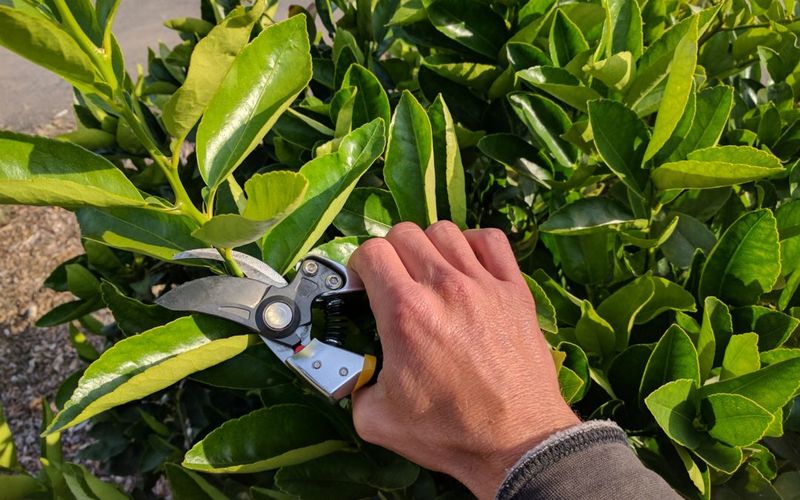
After a winter of slow growth, citrus trees across Arizona’s low desert areas like Phoenix and Tucson are ready for a light spring cleanup in April.
The warming temperatures signal the tree to push new shoots, making it a practical window to remove crossing branches, damaged wood, and any suckers growing from the rootstock below the graft union.
Keeping the canopy open improves airflow and helps sunlight reach interior branches, which supports better fruit development later in the season.
When pruning citrus, aim for modest cuts rather than heavy shaping. Removing no more than 10 to 15 percent of the canopy at one time reduces stress on the tree and keeps energy directed toward flowering and fruit set.
Sharp, clean pruning tools are important here because ragged cuts on citrus can invite fungal issues, especially on older trees.
One thing many Arizona gardeners appreciate about April pruning is that the citrus bloom is typically winding down, so you can shape the tree without sacrificing too many fragrant flowers.
Focus on branches that are rubbing together, growing inward, or heading downward toward the soil.
Skirt pruning, which means removing low-hanging branches close to the ground, also helps reduce pest pressure and improves air circulation at the base.
For citrus trees in higher elevation areas like Prescott, it may be worth waiting until later in April or early May when frost risk has clearly passed before making any significant cuts.
2. Palo Verde Shapes Beautiful Canopies While Encouraging New Growth
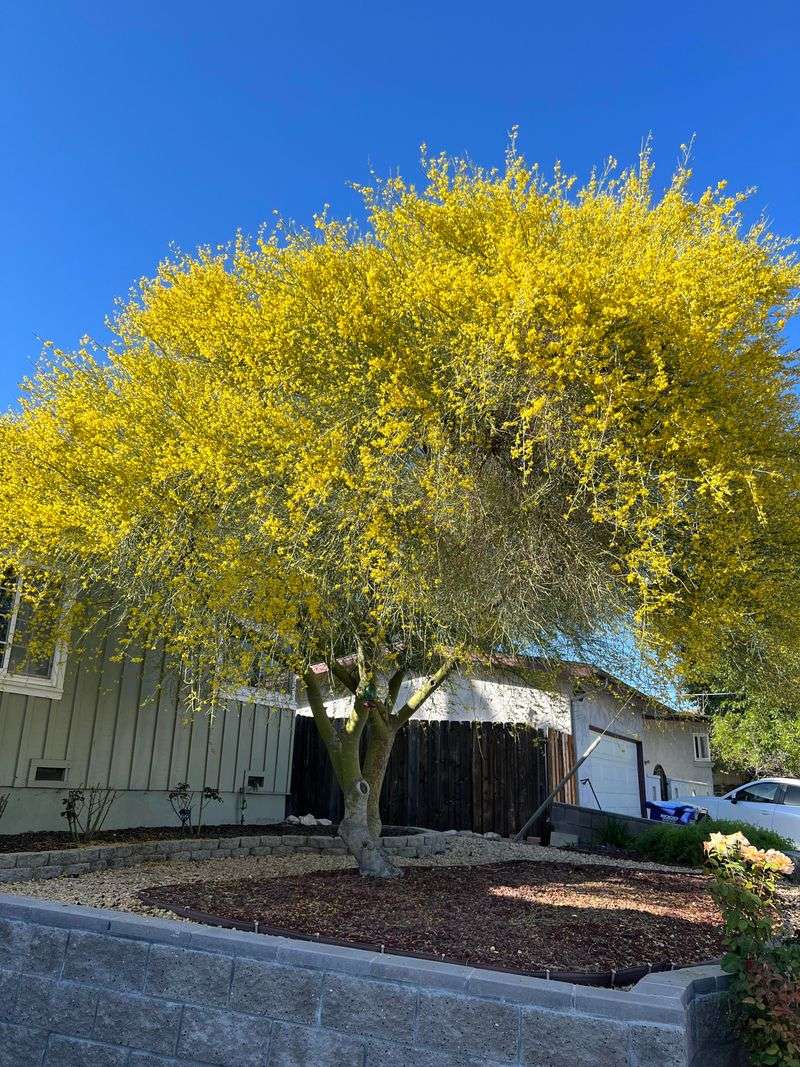
Few sights in Arizona’s spring landscape are as striking as a Palo Verde tree covered in brilliant yellow blossoms.
By mid-April, the bloom is often at its peak or just finishing, and that post-flower window is a solid time to do light structural pruning without interfering with the tree’s flowering cycle.
Palo Verde species, including Blue Palo Verde and Desert Museum Palo Verde, are staples of Arizona landscapes from Phoenix to Tucson, valued for their drought tolerance and fast-growing canopies.
Structural pruning in April helps shape a Palo Verde before the intense heat of summer pushes rapid new growth.
The goal is to establish a strong scaffold of main branches while removing any crossing limbs, weak crotch angles, or branches growing too close to structures and walkways.
Thinning the interior of the canopy slightly also allows wind to pass through more easily, which can reduce the risk of branch failure during Arizona’s summer monsoon storms.
Because Palo Verde trees photosynthesize partly through their green bark, it helps to avoid removing too much live wood at once. Cuts should be clean and made just outside the branch collar to support natural wound closure.
In higher elevation communities like Prescott, Palo Verde pruning may be best pushed toward late April when overnight temperatures have stabilized.
Keeping pruning sessions light and spaced out gives the tree time to redirect its energy into healthy canopy development rather than recovery.
3. Mesquite Benefits From Structural Pruning Before Summer Heat Arrives
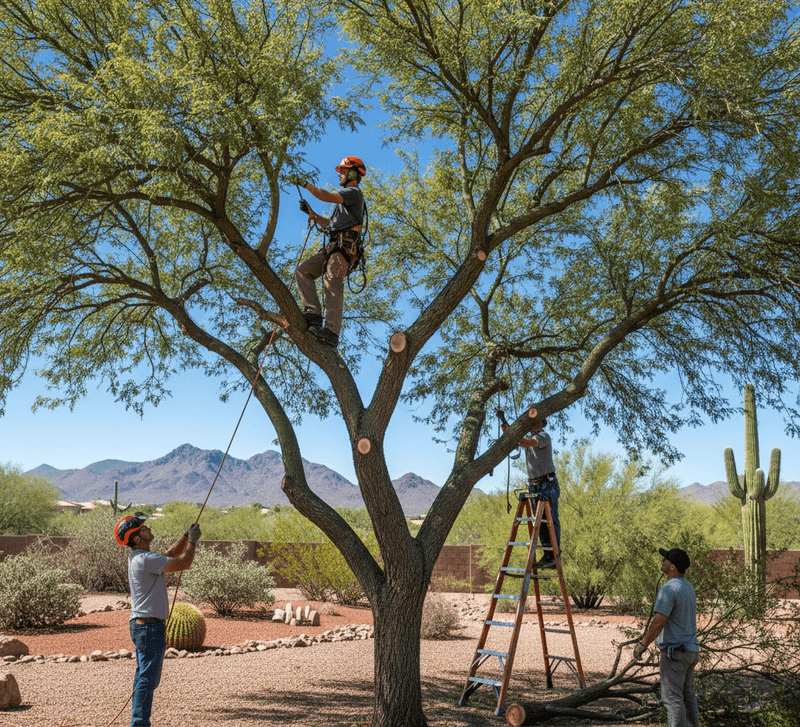
Mesquite trees have deep roots in Arizona’s desert landscape, both literally and culturally, and they respond well to thoughtful structural pruning in April before the summer heat settles in.
Velvet Mesquite and Honey Mesquite are two of the most common species found in residential and natural landscapes across the state.
April offers a practical window because the trees are leafing out and new growth is visible, making it easier to identify which branches are healthy versus those that are weak or poorly positioned.
The main objective with April mesquite pruning is structural improvement rather than heavy reduction.
Removing low-hanging branches that interfere with foot traffic, eliminating crossing or rubbing limbs, and thinning the canopy to allow better airflow are the key priorities.
A well-structured mesquite canopy handles monsoon wind loads more safely than a dense, unpruned one, so this spring work pays off when summer storms roll through the Phoenix basin and southern Arizona valleys.
One practical tip is to raise the canopy gradually over several seasons rather than removing large amounts of live wood in a single session.
Mesquite trees can be sensitive to sudden overexposure of their bark to intense Arizona sun, which can cause sunscald on previously shaded trunk sections.
Painting exposed bark with diluted white latex paint is sometimes recommended in low desert areas for newly exposed wood.
In cooler areas like Flagstaff, mesquite is less common, but where it does grow, late April tends to be a safer pruning time than early in the month.
4. Acacia Thrives When Damaged Or Crowded Branches Are Removed
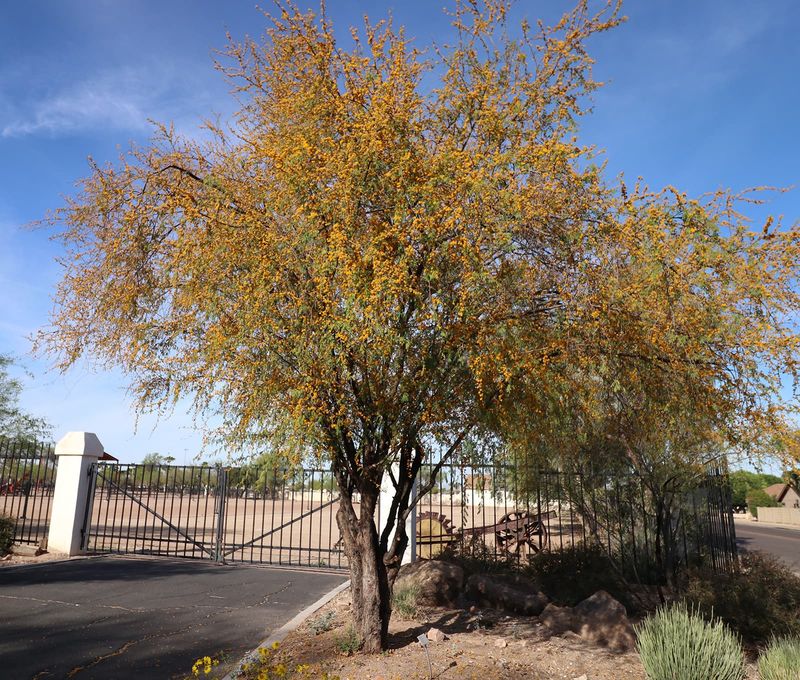
Springtime in Arizona brings a burst of yellow blooms to Acacia trees, and the period just after flowering wraps up in April is an ideal time to do light maintenance pruning.
Sweet Acacia, also known as Vachellia farnesiana, is one of the most fragrant trees in the Arizona landscape, producing small golden puffball flowers that attract pollinators in late winter through early spring.
Once those blooms fade, the tree directs energy toward new leaf and branch growth, making April a sensible time to remove damaged wood and crowded interior branches.
Because many acacia species carry thorns, protective gloves and long sleeves are strongly recommended before you start any pruning session.
Use bypass pruners for smaller branches and loppers or a pruning saw for anything thicker than about an inch.
The goal is to open up the canopy, remove any branches that are growing inward or crossing other limbs, and trim back any long shoots that are making the tree look unruly.
Avoid heavy cuts that remove large amounts of live growth, as this can stress the tree heading into summer.
Acacia trees in Phoenix and Tucson tend to respond quickly to April pruning with a flush of fresh growth.
In higher elevation areas of Arizona like Globe or Payson, where spring arrives a bit later, it may be worth holding off until the second half of April to avoid the chance of a late cold snap affecting fresh pruning wounds.
Clean tools between cuts to keep things tidy and reduce any spread of plant pathogens.
5. Texas Mountain Laurel Encourages More Flowers With Light Spring Cuts
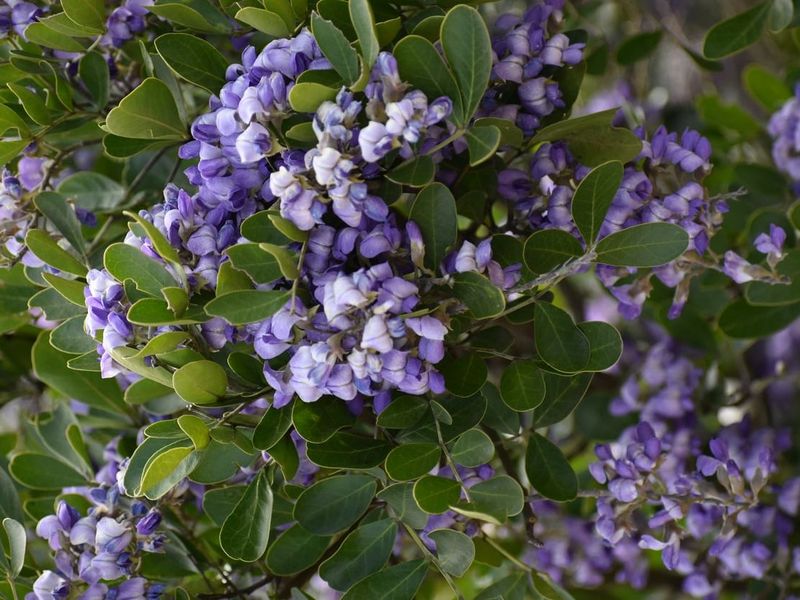
Walk past a Texas Mountain Laurel in bloom and you will catch a scent that is often compared to grape soda, sweet, surprising, and unmistakably spring.
Sophora secundiflora is a beloved ornamental tree across Arizona’s low desert and mid-elevation landscapes, valued for its deep purple flower clusters, glossy evergreen leaves, and overall toughness in dry conditions.
Because it blooms in late winter to early spring, April pruning should be handled with care so you are working after the flowers have finished rather than before.
Light pruning after the bloom cycle is a practical way to encourage a fuller, more compact form without stressing the tree.
Removing spent flower clusters, trimming back any overly long shoots, and cutting out any crossing or awkward branches helps the tree channel its energy into strong new growth rather than maintaining poorly positioned wood.
Texas Mountain Laurel grows relatively slowly compared to many Arizona landscape trees, so modest, well-timed cuts tend to produce better long-term results than aggressive shaping sessions.
One thing worth knowing is that the seed pods of Texas Mountain Laurel contain toxic seeds, so wearing gloves and disposing of any trimmings carefully is a good habit.
In the Phoenix metro area, the bloom often finishes by late March or early April, giving you a comfortable pruning window through mid-April.
In higher elevation Arizona communities like Prescott or Sedona, the bloom may linger into April, so it pays to observe the tree before making any cuts rather than going strictly by calendar dates.
6. Desert Willow Supports Strong Bloom And Healthy Branch Structure
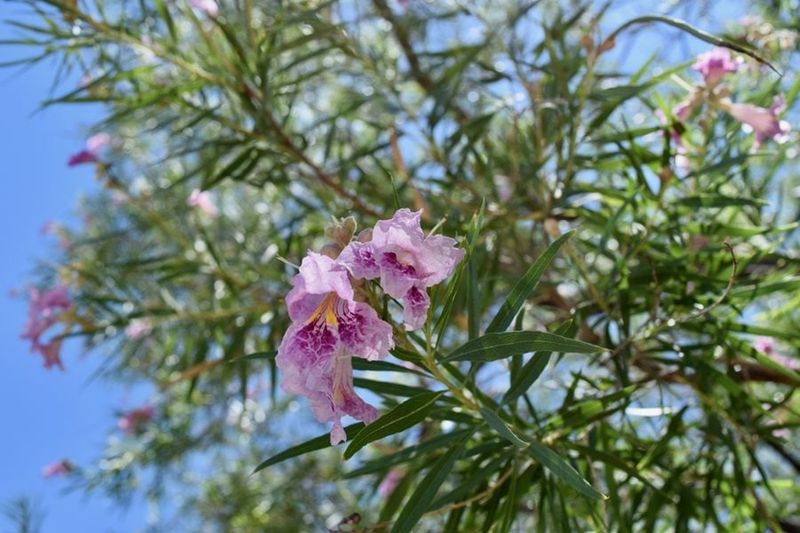
Desert Willow, or Chilopsis linearis, is one of Arizona’s most charming native flowering trees, producing long, trumpet-shaped blooms in shades of pink, lavender, and white from late spring through summer.
April is a strategic month to do light structural pruning on Desert Willow because the tree is just beginning to leaf out from winter dormancy, making it easy to see the branch framework clearly and identify which limbs need attention before the growing season accelerates.
Removing crossing branches, damaged twigs from winter, and any suckers sprouting at the base are the main priorities for April pruning.
Desert Willow can develop a somewhat irregular growth habit if left unpruned, so light shaping in spring helps establish a cleaner canopy structure that supports better bloom display later in the season.
Because the flowers emerge on new growth, encouraging that fresh growth through selective pruning in April can translate into a more abundant bloom show from late May onward.
One practical consideration for Arizona gardeners is that Desert Willow can accumulate old seed pods from the previous season, and removing those along with damaged wood during April pruning keeps the tree looking tidy and allows more energy to go toward new flowering stems.
Across Arizona’s low desert regions, April pruning aligns well with the tree’s natural growth cycle.
In higher elevation areas like Flagstaff or the White Mountains, Desert Willow may still be fully dormant in early April, so waiting until signs of active budding are visible before pruning is the more cautious and sensible approach.