Trees Washington Homeowners Should Remove To Avoid Fines
In Washington, trees add beauty and value, but some can land homeowners in hot water if left unchecked.
What looks like a harmless tree today can turn into a costly headache once it crosses legal lines.
City rules, safety concerns, and property boundaries all come into play, and ignoring them can lead to fines that hit harder than expected.
Certain trees pose risks to power lines, sidewalks, neighboring properties, or public safety.
Others fall under local regulations that require action when they become diseased, damaged, or invasive.
When problems go unnoticed, enforcement notices can arrive out of the blue, leaving little time to react.
By then, the bill often grows bigger than the tree itself.
Washington homeowners who stay ahead of these issues save money and stress.
Knowing which trees need attention helps prevent disputes and keeps properties in good standing.
Removing the right trees at the right time protects homes, neighborhoods, and wallets.
It may not be the most exciting task, but it is far better to act early than learn the hard way once fines start piling up.
1. Trees With Roots Damaging Sidewalks Or Public Infrastructure
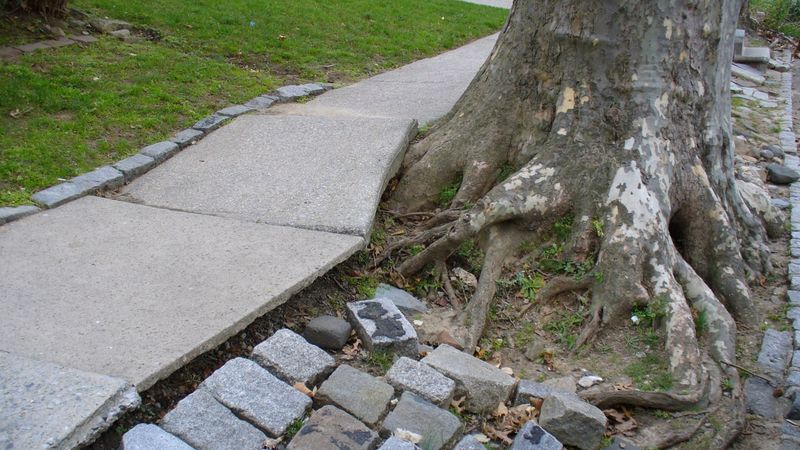
Mature trees near sidewalks often develop aggressive root systems that push upward, creating trip hazards and cracking concrete throughout Washington neighborhoods.
Municipalities hold property owners responsible for maintaining safe public walkways, and damaged sidewalks from tree roots frequently result in violation notices.
The city can issue fines and even require you to pay for repairs if pedestrians get injured on the damaged section.
Older trees like maples, poplars, and willows commonly cause this problem because their roots spread wide and shallow rather than growing deep.
As these roots expand, they seek moisture and nutrients, often lifting entire sections of pavement in the process.
Washington cities conduct regular inspections of public infrastructure, and sidewalk damage ranks among the most cited violations.
Homeowners should inspect the area around mature trees quarterly, looking for any signs of concrete lifting or cracking.
Small cracks can quickly become major hazards during freeze-thaw cycles common in Washington winters.
If you notice damage beginning, consult with a certified arborist about your options before the city sends a notice.
Removal becomes necessary when roots have compromised the sidewalk beyond simple repair or when the tree continues causing recurring damage.
Many Washington municipalities offer guidance on tree replacement, encouraging species with less aggressive root systems.
Removing the problematic tree and replanting with a more suitable variety often costs less than repeated sidewalk repairs and mounting fines.
Property owners who ignore these violations risk escalating penalties that increase with each inspection cycle.
Taking action early protects both your finances and the safety of people walking past your home daily.
2. Damaged Trees Posing Safety Hazards
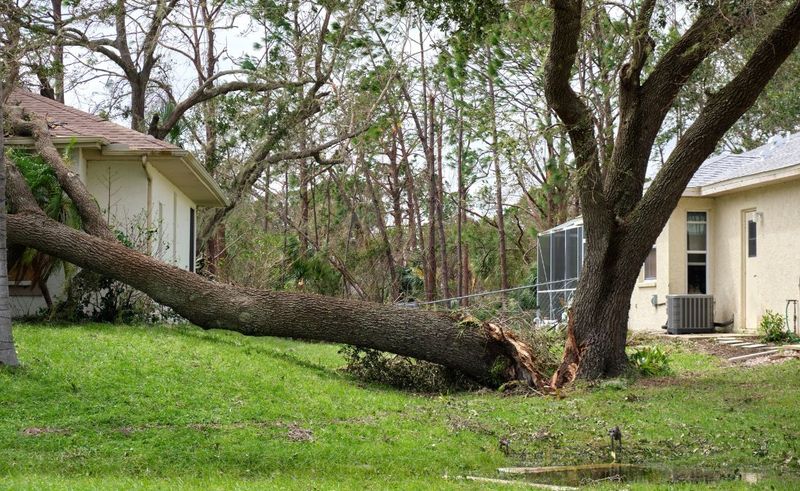
A tree showing significant decay presents serious dangers to people and property throughout residential areas in Washington.
Branches can fall without warning during windstorms, which are common across the Pacific Northwest, potentially causing injuries or crushing vehicles and structures below.
Local codes throughout Washington require homeowners to remove hazardous trees that pose clear threats to public safety.
Recognizing a declining tree requires attention to several warning signs that appear over time.
Bark falling off in large sections, fungal growth at the base, hollow-sounding trunks, and extensive deadwood in the canopy all indicate serious structural problems.
Washington experiences heavy rain and strong winds that can topple compromised trees much more easily than healthy ones.
Code enforcement officers and neighbors can report dangerous trees to local authorities, triggering inspections and mandatory removal orders.
Once officials deem a tree hazardous, homeowners typically receive a deadline to remove it or face daily fines.
These penalties accumulate quickly, and the city may remove the tree at your expense if you fail to act.
Professional arborists can assess whether a declining tree needs immediate removal or if treatment might extend its life safely.
However, when decay affects the main trunk or major structural limbs, removal usually becomes the only responsible option.
Washington homeowners should never delay addressing obviously hazardous trees, as liability for damage or injury falls squarely on the property owner.
Insurance companies may also deny claims for damage caused by a tree you knew was hazardous but failed to remove.
Protecting your property and staying compliant means acting quickly when trees show serious signs of structural failure or advanced decay.
3. Trees Interfering With Power Lines
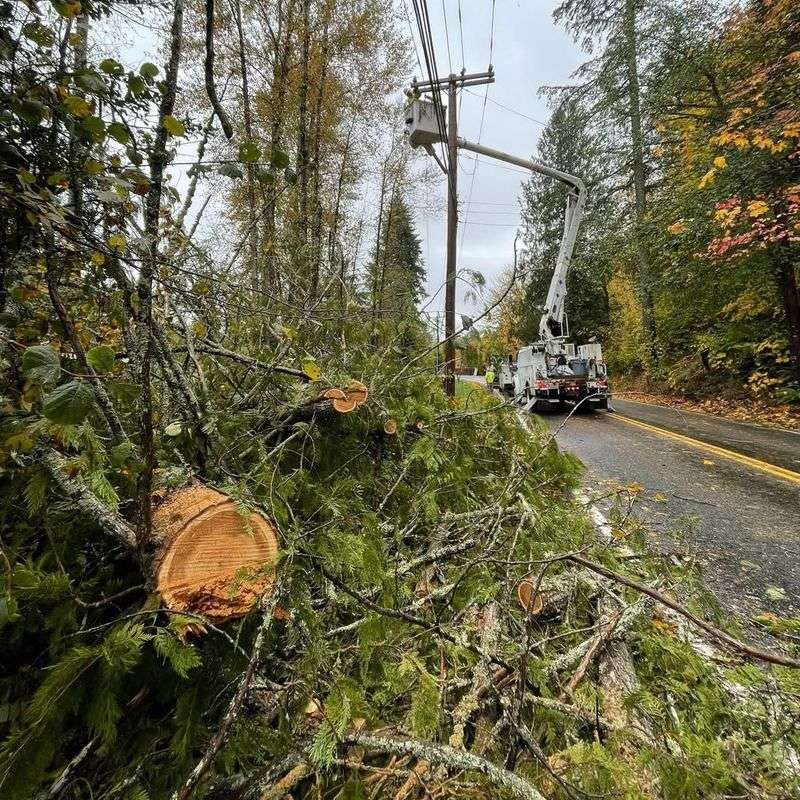
Branches growing into electrical lines create dangerous situations that violate safety codes across every Washington municipality.
Utility companies and local governments both have authority to require tree trimming or removal when vegetation threatens power infrastructure.
Contact between trees and power lines causes outages, fires, and electrocution risks that authorities take extremely seriously.
Washington law gives utility companies the right to trim trees near their lines, but they often cut branches back severely without regard for the tree’s appearance or health.
Homeowners who let trees grow unchecked into power lines may find their trees butchered by utility crews or receive citations requiring complete removal.
The safer approach involves proactive management before branches reach the lines.
Certain fast-growing species like cottonwoods and alders quickly become problems near power infrastructure throughout Washington.
These trees can add several feet of growth each year, reaching lines faster than homeowners anticipate.
Planting large trees directly under power lines virtually guarantees future conflicts with utility companies and potential fines from code enforcement.
Most Washington cities maintain clear standards about vegetation clearance around power lines, typically requiring several feet of separation.
When trees cannot be pruned sufficiently to maintain this clearance, removal becomes mandatory.
Homeowners who refuse to address the problem face fines and forced removal at their expense.
Regular professional trimming helps manage trees near power lines, but eventually many trees grow too large for safe coexistence with electrical infrastructure.
Planning ahead by choosing appropriate species for locations near utilities prevents these conflicts entirely.
When a tree already interferes with power lines in Washington, addressing it promptly protects your home from electrical hazards and keeps you compliant with multiple overlapping regulations that all prioritize public safety above individual preferences.
4. Invasive English Ivy Covered Trees
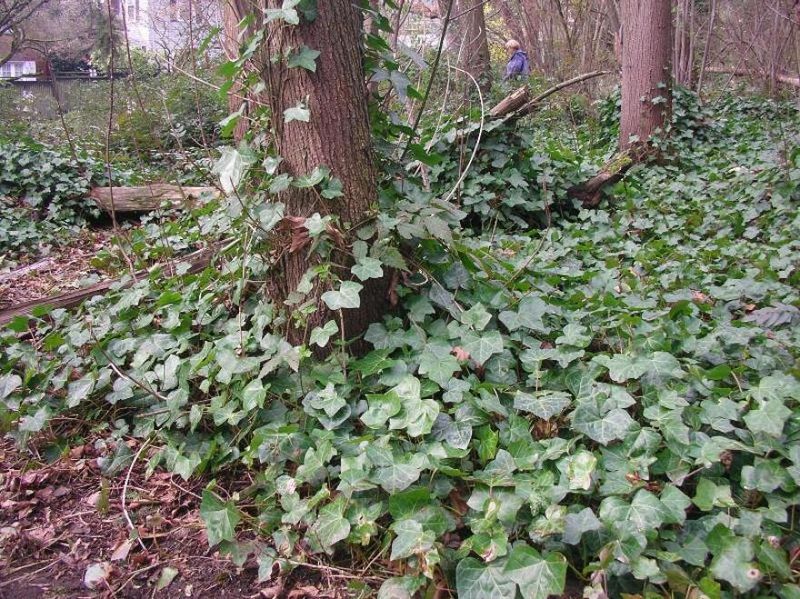
English ivy might look charming climbing up tree trunks, but this aggressive vine actually threatens tree health and violates invasive species ordinances in many Washington communities.
The vine grows thick mats that add tremendous weight to branches while blocking sunlight from reaching the bark.
Over time, ivy-covered trees become structurally unsound and more likely to topple during storms common throughout the Pacific Northwest.
Washington State lists English ivy as a noxious weed in many counties because it outcompetes native vegetation and damages forest ecosystems.
Trees smothered by ivy decline rapidly as the vine steals nutrients and moisture while preventing proper bark development.
Local codes in cities like Seattle and Tacoma specifically address ivy removal requirements for property owners.
Homeowners who allow ivy to completely engulf trees on their property may receive violation notices requiring removal of both the ivy and the compromised tree.
Once ivy has covered a tree for several years, the damage often proves irreversible even after removing the vines.
The tree’s structural integrity becomes so compromised that removal offers the only safe solution.
Removing English ivy from trees involves careful work to avoid damaging the bark further, and heavily infested trees may not survive the process.
Property owners in Washington face fines for maintaining invasive species that spread to neighboring properties or public lands.
Ivy produces berries that birds distribute widely, making each infested tree a source of ongoing ecological problems.
Regular inspection and early ivy removal prevents trees from becoming completely covered and unsalvageable.
When ivy has already caused significant structural damage to a tree, removal protects your property from potential storm damage while bringing you into compliance with local invasive species regulations throughout Washington State.
5. Trees Blocking Street Signs Or Traffic Visibility
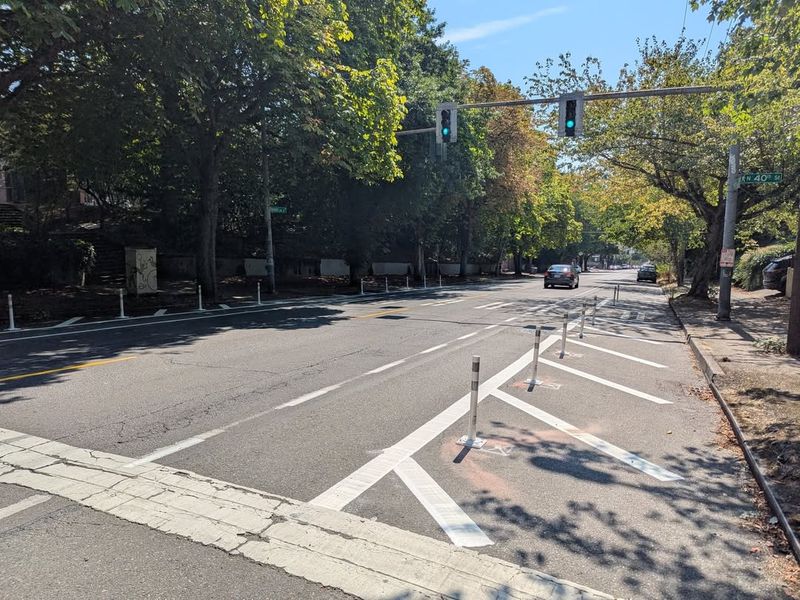
Overgrown trees that obstruct traffic signs or sightlines at intersections create serious safety violations in Washington neighborhoods.
Drivers need clear visibility to navigate safely, and blocked signs contribute to accidents that could result in liability for property owners.
Municipal codes require homeowners to maintain clear sight triangles at corners and keep all traffic control devices visible from the street.
Low-hanging branches or dense foliage that blocks stop signs, street names, or speed limit signs will trigger citations from code enforcement officers who patrol regularly.
Washington cities conduct routine inspections specifically looking for visibility obstructions because these violations directly impact public safety.
Fines escalate quickly if homeowners ignore initial warnings about trimming or removing problematic trees.
Corner properties face particularly strict requirements about maintaining clear sightlines for drivers approaching intersections.
Trees planted too close to corners often grow to block the necessary visibility triangle, requiring removal rather than simple trimming.
Even beautiful, healthy trees must come down if they cannot be pruned sufficiently to restore required sightlines.
Property owners sometimes plant trees without considering their mature size or how they will affect visibility years later.
Fast-growing species become problems quickly, reaching heights and widths that block signs within just a few seasons.
Washington homeowners should research mature tree sizes before planting near streets, corners, or anywhere traffic signs exist.
Code enforcement typically provides a grace period for trimming, but trees that cannot be pruned adequately to restore visibility require complete removal.
Ignoring these citations puts you at risk for mounting fines and potential liability if accidents occur because drivers could not see properly.
Maintaining clear sightlines protects everyone in your Washington community while keeping your property compliant with local traffic safety ordinances that prioritize preventing accidents over preserving individual trees.
6. Cottonwood Trees Causing Excessive Debris
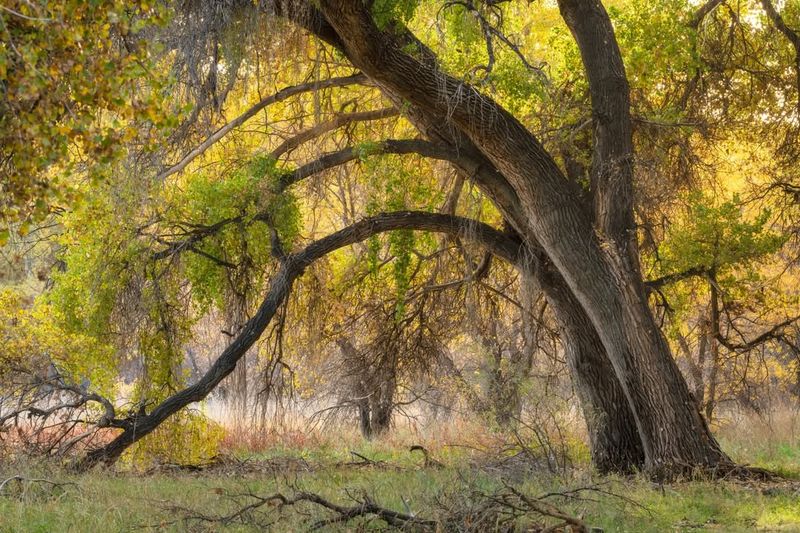
Cottonwood trees produce massive amounts of fluffy seeds that blanket entire neighborhoods in what looks like summer snow across Washington.
While this might seem harmless, the debris clogs gutters, creates fire hazards, triggers allergies, and violates nuisance ordinances in many municipalities.
Some Washington cities specifically list cottonwoods as undesirable species that homeowners should not plant and may require removal under certain circumstances.
Beyond the cottony seeds, these trees drop sticky buds in spring and shed branches frequently throughout the year.
The constant debris creates maintenance burdens for neighbors and can clog storm drains, leading to flooding problems that violate local codes.
Property owners in Washington have received citations for cottonwoods that create excessive nuisance conditions affecting surrounding properties.
Female cottonwood trees produce the problematic seeds, while male trees create sticky residue that coats cars and sidewalks.
Both types grow extremely fast, develop weak wood that breaks easily, and send up suckers that invade lawns and gardens.
Washington’s wet winters and occasional windstorms frequently cause cottonwood branches to snap and fall, creating ongoing safety concerns.
Many newer housing developments in Washington explicitly prohibit planting cottonwoods in their covenants because of the maintenance issues and neighbor complaints they generate.
Older properties with established cottonwoods often face pressure from neighbors and local authorities to remove these messy trees.
Cities can declare cottonwoods a public nuisance when the debris significantly impacts surrounding properties or public spaces.
Homeowners who inherit properties with mature cottonwoods should consider removal before facing formal complaints and citations.
The cost of removing one large cottonwood proves less expensive than years of gutter cleaning, branch removal, and potential fines.
Replacing cottonwoods with better-behaved species improves neighborhood relations and property values throughout Washington communities where these problematic trees have worn out their welcome.
7. Trees Damaged By Disease Threatening Nearby Vegetation
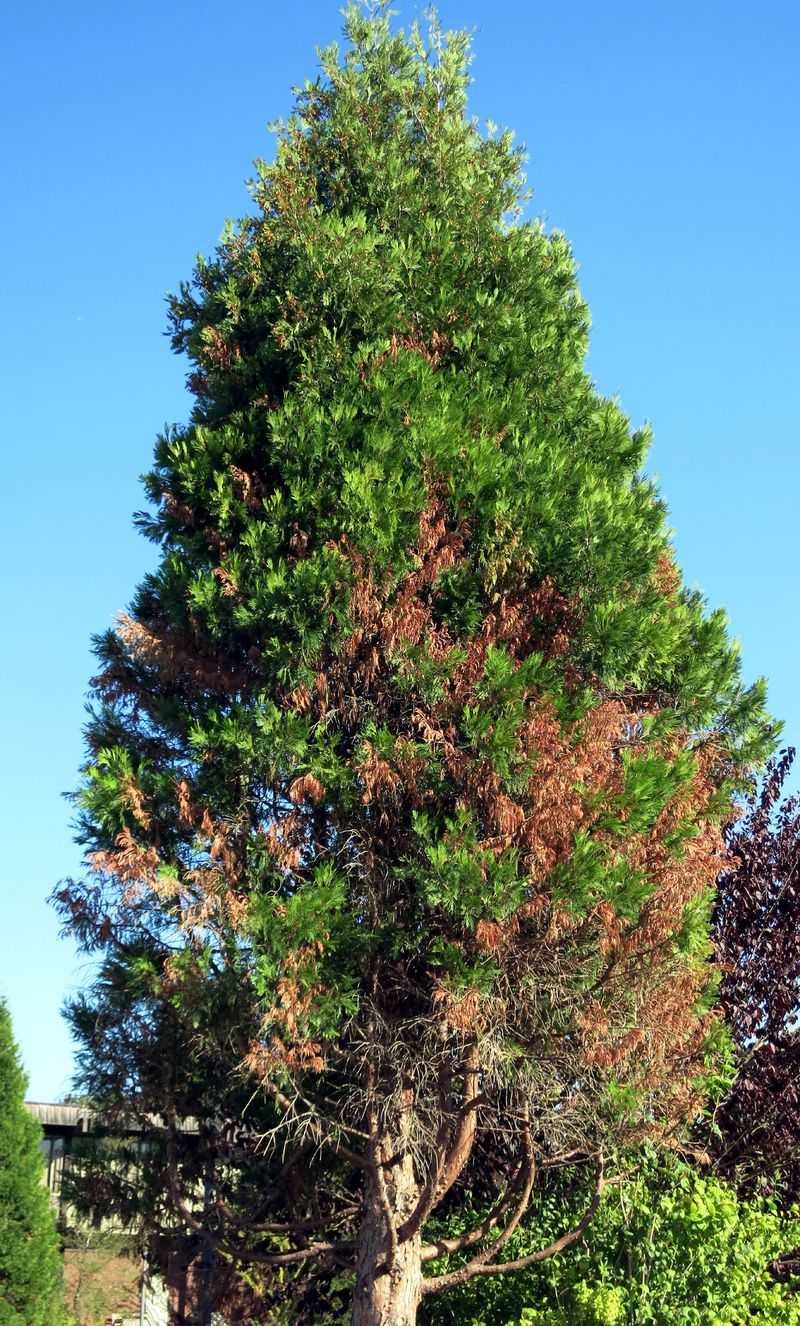
Certain tree diseases spread rapidly through neighborhoods, and Washington regulations may require removing infected trees to protect surrounding vegetation.
Dutch elm disease, sudden oak decline, and various fungal infections can jump from tree to tree, devastating entire streets if left unchecked.
Local authorities have the power to mandate removal of diseased trees that pose threats to community forests and landscaping.
Washington State takes forest health seriously because diseases can spread from residential areas into valuable timber lands and natural ecosystems.
County extension offices monitor for specific pathogens and may issue quarantines or removal orders when dangerous infections appear.
Homeowners who refuse to remove diseased trees face significant fines and potential liability for spread to neighboring properties.
Visible signs of serious disease include unusual leaf discoloration, premature leaf drop, oozing cankers on the trunk, and mushroom-like fungal growth at the base.
Some infections work invisibly inside the tree for years before external symptoms appear, making professional diagnosis important when trees show decline.
Washington’s moist climate creates ideal conditions for many fungal diseases that thrive in the Pacific Northwest.
Once a tree contracts certain diseases, no treatment can save it, and removal becomes necessary to prevent spread.
Infected wood must be disposed of properly, often requiring special handling to avoid contaminating other areas.
Some Washington municipalities provide guidelines for disease identification and may offer assistance with removal costs when dealing with particularly dangerous pathogens.
Property owners should monitor trees regularly for disease symptoms and consult certified arborists when problems appear.
Early detection sometimes allows for treatment, but advanced infections typically require complete removal.
Protecting the broader community forest means sacrificing individual trees when they become disease vectors that threaten neighborhood vegetation throughout Washington’s interconnected landscapes where pathogens move easily between properties.
8. Trees Violating Setback Requirements Or Property Line Encroachment
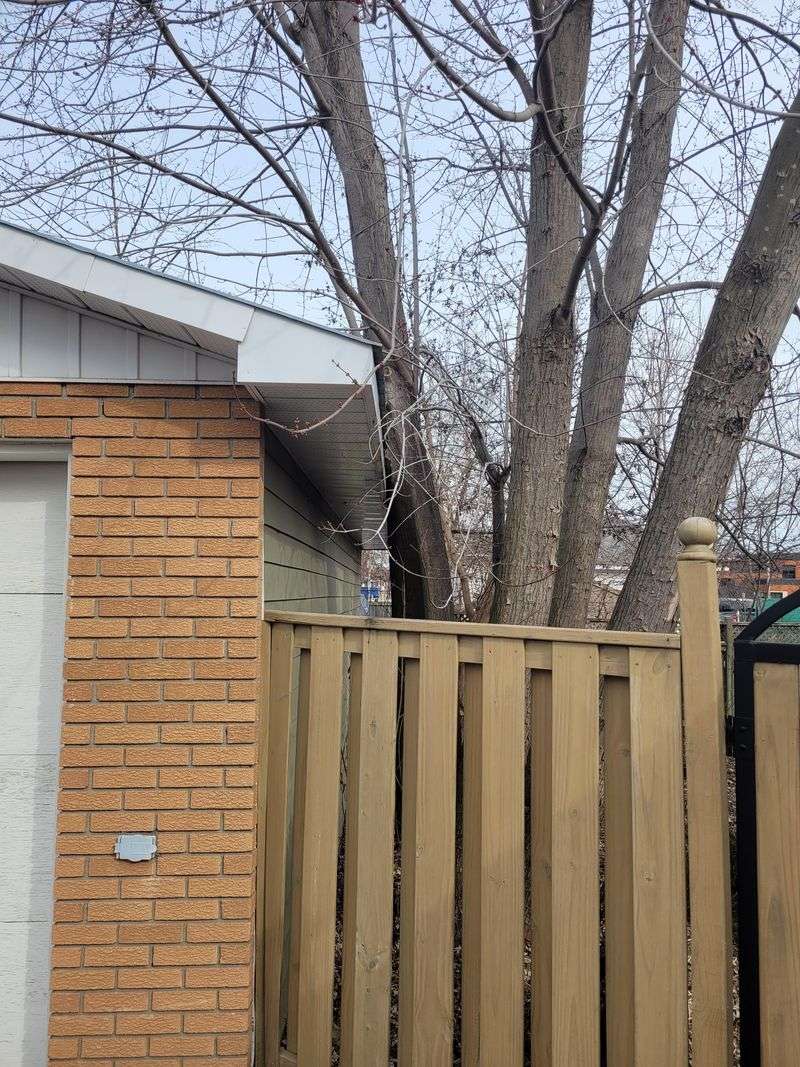
Trees planted too close to property lines or violating setback requirements create legal problems for Washington homeowners even when the trees appear healthy and attractive.
Local zoning codes specify minimum distances trees must maintain from property boundaries, structures, and easements.
Violations can result from trees planted incorrectly or from young trees that grew larger than anticipated and now encroach on restricted areas.
Branches and roots extending significantly onto neighboring properties give those neighbors legal grounds to demand action, and they can file complaints with local code enforcement.
Washington courts have ruled in favor of neighbors affected by encroaching trees, sometimes requiring complete removal rather than simple trimming.
Property line disputes involving trees frequently escalate to legal action that costs far more than proactive removal.
Utility easements and setback zones exist for important reasons related to access, safety, and infrastructure maintenance.
Trees violating these restrictions can prevent utility work, emergency access, or future development, triggering mandatory removal orders.
Washington homeowners may receive citations requiring removal of trees in easements regardless of the tree’s health or value to the landscape.
Purchasing a property with existing setback violations does not exempt new owners from compliance requirements.
During home sales, inspectors sometimes identify tree placement violations that must be corrected before closing.
The cost and hassle of removing large trees can complicate real estate transactions throughout Washington.
Before planting trees, homeowners should verify property boundaries, locate all easements, and research mature tree sizes to ensure compliance.
Trees already violating setback requirements need removal before neighbors complain or code enforcement discovers the violation.
Washington municipalities increasingly enforce these regulations as properties develop more densely and conflicts over space intensify.
Removing trees that violate placement rules protects you from fines, lawsuits, and forced removal orders that come with much higher costs than voluntary early action.