6 Trees You Should Never Plant In Your Pennsylvania Garden
Planting a tree often feels like one of the best investments you can make in your garden. A young tree can grow into a beautiful feature that provides shade, privacy, and seasonal color for years to come.
In Pennsylvania, many gardeners love adding trees to their landscape because they bring structure and life to the yard.
Still, not every tree is a good match for every garden. Some species grow far larger than people expect, while others spread aggressively or create constant maintenance problems.
What looks like a charming sapling at the garden center can eventually become a headache once it starts dropping messy fruit, cracking sidewalks, or crowding nearby plants.
Pennsylvania’s climate and soil conditions also influence how certain trees behave over time. Choosing the wrong variety can lead to frustration, expensive removal, or ongoing yard work.
Knowing which trees tend to cause problems can help gardeners avoid trouble and create a landscape that stays beautiful and manageable for years.
1. Bradford Pear (Pyrus Calleryana)
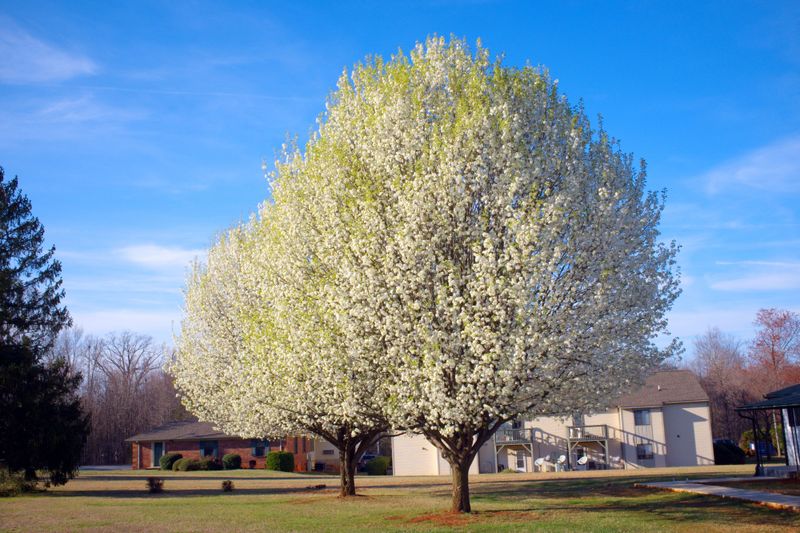
Few trees have had such a dramatic fall from grace as the Bradford pear. Back in the 1960s, landscapers across Pennsylvania and the rest of the country could not get enough of this tree.
It bloomed early in spring with gorgeous white flowers, grew quickly, and looked tidy in front yards and along streets. Sounds perfect, right? Not even close.
The Bradford pear has a serious structural flaw. Its branches grow at very tight angles from the trunk, which makes them incredibly weak.
When a strong storm rolls through Pennsylvania, those branches split apart easily. Falling limbs can damage roofs, cars, fences, and anything else nearby. Many homeowners have learned this lesson the hard way after a single bad thunderstorm.
Beyond the storm damage, Bradford pear is now considered invasive in Pennsylvania. Birds eat the berries and spread seeds into forests, fields, and roadsides.
Once those seeds sprout, the trees grow fast and crowd out native plants. Wild versions of this tree even develop sharp thorns, making them harder to manage.
Pennsylvania has taken notice. The state has been working to discourage planting of Bradford pear trees, and some areas have launched programs to replace them with better native options.
Serviceberry, eastern redbud, and flowering dogwood are all beautiful Pennsylvania-friendly alternatives that offer spring blooms without the headaches.
If you already have a Bradford pear in your yard, consider replacing it before the next big storm makes that decision for you. Your garden, your neighbors, and Pennsylvania’s natural areas will all be better off without it.
2. Tree Of Heaven (Ailanthus Altissima)
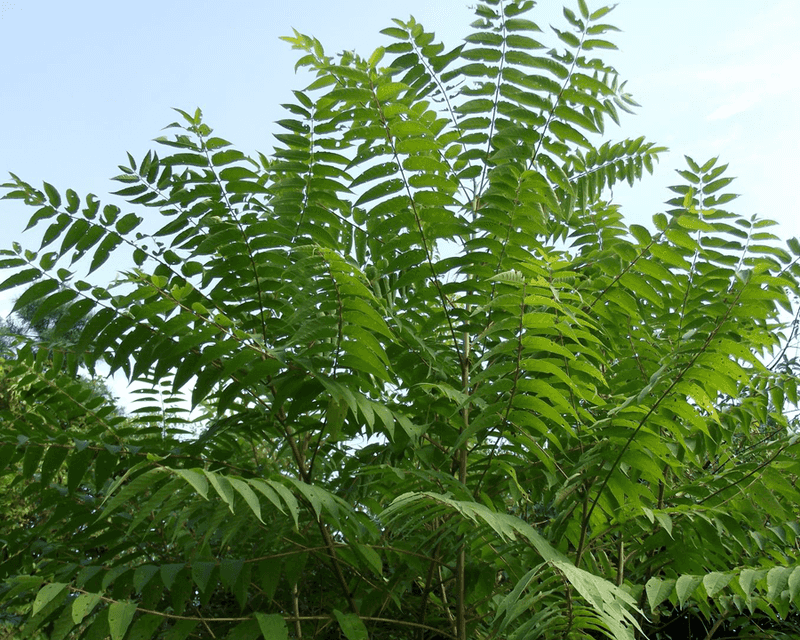
There is nothing heavenly about this tree once you understand what it does to the landscape around it. Tree of Heaven was brought to the United States from China in the 1700s and was once used as an ornamental plant in cities.
It can grow just about anywhere, including sidewalk cracks, abandoned lots, and the edges of Pennsylvania forests. That toughness sounds useful, but it comes at a major cost.
This tree spreads like wildfire. A single Tree of Heaven can produce hundreds of thousands of seeds in one year.
Those seeds travel on the wind and sprout quickly in almost any soil. The roots also send up shoots that pop up far from the original tree. Once it gets established somewhere, it is very hard to get rid of.
Here is the part that makes Pennsylvania gardeners especially frustrated: Tree of Heaven is a favorite host for the spotted lanternfly. This invasive pest has been causing serious damage to Pennsylvania crops, vineyards, and orchards.
By planting or allowing Tree of Heaven to grow, you are essentially rolling out a welcome mat for one of the state’s most destructive insects.
The tree also releases chemicals into the soil that prevent other plants from growing nearby. That means less variety, less habitat for wildlife, and a less healthy yard overall.
Pennsylvania wildlife experts have been warning residents about this tree for years. Removing it from your property is a smart move for the whole neighborhood.
Native alternatives like black cherry or tulip poplar offer shade and beauty without any of these problems.
3. Norway Maple (Acer Platanoides)
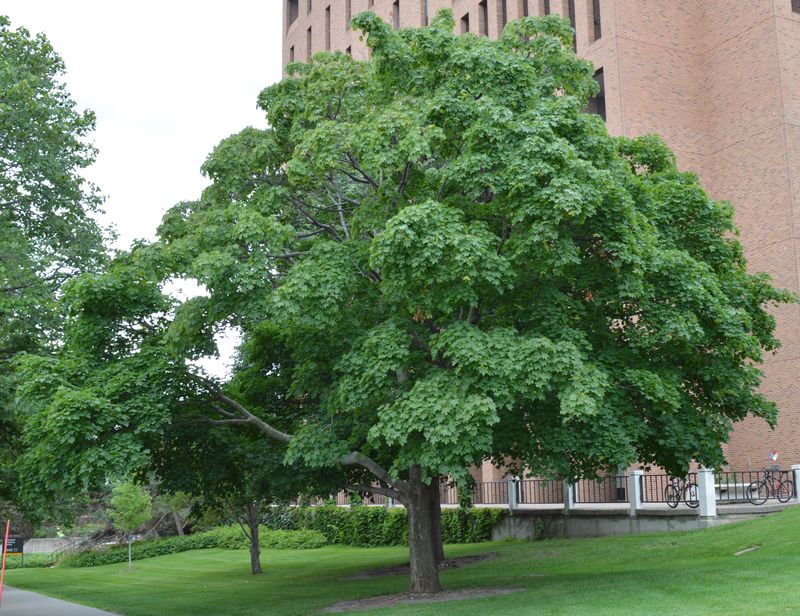
Norway maple might look like a perfectly ordinary shade tree, and that is exactly why it has been planted all over Pennsylvania for decades. It tolerates pollution, poor soil, and drought better than many other trees.
Nurseries loved selling it, and homeowners loved buying it. Unfortunately, what seemed like a low-maintenance winner turned out to be a real problem for Pennsylvania’s natural areas.
The biggest issue is how aggressively it spreads. Norway maple produces huge numbers of winged seeds that spin through the air and land in forests, parks, and natural areas all across Pennsylvania.
Once those seeds sprout, the seedlings grow fast and shove out native plants. Pennsylvania’s native wildflowers, shrubs, and tree seedlings simply cannot compete with Norway maple’s rapid growth.
Norway maple also creates incredibly dense shade beneath its canopy. Grass, wildflowers, and even native tree seedlings struggle to survive under it.
If you have ever walked through a patch of Norway maples in Pennsylvania and noticed bare ground underneath with almost nothing else growing, that is the tree doing exactly what it does best: crowding everything else out.
Its shallow root system is another strike against it. Those roots spread wide and close to the surface, which can crack sidewalks, driveways, and underground pipes over time.
The repair bills can be surprisingly high. Native sugar maple or red maple trees give you all the shade and fall color you could want without the invasive spread or root damage headaches.
Pennsylvania’s native maples are genuinely beautiful and far better for local birds, insects, and ecosystems than this European import.
4. Mimosa Tree (Albizia Julibrissin)
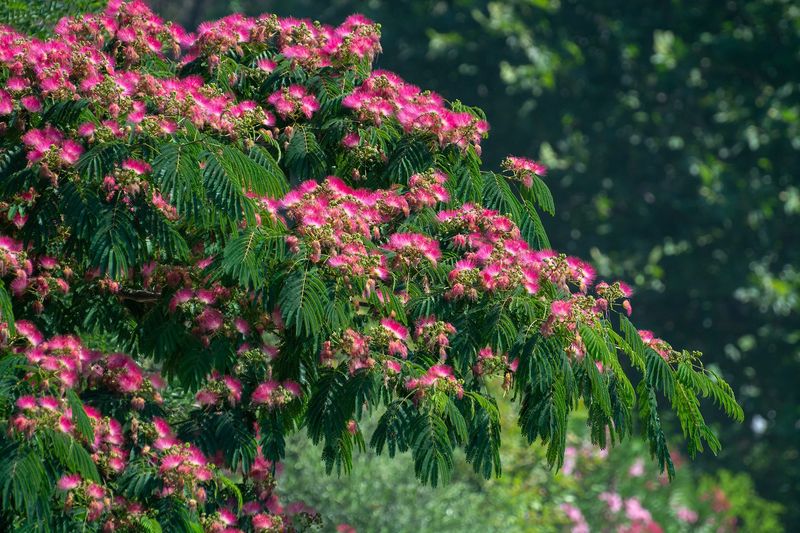
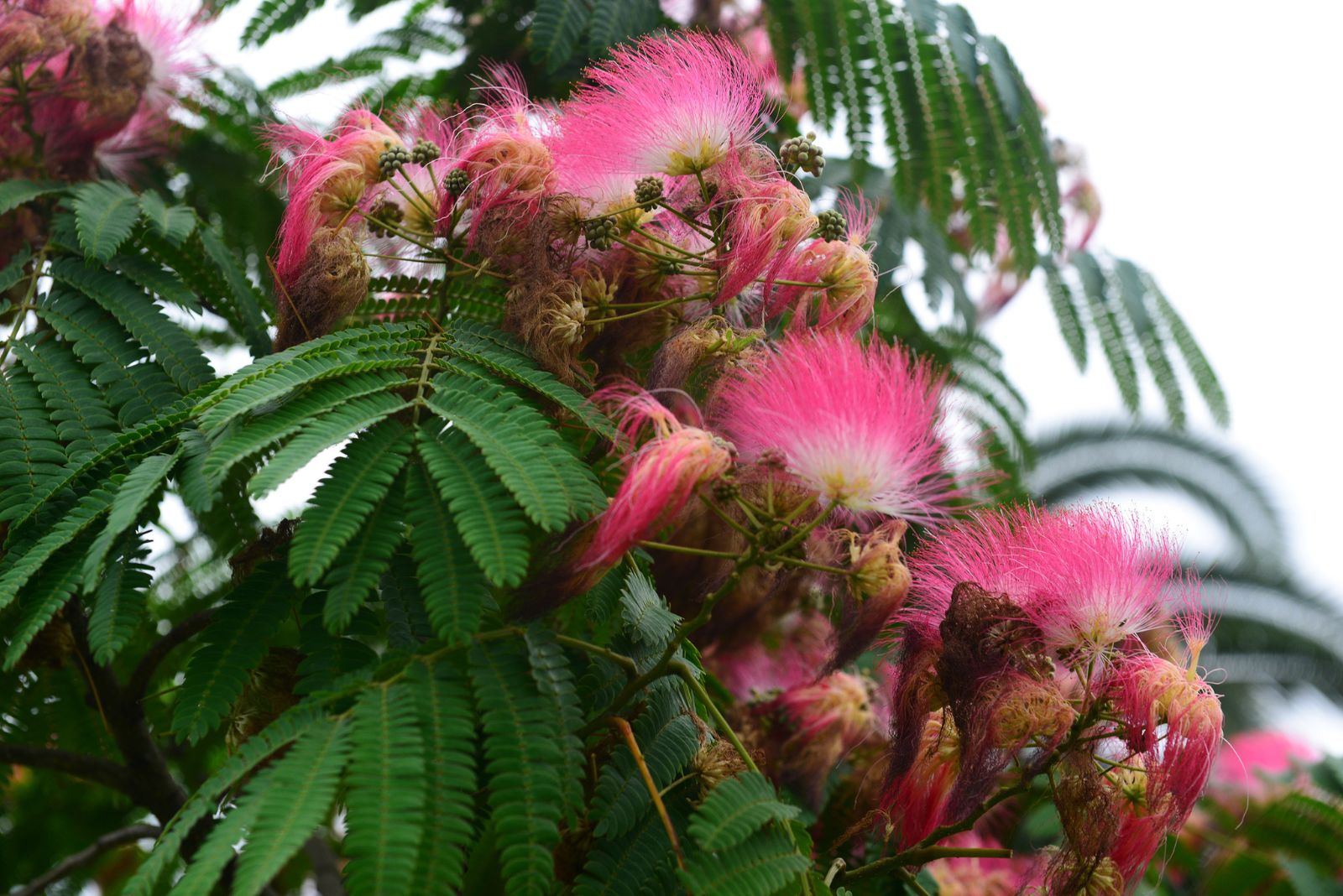
Walk past a mimosa tree in midsummer and it is hard not to stop and stare. Those soft, feathery pink flowers look like something out of a tropical paradise.
The fern-like leaves are delicate and exotic. It is honestly one of the most eye-catching trees you can find at a nursery in Pennsylvania.
That visual appeal is exactly why so many people have planted it, and exactly why its spread has become such a headache.
Mimosa trees are originally from Asia and were introduced to the United States in the 1700s as an ornamental plant. In parts of Pennsylvania, they have escaped gardens and spread into roadsides, stream banks, and forest edges.
Each tree can produce large numbers of seed pods, and those seeds stay viable in the soil for years. Even if you remove the tree, new seedlings can keep popping up long afterward.
The tree is also not very long-lived. Many mimosa trees in Pennsylvania start showing signs of stress within ten to fifteen years, often from a fungal disease called mimosa wilt.
After the tree declines, you are left with a stump and a patch of ground that may keep sprouting seedlings for years to come.
If you love the tropical look, there are better choices for Pennsylvania gardens. Native alternatives like rose of Sharon or native azaleas can give you similar pops of color without the invasive spread.
Eastern redbud is another fantastic option that offers gorgeous pink blooms in spring and plays nicely with Pennsylvania’s native wildlife. Your yard can still look stunning without the long-term regret of planting a mimosa.
5. Silver Maple (Acer Saccharinum)
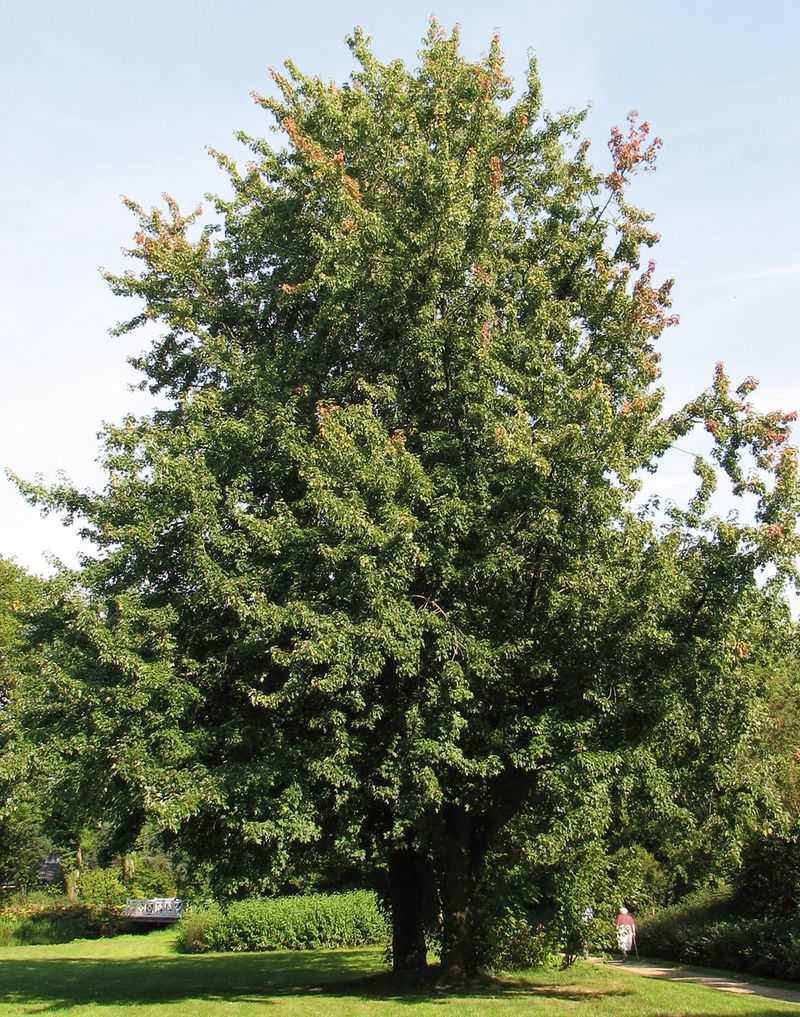
Silver maple is one of the fastest-growing trees you can plant in Pennsylvania, and that speed is a big part of its appeal. Homeowners who want shade quickly often reach for silver maple because it can put on several feet of growth in a single year.
Within a decade, it can become a large, impressive tree. But fast growth comes with some serious trade-offs that tend to show up just when the tree is getting big enough to cause real damage.
The wood of silver maple is notoriously brittle. Branches snap off during ice storms, heavy snow, and strong winds, all of which Pennsylvania gets plenty of throughout the year.
Those falling branches can land on roofs, cars, fences, and power lines. Homeowners who plant silver maple near their house often find themselves calling a tree service after nearly every major storm.
Silver maple’s root system is another major problem. The roots grow shallow and wide, seeking out moisture wherever they can find it.
Underground pipes, septic systems, and water lines are all at risk. Sidewalks and driveways crack and buckle as the roots push upward.
Repairing that kind of damage is expensive and frustrating, especially when the tree keeps growing and the roots keep spreading.
Pennsylvania has plenty of better maple options. Red maple grows at a respectable pace, has strong wood, and puts on a spectacular fall color show.
Sugar maple is slower but incredibly sturdy and long-lasting. Both of these native maples support local wildlife in ways that silver maple simply cannot match.
Choosing a native maple is one of the smartest tree decisions a Pennsylvania gardener can make.
6. White Mulberry (Morus Alba)
White mulberry has a long history in the United States. It was brought over from China centuries ago as part of an attempt to start a silk industry, since silkworms feed on mulberry leaves.
The silk industry never really took off here, but the trees stuck around and spread widely across Pennsylvania and much of the eastern United States.
Today, white mulberry is considered invasive in many parts of the state, and most gardeners wish it had never arrived.
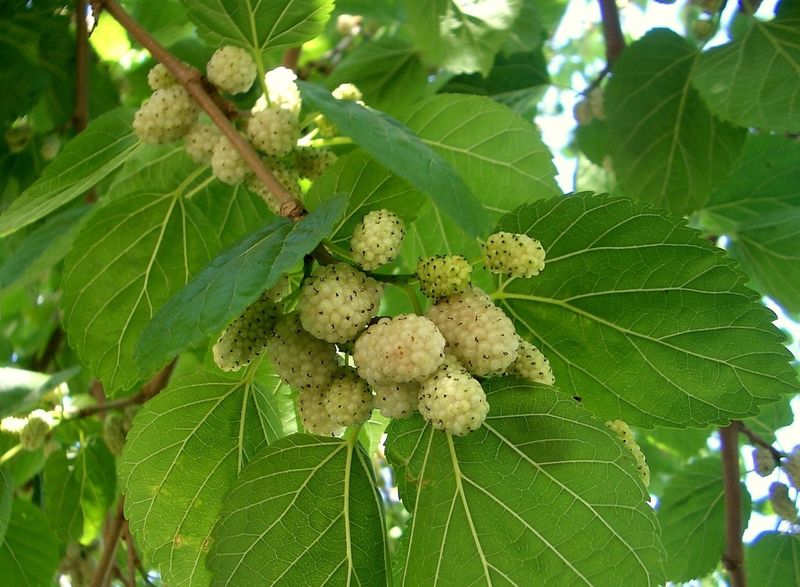
Anyone who has parked a car or set up patio furniture under a white mulberry knows the mess it makes. The berries ripen in early summer and fall constantly, staining anything below them a deep purple-red that is very hard to clean.
Driveways, sidewalks, patios, and even outdoor furniture can end up looking like a crime scene during berry season. Birds love the fruit, which means they spread seeds far and wide across Pennsylvania neighborhoods and natural areas.
White mulberry also crossbreeds with Pennsylvania’s native red mulberry, which is already a species of concern in the state. When white and red mulberry hybridize, the genetic integrity of the native species gets diluted over time.
This is a serious ecological problem that most people do not think about when they see a mulberry tree at the nursery.
If you want a fruit-producing tree for your Pennsylvania yard, consider native alternatives like serviceberry or pawpaw. Both produce tasty fruit, support local wildlife, and do not cause the same invasive spread problems.
Pennsylvania’s native plants deserve space in your garden, and skipping white mulberry is a great way to give them a fair chance.