9 Trellis Designs Perfect For Small City Gardens In New York
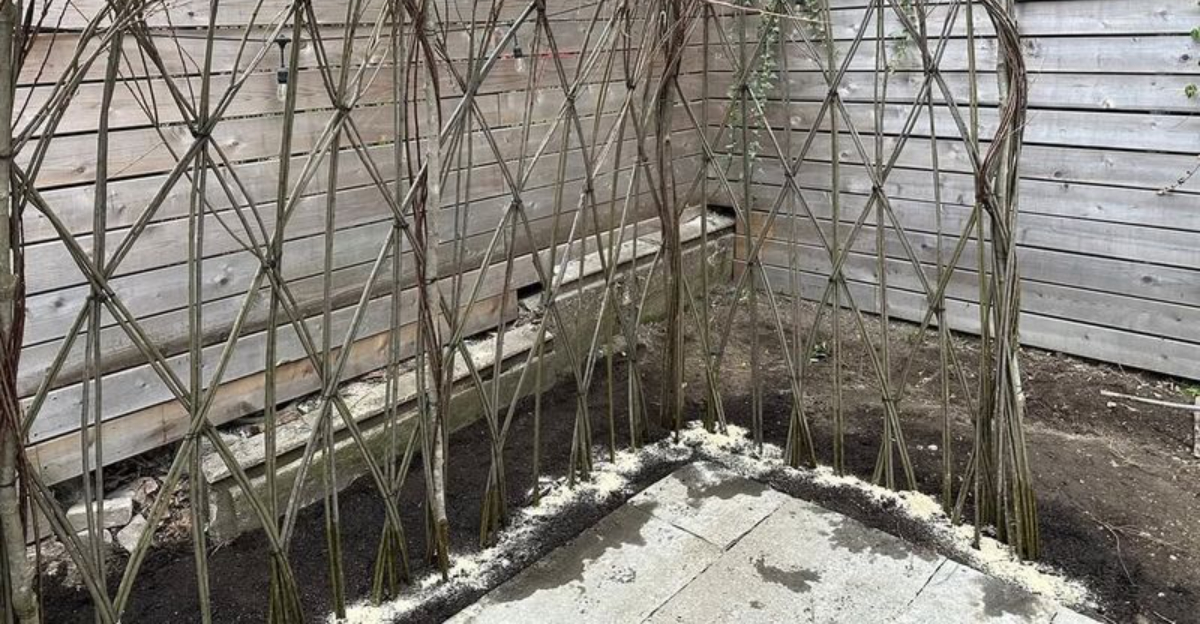
Small city gardens in New York often feel tight on space, yet the right trellis can completely change how those areas function and look.
Trellises let plants grow upward instead of outward, turning walls, fences, and corners into productive green features rather than dead zones.
With smart design choices, even the smallest urban garden can feel taller, fuller, and more thoughtfully arranged without sacrificing precious ground space.
1. Classic Wooden Ladder Trellis
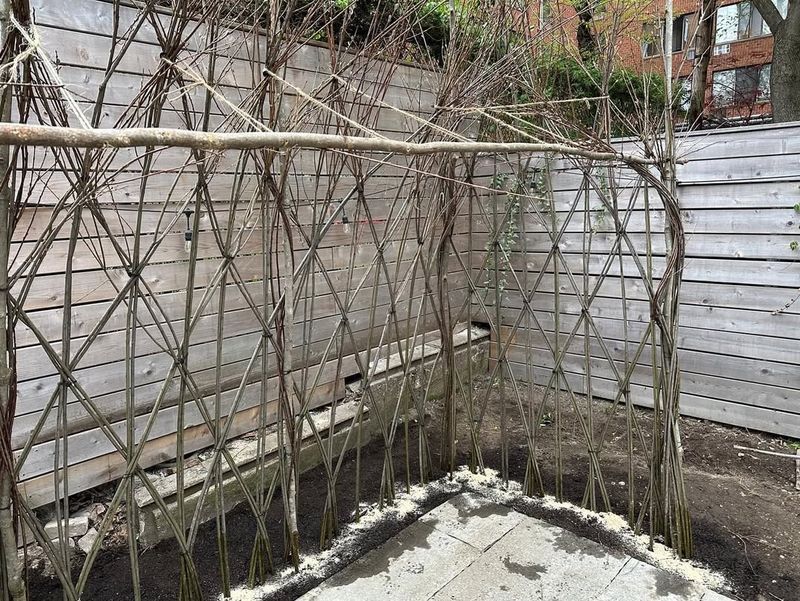
Wooden ladder trellises bring rustic charm to urban spaces without taking up much room along walls or fences in cramped city environments.
You can lean them against brick walls or secure them upright, making installation simple even for gardening beginners living in New York apartments.
Their angled design creates visual interest while providing sturdy support for beans, peas, morning glories, and other lightweight climbing plants that thrive locally.
Many gardeners appreciate how easily these trellises move from season to season, allowing flexibility when rearranging small outdoor spaces throughout the year.
Cedar and treated pine work best because they resist moisture damage from New York’s humid summers and occasional heavy rainstorms that drench rooftop gardens.
Painting or staining your ladder trellis adds personality while protecting the wood from weather damage that occurs frequently in northeastern urban environments.
This design fits perfectly in narrow spaces between buildings where horizontal growing room remains limited but vertical potential exists for creative plant arrangements.
Local garden centers across New York sell ready-made options, or you can build your own using reclaimed wood for an eco-friendly approach.
2. Wall-Mounted Fan Trellis
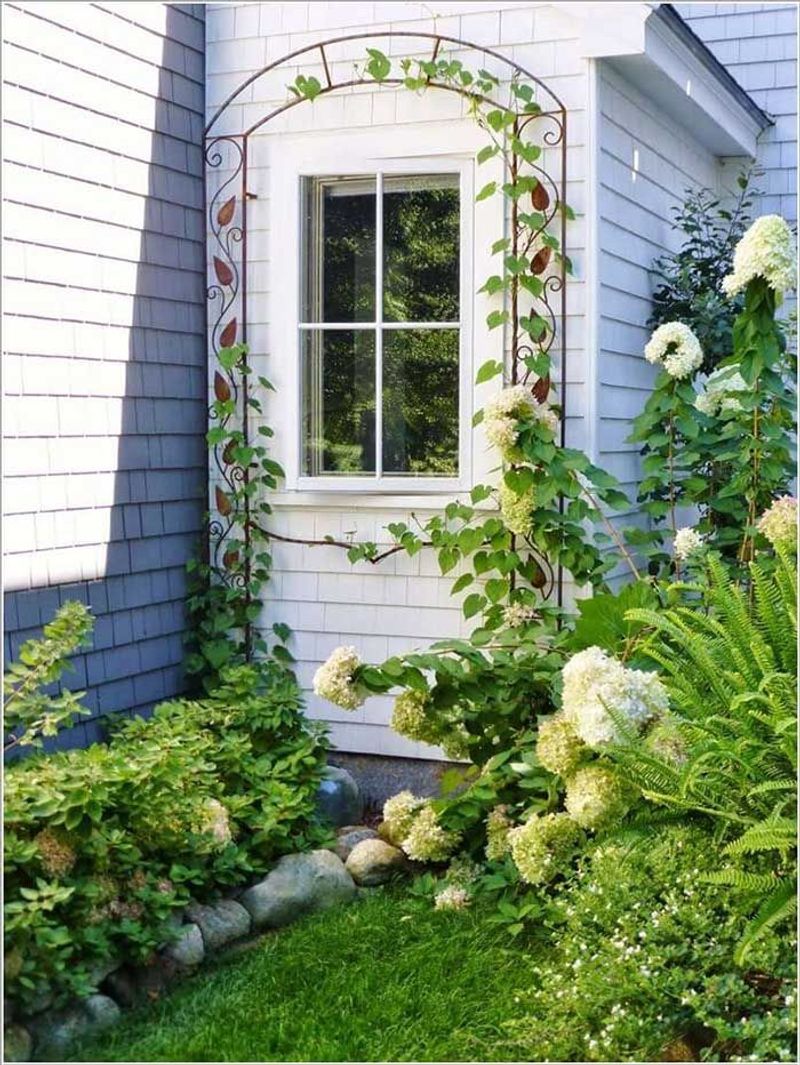
Fan trellises mount directly onto walls, making them ideal for New York balconies and patios where floor space is practically nonexistent for gardening.
Their elegant spreading design mimics the shape of a peacock’s tail, adding architectural beauty even before plants start climbing upward through summer.
Clematis, climbing roses, and sweet peas grow beautifully along the radiating slats, creating stunning displays visible from windows and neighboring buildings nearby.
Installation requires only a few screws, and most fan trellises come in weather-resistant materials like vinyl, metal, or pressure-treated wood suitable for conditions.
These trellises work especially well above doorways or windows, framing entryways with greenery that softens harsh concrete and brick surfaces common throughout neighborhoods.
New York gardeners often choose darker colors like black or bronze because they blend seamlessly with urban architecture while highlighting bright blooms effectively.
The compact footprint means you sacrifice zero precious floor space, leaving room for container plants, seating, or storage in already crowded outdoor areas.
Fan designs range from simple and affordable to ornate and decorative, giving you flexibility to match your personal style and budget constraints easily.
3. Freestanding Obelisk Trellis
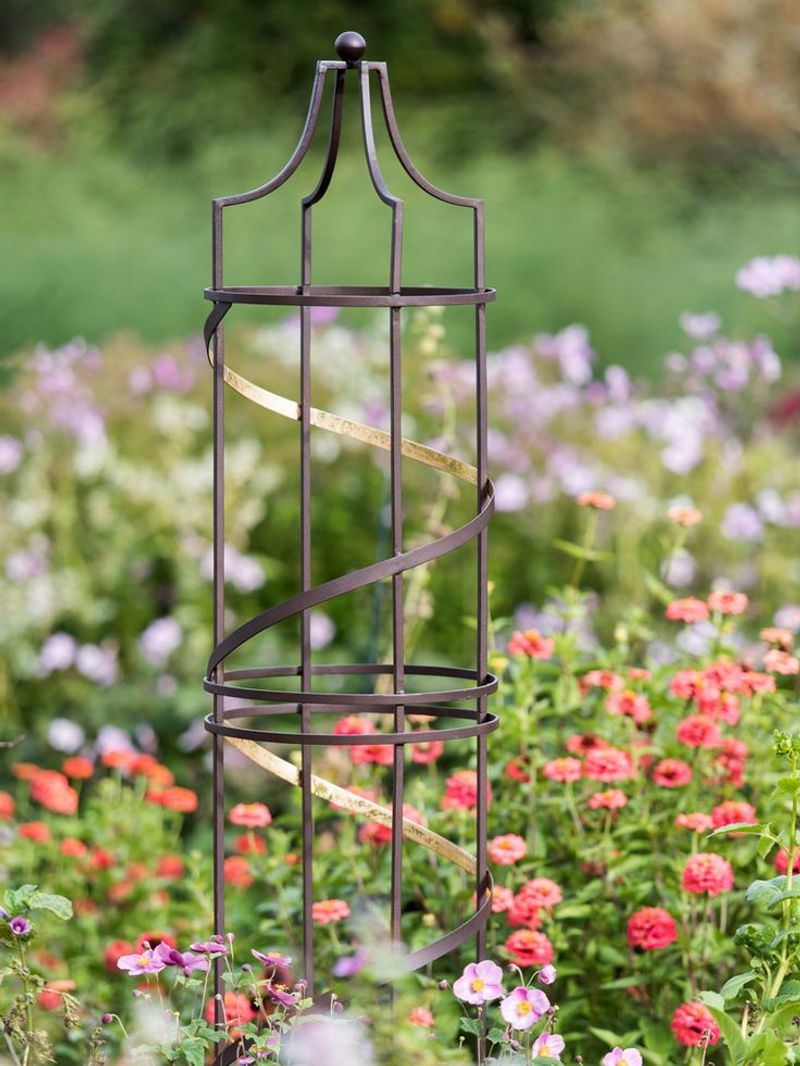
Obelisk trellises stand independently in containers, making them perfect for renters who cannot permanently attach structures to walls or railings in apartments.
Their four-sided pyramid shape provides climbing surfaces from all angles, maximizing growing potential in the limited footprint they occupy on balconies or patios.
Morning glories, black-eyed Susans, and pole beans wind beautifully around obelisks, creating living sculptures that add height and drama to flat rooftop spaces.
Metal obelisks withstand strong winds common on New York rooftops better than lightweight alternatives, preventing toppling during summer thunderstorms that frequently blow through.
You can move these trellises easily to follow sunlight patterns or rearrange your garden layout as plants grow and seasons change throughout the year.
Placing obelisks in large decorative pots adds stability while creating focal points that draw the eye upward, making small gardens feel more spacious overall.
Many New York gardeners use multiple obelisks of varying heights to create depth and visual interest in otherwise flat and uninspiring concrete spaces.
These structures come in styles ranging from simple wire frames to elaborate wrought-iron designs that complement both modern and traditional architectural styles found citywide.
4. Horizontal Wire Grid Trellis
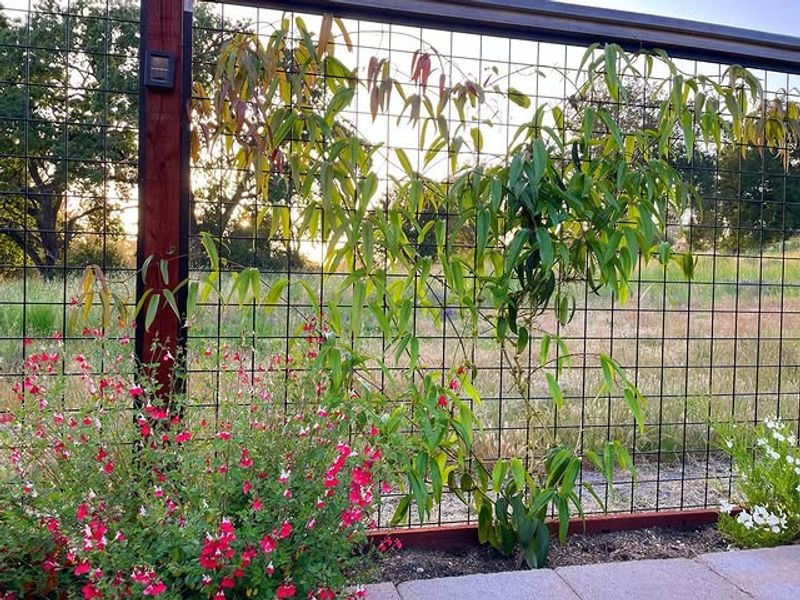
Wire grid trellises offer minimalist support that practically disappears behind lush foliage, keeping the focus on your plants rather than the structure itself.
They attach directly to walls or fences with hooks, making them incredibly space-efficient for New York gardeners dealing with extremely limited square footage available.
Cucumbers, tomatoes, and squash grow vertically along wire grids, increasing yields dramatically compared to letting these vegetables sprawl across ground space you lack.
The open grid pattern allows excellent airflow around plants, reducing disease problems that often plague vegetables in humid New York summers when moisture lingers overnight.
Installation takes minutes with basic tools, and you can easily customize the grid size to fit whatever awkward wall dimensions your space presents.
Galvanized or vinyl-coated wire resists rust and corrosion from rain and humidity, ensuring your trellis lasts multiple growing seasons without replacement or repairs.
This design works beautifully for edible gardens where aesthetics matter less than function, though the green foliage creates attractive living walls regardless of style.
Many community gardens throughout New York use wire grid systems because they are affordable, effective, and simple to maintain for gardeners with varying experience.
5. Bamboo Teepee Trellis
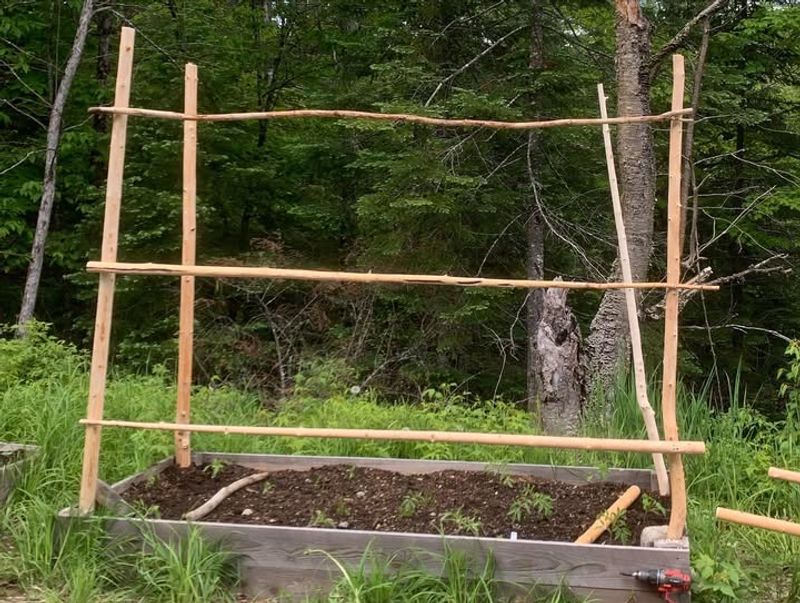
Bamboo teepees bring natural texture and an organic feel to urban gardens while providing strong support for various climbing plants throughout growing seasons.
You simply push bamboo poles into soil around a container’s edge and tie them together at the top, creating an instant structure ready for planting.
Pole beans, peas, and nasturtiums scramble up bamboo naturally, and kids especially love harvesting vegetables hidden inside these cozy living structures in family gardens.
Bamboo is surprisingly strong yet lightweight, making it easy to handle and reposition as needed without heavy lifting or tools in cramped balcony spaces.
These trellises cost very little compared to metal or wooden alternatives, making them budget-friendly options for New York gardeners just starting their urban growing journey.
The natural appearance complements container gardens beautifully, softening the hard edges of concrete, metal railings, and brick walls surrounding most city outdoor spaces.
When growing seasons end, you can disassemble bamboo teepees for compact storage in closets or under beds until spring returns to the region.
Many New York gardeners reuse the same bamboo poles for several years, though they eventually weather and may need replacement after particularly harsh winters.
6. Pocket Planter Trellis Combo
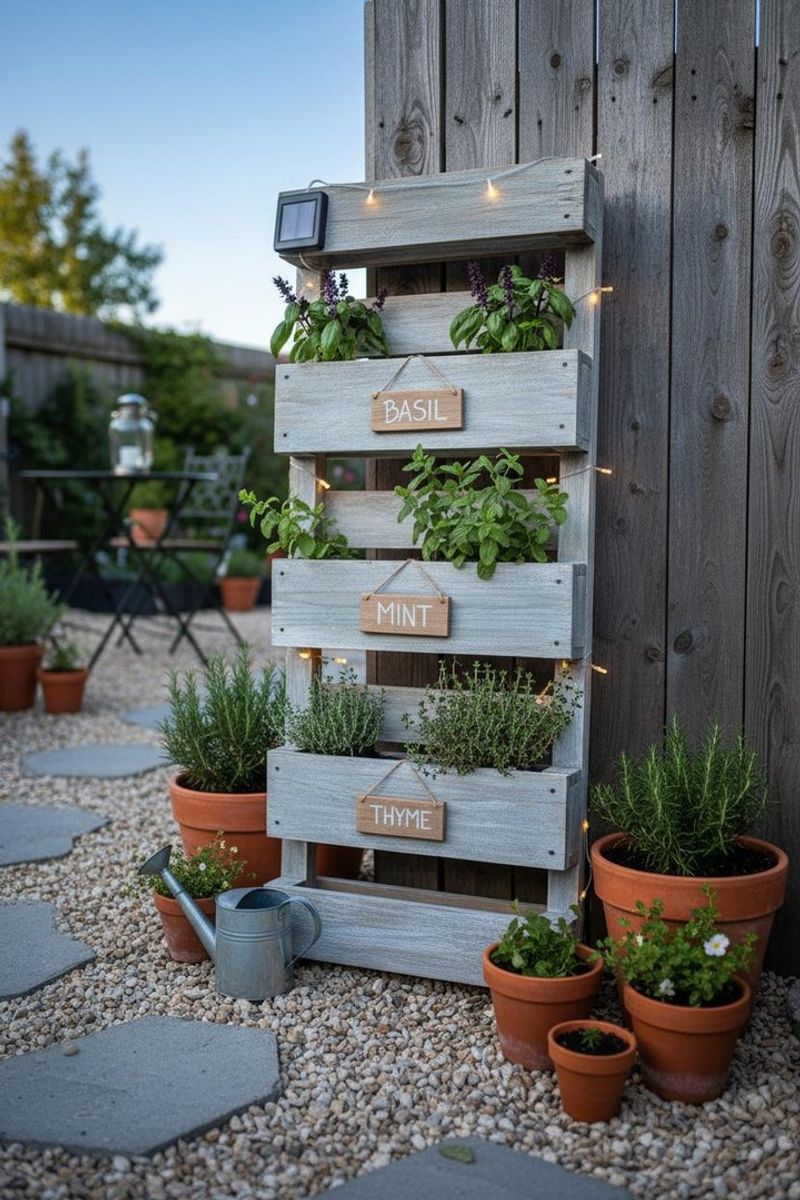
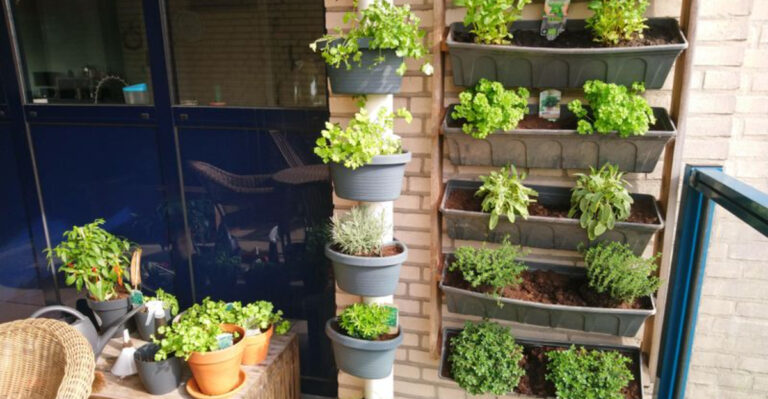
Combination pocket planters with built-in trellis supports maximize both horizontal and vertical growing space, perfect for extremely tight New York City balconies and patios.
Fabric or plastic pockets hold soil and plants at various heights while attached trellis sections support climbing varieties that grow upward from lower pockets.
Herbs like thyme and oregano thrive in lower pockets while pole beans or cherry tomatoes climb the trellis above, creating productive layered gardens.
These systems hang directly on walls or railings, requiring absolutely no floor space, which makes them ideal for narrow balconies where every inch counts.
Many New York apartment dwellers use pocket trellis combos because they can grow substantial amounts of food without sacrificing room for outdoor furniture or storage.
The lightweight design means even rental walls can support them without causing damage that might jeopardize security deposits when you eventually move elsewhere.
Watering requires attention since pockets dry out faster than traditional containers, but self-watering versions are available that reduce maintenance demands for busy city residents.
This innovative approach to vertical gardening has gained popularity throughout urban areas where traditional ground-level gardening simply is not possible for most residents.
7. Repurposed Shutter Trellis
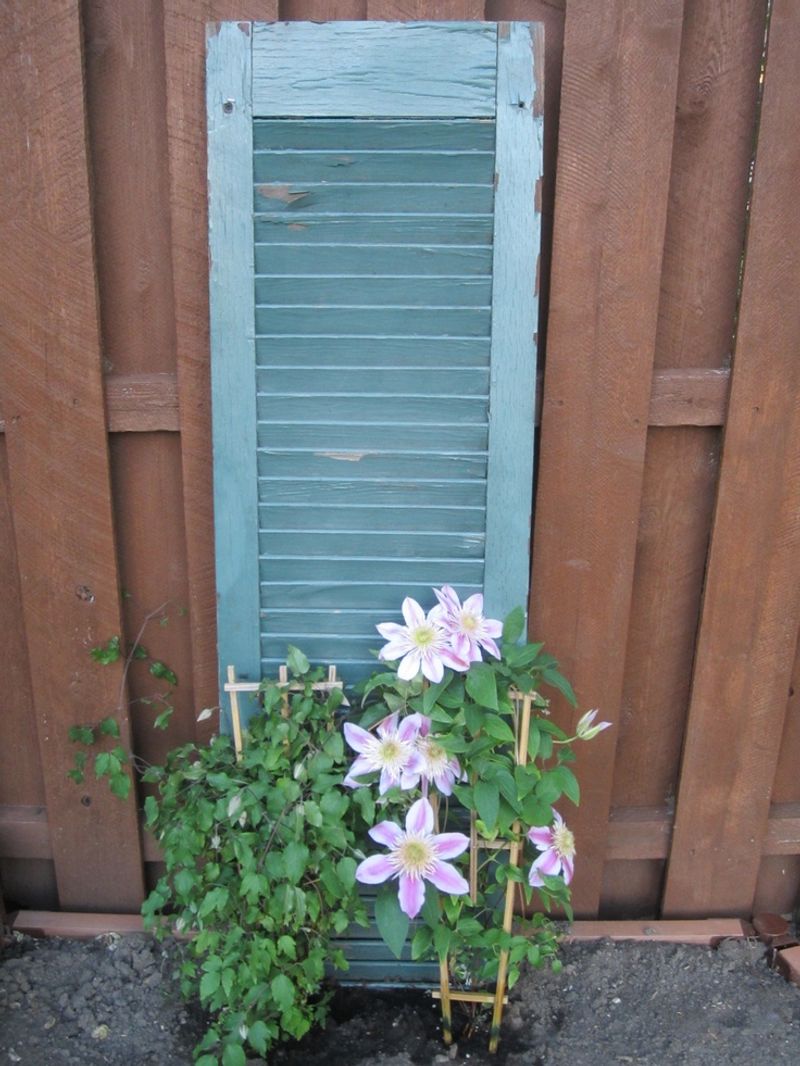
Old wooden shutters make charming trellises that add vintage character to modern urban gardens while keeping perfectly functional structures out of landfills unnecessarily.
You can find shutters at salvage shops, flea markets, and online marketplaces throughout New York, often for just a few dollars or even free.
Their horizontal slats provide ideal spacing for tendrils to grip while creating an interesting architectural element that feels both nostalgic and intentionally designed for aesthetics.
Clematis, sweet peas, and small-flowered climbing roses weave beautifully through shutter openings, creating cottage-garden charm even in industrial urban settings across boroughs.
Mounting shutters to walls or fences takes minimal effort, and their flat profile means they protrude very little, preserving precious walking space in gardens.
Leaving shutters weathered gives gardens shabby-chic appeal, while painting them in bold colors creates eye-catching focal points that brighten dreary concrete surroundings considerably.
This eco-friendly option appeals to environmentally conscious New York gardeners who value sustainability and creative reuse over purchasing new manufactured products whenever possible.
Each shutter brings unique history and character, making your garden feel personalized and distinct from the cookie-cutter designs often seen in urban spaces.
8. Corner Trellis Panel System

Corner trellis panels fit snugly into awkward ninety-degree spaces that otherwise go unused, turning dead zones into productive and attractive growing areas instantly.
These L-shaped or angled designs provide dual surfaces for climbing plants while creating privacy screens that block views from neighboring windows and balconies nearby.
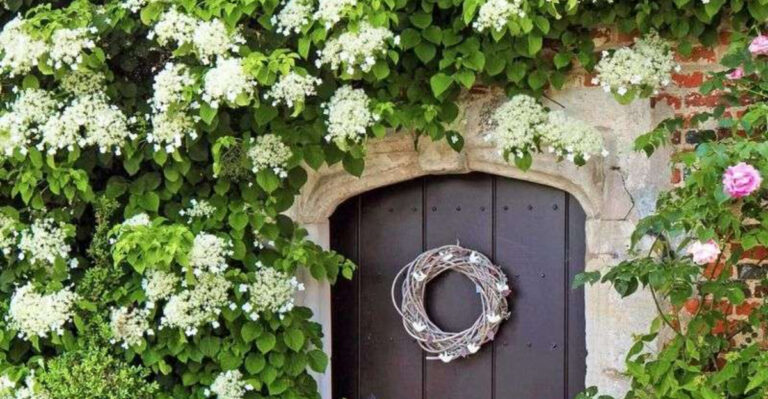
Jasmine, honeysuckle, and climbing hydrangeas grow densely on corner trellises, offering fragrance, flowers, and greenery that transform harsh urban corners into peaceful retreats.
Many New York gardeners appreciate how corner systems define outdoor spaces, separating seating areas from storage zones or creating cozy nooks in otherwise open areas.
Installation typically involves securing panels to adjacent walls or fences, which provides stability against wind while maintaining a clean, integrated appearance throughout your garden.
Materials range from wooden lattice to metal frameworks, letting you choose options that match existing architecture and personal style preferences without clashing visually.
The vertical orientation draws eyes upward, making small patios feel taller and more expansive than they actually are, which psychologically enlarges cramped spaces.
Corner trellises work especially well on rooftops where parapet walls meet, creating natural planting opportunities that soften hard edges and industrial elements common overhead.
9. Collapsible Accordion Trellis

Accordion trellises expand and contract like musical instruments, giving you adjustable sizing that adapts perfectly to changing plant needs and available space constraints.
You can stretch them wide across walls or compress them into narrow configurations, making them incredibly versatile for New York gardeners with evolving layouts.
Their diamond-shaped openings provide excellent grip points for tendrils while creating attractive geometric patterns that add visual interest even before plants fill in completely.
Lightweight construction means even children can help reposition these trellises, making them family-friendly options for households teaching kids about gardening and plant care.
Wood and vinyl versions both work well, though vinyl resists moisture better in humid New York summers when rain and humidity levels remain consistently high.
These trellises collapse flat for winter storage in apartments where outdoor storage options are nonexistent and indoor closet space is extremely limited and precious.
Many gardeners use accordion trellises temporarily for annual vines, then store them away while perennials rest during cold months common in northeastern winters.
The affordable price point makes them accessible for beginning gardeners who want to experiment with vertical growing without investing heavily in permanent structures initially.