10 Trendy Perennials Never Worth Planting In Pennsylvania
Garden trends come and go, and every year new plants seem to appear in garden centers promising stunning blooms and effortless beauty. It is easy to feel tempted when a perennial is labeled as the next big thing.
Bright tags, eye catching photos, and glowing descriptions can make any plant look like the perfect addition to a Pennsylvania garden.
The problem is that not every trendy perennial lives up to the hype once it is planted. Some struggle with Pennsylvania’s changing seasons, while others demand far more care than most gardeners expect.
What looks impressive in a catalog can quickly turn into a plant that barely grows, refuses to bloom, or constantly needs attention.
Many experienced gardeners eventually learn that popularity does not always equal performance.
Choosing plants that truly fit the local climate often leads to better results than chasing the latest trend. A little awareness can save time, money, and plenty of garden frustration.
1. Purple Loosestrife (Lythrum Salicaria)
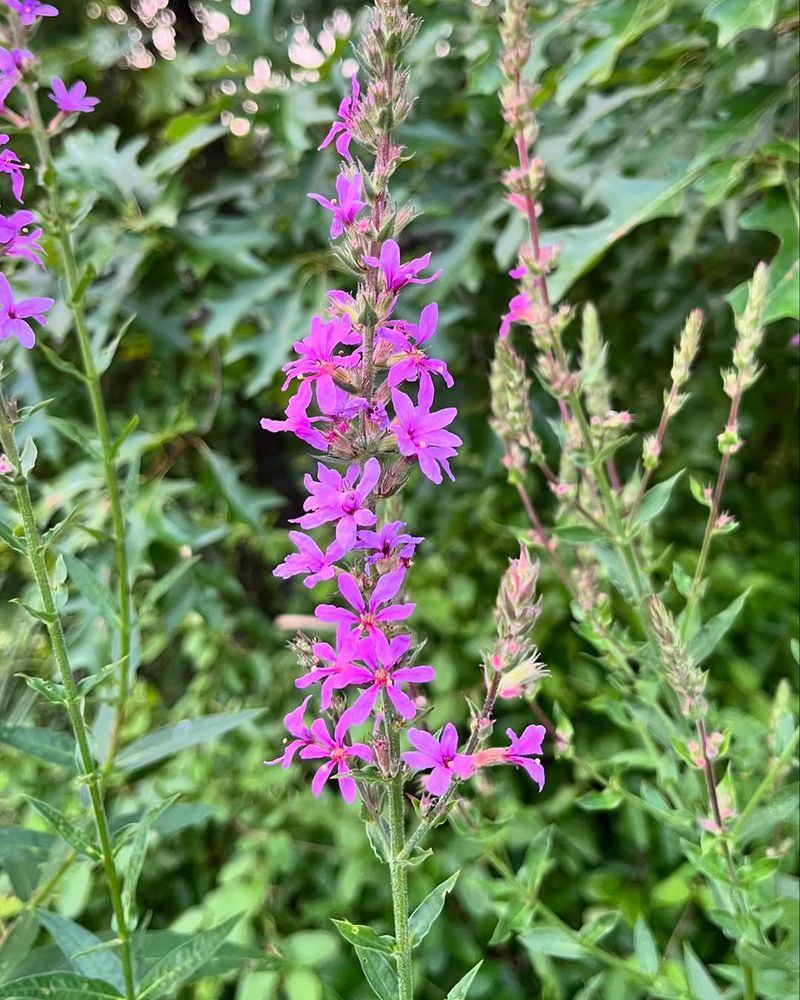
Walk past any Pennsylvania wetland in summer and you might spot tall, gorgeous spikes of purple-pink flowers swaying in the breeze.
That striking plant is Purple Loosestrife, and as beautiful as it looks, it is one of the most problematic perennials you could ever bring into your garden.
Purple Loosestrife was once a popular ornamental plant, and it is easy to see why. Its tall flower spikes are eye-catching and dramatic.
But this plant spreads at an alarming rate. A single plant can produce up to two million seeds per year, and those seeds travel easily by wind and water.
In Pennsylvania, this plant is considered highly invasive, particularly in wetland areas. It pushes out native plants like cattails and native sedges, destroying the habitat that local wildlife depends on. Once it takes hold in a wet area, removing it is an enormous challenge.
Pennsylvania actually restricts the sale and planting of Purple Loosestrife in many areas. If you love the look of tall purple flowers, try native alternatives like Blue Vervain or native Joe-Pye Weed instead.
These plants offer similar visual appeal without threatening Pennsylvania’s natural wetland ecosystems.
2. Yellow Flag Iris (Iris Pseudacorus)
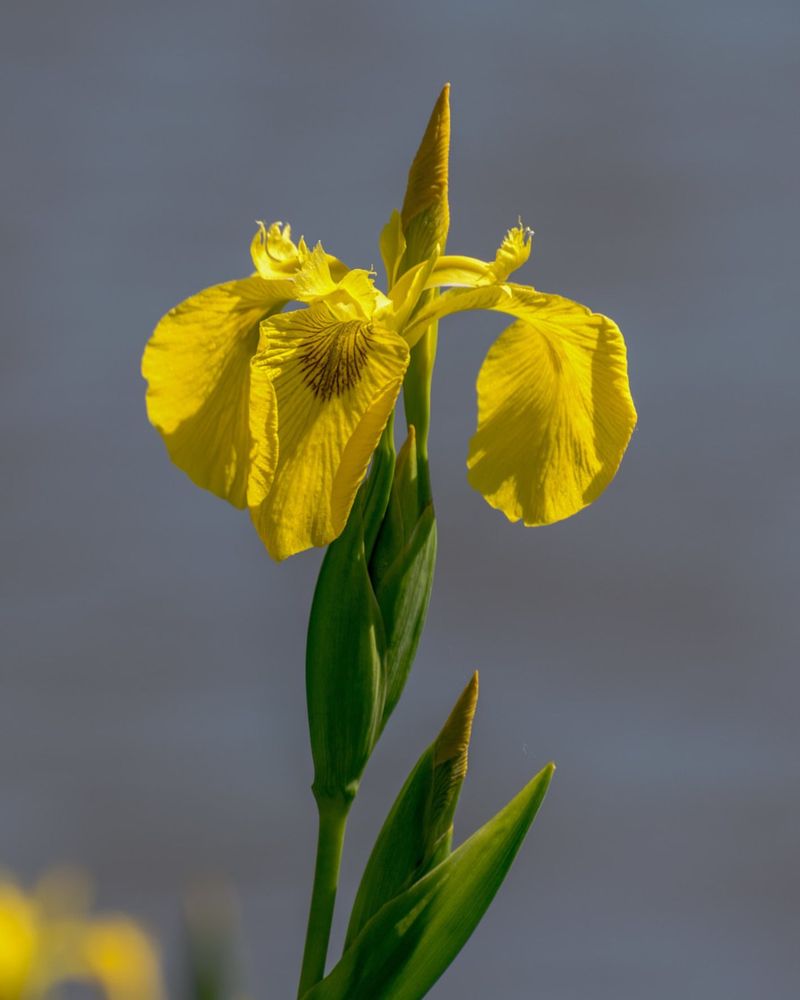
Few sights are as striking as a cluster of bold yellow irises blooming along a pond’s edge. Yellow Flag Iris has that kind of show-stopping appeal, and for years, gardeners across Pennsylvania planted it near water features without a second thought.
Unfortunately, that beauty comes with a serious downside. Yellow Flag Iris spreads aggressively through both seeds and underground rhizomes. It thrives in wet conditions and quickly colonizes the edges of ponds, streams, and wetlands.
Once established, it forms dense mats that crowd out native aquatic and semi-aquatic plants.
Across the Northeast, including Pennsylvania, this iris has escaped cultivated gardens and naturalized in waterways where it does not belong. Native plants that local insects, birds, and amphibians rely on simply cannot compete with its rapid spread.
If you have a backyard pond or a low-lying wet area, resist the urge to plant Yellow Flag Iris. Better choices include native Blue Flag Iris, which offers a similarly stunning flower in a soft blue-purple shade.
Native Blue Flag Iris supports local pollinators and plays nicely with the surrounding Pennsylvania landscape without taking over everything in sight.
3. Japanese Knotweed (Fallopia Japonica)
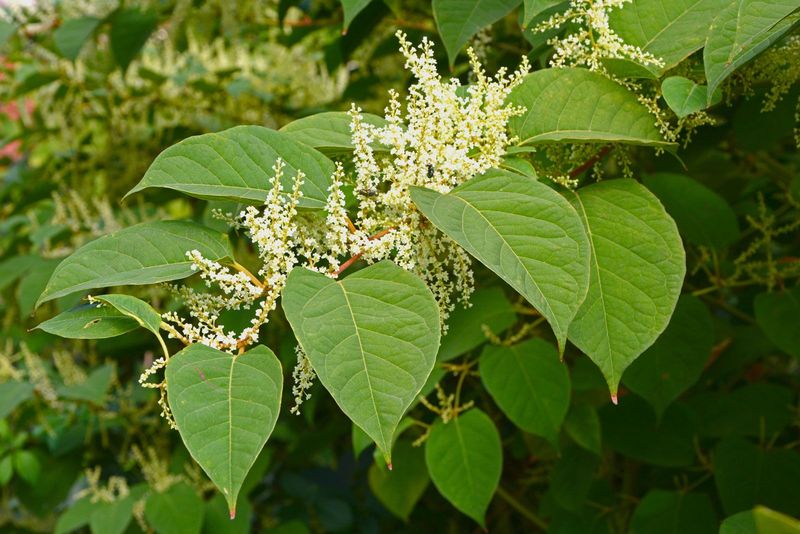
Imagine planting something in your backyard that eventually pushes through concrete, cracks foundations, and spreads underground for dozens of feet in every direction.
That is exactly what Japanese Knotweed can do, and yet it was once marketed as a bold ornamental plant worth growing.
Japanese Knotweed has hollow, bamboo-like stems and large, heart-shaped leaves that give it an exotic, tropical look. In spring, new shoots emerge fast, and by summer, the plant can tower over six feet tall.
It looks impressive, but the underground rhizome system is where the real trouble lives.
In Pennsylvania, Japanese Knotweed is considered one of the most destructive invasive plants on record. Its rhizomes spread horizontally underground, sometimes traveling 20 feet or more from the main plant.
Removing it requires years of persistent effort, and even small fragments of root left behind can regrow into a full plant.
This plant has taken over riverbanks, roadsides, and garden beds across Pennsylvania, outcompeting everything in its path. No ornamental value is worth that level of long-term damage.
Skip this one completely and choose a native ornamental grass or shrub that gives bold texture without the chaos.
4. Crown Vetch (Securigera Varia)
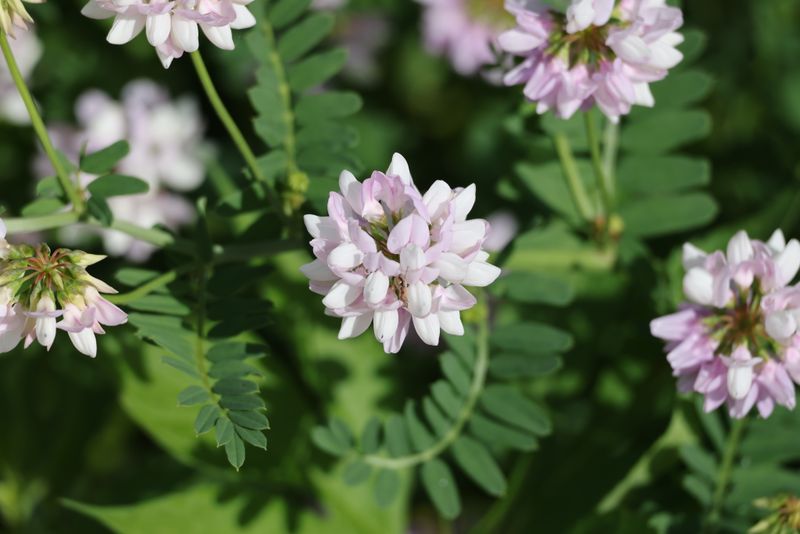
Back in the mid-20th century, Crown Vetch seemed like a brilliant solution. Highway departments and landscapers planted it widely across Pennsylvania to control erosion on slopes and roadsides.
It grew fast, covered bare ground quickly, and produced pretty clusters of pink and white flowers. Problem solved, right? Not exactly.
Crown Vetch spreads far beyond where it was originally planted. It creeps outward through underground runners and reseeds freely, forming thick, dense mats that smother everything underneath.
Native wildflowers, grasses, and young trees simply cannot push through the heavy blanket it creates.
Pennsylvania’s native plant communities have suffered significantly because of Crown Vetch.
It has moved from roadsides into forest edges and meadows, eliminating the diverse mix of native plants that birds, pollinators, and other wildlife depend on for food and shelter.
Some gardeners still pick it up thinking it makes a convenient, low-maintenance groundcover. But low maintenance quickly becomes high frustration once it escapes its original planting area.
For slope stabilization or groundcover needs in Pennsylvania, native options like Wild Ginger or Pennsylvania Sedge are far better choices that work with the local ecosystem instead of against it.
5. Bishop’s Weed (Aegopodium Podagraria)
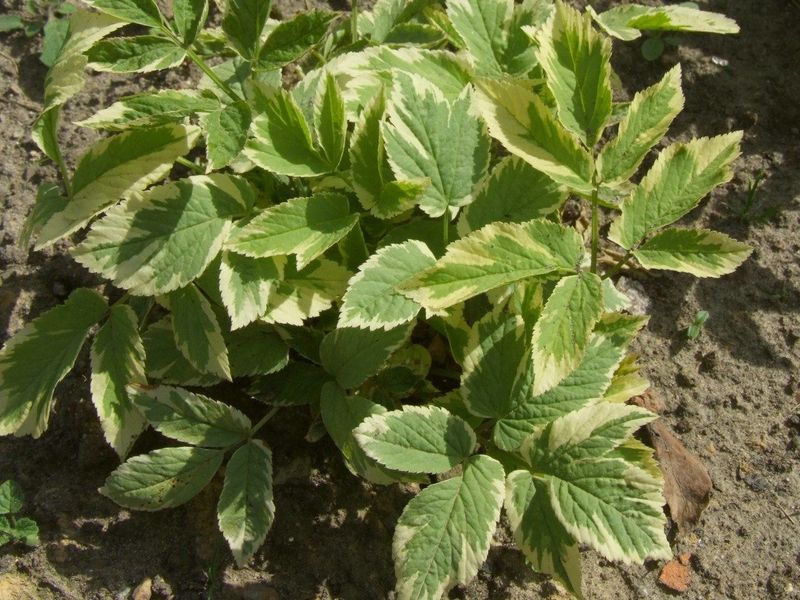
It gets sold at garden centers with cheerful tags calling it a carefree groundcover perfect for shady spots. Bishop’s Weed, also known as Goutweed, does cover ground fast and tolerates shade well.
But that speed and toughness are exactly what make it such a headache for Pennsylvania gardeners.
Underground runners spread in all directions, popping up through mulch, between pavers, and into neighboring plants with remarkable persistence.
Even after you think you have removed it all, tiny root fragments hiding in the soil will regrow and start the whole process over again. It is one of those plants that seems to laugh at your gardening gloves.
The variegated form, with its green-and-white leaves, is especially popular at nurseries because it looks tidy and attractive. But looks are deceiving.
Once established in a Pennsylvania garden bed, Bishop’s Weed can completely take over within just a few growing seasons, leaving no room for anything else.
Eradicating it often requires multiple years of digging, smothering with landscape fabric, and consistent follow-up.
Save yourself the frustration and choose a better-behaved shade groundcover like native Wild Ginger or Foamflower, both of which thrive in Pennsylvania without staging a hostile takeover of your entire yard.
6. Obedient Plant (Physostegia Virginiana)
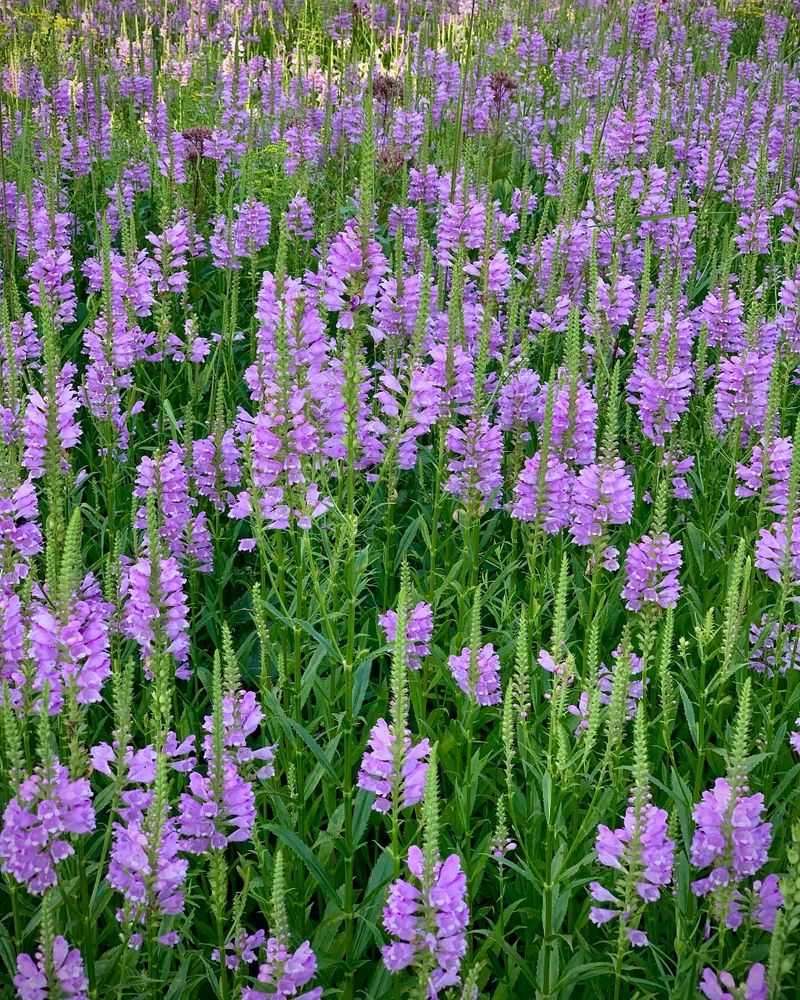
Here is a plant with a name that is basically a lie. Obedient Plant is anything but obedient once it gets comfortable in your Pennsylvania garden.
Despite being native to parts of North America, it spreads so aggressively by underground rhizomes that many gardeners end up deeply regretting the day they planted it.
The flowers are genuinely lovely. Tall spikes covered in tubular pink or white blooms appear in late summer, attracting hummingbirds and bumblebees.
For a brief moment, you might think you made a great choice. Then comes the following spring, when plants emerge in places you never intended.
In smaller Pennsylvania garden beds, Obedient Plant can overwhelm neighboring perennials within just two or three seasons.
It spreads underground quietly and quickly, and pulling it out often just breaks the rhizomes into smaller pieces that each grow into new plants.
If you want that tall, late-summer flower spike look in your Pennsylvania garden, consider native alternatives like Cardinal Flower or native Agastache. Both attract pollinators beautifully and are much easier to manage.
Obedient Plant works better in large, naturalized areas where spreading is less of a concern, not in a typical home garden where space is limited.
7. Lily Of The Valley (Convallaria Majalis)
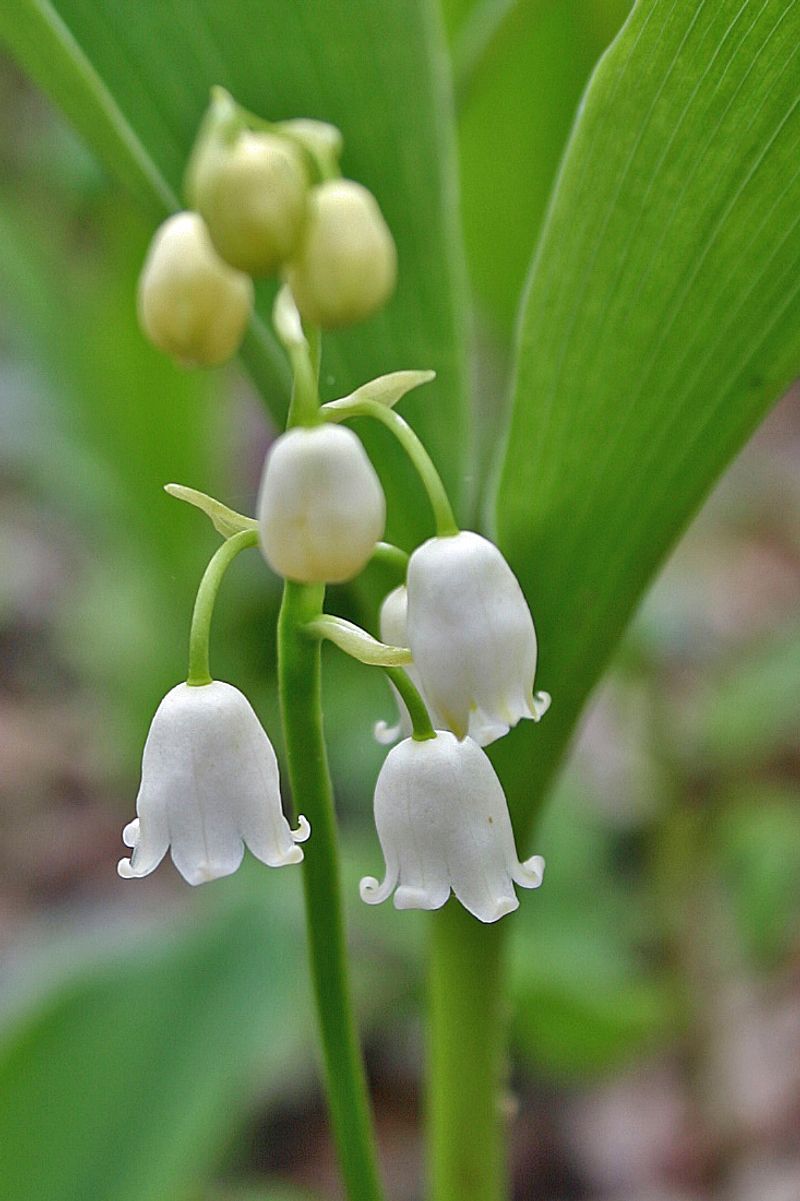
Few plants carry as much sentimental charm as Lily of the Valley. Those tiny, perfectly shaped white bells dangling from arching stems have appeared in wedding bouquets and cottage gardens for generations.
The sweet fragrance alone is enough to make almost anyone want to plant it. But in Pennsylvania yards, this classic beauty has a stubborn, pushy side that is hard to overlook.
Lily of the Valley spreads through underground rhizomes called pips, and it does so with quiet but relentless determination. Year after year, the colony expands outward, eventually swallowing up lawn edges, garden paths, and neighboring plants.
Removing it is genuinely difficult because the root system runs deep and breaks apart easily during digging.
It also thrives in shade, which sounds like a bonus for tricky garden spots. But that adaptability means it competes directly with native shade plants that Pennsylvania’s woodland ecosystems depend on, like Wild Ginger, Trout Lily, and native ferns.
If fragrance and charm are what you are after, consider planting native Wild Columbine or Woodland Phlox in shaded spots.
Both offer beauty and fragrance without the aggressive spreading habit that makes Lily of the Valley such a long-term maintenance problem for Pennsylvania gardeners.
8. Gooseneck Loosestrife (Lysimachia Clethroides)
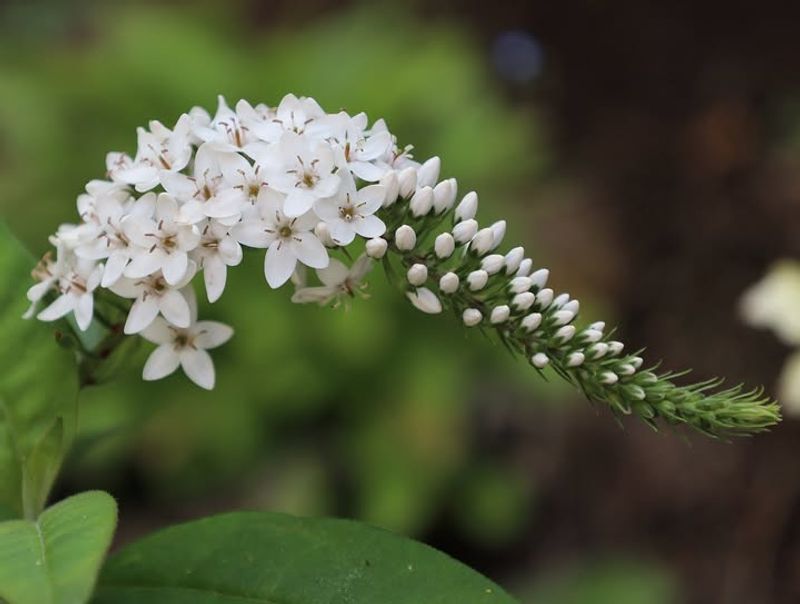
That curving white flower spike is genuinely one of the more interesting shapes in the perennial world. Gooseneck Loosestrife gets its name from the way its blooms arc gracefully, looking almost like the neck of a goose dipping toward water.
It is quirky, eye-catching, and exactly the kind of plant that makes you stop at the garden center and reach for your wallet. Resist that urge.
Underground rhizomes push outward in every direction, and within a few seasons, a single plant becomes a wide, dense colony.
In Pennsylvania gardens, it has a reputation for spreading well beyond its intended space, crowding out neighboring perennials and making itself nearly impossible to contain without constant division and removal.
The plant does attract pollinators, which is a genuine plus. But the maintenance required to keep it from swallowing your entire garden bed outweighs that benefit for most Pennsylvania homeowners with limited space.
Gardeners who love the look of arching white flower spikes have better options. Native Culver’s Root offers a similarly elegant vertical flower in white, attracts pollinators enthusiastically, and behaves itself in garden beds without staging an underground expansion campaign.
In Pennsylvania, choosing better-behaved natives makes gardening more enjoyable and less of a constant battle.
9. Japanese Anemone (Anemone Hupehensis)
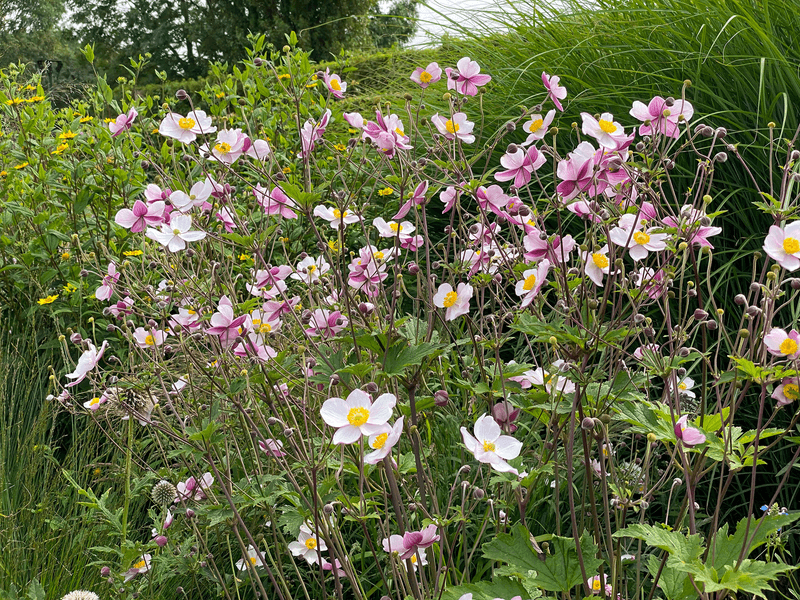
Late-season color is precious in any Pennsylvania garden, and Japanese Anemone delivers it beautifully. Those soft pink or white flowers on tall, wiry stems look almost like something out of a fairy tale when they appear in September and October.
For gardeners desperate for fall blooms, this plant feels like a perfect solution. But the trade-off is significant.
Japanese Anemone spreads vigorously through underground stolons, and once established, it is notoriously difficult to remove.
Digging it up disturbs the roots in ways that actually encourage more growth, similar to many other problematic spreaders on this list. What starts as a single clump can become a sprawling colony that edges out everything around it.
In Pennsylvania garden beds, especially in partially shaded spots with decent soil, Japanese Anemone can spread surprisingly fast. Many gardeners report that after just three or four years, the plant has moved well beyond its original location and become a source of constant frustration.
For reliable fall color in Pennsylvania, native Asters are a far smarter choice. New England Aster and Smooth Blue Aster both bloom in September and October, attract migrating butterflies, and stay manageable in a typical home garden.
Beautiful fall flowers do not have to come with a long-term spreading problem.
10. Dame’s Rocket (Hesperis Matronalis)
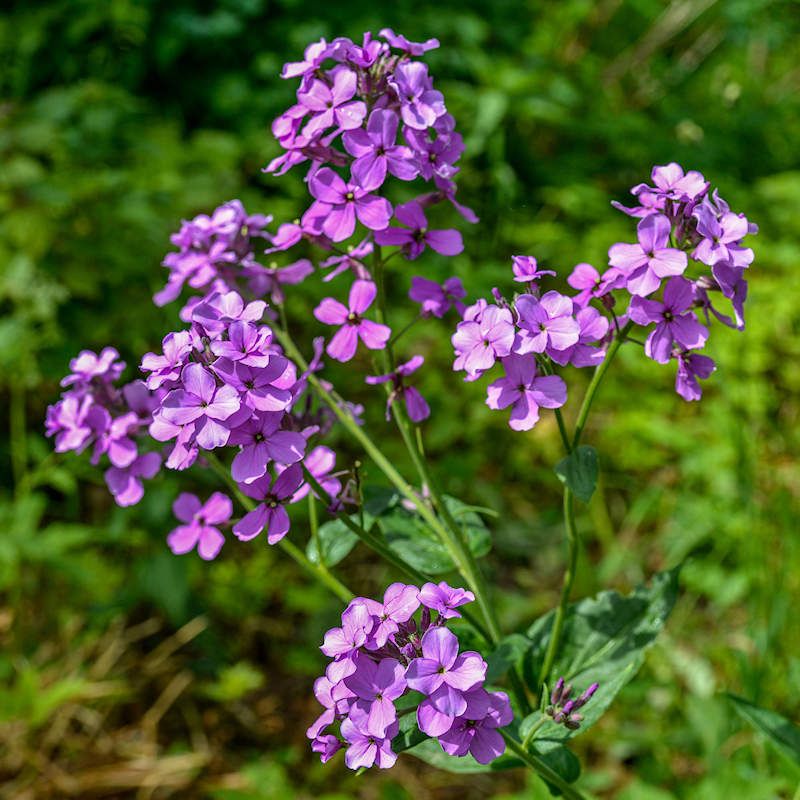
At first glance, Dame’s Rocket looks almost identical to Garden Phlox, and that mix-up is partly why it has spread so widely across Pennsylvania. Shoppers pick it up thinking they are getting a well-behaved native wildflower.
The clusters of purple, pink, or white flowers are undeniably lovely in late spring, and the plant seems perfectly harmless sitting in a nursery pot.
But Dame’s Rocket is a prolific self-seeder. One plant produces hundreds of seeds that scatter easily across your yard and into surrounding natural areas.
In Pennsylvania, it has naturalized along roadsides, woodland edges, and meadows, sometimes forming large patches that push out native spring wildflowers like Wild Blue Phlox and native violets.
A quick way to tell Dame’s Rocket apart from true Phlox is to count the petals. Dame’s Rocket has four petals per flower, while Phlox has five.
That one-petal difference is easy to spot once you know what to look for, and it could save your Pennsylvania garden a lot of trouble.
For that soft, cottage-garden look in spring, plant native Wild Blue Phlox or native Columbine instead. Both are genuinely native to Pennsylvania, support local pollinators, and will not spread aggressively into natural areas where they do not belong.