Tricks To Make Hoya Grow Faster And Bloom Indoors In Michigan Homes
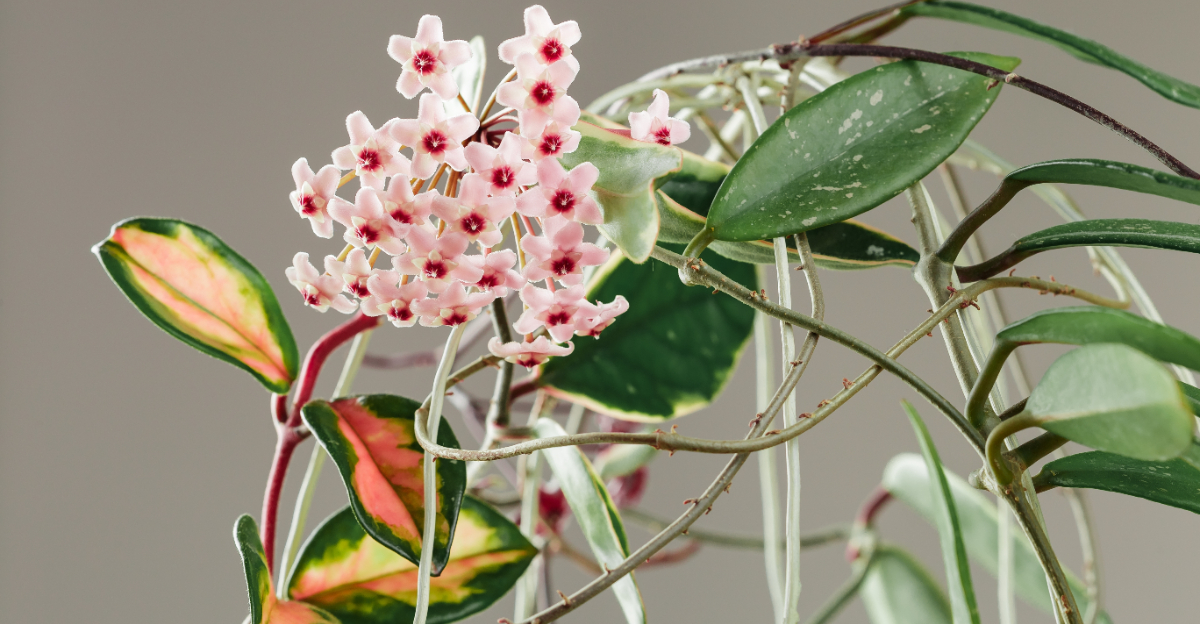
Hoyas may be tropical by nature, but many Michigan plant lovers are discovering they can thrive beautifully indoors, even through long, gray winters.
When sunlight fades and dry indoor air takes over, these waxy leaved beauties often slow down, leaving growers wondering how to bring them back to life.
The secret lies in understanding what hoyas truly need. Light, warmth, airflow, and careful watering all play a role in encouraging steady growth and those stunning clusters of star shaped flowers.
With the right adjustments, a quiet, slow growing plant can turn into a vigorous climber that fills your space with glossy foliage and sweet scented blooms. Many gardeners are surprised how quickly hoyas respond once conditions improve.
A few smart habits can help your plants grow stronger, stay healthier, and bloom reliably, even while winter still lingers outside your Michigan home.
Provide Bright, Indirect Light
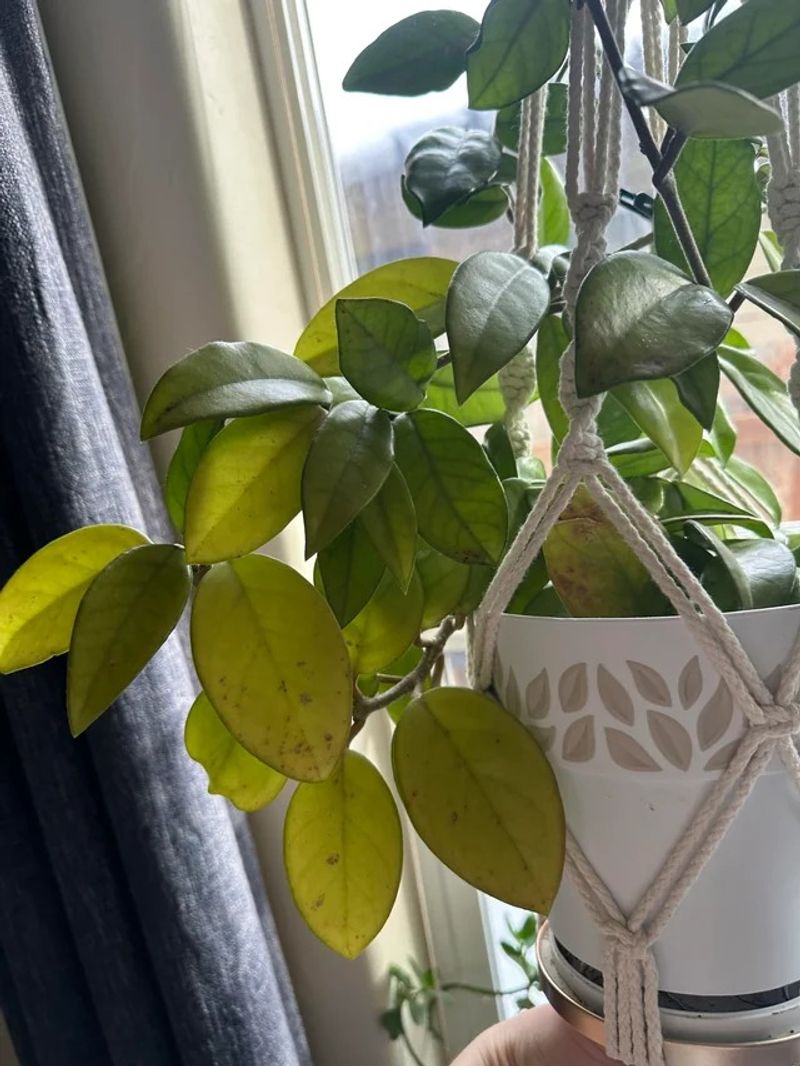
Light is the powerhouse behind every blooming hoya. Your plant craves bright conditions but not the harsh rays that scorch delicate leaves.
Position your hoya near an east or west-facing window where filtered sunlight streams in throughout the day.
Michigan winters can be gloomy with short days and heavy cloud cover. Consider supplementing natural light with grow lights during darker months.
Full-spectrum LED bulbs work wonderfully and help your plant maintain energy levels for flower production.
Without adequate brightness, your hoya will survive but rarely bloom. The plant needs strong light to trigger the chemical processes that form flower buds.
Watch for signs like pale leaves or leggy growth, which indicate insufficient lighting conditions.
South-facing windows offer the most intense light in Michigan homes. If you choose this spot, hang sheer curtains to diffuse direct sun. The goal is creating that sweet spot where leaves stay vibrant green without burning.
Rotating your plant every few weeks ensures even growth on all sides. This simple habit prevents lopsided development and encourages balanced energy distribution.
When light reaches all parts equally, your hoya develops stronger stems that support beautiful blooms throughout the growing season.
Use Well-Draining Soil
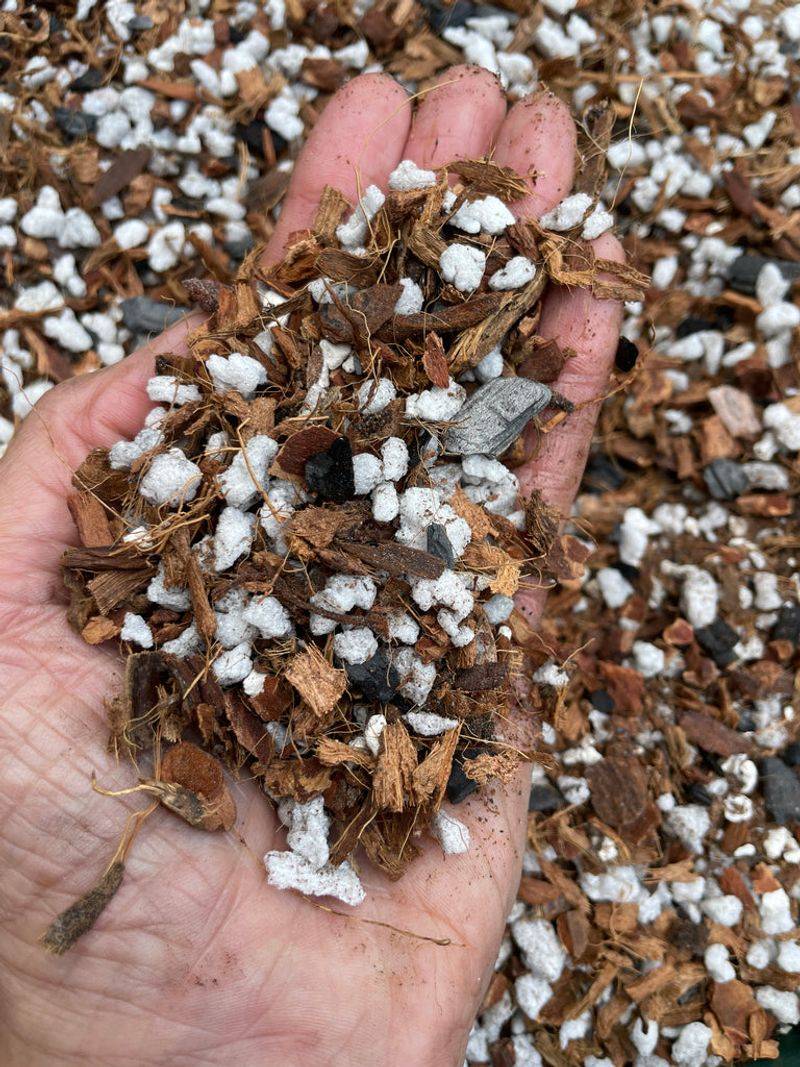
Root health determines everything else about your hoya’s success. Standard potting soil holds too much moisture and suffocates roots over time.
Instead, create a custom blend that mimics the airy conditions hoyas enjoy in their natural tropical habitats.
Combine equal parts orchid bark, perlite, and quality potting mix for an ideal foundation. The bark chunks create air pockets while perlite improves drainage dramatically.
Some growers add pumice or coconut coir for extra structure and water retention balance. Michigan tap water can be hard with mineral buildup that affects soil composition. Flushing your pots occasionally helps remove salt accumulation.
Good drainage prevents these minerals from concentrating around sensitive root zones. When roots breathe properly, they absorb nutrients efficiently and grow vigorously.
This vigorous growth translates directly into faster vine development and more flowering sites. Poor drainage leads to soggy conditions where roots struggle and eventually rot.
Repotting every two years refreshes the soil structure as organic materials break down. Choose containers with multiple drainage holes at the bottom.
Terra cotta pots work exceptionally well because they wick away excess moisture through porous walls, giving your hoya the perfect growing environment it needs.
Allow Soil To Dry Between Waterings
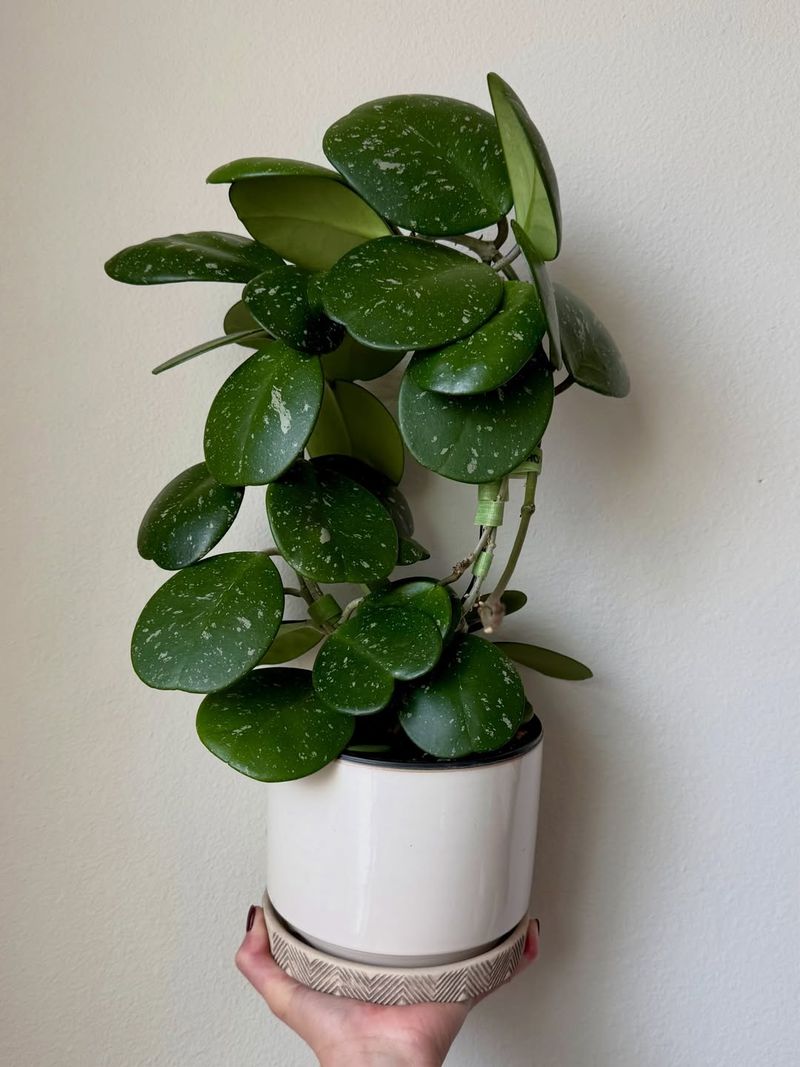
Watering habits make or break hoya cultivation success. These plants evolved as epiphytes, growing on trees where rain drains away quickly.
Mimicking this pattern means letting the top two inches of soil dry completely before watering again.
Stick your finger deep into the soil to check moisture levels. If it feels damp, wait another few days before adding water.
Michigan homes with central heating create dry indoor air, but soil in pots retains moisture longer than you might expect.
Overwatering is the fastest way to encounter problems with your hoya. Constantly wet roots cannot access oxygen and become vulnerable to fungal infections.
The plant redirects energy toward survival rather than producing flowers when stressed by soggy conditions.
During winter months, reduce watering frequency as growth naturally slows down. Your hoya enters a semi-rest period when daylight decreases and temperatures drop slightly. This seasonal adjustment helps the plant conserve energy for spring blooming.
Use room-temperature water to avoid shocking the root system. Cold water straight from Michigan taps can stress tropical plants.
Allow water to sit overnight so chlorine evaporates and temperature moderates. Proper watering rhythm encourages strong root development, which supports faster vine growth and abundant flower clusters when conditions are right.
Maintain Warm Indoor Temperatures
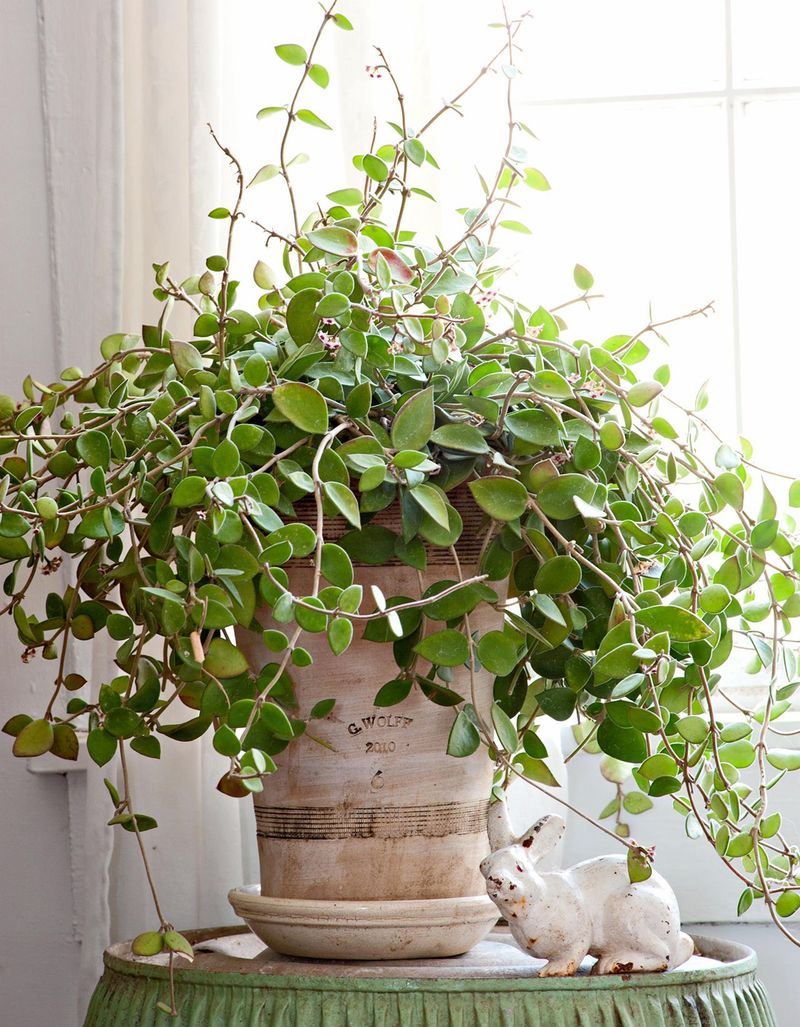
Temperature consistency matters enormously for hoya performance indoors. These tropical natives prefer warmth between 65 and 80 degrees Fahrenheit year-round.
Michigan winters challenge this requirement when outdoor temperatures plummet and heating systems cycle on and off.
Keep your hoya away from cold drafts near doors and windows. Sudden temperature drops stress the plant and slow metabolic processes.
Similarly, avoid placing plants directly above heating vents where hot air blasts intermittently throughout the day.
Nighttime temperatures can drop slightly without harming your hoya. A ten-degree difference between day and night actually mimics natural conditions.
This gentle fluctuation can even encourage flower bud formation in mature plants ready to bloom. Cold windowsills present a hidden danger during Michigan winters. Glass conducts cold from outside, chilling pots and roots despite warm room air.
Place a small mat or towel under containers near windows to insulate from cold surfaces. Growth accelerates noticeably when temperatures stay within the ideal range consistently. Warm conditions speed up photosynthesis and nutrient uptake through roots.
Your hoya responds with faster vine elongation and more vigorous leaf production. Maintaining stable warmth gives your plant the energy reserves needed to produce those spectacular waxy flowers everyone loves.
Provide Moderate Humidity
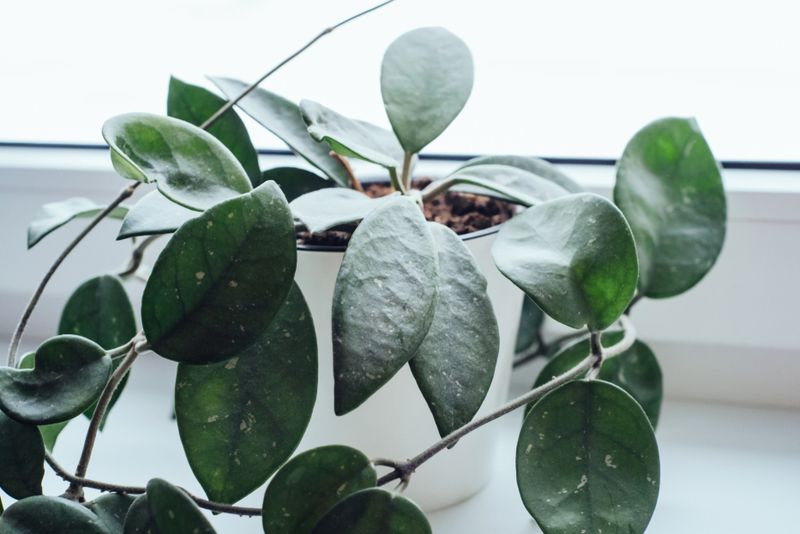
Humidity levels directly impact how well your hoya thrives indoors. Aim for 40 to 60 percent relative humidity, which falls in the comfortable range for both plants and people.
Michigan’s indoor air becomes extremely dry during heating season, often dropping below 30 percent.
Dry air causes leaf edges to brown and inhibits the plant’s ability to transpire properly. When hoyas cannot move moisture through their system efficiently, growth slows and flower production suffers.
Simple solutions include grouping plants together to create a humid microclimate through collective transpiration.
Pebble trays offer an easy humidity boost without special equipment. Fill a shallow tray with stones and add water just below the stone tops.
Set your hoya pot on the stones where evaporating water increases local humidity without waterlogging roots.
Small humidifiers work wonderfully for plant collections in Michigan homes. Place one near your hoyas during winter months when forced-air heating dries everything out.
Monitor with an inexpensive hygrometer to track humidity levels accurately. Avoid misting leaves directly as a humidity solution. Water droplets sitting on foliage can encourage fungal spots, especially with limited air circulation.
Instead, focus on raising ambient humidity around the entire plant. Proper moisture in the air keeps leaves turgid and healthy while supporting the physiological processes that lead to beautiful blooming clusters.
Fertilize During Active Growth
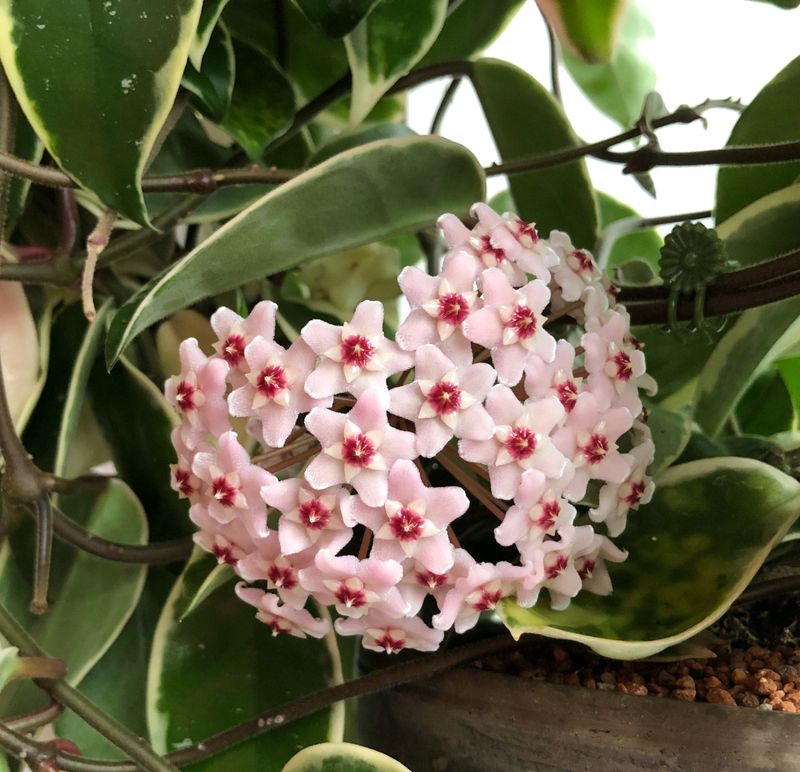
Nutrition fuels every aspect of hoya development from roots to flowers. Feed your plant every four to six weeks during spring and summer when active growth occurs.
Choose a balanced fertilizer with equal nitrogen, phosphorus, and potassium ratios like 10-10-10 or 20-20-20.
Always dilute fertilizer to half the recommended strength on the package. Hoyas prefer gentle feeding rather than heavy doses that can burn tender roots.
Mix the diluted solution with water and apply during your regular watering routine for even distribution.
Phosphorus plays a crucial role in flower development and bud formation. Some growers switch to a bloom-boosting formula with higher phosphorus content when flower buds appear.
This targeted approach provides extra support during the energy-intensive blooming phase.
Stop fertilizing completely during fall and winter months in Michigan. Your hoya’s growth naturally slows as daylight decreases and the plant enters semi-dormancy. Continuing to feed during this rest period causes salt buildup without providing benefits.
Organic options like diluted fish emulsion or worm castings tea work beautifully for hoyas. These gentle fertilizers release nutrients slowly and improve soil biology.
Regular feeding during the growing season gives your plant the building blocks needed for robust vine growth and the energy reserves required to produce those stunning waxy flower clusters that make hoyas so special.
Use Hanging Baskets Or Trellises
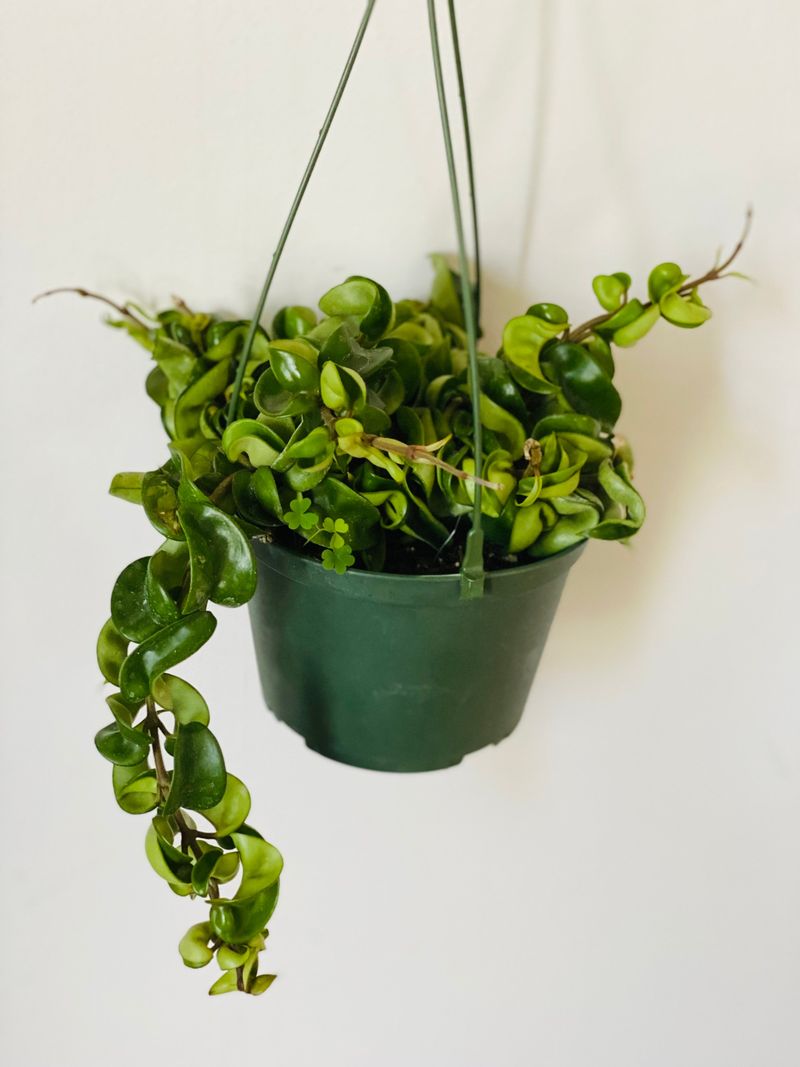
Supporting your hoya’s natural growth habit encourages better blooming performance. In their native environment, these plants climb trees or cascade down branches.
Replicating this vertical or trailing growth pattern indoors helps the plant allocate energy efficiently toward flower production.
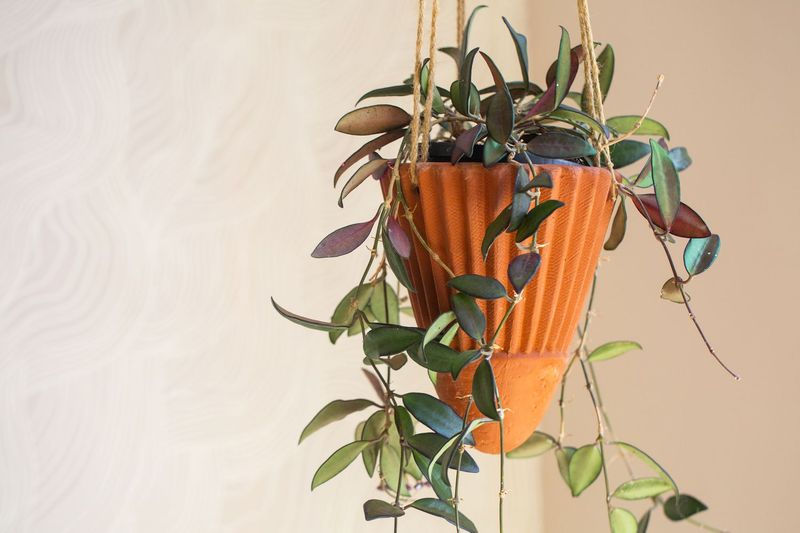
Hanging baskets showcase trailing hoya varieties beautifully while allowing vines to drape naturally. This orientation prevents stems from tangling and ensures good air circulation around all parts.
Better airflow reduces humidity-related problems and keeps foliage healthy throughout the year.
Climbing varieties benefit from trellises or moss poles for upward support. As vines grow vertically, they develop more nodes where flower clusters form.
Training growth upward also maximizes your limited indoor space in Michigan homes. Avoid letting long vines pile up on surfaces or coil tightly. Overcrowded stems compete for light and create dense areas with poor air movement.
This congestion can harbor pests and prevent flower buds from developing properly on mature growth.
Secure vines gently with soft plant ties or clips rather than tight strings. Allow some movement and flexibility as the plant grows.
Mature woody stems need support without constriction that damages tissue. Proper structure keeps your hoya organized and accessible for care while encouraging the plant to produce flowers along well-supported, mature vines throughout the growing season.
Prune Strategically
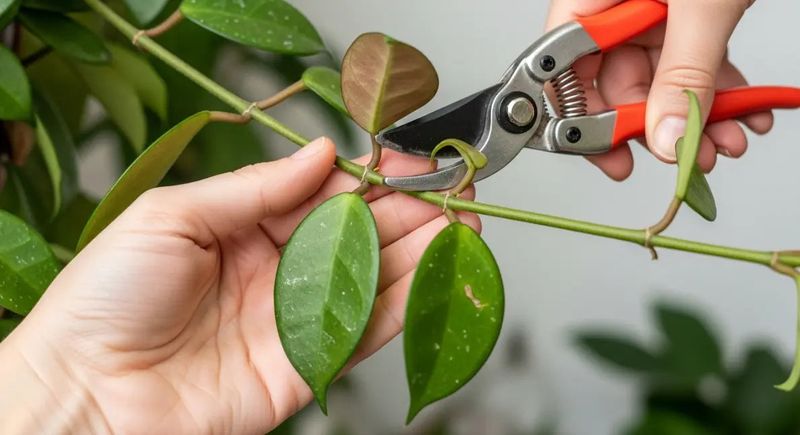
Thoughtful pruning shapes your hoya while encouraging bushier growth and more blooms. Pinch back long, leggy stems to promote branching from lower nodes.
Each cut stimulates dormant buds along the vine to activate and produce new shoots. Never remove old flower stalks called peduncles after blooms fade. These structures produce flowers repeatedly year after year.
Cutting them off eliminates future blooming sites and forces the plant to develop new peduncles, which delays flowering significantly.
Spring offers the ideal time for major pruning when growth naturally accelerates. Make cuts just above a node using clean, sharp scissors or pruning shears.
Sterilize tools between cuts to prevent spreading any potential infections through your plant.
Remove any damaged or yellowing leaves to redirect energy toward healthy growth. These declining parts drain resources without contributing to photosynthesis or flower production.
Keep your hoya tidy and focused on vigorous development. Light pruning throughout the growing season maintains shape without shocking the plant. Take off just a few inches at a time rather than removing large sections all at once.
Strategic cuts encourage lateral branching, which creates more stem length and additional sites for flower cluster formation.
Michigan growers find that well-pruned hoyas develop fuller, more attractive forms while producing abundant blooms on the increased number of mature stems.
Provide Slight Dry Dormancy In Winter
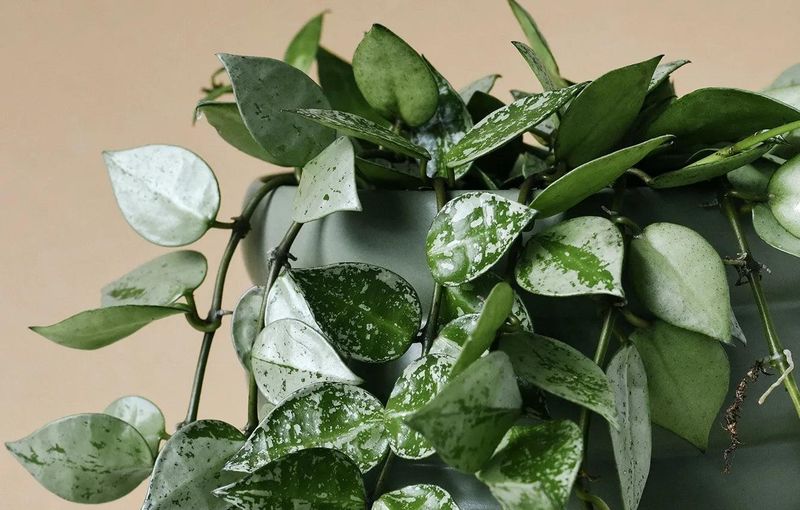
Seasonal rhythms trigger blooming in many hoya varieties. Michigan’s natural winter dormancy period offers the perfect opportunity to reduce watering slightly.
This mild stress mimics the dry season these plants experience in tropical regions where rainfall decreases seasonally.
Cut back watering frequency by about half during December through February. Let soil dry more thoroughly between waterings than you would during active summer growth. This reduction signals the plant to conserve resources and prepare for spring flowering.
Cooler nighttime temperatures combined with drier soil create conditions that encourage bud formation. The plant interprets these signals as seasonal change and shifts energy allocation toward reproduction.
Come spring, you’ll notice increased flower bud development on mature stems. Avoid letting your hoya become completely parched during winter rest. The goal is reduction, not elimination of water.
Severely stressed plants drop leaves and suffer setbacks that delay spring growth rather than promoting flowers.
Resume normal watering gradually as daylight increases in March and April. Watch for new growth emerging from nodes as a sign your hoya is waking up.
This transition from semi-dormancy to active growth often coincides with spectacular blooming.
Michigan growers who implement this slight winter dry period consistently report better flowering performance and more abundant clusters throughout the following growing season.
Ensure Mature Stems Are Present
Patience pays off tremendously with hoya cultivation. These plants bloom exclusively on mature, woody stems rather than fresh new growth.
Young vines need time to develop the woody character that supports flower production, typically requiring two to three years of growth.
Resist the urge to constantly prune away older growth in favor of new shoots. Those thick, established stems hold the flower-producing potential you’re working toward. Keep mature vines intact even if they look less attractive than tender new growth.
Identify mature stems by their brown, rigid texture and slightly thickened appearance. These sections develop specialized cells capable of producing peduncles where flower clusters emerge.
New green growth remains flexible and focuses energy on leaf production and elongation. Michigan growers sometimes become impatient waiting for blooms on young plants. Understanding this maturation requirement helps set realistic expectations.
Your hoya needs time to establish strong roots and develop woody stems before flowering begins. Once mature stems are present, maintain them carefully through proper support and gentle handling.
These valuable sections represent years of growth and your future blooming potential. Combine mature stem preservation with all the other care techniques for optimal results.
When everything comes together, your patient care rewards you with those incredible waxy flower clusters that make growing hoyas such a worthwhile endeavor in Michigan homes.