Trim Or Prune? What Pennsylvania Gardeners Need To Do At The Right Time
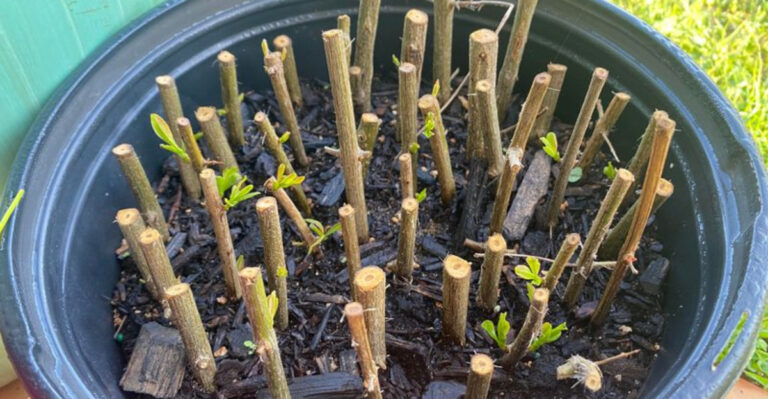
Take a walk through a Pennsylvania neighborhood in spring or summer, and it does not take long to spot a plant that was cut the wrong way. Some shrubs get sheared when they really need selective pruning.
Others get cut back too hard and lose the shape or blooms gardeners were hoping to keep. In Pennsylvania yards, that mix-up happens all the time.
With flowering shrubs, evergreen hedges, shade trees, and perennials all growing on different schedules, it helps to know what kind of cut actually fits the plant.
This guide clears up the difference between trimming and pruning and gives Pennsylvania gardeners practical tips they can use with more confidence.
1. What Trimming Really Means In The Garden
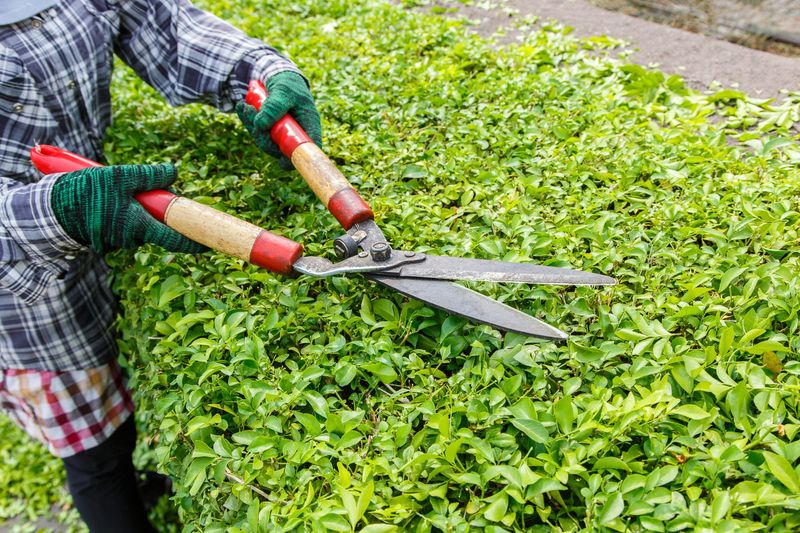
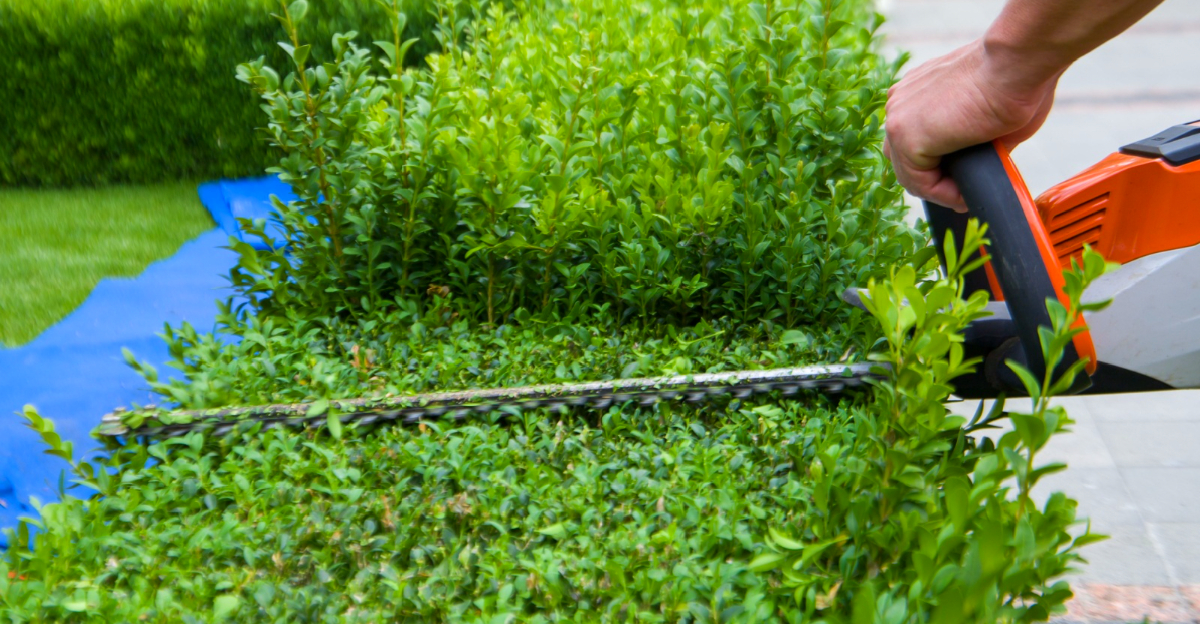
Most gardeners reach for the hedge shears without giving much thought to what they’re actually doing. Trimming is the act of cutting a plant to maintain its shape, control its size, and keep things looking tidy.
It’s mostly a cosmetic job, and in Pennsylvania yards, it shows up most often with hedges, topiaries, and ground-cover shrubs that tend to spread or get shaggy over the growing season.
When you trim, you’re usually cutting new growth evenly across the surface of the plant. You’re not targeting specific branches or worrying too much about the inner structure.
The goal is a clean, consistent look. Think of it like giving your shrubs a haircut rather than a health checkup.
Light trimming works well for boxwoods, privet hedges, and ornamental grasses that grow quickly and lose their shape.
In Pennsylvania, where warm summers push a lot of growth between June and August, a trim every few weeks can keep things from looking overgrown.
The key is to cut only the outer layer of new growth and avoid going too deep into older wood, which can leave bare patches that take a long time to fill back in.
Trimming is a maintenance task, not a corrective one, and understanding that distinction saves a lot of frustration later.
2. What Pruning Is Meant To Do For Plants
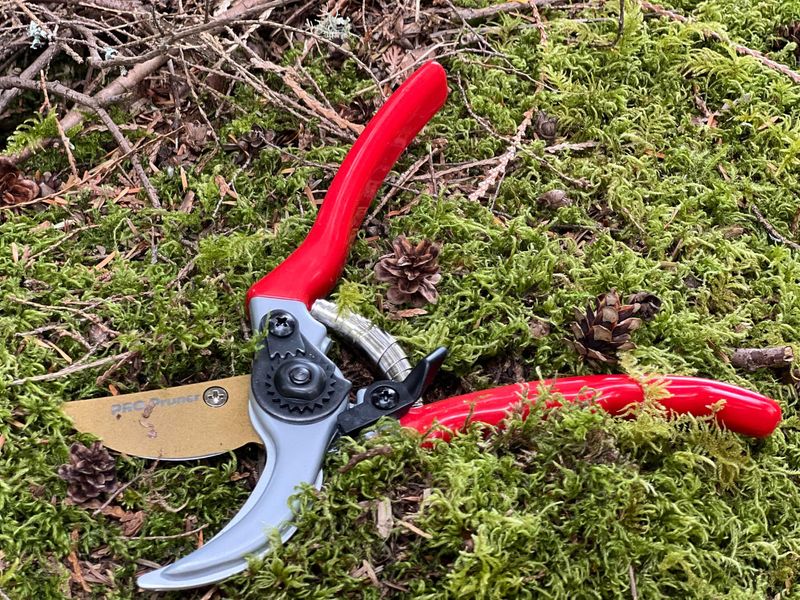
Pruning goes a lot deeper than a surface trim, and that’s exactly the point. While trimming keeps things looking neat, pruning is about improving what’s happening inside the plant.
It involves removing specific branches, whether they’re crossing, crowded, damaged, or simply growing in the wrong direction, to help the plant develop a stronger, healthier structure over time.
Good pruning encourages better airflow through the canopy, which reduces the risk of fungal problems that are fairly common in Pennsylvania’s humid summers.
It also redirects the plant’s energy toward the growth you actually want, whether that’s more blooms, stronger stems, or a cleaner framework.
When done right, a pruned plant often looks more open and natural than one that’s been repeatedly sheared.
The tools matter here, too. Bypass pruners, loppers, and pruning saws are designed to make clean cuts at specific points on a branch.
A rough or torn cut can invite disease and slow recovery. Pruning is also more selective than trimming, meaning you’re making thoughtful decisions about each cut rather than running shears across the whole surface.
For Pennsylvania gardeners working with lilacs, dogwoods, fruit trees, or climbing roses, pruning is the technique that keeps those plants performing well year after year. It takes a little more time, but the results speak for themselves.
3. Why The Timing Matters More Than You Think
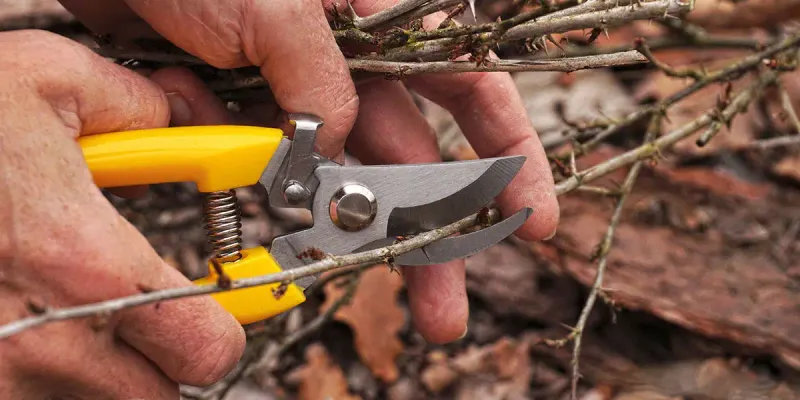
Cut a lilac at the wrong time of year in Pennsylvania, and you might not see a single bloom the following spring. That’s not an exaggeration.
Timing is one of the most important factors in getting good results from both trimming and pruning, and it trips up gardeners more than almost anything else.
Spring-blooming shrubs like forsythia, lilac, and azalea set their flower buds in late summer and fall. If you prune them in late fall or early spring before they bloom, you’re cutting off the buds that were ready to open.
The plant won’t be harmed, but you’ll lose that season’s flowers. The simple fix is to prune those plants right after they finish blooming, usually in May or early June in most parts of Pennsylvania.
For deciduous trees and shrubs that don’t bloom in spring, late winter is often the best window. The plants are still dormant, so cuts heal quickly once growth starts up again.
Summer-blooming shrubs like panicle hydrangeas and butterfly bush bloom on new wood, so cutting them back in late winter or early spring actually encourages more blooms.
Pennsylvania’s climate moves through four distinct seasons, and each one brings different opportunities and risks when it comes to cutting.
Matching your timing to the plant’s growth cycle is the single best habit you can develop as a gardener.
4. How To Tell Which Plants Need Pruning
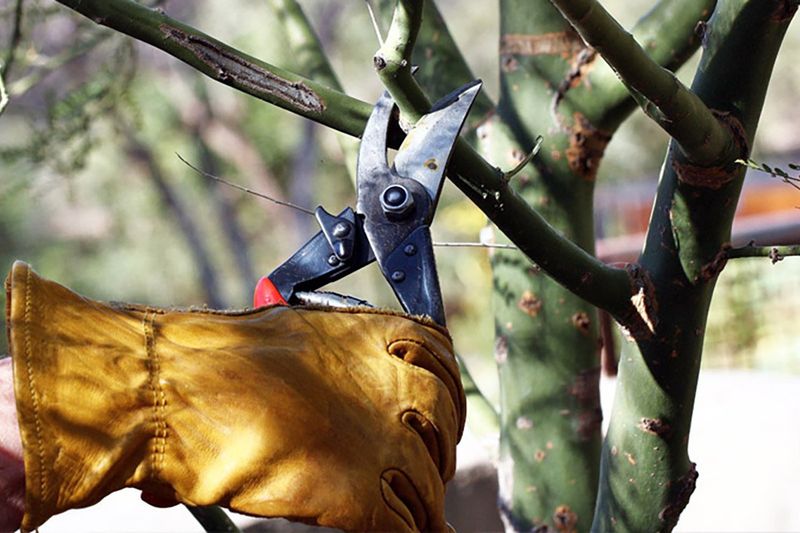
Standing in front of an overgrown shrub, it can be hard to know whether it needs a light trim or a more serious pruning session. There are a few reliable signs to look for that make the decision easier.
Crossing branches that rub against each other are a clear signal. Over time, that friction damages the bark and creates entry points for insects and disease.
Crowded growth in the center of a shrub is another indicator. When branches are packed too tightly, air and sunlight can’t reach the inner parts of the plant.
In Pennsylvania’s humid climate, that kind of congestion can lead to mildew and rot, especially during wet summers. Thinning out that crowded growth with selective pruning makes a noticeable difference in plant health.
Damaged or declining wood is the most obvious sign. Branches that didn’t leaf out, broke in a storm, or show signs of disease should be removed at any time.
Beyond those structural issues, look for branches that are growing straight down, straight up from a main limb (called water sprouts), or heading back toward the center of the plant. These rarely contribute to good structure and are usually worth removing.
Once you know what to look for, identifying pruning candidates becomes a quick and natural part of walking through your Pennsylvania yard each season.
5. When A Quick Trim Makes More Sense
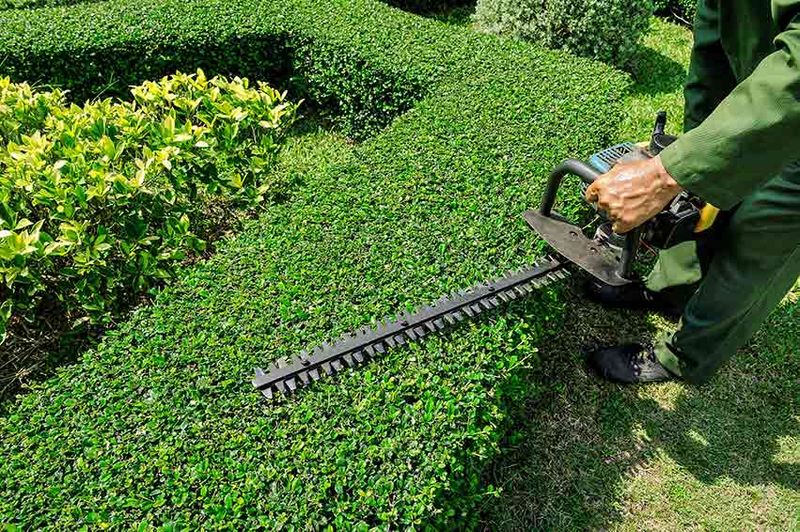
Not every plant situation calls for a full pruning session. Sometimes a quick, light trim is genuinely the right call, and knowing when to keep it simple saves time without sacrificing results.
Formal hedges are the most obvious example. Plants like boxwood, yew, and arborvitae that are maintained as neat, geometric shapes need regular trimming throughout the growing season to stay looking sharp.
Ornamental grasses are another case where trimming is the go-to move. In Pennsylvania, grasses like miscanthus and Karl Foerster feather reed grass can be cut back hard in late winter or early spring before new growth emerges.
That’s technically more of a cutback than a trim, but it follows the same logic of maintaining shape and removing old material rather than targeting specific internal branches.
Spent flowers and soft new growth on perennials also respond well to light trimming. Removing faded blooms encourages many plants to keep producing flowers throughout the season.
A pair of hand shears or even garden scissors is all you need. The general rule of thumb is this: if you’re working with fast-growing, soft-stemmed plants that need shape maintenance rather than structural correction, trimming is your tool.
Save the bypass pruners for the jobs that actually require more precise, targeted cuts deeper in the plant’s structure.
6. Mistakes That Can Leave Plants Looking Worse
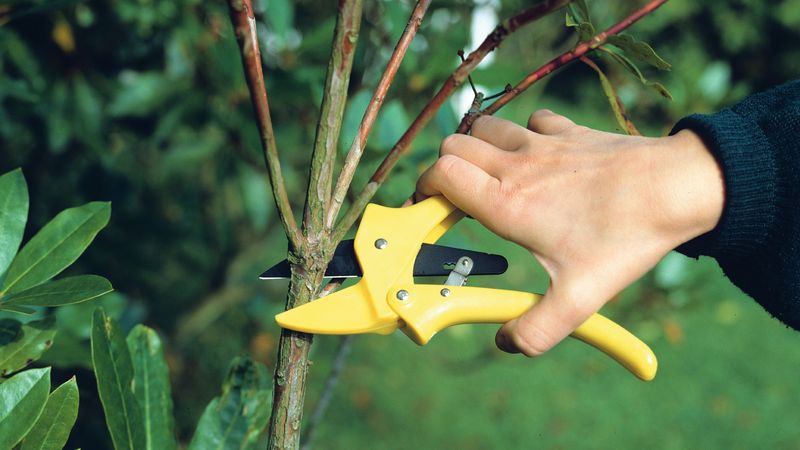
One of the most common mistakes Pennsylvania gardeners make is cutting too much at once. Removing more than about a quarter to a third of a plant’s overall growth in a single session puts real stress on the plant.
It forces the plant to spend energy recovering rather than growing, blooming, or building roots. The result is often weak, spindly regrowth that doesn’t look much better than what was there before.
Topping trees is another damaging habit.
Cutting the main leader of a tree or removing large portions of the canopy leaves ugly stubs, creates structural weakness, and often triggers a burst of fast-growing water sprouts that make the tree look worse within a season.
Many Pennsylvania homeowners do this thinking it will keep a tree smaller, but it tends to cause more problems than it solves.
Pruning at the wrong time of year is equally problematic. Cutting back plants in late fall, especially in central and northern Pennsylvania where frosts arrive early, can stimulate new growth that doesn’t harden off before cold weather arrives.
That tender growth gets damaged, and the plant heads into winter already stressed. Using dull or dirty tools is a mistake too.
Ragged cuts heal more slowly, and tools that haven’t been cleaned between plants can spread disease from one shrub to the next. Sharp, clean tools are a simple but meaningful part of doing the job right.
7. The Best Time To Cut Back Common Yard Plants
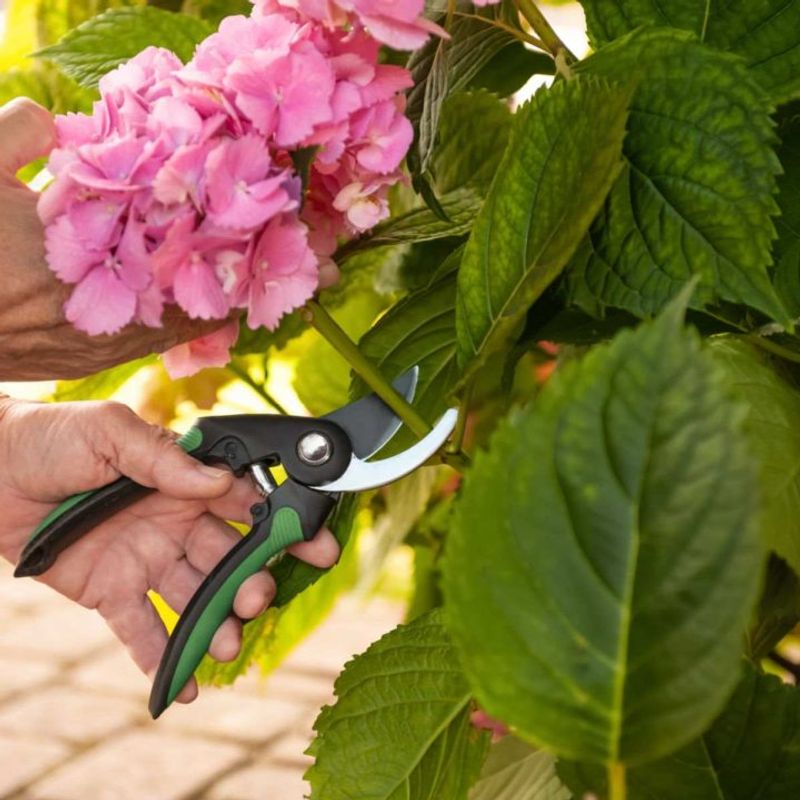
Pennsylvania’s four-season climate means there’s a different pruning rhythm for almost every plant in the yard. Getting familiar with the timing for the most common ones makes the whole process feel a lot less overwhelming.
Lilacs and forsythia should be pruned right after they bloom in spring, typically between late April and early June depending on where you are in the state.
Waiting until summer or fall means losing next year’s buds.
Panicle and smooth hydrangeas, which bloom on new wood, can be cut back in late winter or early spring. Bigleaf hydrangeas, the classic blue and pink mopheads, bloom on old wood and should only be lightly trimmed after flowering.
Rose bushes respond well to early spring pruning, just as the first buds begin to swell. Removing old or unproductive canes and shaping the plant at that point sets it up for a strong blooming season.
Deciduous shade trees like oaks, maples, and serviceberry are best pruned in late winter while they’re still dormant. Evergreen shrubs like arborvitae and juniper can be lightly trimmed in late spring after new growth has started.
Ornamental grasses get cut back in late winter before new shoots emerge. Perennials like coneflowers and black-eyed Susans can be left standing through winter to feed birds, then cut back in early spring.
Matching each plant’s rhythm to Pennsylvania’s seasons is the key to keeping the whole yard looking its best.
8. How Pennsylvania Gardeners Can Cut With Confidence
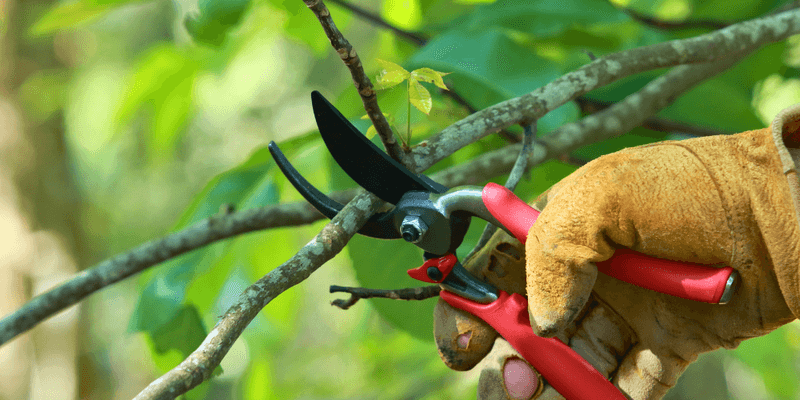
Building confidence with pruning and trimming mostly comes down to slowing down and paying attention. Before you make a cut, take a moment to look at the whole plant.
Ask yourself what the branch is doing and whether removing it will improve the plant’s shape, health, or structure. That quick pause makes a real difference in the quality of your results over time.
Starting with easy, obvious cuts is a great habit. Remove anything that’s clearly damaged, broken, or crossing another branch first.
Once those are gone, step back and look at the plant again before continuing. This approach keeps you from over-cutting and helps you see the plant’s natural form more clearly.
Many experienced Pennsylvania gardeners work in rounds rather than trying to finish the whole job in one pass.
Keeping your tools in good shape is just as important as technique. Bypass pruners should be sharpened at least once a season, and wiping blades with a diluted disinfectant solution between plants helps prevent the spread of disease.
A good pair of gloves, a sturdy pair of loppers for thicker branches, and a folding pruning saw for larger limbs cover most situations in a typical Pennsylvania yard.
With the right tools, a little knowledge about timing, and the confidence to start small and work carefully, trimming and pruning become two of the most satisfying tasks in the garden all year long.