7 Tropical-Looking Perennials That Can Survive In Pennsylvania
Bringing a tropical vibe to a Pennsylvania garden might sound ambitious, but it’s easier than you think.
Certain perennials give that lush, exotic look with big leaves, bold flowers, and vibrant color while still surviving the state’s cold winters and variable weather.
These plants add drama and texture, making a garden feel like a sunny getaway even miles from the nearest coast.
Plants like cannas, ornamental grasses, and hardy hibiscus can handle frost with the right care and come back year after year, giving your landscape a tropical flair without constant replanting.
Their large leaves and bright blooms create movement, depth, and a sense of adventure in any garden bed or container.
With careful selection, Pennsylvania gardeners can combine hardy perennials with native plants to create a unique tropical-inspired space.
These eye-catching perennials bring bold color, texture, and a vacation-like feel to your garden, transforming ordinary yards into lively, exotic retreats.
1. Hardy Hibiscus
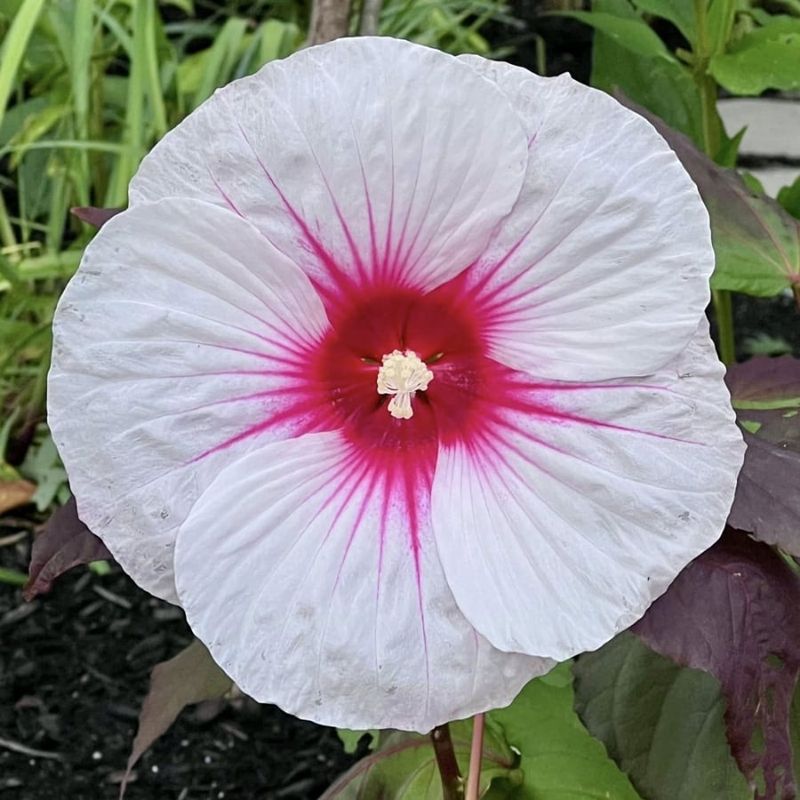
Imagine walking into your backyard and seeing flowers the size of dinner plates staring back at you. That is exactly what Hardy Hibiscus delivers every summer.
The blooms on this plant can reach 6 to 10 inches wide, which makes even experienced gardeners stop and stare. It looks just like the tropical hibiscus you would see in Hawaii or the Caribbean.
Hardy Hibiscus, also called Rose Mallow, is fully hardy across Pennsylvania in Zones 5 through 7. It goes dormant in winter and comes back strong in late spring.
Do not panic if it seems slow to wake up in May. It is one of the last perennials to emerge, but once it does, it grows fast and blooms all summer long.
This plant loves full sun and consistently moist soil. Planting it near a pond, rain garden, or low-lying area in your yard works really well.
Colors range from deep red and hot pink to white and bicolored varieties. Some popular cultivars like ‘Cranberry Crush’ and ‘Summerific’ series are especially tough and showy.
Pennsylvania summers give this plant exactly what it needs to perform at its best. Give it plenty of water during dry spells and watch it reward you with nonstop blooms from July through September.
Cut the old stems back in late fall or early spring. Once established, it returns reliably every year without much fuss.
2. Hardy Banana
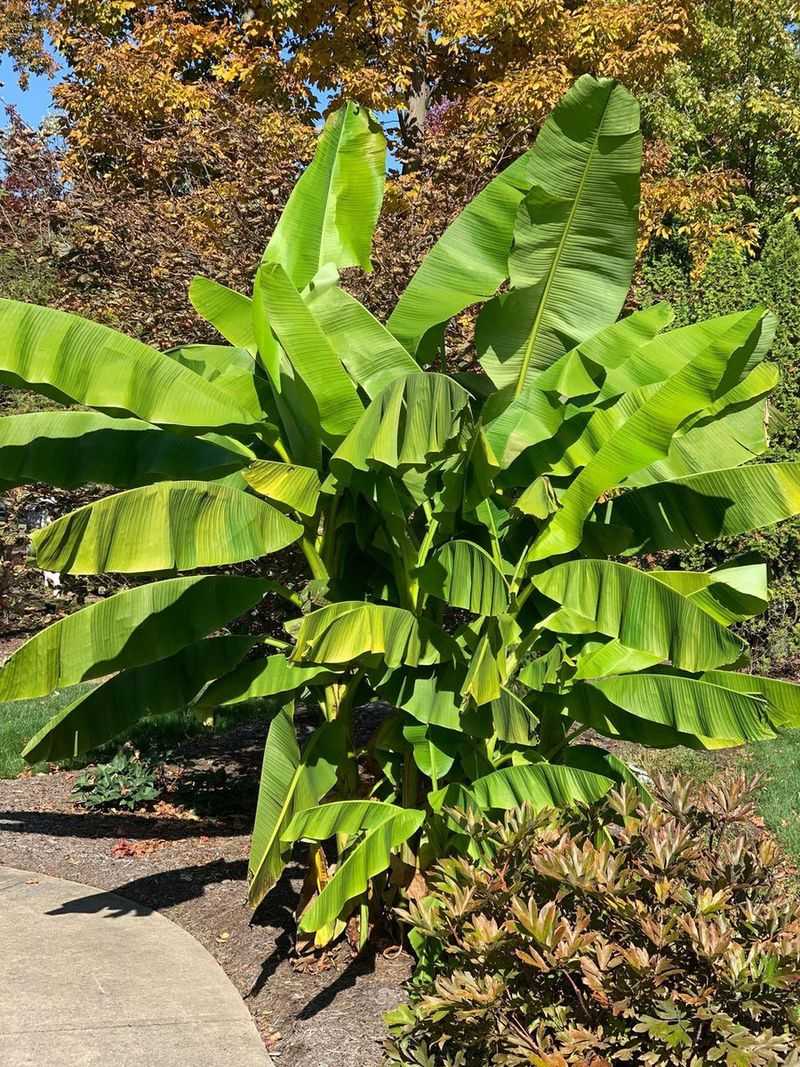
There is something almost magical about growing a banana plant in Pennsylvania. Neighbors will do double takes.
Friends will ask questions. The Hardy Banana, known as Musa basjoo, is the most cold-tolerant banana species in the world, and it can actually survive Pennsylvania winters with the right care.
The key to keeping this plant alive through a Pennsylvania winter is heavy mulching. After the first frost, cut the stems back and pile on a thick layer of straw or wood chips around the base.
The roots are surprisingly tough and usually survive underground even when the stems get damaged by cold. In spring, new growth pushes up from those surviving roots with impressive speed.
Musa basjoo grows best in a sheltered, sunny spot. A location near a south-facing wall or fence helps trap heat and protect the plant from harsh winds.
It works most reliably in southern Pennsylvania and Zone 6 to 7 areas. Gardeners in northern Pennsylvania can still grow it with extra mulch protection and a little patience.
During the growing season, this plant is a showstopper. The giant paddle-shaped leaves can grow several feet long and create an instant jungle atmosphere in your yard.
It also grows fast, sometimes adding several feet of height in a single season. Pair it with colorful annuals or other bold perennials for a truly dramatic tropical garden look that surprises everyone who visits your Pennsylvania home.
3. Hardy Elephant Ear (Colocasia ‘Pink China’)
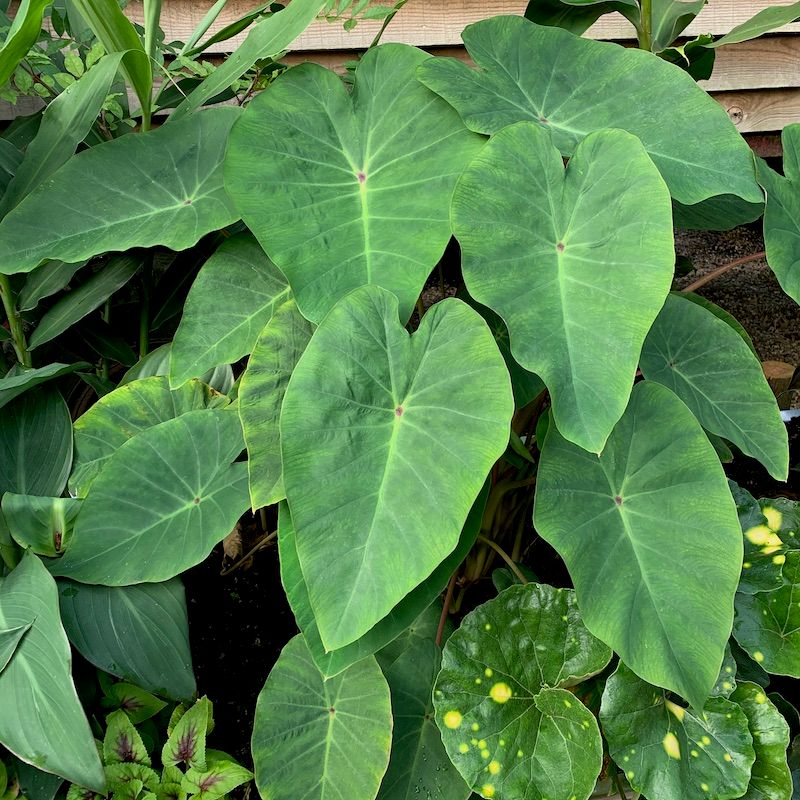
Bold, dramatic, and surprisingly tough, the Hardy Elephant Ear called ‘Pink China’ is one of the most exciting perennials you can grow in Pennsylvania. Most elephant ears are tropical plants that need to be dug up every fall.
But ‘Pink China’ breaks that rule. It is one of the very few elephant ear varieties hardy enough to survive in the ground through a Pennsylvania winter.
The leaves on this plant are enormous and heart-shaped, creating a lush, jungle-like feel in any garden bed.
The name comes from the soft pink tones that appear on the stems and leaf undersides, adding a delicate pop of color to all that big green foliage. It is a real conversation starter when guests visit your garden.
To give ‘Pink China’ the best chance of returning each year in Pennsylvania, plant it in a sheltered spot and cover the root zone with several inches of mulch before winter arrives.
It performs most reliably in Zone 6 and warmer parts of the state. In colder northern Pennsylvania areas, adding extra mulch makes a big difference.
This plant thrives in moist, rich soil and does well in part shade, making it a great choice for spots under trees or along a shaded fence line. Water it regularly during hot, dry stretches of summer.
When it comes back each spring, the new leaves unfurl slowly and beautifully, reminding you why this plant earns its spot in any Pennsylvania tropical-style garden.
4. Yucca
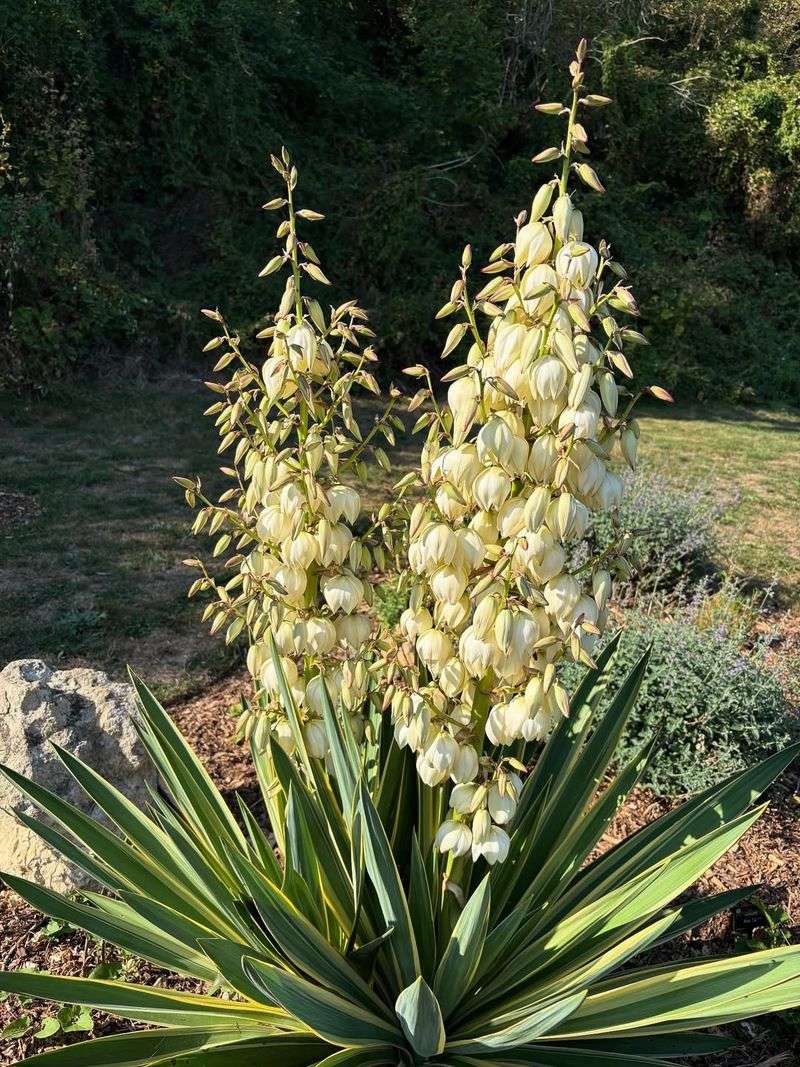
Not every tropical-looking plant needs water and shade to thrive. Yucca filamentosa, commonly called Adam’s Needle, brings a bold, architectural presence to Pennsylvania gardens with almost zero effort.
The stiff, sword-like leaves radiate outward in a dramatic rosette shape that looks like it belongs in a desert landscape or a tropical courtyard.
One of the best things about this plant is how tough it really is. Yucca is cold hardy down to Zone 4, which means it handles Pennsylvania winters without breaking a sweat.
It stays evergreen in most parts of the state, giving your garden structure and visual interest even in the middle of January when everything else has gone dormant.
Did you know that Yucca filamentosa is actually native to the southeastern United States? Despite its exotic appearance, it has deep roots in American soil.
The curly white threads along the leaf edges give it a distinctive look that sets it apart from other spiky plants. In summer, it sends up a tall flower stalk covered in creamy white bell-shaped blooms that can reach 6 to 8 feet high.
Once established in your Pennsylvania yard, this plant needs almost no attention. It thrives in poor, dry, well-drained soil and full sun.
Sandy or rocky spots where other plants struggle are perfect for Yucca. Skip the heavy watering and fertilizing.
Just plant it, step back, and let it do its thing. Few perennials deliver this much visual drama for so little work.
5. Red Hot Poker
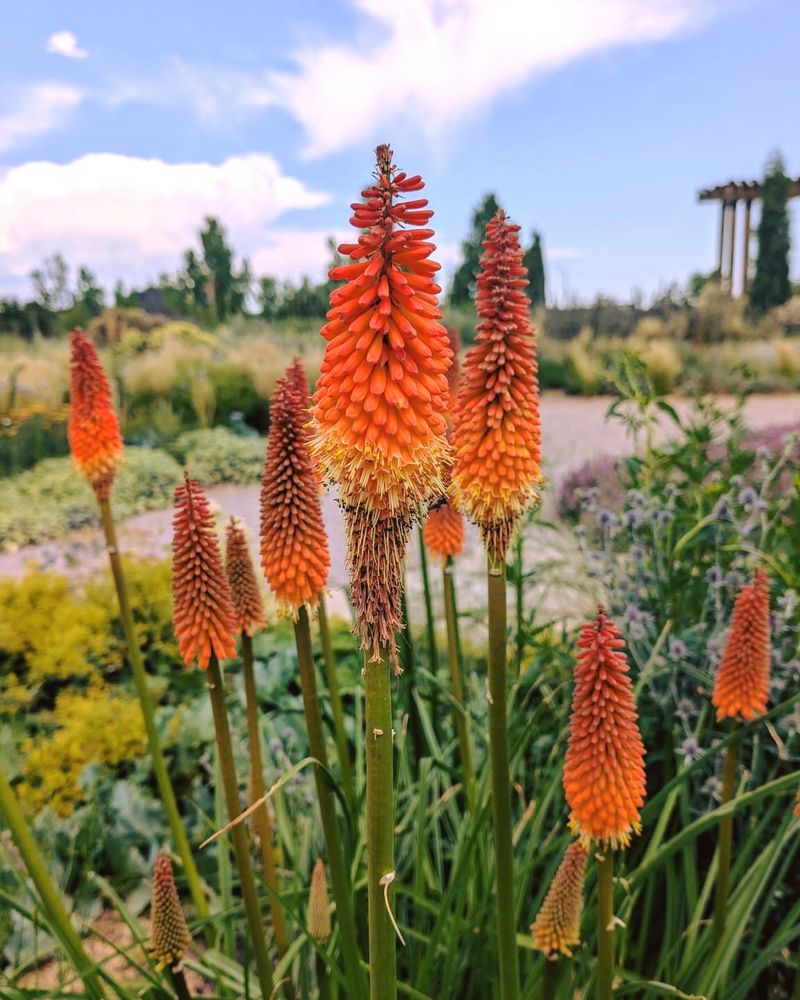
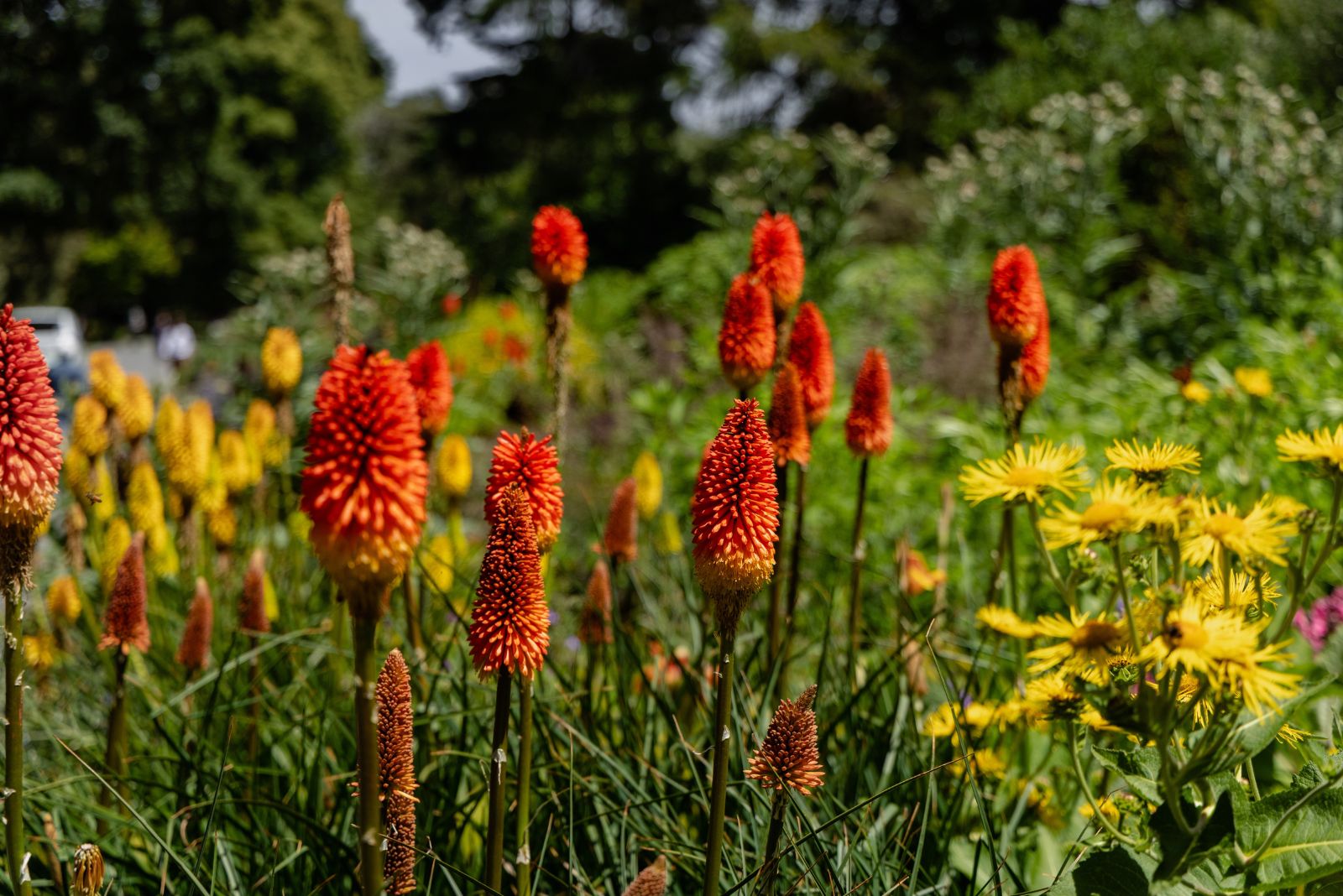
Few plants command attention quite like Red Hot Poker. When those bold, torch-like flower spikes shoot up from the ground in shades of red, orange, and yellow, they look like something straight out of a tropical paradise.
Also known as Torch Lily or Kniphofia, this striking perennial adds an exotic, fiery energy to Pennsylvania gardens that is hard to match.
Originally from South Africa, Red Hot Poker has adapted well to gardens across the eastern United States. It is hardy throughout most of Pennsylvania in Zones 5 through 7.
The clumping grass-like foliage stays relatively tidy all season, and the tall flower spikes rise above it like colorful torches from late spring through summer. Some varieties even rebloom in fall.
Planting Red Hot Poker in full sun and well-drained soil is the secret to success. It does not like sitting in soggy ground, especially over winter.
Raised beds or slopes work particularly well in Pennsylvania’s wetter spring conditions. A little grit or sand mixed into heavy clay soil goes a long way toward keeping the roots happy.
Hummingbirds absolutely love this plant. If you want to attract more of these tiny, fast-moving visitors to your Pennsylvania yard, planting a few Red Hot Pokers near a patio or window is a smart move.
The blooms last for weeks and make stunning cut flowers too. Divide the clumps every few years to keep them vigorous and producing plenty of those eye-catching flower spikes season after season.
6. Crocosmia
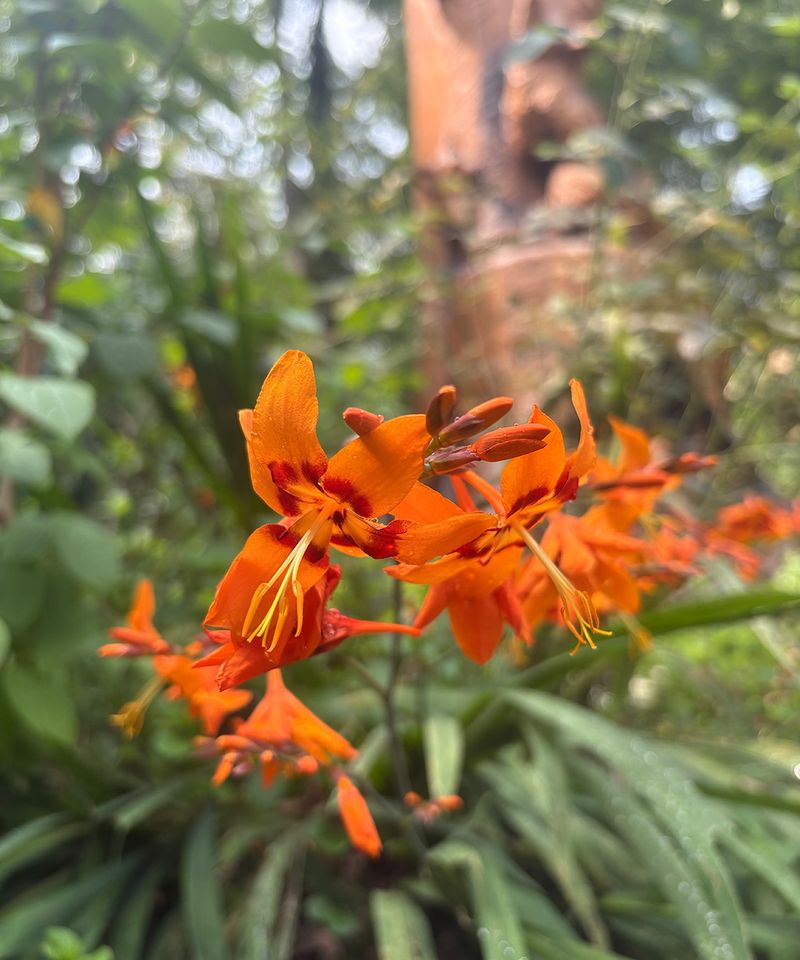
Crocosmia is one of those plants that makes you feel like you have a secret. Most people walk past it and assume it must be a tropical import that needs special care.
In reality, this fiery beauty is a tough perennial that comes back reliably in Pennsylvania gardens year after year, especially in Zones 6 and 7.
The look of Crocosmia is all drama. Long, sword-like leaves fan out from the base in a way that feels bold and architectural.
Then, in midsummer, arching stems emerge and burst into brilliant orange, red, or yellow flowers that dangle like tiny trumpets. The effect is lively, tropical, and completely eye-catching in any garden setting.
Hummingbirds are wild about Crocosmia. The tubular flowers are perfectly shaped for their long beaks, and the bright colors are impossible for them to resist.
If you have a spot near a patio or sitting area in your Pennsylvania yard, planting Crocosmia there means you get a front-row seat to hummingbird visits all summer long.
In colder parts of Pennsylvania, adding a layer of mulch over the corms before winter gives Crocosmia the extra insulation it needs to return in spring. In Zone 6 and warmer areas, it often comes back without any extra help.
It spreads gradually over time, forming fuller and more impressive clumps each season. The variety ‘Lucifer’ is especially popular for its blazing red color and outstanding performance in Pennsylvania-style growing conditions.
7. Rodgersia
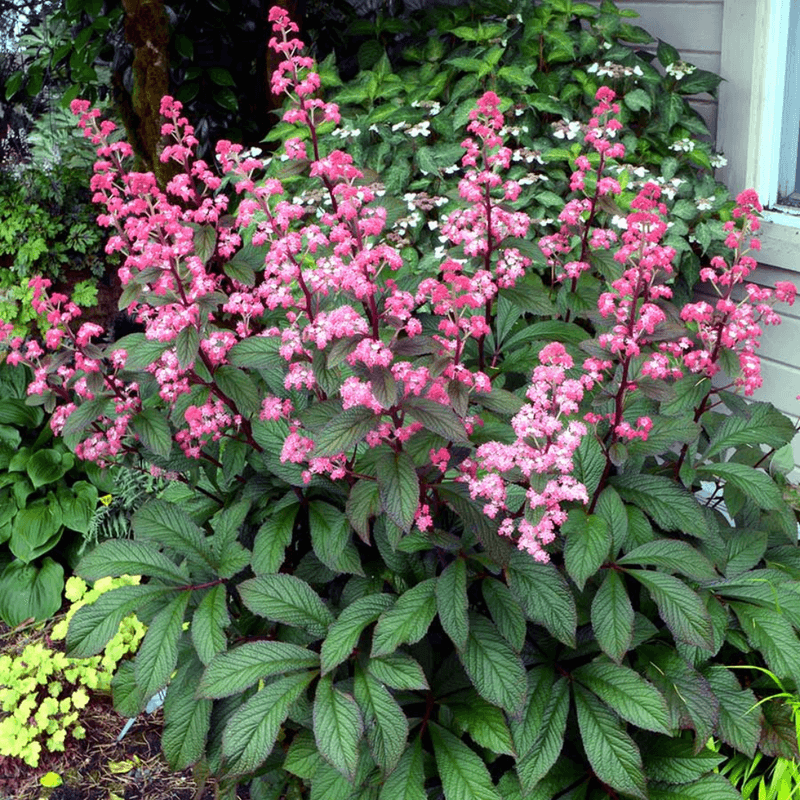
If you have a shady, moist corner of your Pennsylvania yard that feels dull and forgotten, Rodgersia is about to change everything. This incredible perennial produces some of the largest, most dramatic foliage of any shade-tolerant plant you can grow in the region.
The leaves are deeply textured, broadly shaped, and look like something straight out of a rainforest.
Rodgersia pinnata and Rodgersia aesculifolia are the two most common species grown in Pennsylvania gardens. Both are fully hardy in Zones 5 through 7, meaning they handle the state’s cold winters without any special protection.
They come back each spring with even more impressive foliage than the year before. Established clumps can grow quite large and make a stunning focal point in a shade garden.
Beyond the foliage, Rodgersia also produces tall feathery plumes of flowers in shades of white, pink, or red during early summer.
The blooms rise above the leaves on sturdy stems and have an airy, elegant look that contrasts beautifully with the bold, chunky foliage below. It is a plant that works hard on multiple levels throughout the season.
Moist, humus-rich soil and partial to full shade are the ideal conditions for growing Rodgersia in Pennsylvania. It thrives along stream banks, at the edge of a pond, or beneath large deciduous trees.
Once established, it needs very little care beyond occasional watering during dry spells. For anyone wanting a true jungle-like texture in a shaded Pennsylvania garden, Rodgersia is an absolute must-have plant.