8 Tropical-Looking Plants That Thrive In Arizona’s Desert Heat
Arizona heat does not leave room for delicate plants that collapse at the first stretch of triple-digit weather, yet that does not mean your yard has to look dry or sparse.
Lush texture, bold foliage, and dramatic shapes are still possible when plant choices match desert reality instead of fighting it.
Many gardeners assume a tropical look belongs only in humid climates. Several heat-tough varieties create that same rich layered feel without demanding constant water or shade structures.
Strong sun, reflected heat from gravel, and low humidity test every plant in Arizona’s desert climate, which is why selection matters more than style trends.
The right tropical-looking plants bring oversized leaves, vibrant color, and striking form while standing up to extreme conditions.
Choose wisely, and your landscape keeps that bold, resort-style presence even during the hottest part of the season.
1. Lantana Handles Arizona Heat Without Slowing Down
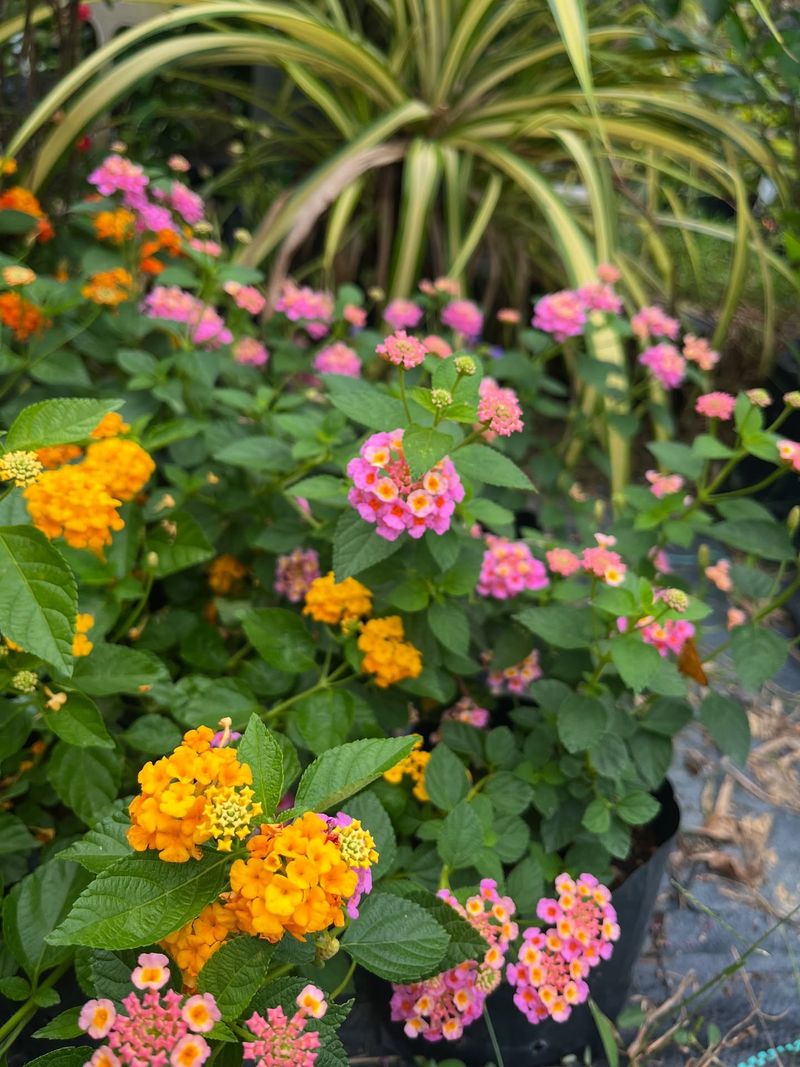
Clusters of tiny flowers shift from yellow to orange to pink as they mature, creating a multicolored effect that attracts butterflies by the dozens.
Lantana keeps blooming relentlessly through Arizona’s brutal summers when many other plants take a break or struggle.
Spreading growth habit fills spaces quickly, making it perfect for covering ground or spilling over retaining walls with minimal effort.
Drought tolerance becomes legendary once roots dig deep into Arizona soil. Monthly watering often suffices during the hottest stretches, though occasional extra drinks keep blooms more abundant.
Native to tropical regions, lantana adapted beautifully to desert conditions, thriving in Scottsdale, Mesa, and Yuma without special coddling.
Deer and rabbits typically avoid lantana, giving your landscape an advantage over many flowering alternatives. Prune back by half in late February to encourage bushier growth and heavier flowering.
New growth emerges quickly, covering pruning cuts within weeks as temperatures climb.
Trailing varieties work wonderfully in hanging baskets where you want cascading tropical color on covered patios. Upright types create informal hedges or colorful masses in planting beds.
Lantana handles reflected heat from walls and pavement better than almost any other flowering plant, making it ideal for those challenging hot spots where nothing else survives in Arizona yards.
2. Red Yucca Adds A Lush Look With Minimal Water
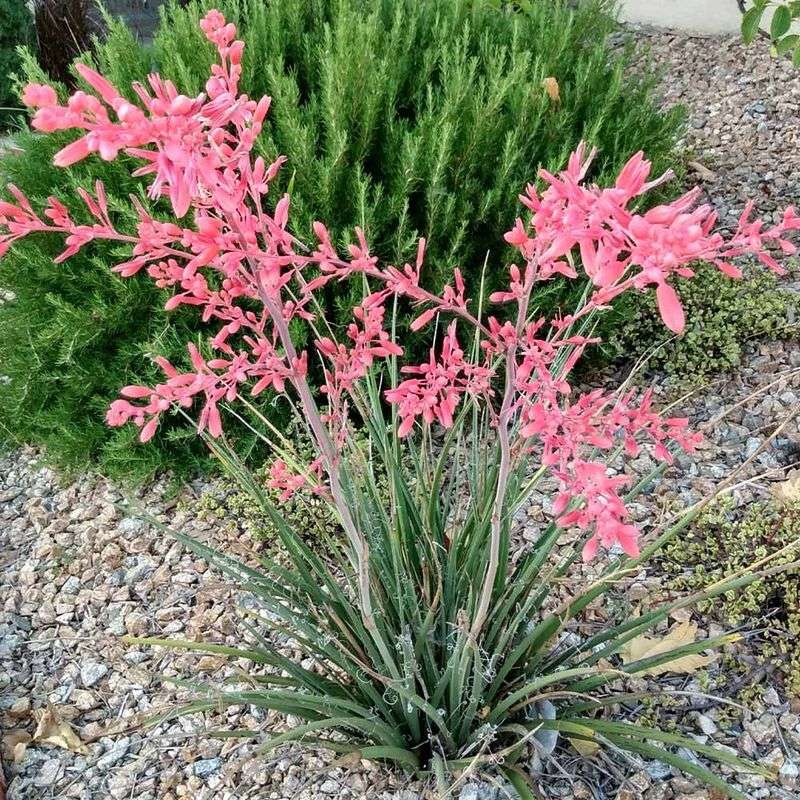
Arching blue-green leaves create fountain-like clumps that soften hardscapes while coral-pink flower spikes shoot upward from spring through summer.
Red yucca isn’t actually a true yucca, but its architectural form brings that same desert toughness with a gentler appearance.
Hummingbirds visit tubular blooms constantly, adding movement and life to Tucson and Flagstaff gardens alike.
Roots need virtually no supplemental water once established in Arizona landscapes. This Texas native adapted perfectly to similar desert conditions, handling heat extremes and poor soils without complaint.
Gravel mulch around plants prevents crown rot during monsoon season while maintaining that clean desert aesthetic.
Foliage stays evergreen year-round, providing consistent texture when other perennials go dormant. Trim off spent flower stalks after blooming finishes to keep plants looking tidy.
Occasional removal of lower leaves helps maintain that fountain shape, though red yucca remains low-maintenance compared to most landscape plants.
Spacing plants three feet apart creates flowing drifts along walkways or property borders.
Red yucca performs especially well in Arizona’s low and mid-elevation regions where winters stay relatively mild. In colder areas, foliage may show some frost damage, but established plants typically recover once temperatures warm in spring.
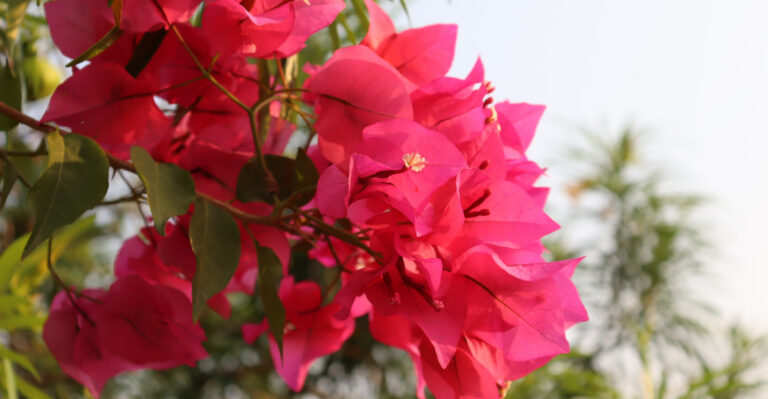
3. Bougainvillea Brings Long-Lasting Color To Desert Landscapes
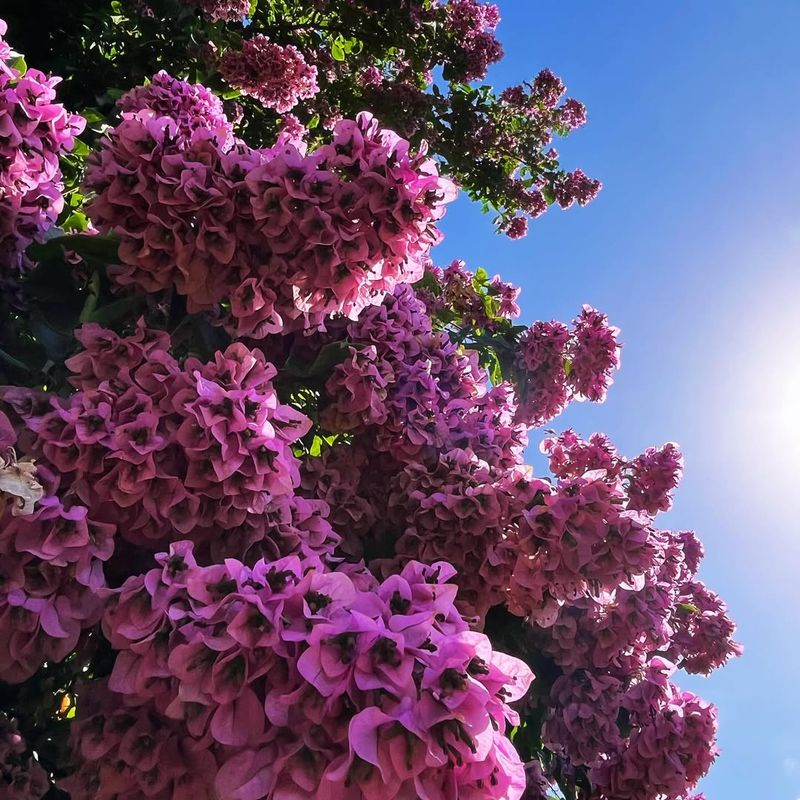
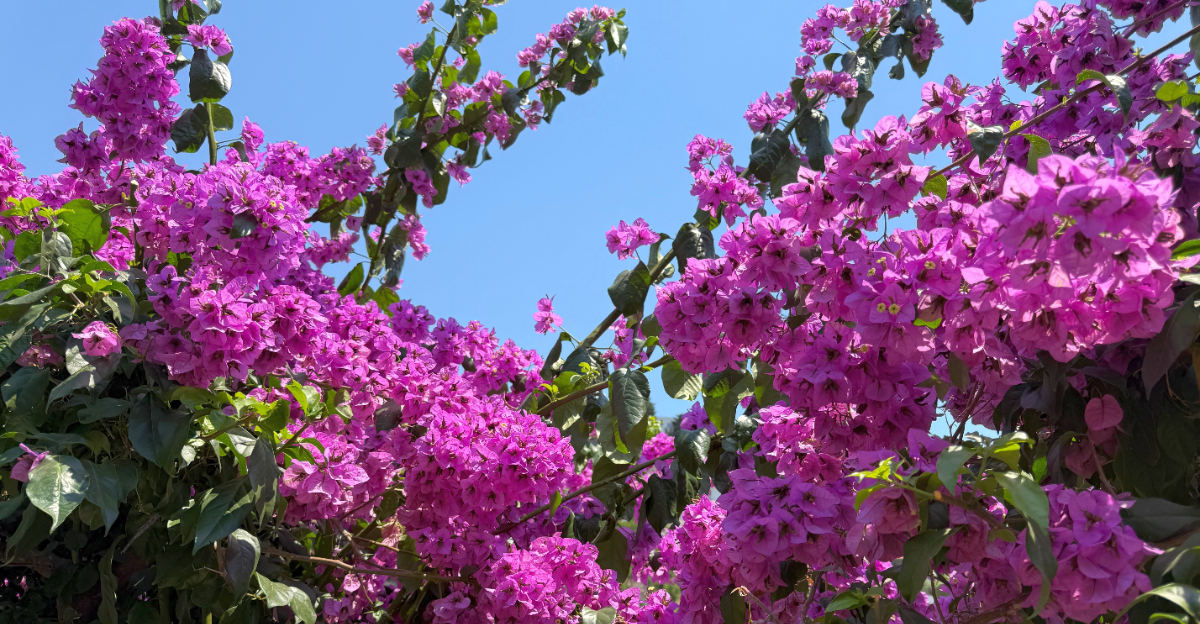
Papery bracts in electric pink, deep purple, fiery orange, or brilliant red create nonstop visual drama from spring through fall across Arizona yards.
Bougainvillea transforms ordinary walls, fences, and pergolas into living artwork that neighbors notice from blocks away.
Growth happens fast once roots establish, covering bare surfaces with color that actually intensifies under scorching summer sun instead of fading.
Water needs drop significantly after the first year, making this vine incredibly practical for Phoenix and Tucson landscapes where conservation matters.
Weekly deep watering during establishment gives way to every two weeks once mature, with even less during cooler months.
Roots prefer staying on the dry side between waterings, which matches Arizona’s natural rainfall patterns perfectly.
Thorny stems require gloves during pruning but also provide excellent security along property lines. Trim back wayward growth in late winter before spring’s explosive flowering begins.
Container growing works beautifully on patios where you want movable tropical color. Choose dwarf varieties for pots, providing excellent drainage with cactus soil mix.
Afternoon shade helps potted specimens stay happier during July and August, though ground-planted bougainvillea handles full sun all day without complaint throughout the state’s hottest regions.
Bougainvillea also performs well in raised beds where reflected heat from stone or stucco boosts bloom production even more. Feeding lightly in early spring with a low-nitrogen fertilizer encourages heavier flowering instead of excessive leafy growth.
With proper placement and minimal fuss, it becomes one of the most reliable statement plants for long-lasting color in desert landscapes.
4. Bird Of Paradise Creates Bold Tropical Foliage In Full Sun
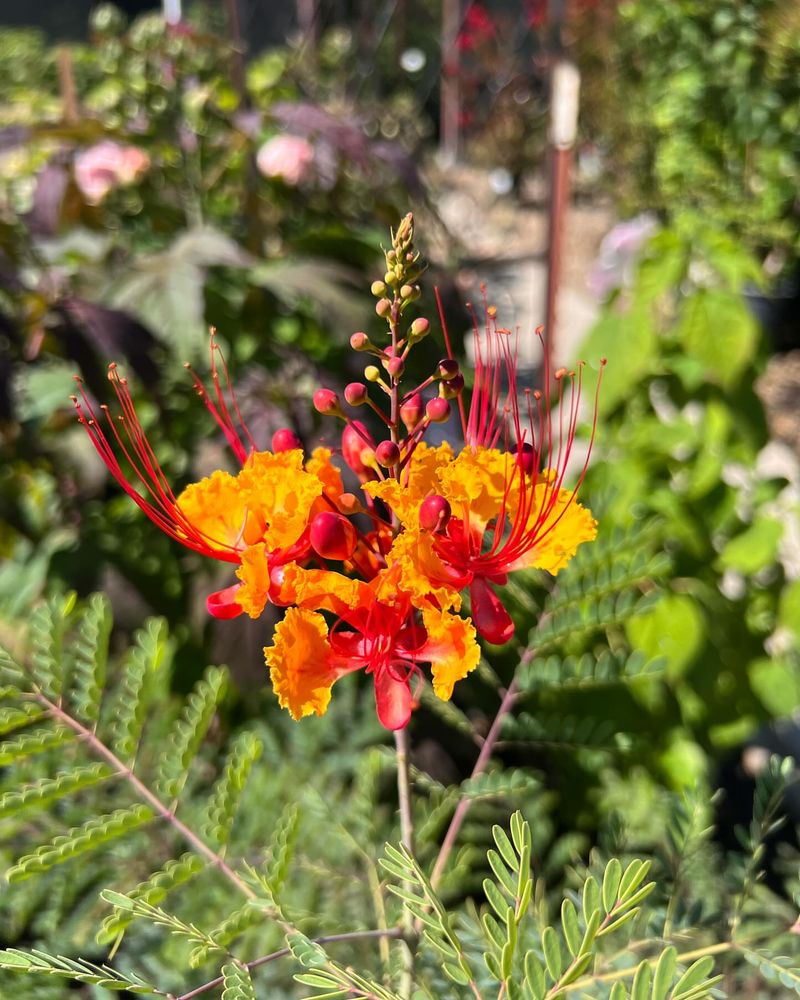
Feathery green leaves and explosive orange-red blooms with protruding stamens create instant tropical impact in Phoenix and Tucson yards.
Caesalpinia pulcherrima delivers that vacation-resort aesthetic while handling Arizona’s toughest growing conditions without breaking stride.
Fast growth fills empty spaces quickly, transforming new landscapes into established gardens within a single season.
Flowering continues from April through November, providing months of hummingbird entertainment and visual interest. Each bloom resembles a tiny flame, earning this plant its other common name of Mexican bird of paradise.
Removing spent flowers encourages more blooms, though many Arizona gardeners let nature take its course without sacrificing much flower production.
Cold sensitivity means stems freeze back during winter in most Arizona locations except the lowest desert areas. Don’t panic when this happens as roots survive and regrow vigorously once spring warmth returns.
Cut frozen stems to ground level in late February, then watch explosive new growth emerge as temperatures climb.
Water needs remain moderate, with weekly irrigation during summer heat keeping plants lush and blooming heavily. Established specimens tolerate occasional missed waterings without serious stress.
Bird of paradise adapts to various soil types across Arizona, though adding compost at planting time speeds establishment and improves flowering performance in the long run.
Full sun exposure produces the strongest bloom cycles and the most compact, sturdy growth. Mature plants can reach 6 to 10 feet tall and wide, making them ideal as bold focal points or informal privacy screens.
Light shaping in early spring keeps the structure tidy without reducing that long season of fiery color.
5. Yellow Bells Produces Bright Blooms Through Warm Months
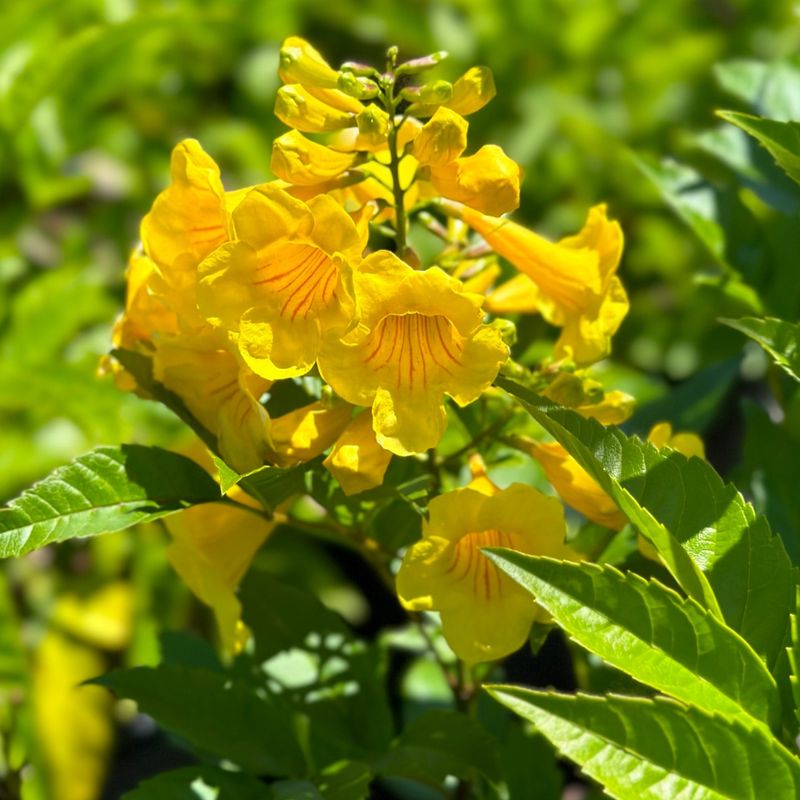
Golden trumpet flowers appear in clusters from late spring through fall, creating brilliant pops of sunshine yellow against glossy green foliage.
Tecoma stans handles Arizona’s intense heat and bright light without wilting, blooming most heavily when temperatures soar into triple digits.
Growth habit ranges from compact shrubs to small trees depending on pruning approach and winter cold in your specific Arizona location.
Hummingbirds and native bees visit flowers constantly, making yellow bells valuable for pollinator gardens throughout the state. Blooms appear on new growth, so regular light pruning actually increases flower production rather than reducing it.
Spent flowers drop cleanly without creating much mess, keeping patios and walkways relatively tidy beneath plants.
Established roots need water every week or two during peak summer in Phoenix and Tucson. Drought tolerance improves with age, though consistent moisture produces the most impressive flowering displays.
Yellow bells adapts to both clay and sandy soils common across Arizona, establishing quickly once planted.
Winter cold determines whether your plant stays evergreen or freezes back to the ground. Southern Arizona locations often see minimal frost damage, while northern areas experience complete top freeze.
Either way, roots survive and regrow beautifully when warmth returns, making yellow bells reliably perennial in Arizona’s low and mid-elevation regions despite occasional cold snaps.
6. Agave Desmettiana Offers Soft Texture With Strong Heat Tolerance
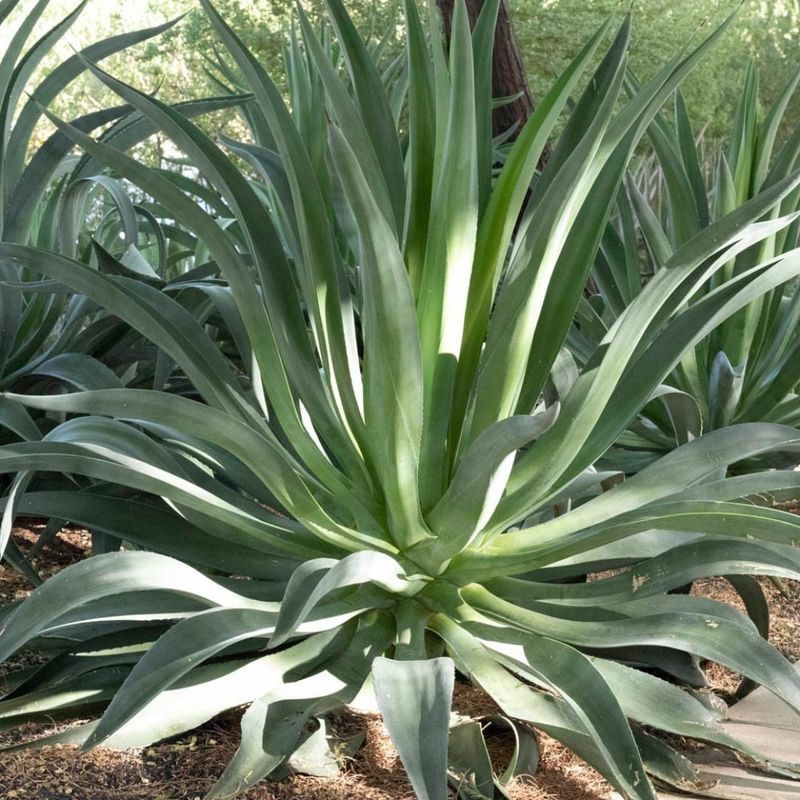
Smooth leaf margins without vicious spines make this agave family-friendly while maintaining that bold succulent appearance.
Agave desmettiana curves gracefully instead of forming stiff rosettes, creating softer lines that work beautifully near patios and pools across Arizona.
Blue-green coloring with occasional yellow striping adds visual interest without flowers, though mature plants eventually send up impressive bloom stalks.
Water requirements stay incredibly low once roots establish in Arizona soil. Monthly deep watering often exceeds what this plant actually needs, making it perfect for the most neglected corners of Chandler and Glendale landscapes.
Reflected heat from walls and pavement barely fazes agave desmettiana, which actually seems to thrive in those challenging microclimates.
Growth stays moderate compared to some aggressive agaves, reaching three to four feet tall and wide over several years. Offset pups appear around the base, easily removed and replanted elsewhere or left to form attractive clumps.
Removing pups keeps the mother plant’s symmetrical form intact if that aesthetic matters for your design.
Container growing succeeds beautifully with proper drainage, bringing portable tropical architecture to balconies and courtyards. Agave desmettiana performs best in Arizona’s low desert regions, where winter freezes are brief and not extreme.
This Mexican native fits perfectly into modern desert landscapes, delivering that coveted tropical succulent look while asking almost nothing in return.
Positioning it in well-drained soil prevents root issues, especially in areas that receive occasional heavy monsoon downpours. A light layer of gravel mulch around the base keeps moisture from lingering against the crown.
After flowering, the main rosette slowly declines, but surrounding offsets continue the display without leaving gaps in the landscape.
7. Mexican Fan Palm Adds Height And A Tropical Silhouette
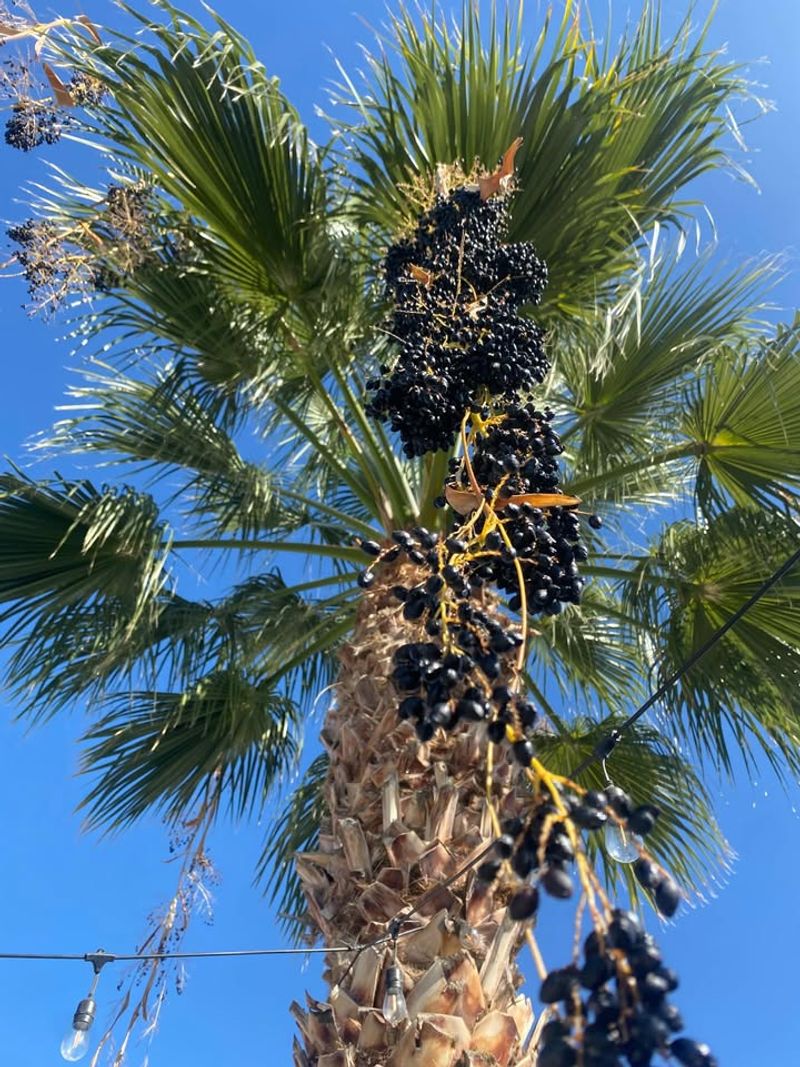
Towering trunks topped with large fan-shaped fronds create instant tropical skyline impact in Arizona landscapes.
Washingtonia robusta grows faster than most palms, reaching impressive heights that make properties visible from distant vantage points across flat desert terrain.
Slender trunks take up minimal ground space while the canopy provides that classic palm tree silhouette against Arizona’s brilliant blue skies.
Heat tolerance proves exceptional even by desert standards, with Mexican fan palms thriving in the hottest microclimates around Phoenix and Yuma.
Established trees need surprisingly little water, though young specimens grow faster with regular irrigation during their first few years.
Deep watering every two weeks during summer keeps palms healthy without waste.
Cold hardiness throughout most of Arizona makes this species reliable except in the highest elevations. Mature specimens handle brief freezes that would damage many other palm varieties.
Frond removal keeps trees looking groomed, though many Arizona homeowners embrace the shaggy skirt of old fronds for that authentic tropical appearance.
Planting in groups creates dramatic groves that transform ordinary yards into resort-like settings. Single specimens make excellent accent points near entries or pools.
Mexican fan palms combine beautifully with lower desert plants, providing vertical interest above spreading shrubs and groundcovers while maintaining that cohesive desert-tropical aesthetic that defines modern Arizona landscaping at its best.
8. Elephant’s Food Thrives In Dry Heat With Succulent Appeal
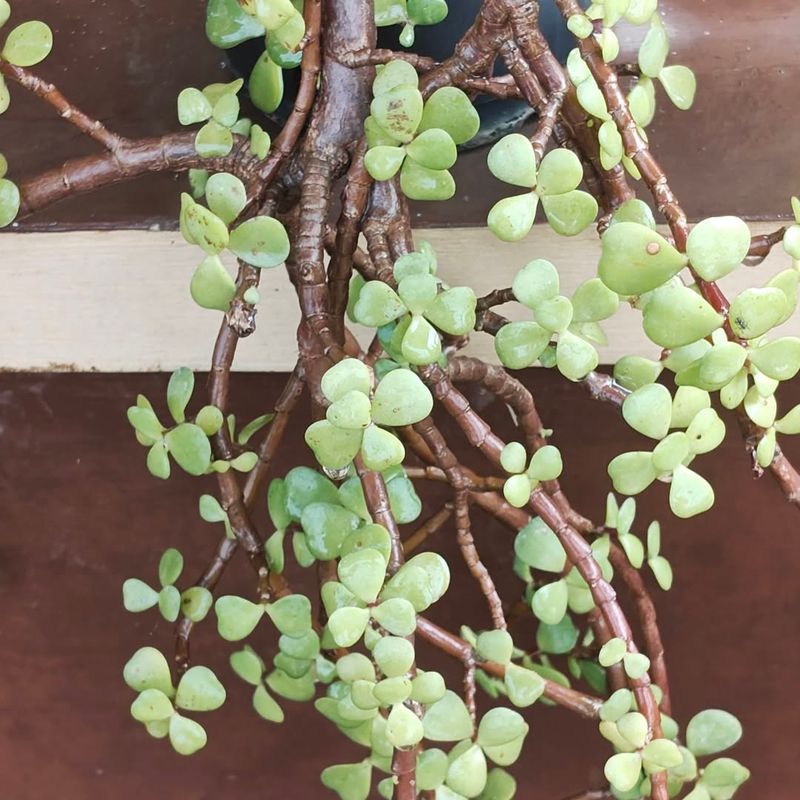
Tiny jade-green leaves on reddish stems create dense mounds or trailing curtains depending on how you position this versatile succulent.
Portulacaria afra handles Arizona’s driest conditions while maintaining lush appearance that seems impossible without constant watering.
Growth stays compact in containers or spreads gradually in landscape beds, adapting to whatever role your design requires.
Drought tolerance reaches extreme levels once roots establish in Arizona soil. Watering once monthly during summer often exceeds actual needs, making elephant’s food perfect for those who travel frequently or simply prefer low-maintenance landscapes.
Leaves store moisture efficiently, plumping up after irrigation then slowly shrinking as they use stored water between drinks.
Frost sensitivity means protection or indoor movement becomes necessary during Flagstaff winters, though lower desert areas like Tucson rarely see damaging cold. Stems root easily from cuttings, letting you propagate new plants almost effortlessly.
Pinching back growing tips creates bushier specimens while removed pieces start new plants when stuck in dry soil.
Edible leaves offer a tangy flavor, though most Arizona gardeners grow elephant’s food purely for ornamental purposes.
Containers showcase trailing growth beautifully on covered patios where you want spilling greenery without constant maintenance.
This South African native adapted perfectly to Arizona’s desert climate, proving that tropical succulence and serious heat tolerance can coexist in one remarkably forgiving plant.