Try These 9 Expert Tips For Growing Big Juicy Peaches In California
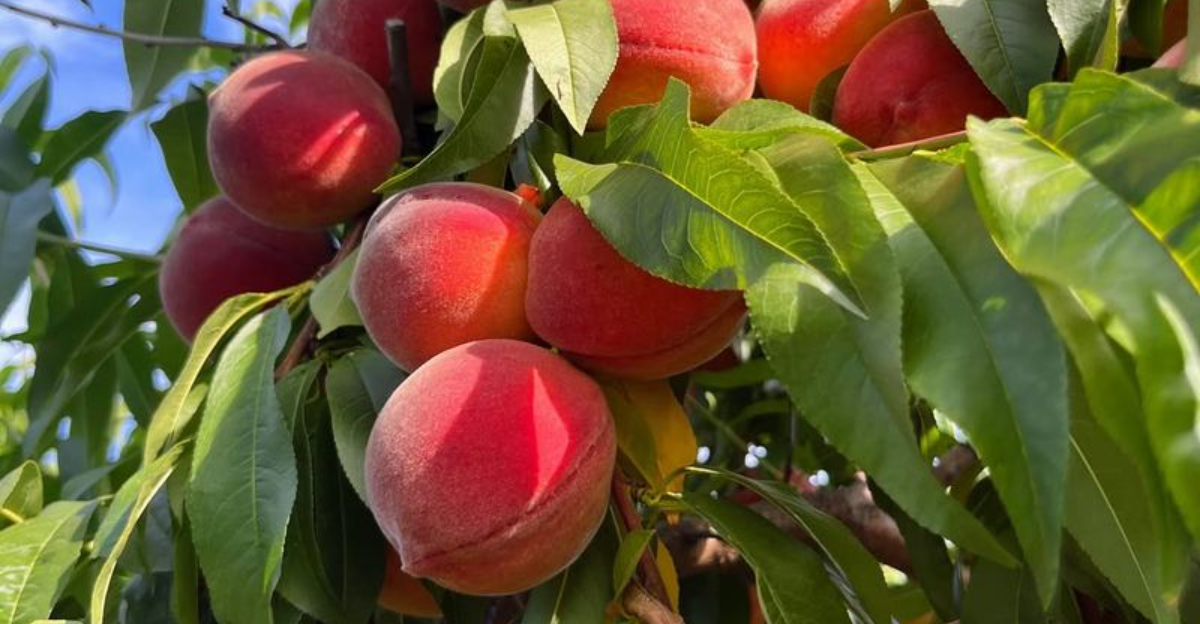
I’ll never forget biting into my first homegrown peach in California and realizing how much difference proper care makes.
Growing juicy, flavorful peaches isn’t just luck, it takes the right techniques and attention throughout the season. Follow expert tips and enjoy peaches that taste like they came from an orchard.
These tips cover selecting the right varieties for California climates, pruning at the correct time, fertilizing properly, managing irrigation, controlling pests naturally, thinning fruit, and monitoring for disease.
Each step ensures strong growth, bigger fruit, and abundant harvests. With a little care and planning, even beginner gardeners can grow impressive peaches. Healthy trees produce larger, sweeter fruits.
California gardeners who follow these expert strategies can enjoy homegrown peaches that are plump, juicy, and full of flavor all season. Use these tips to grow peaches you’ll be proud to pick and eat.
1. Choose Low-Chill Peach Varieties For Warm Regions
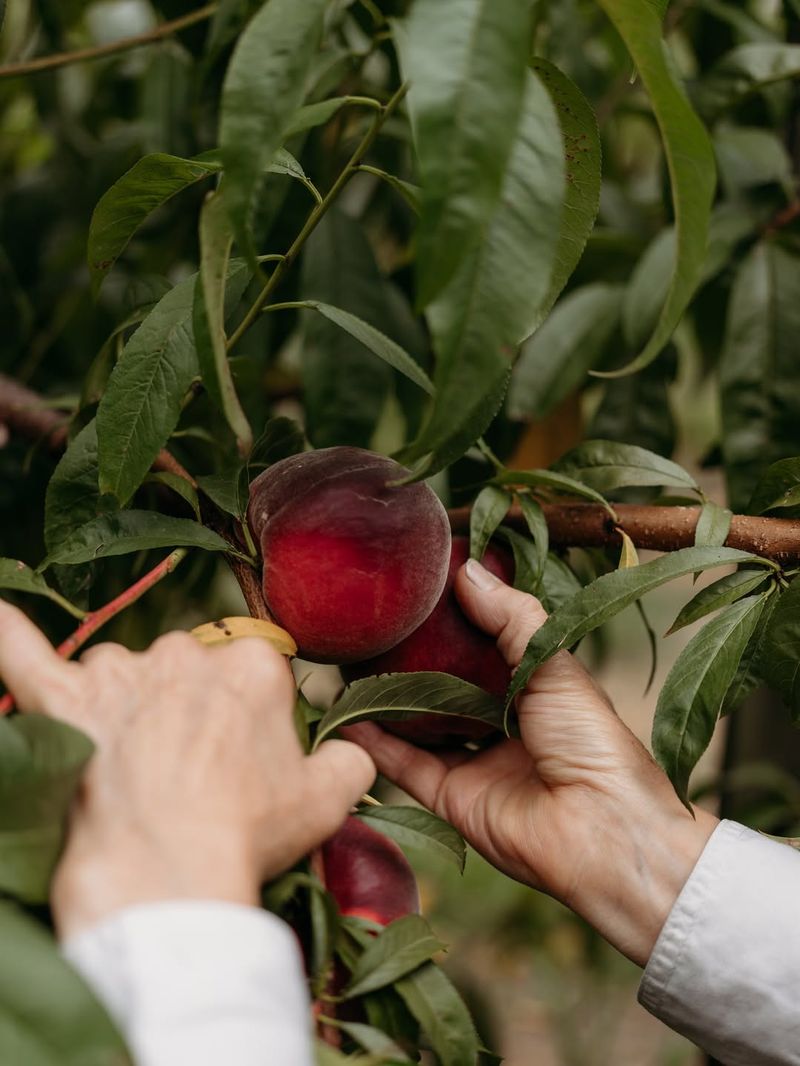
Peach trees need a certain number of cold winter hours to bloom properly and produce fruit, and picking the wrong variety can leave you disappointed when spring arrives.
Chill hours refer to the time spent below 45 degrees Fahrenheit during winter dormancy, and different peach cultivars have different requirements.
California’s coastal and inland valleys often don’t get enough cold weather for high-chill varieties, so selecting low-chill options is essential for success.
Desert Gold is a popular choice for warm California regions because it only needs about 200 to 300 chill hours and produces sweet, yellow-fleshed peaches.
Eva’s Pride thrives with similar low requirements and ripens early in the season, giving you fruit before summer heat peaks.
Tropic Snow is another excellent option, requiring just 150 to 200 chill hours and offering white-fleshed peaches with a wonderfully sweet flavor.
When peach trees don’t receive enough chill hours, their flowering becomes irregular and weak, leading to poor fruit set and disappointing harvests. Blossoms may open unevenly or fail to develop properly, reducing the number of peaches that form.
Matching your variety to your local climate ensures strong, healthy blooms and abundant fruit production throughout the growing season.
2. Plant In Full Sun Locations
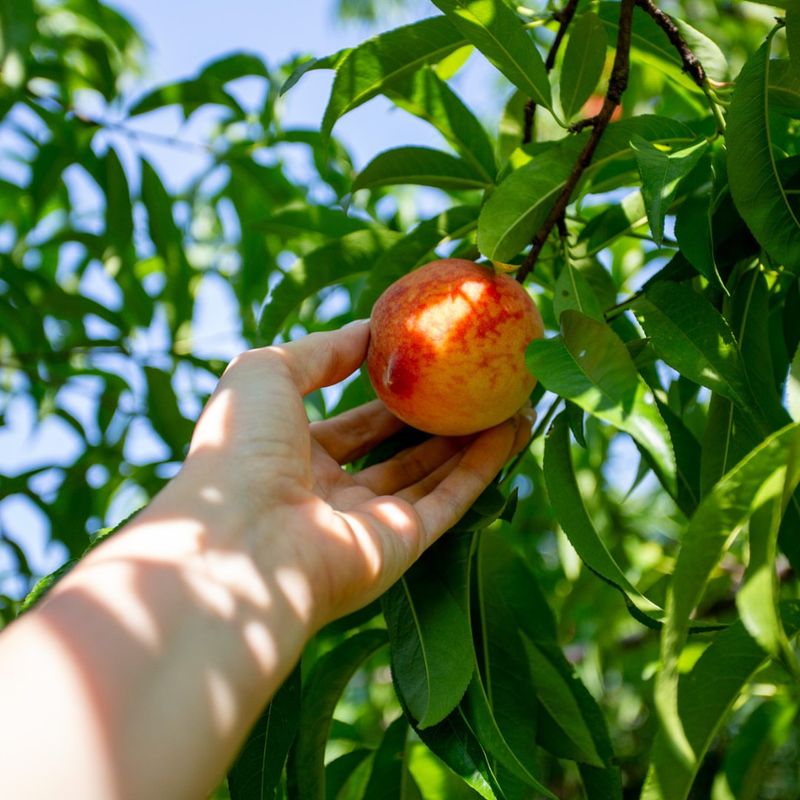
Sunlight is like food for peach trees, fueling their growth and helping them produce the sweetest, most flavorful fruit possible. Your peach tree needs at least six to eight hours of direct sunlight every day to thrive and reach its full potential.
Without enough light, trees become weak, produce fewer peaches, and the fruit that does grow often lacks the sugar and size you’re hoping for.
Strong sun exposure directly impacts sugar development inside the peaches, making them taste richer and more delicious when you bite into them.
The warmth and energy from sunlight also encourage fruit to grow larger and more evenly, giving you impressive harvests.
Additionally, trees planted in sunny spots tend to have better overall vigor, with stronger branches, healthier leaves, and greater resistance to stress.
When choosing a planting location, avoid areas shaded by buildings, fences, or larger trees that block the sun during peak daylight hours.
South-facing spots in your yard typically receive the most consistent sunlight throughout the day, making them ideal for peach trees. Investing time in finding the sunniest location possible will pay off with abundant, juicy peaches year after year.
3. Improve Soil Drainage Before Planting
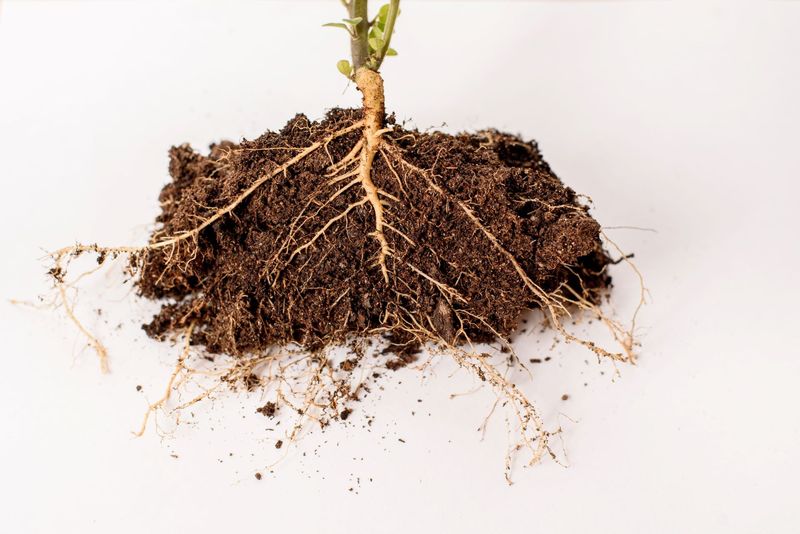
Peach trees are surprisingly fussy about their roots staying dry, and heavy or poorly drained soil can cause serious problems that stunt growth or harm the tree.
Waterlogged roots struggle to breathe and become vulnerable to rot, which weakens the entire tree and reduces fruit production.
California’s clay-heavy soils in some regions can trap water, making drainage improvement a critical step before planting.
Raised mound planting is a technique used by many California orchards to solve drainage issues and keep roots healthy. By creating a mound of soil about 12 to 18 inches high and planting the tree on top, you allow excess water to drain away naturally.
This method works especially well in areas with compacted or clay soil that doesn’t absorb water quickly.
Amending your soil with organic matter like compost, aged manure, or bark also improves drainage and adds nutrients that peach trees love. Mixing these materials into the planting area loosens heavy soil and creates air pockets that help roots spread easily.
Some growers also add sand or perlite to further enhance drainage, ensuring that water moves through the soil instead of pooling around the roots.
4. Prune For An Open-Center Structure
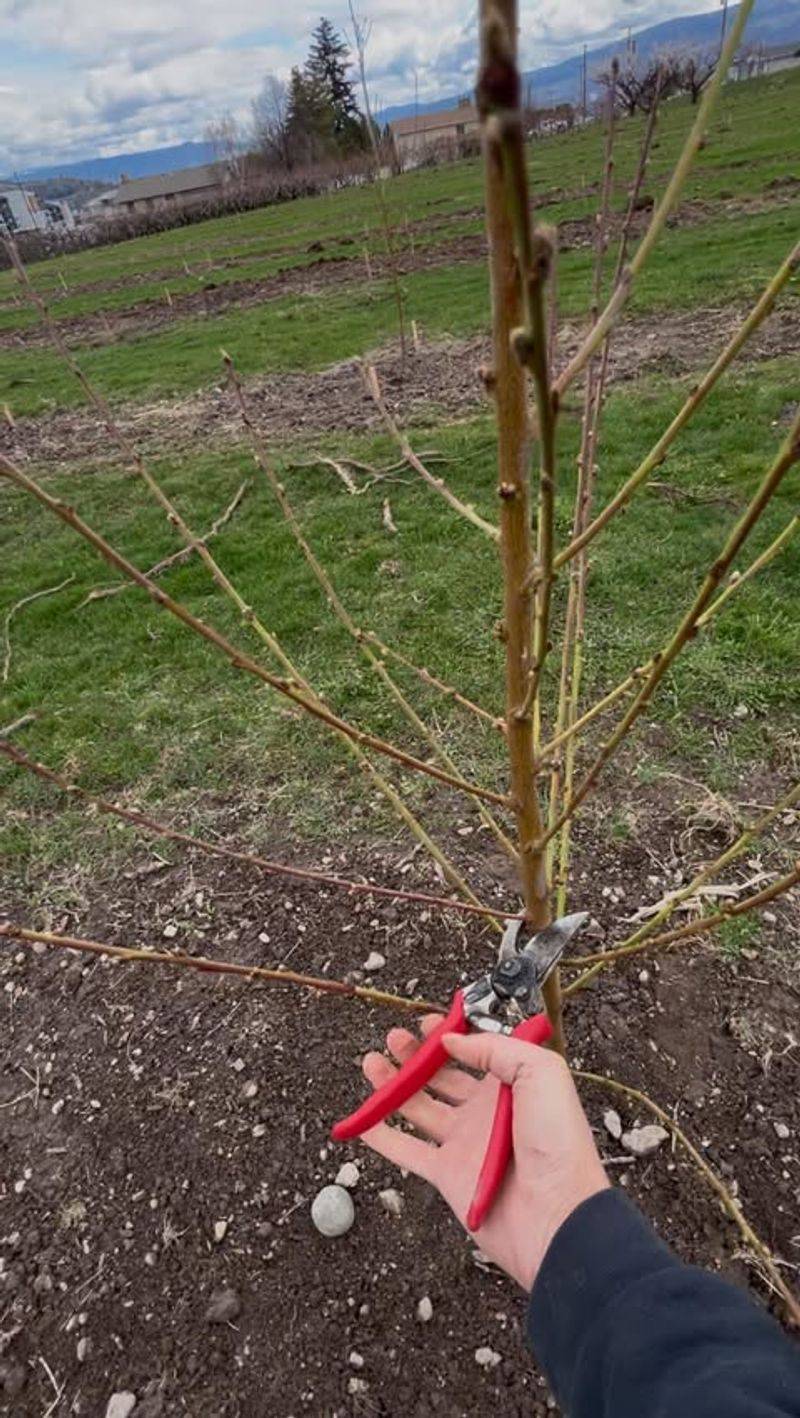
Commercial peach growers rely on the open-center pruning method because it transforms trees into productive powerhouses that yield high-quality fruit.
This technique involves removing the central leader and shaping the tree into a vase-like form with three to five main branches spreading outward.
The open structure allows sunlight to reach every branch and improves airflow throughout the canopy, which are both essential for healthy fruit development.
Better sunlight penetration means more energy reaches the fruiting wood, resulting in larger peaches with richer color and sweeter flavor.
Improved airflow reduces humidity inside the canopy, which lowers the risk of fungal diseases that thrive in damp, shaded conditions.
By keeping the center open, you also make it easier to spot pests, apply treatments, and harvest fruit without struggling through dense foliage.
Pruning should be done in late winter while the tree is dormant, before buds begin to swell in early spring. Start by removing any branches growing toward the center, along with weak, crossing, or damaged wood that doesn’t contribute to fruit production.
With consistent open-center pruning each year, your peach tree will stay manageable in size and deliver impressive harvests season after season.
5. Thin Young Fruit For Larger Harvests
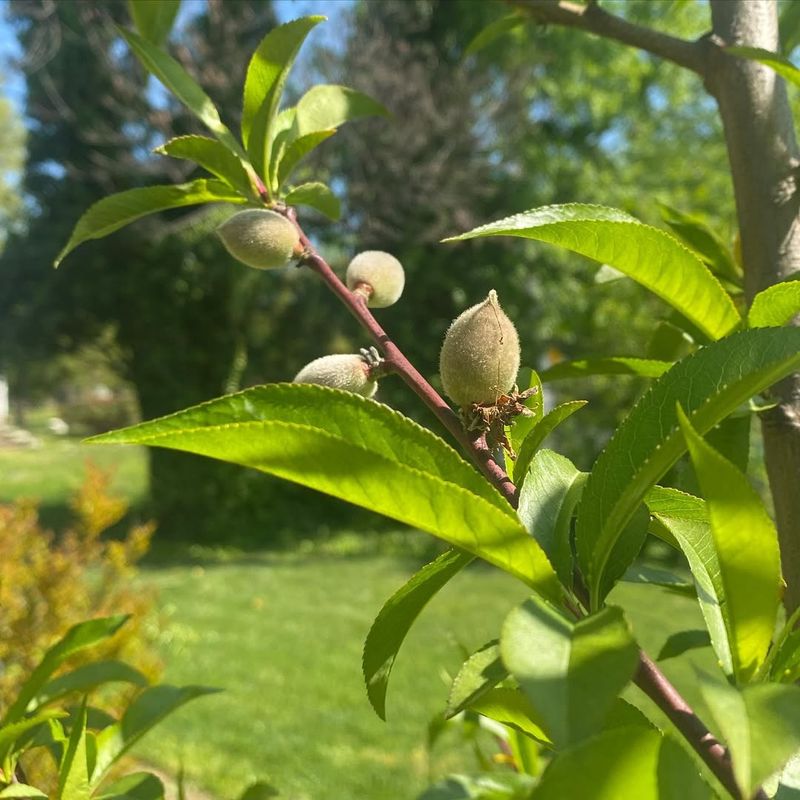
It might seem counterintuitive, but removing some of your baby peaches actually leads to bigger, sweeter fruit and a more satisfying harvest overall.
Peach trees naturally set more fruit than they can support, and without thinning, the tree spreads its energy too thin across too many peaches. The result is a crop of small, less flavorful fruit that may not even ripen properly.
Thinning allows the remaining peaches to receive more nutrients, water, and sunlight, which dramatically increases their size and sugar content. Experts recommend spacing fruit about six to eight inches apart along each branch, giving each peach plenty of room to grow.
This spacing also prevents branches from breaking under the weight of heavy fruit as the season progresses.
The best time to thin is when peaches are about the size of a dime or quarter, usually a few weeks after flowering. Simply pinch or snip off the smallest or damaged fruit, leaving the healthiest ones evenly spaced.
Although it feels like you’re sacrificing potential peaches, you’ll be amazed at how much bigger and tastier the remaining fruit becomes, making every bite worth the effort.
6. Water Deeply During Fruit Development
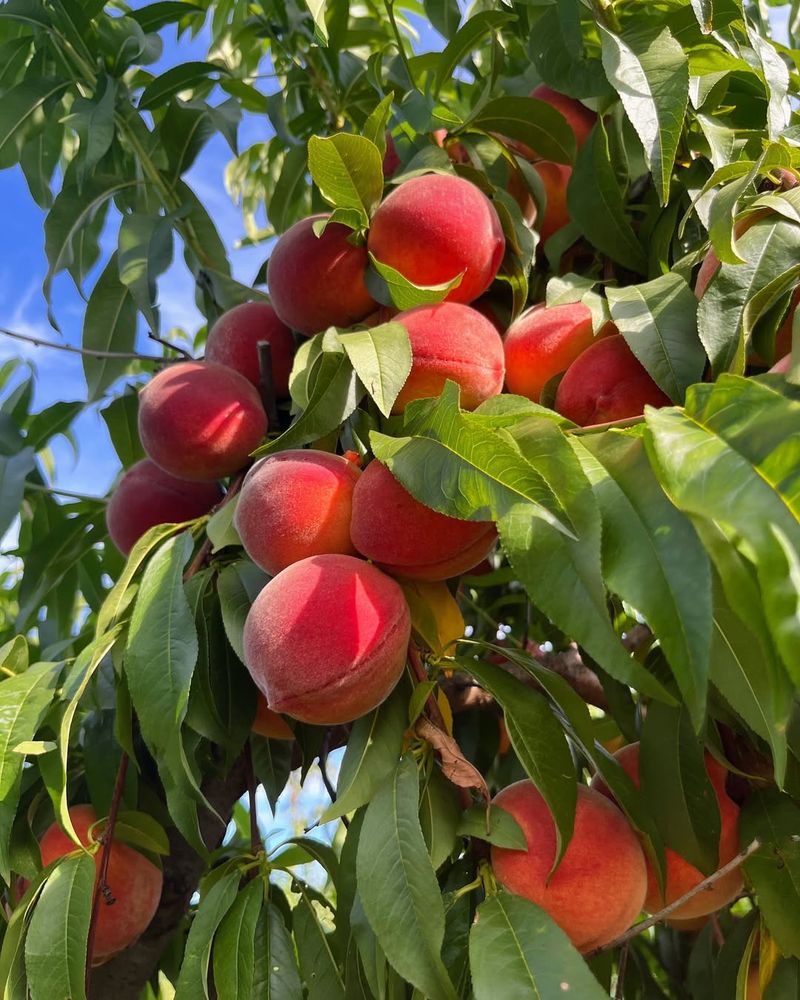
Water is absolutely essential during the critical stages of flowering and fruit enlargement, when peach trees need consistent moisture to produce plump, juicy peaches.
California’s dry summers mean that natural rainfall rarely provides enough water, so growers must supplement with regular irrigation.
Without adequate moisture, fruit remains small, texture becomes mealy, and flavor suffers significantly. Drip irrigation is the preferred method for many California peach growers because it delivers water directly to the root zone without wasting a drop.
This system reduces evaporation, prevents water from splashing onto leaves and fruit, and allows you to control exactly how much moisture your trees receive.
Drip lines also help maintain consistent soil moisture levels, which is especially important during hot, dry periods.
During flowering, trees need steady moisture to support blossom development and encourage successful pollination and fruit set.
As fruit begins to enlarge in late spring and early summer, water requirements increase significantly, and trees may need deep watering twice a week or more depending on soil type and weather.
Monitoring soil moisture and adjusting your irrigation schedule ensures that your peaches grow to their full potential and develop that signature juicy sweetness everyone loves.
7. Apply Balanced Fertilizer At The Right Time
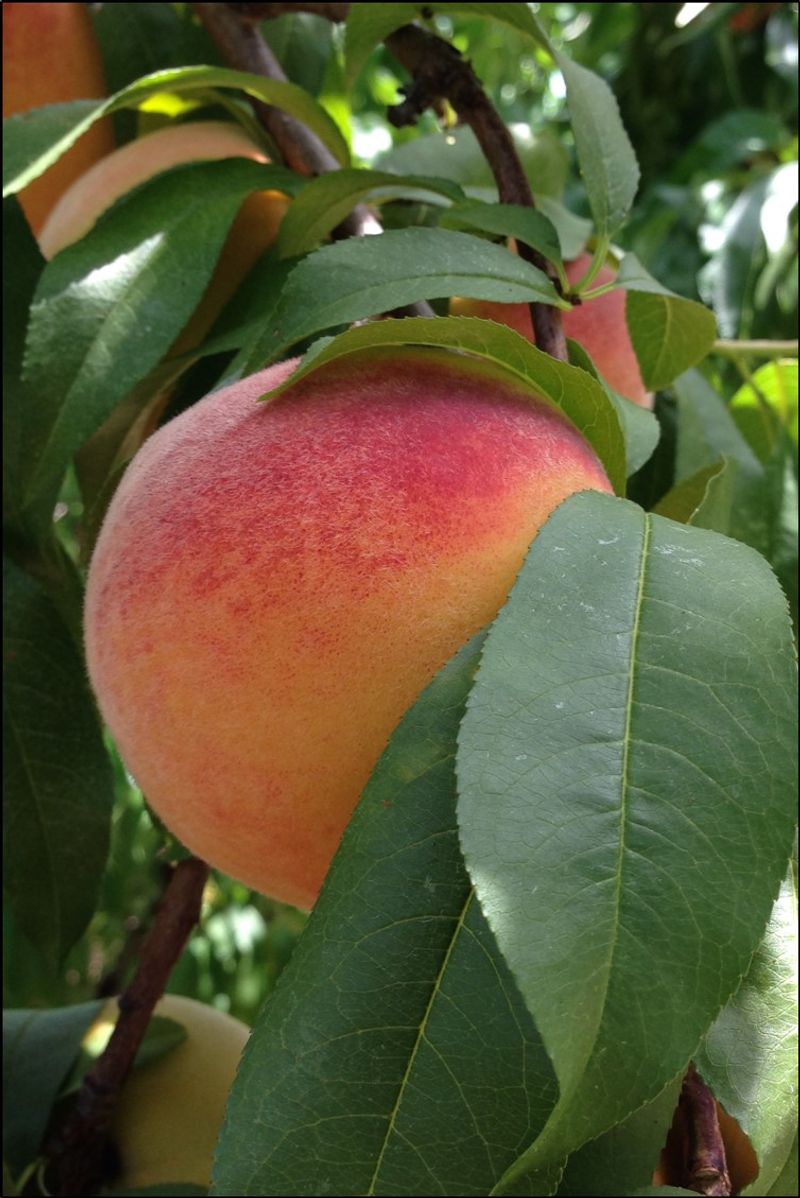
Feeding your peach trees at the right time with the right nutrients can make the difference between a mediocre harvest and a bumper crop of delicious fruit.
Early spring, just as buds begin to swell, is the ideal time to apply fertilizer because trees are entering their active growth phase.
A balanced fertilizer with equal or moderate amounts of nitrogen, phosphorus, and potassium supports healthy growth, strong blooms, and quality fruit development.
Nitrogen is important for leafy growth and overall tree vigor, but too much can actually work against you. Excessive nitrogen encourages trees to put all their energy into producing lush foliage instead of focusing on fruit production.
This imbalance results in fewer peaches and can make trees more susceptible to pests and diseases because the soft, succulent growth is easier for insects to damage.
A good approach is to apply a slow-release granular fertilizer around the drip line of the tree, where the feeder roots are most active. Avoid piling fertilizer directly against the trunk, which can cause root burn and other issues.
Watering the area thoroughly after fertilizing helps nutrients soak into the soil and reach the roots where they’re needed most, setting your tree up for a productive and fruitful season.
8. Protect Trees From Common California Pests
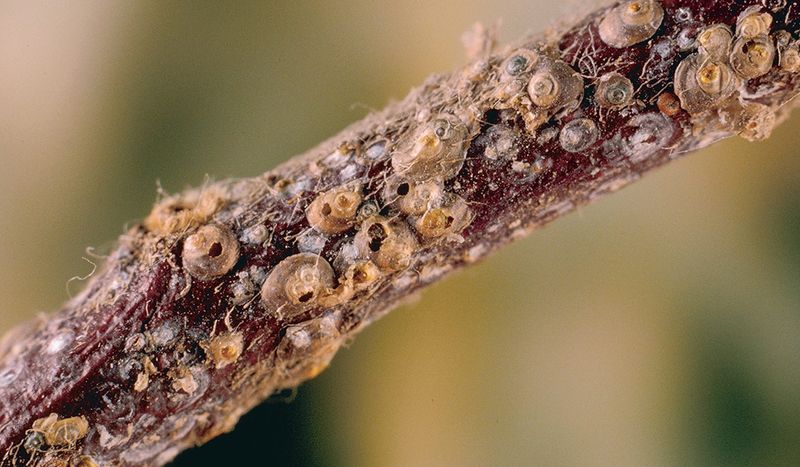
California’s warm climate and long growing season create a paradise not just for peach trees, but also for the pests that love to feed on them.
Integrated pest management combines multiple strategies to keep pest populations under control without relying solely on chemical treatments.
By using a combination of sanitation, monitoring, and preventative care, you can protect your trees and enjoy healthy, unblemished fruit.
Sanitation is one of the most effective pest prevention techniques and involves removing fallen fruit, pruning debris, and weeds that harbor insects and diseases.
Many pests overwinter in plant debris or damaged fruit, so cleaning up your orchard regularly breaks their life cycle and reduces future infestations.
Keeping the area around your trees tidy also makes it easier to spot problems early before they get out of hand.
Monitoring your trees regularly allows you to catch pest activity when populations are still small and easier to manage. Look for signs like chewed leaves, sticky residue, webbing, or unusual spots on fruit and foliage.
Preventative care includes practices like proper watering, fertilizing, and pruning, which keep trees vigorous and better able to resist pest attacks naturally, reducing the need for more intensive interventions later in the season.
9. Harvest At Peak Ripeness
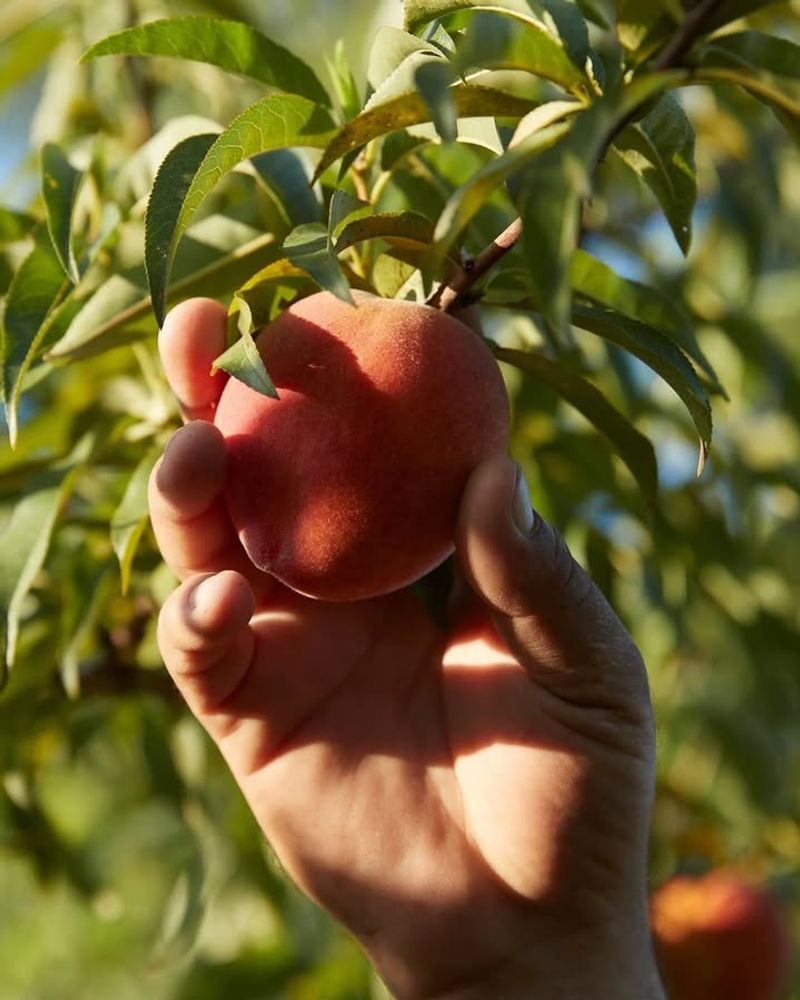
Knowing exactly when to pick your peaches can be tricky, but learning to recognize the signs of ripeness ensures you enjoy fruit at its absolute best.
Color change is one of the first indicators, as peaches shift from green to their mature hue, whether yellow, white, or red-blushed depending on the variety.
However, color alone isn’t enough, so you’ll need to use a few other senses to determine perfect ripeness.
Aroma is a wonderful clue that peaches are ready to harvest, as ripe fruit gives off a sweet, fragrant smell that’s hard to miss. Gently pressing the fruit near the stem end should reveal a slight softness, indicating that the flesh inside is juicy and tender.
If the peach feels rock-hard, it needs more time on the tree, but if it’s too soft, you’ve waited a bit too long and the fruit may be overripe.
Backyard orchards benefit from staggered harvesting, where you pick peaches over several days or weeks as they ripen at different rates.
This approach ensures that each peach is harvested at its peak, rather than picking everything at once and ending up with underripe or overripe fruit.
Enjoying fresh peaches straight from the tree at perfect ripeness is one of the greatest rewards of growing your own fruit.