Turn Your California Backyard Dreams Into Reality With This Vision Board
Dreaming about the perfect backyard is easy. Turning that dream into something real is where most people get stuck.
That’s where a vision board can make a huge difference. It helps turn ideas into a clear plan you can actually follow.
When everything is in your head, it’s easy to feel overwhelmed. Putting it on a board makes your goals feel more real and more achievable.
You can see your style, your layout, and your priorities all in one place.
California backyards come with unique opportunities. Long growing seasons, outdoor living spaces, and year-round color make planning even more exciting.
A vision board helps you take advantage of that potential.
With this simple tool, your backyard goals stop being wishful thinking and start becoming something you can build step by step.
Clarify Your Backyard Goals
Before you start pinning pictures or sketching layouts, spend time thinking about what you really want from your backyard. Do you picture yourself hosting weekend barbecues with friends, or would you rather have a quiet corner for reading and unwinding?
Maybe you’re drawn to growing your own vegetables, or you want to support local pollinators with native flowers.
Writing down your priorities helps you stay on track when decisions get tough. If entertaining ranks high, you’ll need open space for seating and maybe a fire pit.
If you’re focused on sustainability, drought-tolerant plants and rainwater collection might top your list.
California’s diverse climates mean your goals should match your region. Coastal yards can handle more shade-loving plants, while inland areas benefit from heat-resistant varieties.
Urban backyards often require vertical gardening or compact layouts, whereas suburban or rural spaces offer room for expansive flower beds or fruit trees.
Avoid trying to fit every idea into one board. Prioritize two or three main goals that reflect how you’ll actually use the space.
This clarity guides your plant choices, hardscape materials, and budget, making the vision board a practical tool rather than just a collection of pretty images.
Assess Your California Climate And Soil
Understanding your local climate and soil type is the foundation of a successful backyard plan. California spans multiple climate zones, from foggy coastal regions to scorching desert valleys.
Knowing your USDA hardiness zone and typical rainfall patterns helps you choose plants that will thrive without constant intervention.
Check your soil’s texture and drainage by digging a small hole and filling it with water. Sandy soils drain quickly and need more frequent watering, while clay soils hold moisture longer but can become waterlogged.
Most California gardens benefit from adding compost to improve soil structure and fertility.
Microclimates within your yard matter too. South-facing walls get intense sun and heat, perfect for heat-loving plants like lavender or rosemary.
Shady spots under trees or near fences work well for ferns or hostas. Observing how sunlight moves across your yard throughout the day prevents costly mistakes.
Document these details on your vision board with notes or photos. Mark areas that receive full sun, partial shade, or full shade.
Note spots that tend to stay soggy after rain or dry out quickly. This information guides your plant placement and helps you design functional zones that work with nature instead of against it.
Gather Inspiration
Start collecting images that capture the feeling you want your backyard to have. Flip through gardening magazines, browse Pinterest boards, or take photos of yards in your neighborhood that catch your eye.
Look for color schemes, plant combinations, and layout ideas that resonate with your personal style.
California gardens offer incredible variety, from Mediterranean-inspired courtyards with olive trees and gravel paths to lush cottage gardens bursting with roses and salvias.
Desert landscapes feature striking succulents and rock arrangements, while coastal yards often include ornamental grasses and driftwood accents.
Choose a style that feels authentic to your taste and your region.
Don’t just focus on plants. Collect images of outdoor furniture, lighting fixtures, water features, and decorative elements.
A beautiful pergola or a simple stone pathway can transform the entire vibe of your space. Pay attention to textures and materials that appeal to you, whether that’s weathered wood, smooth concrete, or colorful ceramic tiles.
Organize your inspiration into categories on a physical or digital board. Group images by theme: seating areas, plant palettes, hardscape ideas, and lighting.
This makes it easier to spot patterns in what you love and helps you communicate your vision to family members or landscape professionals who might assist with the project.
Define Functional Zones
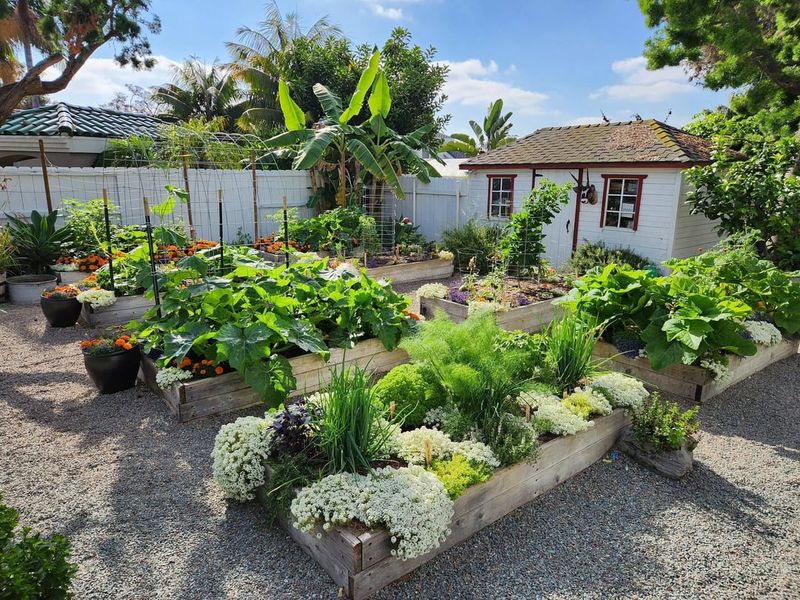
Breaking your backyard into functional zones makes the space work harder for you and your family. Think about how you move through the yard and what activities you want to accommodate.
Common zones include dining areas, play spaces, garden beds, pathways, and quiet retreats.
Sketch a rough layout showing where each zone might go. Place high-traffic areas like dining or play zones closer to the house for convenience.
Position quieter spots, like a reading nook or meditation corner, in more secluded areas. Consider how zones connect, wide, clear pathways between the kitchen and the grill make outdoor cooking easier.
California’s mild weather encourages year-round outdoor living, so plan zones that stay comfortable across seasons. Shade structures like pergolas or shade sails keep summer heat manageable, while fire pits or outdoor heaters extend usability into cooler evenings.
Windbreaks made from hedges or fencing create cozy microclimates in breezy coastal areas.
Use different materials or plant borders to visually separate zones without building walls. Gravel paths, low hedges, or raised planter beds create natural boundaries.
Add these zone ideas to your vision board with notes about dimensions and materials. This step transforms a collection of pretty pictures into a functional blueprint you can actually build from.
Choose Plants That Thrive In California
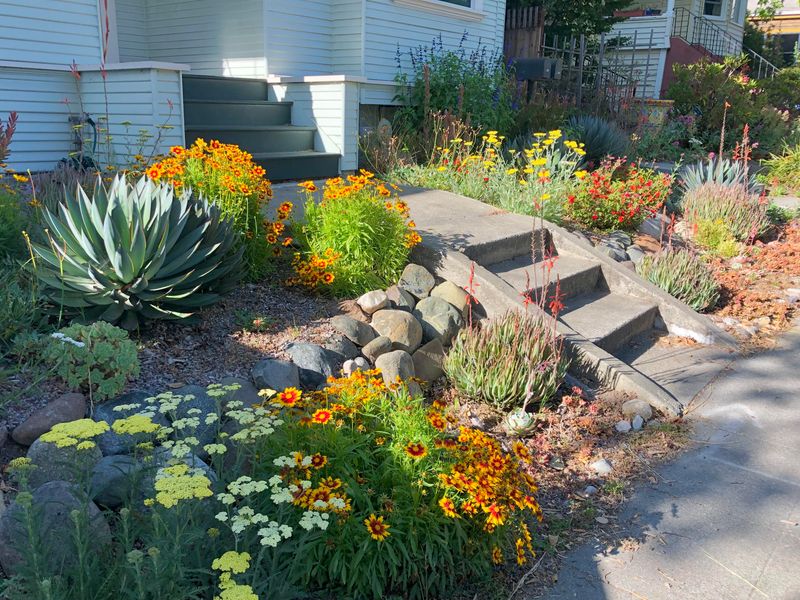
Selecting the right plants is where your vision board becomes a living, breathing reality. California offers an incredible palette of native and adapted plants that handle heat, drought, and variable rainfall with ease.
Native species like California poppies, ceanothus, and manzanita support local wildlife while requiring minimal water once established.
Mix different plant types for visual interest and ecological balance. Combine flowering perennials, ornamental grasses, shrubs, and trees to create layers and texture.
Drought-tolerant options like lavender, salvia, and agave work beautifully in sunny spots, while shade-loving plants like coral bells and ferns fill cooler areas.
Consider bloom times and foliage color to keep your yard interesting throughout the year. Early spring bulbs give way to summer perennials, followed by fall asters and winter-blooming camellias.
Evergreen shrubs and grasses provide structure when other plants go dormant.
Create a plant list on your vision board with photos and notes about each species’ water needs, mature size, and sun requirements. Group plants with similar needs together to simplify watering and maintenance.
Avoid plants labeled as invasive in California, like pampas grass or fountain grass, which can escape cultivation and harm native ecosystems. Smart plant choices reduce future headaches and water bills.
Plan For Year-Round Beauty
California’s mild climate means your backyard can look vibrant every month of the year, but it takes intentional planning. Start by listing what blooms or looks interesting in each season.
Spring might feature wildflowers and flowering trees, summer brings bold perennials and grasses, fall offers changing foliage and late bloomers, and winter showcases evergreen structure and early bulbs.
Layer in plants with different seasonal highlights. Pair spring-blooming ceanothus with summer-flowering salvias and fall-blooming asters.
Add ornamental grasses that turn golden in autumn and catch winter light beautifully. Evergreen shrubs like rosemary or manzanita provide consistent color when other plants rest.
Don’t forget about foliage color and texture. Plants with silvery leaves, burgundy tones, or variegated patterns add interest even when flowers fade.
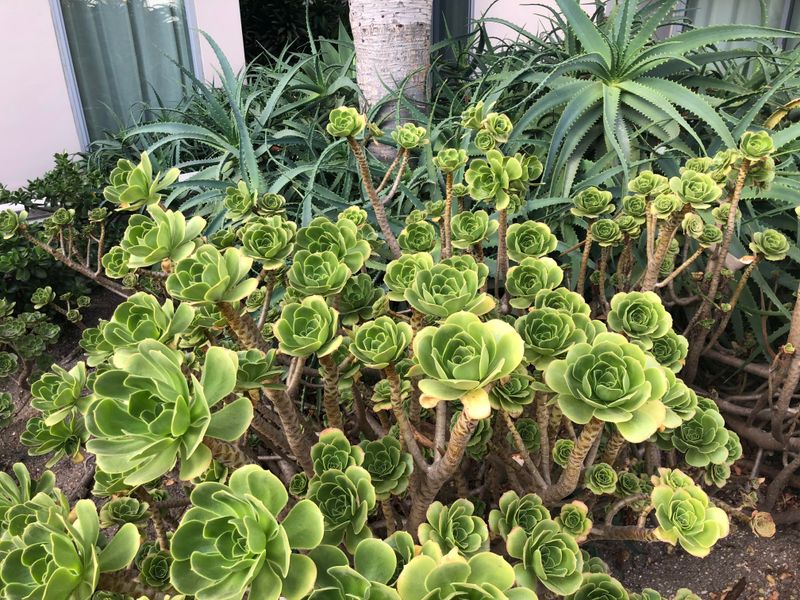
Succulents and ornamental grasses look sculptural year-round, especially when backlit by low winter sun.
Mark seasonal interest on your vision board with a simple chart showing what looks good when. This helps you identify gaps where the yard might look bare and guides you toward plants that fill those voids.
Year-round planning ensures your backyard stays inviting and Instagram-worthy no matter the month, giving you constant reasons to step outside and enjoy your space.
Add Hardscape And Features
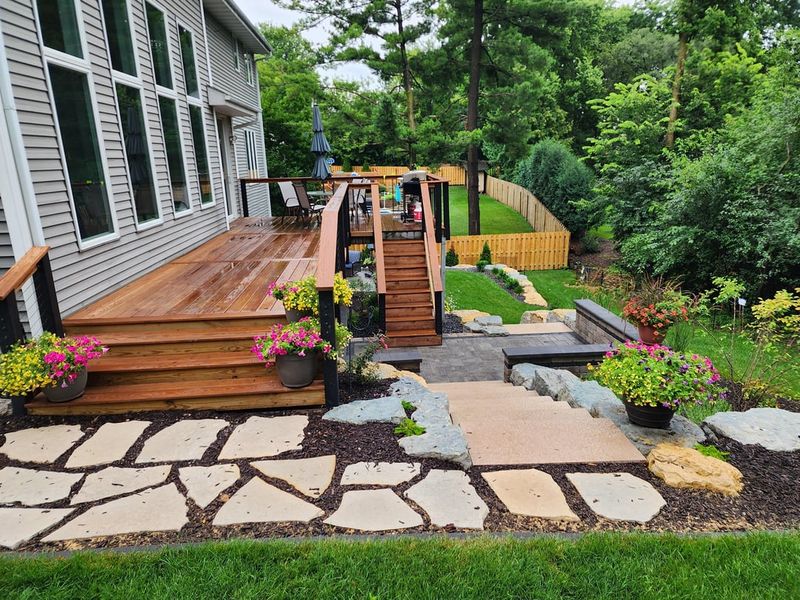
Hardscape elements like patios, pathways, and retaining walls give your backyard structure and define how you move through the space. These features often represent the biggest investment, so choosing materials that match your style and climate is important.
Decomposed granite and flagstone work well in dry California climates, while pavers and concrete offer durability and design flexibility.
Think about how hardscape serves your functional zones. A paved patio creates a stable surface for dining furniture, while stepping stones through garden beds make maintenance easier without compacting soil.
Retaining walls can carve out flat planting areas on slopes and double as seating.
Water features add sensory appeal and help mask neighborhood noise. Simple fountains, birdbaths, or recirculating streams bring soothing sounds and attract wildlife.
In drought-conscious California, opt for recirculating systems that conserve water rather than ponds that lose moisture through evaporation.
Lighting extends your backyard’s usability into evening hours and highlights favorite plants or features. Solar path lights, string lights over dining areas, and uplighting for trees create ambiance without complicated wiring.
Add photos of hardscape ideas and features to your vision board with notes about materials and approximate costs. These elements tie your plant choices together and make your backyard feel like a complete, cohesive outdoor room.
Organize Your Vision Board
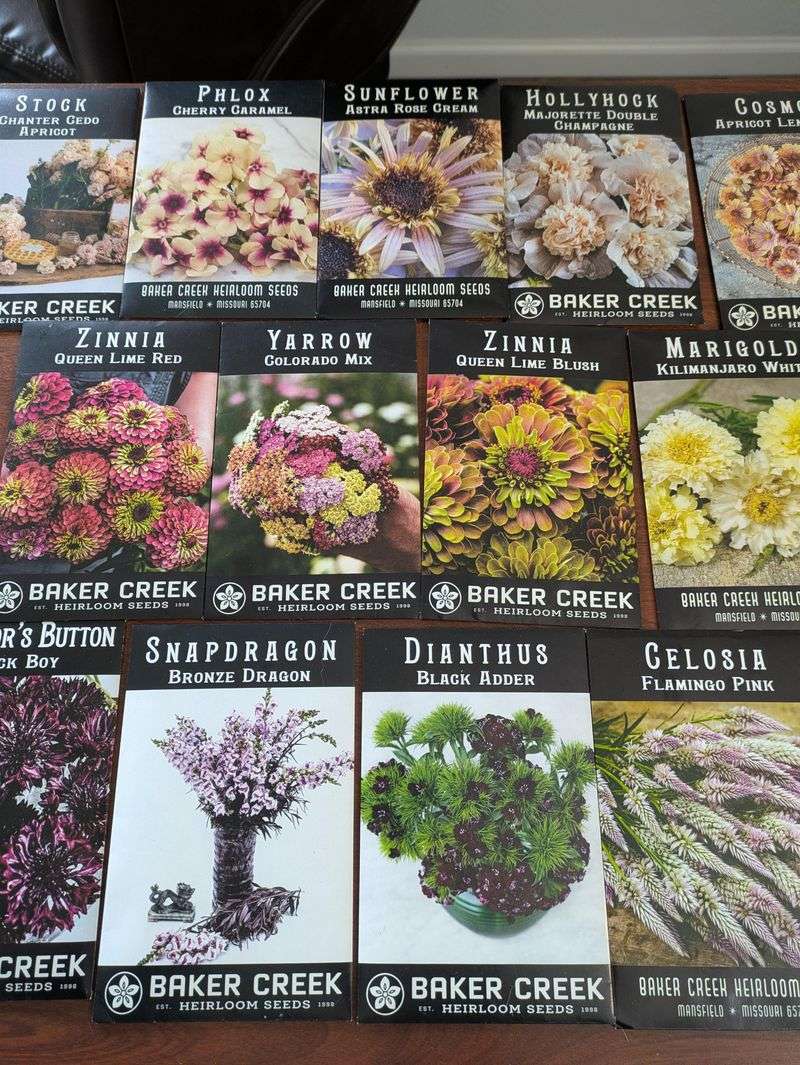
Now that you’ve gathered inspiration, defined zones, and selected plants and features, it’s time to organize everything into a cohesive vision board.
Whether you prefer a physical corkboard or a digital platform like Pinterest or Canva, the goal is to create a visual reference that keeps your project on track.
Arrange images and notes by category: one section for plant choices, another for hardscape ideas, a third for furniture and decor. Include your yard sketch with functional zones clearly marked.
Add swatches of materials, paint colors, or fabric samples if you’re planning seating areas or shade structures.
Label everything clearly with names, sources, and estimated costs. This transforms your vision board from a dreamy collage into a practical planning tool.
Include measurements, plant spacing guidelines, and installation tips you’ve gathered along the way. If working with a landscape designer or contractor, this organized board communicates your vision clearly and saves time.
Keep your vision board accessible and update it as your plans evolve. You might discover a new plant variety or change your mind about a material.
Flexibility is part of the creative process. The board should inspire and guide you, not lock you into decisions that no longer feel right.
A well-organized vision board turns abstract ideas into actionable steps you can tackle one weekend at a time.
Turn Your Vision Into Action
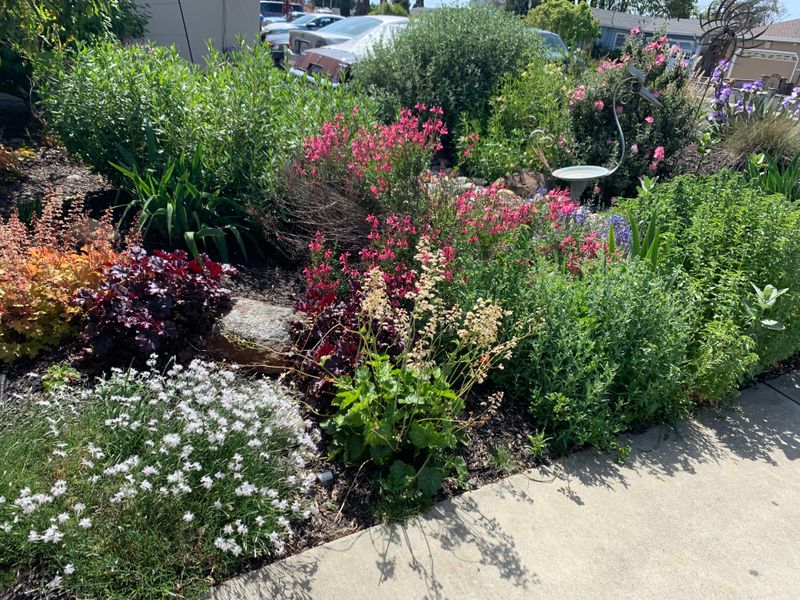
With your vision board complete, it’s time to start building your dream backyard. Break the project into manageable phases rather than trying to tackle everything at once.
Start with foundational work like grading, drainage improvements, or installing hardscape. These elements take the most effort but set the stage for everything else.
Next, focus on major plantings like trees and large shrubs that define the space and take time to mature. Add smaller perennials, groundcovers, and decorative elements in later phases.
This staged approach spreads out costs and labor, making the project feel less overwhelming.
Set a realistic timeline based on your budget and energy. Some tasks, like planting bare-root trees, have seasonal windows, while others can happen anytime.
California’s mild climate offers flexibility, but fall planting gives roots time to establish before summer heat arrives.
Track your progress with photos and notes. Celebrate small wins, like finishing a pathway or seeing your first blooms.
If challenges arise, unexpected costs, plants that struggle, or design elements that don’t work as planned, refer back to your vision board and adjust as needed. The board remains a living document that evolves with your yard.
Before long, your backyard will reflect the vision you carefully planned, offering a beautiful, functional space you’ll enjoy for years to come.